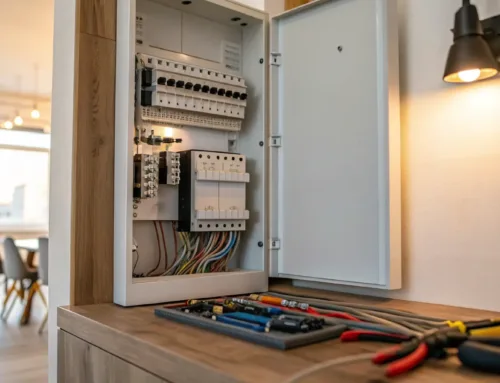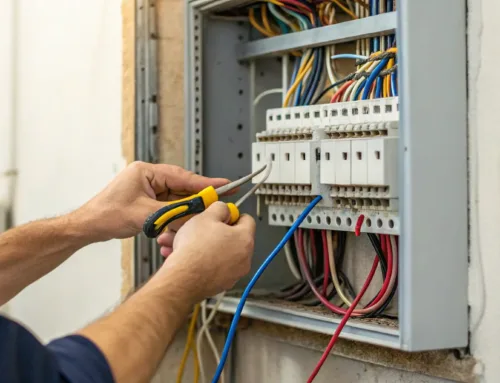
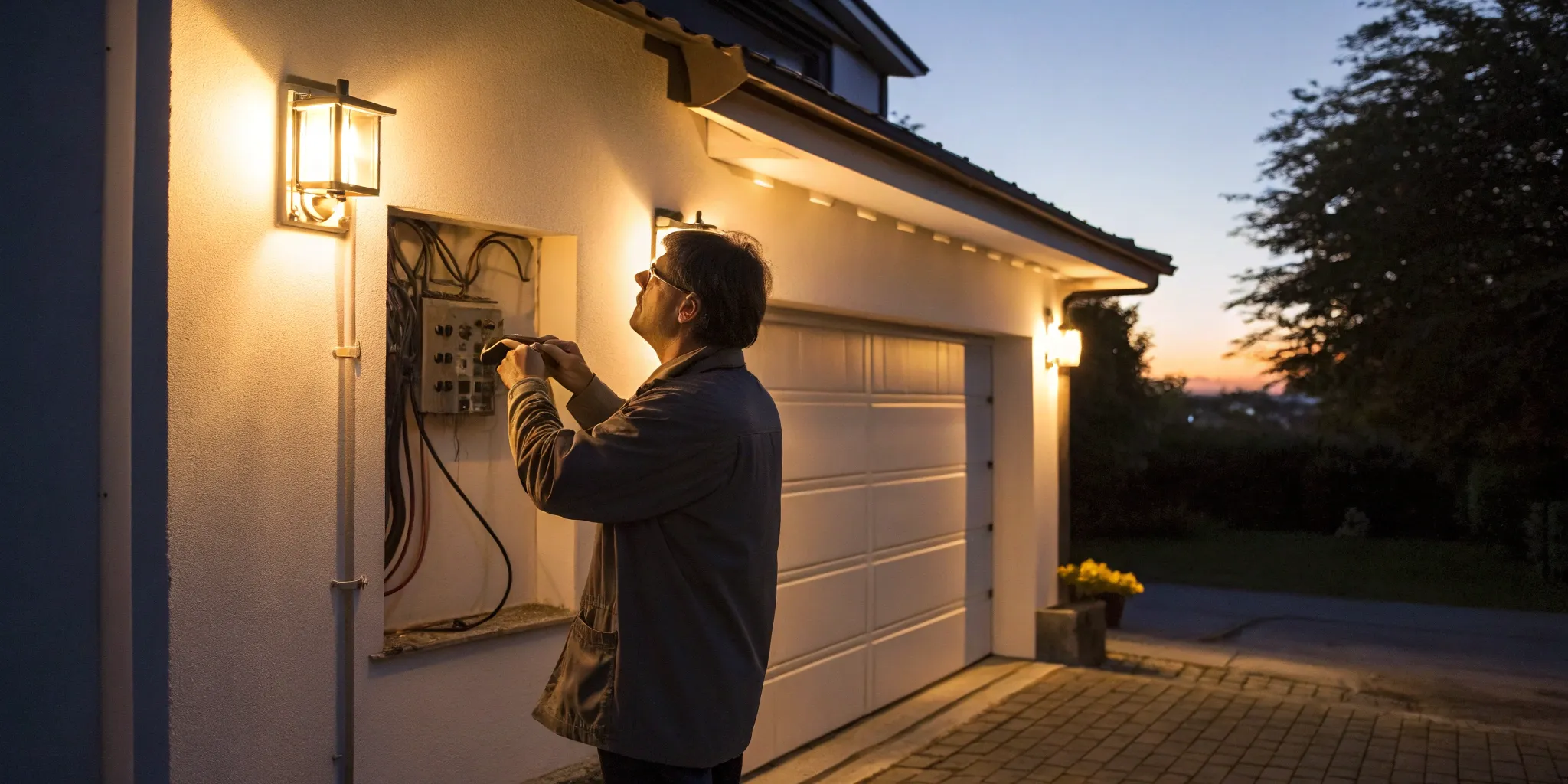
Let’s be honest—most of us aren’t electrical experts. Terms like “panel upgrades,” “GFCI outlets,” and “circuit loads” can sound like a foreign language, making it hard to know what to do when a problem arises. Feeling overwhelmed is completely normal, but you don’t have to stay in the dark. We created this guide to translate the technical jargon into straightforward advice. We’ll explain the different types of electrical work, what questions you should always ask a contractor, and how to choose the right professional for your specific needs. Think of this as your clear, simple roadmap to confidently finding and hiring a qualified electrical repair service.
Key Takeaways
- Confirm Credentials First: Before any work begins, ensure your electrician is licensed and insured. This is the most important step in protecting your property and guaranteeing the work is done safely and up to code.
- Look for Value, Not Just a Low Price: The cheapest bid can be a red flag. Instead, compare detailed written estimates, check online reviews, and ask about warranties to find a professional who offers the best long-term quality.
- Don’t Ignore the Warning Signs: Flickering lights, buzzing sounds, or frequently tripped breakers are your system’s way of signaling a problem. Calling a professional to address these small issues proactively is safer and more affordable than waiting for an emergency.
What Kind of Electrical Repair Do You Need?
Figuring out what kind of electrical help you need is the first step toward finding the right professional and getting a handle on potential costs. Electrical work isn’t a one-size-fits-all service; the needs of a family home are quite different from those of a commercial building, and an urgent problem requires a different response than a planned upgrade. Whether you’re dealing with a flickering light in your kitchen, planning a wiring project for your business, or facing a sudden power outage, identifying your specific situation will help you communicate clearly with an electrician and understand the scope of the job.
Think of it this way: are you dealing with a routine fix, a large-scale installation, or a true emergency? Each category involves different skills, equipment, and pricing structures. A residential electrician focuses on the systems that power your daily life, while a commercial expert understands the complex demands of a business. And when sparks are flying, you need someone who can respond immediately, day or night. Understanding these distinctions not only helps you find the right technician but also prepares you for the conversation about timelines and costs. It’s about matching the problem with the right expertise to get a safe, effective, and lasting solution. Let’s break down the common types of electrical repairs to help you determine exactly what kind of service you should be looking for.
Residential Electrical Repairs
For homeowners, electrical issues can range from minor annoyances to serious safety concerns. You might need residential electrical services if you’re experiencing flickering lights, outlets that don’t work, or a circuit breaker that constantly trips. These are common problems that a qualified electrician can diagnose and fix efficiently. The cost for these repairs often depends on the complexity of the job and the professional’s experience, with most electricians charging an hourly rate. Knowing what to expect can help you budget for everything from a simple outlet replacement to a more involved wiring repair, ensuring your home remains safe and fully functional.
Commercial Electrical Services
Electrical systems in commercial buildings are far more complex than in homes. They support heavy-duty equipment, extensive lighting, and critical business operations, all while needing to meet strict safety codes. If you’re a business owner or property manager, you’ll need an electrician with experience in commercial settings for tasks like wiring a new office space, upgrading electrical panels, or troubleshooting system-wide issues. These projects are often priced differently, sometimes based on square footage for new installations. Hiring a skilled commercial electrician ensures your business stays powered, productive, and compliant with all regulations.
Emergency Electrical Repairs
Some electrical problems can’t wait. If you see sparks, smell burning plastic, hear buzzing from an outlet, or lose power to essential parts of your home or business, you have an emergency on your hands. These situations pose immediate risks of fire or electrical shock and require an urgent response. Emergency electrical repairs typically cost more because they require an electrician to be available after hours and respond immediately. You can expect to pay a premium, often double the standard hourly rate, for this critical service. While the higher cost reflects the urgency, paying for a swift, professional repair is crucial for protecting your property and ensuring the safety of everyone inside.
How Much Will an Electrical Repair Cost?
When you’re dealing with an electrical issue, one of the first questions on your mind is likely about the cost. While there’s no single price tag for every repair, understanding how electricians structure their pricing can help you know what to expect. The final cost of an electrical repair depends on the nature of the problem, the time it takes to fix, and the materials required.
A trustworthy electrician will always be transparent about their pricing and provide a detailed estimate before starting any work. The goal is to find a professional who not only fixes the problem correctly but also communicates clearly about the costs involved. Whether you’re facing a flickering light at home or a complex wiring issue at your business, knowing the factors that influence the price will help you make an informed decision. From standard service fees to the complexity of the job, several elements contribute to your final bill. We’ll break down these components so you can feel confident when you hire a professional for your electrician repairs.
- I understand the cost may seem high —but what you’re really investing in is peace of mind.
- Partnering with a company that will be there when you need them most.
- It’s not just about the product—it’s about trust, reliability, and long-term support.
Understanding Hourly Rates and Service Fees
Most electricians charge an hourly rate plus a service fee for the initial visit. This service fee, sometimes called a trip charge, typically covers the first hour of work and the cost of getting a licensed professional and a fully-stocked truck to your door. You can generally expect this initial fee to be between $250.00 and $300.00
After the first hour, a standard hourly rate applies, which usually falls between $150.00 and $250. This rate depends on the electrician’s experience and the complexity of the work. For a straightforward job, the cost will be on the lower end, while more intricate repairs will command a higher rate.
What Factors Influence the Final Price?
Several key factors can affect the total cost of your electrical repair. The complexity of the job is the biggest driver; replacing a simple light switch will cost significantly less than troubleshooting a faulty circuit breaker panel. The accessibility of the wiring also plays a role—if an electrician has to cut into drywall or work in a tight crawlspace, labor costs will increase.
The need for new parts and materials will also be added to the final bill. Additionally, if you need emergency service outside of regular business hours, expect to pay a premium. For larger projects, the cost of pulling permits and scheduling inspections with your local municipality will be included in the overall price.
How Commercial and Residential Costs Differ
The cost of electrical work can vary quite a bit between residential and commercial properties. Residential electrical services are often more straightforward, dealing with standard home wiring and fixtures. Pricing is typically based on an hourly rate plus materials.
Commercial electrical projects, on the other hand, are often larger in scale and subject to more stringent building codes. They may involve three-phase power systems, specialized equipment, and extensive wiring. Because of this complexity, some commercial work is priced per square foot, often ranging from $6 to $8. The materials are also generally more robust and expensive, contributing to a higher overall cost compared to a similar-sized residential job.
How to Choose a Reliable Electrician
Finding an electrician you can trust is about more than just fixing a problem—it’s about ensuring the safety of your home or business. Electrical work isn’t the place to cut corners, so taking the time to find a qualified professional is one of the smartest decisions you can make. A little research upfront can save you from shoddy work, unexpected costs, and serious safety hazards down the road.
When you start your search, you’re looking for a partner who is not only skilled but also transparent and dependable. The right electrician will communicate clearly, respect your property, and stand behind their work. Think of it as building a relationship; you want someone you can call for a small electrical repair today and trust with a major installation tomorrow. By focusing on a few key qualifications, you can confidently hire a professional who will get the job done right the first time.
Verify Their Licensing and Insurance
Before you let anyone work on your property, your first step should always be to confirm they are licensed and insured. A valid license proves that the electrician has met state and local requirements for training and knowledge. It’s your assurance that they understand current electrical codes and safety standards. Insurance, including liability and workers’ compensation, is just as important. It protects you from being held responsible for any accidents or property damage that might happen while they’re on the job. Don’t be shy about asking for proof—a reputable electrician will have it ready and will be happy to share it.
Check Reviews and Ask for References
Online reviews and personal references are your best window into an electrician’s work ethic and quality. Look for detailed reviews that describe the customer’s experience. Did the electrician arrive on time? Were they professional and courteous? Did they clean up after the job was finished? These details often say more than a simple star rating. For larger projects, ask the electrician for a few references you can contact directly. Speaking with past clients gives you a chance to ask specific questions and get a real sense of what it’s like to work with them. It’s a great way to confirm you’re hiring a trusted member of our team.
Get Multiple Quotes to Compare Services
It’s always a good idea to get at least two or three quotes before making a final decision. However, don’t let price be your only guide. The cheapest bid isn’t always the best value and could be a red flag for subpar work or hidden fees. A professional quote should be a detailed, written document that breaks down the costs for labor, materials, and any necessary permits. Comparing these itemized estimates helps you understand exactly what you’re paying for and ensures there are no surprises. This transparency is a hallmark of a trustworthy residential electric service provider.
What Qualifications Should Your Electrician Have?
When you hire an electrician, you’re trusting them with the safety and functionality of your home or business. It’s not just about fixing a flickering light; it’s about ensuring the work is done correctly and safely to prevent future hazards like electrical fires or system failures. That’s why understanding an electrician’s qualifications is so important. You want someone who doesn’t just know how to connect wires but understands the complex systems behind your walls and is committed to the highest standards of their craft.
A truly professional electrician brings more than just a toolbox to the job. They bring a verifiable history of training, licensing, and hands-on experience. Think of it like checking a doctor’s credentials—you want to know they have the right education and a proven track record. Key qualifications fall into three main categories: proper licensing and insurance, specialized experience relevant to your project, and a commitment to ongoing training. A reputable company will always be transparent about the qualifications of our team and happy to answer your questions, because we know that trust is built on competence and honesty.
Essential Licenses and Certifications
First things first: a qualified electrician must be licensed and insured. This is the absolute baseline and is non-negotiable. A license proves that the electrician has met the strict requirements set by the state and local authorities, demonstrating their knowledge and competence. While licensing rules can differ by location, any professional operating in Southeastern Pennsylvania will hold the necessary credentials for the work they perform.
Beyond licensing, proper insurance is crucial for your protection. This includes liability insurance, which covers any potential damage to your property, and worker’s compensation, which covers the technician if they are injured on the job. Without this coverage, you could be held financially responsible for accidents. Always ask for proof of both license and insurance before any work begins. It’s a simple step that ensures you’re working with a legitimate professional.
Relevant Experience and Specializations
Not all electrical jobs are the same, and not all electricians have the same experience. While most licensed electricians can handle basic tasks, many projects require specialized skills. For example, the needs of a commercial facility with complex machinery are very different from the electrical repairs in a historic home. You’ll want to hire an electrician whose experience aligns with your specific needs.
Ask potential electricians about their background. Have they worked on projects like yours before? Do they specialize in residential or commercial services? If you need a Generac generator installed, it’s best to work with a certified dealer who has extensive experience with that specific equipment. Choosing an electrician with relevant, hands-on experience ensures they can handle the unique challenges of your project efficiently and effectively.
Up-to-Date Training and Code Knowledge
The electrical industry is constantly changing with new technologies and updated safety regulations. A great electrician is a lifelong learner who stays current with the latest advancements and code requirements. Electrical work is heavily regulated for a reason—improper installation can pose serious safety risks. Because of this, ongoing training and education are essential for any top-tier professional.
This commitment ensures that any work done on your property complies with the National Electrical Code (NEC), which sets the standard for safe electrical practices. An electrician who is up-to-date on these codes will ensure your system is not only functional but also completely safe for you, your family, or your employees. This dedication to staying current is a hallmark of a true professional who prioritizes quality and safety above all else.
When Is It Time to Call an Electrician?
Knowing when to call a professional can be tricky. Some electrical quirks seem minor, but they can be early warnings of a much bigger problem. While the urge to try a quick DIY fix is understandable, the truth is that amateur repairs can create serious safety hazards. Your home’s electrical system is a complex network of wires, circuits, and breakers that must all work together perfectly to be safe. A single mistake can lead to electrical shocks, fires, or damage to your expensive appliances.
That’s why it’s crucial to recognize when a situation is beyond a simple fix like changing a lightbulb. Hiring a professional electrician isn’t just about getting the job done right; it’s about ensuring the safety of your home and family. A licensed expert understands local building codes, has the right tools for the job, and can diagnose underlying issues that you might miss. While there’s a cost to hiring a pro, it’s a worthwhile investment compared to the potential cost of fixing a DIY disaster or dealing with an electrical fire. Think of it as paying for peace of mind. From flickering lights in your living room to outdated wiring in a commercial building, certain issues demand an expert’s attention.
Warning Signs You Shouldn’t Ignore
Certain signs are clear indicators that you need professional electrician repairs. If your lights flicker or dim when you turn on a major appliance, it could point to an overloaded circuit. Outlets or switches that feel warm to the touch, are discolored, or make a buzzing or crackling sound are immediate red flags. You should also pay attention to circuit breakers that trip frequently or fuses that blow regularly. And if you ever smell a faint burning odor near an outlet or your electrical panel, treat it as an emergency. These aren’t just minor annoyances; they are potential fire hazards that require immediate attention from a qualified electrician.
Common Electrical Issues in Businesses
For business owners, electrical problems aren’t just a safety concern—they can disrupt operations and hurt your bottom line. Common issues in commercial properties often include outdated electrical panels struggling to keep up with modern demands, faulty wiring, and malfunctioning outlets. Many businesses also deal with inefficient or failing lighting systems. A commercial electrician can diagnose and repair lighting issues, which might involve replacing ballasts or upgrading your entire system to energy-efficient LEDs. Addressing these problems promptly ensures the safety of your employees and customers while also preventing costly downtime and reducing energy consumption.
Preventive Maintenance vs. Emergency Repairs
It’s always better to be proactive with your electrical system than reactive. Scheduling routine electrical service allows a professional to identify and fix small issues before they escalate into dangerous and expensive emergencies. Think of it as an investment in your property’s safety and your own peace of mind. An emergency call will almost always cost more than a scheduled maintenance visit. While hiring an electrician for a non-urgent project has a cost, it’s a fraction of what you might pay for an after-hours emergency repair, not to mention the potential cost of fixing extensive damage. Building a relationship with a trusted electrician for regular check-ups is the smartest way to keep your system running safely and efficiently.
What Safety Standards Should You Expect?
When you hire an electrician, you’re trusting them with the safety of your property and everyone in it. This trust should be met with a firm commitment to established safety standards. Professional electrical work is about more than just getting the lights back on; it’s about ensuring the job is done correctly and safely to prevent future hazards. A qualified electrician operates within a strict framework of rules and procedures designed to protect both you and their team.
From following national and local codes to using specific on-the-job protocols, every step a professional takes is deliberate. They understand the serious risks involved in their work, like electric shock and arc flashes, and they don’t take shortcuts. This focus on safety should be apparent from the moment they arrive. It includes everything from the equipment they use to the way they communicate with you about the project. When you’re looking for reliable electrician repairs, asking about safety standards is one of the best ways to vet a potential contractor.
The Importance of Code Compliance
Electrical codes, like the National Electrical Code (NEC), are not just bureaucratic red tape; they are a detailed set of rules that define the safe installation of electrical wiring and equipment. These codes are updated regularly to keep pace with new technology and safety research. A professional electrician will always perform work that is compliant with these standards. This ensures that any repair or installation is not only functional but also meets the legal safety requirements for your area. Adherence to code protects your property, ensures the system works reliably, and is crucial for passing any required inspections.
Professional On-the-Job Safety Protocols
Safety isn’t just about the finished product—it’s about the process. A professional electrical team follows strict on-the-job safety protocols every single day. This includes using personal protective equipment (PPE) like insulated gloves, safety glasses, and arc-flash-rated clothing to prevent injury. You should also expect them to use procedures like lockout and tagout, which ensures a circuit is completely de-energized and cannot be accidentally turned on while someone is working on it. These measures show that the company values the well-being of our team and respects the seriousness of their work.
Confirming Insurance and Liability Protection
Never hire an electrician who isn’t licensed and fully insured. This is your most important protection as a property owner. A license proves they have met the required level of training and competency, while insurance protects you from liability in the rare case of an accident or property damage. General liability insurance covers any damage to your property, and workers’ compensation covers injuries to the technician. Asking for proof of both is a standard and necessary step before any work begins. It’s a clear indicator that you’re working with a legitimate and responsible professional.
What Should You Ask Before Hiring an Electrician?
Choosing the right electrician is about more than just finding someone to fix a problem; it’s about ensuring the safety and reliability of your home or business’s electrical system. Knowing what to ask before you hire can help you feel confident you’re making the right choice. A professional electrician will be happy to answer your questions and provide the information you need to feel secure.
Think of it as a friendly interview. You’re looking for a partner who is not only skilled but also transparent and reliable. The goal is to find a professional you can trust for this job and any future electrical repairs you might need. By preparing a few key questions, you can easily compare your options and select an electrician who meets your standards for quality, safety, and service.
Key Questions About Service and Pricing
When you first contact an electrician, it’s important to get a clear picture of the costs. Always ask for a detailed written estimate that breaks down the price, including materials, labor, and any permit fees. This prevents surprises on the final bill. A trustworthy electrician will provide this without hesitation. It’s also a good practice to get quotes from at least three different professionals. This allows you to compare not just the prices but also the scope of work and the level of service each one offers, helping you make a well-informed decision.
Ask About Warranties and Response Times
A company that stands behind its work will offer a warranty or satisfaction guarantee. Ask potential electricians what kind of guarantee they provide on their labor and the parts they use. A solid warranty gives you peace of mind, knowing that if something isn’t right, they will return to fix it. You should also inquire about their typical response times, especially if you have an urgent issue. Knowing how quickly they can assist you in an emergency is crucial for both your residential and commercial needs.
How to Verify Credentials and Experience
Never hesitate to ask about an electrician’s qualifications. Confirm that they are licensed, bonded, and insured. This is non-negotiable, as it protects you from liability in case of accidents or property damage. Ask how long they have been in business and if they have experience with your specific type of project. You can also ask for references or look up online reviews to hear from past customers. A reputable company will be proud to share its history and point you toward our team of licensed electricians and their qualifications.
Common Electrical Repair Mistakes to Avoid
When it comes to your home or business’s electrical system, a few common missteps can lead to significant safety risks and higher costs down the road. Knowing what to watch out for can help you make smarter, safer decisions for your property. From the temptation of a quick DIY fix to overlooking subtle warning signs, avoiding these pitfalls is key to maintaining a secure and reliable electrical setup. Making informed choices not only protects your investment but also ensures the well-being of everyone who uses the space.
The Risks of DIY Electrical Work
It’s easy to see the appeal of a DIY project. You watch a few videos, head to the hardware store, and figure you can save some money by tackling an electrical issue yourself. However, what seems like a simple fix can quickly become a serious hazard. Amateur repairs often lead to improper connections, overloaded circuits, or violations of local electrical codes—mistakes that can create fire risks or electric shock dangers. What started as a cost-saving measure can result in needing professional electrician repairs to fix the original problem and the new one you accidentally created. Your safety is always worth the investment in a qualified professional.
Why You Shouldn’t Choose on Price Alone
Everyone loves a good deal, but when you’re hiring an electrician, the lowest bid isn’t always the best value. An unusually low quote might be a red flag for an unlicensed contractor, someone who cuts corners with cheap materials, or a company that isn’t properly insured. A professional quote reflects the cost of skilled labor, high-quality parts, proper licensing, and liability insurance that protects you and your property. The final price of a project depends on its complexity, the materials needed, and whether permits are required. Choosing a reputable electrician ensures the job is done right and safely the first time.
The Danger of Ignoring Warning Signs
That buzzing sound from an outlet or the light that occasionally flickers might seem like minor quirks, but they are often your electrical system’s way of asking for help. Dismissing these small issues can allow a serious underlying problem to get worse. Warning signs like frequently tripped breakers, outlets that are warm to the touch, or a faint burning smell demand immediate attention. Waiting to call for help can turn a small, affordable repair into a major, expensive project and a significant safety hazard. Addressing these signs proactively is one of the smartest things you can do for your residential electric system.
Related Articles
- Electrician Repairs – M.T. Ruhl Electrical Contracting
- Residential Electric – M.T. Ruhl Electrical Contracting
- Commercial Electrical – M.T. Ruhl Electrical Contracting
- Solar Energy – M.T. Ruhl Electrical Contracting
- The #1 Electrician in Newtown Square, PA | M.T. Ruhl
Frequently Asked Questions
What should I do if I think I have an electrical emergency? If you see sparks, smell something burning, or hear buzzing from an outlet, your safety is the first priority. If you can get to your electrical panel safely, shut off the main breaker to cut the power. Then, call a qualified emergency electrician immediately. Don’t try to diagnose the problem yourself, as these signs point to serious hazards that need professional attention right away.
Are there any electrical repairs I can safely do myself? While it’s perfectly fine to handle simple tasks like changing a lightbulb, nearly all other electrical work should be left to a licensed professional. The risks involved in DIY repairs, from electric shock to creating a fire hazard, are significant. Hiring a professional ensures the job is done correctly and meets all safety codes, which is a small price to pay for peace of mind.
How can I get an accurate cost estimate for my repair? The best way to understand the cost is to request a detailed, written quote from a licensed electrician. A professional will often need to see the issue in person to give you an accurate price. The estimate should clearly break down the costs for labor, materials, and any permit fees so there are no surprises on the final bill.
What’s the real difference between a residential and a commercial electrician? The main difference comes down to scale and complexity. A residential electrician specializes in the wiring and systems found in homes, like outlets, lighting, and standard circuit panels. A commercial electrician is trained to handle the larger, more powerful systems required for businesses, which often involve higher voltages, specialized equipment, and much stricter building codes.
How can I be sure an electrician is properly licensed and insured? Simply ask them. A reputable professional will be happy to provide you with their license number and proof of insurance. You can typically verify a license number on your state’s official licensing board website. Taking this step is one of the most important things you can do to protect yourself and ensure you’re hiring a qualified expert.