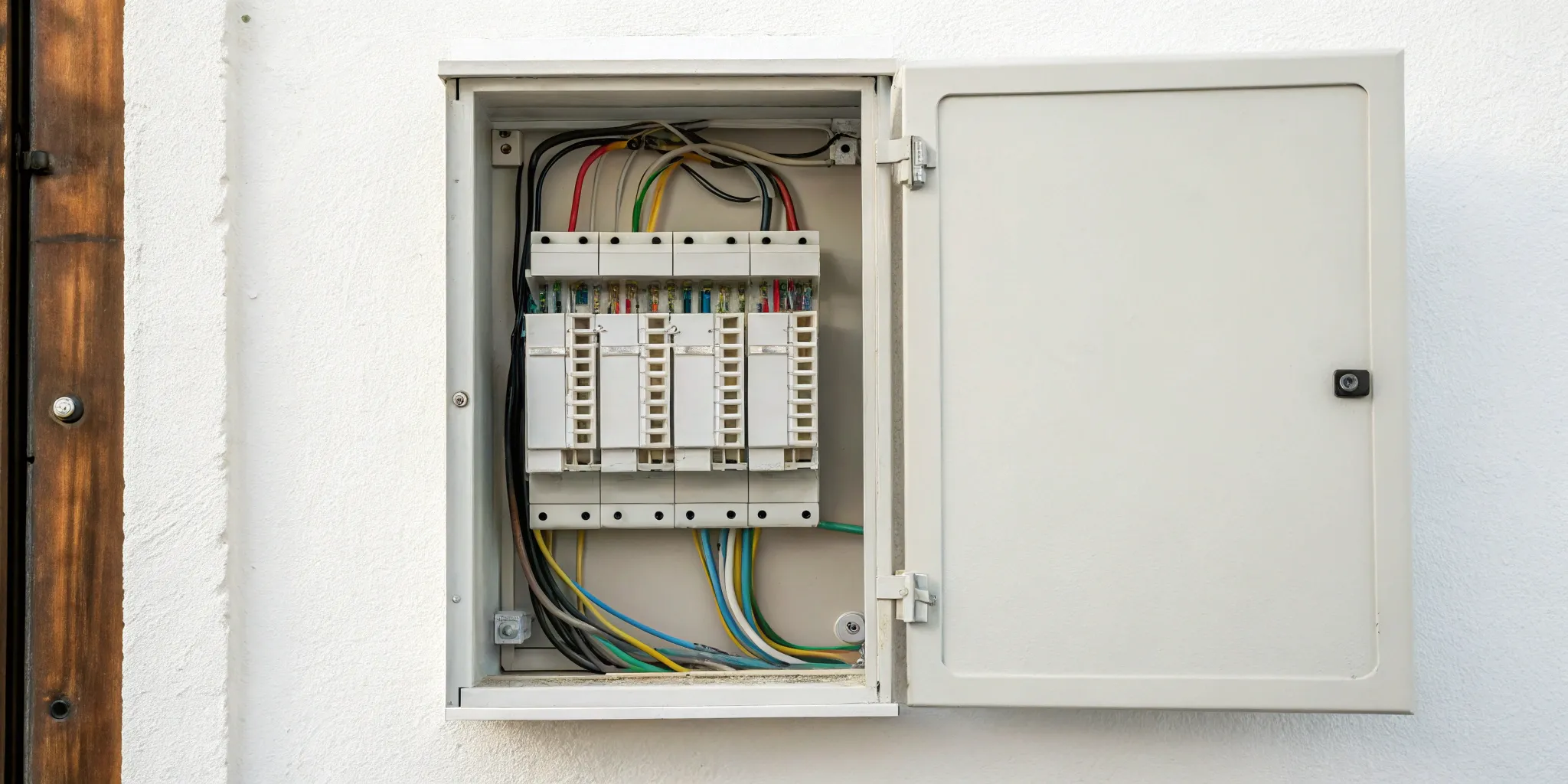
Do your lights dim whenever the air conditioner kicks on? Are you constantly resetting a tripped breaker? These aren’t just annoyances; they’re signs your electrical system is overloaded. The problem often traces back to one central hub. So, what is an electrical panel? Think of this box—sometimes called a breaker box—as the heart of your home’s power. It’s responsible for distributing electricity safely, but when it’s old or overloaded, it can’t keep up. Understanding how electric panels work helps you spot problems and know when to call an expert for a safe solution.
Key Takeaways
- Your Panel is the Heart of Home Safety: Your electric panel does more than just distribute power; its primary job is to protect your home. The circuit breakers inside are designed to automatically shut off power during an overload, preventing overheating and potential fires.
- Recognize When Your Panel is Overloaded or Outdated: Frequent breaker trips, flickering lights, and strange buzzing or burning smells are direct signs your panel is under stress. If your panel is over 25 years old or can’t handle your modern appliances, it’s time to consider an upgrade.
- Leave Panel Work to the Professionals: Never attempt to repair or modify your electric panel yourself. Any task beyond resetting a breaker, such as addressing frequent trips, installing new circuits, or upgrading the panel, requires the skill and safety training of a licensed electrician.
What Is an Electrical Panel and How Does It Work?
Think of your electric panel as the heart of your home’s electrical system. It’s the metal box, usually tucked away in a basement, garage, or utility closet, that takes the main power line coming into your house and safely distributes it to all the different circuits. You might hear it called a breaker box, service panel, or distribution panel, but they all refer to this central hub.
Every light switch you flip, every outlet you plug into, and every major appliance you run gets its power from this single point. The panel’s job is to manage that flow of electricity, ensuring that each circuit gets the right amount of power without becoming overloaded. It’s the command center that keeps your lights on, your devices charged, and your home running smoothly and safely. Understanding its role is the first step in managing your home’s electrical health.
What Your Electrical Panel Actually Does
At its core, your electric panel has two critical responsibilities: distributing power and protecting your home. It safely divides the main electrical feed from your utility provider into smaller, manageable circuits that power different areas of your house. This organized distribution is what allows you to run your dishwasher and watch TV at the same time without a problem.
Its second, and arguably most important, job is safety. The circuit breakers inside the panel are designed to automatically shut off, or “trip,” if a circuit draws too much power. This prevents overheating, which can damage appliances and create a serious fire hazard. The panel also serves as a central point for an electrician to troubleshoot issues and safely make repairs by shutting off power to specific zones.
A Peek Inside Your Breaker Box
If you open the door to your electric panel, you’ll see a series of switches. These are your circuit breakers. At the very top or bottom, there’s a large switch called the main breaker. This one controls the power to your entire home. In an emergency, you can use it to shut everything off at once.
The smaller switches are individual circuit breakers, each connected to a specific circuit in your home—like the kitchen outlets, the master bedroom lights, or the air conditioner. Ideally, these are labeled so you know exactly what each one controls. When a breaker trips, its switch will flip to the “off” or a middle position, cutting power only to that specific circuit until you reset it.
Dedicated Circuits for Major Appliances
Some breakers in your panel power multiple outlets and lights, but your biggest appliances need their own private line. Think of your refrigerator, stove, clothes dryer, or central air conditioner—these power-hungry devices require a dedicated circuit. This means they get their own breaker, ensuring they have all the power they need without competing with other devices. This setup prevents system overloads, which cause those annoying and frequent breaker trips. It’s a crucial part of a safe and efficient electrical system. If you’re planning to install a new major appliance or a home standby generator, adding a dedicated circuit is a job best left to a professional electrician who can ensure it’s done right.
Understanding GFCI Outlets
You’ve probably noticed those outlets in your bathroom or kitchen with the little “test” and “reset” buttons. Those are Ground Fault Circuit Interrupter (GFCI) outlets, and they are true lifesavers. Their sole purpose is to monitor the flow of electricity. If they sense even a tiny imbalance—which can happen if an appliance comes into contact with water—they instantly shut off the power to prevent a dangerous electrical shock. That’s why you’ll find them in areas where water and electricity are in close proximity, like kitchens, bathrooms, laundry rooms, and outdoor spaces. If a GFCI outlet trips, you can typically press the reset button to restore power, but if it happens frequently, it’s time to call for an electrician repair to diagnose the issue.
Breaker Box vs. Electrical Panel: What’s the Difference?
You’ll often hear people use the terms “electric panel” and “breaker box” interchangeably, and for the most part, that’s perfectly fine. In everyday conversation, they both refer to the same thing: the main box that houses your circuit breakers. It’s the central hub for your home’s electrical system.
Technically speaking, some professionals might distinguish the “breaker box” as the component that specifically holds the breakers, while the “electrical panel” is the entire assembly, including the enclosure and wiring. However, this is a minor detail. What’s important is understanding its function. Whether you call it a panel or a box, it’s the critical piece of equipment that distributes power and protects your home from electrical overloads.
Who Owns and Maintains the Electrical Panel?
This is a question that catches many people by surprise. The short answer is: you do. Your utility company is responsible for the equipment up to and including the electric meter on the outside of your house. From that point on, the electrical system—including the service panel, circuit breakers, and all the interior wiring—is the homeowner’s property and responsibility. This means that if your panel is outdated, malfunctioning, or needs an upgrade to support new appliances or a home generator, it’s up to you to arrange for service. While you own the equipment, it’s crucial to remember that any work inside the panel is a job for a licensed professional to ensure everything is safe and up to code.
Getting to Know the Types of Electrical Panels
When you think of an electric panel, you might picture a single gray metal box. But just like homes, electrical systems come in different shapes and sizes to meet specific needs. Understanding the type of panel you have—or the one you might need—is the first step in managing your home’s electrical system safely and effectively. The main differences usually come down to how the panel receives power and distributes it throughout your property.
The most common setup in homes is a main breaker panel, which acts as the central command for all your circuits. However, you might also encounter main lug panels, especially in older homes or as part of a larger system. If you’ve added a new room or a workshop, you may have a sub-panel to handle the extra electrical load. And if you have a backup generator, a transfer switch is a critical component that works with your panel to keep the lights on during an outage. Each type serves a distinct purpose, and knowing which is which can help you have a more informed conversation when you need electrical repairs.
Main Breaker or Main Lug: Which Panel Do You Have?
The two primary types of electric panels are the main breaker panel and the main lug panel. A main breaker panel is what most people have in their homes. It contains a large, primary breaker at the top that controls all the power coming into your house. If you need to shut off electricity to your entire home for any reason, you just flip this one switch. It’s your system’s master on/off button.
A main lug panel, on the other hand, doesn’t have a main breaker inside the box. Instead, the main power lines connect directly to terminals called lugs. This type of panel relies on a separate disconnect switch located elsewhere, often near the electric meter. Main lug panels are frequently used as sub-panels that draw power from a main breaker panel.
Do You Need a Sub-Panel?
If your main electric panel is the trunk of a tree, a sub-panel is like a major branch. It’s a smaller, secondary panel that gets its power from the main panel and distributes it to a specific area of your property. You might need a sub-panel if you’re planning a home addition, finishing a basement, or building a detached garage or workshop.
Installing a sub-panel is a great way to add more circuits when your main panel is full. It also helps balance the electrical load and makes it easier to manage power for a dedicated space. For example, if a breaker trips in your workshop, it won’t affect the power in the rest of your house. It’s a smart solution for expanding your home’s residential electrical system.
How Transfer Switches Safely Connect Your Generator
If you have a standby generator, a transfer switch is an essential piece of equipment. This special panel is the bridge between your home, the utility grid, and your generator. When a power outage occurs, the transfer switch automatically and safely disconnects your home from the utility lines and connects it to your generator. Once power is restored, it switches you back to the grid.
This process is crucial for two reasons. First, it provides you with a seamless transition to backup power. Second, it prevents dangerous back-feeding, which is when electricity from your generator flows back into the utility lines. This protects utility workers who may be working to restore power. A proper standby generator installation always includes a transfer switch.
Modernizing Your Home with Smart Panels
As our homes fill with more electronics, from EV chargers to smart appliances, the traditional breaker box is getting a major upgrade. Enter the smart electrical panel. Think of it as your old panel, but with a brain. It gives you the power to monitor and control individual circuits right from your smartphone, enhancing both safety and energy efficiency. This level of control is a game-changer, especially when paired with a standby generator. When an outage hits and your Generac generator takes over, a smart panel can automatically manage the electrical load. It can prioritize essential circuits—like your refrigerator and heating system—while temporarily shutting down non-essential, high-draw appliances. This intelligent load management ensures your generator runs efficiently and powers what matters most, future-proofing your home for whatever comes next.
Does Your Electric Panel Need an Upgrade?
Your electric panel is the heart of your home’s electrical system, but it can’t always keep up with growing demands. As you add more appliances and technology to your life, you might find that your panel is struggling to manage the load. An upgrade isn’t just about adding more circuits; it’s about ensuring your home has a safe, reliable, and efficient supply of power for everything you need. Knowing when it’s time for an upgrade can protect your home, your electronics, and your family.
Is Your Panel Outdated or Undersized?
Most electric panels have a lifespan of about 25 to 40 years. If your home is older and the panel has never been replaced, it might be time for an inspection. Beyond age, the panel’s capacity—measured in amps—is a major factor. Many older homes were built with 60- or 100-amp panels, which were plenty for the time. Today, with high-draw appliances, home offices, and additions like EV chargers, a 200-amp panel is often the standard. If you’re planning a major renovation or want to install a whole-house Generac generator, you first need to confirm your panel can handle the extra power.
From Fuse Boxes to Circuit Breakers
If your home was built before the 1960s, you might not have a breaker box at all. Instead, you could have a fuse box. While it serves the same basic purpose of protecting circuits from overloads, it does so in a much more dated way. Fuses contain a small piece of metal designed to melt and break the circuit when too much current flows through. This means every time a fuse “blows,” you have to unscrew it and replace it with a new one. A circuit breaker, on the other hand, is a simple switch that you can reset. The presence of a fuse box is a clear sign that your home’s electrical system is outdated and likely unable to safely handle the demands of modern appliances.
Hazardous Panels: Federal Pacific and Zinsco
Beyond just being old, some electrical panels are known to be actively dangerous. If you have a panel made by Federal Pacific Electric (FPE) or Zinsco, it’s a serious safety concern. These panels, commonly installed in homes from the 1950s through the 1980s, have a well-documented history of failure. Their circuit breakers often fail to trip during an overload, which allows wiring to overheat and create a significant fire risk. If you discover your panel has one of these brand names on it, don’t wait for a problem to occur. It’s critical to schedule an inspection and replacement with a qualified professional to ensure your home is protected from this hidden hazard.
How to Tell if Your Panel Is Overloaded
Your electrical system will often give you clear signs when it’s under too much stress. The most common signal is a circuit breaker that trips frequently. While a breaker tripping occasionally is normal, constant trips mean your panel is regularly overloaded. You might also notice your lights flicker or dim when a large appliance, like your air conditioner or microwave, kicks on. This indicates the circuit is struggling to provide enough power. Don’t ignore these signs—they are your panel’s way of telling you it needs help.
Keeping Your Panel Safe and Up to Code
Working on an electric panel is a job strictly for professionals. The risk of electric shock and fire is extremely high, and a small mistake can have devastating consequences. A licensed electrician will ensure that any upgrade or repair is performed safely and meets all local and national electrical codes. This is essential for your family’s safety and for passing home inspections. When you notice issues with your system, the right move is to call for professional electrician repairs instead of attempting a DIY fix. A qualified expert can assess your panel and recommend the safest path forward.
Permits and Electrical Code Requirements
When it comes to your home’s electrical system, safety isn’t just a best practice—it’s the law. Any significant changes or upgrades to your electrical panel require a permit from your local municipality. This isn’t just bureaucratic red tape; it’s a crucial step that ensures the work is inspected and verified to meet strict safety standards. A licensed electrician will know exactly what the local codes require and can manage the entire permitting process for you. This is a standard part of any professional electrical service, whether you’re upgrading an old panel or preparing your home for a major addition like a whole-house Generac generator. It guarantees the job is done right, protecting your home and giving you peace of mind.
How Old Panels Can Affect Home Insurance
An outdated electrical panel isn’t just a performance issue; it can also be a financial liability. Insurance companies assess risk, and old electrical systems are a major red flag. If your home has an old fuse box or less than 100-amp electrical service, it can be harder to get home insurance, or you might have to pay more. This is because older systems are seen as a higher fire risk, as they weren’t designed to handle the demands of modern electronics and appliances. Upgrading your panel is an investment in your home’s safety that can also make it easier to secure your homeowner’s insurance policy, which is a critical step before undertaking major projects like a home standby generator installation.
Is Your Electrical Panel Failing? Watch for These Signs
Your electric panel is the command center for your home’s entire electrical system, but it’s easy to forget it’s there until something goes wrong. Like any hardworking component, it can wear out over time. Catching the warning signs early is key to preventing bigger, more dangerous problems down the road. A failing panel doesn’t just cause inconveniences; it poses a serious risk of electrical fires and damage to your appliances.
Knowing what to look, listen, and smell for can help you identify a problem before it becomes an emergency. If your panel is trying to tell you something is wrong, it’s important to pay attention. From breakers that trip constantly to strange noises coming from the box, these signs are your cue to call in a professional. Never try to fix panel issues yourself—this is a job that requires the expertise of a licensed electrician to ensure everything is handled safely and correctly.
Factors That Shorten a Panel’s Lifespan
Your electrical panel is built to last, but it won’t last forever, and certain conditions can speed up its retirement. Age is a big one; most panels have a lifespan of 25 to 40 years. If yours is older, it likely wasn’t designed for modern electrical demands. Constant overloading also takes a toll. If your breakers trip often or lights dim when the AC turns on, your panel is working too hard, which leads to premature wear. Environmental factors like moisture in a damp basement can cause corrosion, while uncertified DIY modifications create dangerous problems that shorten its life. When you notice these signs, it’s time to call for professional electrician repairs to ensure your system is safe and ready for anything—even a new Generac generator.
Spotting Scorch Marks, Rust, and Other Damage
The easiest way to check on your panel’s health is with a quick visual inspection. Look at the panel cover and the area around it. Do you see any rust or signs of corrosion? This often points to water damage, which is a major hazard for any electrical system. You should also look for any scorch marks, discoloration, or melted wires inside or outside the panel. These are clear indicators of overheating and a significant fire risk. While it’s good to be aware, remember that your panel should only be handled by trained and licensed electricians who can safely diagnose and fix the underlying issue.
The Danger of a Loose Breaker Switch
A breaker switch should feel firm and click securely into place when you reset it. If you notice one that feels wobbly, loose, or doesn’t seem to connect properly, it’s a sign of a serious problem. This looseness indicates a poor connection between the breaker and the panel’s bus bar—the metal strip that distributes power. A bad connection creates electrical resistance, which generates a dangerous amount of heat. This can lead to arcing, melting the components inside your panel and creating a significant fire risk. Don’t dismiss a wobbly breaker as a minor quirk; it’s a critical warning that requires immediate attention from a licensed electrician to prevent further damage.
Don’t Ignore Strange Sounds or Smells
Your electric panel should operate silently. If you hear buzzing, humming, or crackling sounds coming from the box, it’s a red flag. These noises often signal a loose wire, a worn-out connection, or a circuit breaker that’s failing to trip properly. You should also be alert to any unusual odors. A distinct burning smell or the scent of melting plastic near your panel means something is overheating and requires immediate attention. A failing panel can damage your devices or even cause a fire, so these sensory clues should never be ignored. It’s always best to have a professional investigate the source of the problem.
Why Do My Circuit Breakers Keep Tripping?
A circuit breaker is designed to trip and cut off power when a circuit gets overloaded. It’s a safety feature, and an occasional trip isn’t usually a cause for alarm—it might just mean you ran the microwave and the toaster on the same circuit. However, if you have a breaker that trips frequently, or if resetting it doesn’t last long, you have a bigger issue. This often means your panel is overloaded and can’t handle your home’s electrical demand. Many older homes have panels that weren’t designed for the number of electronics we use today. If your lights flicker or your breakers trip often, it’s a strong sign you need an electrical system upgrade.
Overloads vs. Short Circuits and Ground Faults
While a tripped breaker often points to an overload, it can also signal more serious issues like a short circuit or a ground fault. An overload is the most common reason for a trip and happens when you simply ask a circuit to do too much work at once—like running your toaster and coffee maker at the same time. It’s a demand issue. Short circuits and ground faults, however, are wiring failures. A short circuit occurs when a hot wire touches a neutral one, while a ground fault happens when a hot wire touches a grounded surface. Both create a dangerous surge of electricity that poses a significant fire and shock risk. If you suspect a problem beyond a simple overload, it’s crucial to call for professional electrical repairs to safely diagnose the fault.
Your Guide to Safe Electrical Panel Maintenance
Your electric panel is the heart of your home’s electrical system, and keeping it in good shape is crucial for your safety and your home’s functionality. While the idea of a quick DIY fix might seem appealing, electrical work is one area where you should always leave it to the professionals. The risks of electric shock or fire are simply too high for anyone without extensive training and the right equipment. Any hands-on maintenance, from tightening connections to replacing breakers, requires the expertise of a trained and licensed electrician who understands the complex inner workings of your panel.
However, that doesn’t mean you have no role to play. As a homeowner, your job is to be the first line of defense through careful observation. Knowing the basics of panel safety, recognizing warning signs, and understanding how to react in a minor electrical event can make a huge difference. Think of it as a partnership: you keep an eye on the day-to-day condition of your system, and a professional handles the technical work. This proactive approach ensures your panel remains a reliable source of power, not a potential hazard. By learning what to look for, you can catch small issues before they become big problems and know exactly when to make the call for professional help.
A Simple Safety Checklist for Your Breaker Box
When it comes to your electric panel, your main job is observation, not intervention. Any work inside the panel, including tightening connections or replacing parts, must be done by a trained and licensed electrician to prevent serious injury or fire.
Here’s what you can do to keep things safe:
- Keep the Area Clear: Ensure there’s at least three feet of clear space in front of your panel. It should always be easily accessible, never blocked by storage or furniture.
- Keep it Clean and Dry: The panel’s surface should be kept clean. Never store flammable materials nearby, and if you notice any moisture around the panel, call a professional immediately.
- Know Your Labels: Make sure your breakers are clearly labeled. This will help you (and an electrician) quickly identify which circuit controls which part of your home.
Always Keep the Panel Cover Closed
This might sound like a simple housekeeping tip, but it’s one of the most important rules for electrical safety. The cover on your electric panel isn’t just there to hide the wires; it’s a critical safety barrier. Keeping it closed protects the sensitive breakers and wiring inside from dust, moisture, and physical damage, all of which can lead to malfunctions or short circuits. More importantly, it prevents accidental contact with live electrical components, which is especially crucial in homes with children or pets. Think of it as a locked door to the most powerful system in your home. Making sure it’s always securely shut is a simple, no-cost way to maintain your system and prevent a serious accident.
Is the Panel Hot to the Touch?
Your electric panel should always feel cool or, at most, slightly warm to the touch. If you ever place your hand on the panel cover and it feels noticeably hot, you have a serious problem that requires immediate action. A hot panel is a major red flag for overheating, which could be caused by a loose connection, an overloaded circuit, or a failing breaker. This creates a significant risk of an electrical fire. If your panel feels hot, do not try to diagnose the issue yourself. Turn off the main breaker if you can do so safely, and call a licensed professional for emergency electrician repairs right away. This is one warning sign you should never ignore.
Why You Shouldn’t Skip Professional Maintenance
Working on an electrical panel is a complex job that carries significant risks if you don’t have the proper training. Licensed electricians have the expertise to identify potential issues that an untrained eye would miss, from faulty wiring to overloaded circuits. They use specialized tools and follow strict safety protocols to perform electrician repairs without endangering themselves or your home. Regular professional maintenance not only extends the life of your panel but also ensures it complies with local electrical codes, which is essential for your home’s safety and insurance purposes. Trusting a professional is the smartest and safest way to care for your electrical system.
Recommended Inspection Frequency
So, how often should you have your panel looked at? A good rule of thumb is to schedule a professional inspection every three years. This gives an expert a chance to spot any potential issues, like loose connections or signs of wear, before they become serious problems. However, if your panel is on the older side—say, 25 years or more—or if you know it’s a smaller 100-amp panel in a home filled with modern electronics, you might want to have it checked more frequently. These regular check-ups are about more than just maintenance; they ensure your system is safe, up to code, and capable of handling your daily electrical needs. Scheduling a routine professional inspection is a simple, proactive step to protect the heart of your home’s electrical system.
What to Do in an Electrical Emergency
The most common issue you’ll likely face is a tripped circuit breaker. This happens when a circuit draws too much electricity, and the breaker cuts the power as a safety measure to prevent overheating and potential fires. If a breaker trips, you can usually reset it by flipping the switch completely off and then back on. However, if a breaker trips repeatedly, it’s a clear warning sign. This indicates a persistent problem, such as an overloaded circuit or a short somewhere in the wiring. Don’t ignore it. Instead of repeatedly resetting the breaker, it’s time to call for residential electric services to find and fix the root cause.
When to Call a Professional Electrician
While it’s great to be a hands-on homeowner, your electrical panel is one area where DIY is a definite no-go. Working with electricity is complex and dangerous, and a small mistake can lead to major risks like electric shock or fire. Knowing when to step back and call in a professional is key to keeping your home and family safe. Whether you’re dealing with an urgent problem, planning a home improvement project, or just want to make sure everything is in good working order, a licensed electrician has the training and tools to do the job right. Think of it as an investment in your home’s safety and your own peace of mind. A pro can diagnose issues you might miss, ensure all work is up to code, and help you avoid costly and hazardous problems down the road.
For Urgent Repairs and Emergencies
A circuit breaker that trips occasionally is just doing its job. But if you have a breaker that trips constantly, it’s your electrical system’s way of waving a red flag. This is a clear sign that the circuit is overloaded or has a more serious fault. Instead of just flipping it back on again and again, it’s time to call for electrician repairs. A professional can find the root cause, whether it’s a faulty appliance or a problem with the wiring itself. Other urgent warning signs include buzzing or humming sounds from the panel, a burning smell, or visible scorch marks on outlets or the panel itself. Don’t wait—these symptoms require immediate attention from a qualified electrician.
For Panel Upgrades and Installations
Planning to add a new hot tub, install an EV charger, or renovate your kitchen with new appliances? These kinds of projects almost always require more power than your existing circuits can handle, which often means you’ll need a panel upgrade or a new dedicated circuit. This is a complicated job that should only be handled by a licensed electrician. They will ensure your panel has the capacity for the new load and that all wiring meets local safety codes. Any major residential electric work, especially a full panel replacement, is a complex task that requires a permit and a deep understanding of your home’s entire electrical system.
For Routine Safety Inspections
Just like your car or HVAC system, your electrical panel benefits from regular check-ups. It’s a good idea to have a licensed electrician inspect your panel every few years to look for hidden problems. During an inspection, they’ll check for things like loose connections, signs of corrosion, or wiring that isn’t up to current safety standards. This kind of preventative maintenance is the best way to catch small issues before they become dangerous emergencies. Having a trusted team like our experts at M.T. Ruhl perform a safety inspection gives you confidence that your home’s electrical heart is in solid, reliable condition.
Related Articles
- 7 Signs You Need to Upgrade Your Electrical Panel
- How Much to Replace an Electrical Panel in 2025?
- Electrician for Panel Upgrade: A Homeowner’s Guide
Frequently Asked Questions
My house is pretty old, but my power works fine. Do I really need to think about my electric panel? It’s a great question, and it’s smart to be proactive. Even if things seem to be working, an older panel might not be equipped to handle the demands of modern life. Panels from decades ago were not designed for today’s array of high-draw appliances, home offices, and electronics. More importantly, safety standards have changed significantly. An older panel may lack modern safety features, and its internal components can wear out over time, creating hidden risks. Think of it as a check-up for the heart of your home’s electrical system.
Is it a big deal if one of my circuit breakers trips all the time? Yes, this is something you should take seriously. A breaker is designed to trip to prevent a circuit from overloading and overheating, which can cause a fire. If it happens once in a while, it might just mean you ran too many things at once. But if the same breaker trips repeatedly, it’s a clear signal that there’s a persistent problem. It could be an overloaded circuit, a faulty appliance, or a wiring issue. Instead of just resetting it over and over, it’s essential to have a professional find and fix the root cause.
What’s the difference between needing a sub-panel and a full panel upgrade? Think of it this way: a sub-panel is like adding a new, organized branch to your electrical system, while a full upgrade is like strengthening the entire trunk. You might add a sub-panel for a specific project, like a new workshop or a finished basement, to provide dedicated circuits for that area. A full panel upgrade is necessary when your entire home needs more power than your current main panel can supply, which is common when adding major appliances like an EV charger or preparing for a whole-house generator.
How often should I have a professional look at my electric panel? There isn’t a strict rule, but a good practice is to have your electrical system inspected every few years, especially if you live in an older home. A professional inspection can catch small issues like loose connections or signs of corrosion before they become serious hazards. It’s also a wise step to take when you first move into a new house or before you begin any major renovations. This preventative approach gives you peace of mind that your system is safe and reliable.
I’m getting a generator. Does that mean I automatically need a new electric panel? Not necessarily, but it’s a critical part of the assessment. Installing a standby generator involves adding a transfer switch, which works alongside your main panel. During the installation planning, a qualified electrician will evaluate your current panel’s capacity to ensure it can handle the electrical load of the essential circuits you want the generator to power during an outage. If your panel is already at its limit or is outdated, an upgrade might be required to support the generator system safely and effectively.