You’ve probably called them “110 volt outlets” your whole life. We all do. But here’s a little secret from the pros: the standard voltage in modern homes is actually 120 volts. This isn’t just trivia; it’s key to understanding your home’s electrical system. So, what is a 110 outlet, really? The term is a holdover, but the technology has evolved. This guide covers everything you need to know about the standard 110 power outlet, from the different types available to the crucial safety features that protect your family and your home.
Key Takeaways
- “110V” Is Just a Nickname for the 120V Standard: While the term “110 outlet” is commonly used, the official standard in modern U.S. homes is 120 volts. This historical nickname doesn’t impact performance, as your appliances are designed to work perfectly with the current system.
- Choose the Right Outlet for the Right Room: Safety and function depend on using the correct outlet type. Install GFCI outlets in areas with water, like kitchens and bathrooms, to prevent shock, and use tamper-resistant (TR) outlets in living spaces to protect children.
- Recognize the Signs of a Failing Outlet: An outlet needs immediate replacement if it’s cracked, feels warm to the touch, or can’t hold a plug securely. These are serious fire hazards, and any upgrade or repair should be handled by a professional electrician to ensure safety.
What Is a 110 Volt Outlet?
If you’ve ever talked about the outlets in your home, you’ve probably used the term “110 outlet.” It’s a common phrase, but here’s a little secret from the world of electricians: the standard outlets in modern American homes are actually 120 volts (120V). It’s a minor difference on paper, but it’s rooted in the history of our electrical grid.
So, why do we still call them 110 outlets? The term is a holdover from a time when the voltage standard was slightly lower. As our country’s power needs grew and our appliances became more sophisticated, the standard shifted to 120V to provide more efficient and reliable power. Think of it like a nickname that stuck around long after things officially changed. For you, the homeowner, the key takeaway is that when you hear “110V,” “115V,” or “120V,” everyone is talking about the same standard residential outlet that powers your daily life. Understanding this helps demystify your home’s electrical system and ensures you’re speaking the same language as the pros.
The Standard Power Outlet Explained
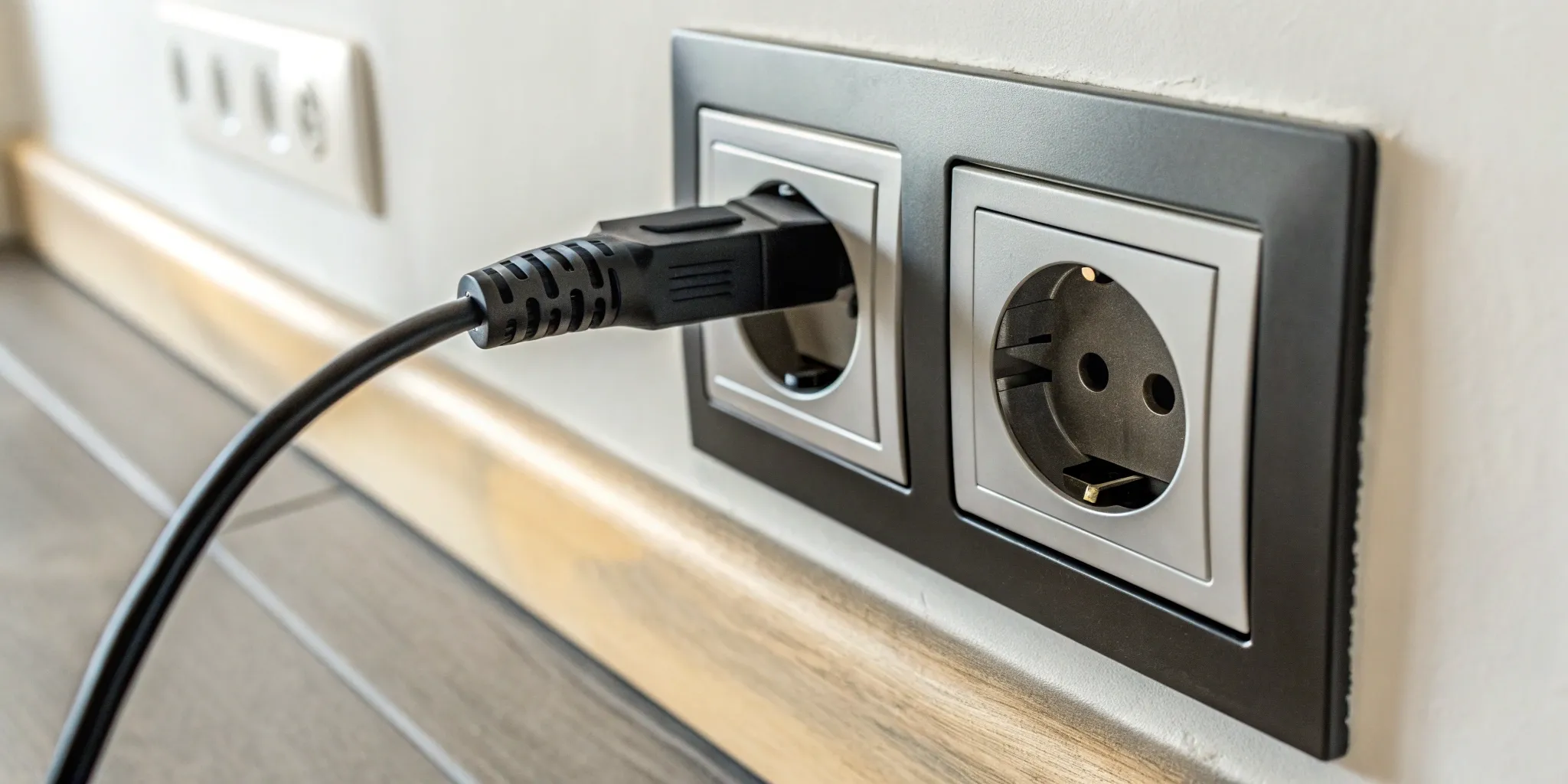
Let’s clear up the confusion right away. When someone refers to a “110 electrical outlet,” they are almost always talking about the standard three-prong (or sometimes two-prong) outlet you see throughout your home. Officially, the standard voltage for these outlets in the United States is 120V. The term “110V” is simply a bit of an outdated, yet persistent, name.
These are the workhorses of your home’s residential electric system, providing the power for everything from your phone charger to your television. So, while the name might be a little imprecise, its function is clear: it’s the universal power source for most of your household devices.
Is It 110V or 120V?
The main difference between 110V and 120V is historical. Decades ago, 110V was the common standard. Over time, as the demand for electricity increased with the invention of more powerful appliances, utility companies gradually raised the nominal voltage to 120V. This small increase allowed the power grid to deliver energy more efficiently and better support modern homes.
For you, there is no practical difference. Your appliances and electronics are designed with a tolerance for minor voltage fluctuations, so a device rated for 120V will work perfectly in an outlet that someone might call 110V. The terms are used interchangeably, and your home’s electrical system is built on the 120V standard.
How 110V Outlets Power Your Home
These standard 120V outlets are the foundation of your home’s power distribution. They are designed to handle the electrical load of most everyday electronics and smaller appliances. Think about your daily routine: the lamp on your nightstand, the coffee maker in your kitchen, the computer in your home office, and the TV in your living room are all powered by these outlets.
Because they are so essential, it’s important to ensure they are working correctly. If you notice an outlet is loose, discolored, or not providing power, it’s a good idea to call for electrician repairs. While these outlets power smaller devices, larger appliances like electric dryers, ovens, and central air conditioners require higher-voltage 240V outlets to meet their significant power demands.
Understanding the Technical Details
While it’s easy to take your outlets for granted, knowing a bit about what’s happening behind the wall can help you understand your home’s electrical system better. You don’t need to be an electrician to grasp the basics, but learning the language helps you spot potential issues and communicate clearly when you need professional help. From official names to power ratings, these details are the building blocks of a safe and efficient home. This knowledge is especially important when considering major additions to your home’s electrical system, like a Generac generator, as a solid foundation is key to reliable power.
The Official Name: NEMA 5-15R
Every standard outlet has an official name: NEMA 5-15R. It might sound like a part number for a spaceship, but it’s actually a simple code. NEMA stands for the National Electrical Manufacturers Association, the organization that sets the standards for this kind of equipment in North America. The “5-15” part of the name tells you about its electrical rating—it’s a grounding plug (the “5”) rated for 15 amps and 125 volts. The “R” simply stands for receptacle. So, when you see that familiar face with two vertical slots and a round grounding hole, you’re looking at a NEMA 5-15R, the most common electrical receptacle in any home.
Amperage Ratings: 15 Amps vs. 20 Amps
Not all outlets are created equal when it comes to power capacity. The amperage, or “amps,” tells you how much electrical current an outlet can safely handle. Most outlets in your home are rated for 15 amps, which is perfect for lamps, chargers, and TVs. However, in places like kitchens, laundry rooms, or garages where you might use more power-hungry appliances, you’ll often find 20-amp outlets. You can spot a 20-amp outlet by a small, T-shaped slot on the left side. This design allows it to accept both standard 15-amp plugs and larger 20-amp plugs, providing more power for devices like heavy-duty kitchen mixers or power tools without tripping the breaker.
A Look at Basic Installation and Wiring
Understanding how an outlet is wired is one thing, but actually doing the work is another. Electrical wiring is precise and has no room for error, as mistakes can lead to shocks or even fires. While we’ll walk through the basic concepts so you can be more informed, this is not a DIY guide. Any work involving your home’s electrical system, from replacing a faulty outlet to upgrading a circuit, should always be handled by a licensed professional. A qualified electrician ensures the job is done safely and up to code, protecting your home and family. This is the level of expertise we bring to every residential electric project.
Standard Wiring Color Codes
Inside the wall, every outlet is connected to three wires, each with a specific color and job. The black wire is the “hot” or “live” wire; it carries the electrical current from the breaker panel to the outlet. The white wire is the “neutral” wire, which completes the electrical circuit by carrying the current back to the panel. Finally, the bare copper or green wire is the “ground” wire. This is a crucial safety feature that provides a path for electricity to escape safely into the earth in case of a short circuit, preventing dangerous electrical shocks. Knowing these color codes helps you understand what’s going on behind the scenes.
Key Steps for a Safe Installation
When a professional electrician replaces an outlet, their first step is always safety. They begin by locating the correct circuit in your breaker box and turning it completely off to cut the power. Once they confirm the power is off, they connect the wires to the new outlet: the black (hot) wire attaches to the brass-colored screw, the white (neutral) wire connects to the silver screw, and the green or bare copper (ground) wire fastens to the green screw. Proper grounding is essential for safety. If you’re ever unsure about your home’s wiring, it’s best to schedule professional electrician repairs to ensure everything is safe and secure.
Which 110V Outlet Do You Need?
When you think of an electrical outlet, a simple, familiar image probably comes to mind. But just like there are different tools for different jobs, there are various types of outlets designed for specific needs around your home. Choosing the right one isn’t just about convenience; it’s a critical part of keeping your home safe and functional. From the standard outlets in your living room to specialized versions for your kitchen and bathroom, each type serves a unique purpose.
Understanding these differences can help you make informed decisions about your home’s electrical system. Whether you’re building a new home, planning a renovation, or simply noticing that your current outlets aren’t meeting your needs, knowing your options is the first step. We’ll walk through the most common types of 110V outlets you’ll encounter, including the standard duplex, safety-focused GFCI outlets, modern USB and smart outlets, and child-safe tamper-resistant models. Each one plays a role in powering your life safely and efficiently, and a professional can handle any electrician repairs or upgrades you might need.
The Everyday Duplex Outlet
The standard duplex outlet is the most common type you’ll find throughout your home. It’s the familiar workhorse with two receptacles for plugging in lamps, TVs, vacuums, and other everyday electronics. While the terms 110V and 120V are often used interchangeably, any standard outlet in an American home is technically 120 volts. These outlets are perfect for general-purpose use in bedrooms, living rooms, and hallways where the risk of moisture is low.
If you live in an older home, you might have two-prong versions of these outlets, which lack a grounding wire. For modern appliances and safety, upgrading to a three-prong grounded outlet is a must. This is a straightforward job for a qualified electrician and a crucial step for protecting your electronics and your family.
Why You Need GFCI Outlets in Wet Areas
A GFCI, or Ground Fault Circuit Interrupter, is a smart, life-saving device. These outlets are designed to protect you from electrical shock in areas where electricity and water might meet. A GFCI constantly monitors the flow of electricity and, if it detects even a tiny imbalance, it instantly shuts off the power. You can spot them by the “TEST” and “RESET” buttons on their face.
Because of their safety features, the National Electrical Code (NEC) requires GFCI protection for all outlets in bathrooms, kitchens, laundry rooms, garages, and outdoor spaces. If your home doesn’t have them in these key areas, it’s time for an upgrade. Proper residential electric work ensures these are installed correctly for maximum protection.
Modern Upgrades: USB and Smart Outlets
As our lives become more connected, our outlets are evolving, too. USB outlets are a fantastic modern convenience, featuring built-in USB ports that let you charge phones, tablets, and other devices directly without needing a bulky power adapter. This frees up the main receptacles for other appliances and reduces clutter.
Smart outlets take things a step further, connecting to your home’s Wi-Fi network. This allows you to control whatever is plugged into them from your smartphone or with a voice command. You can schedule lamps to turn on at sunset, turn off an appliance you accidentally left on, or monitor energy usage. These outlets seamlessly integrate modern technology into your home’s existing electrical system for added convenience and efficiency.
Keeping Kids Safe with Tamper-Resistant Outlets
For homes with young children, tamper-resistant outlets are an absolute game-changer for peace of mind. These outlets look almost identical to standard ones but contain a hidden safety feature: internal spring-loaded shutters. These shutters block the slots unless a two-pronged plug is inserted correctly, preventing a child from sticking foreign objects like keys or paperclips into the outlet.
This simple mechanism is incredibly effective at preventing electrical injuries. In fact, the NEC now requires tamper-resistant receptacles in all new and renovated homes. Combining this feature with GFCI protection creates the safest possible outlet for your family. If you’re looking to make your home safer, upgrading your outlets is a great place to start.
Specialized Outlets for Specific Needs
Beyond the common upgrades, some situations call for even more specific solutions. Arc-Fault Circuit Interrupter (AFCI) outlets, for example, provide advanced protection by detecting dangerous electrical arcs that can cause fires, making them essential for living rooms and bedrooms. For areas with power-hungry equipment, like a garage workshop or a kitchen with high-end appliances, a 20-amp outlet is the answer. You can identify it by its unique T-shaped slot, which is designed to handle a higher electrical load. It’s critical that these specialized outlets are installed correctly on the proper circuits. Any complex electrician repairs or installations should always be left to a qualified professional to ensure your home is both safe and compliant with electrical codes.
Who Makes the Best 110 Volt Outlets?
When you’re updating your home’s electrical system, the small details matter just as much as the big ones. Choosing the right brand for your outlets can make a real difference in terms of safety, durability, and performance. While there are many options out there, a few manufacturers consistently lead the pack with their commitment to quality. Let’s look at three of the top names you’ll likely encounter.
Why Professional Installation Matters
Even the best outlet is only as good as its installation. While it might seem like a simple DIY task, improper wiring can lead to serious risks like electrical fires or shock hazards. That’s why bringing in a professional is always the smartest move. An experienced electrician ensures every connection is secure, your outlets are up to local code, and your home is safe. At M.T. Ruhl, our team handles electrician repairs and installations with the precision and care your home deserves, giving you complete peace of mind.
Leviton: Known for Durability
If you’re looking for an outlet that can stand the test of time, Leviton is a fantastic choice. This brand is well-known for its incredibly durable products, making them a go-to for both homes and commercial spaces. In a comparative analysis of top brands, experts noted that Leviton outlets are recognized for their longevity and ability to withstand heavy use. This is especially important in high-traffic areas like your kitchen or living room, where plugs are constantly being inserted and removed. Choosing Leviton means you’re investing in a reliable component that won’t wear out quickly.
Legrand: Designed for Performance
Legrand has carved out a reputation for creating high-performance electrical solutions that are perfect for modern homes. Their outlets are designed to handle the demands of today’s electronics, from sensitive computers to powerful appliances. Their focus on high-performance designs is clear, with one industry comparison naming a Legrand model as the best commercial-grade outlet on the market. This showcases their commitment to superior engineering and reliability. When you need an outlet that delivers consistent, dependable power without fail, Legrand is a brand that consistently delivers on its promise of quality.
Eaton: A Top Choice for Safety
When it comes to your home’s electrical system, safety is non-negotiable, and Eaton makes it a top priority. This brand is recognized for integrating advanced safety features directly into its products to help prevent common electrical hazards. Their outlets are designed to protect you and your family, reinforcing the idea that matching devices to their outlets is critical for both function and safety. By choosing Eaton, you’re opting for a brand that puts protective engineering at the forefront, giving you an extra layer of confidence in your home’s electrical setup.
How Much Does a 110 Volt Outlet Cost?
Figuring out the cost of a new 110 outlet involves more than just the price of the hardware. The final price tag depends on the type of outlet you choose, its specific features, and the cost of professional installation. While you can buy a basic outlet for just a few dollars, the total investment includes ensuring it’s installed safely and correctly by a qualified electrician. Let’s break down what you can expect to pay for both the parts and the labor.
Breaking Down the Cost by Outlet Type
The cost of an outlet itself can vary quite a bit. A standard, no-frills duplex receptacle is very affordable. However, if you’re looking for more advanced features, the price will go up. For example, a quick search for 110-volt outlets shows that prices can range from under $10 for a simple replacement to over $80 for a modern pop-up outlet designed for countertops. Outlets with built-in USB ports or smart, Wi-Fi-enabled features will also fall on the higher end of that spectrum. Your choice will depend on your budget and how you plan to use the outlet.
Where to Find Quality Outlets
When you’re ready to buy, you can find quality outlets at most major home improvement stores. Retailers like Home Depot carry a wide selection of reliable electrical outlets, including heavy-duty models designed for enhanced durability and safety. It’s worth spending a little more on a well-made product from a trusted brand, as it will perform better and last longer. Look for outlets with good reviews and features like tamper-resistance, especially if you have children in the house. A quality outlet is a small but important investment in your home’s electrical system.
What to Expect for Installation Costs
The most important part of the cost equation is professional installation. While a simple outlet swap might seem like a DIY project, electrical work is best left to the experts to ensure everything is safe and up to code. This is especially true for specialty outlets like GFCIs, which are required in kitchens, bathrooms, and outdoor areas. Installing GFCI outlets is more complex and crucial for preventing electrical shock. The cost of hiring an electrician for repairs and installations covers their expertise, time, and the peace of mind that comes with knowing the job was done right.
The Role of a Licensed Electrician
When it comes to your home’s electrical system, this is one area where you should never cut corners. Hiring a licensed electrician is about more than just getting the job done; it’s about ensuring the safety of your home and family. Professionals bring the necessary training and accountability to handle the complexities of electrical work, which can be dangerous if done incorrectly. They ensure every wire is connected properly and that all work complies with strict safety codes. This protects your home from potential fire hazards, prevents damage to your expensive electronics, and gives you confidence that the job was done right the first time.
M.T. Ruhl’s Commitment to Electrical Safety
That commitment to safety and quality is the foundation of our work at M.T. Ruhl. For over 25 years, our team of licensed electricians has been serving communities across Southeastern Pennsylvania, building a reputation for trust and reliability. We apply the same high standards to every project, whether it’s a simple outlet replacement or a full residential standby generator installation. Our focus is on ensuring your home’s electrical system is not only functional but completely safe. We believe in providing long-term support and peace of mind, so you know you have a trusted partner for all your electrical needs.
What Can You Plug into a 110 Volt Outlet?
Your home’s 110V outlets are the workhorses of your electrical system, powering everything from your morning coffee maker to your evening TV shows. While they are incredibly versatile, it’s important to understand that they have limits. The real constraint isn’t the outlet itself, but the electrical circuit it’s connected to. Each circuit is designed to handle a specific maximum load, protected by a circuit breaker in your electrical panel.
Think of it this way: the outlet is the door, but the circuit is the hallway. You can only fit so much through the hallway at one time before you cause a traffic jam. Pushing a circuit past its limit will cause the breaker to trip, cutting power to all outlets on that circuit. This is a safety feature designed to prevent overheating and potential fires. Understanding what you can safely plug in helps keep your home running smoothly and your family safe. For any questions about your home’s circuits, our team is always ready to help with residential electric services.
Powering Your Everyday Devices
Most of the devices you use daily are perfectly suited for a standard 110V outlet. These include all your small electronics and many common household appliances. You can confidently plug in your phone and laptop chargers, lamps, televisions, fans, and clocks without a second thought. Even appliances that use a bit more power, like a vacuum cleaner, are designed to run safely on these circuits.
These outlets are built for convenience, allowing you to power the technology that makes your life easier. While a single device is rarely an issue, remember that multiple devices on the same circuit add up. If you have a home office with a computer, monitor, printer, and lamp all running off one circuit, you’re drawing a steady amount of power.
Powering Your Kitchen and Bathroom
In rooms where water and electricity are in close proximity, safety is the top priority. That’s why electrical codes require special outlets in kitchens, bathrooms, and laundry rooms. You can plug in your toaster, blender, coffee maker, and hair dryer, but they should be connected to a Ground Fault Circuit Interrupter (GFCI) outlet. GFCI outlets are essential for preventing electrical shock in these high-risk areas.
A GFCI constantly monitors the flow of electricity and will instantly cut power if it detects an imbalance, which could happen if an appliance comes into contact with water. If your older home doesn’t have these, it’s a critical safety upgrade. Our expert electricians can handle any electrician repairs or installations to bring your home up to code.
Running Common Household Appliances
These standard 120V outlets are the foundation of your home’s power distribution, designed to handle the electrical load of most of your everyday electronics and smaller appliances. Think about your daily routine: the lamp on your nightstand, the coffee maker brewing in your kitchen, the computer in your home office, and the TV in your living room are all powered by these reliable outlets. They are built to safely support the devices that keep your household running smoothly. During a power outage, having a home standby generator ensures that these essential circuits stay on, so you can continue to power your lights, refrigerator, and communication devices without interruption. Understanding the energy use of your appliances can also help you manage your home’s electrical load effectively, both on and off the grid.
How to Avoid Overloading Your Circuit
Have you ever run the microwave while the toaster was on and suddenly lost power in your kitchen? You’ve just experienced a tripped circuit breaker. This happens when you demand more power than a single circuit can provide. High-wattage appliances like microwaves, space heaters, and hair dryers draw a lot of electricity. Using two at the same time on the same circuit is often enough to exceed the limit, causing the breaker to trip and shut off power.
It’s helpful to know which outlets are on the same circuit to avoid overloads. You should also know that major appliances like electric stoves, dryers, and central air conditioners require their own dedicated, higher-voltage (240V) circuits. Understanding your home’s power capacity is also key when considering a backup power solution, like one of our reliable Generac generators.
Using 110V Outlets on the Go: Cars and Vehicles
The convenience of a standard outlet isn’t just limited to your home. Many modern cars, trucks, and SUVs now come equipped with their own 110V outlets, turning your vehicle into a mobile power source. This feature can be incredibly useful for everything from long road trips and camping adventures to providing a quick charge during a local power outage. However, just like the circuits in your house, these in-vehicle outlets have their own set of rules and limitations. Understanding how to use them safely and effectively is key to getting the most out of this handy feature without causing damage to your vehicle or the devices you’re trying to power.
Understanding Power Limitations in Your Car
Before you plug in a coffee maker or a power tool, it’s crucial to know that your car’s outlet is not as powerful as the ones in your home. Most of these outlets have a strict power rating, typically around 150 watts. This means they are designed to handle small electronics, not high-draw appliances. According to experts, this 150-watt rating is perfect for charging a laptop, a smartphone, or a drone battery, but it’s not nearly enough to run a microwave or a space heater. Trying to pull too much power can blow a fuse in your vehicle or even damage the outlet’s internal components, leaving you with a costly repair.
Common Uses for In-Vehicle Outlets
So, what are these outlets good for? They are fantastic for keeping your essential electronics running when you’re away from home. Many people use them to power laptops for remote work, keep their kids’ tablets charged on long drives, or run small camping gear like a portable fridge or an electric kettle. They can also be a lifesaver in a pinch, allowing you to power a small pump to inflate an air mattress or even charge the battery for a cordless drill. As many car owners have shared, the outlet is incredibly versatile for low-power needs, making it a valuable tool for both convenience and emergencies.
Safety Tips for Using Car Outlets
To use your vehicle’s outlet safely, your owner’s manual is your best friend. It will tell you the exact maximum wattage your outlet can handle, taking all the guesswork out of the equation. Always check this before plugging anything in for the first time. It’s also a good idea to avoid using multi-outlet power strips, as it’s easy to forget how many devices are drawing power at once. Stick to plugging in one device at a time to ensure you stay well below the wattage limit. Following these simple guidelines will help you protect your vehicle’s electrical system and ensure the outlet is ready to go when you need it most.
Advanced Options: Inverters and Electric Vehicles (EVs)
If you need more power on the go than your car’s built-in outlet can provide, you might consider a power inverter, which connects to your car’s battery and can offer a higher wattage. However, a more integrated solution is emerging with the rise of electric vehicles. Some EVs are designed with much more robust power systems, featuring stronger 110V or 120V outlets that can handle more demanding tasks. In some cases, they can even be used to provide a temporary charge to another EV. This technology showcases a future where our vehicles play an even bigger role in our mobile power needs.
Backup Power: From Your Car to a Whole-Home Solution
When a storm rolls through and the power goes out, your first thought might be to grab your phone and a charger and head out to your car. In a short-term outage, your vehicle’s 110V outlet can feel like a lifeline, allowing you to charge essential devices and stay connected. It’s a clever and useful trick for a brief interruption. However, relying on your car for power during a prolonged outage reveals some serious limitations. It’s a temporary patch, not a long-term strategy for keeping your home and family safe, comfortable, and secure when the grid goes down.
Using Your Car as a Temporary Power Source
During a brief power outage, your car can be a great temporary charging station. It’s perfect for keeping your phones, tablets, and laptops powered up so you can stay informed and connected. For many, it’s the go-to solution for getting through a few hours without electricity. This is especially true if you need to power a medical device or keep a baby monitor running. The outlet provides just enough power to handle these critical, low-wattage needs, bridging the gap until the utility crews can get the lights back on. It’s a smart use of a resource you already have parked in your driveway.
The Limitations of Vehicle Power During an Outage
While helpful, using your car for power has significant downsides. The biggest issue is that most in-vehicle outlets only work when the engine is running. This means you’ll be burning fuel and putting wear and tear on your engine just to charge a phone. Running your car for extended periods in a garage is also extremely dangerous due to the risk of carbon monoxide poisoning. Furthermore, constantly using the outlet can drain your car’s battery, potentially leaving you with a dead car on top of a dark house. It’s a solution that works for an hour or two, but it quickly becomes impractical and unsafe for a longer outage.
A More Reliable Solution: Standby Generac Generators
For true peace of mind, nothing beats a whole-home standby generator. Unlike the limited power from your car, a Generac generator is a permanent solution that automatically restores power to your entire home within seconds of an outage. You won’t have to worry about running extension cords or deciding between charging your phone and keeping your refrigerator cold. A standby generator seamlessly powers your lights, HVAC system, well pump, medical equipment, and all your appliances, allowing your life to continue without interruption. With a professional residential standby generator installation, you can rest assured that your family will be safe and comfortable, no matter what the weather brings.
Debunking Common 110V Outlet Myths
Electrical outlets are such a fundamental part of our homes that we often take them for granted. This familiarity can lead to a lot of confusion and misinformation about how they work and what’s safe. You’ve likely heard conflicting terms and assumptions that can make it hard to know what’s true. Let’s clear the air on a few of the most common myths surrounding 110 outlets. Understanding these basics will help you feel more confident about the power in your home and know when it might be time to call a professional for an inspection or repair.
The Truth About Voltage Ratings
Have you ever wondered why some people call it a “110 outlet” while others say “120”? The simple truth is they are talking about the same thing. Although “110 volt” is a common phrase that has stuck around for decades, the official standard for residential electrical systems in the United States is 120 volts. As our homes began to fill with more powerful appliances and electronics over the years, the standard was gradually increased from 110V to 120V. This minor adjustment helps the power grid run more efficiently and better accommodates the energy needs of a modern household. So, rest assured, both terms refer to the standard outlets you use every day.
Myth: Any Device Will Work
It’s a common mistake to think that if a plug fits into an outlet, it’s safe to use. However, most electronics and small appliances sold in North America are specifically built to run on a 120V system. This is the same reason you need a special converter to use your American-made hair dryer when traveling in Europe, where the voltage is much higher. Plugging a 120V device into a higher-voltage outlet can destroy the appliance and create a serious fire hazard. Your home’s standard outlets are perfect for everyday items, but if you ever have concerns about whether your circuits can handle a new, high-powered appliance, it’s always best to get professional electrician repairs and advice.
Myth: All Outlets Are Equally Safe
There’s a lingering myth that because 120V outlets have been the standard for so long, they must be outdated or less safe than other options. This couldn’t be further from the truth. The 120V outlet remains the standard in North American homes because it is a reliable and safe system when properly installed and maintained. In fact, electrical codes and technology have evolved significantly to make these outlets safer than ever, with modern requirements for features like tamper-resistant designs and GFCI protection. A well-maintained electrical system is a safe one, and our team of trusted electricians is always here to perform an inspection and ensure your home is up to code.
How to Choose a Safe 110V Outlet
When it comes to electrical outlets, safety should always be the top priority. While they all might look similar, modern outlets come with specific features designed to protect you and your family from electrical hazards. Knowing what to look for can make a huge difference in your home’s overall safety. Let’s walk through three of the most important safety features you should insist on for your 110 outlets.
Why GFCI Protection Is a Must-Have
You’ve probably seen those outlets with the little “TEST” and “RESET” buttons, usually near a sink. Those are GFCI outlets, and they are a non-negotiable safety feature in certain areas of your home. GFCI stands for Ground Fault Circuit Interrupter, and its job is to prevent electrical shock. It constantly monitors the flow of electricity, and if it detects even a tiny imbalance—like if an appliance comes into contact with water—it instantly cuts the power. This rapid response is what makes GFCIs so effective. The National Electrical Code requires them in kitchens, bathrooms, laundry rooms, garages, and outdoor spaces—anywhere water and electricity might mix. Having a professional handle your residential electrical needs ensures these crucial devices are installed correctly.
How Tamper-Resistant Designs Prevent Accidents
If you have young children, tamper-resistant (TR) outlets are an absolute must. These outlets look almost identical to standard ones, but they contain a hidden safety mechanism: a spring-loaded shutter system. This system keeps the outlet slots closed unless a two-pronged plug is inserted evenly, preventing a child from sticking foreign objects like keys or paperclips into a single slot. It’s a simple but incredibly effective way to prevent accidental electrical shocks and burns. In fact, TR outlets are now required by code in all new home construction. For the highest level of safety, you can even find outlets that combine both TR and GFCI features, offering comprehensive protection for your family.
Why UL Listings and Certifications Matter
When you’re shopping for outlets or any electrical device, always look for a UL listing. UL stands for Underwriters Laboratories, an independent organization that tests products for safety. A UL certification means the outlet has passed rigorous tests to ensure it’s built correctly and won’t pose a fire or shock hazard. It’s a seal of approval that tells you the product is reliable and safe for your home. Using unlisted products is a gamble you don’t want to take with your electrical system. When you work with a trusted professional for electrician repairs, you can be confident they are using only high-quality, UL-certified components to keep your home and family safe.
What Real Customers Say About 110V Outlets
When you start looking at reviews for electrical outlets, you’ll notice people don’t talk much about the voltage itself. Since 110V/120V is the standard for homes across the country, user feedback tends to focus on more practical things: brand reputation, specific features like USB ports or tamper-resistance, and overall durability. Homeowners want to know if an outlet will hold a plug securely after years of use, if the faceplate will resist cracking, and if advanced features like GFCI protection will work when needed most.
Most of the satisfaction comes from choosing the right type of outlet for the right location and having it installed correctly. While a basic duplex outlet might be fine for a bedroom lamp, installing that same outlet near a kitchen sink would be a safety hazard and a code violation. That’s why customer happiness is often tied to getting good advice and professional installation, ensuring the outlets not only work but are also safe and suited for their intended purpose. Ultimately, a good outlet is one you don’t have to think about.
Reviews on Performance and Durability
Most people find that their appliances and electronics perform perfectly well with standard 110V outlets. That’s because most devices made for the U.S. market are built to handle the minor voltage fluctuations common in residential electrical systems. Using a device rated for 120V on a 110V circuit is generally safe and won’t cause any noticeable issues.
When it comes to durability, reviews often highlight the physical quality of the outlet. Customers praise outlets from reputable brands that feel solid and grip plugs firmly. Negative feedback usually centers on cheaper, generic models where the internal contacts wear out quickly, causing plugs to feel loose or fall out. Investing in a quality brand ensures your outlets will stand up to daily use for years to come.
How Easy Are They to Install?
For experienced DIYers, replacing a standard outlet can seem like a straightforward task. However, customer feedback often includes cautionary tales. Many reviews mention the unexpected challenges of dealing with old wiring, oversized outlets that don’t fit in the electrical box, or the simple but serious risks of getting the wiring wrong. An incorrect installation can lead to electrical shorts, damage to your devices, or even create a fire hazard.
This is why many homeowners ultimately recommend hiring a professional. A licensed electrician can handle any wiring surprises and ensure every connection is safe and up to code. For peace of mind, trusting our team with your residential electric needs guarantees the job is done right the first time.
Are They Worth the Money?
Overall, customer satisfaction with 110V outlets is high, mainly because they are so versatile and compatible with nearly every device we own. The fact that the terms 110V and 120V are used interchangeably for the same standard outlet adds to the convenience—you can plug things in without worrying about a voltage mismatch.
True value, however, comes from installing outlets that match your lifestyle. Homeowners who upgrade to outlets with built-in USB ports, for example, often rave about the convenience of charging devices without a bulky adapter. Similarly, families with young children express high satisfaction with tamper-resistant outlets that provide an extra layer of safety. Choosing the right features for each room is what turns a basic necessity into a valuable home improvement.
When Should You Upgrade Your 110 Volt Outlets?
The electrical outlets in your home work so reliably that it’s easy to forget they’re there. But just like any other part of your house, they don’t last forever. Over time, outlets can wear out from use, and electrical standards evolve to improve safety. If you live in an older home, your outlets might not be equipped to handle the demands of modern electronics or meet current safety codes, which can lead to problems like overloaded circuits.
Upgrading your outlets isn’t just about aesthetics; it’s a crucial step for protecting your family and your property. Outdated or faulty outlets can pose serious risks, including electrical shocks and house fires. On the other hand, modern outlets offer advanced safety features and conveniences that can make your home safer and more functional. Recognizing when it’s time for an upgrade is key to maintaining a safe electrical system. From visible wear and tear to a lack of modern safety features, several signs can tell you it’s time to call a professional for an electrician repair. Taking a proactive approach ensures your home’s electrical system can support your needs safely for years to come.
Warning Signs Your Outlets Are Outdated
You don’t have to be an electrician to spot an outlet that’s past its prime. The most obvious signs are physical damage like cracks in the faceplate or if the outlet feels loose in the wall. If your plugs fall out easily, it means the internal contacts are worn out, which can create a poor connection and a fire hazard. You should also pay attention to performance issues. An outlet that feels warm to the touch, sparks when you plug something in, or makes a buzzing sound needs immediate attention. Two-pronged outlets are another clear sign your system is outdated and lacks a ground wire, a critical safety feature.
Why Upgrading to a Modern Outlet Is Worth It
Today’s outlets do more than just deliver power—they actively protect you. The biggest safety upgrade is the Ground Fault Circuit Interrupter (GFCI) outlet. A GFCI’s primary advantage is its ability to detect imbalances in the electrical current and shut off power almost instantly, which significantly reduces the risk of electrical shock. This is why they are essential in kitchens, bathrooms, and outdoor areas. Another great feature, especially for families with young children, is the tamper-resistant (TR) outlet. These have internal shutters that prevent objects from being inserted. Upgrading your home’s outlets is a simple way to improve your residential electrical system’s safety and functionality.
How to Meet Current Electrical Codes
Electrical codes are in place for one reason: to keep you safe. These codes are updated every few years to incorporate new safety standards and technologies. If your home hasn’t had an electrical update in a while, it likely doesn’t meet the current National Electrical Code (NEC). For example, the NEC requires GFCI protection for all outlets in bathrooms, kitchens, garages, and any area near a water source. Bringing your home up to code not only enhances safety but is also important if you plan to sell your home or undergo a renovation. A qualified electrician can assess your current setup and ensure all your outlets meet today’s stringent safety requirements.
Related Articles
- Hiring an Electrical Repair Service? Read This First
- 7 Signs You Need to Upgrade Your Electrical Panel
- Price for Electrical Panel Upgrade: A 2025 Cost Guide
- How Much to Replace an Electrical Panel in 2025?
Frequently Asked Questions
Why do people call it a “110 outlet” if it’s actually 120 volts? Think of “110 outlet” as a nickname that has stuck around for decades. Years ago, 110 volts was the common standard for household power. As our country’s electrical grid was updated to handle more demanding appliances, the standard gradually shifted to 120 volts. The old name just never went away. For you, the important thing to know is that the terms are used interchangeably and refer to the same standard outlet you use every day.
My house is older and has two-prong outlets. Is that a problem? Yes, this is something you should address. Two-prong outlets lack a ground wire, which is a critical safety feature that protects you and your electronics from electrical faults. Modern appliances are designed with three-prong plugs for this reason. Using an adapter is a temporary fix at best and doesn’t provide the safety of a true ground. Upgrading to modern, grounded three-prong outlets is a straightforward job for a qualified electrician and a significant safety improvement for your home.
Can I just plug a power strip into an outlet to get more plugs? While a power strip gives you more places to plug things in, it doesn’t increase the amount of power the circuit can provide. Each circuit in your home is designed to handle a specific maximum load. If you plug too many high-power devices—like a space heater, a computer, and a printer—into one strip, you can easily overload the circuit and trip the breaker. It’s best to use power strips for low-power electronics and be mindful of what you’re plugging in.
Do I really need different types of outlets in different rooms? Absolutely. Using the right outlet in the right place is a key part of your home’s electrical safety system. You need GFCI (Ground Fault Circuit Interrupter) outlets in any area where water is nearby, like kitchens, bathrooms, and garages, to protect against shock. In homes with children, tamper-resistant outlets with internal shutters are now standard to prevent injuries. Choosing the correct type of outlet for each room isn’t just about convenience; it’s about meeting safety codes and protecting your family.
Is it safe to replace an electrical outlet myself? While it might seem like a simple task, I always recommend leaving electrical work to a professional. There’s more to it than just connecting a few wires. An incorrect installation can create a poor connection that leads to a fire hazard, or it could put you at risk of a serious electrical shock. A licensed electrician will ensure the job is done safely, correctly, and up to the latest code, giving you complete peace of mind.