When you think about home safety, you probably think of smoke detectors and door locks. But what about the metal box in your basement? An old breaker box can be one of the biggest hidden dangers in your home, responsible for flickering lights, tripped circuits, and even electrical fires. Upgrading your panel isn’t just an improvement; it’s a critical investment in your family’s safety. It ensures your home can handle today’s electrical loads and protect valuable additions like a residential standby generator. While the breaker box upgrade cost is a consideration, it’s a small price for true security.
Key Takeaways
- Pay attention to the warning signs: Frequent breaker trips, a panel older than 25 years, or any visible rust and burn marks are clear indicators that your electrical system is overloaded and potentially unsafe.
- An upgrade is a smart investment: A new breaker box improves your home’s safety, prepares it for modern power demands like generators or EV chargers, and increases its overall value to potential buyers.
- Leave this job to the professionals: Due to the serious risks of fire and electrocution, upgrading an electrical panel is not a DIY project; always hire a licensed and insured electrician to ensure the work is done safely and meets all local codes.
What Is a Breaker Box (and What Does It Do)?
Think of your breaker box, also called an electrical panel, as the heart of your home’s electrical system. It’s a simple but crucial piece of equipment. This metal box takes the main power feed from the utility company and distributes that electricity throughout your house, sending it to all your lights, outlets, and appliances. Every circuit in your home starts and ends in this central hub, making it the command center for all things electrical.
Beyond just directing traffic, the breaker box has a critical safety job. Inside, you’ll find rows of switches called circuit breakers. Each breaker is designed to protect a specific circuit from drawing too much power. If you plug in too many devices or a short circuit occurs, the breaker will automatically trip, cutting off the electricity to prevent wires from overheating and causing a fire. If you find yourself dealing with frequent trips, it might be time to call for electrician repairs.
Our modern homes rely on more power than ever before. With high-draw appliances, EV chargers, and even standby generators, the demands on our electrical systems have grown significantly. A properly functioning breaker box ensures your home’s residential electric system can handle this load safely and efficiently. It’s the quiet guardian that keeps the power flowing smoothly while protecting your property and family from electrical hazards.
Telltale Signs Your Breaker Box Needs an Upgrade
Your home’s breaker box, or electrical panel, is the heart of your electrical system, but it won’t last forever. As our homes fill with more electronics and powerful appliances, the demands on these panels increase. An outdated or failing breaker box can be more than just an inconvenience; it can be a serious safety risk. Paying attention to the warning signs can help you decide when it’s time for an upgrade, ensuring your home is both safe and ready for modern electrical loads. Here are five key signs that your breaker box is due for a replacement.
Your breakers trip constantly
An occasional tripped breaker isn’t usually a cause for alarm; it just means the circuit is doing its job to prevent an overload. However, if your breakers trip frequently, it’s a clear signal that your panel is struggling. If you find yourself constantly heading to the panel to reset a breaker after turning on the microwave or a hairdryer, your system is likely overloaded. This means your home is trying to draw more power than your panel can safely provide. This is a common issue that our team handles through electrician repairs, but it often points to the need for a more permanent solution like a panel upgrade.
The panel is over 25 years old
Age is a major factor when it comes to electrical panels. If your breaker box is more than 25 years old, it was built for a time with far fewer electrical demands. It likely lacks modern safety features and simply wasn’t designed to handle the load of today’s devices, from computers and smart TVs to high-efficiency appliances. Even if it seems to be working fine, an older panel may not be up to current electrical codes, which can cause issues with insurance or when you decide to sell your home. Proactively upgrading your panel is a smart move for long-term safety and reliability in your home’s residential electric system.
You see rust, burn marks, or smell something burning
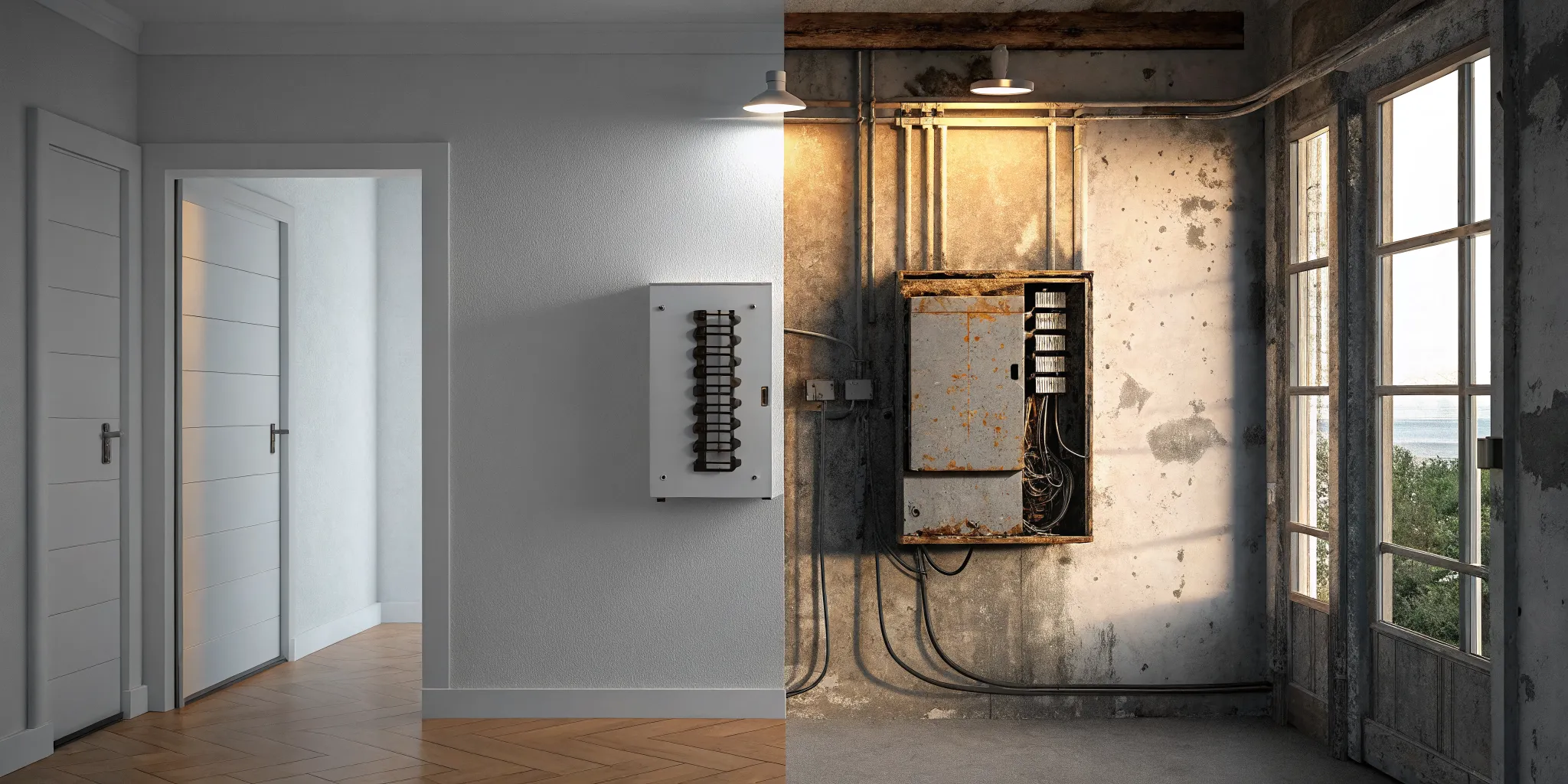
Physical signs of damage on or around your breaker box are immediate red flags that require professional attention. Any signs of water damage, rust, or burnt spots on your panel are serious safety hazards. Rust indicates moisture has gotten into the panel, creating a dangerous situation that can lead to short circuits and corrosion. Likewise, scorch marks, melted wires, or a distinct burning smell from the panel indicate overheating and an imminent fire risk. If you notice any of these signs, don’t wait. Contact a qualified electrician right away to assess the situation.
You’ve added high-power appliances (like a generator or EV charger)
Our lifestyles have changed, and so have our power needs. If you’ve recently added or are planning to add high-draw appliances, your old panel might not be able to keep up. Items like electric vehicle chargers, hot tubs, and central air conditioners all require significant power. A panel upgrade helps your home handle today’s power needs and prepares it for the future. This is especially true for a residential standby generator installation, which needs to integrate seamlessly with your home’s electrical system to provide reliable backup power. An upgrade ensures your panel can support these additions safely and efficiently.
You’re planning a home renovation
A major home renovation is the perfect time to consider a breaker box upgrade. Many people choose to upgrade their panels when they’re already doing work on their home, like remodeling a kitchen or finishing a basement. Since walls may already be open and electricians are on-site, it’s more efficient and often more cost-effective to complete the upgrade at the same time. A renovation that adds new appliances, more outlets, or a new living space will almost certainly increase your home’s power demands. Including a panel upgrade in your renovation plans ensures your new space is powered safely and reliably from day one.
The Risks of an Outdated Breaker Box
Putting off a breaker box upgrade can feel like a way to save money, but it’s a gamble with your home’s safety and your family’s well-being. An outdated panel isn’t just an inconvenience that causes flickering lights; it’s a serious issue that can lead to major, and sometimes irreversible, consequences. Understanding these risks is the first step toward making an informed decision about your home’s electrical health. From hidden fire dangers to problems with insuring your home, the reasons to address an old panel go far beyond simple functionality.
Electrical fire hazards
The most critical risk of an outdated breaker box is the potential for an electrical fire. Over time, the internal components of a breaker panel can wear out, connections can loosen, and the breakers themselves can fail to trip when a circuit is overloaded. This failure allows excess current to heat up the wiring in your walls, creating a serious fire hazard. Some older electrical panel brands are known fire hazards and are often recommended for immediate replacement for safety. If your panel is making buzzing or crackling sounds, or if you smell burning plastic near it, you should contact a professional for an electrician repair right away.
Increased risk of shock
Your electrical panel is designed to protect you from electric shock, but a faulty one can do the opposite. If breakers don’t trip correctly, they can allow dangerous levels of electricity to reach your outlets and appliances. Signs that you need a new electrical panel include getting small shocks or seeing sparks when you plug something in. You might also notice frequent power surges that damage your electronics. A panel that feels hot to the touch or is making unusual noises is a clear warning that its internal parts are failing. These are not minor quirks; they are urgent signals that your system’s primary safety device is compromised and needs immediate attention.
Code violations and insurance problems
An old breaker box can create a tangle of logistical and financial headaches. Electrical codes are updated to improve safety, and a panel from 25 years ago almost certainly doesn’t meet today’s standards. This can become a major issue if you plan a renovation, try to sell your home, or need to file an insurance claim. In fact, many insurance companies won’t cover homes with certain outdated panels. Furthermore, installing new, high-power equipment like a residential standby generator often requires a panel upgrade to handle the load safely and legally. A qualified electrician will ensure your new panel follows all local building codes, keeping your home safe and compliant.
Negative impact on home value
While it might not be as glamorous as a kitchen remodel, upgrading your electrical panel is a smart investment in your home’s value. A home inspector will always flag an outdated, undersized, or recalled breaker box during a pre-sale inspection. This can derail a sale or force you into a last-minute, costly repair. Conversely, a modern panel with sufficient amperage is a strong selling point. It tells potential buyers that the home is safe, well-maintained, and ready to handle the demands of modern life. Investing in your home’s core residential electric systems protects its long-term value and gives you peace of mind.
A Quick Guide to Residential Breaker Boxes
Think of your home’s electrical system as a network of roads. If that’s the case, the breaker box is the central traffic control hub. It’s the metal box, usually tucked away in a basement, garage, or utility closet, that manages the flow of electricity to every part of your house. Understanding the different types of panels is helpful, especially when you’re thinking about a major upgrade or adding a high-power appliance like a Generac generator. Knowing what you have helps you understand what you might need for a safer, more efficient home. Let’s look at the most common types you’ll find.
Main breaker panels
Your main breaker panel is the heart of your home’s power system. It’s where electricity from the utility company enters your house, and from there, it’s safely distributed to all your home’s circuits. This panel contains the main breaker, a large switch that can cut power to your entire home at once, which is a critical safety feature. It also holds all the individual circuit breakers that protect your lights, outlets, and appliances from overloads. If you’ve ever had to flip a breaker after running the microwave and the toaster at the same time, you’ve interacted with your main panel. For any issues beyond a simple reset, it’s always best to call in a professional for electrician repairs.
Subpanels
Subpanels are smaller, secondary electrical panels that get their power from the main panel. Think of them as satellite offices for your home’s electrical system. They are often installed to distribute power to a specific area, like a new home addition, a detached garage, a workshop, or a finished basement. Using a subpanel allows for more efficient management of your home’s electrical loads without overcrowding the main panel. They are also a key component in many residential standby generator installations, as they can be used to isolate and power only the essential circuits during an outage.
Load centers
You’ll often hear the terms “load center” and “breaker panel” used interchangeably, and for the most part, that’s okay. Technically, a load center is the specific piece of equipment designed to manage the distribution of electricity throughout your home, ensuring that each circuit receives the appropriate amount of power. It’s the enclosure that houses the breakers. When electricians talk about upgrading your panel from 100 to 200 amps, they are talking about replacing the entire load center. This ensures your home can safely handle the demands of modern appliances and potential future additions, keeping everything running smoothly and safely.
Smart panels
Smart panels are the next generation of load centers, and they are a game-changer for managing your home’s energy. A smart panel offers advanced features like remote monitoring and control right from your smartphone. You can track your energy usage in real-time, see which circuits are drawing the most power, and even turn individual circuits on or off from anywhere. This technology works beautifully with home automation systems and is especially valuable when paired with a generator. A smart panel can help you intelligently manage power during an outage, giving you more control over your home’s electrical system than ever before.
How Much Does a Breaker Box Upgrade Cost?
Let’s talk numbers. If you’re thinking about a breaker box upgrade, the cost is probably the first thing on your mind. The final price tag can vary quite a bit depending on the size of the upgrade, labor rates in our area, and the specifics of your home’s electrical system. It’s an investment, for sure, but often a necessary one, especially if you’re adding major appliances or a Generac generator to keep your home running smoothly. To give you a clearer picture, let’s break down the typical costs you can expect for different types of upgrades.
Upgrading from 100 to 200 amps
Upgrading a 100-amp panel to a 200-amp one is the most common project we see. A 200-amp panel is the new standard for most modern homes, giving you the capacity to safely run all your electronics, appliances, and future additions without worry. This upgrade typically costs between $1,300 and $3,000. For many homeowners, this investment provides peace of mind and prepares their home for future electrical demands, ensuring the system can handle everything from a new EV charger to a whole-home generator.
Upgrading from 200 to 400 amps
If your home is particularly large or has significant power needs (think multiple HVAC units, a pool, a workshop, and an EV charger), you might consider an upgrade to a 400-amp panel. This is a much more involved project and is reflected in the cost, which can range from $4,500 to $10,000 or more. This type of upgrade provides a massive amount of power and is usually reserved for properties with exceptional electrical loads. It ensures you have all the power you’ll ever need, but it’s important to confirm with a professional that this level of service is truly necessary for your home.
Understanding labor costs
No matter the size of the upgrade, a significant portion of the cost comes from labor. Hiring a qualified, licensed electrician is non-negotiable for this kind of work. You can expect labor to account for $500 to $1,500 or more of the total bill, as electricians’ rates generally fall between $50 and $150 per hour. This price reflects the expertise, time, and safety protocols required for a job that directly involves your home’s entire electrical system. Professional electrician repairs and installations ensure the job is done right and your family is kept safe.
Factoring in permits and inspections
An electrical panel upgrade isn’t a project you can do without official oversight. To ensure the work is done safely and up to local code, you’ll need to secure a permit from your local municipality. The cost for permits and the subsequent inspections can add between $50 and $300 to your total project cost. While it might feel like just another fee, this step is crucial. It provides a third-party check on the work, confirming that your new panel is installed correctly and won’t pose a fire hazard.
The cost to relocate a panel
Sometimes, an upgrade also involves moving the breaker box to a new, more accessible, or code-compliant location. If your project requires relocating the panel, be prepared for a notable increase in cost. Moving the panel can add an extra $1,000 to $2,700 to the final invoice. This is because relocation involves much more labor, including rerouting heavy service cables and extending every circuit in your home to the new location. It’s a complex job that significantly increases the project’s scope.
Key Factors That Influence Upgrade Costs
When you’re planning for a breaker box upgrade, it’s helpful to know that the project isn’t a simple, one-price-fits-all job. The final cost depends on several factors specific to your home’s electrical system and your future power needs. Understanding these variables will give you a clearer picture of the scope of work involved. From the size of the panel itself to the condition of your home’s wiring, each element plays a role in shaping the project.
Panel size and amperage
The capacity of your new electrical panel, measured in amps, is one of the biggest factors. A standard 100-amp panel is common in older, smaller homes, but modern households often require a 200-amp panel to handle the load from today’s appliances and technology. If you’re planning to add high-power items like an EV charger or a whole-home Generac generator, a 200-amp or even a 400-amp panel is usually necessary. A higher amperage panel costs more, but it’s a crucial investment to safely power your home and prepare it for future additions.
The condition of your existing wiring
During a panel upgrade, an electrician gets a close look at your home’s wiring. If the existing wiring is outdated, damaged, or not up to current electrical codes, it will need to be addressed. This isn’t just an upsell; it’s a critical safety measure. Old wiring like knob-and-tube or aluminum wiring can be a fire hazard and won’t pass an inspection. Making these necessary electrician repairs adds to the overall scope of the project but ensures your entire electrical system is safe, reliable, and compliant for years to come.
Your location
Where you live also plays a part in the total cost. Labor rates and permit fees can vary significantly between different townships and counties. Each municipality has its own set of regulations and inspection requirements that must be followed. As a company that works across Southeastern Pennsylvania, we are familiar with the specific codes in our service areas, from Chester County to Bucks County. This local expertise helps ensure your project is completed correctly and passes inspection without any surprises or delays.
Any additional electrical work required
A breaker box upgrade sometimes involves more than just swapping out the panel. For instance, if the panel needs to be moved to a new, more accessible location, the project becomes more complex. This requires rerouting circuits and can be a significant undertaking. Other additional work might include upgrading the meter box or installing a subpanel for a new addition or workshop. A proper residential standby generator installation also requires careful integration with your main panel, which can influence the scope of your electrical upgrade.
Common Myths About Breaker Box Upgrades
When it comes to electrical work, what you don’t know can be risky. Misinformation about breaker boxes is common, leading many homeowners to put off necessary upgrades. Let’s clear up a few of these myths so you can make an informed and safe decision for your home.
Myth: “If it’s not broken, don’t fix it.”
This is a great rule for a lot of things, but your electrical panel isn’t one of them. An older panel might not be “broken,” but it was designed for a time before we had high-draw appliances, multiple computers, and smart home devices. Pushing an old panel to its limits creates a serious fire risk. A modern panel helps your home handle today’s power needs and prepares it for future additions. This is especially true if you’re considering a major appliance like an EV charger or a Generac whole-home generator, which requires a robust electrical system to function safely and reliably.
Myth: “My 200-amp meter means my service is already upgraded.”
It’s easy to see why this is a common belief, but it’s often incorrect. Utility companies frequently install 200-amp smart meters on homes, even if the service line feeding the house is only rated for 100 or 150 amps. The meter can handle the load, but the wires bringing power to your panel cannot. A true 200-amp service upgrade involves replacing the panel, the meter base, and the service entrance cable. A qualified electrician can assess your entire system to confirm what your actual service capacity is, ensuring you have the power you think you do.
Myth: “An upgrade is just a simple swap.”
Replacing an electrical panel is far more than just swapping one box for another. It’s a complex job that involves rerouting circuits, ensuring proper connections, and making sure the entire installation is up to current electrical codes. In many older homes, an upgrade also reveals outdated wiring that needs to be addressed for safety. Because of the inherent dangers and technical requirements, this is a job that should only be handled by a licensed electrician. They have the training to do the job safely and correctly, protecting your home and your family.
Myth: “I can do this myself.”
Of all the DIY projects you could take on, electrical panel work should never be on the list. The risks are just too high. You could face electrocution, create a fire hazard, or fail an inspection, which can cause major problems with your homeowner’s insurance or when you try to sell your home. Replacing an electrical panel is dangerous and complex. Always hire a licensed professional who understands the local codes and safety protocols. It ensures the job is done right, giving you peace of mind that your home’s electrical system is safe, reliable, and secure for years to come.
Is a Breaker Box Upgrade a Good Investment?
Thinking about a breaker box upgrade can feel like a big undertaking, but it’s one of the smartest moves you can make for your home. It’s much more than a simple repair; it’s a strategic investment in your property’s safety, functionality, and future value. While the old saying “if it ain’t broke, don’t fix it” might work for some things, your home’s electrical panel isn’t one of them. An outdated breaker box can pose serious risks and limit your home’s potential. Upgrading gives you peace of mind and prepares your home for the demands of modern life.
Long-term safety and efficiency
Your electrical panel is the heart of your home’s electrical system, and replacing an old one is a direct investment in your family’s safety. Over time, connections inside a panel can loosen, and breakers can wear out, creating fire hazards. Some older panel brands are even known to be unsafe. A new panel ensures that your electrical system can handle your daily power needs without overheating or failing. It provides reliable protection against overloads and short circuits, significantly reducing the risk of an electrical fire. This upgrade is fundamental to creating a safe living environment for the long haul.
Future-proofing your home’s electrical system
Our homes use more electricity than ever before. Between high-powered kitchen appliances, home offices, smart devices, and charging electric vehicles, the demand on our electrical systems has grown immensely. Many older homes with 100-amp panels simply can’t keep up. Upgrading to a 200-amp panel ensures your home can handle its current load and is ready for future additions, like a home renovation or a new standby generator. It’s a proactive step that prevents the inconvenience of maxing out your electrical capacity down the road, ensuring your home is equipped for modern living.
Increasing your home’s value
An updated electrical system is a powerful selling point for any home. When potential buyers see a new, 200-amp panel, they see a house that has been well-maintained and is move-in ready. It signals that they won’t have to worry about major electrical projects or limitations on their power usage. For many buyers, an outdated panel is a red flag that could mean immediate, costly repairs. By making the upgrade now, you not only improve your daily life but also make your home more attractive and valuable on the real estate market. It’s an improvement that offers a tangible return.
Meeting insurance and financing requirements
Sometimes, a breaker box upgrade isn’t just a good idea; it’s a necessity. Many insurance companies are aware of the risks associated with certain obsolete panel brands and may refuse to provide coverage or charge higher premiums for homes that still have them. Furthermore, replacing an electrical panel is a complex and dangerous job that should never be a DIY project. Hiring a licensed professional for your electrician repairs ensures the work is done safely and up to code. This is often a requirement for passing home inspections, securing financing, and maintaining your homeowner’s insurance.
Finding the Right Professional for Your Breaker Box Upgrade
Upgrading your breaker box is not a weekend DIY project. It’s a complex job that involves your home’s entire electrical system, and for safety’s sake, it should always be handled by a licensed professional. Choosing the right electrician is the most important step you can take to ensure the work is done correctly and safely.
Start by looking for qualified electricians in your area and plan to get estimates from a few of them. When you speak with them, confirm they are licensed and insured. This protects you from liability if something goes wrong. A reputable company will happily provide this information. Don’t be shy about asking for a detailed quote that breaks down the costs for labor, the new panel, materials, and any necessary permits. This transparency helps you compare offers accurately and avoids surprise fees.
Beyond the quote, consider the electrician’s experience. Have they handled panel upgrades before? Do they have positive reviews from other homeowners? Finding a team that specializes in electrician repairs and installations gives you peace of mind. If your upgrade is part of a larger project, like preparing for a residential standby generator installation, it’s even more critical to hire someone who understands the specific power requirements. A little research upfront ensures you find a trustworthy partner to keep your home powered safely for years to come.
Related Articles
- Cost to Upgrade Electrical Panel in 2025: Full Guide
- Electrical Panel Upgrades: A Complete Guide
- Electrical Panel Upgrades: A Complete Guide
- Electrical Panel Upgrades: A Complete Guide
Frequently Asked Questions
Why can’t I just keep resetting my breakers when they trip? An occasional trip is normal; it means the breaker is doing its job. However, if you find yourself resetting the same breaker over and over, it’s a clear warning sign. This indicates that the circuit is consistently overloaded, and your panel is struggling to keep up with your home’s power demands. Constantly pushing a circuit to its limit can cause wires to overheat, creating a serious fire risk. Think of it as a persistent warning light in your car; ignoring it can lead to a much bigger problem.
My house was built in the 90s. Is my breaker box automatically outdated? Not automatically, but it’s definitely worth a closer look. A panel from that era was built for a world with fewer electronic devices and high-draw appliances. While it may have been perfectly adequate then, it might not be equipped to safely handle the combined load of modern life, which includes everything from home office equipment to smart appliances. It’s less about a strict expiration date and more about whether your panel can safely and efficiently meet your current and future power needs.
What’s the real benefit of a 200-amp panel if my 100-amp panel seems to work fine? Think of it as giving your home’s electrical system more breathing room. Your 100-amp panel might seem fine, but it’s likely operating at or near its maximum capacity, which can strain the system. Upgrading to 200 amps provides the robust power needed for modern living without the risk of overloads. It also future-proofs your home, ensuring you have the capacity to add things like an EV charger, a hot tub, or a whole-home standby generator without any issues.
I’m planning to get a standby generator. Does that mean I’ll definitely need a panel upgrade? It’s a very common part of the process. A standby generator is a powerful appliance that needs to integrate seamlessly with your electrical panel. Many older or smaller panels lack the physical space for the new circuits or the capacity to handle the connection to an automatic transfer switch. During a generator consultation, a professional will evaluate your current panel to determine if an upgrade is necessary for a safe and compliant installation.
Why is this job so expensive? What am I actually paying for? A panel upgrade is a significant investment in your home’s core safety system. The cost covers several critical components: the licensed electrician’s time and expertise, the high-quality panel and materials, and the necessary permits and inspections required by your town. Often, it can also include the labor to fix any outdated or unsafe wiring discovered during the job. You’re paying for the peace of mind that comes from knowing the work was done correctly, safely, and up to code by a professional.