Investing in a whole-home generator is one of the smartest decisions you can make for your property. It’s about more than just keeping the lights on—it’s about protecting your family’s comfort and safeguarding your home from damage like frozen pipes or a flooded basement. But to truly get that peace of mind, the installation has to be flawless. A faulty setup can lead to poor performance and serious safety risks. This guide explains how to select the right Generac generator and highlights the importance of a professional generator installation Chester County. We’ll walk you through the entire process, from the initial site visit to long-term maintenance, so your investment is protected for years to come.
Key Takeaways
- Determine your power needs to find the right fit: Before choosing a generator, decide which appliances are essential during an outage. A professional assessment is the best way to accurately size your unit, ensuring you get enough power for your home without overspending.
- Always use certified technicians for a safe installation: Installing a generator involves complex electrical and fuel connections that should never be a DIY project. Professional installation is critical for ensuring your system operates safely, meets local codes, and keeps your warranty intact.
- Commit to regular maintenance for long-term reliability: Your generator needs consistent care to be ready for an emergency. Sticking to a professional maintenance schedule is the best way to protect your investment and ensure it works perfectly when you need it most.
Which Generator is Right for Your Chester County Home?
Choosing a generator isn’t just about buying a piece of equipment; it’s about finding the right power solution for your specific situation. Whether you’re looking to keep your family comfortable during a storm, power a few essential appliances, or ensure your business stays open when the grid goes down, there’s a generator designed to meet your needs. Understanding the key differences between standby, portable, and commercial models is the first step toward making a confident decision for your property.
Standby Generators: Your Whole-Home Power Solution
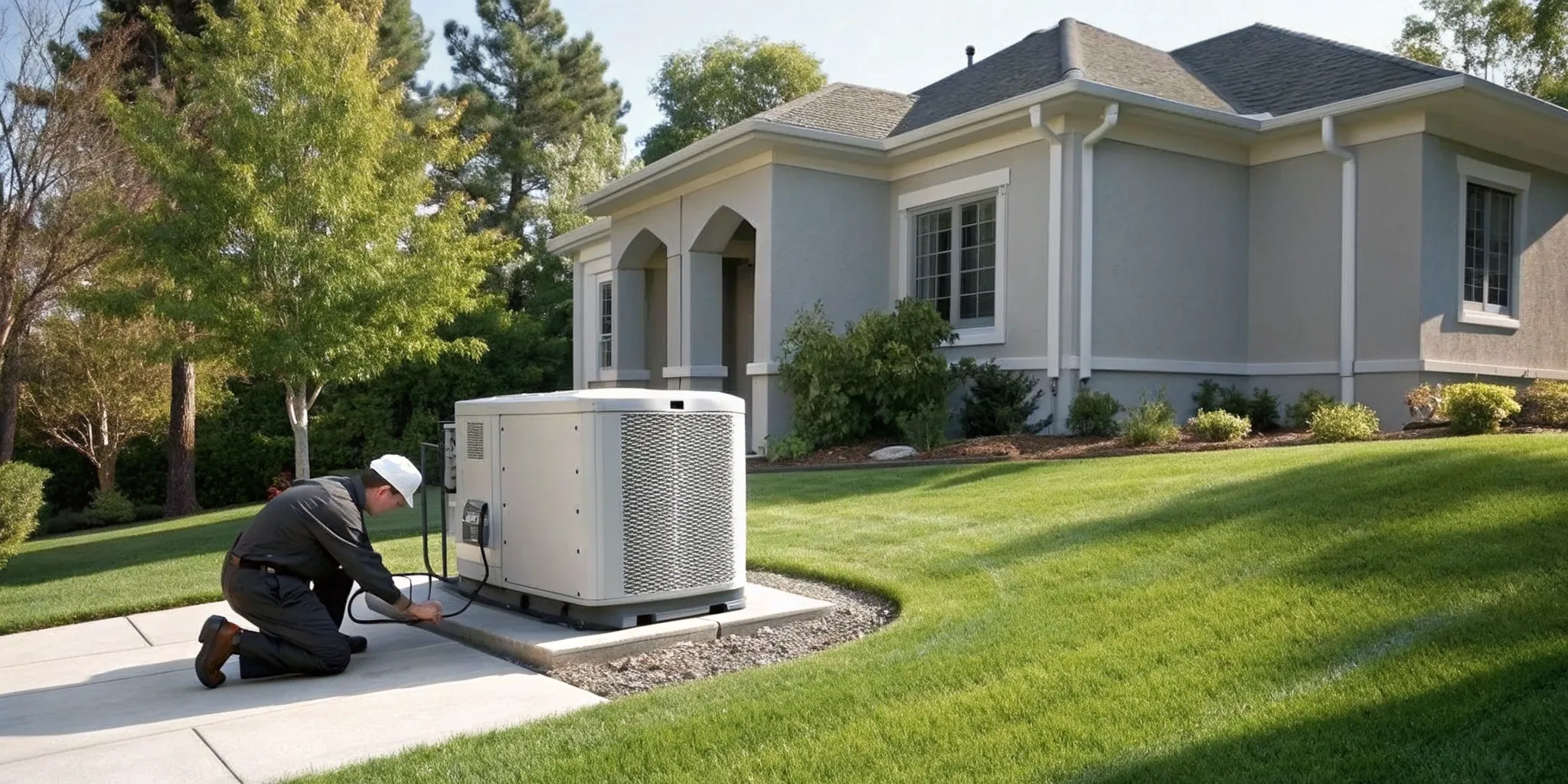
If you want a seamless, hands-off solution for power outages, a whole-home standby generator is your best bet. These units are permanently installed outside your home, much like an air conditioning unit. The moment they detect a disruption in your power supply, they automatically turn on, restoring electricity to your entire home in seconds. This means your lights, refrigerator, heating and cooling systems, and medical equipment will continue to run without you lifting a finger. A professional residential standby generator installation provides true peace of mind, ensuring your home remains a safe and comfortable space no matter the weather.
Portable Generators: Just for the Essentials?
Portable generators offer a more flexible, temporary solution for power outages. Because they are smaller and not permanently installed, you can move them where you need them, making them useful for powering a few key appliances like a refrigerator or a space heater. However, they require manual setup during an outage, including running extension cords and refueling. It’s also critical to operate them safely and far from your home to avoid carbon monoxide hazards. While they are a practical choice for short-term needs or recreational use, they demand more hands-on effort and careful attention than a standby unit.
Commercial Generators: Keep Your Business Running
For a business owner, a power outage can mean more than just an inconvenience; it can mean lost revenue, spoiled inventory, and a halt in productivity. A commercial generator is an essential investment for protecting your operations. These powerful units are built to handle the heavy electrical loads of commercial equipment, from refrigeration and IT systems to lighting and security. With a reliable commercial generator installation, you can keep your doors open and your systems running smoothly, ensuring business continuity even when the local power grid fails. It’s a critical step in safeguarding your bottom line and maintaining customer trust.
What Size Generator Do You Really Need?
Picking the right generator feels like a big decision, because it is. It’s not just about buying a piece of equipment; it’s about investing in your home’s security and your family’s comfort. The best generator for your neighbor might not be the best one for you. Your choice depends on your home’s specific needs, the appliances you can’t live without, and the level of convenience you’re looking for during a power outage.
Thinking through a few key factors will help you find the perfect fit. We’ll walk through how to determine the right size for your home, what fuel types are available, and which modern features can make your life easier. We’ll also cover the practical details, like noise levels and local placement rules, so you can feel confident in your decision. A little planning now ensures you have reliable power exactly when you need it most.
Step 1: Calculate Your Power Needs
The first step is figuring out how much power you actually need. This is often called “sizing” the generator. Do you want to power your entire home, including the central air conditioning and every appliance, or just the essentials? Essentials typically include things like your refrigerator, sump pump, furnace, and a few lights. Making a list of your must-have items will give you a starting point.
While online calculators can offer a rough estimate, the most accurate way to determine your needs is with a professional home assessment. An expert can evaluate your home’s electrical panel and discuss your specific requirements to recommend the right residential standby generator installation for your usage, ensuring you have enough power without overspending on a unit that’s too large.
Sizing Examples for Common Home Sizes
To put this into perspective, let’s look at a few common scenarios. For a smaller home, perhaps up to 1,500 square feet, a 7.5kW to 10kW generator is often enough to cover the essentials—think your refrigerator, furnace, sump pump, and some lights. If your home is in the 1,500 to 3,000 square foot range, you’ll likely need a 14kW to 18kW unit to handle those basics plus a larger appliance like your central air conditioner. For larger homes over 3,000 square feet that require whole-home power, a 22kW model or larger is typically the right choice. Of course, these are just general guidelines. The best way to find the perfect Generac generator for your home is with a professional site visit, which accounts for all your specific appliances and power needs.
Gas, Propane, or Diesel: Which Fuel Type is Right for You?
Your generator needs fuel to run, and you have a few options to choose from. The most common for residential use are natural gas and liquid propane. If your home is already connected to a natural gas line, that’s often the most convenient choice since the supply is continuous. You’ll never have to worry about refueling.
If you don’t have access to natural gas, liquid propane is an excellent alternative. It’s stored in a tank on your property and is very stable, so it can be stored for long periods. For larger applications, especially in a business setting, diesel is also an option. The best fuel type for your Generac generator depends on what’s available in your area and your personal preference.
Considering Your Carbon Footprint
It’s also smart to think about the environmental impact of your generator. Since these units run on fossil fuels, they all produce emissions. However, the type of fuel you choose makes a difference. Natural gas is often considered a cleaner-burning option, producing significantly less carbon dioxide than other fossil fuels. If you have a natural gas line running to your home, a generator that connects to it is not only convenient but also a more environmentally conscious choice. Propane is another common and reliable option with a stable emissions profile, making it a great alternative where natural gas isn’t available.
Beyond fuel type, efficiency is key to minimizing your generator’s carbon footprint. A system that is properly sized for your home will run more efficiently, using less fuel to produce the power you need. This is another reason why a professional assessment is so important. Regular upkeep also plays a huge role. A well-maintained engine burns fuel more cleanly and operates at peak performance. Committing to a professional generator maintenance schedule ensures your unit is not only ready for an outage but is also running as efficiently as possible.
Must-Have Features: Automatic Transfer & Smart Monitoring
Today’s generators come with features that make managing power outages seamless. The most important of these is the automatic transfer switch (ATS). This device is the brain of your system. It constantly monitors the power coming from the utility company. The moment it detects an outage, it automatically disconnects you from the grid and switches your home’s power source to the generator. When utility power returns, it switches you back. You don’t have to lift a finger.
Many Generac models also offer smart monitoring through mobile apps. This allows you to check your generator’s status, review its performance history, and receive maintenance alerts right on your phone, whether you’re at home or away.
Where Can You Put It? A Guide to Placement and Noise
Two practical considerations that are easy to overlook are noise and location. While modern standby generators are designed to be much quieter than portable models, they still produce sound. It’s important to consider how that might affect you and your neighbors.
Proper placement is also critical for safety and performance. A generator must be installed a specific distance from doors, windows, and vents to prevent carbon monoxide from entering your home. There are also local codes and homeowner’s association rules that dictate where a unit can be placed. A professional installer will be familiar with the specific requirements in our service areas and ensure your generator is installed safely and correctly.
Site Preparation: The Foundation for Your Generator
Once you’ve chosen your generator, the next step is preparing the perfect spot for it. Proper site preparation is the foundation for a reliable and safe system. A professional installer will help you find a stable, well-drained location with enough clearance for future maintenance access. Placing the unit closer to your natural gas line and electric meter can often reduce installation costs. Most importantly, a professional residential standby generator installation ensures all local codes and safety regulations are met, protecting both your home and your warranty. This isn’t a DIY project; the complex electrical and fuel connections require certified expertise to guarantee everything works correctly and safely from day one.
Modern Generators: Powerful, Not Loud
If you’re picturing a loud, clunky machine, it’s time to meet the modern standby generator. Today’s units are designed to blend seamlessly with your home’s exterior, looking very similar to a central air conditioning unit. They are installed on a permanent pad outside your home and operate automatically, running on a continuous supply of natural gas or liquid propane. While no generator is completely silent, Generac generators are engineered to be significantly quieter than older models or portable units. A professional installer will also help you choose a location that minimizes noise impact on both your family and your neighbors, ensuring your peace of mind is never disturbed.
Why Choose a Generac Generator for Your Home?
When you decide to invest in a generator, you’re not just buying a piece of equipment; you’re investing in security and peace of mind for your family. Generac has become a household name for a reason. These generators are known for their durability, advanced features, and unwavering reliability when you need them most. For homeowners in Southeastern Pennsylvania, choosing a Generac generator means preparing for anything our local weather throws our way, from summer storms to winter blizzards. It’s about ensuring your lights stay on, your home stays comfortable, and your daily life continues without interruption. A generator keeps your family safe and connected, protecting your home from the effects of unexpected power outages.
Designed for Pennsylvania’s Unpredictable Weather
Here in Pennsylvania, we know the weather can turn on a dime. A summer thunderstorm can knock out power for hours, and a winter ice storm can leave you in the cold for days. These outages are more than just an inconvenience; they can disrupt your work, spoil your food, and even pose safety risks. Generac generators are designed specifically for these moments. They are built to withstand harsh conditions and perform reliably when the grid fails. When an outage is detected, your Generac standby generator automatically turns on, restoring power to your home in seconds. You don’t have to do a thing.
Smarter Power: Control Your Generator from Anywhere
Modern Generac generators put you in complete control of your home’s power. The system’s automatic transfer switch is the key, seamlessly shifting your home from the grid to generator power without any manual effort. But the technology goes even further. With features like Mobile Link™ Remote Monitoring, you can check your generator’s status and get maintenance alerts directly on your smartphone or tablet, no matter where you are. This gives you the confidence that your home is protected. A residential standby generator installation also offers the flexibility to power your entire house or only the essential circuits, like your refrigerator, furnace, and well pump.
A Strong Warranty and Local Support You Can Trust
A whole-home generator is a significant addition to your property, and you want to know it’s protected. Generac stands behind its products with robust warranties that cover parts and labor, giving you confidence in your investment for years to come. But a warranty is only part of the equation. Having a trusted, local team for support is just as important. When you need routine maintenance or a quick fix, you want experts who are right around the corner. Our team provides professional Generac service and repair to ensure your system is always ready to perform when you need it.
A 60-Year Legacy of Reliability
Generac didn’t become the leading name in home backup power overnight. With over 60 years in the business, they have built a legacy on one simple promise: reliability. This extensive history means they have spent decades perfecting their engineering, creating generators that are not only powerful but also incredibly durable. When you choose a Generac generator, you’re investing in a product that has been tested and proven through countless storms and power outages. This long-standing commitment to quality is why so many families trust Generac to protect their homes, ensuring that their systems will perform flawlessly when they are needed the most.
Why Certified Experience Matters for Your Installation
A generator’s performance and safety depend entirely on the quality of its installation. An improper setup can lead to equipment failure, code violations, or even dangerous electrical issues. This is not a DIY project. With over 25 years of experience serving Chester County and the surrounding areas, our certified technicians have the expertise to install your generator correctly and safely the first time. We handle everything from the initial site assessment to the final system test. When you work with our team, you can be sure your Generac generator is installed to the highest standards, giving your family reliable power for years to come.
Your Generator Installation in Chester County: What to Expect
Getting a generator installed is a straightforward process when you work with a certified team. From the first visit to the final test run, we handle every detail to make sure your power is ready when you need it. Here’s a look at the key steps involved in a professional Generac generator installation.
The Initial Site Visit and Permit Process
The first step is a visit to your home. One of our technicians will come out to assess your property, discuss your power needs, and determine the perfect generator size and placement. We consider everything from your home’s electrical load to local noise ordinances. This on-site evaluation ensures your generator is installed safely and performs correctly. We also manage all the local permit requirements for you. Navigating township rules can be tricky, but our team is familiar with the codes across Chester County and the surrounding areas, ensuring your installation is fully compliant from day one.
Working with Local Codes and HOAs
Working with local codes and HOA rules is a critical part of the process. It’s not just about finding a convenient spot for your generator; it’s about safety and compliance. Local regulations are very specific about how far a generator must be from windows, doors, and vents to prevent any risk of carbon monoxide entering your home. On top of that, many Homeowner’s Associations have their own guidelines regarding placement and noise levels. A professional installer is well-versed in these requirements and ensures your residential standby generator installation meets every rule, saving you from potential fines or the hassle of having to move the unit later.
Ensuring a Safe, Code-Compliant Connection
Connecting a generator to your home’s electrical system is a complex job that requires a licensed professional. Our certified electricians handle the entire process, from installing the automatic transfer switch to making the final connections at your electrical panel. We ensure every wire is secure and every connection meets strict safety standards. Installing a generator in the wrong spot or wiring it incorrectly can create serious safety hazards and violate local codes. With our team of residential electrical experts, you can rest easy knowing the job is done right, protecting your home, your family, and your investment.
Understanding Power Factor and Efficiency
When we talk about a generator’s performance, one technical term that often comes up is “power factor.” In simple terms, power factor is a measure of how efficiently your generator is using the energy it produces. Think of it as an efficiency score. A high power factor means most of the power is doing useful work, like running your refrigerator and keeping the lights on. A low power factor, on the other hand, means a portion of the energy is wasted. This inefficiency puts extra strain on your generator and can even affect the performance of the appliances connected to it, making it a critical factor in your system’s long-term health.
Achieving good efficiency isn’t just about the generator itself—it’s about how well it’s matched to your home. An oversized or undersized unit can struggle to operate efficiently, leading to a lower power factor. This is why a professional assessment is so important. During a residential standby generator installation, our certified technicians analyze your home’s specific electrical load to ensure your system is perfectly balanced. This careful sizing and expert installation helps maximize efficiency, protect your appliances, and ensure your generator provides clean, reliable power for years to come.
How Long Will Installation Take (And How Can You Prepare)?
Once the planning is complete, our team gets to work. The installation process typically involves preparing the site with a concrete pad, carefully placing the new generator, and then running the fuel and electrical lines. We coordinate every step to ensure a smooth and efficient process with minimal disruption to your day. To help things go even faster, you can prepare by clearing the designated installation area of any obstacles. Making sure our technicians have a clear path to the site helps us complete the job safely and on schedule, getting your Generac generator ready to protect your home.
The Final Test and Your Personal Walk-Through
After the installation is complete, we don’t just pack up and leave. We conduct a full system test to guarantee everything is working perfectly. This includes simulating a power outage to watch the generator automatically turn on and power your home, just as it will in a real emergency. Then, we’ll walk you through the entire system. We’ll show you how it operates, explain any key features, and answer all of your questions. Our goal is for you to feel completely confident and comfortable with your new generator and know who to call for future generator maintenance.
After Installation: Registering Your Warranty
Once your new generator is installed and ready to go, there’s one last, simple step you shouldn’t skip: registering your warranty. Think of it as the final piece of the puzzle that protects your investment. Taking a few minutes to register your Generac unit online confirms your proof of purchase and activates your coverage. This is your official safety net, ensuring that if any issues come up down the road, you’re covered for necessary repairs. It’s a small task that provides significant peace of mind, knowing your generator is protected for the long haul.
It’s also important to remember that your warranty and the quality of your installation go hand-in-hand. A generator is a complex piece of equipment, and an improper setup can lead to performance issues or even void your coverage. That’s why having certified technicians handle the installation is so critical. It guarantees that your system is set up correctly according to manufacturer specifications and local codes, which is essential for both safety and warranty validation. This professional setup ensures your generator will work as expected and that you’ll have access to reliable Generac service and repair if you ever need it.
Why DIY Generator Installation is a Major Risk
While a DIY project can be tempting, installing a generator is one job you should always leave to the professionals. DIY installations are not only dangerous but can also be illegal and will likely void your manufacturer’s warranty. The risks are significant, from improper wiring that can cause fires to incorrect placement leading to carbon monoxide hazards. Licensed electricians understand the complex codes and safety protocols required for a secure installation. Trusting a certified team ensures your generator works correctly when you need it most and keeps your family safe. If you ever have an issue, you’ll know a professional is ready to provide generator service and repair.
Keeping Your Generator Ready: A Simple Maintenance Guide
Getting your generator installed is a huge step toward securing your home’s comfort and safety. But the work doesn’t stop there. Just like your car, your generator is a complex machine that needs regular attention to perform reliably when you need it most. Consistent care is the best way to protect your investment and ensure it’s ready for any outage.
Think of maintenance as your peace-of-mind plan. A well-maintained generator will not only last for years but will also operate more efficiently, saving you from costly emergency repairs down the road. By following a simple care schedule and knowing what to look for, you can feel confident that your power will stay on, no matter what the weather brings to Chester County.
Understanding the Investment in a Standby Generator
A standby generator is more than just a machine; it’s an investment in your home’s security and your family’s comfort. It provides a seamless solution during an outage, automatically turning on the moment it detects a power disruption so you don’t have to worry about a thing. To get the most out of this investment, professional installation and ongoing care are essential. A proper residential standby generator installation ensures your system operates safely and meets all local codes, which is crucial for protecting your warranty. Likewise, sticking to a schedule for generator maintenance keeps your unit in top shape, so it’s always ready to perform when you need it.
Why a Professional Maintenance Plan Matters
The single most important thing you can do for your generator is to stick to a professional maintenance schedule. While it might be tempting to handle things yourself, a certified technician has the training to spot subtle issues that could lead to major problems. They perform a comprehensive check of your system, including changing the oil and filters, testing the battery, and inspecting wiring. A professional Generac maintenance plan takes the guesswork out of upkeep and guarantees your generator is always in peak condition, ready for the next storm.
How to Prepare Your Generator for Winter
Pennsylvania winters can be tough, and they are often when you’ll rely on your generator the most. Preparing your unit for freezing temperatures, ice, and heavy snow is essential. Start by making sure the area around your generator is clear of leaves and branches. As winter approaches, double-check that your generator’s weekly self-test is running smoothly. After a heavy snowfall, gently clear any accumulation from the top and sides of the unit to prevent vents from being blocked. These simple steps help ensure your generator can start without a problem, even on the coldest days.
Making It Affordable with Flexible Financing
Protecting your home with a reliable generator is a significant investment, but it doesn’t have to be a financial burden. Making the initial purchase more manageable is the first step in a successful long-term ownership experience. We offer flexible Generac financing options to help you get the right system for your home without straining your budget. By spreading the cost over time, you can get the security you need now. This allows you to invest in a high-quality generator and a professional maintenance plan, ensuring your family’s safety for years to come.
Warning Signs: When to Call for a Repair
Your generator is designed to be self-sufficient, but it’s smart to know the signs that it needs a professional’s touch. Pay attention to any unusual noises, like grinding or sputtering, during its weekly exercise cycle. If you see any warning lights or alerts on the control panel, don’t ignore them. Other red flags include visible damage to the enclosure or any leaks around the unit. If you notice any of these issues, it’s best to call for help. Our team is always ready to provide expert Generac service and repair to diagnose and fix the problem quickly.
Related Articles
- PA Generator Installation & Service | Trusted Generac Dealer
- Electrician in Chester Springs, PA | M.T. Ruhl Electrical
- Generac Generator Service Areas in Southeastern PA
- Full-Service Electrician in Chester Springs | M.T. Ruhl
- The #1 Generac Installer & Maintenance Team in West Chester
Frequently Asked Questions
How often does my generator need professional maintenance? We recommend having your generator professionally serviced at least once a year. This annual check-up is crucial for its long-term performance. A certified technician will perform a thorough inspection, change the oil and filters, and test all the key components. This regular service ensures your generator is reliable and ready to work perfectly the moment you need it.
What’s the difference between powering my whole house versus just the essentials? Powering your essentials means the generator is connected to specific circuits you’ve chosen as critical, like your refrigerator, furnace, and sump pump. A whole-home setup powers everything, from your central air conditioning to every light and outlet, so your daily life continues without interruption. We can help you decide which option best fits your family’s needs during our initial home assessment.
How long does a typical generator installation take? While every project is a little different, a standard residential generator installation is usually completed in a single day. Our team handles the entire process, from preparing the site and setting the generator to making all the electrical and fuel connections. We work efficiently to minimize disruption and get your system running as quickly as possible.
Will a standby generator be very loud? You might be surprised at how quiet modern standby generators are. Generac designs its residential models to be neighbor-friendly, producing a sound level comparable to a central air conditioning unit. We also carefully select the placement on your property, following all local codes, to minimize any noise impact on you and your neighbors.
What happens during the weekly self-test? The weekly self-test is a short, automatic function where your generator runs for about 12 minutes to ensure it’s prepared for an actual outage. It circulates the engine oil and performs a self-check for any potential issues. The system does this without ever transferring power to your home, so you likely won’t even notice it’s happening. This brief exercise keeps the engine in top condition.