You’ve updated your apartment with modern furniture and the latest tech, but what about the system that powers it all? Your breaker box is the heart of your home’s electrical system. If it’s old, it may struggle to handle everything from your work-from-home setup to your kitchen gadgets, leading to overloaded circuits. An upgrade is a smart move, but it’s natural to worry about the downtime. So, how long does it take to replace an electrical panel? While the hands-on work is often a one-day job, the full process involves a few more steps. Here’s a clear look at the complete timeline.
Key Takeaways
- Listen to your home’s electrical system: Frequent breaker trips, flickering lights, or a reliance on power strips are all signs that your current panel can’t keep up with your needs. These aren’t just annoyances; they’re important safety warnings that it’s time for an upgrade.
- Expect a one-day installation within a longer process: The hands-on work of replacing the panel typically takes 4-8 hours, and you should plan for a full power outage during this time. The entire project, from pulling permits to the final inspection, can take a week or more.
- A professional is non-negotiable: A breaker box replacement is a complex job that legally requires permits and a final inspection to ensure it meets safety codes. Always hire a licensed electrician to manage the process and protect your home from serious risks like electrical fires.
What’s a Breaker Box and When Should You Replace It?
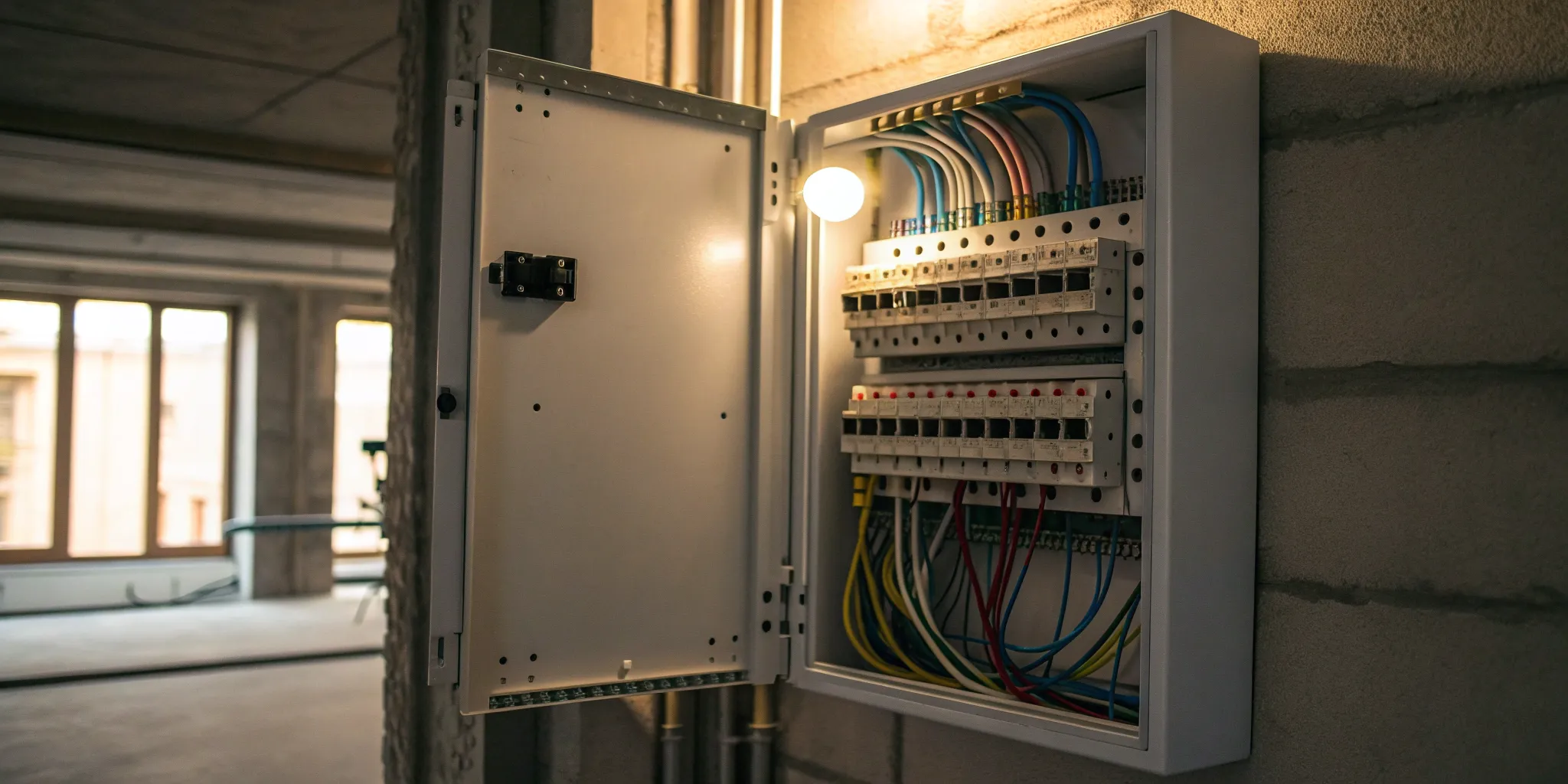
Think of your breaker box, or electrical panel, as the heart of your home’s electrical system. It’s the central hub that takes the main power line coming into your house and safely distributes it to all the different circuits—powering everything from your lights and outlets to your major appliances. Each circuit is protected by a breaker, which is a small switch designed to automatically shut off if it detects too much electrical current. This safety feature is what prevents overloaded circuits from overheating and causing a fire.
Over time, however, these panels can become outdated. An older breaker box might not be able to handle the electrical demands of modern life, which includes everything from big-screen TVs and computers to high-powered kitchen gadgets. If your home has undergone renovations or you’ve added major appliances without updating the panel, it might be struggling to keep up. An outdated or malfunctioning panel isn’t just an inconvenience; it’s a significant safety hazard. That’s why knowing the signs of a failing breaker box and when to call for professional electrician repairs is so important for keeping your home and family safe.
How Your Breaker Box Keeps Your Home Safe
Inside your electrical panel, you’ll find rows of circuit breakers. Each one controls the flow of electricity to a specific part of your home, like the kitchen or the upstairs bedrooms. The amperage of your panel—typically 100, 150, or 200 amps for a home—determines the total amount of electrical power it can safely manage. When you plug in too many devices on one circuit or an appliance shorts out, the breaker for that circuit “trips,” cutting off the power to prevent damage. This is a critical safety function, but if it happens often, it’s a sign your system is overloaded.
Is It Time for a New Breaker Box?
How do you know if your electrical panel is due for a replacement? Your home will often give you a few clear signals. One of the most common is frequently tripping circuit breakers. If you’re constantly heading to the panel to reset a switch, it’s a sign your circuits are overloaded. Other red flags include dimming or flickering lights, especially when a large appliance like an air conditioner kicks on. If you find yourself relying heavily on extension cords and power strips because you don’t have enough outlets, your electrical system is likely not meeting your needs. It’s a good idea to investigate an upgrade for your electrical panel if you notice any of these issues.
The Hidden Dangers of an Outdated Electrical Panel
An old or faulty breaker box is one of the most serious electrical hazards in a home. Even if it seems to be working, an outdated system can pose a major fire risk. Over time, the internal connections can loosen or corrode, leading to overheating. You should also look for physical signs of a defective breaker, such as rust, cracks, or a burning smell near the panel. If your panel feels warm to the touch, it’s a critical warning sign that requires immediate attention from a qualified electrician. Ignoring these issues can lead to electrical fires, appliance damage, and the risk of electric shock.
Benefits of Upgrading Your Electrical Panel
Beyond just fixing immediate problems, upgrading your electrical panel is a smart investment in your home’s safety, efficiency, and future readiness. It’s not just about keeping the lights on; it’s about powering your life reliably and preparing for what’s next, whether that’s a new electric car or the peace of mind that comes with a whole-home generator. Let’s look at some of the key advantages of making this important update to your home’s electrical system.
Increased Home Value
An updated electrical panel is a powerful selling point that can make your home more attractive to potential buyers. In today’s tech-heavy world, people want a home that’s ready for their lifestyle, and a modern, robust electrical system is a huge part of that. A new panel signals that the home is well-maintained and capable of handling everything from a home office to smart appliances without issue. It’s an upgrade that offers a tangible return on investment, giving buyers confidence that they won’t have to tackle a major residential electrical project right after moving in. This simple update can set your property apart in a competitive market.
Better Energy Efficiency
A modern breaker box isn’t just about safety; it can also contribute to better energy efficiency. Older panels can struggle to distribute power effectively, leading to wasted energy and higher utility bills. A new panel is designed to handle today’s electrical loads more efficiently, ensuring a stable and consistent flow of power to all your devices. This is especially important as we add more high-demand items like smart home gadgets and energy-intensive appliances. By ensuring your system can manage the load without strain, you can improve your home’s overall performance and potentially see a reduction in your monthly energy costs.
Future-Proofing for Modern Demands
Our reliance on electricity is only growing, and an electrical panel upgrade is one of the best ways to future-proof your home. Many older homes were built with 60- or 100-amp service, which was plenty for its time but can be insufficient for today’s needs. Upgrading to a 200-amp panel provides the capacity to handle not just your current devices, but also the technology you’ll want in the future. This proactive step ensures your home’s electrical system won’t be a barrier when you decide to add new appliances, finish your basement, or install other high-powered equipment. It’s about preparing your home for tomorrow’s demands, today.
Preparing for EV Chargers and Smart Home Technology
The rise of electric vehicles (EVs) and integrated smart home systems has completely changed residential power needs. An EV charger, for example, is one of the most power-intensive additions you can make to your home, often requiring a dedicated high-amperage circuit. Similarly, a network of smart lights, speakers, and security cameras adds a constant electrical load. An older panel can easily become overloaded by these modern conveniences, leading to tripped breakers or even unsafe conditions. Upgrading your panel ensures you have the capacity to safely and reliably support these high-demand technologies without compromising your home’s electrical integrity.
Ensuring Your Home is Ready for a Standby Generator
For ultimate peace of mind during a power outage, nothing beats a standby generator. However, for a generator to work correctly and safely, your home’s electrical system must be up to the task. An upgraded, modern electrical panel is essential for integrating the automatic transfer switch, which is the device that allows for a seamless transition from grid power to generator power. A panel with sufficient capacity ensures that your Generac generator installation goes smoothly and that the system can safely manage the power distribution to your essential circuits when you need it most. It’s a critical foundational step to guaranteeing your home remains functional and secure during any outage.
How Long Does It Take to Replace an Electrical Panel?
When you decide to replace your breaker box, one of the first questions you’ll have is about the timeline. It’s a valid concern—this is the heart of your home’s electrical system, after all. While the hands-on work is often completed in a single day, the entire process from start to finish involves a few more steps. The total time depends on the complexity of your current system, local permitting requirements, and scheduling the final inspection. Understanding these different phases helps you plan accordingly and know exactly what to expect when our team arrives. We’ll walk you through the installation window, the necessary power outage, and the full timeline, so you feel prepared and confident.
Your Installation Day: A 4-8 Hour Timeline
On the day of the replacement, you can expect the actual hands-on work to take between four and eight hours. This is the time our licensed electrician will be at your home, physically swapping out the old panel for the new one. During this window, they will carefully disconnect the old box, mount the new panel, and meticulously reconnect every circuit in your home. The exact duration depends on factors like the age of your wiring and the accessibility of the panel. A straightforward replacement in a newer home might be on the shorter end of that estimate, while a more complex job could take the full eight hours. Our goal is always to perform safe and thorough electrician repairs that bring your system up to modern standards.
How to Handle the Temporary Power Outage
For us to safely replace your breaker box, we have to shut off all the power to your home. You should plan for the electricity to be off for the majority of the installation, typically for about six to eight hours. We know this can be disruptive, so it’s a good idea to prepare ahead of time. Charge your phones, laptops, and any portable power banks the night before. If you work from home, you might want to arrange to work elsewhere for the day. This experience often highlights just how much we rely on electricity and is a key reason many homeowners decide to install a Generac generator for future, unplanned outages.
Keeping Food Safe in Your Refrigerator and Freezer
A planned power outage brings up an immediate, practical question: What about the food in the fridge? The key is to keep the doors closed as much as possible. A refrigerator will keep food safely cold for about four hours if it remains unopened. A full freezer has a longer window, holding its temperature for about 48 hours (24 hours if half-full) as long as the door stays shut. For essentials you might need during the installation or for particularly perishable items, it’s a good idea to have a cooler with ice or frozen gel packs ready. This simple preparation ensures you won’t have to worry about food spoilage. It also serves as a great reminder of how a longer, unplanned outage could affect your home, which is why many families consider a residential standby generator for true peace of mind.
The Complete Timeline: From Permits to Power On
While the installation itself is a one-day job, the entire project timeline is a bit longer. This is because a breaker box replacement is a significant electrical upgrade that requires a permit from your local municipality to ensure it meets safety codes. The process starts with us obtaining the permit, which can take a few days. After the installation is complete, a separate appointment is needed for a city or township inspector to review the work and officially sign off on it. When you factor in scheduling for the permit and the final inspection, the whole process can take a week or more from when you first approve the project. This ensures your new panel is installed safely and correctly, protecting your home and family.
What Can Affect Your Replacement Timeline?
While a 4-to-8-hour window is a good baseline for a breaker box swap, it’s not a universal timeline. Several key factors can extend the process, and knowing what they are helps you plan. The age of your building, the specifics of your electrical panel, and the necessary permits all play a role in the schedule. Understanding these variables will give you a clearer picture of your project’s timeline from start to finish.
Older Homes & Complex Wiring: What to Know
Older buildings often come with unique electrical challenges. If your apartment has an old fuse box, upgrading to a modern breaker panel is more involved than a simple swap, often taking 8 to 12 hours due to the necessary rewiring to meet current safety standards. Even in buildings with existing breaker boxes, outdated wiring might need to be addressed, adding time to the job. Our team is experienced with the unique electrical systems found across Southeastern PA and handles these kinds of electrician repairs with the care they require, ensuring everything is safe and up to code.
The Specifics of a 200-Amp Service Upgrade
If you’re looking to do more than just replace your panel, like increasing your home’s total electrical capacity from 100 to 200 amps, the project is a bit more involved. This kind of upgrade is common when you’re adding high-demand items like an EV charger, a hot tub, or preparing your home for a backup power source. While the hands-on work might still be completed in a day, a service upgrade often requires coordination with your utility company and may even involve replacing the main service line to your house. It’s a significant step that makes sure your home is ready for modern demands, which is why it’s essential for homeowners planning a residential standby generator installation. A licensed electrician is crucial to manage this complex process safely and correctly.
How Panel Size and Location Impact the Job
The size of your new electrical panel, measured in amps, also affects the timeline. Most homes today need at least a 100-amp panel, but if you have many high-powered appliances, you might need a 200-amp service. Upgrading to a higher amperage can be more complex and take longer. The panel’s location matters, too. If it’s in a cramped closet or a hard-to-reach spot, it takes more time for an electrician to work safely. Choosing the right panel is a key part of a modern residential electric system that can handle your daily power needs without constant issues.
The Physical Condition of Your Old Panel
Sometimes, what looks like a straightforward swap can reveal hidden issues once the old panel is removed. The physical condition of your existing setup plays a big role in the replacement timeline. If your current electrical panel shows signs of rust or corrosion from moisture, or if the wiring is old and brittle, these problems must be addressed before the new panel can be installed. These aren’t just cosmetic issues; they’re safety hazards that can compromise the new installation. Addressing them might involve extra electrician repairs to ensure the entire system is secure, which can add a few hours to the job but is essential for a safe and reliable outcome.
Adding New Components like Sub-Panels
Your electrical needs might go beyond a simple one-for-one panel replacement. If you’re planning a home addition, a workshop, or adding a major new appliance like an EV charger, you might need a sub-panel. Think of a sub-panel as a mini-breaker box that serves a specific area, preventing your main panel from getting overloaded. Installing one adds a layer of complexity and time to the project. This is also a common step when preparing your home for a residential standby generator installation, as it helps isolate and power essential circuits during an outage. Planning for these upgrades from the start ensures your electrical system can support your current and future power needs.
The Paperwork: Permits and Utility Coordination
Before work begins, a licensed electrician must pull a permit from your local municipality. This is a critical step that ensures the job is done to code and properly inspected. We also coordinate with your utility company to shut off the power to your building before we can safely remove the old panel. While our team at M.T. Ruhl handles all of this for you, these administrative steps are a key part of the overall timeline. This process ensures every installation we perform in our service areas is safe, legal, and correctly documented for your peace of mind.
Understanding the Cost of a Panel Replacement
Let’s talk about one of the biggest questions on your mind: what does this all cost? Replacing a breaker box is a significant investment in your home’s safety and functionality, so it’s completely normal to want a clear picture of the expenses involved. The final price isn’t just a single number; it’s a combination of several key components, including the electrician’s labor, the cost of the new panel and materials, and the fees for local permits. It’s also helpful to understand how things like homeowners insurance might factor in—or, more often, what they don’t cover. Knowing what goes into the total cost will help you budget effectively and see the value in this essential home upgrade.
Factors That Influence the Final Price
The final invoice for your breaker box replacement is a sum of its parts. The price reflects the professional expertise required for a safe installation, the quality of the materials used, and the administrative steps needed to keep everything compliant with local codes. Each of these elements is crucial for a successful project that will protect your home for years to come. Understanding this breakdown gives you a better sense of where your money is going and why hiring a qualified professional is so important for a job of this complexity.
Labor, Materials, and Permits
The three main drivers of cost are labor, materials, and permits. Labor covers the time and skill of the licensed electrician performing the installation. Materials include the new panel itself, all the circuit breakers, and any additional wiring or hardware needed to bring your system up to code. The cost of materials can vary depending on the amperage you need. Finally, permits are a non-negotiable part of the process. They ensure the work is legally compliant and verified by a third-party inspector. While the installation is usually a one-day job, the entire project timeline, including permitting and inspections, can take a week or more.
Homeowners Insurance vs. Home Warranties
It’s a common question: will my insurance or home warranty help pay for a new electrical panel? It’s important to know the difference between these two types of coverage. A home warranty is a service contract that covers repairs or replacements for specific appliances and systems that fail due to normal wear and tear. Homeowners insurance, on the other hand, is designed to protect you from sudden and accidental damage, like a fire or a storm. When it comes to an electrical panel replacement, their roles are very distinct, and coverage is often limited.
When Does Insurance Cover an Electrical Panel?
Generally, homeowners insurance will only cover an electrical panel replacement if the damage was caused by a covered peril. For example, if a lightning strike fries your panel or a house fire damages the system, your policy would likely help with the cost. However, insurance almost never covers replacements due to old age, general wear and tear, or poor maintenance. If your panel is simply outdated and can no longer handle your home’s electrical load, the replacement is considered a home improvement and a preventative measure, which falls outside the scope of most insurance policies.
How Older Wiring Affects Your Coverage
Having an outdated electrical system can do more than just cause problems with your power—it can also impact your ability to get insured. Many insurance companies are hesitant to cover homes with old wiring systems like knob-and-tube or aluminum wiring because they are associated with a higher risk of fire. In some cases, an insurer might require you to replace the panel and wiring before they will issue a policy. This makes upgrading your electrical system not just a matter of convenience, but a crucial step in protecting your financial investment in your home and ensuring you can secure proper coverage.
A Step-by-Step Guide to Your Panel Replacement
Knowing what happens during a breaker box replacement can make the process feel much less disruptive. While every apartment and building is a bit different, the core steps are generally the same. A professional electrician will handle all the technical details, but understanding the flow of the day helps you plan accordingly. From the initial assessment to the final flip of the switch, it’s a systematic process focused on safety and getting your power back on correctly. We’ll walk you through the three main stages so you know exactly what’s going on while our team is at work.
Step 1: The Initial Assessment and Game Plan
Before any tools come out, the first step is a thorough assessment of your apartment’s electrical system. A qualified electrician will evaluate your current and future power needs to determine the right size and type of panel for your home. This isn’t just about replacing what you have; it’s about ensuring your new breaker box can handle modern appliances and any future additions you might plan, like a home office or new kitchen gadgets. Experts agree that an electrician must figure out what kind of power your home needs now and for the future. This planning phase is crucial for a safe and effective upgrade that will serve you well for years to come.
Step 2: Prepping for a Safe Power Shutdown
Safety is the top priority, which is why the next step is to completely shut down the power to your apartment. This isn’t as simple as flipping the main breaker. We coordinate with your building management and sometimes the utility company to safely disconnect the electricity before any work begins. This step often requires a permit to ensure everything is done to code. In fact, you will almost always need a permit from the city or utility company to change an electrical panel so they can safely manage the power shutdown. This ensures our electricians can work without risk and that your building’s electrical system remains secure.
Step 3: Installing and Testing Your New Panel
Once the power is safely off, the hands-on work begins. Our electrician will carefully remove your old breaker box and install the new panel. This involves connecting all the existing circuits to the new breakers, ensuring everything is wired correctly, and labeling each circuit clearly so you know what’s what. After the new panel is in, we don’t just flip the power back on. We conduct a series of tests to confirm every circuit is working properly and safely. The final step often involves a visit from a local inspector to approve the work, which officially closes out the permit and confirms your new panel is up to code.
The Importance of Proper Grounding
During the installation, one of the most critical safety steps is ensuring your new panel is properly grounded. Think of the ground wire as an escape route for stray electrical current. If there’s a fault or a surge, this wire safely directs the excess electricity into the earth, preventing it from causing an electrical shock or starting a fire. An ungrounded or poorly grounded system is a serious hazard, as it leaves your home and appliances vulnerable to damage. This is a non-negotiable part of any panel replacement and a key reason why this work must be handled by a licensed professional. Proper grounding is a fundamental requirement of electrical safety codes, ensuring your new system provides the protection you need and is a core focus of any professional electrician repairs.
Getting Your Home Ready for a Breaker Box Replacement
A breaker box replacement is a significant electrical upgrade, but it doesn’t have to be a major disruption to your life. With a little bit of planning, you can make the entire process run smoothly for both you and your electricians. Think of it as setting the stage for a successful project. By taking a few simple steps before the team arrives, you can protect your belongings, keep your family safe, and help the job get done efficiently. Let’s walk through exactly what you can do to prepare for the day of your electrical panel replacement.
Your Pre-Replacement Checklist
Getting ready for your appointment is straightforward. First, ensure the area around your breaker box is completely clear. Your electricians will need at least three to four feet of unobstructed space to work safely and efficiently, so now is a great time to move any storage boxes, furniture, or shelving. Next, make sure you know who to contact on the day of the service if you have questions. Having the project manager’s or main office’s number handy can provide peace of mind. Finally, plan for any pets or small children to be kept safely away from the work area. This ensures they stay out of harm’s way and allows the technicians to focus on their complex work without distractions. These small steps are essential for any professional electrician repairs.
How to Protect Your Electronics During the Outage
Your apartment’s power will be completely shut off for the duration of the replacement, which typically lasts between four and eight hours. To prepare, fully charge all your essential devices the night before, including your phone, laptop, and any portable power banks. It’s also a smart move to shut down and unplug sensitive electronics like desktop computers, televisions, and gaming systems. This protects them from any potential surges when the power is restored. Planning for a day without power can also mean having non-electric entertainment ready, like books or board games. An extended outage is a great reminder of how much we rely on consistent power, which is why many homeowners eventually look into whole-home Generac generators for future peace of mind.
How to Keep Everyone Safe on Installation Day
Your safety and comfort are the top priorities during the replacement. While you aren’t required to be home for the entire process, the electricians will need access to your apartment to complete the job. After installing the new panel, they’ll need to test outlets and appliances in different rooms to ensure everything is working correctly and to label the new breakers accurately. If you’re not comfortable with technicians being in certain areas without you present, you may want to stay home or arrange to be there for the final testing phase. Either way, it’s crucial to let the professionals work without interruption. You can trust that our team is made up of trained experts who prioritize safety and respect for your home.
After the Upgrade: What’s Next?
Once the power is back on and your new breaker box is officially up and running, it’s easy to feel like the project is complete. While the most disruptive part is over, there are a couple of final steps that are essential for the long-term safety and reliability of your electrical system. Think of this as the final lap. Taking care of the post-installation details, like organizing your paperwork and planning for future maintenance, ensures you get the most out of your investment. These simple follow-ups provide peace of mind and keep your home’s electrical system in top condition for years to come.
Why You Should Keep All Project-Related Documents
After the installation, you’ll receive some important paperwork, including the permit and the final inspection report. Don’t just toss these in a drawer. After our work is done, a city or township inspector provides an official sign-off, which is your proof that the new panel was installed safely and correctly. This documentation is crucial. It confirms that every part of the installation is legal and up to code, which is something your homeowner’s insurance company will want to see. These administrative steps ensure every installation we perform is correctly documented, giving you a valuable record for future residential electric projects or if you decide to sell your home.
Scheduling Regular Electrical System Inspections
Your new electrical panel is built to last, but just like any other critical system in your home, it benefits from regular check-ups. It’s a good practice to have a qualified electrician inspect your home’s electrical system every three to five years. These inspections can catch small issues like loose connections or signs of wear before they become serious problems. A routine check-up ensures your system continues to operate safely and efficiently, protecting your home and your appliances. Think of it as preventative care for your home’s power grid. Scheduling these periodic checks is a simple, proactive way to maintain the safety you invested in with your new panel upgrade.
Replacing a Breaker Box in an Apartment: Rules to Know
When it comes to electrical work in an apartment, safety isn’t just a personal matter—it affects everyone in your building. Replacing a breaker box involves more than just swapping out a piece of hardware; it requires navigating a set of rules designed to keep you and your neighbors safe. From pulling the right permits to getting the final sign-off, every step is crucial. This process ensures that all work is performed correctly, meets legal standards, and integrates safely with the building’s shared electrical system. It’s a job that demands precision and a deep understanding of local regulations, which is why it’s always best left to a professional.
Why Building Codes and Permits Are Non-Negotiable
Before any work begins on your breaker box, a permit is a must. Think of it as the first and most important safety check. You’ll always need a permit from your local municipality or utility provider to change an electrical panel. This isn’t just bureaucratic red tape; it’s a critical step that allows the utility company to safely shut off power to your unit or the entire building. Following these legal requirements ensures that all electrician repairs comply with local building codes. These codes are in place to protect you, your property, and your neighbors from the risks of faulty electrical work, like fires or power surges.
Apartment Living: Why You Absolutely Need a Pro
In a standalone house, your electrical system is your own. In an apartment, it’s part of a larger, interconnected network. This complexity is why hiring a professional is non-negotiable. An experienced electrician knows how to coordinate with property management to handle tenant notifications and building access. They also understand how to work with shared systems, especially if one panel serves multiple units. A licensed professional ensures that your new breaker box is installed correctly without disrupting service to your neighbors. They have the expertise to manage the unique challenges of residential electric work in multi-unit dwellings, ensuring the project goes smoothly from start to finish.
Passing the Final Inspection for Your Peace of Mind
Once the new breaker box is installed, the job isn’t quite finished. The final step is a thorough inspection from a city or county official. This inspector’s job is to verify that the work was completed to code and sign off on the permit. This is your official confirmation that the installation is safe and compliant. It’s important to plan for this, as inspections often happen within a time window rather than at a set appointment time. This final sign-off is essential for your peace of mind and is often required for insurance purposes. It’s the last step in ensuring the work was done right by a qualified team.
Ready for a Safer Electrical System?
If you’ve noticed any of the warning signs or simply feel it’s time to bring your apartment’s electrical system up to date, taking the next step is easier than you think. A breaker box replacement is a job that requires precision, expertise, and a deep understanding of safety codes. At M.T. Ruhl, our team is ready to guide you through the process, ensuring your home is safe, reliable, and capable of handling your modern electrical needs. We handle everything from the initial evaluation to the final inspection, so you can have complete peace of mind.
Schedule Your Professional Assessment in Southeastern PA
The first step is always a professional assessment. Before any work begins, one of our licensed electricians will visit your apartment to evaluate your current breaker box, wiring, and overall electrical load. This is a critical step, as a safe breaker box replacement is about more than just convenience—it’s essential for your home’s safety and electrical performance. This initial check helps us identify any underlying issues and create a precise plan for your upgrade. We’ll determine the right panel size for your needs and walk you through the entire process, so you know exactly what to expect. If you’re in Southeastern PA, our team provides thorough residential electrical services to get you started.
Finding the Right Electrician for Your Apartment
When it comes to electrical work in an apartment, hiring a pro isn’t just a suggestion—it’s a necessity. A breaker box replacement is a complex job that can be very dangerous if you don’t know what you’re doing. A qualified electrician has the expertise to handle the project safely and ensure everything meets local building codes. They also manage the critical logistics, like securing the necessary permits and coordinating with the utility company to have the power shut off. Our team of experienced electricians manages every detail, from start to finish, giving you confidence that the job is done right.
Related Articles
- How Much to Replace an Electrical Panel in 2025?
- Electrician for Panel Upgrade: A Homeowner’s Guide
- How Much Is an Electrical Panel Upgrade? 2025 Costs
- Step-by-Step Electrical Junction Box Installation Video
- What Is an Electric Panel? A Homeowner’s Guide
Frequently Asked Questions
My breakers trip sometimes. Does that automatically mean I need a whole new panel? Not necessarily. An occasional trip is just the breaker doing its job, especially if you know you were running the microwave and the toaster on the same circuit. However, if breakers are tripping frequently, or if the same one trips over and over again, it’s a clear signal that your system is overloaded or that there might be a deeper issue with the panel itself. The best course of action is to have a professional electrician take a look to diagnose the root cause.
How do I know what size panel my home needs? Determining the right amperage for your home is something our electricians handle during the initial assessment. They don’t just look at your current panel; they consider the size of your home, the major appliances you use (like your HVAC system, oven, or clothes dryer), and any future additions you might be planning, such as an electric vehicle charger or a hot tub. This ensures your new panel can safely manage your power needs for years to come.
Will I have to repair my walls or repaint after the new panel is installed? In most situations, the new breaker box is designed to fit into the same space as the old one, which means there is usually no need for drywall repair or painting. Our electricians are extremely careful and work to make the replacement as clean as possible. If your specific installation requires any kind of modification, we will discuss it with you completely before any work begins.
Can I use my generator during the power outage for the installation? Because the main power feed to your home must be completely disconnected for the replacement to be done safely, a whole-home standby generator will not be able to operate. You could use a small, portable generator placed safely outside to power an essential item or two. This scheduled outage often highlights the value a Generac generator provides during unexpected power losses, when you need your whole home up and running.
Do I need to be home for the entire replacement process? You don’t have to be present for the full four to eight hours. We do require an adult to be home at the start of the appointment to grant our electricians access and go over the plan for the day. It’s also very helpful if you are available toward the end of the job, as our team will need to test outlets and switches in various rooms to ensure everything is working correctly and to label the new panel accurately.