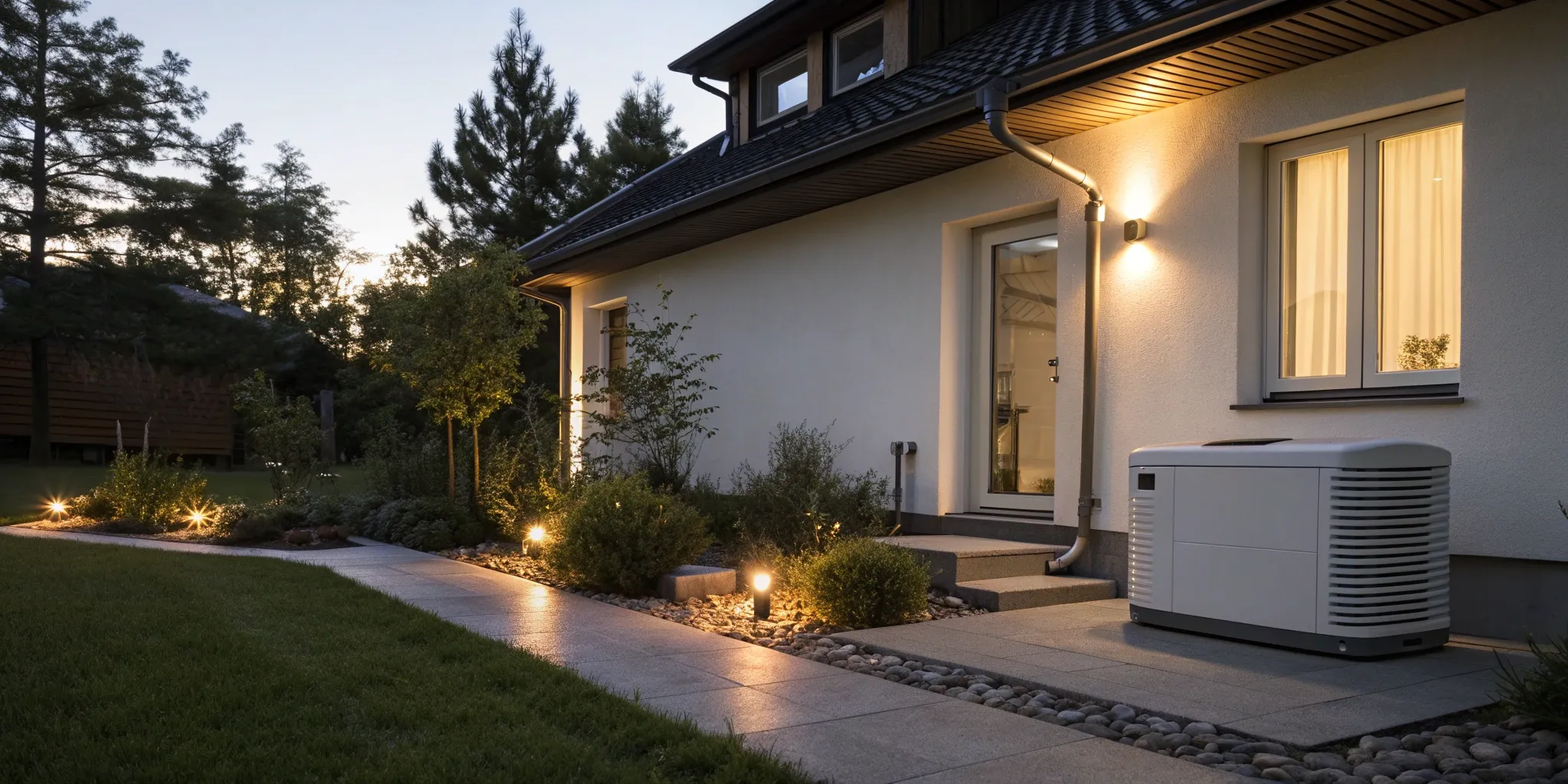
When the lights flicker and then go out, the first thought is often, “How long will this last?” A power outage can be more than an inconvenience; it can disrupt your life, risk damage to your home, and leave your family in the dark. An automatic standby generator offers a seamless solution, restoring power within seconds. But the biggest question for most homeowners is a practical one: What does that peace of mind cost? Understanding the total automatic standby generator cost involves more than just the price of the unit. This guide will break down every component, from the generator itself to installation and long-term maintenance, giving you a clear picture of the investment required to keep your home safe and bright.
Key Takeaways
- Understand the full cost, not just the unit price: The generator itself is only part of the equation. Your total investment will also include professional installation, the automatic transfer switch, and local permits, which are all crucial for a safe and reliable setup.
- Budget for long-term reliability: Just like a car, your generator needs regular care to perform when you need it. Planning for routine maintenance and fuel costs ensures your system is always ready to protect your home during an outage.
- Recognize the return on your investment: A standby generator does more than provide convenience; it prevents thousands in potential damage from events like flooded basements or burst pipes, adds significant value to your property, and may lower your insurance costs.
How Does an Automatic Standby Generator Work?
Before we get into the numbers, it helps to understand what you’re actually investing in. An automatic standby generator isn’t just a machine; it’s a complete system designed to keep your life running smoothly during a power outage. It works behind the scenes, so you barely notice when the power goes out. Let’s break down how it all comes together.
Key Components and How They Function
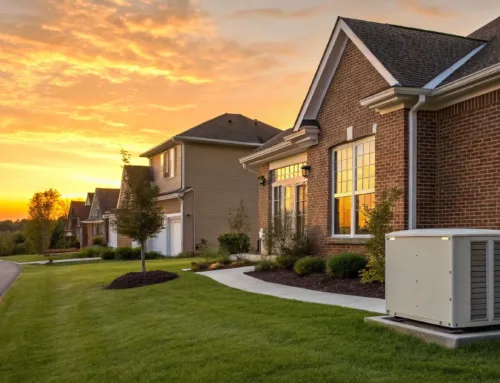
Think of an automatic standby generator as your home’s personal power plant, always on alert. Unlike a portable generator you have to wheel out and start yourself, a residential standby generator installation involves a permanent unit placed outside your home. It’s connected directly to your home’s electrical panel and its fuel source, typically natural gas or propane. When it senses a disruption in your utility power, it automatically starts up within seconds. Once the main power is restored, the generator senses this as well and shuts itself down, returning to standby mode, ready for the next time you need it.
The Role of the Automatic Transfer Switch
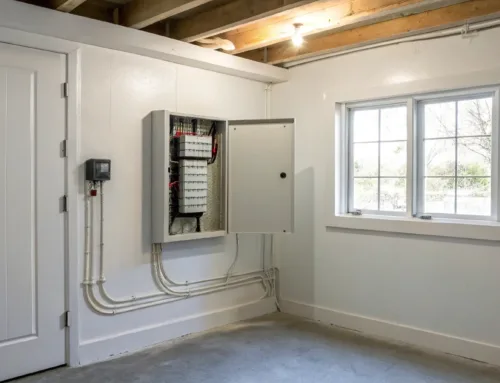
The real magic behind this seamless transition is a device called the Automatic Transfer Switch, or ATS. This is the brain of your entire Generac generator system. The moment an outage occurs, the ATS detects the loss of power from the utility. It then safely disconnects your home from the grid and signals the generator to start. Once the generator is running, the ATS transfers your home’s electrical load to the generator’s power. This process also prevents dangerous back-feeding—when electricity from your generator flows back into the utility lines—which is critical for protecting utility workers. When grid power returns, the ATS handles the switch back just as smoothly.
What Determines the Cost of a Standby Generator?
When you start looking into a standby generator, the first question is usually about cost. The final price isn’t a single number—it’s a combination of the generator itself, your home’s specific needs, and the installation process. Understanding these key factors helps you see the full picture and plan your investment with confidence. Let’s break down what goes into the total cost.
Generator Size and Power Capacity
A generator’s power is measured in kilowatts (kW), and getting the right size is crucial. Do you want to power just the essentials, like your fridge and lights, or your entire home? A professional helps calculate your power needs to find the perfect fit. A popular choice for many homes is a 20kW generator, with the unit itself often costing between $5,000 and $6,000. Choosing the correct size for your residential standby generator installation ensures you have reliable power without overspending on a unit that’s bigger than you need.
Fuel Type (Natural Gas vs. Propane)
Your generator will run on either natural gas or liquid propane. If your home already has a natural gas line, it’s often the more straightforward and affordable option with a continuous fuel supply. If natural gas isn’t available, a propane generator is a great alternative. This setup requires installing a dedicated propane tank on your property, which can add to the initial installation cost. We can walk you through the pros and cons of each to help you decide which fuel source makes the most sense for your home and budget.
Site Prep and Installation Complexity
Installation costs can vary significantly from one home to the next. A good rule of thumb is that installation can cost about as much as the generator itself. The final price depends on your property’s layout and existing residential electric system. Placing the generator close to your gas and electrical meters simplifies the process and usually keeps costs down. If we need to run longer lines or pour a new concrete pad, the labor and material costs will be higher. A professional site evaluation is essential for an accurate quote.
Brand and Model Differences
The brand and model you choose also impact the price. As a trusted Generac Generator Dealer, we can show you how different models come with various features, warranties, and levels of reliability. Some offer advanced options like mobile monitoring right from your phone. The price range is wide, from smaller, essential-circuit models to powerful units that can run a large home without skipping a beat. We’ll help you find a reliable Generac model that fits your specific needs and budget.
Breaking Down the Total Investment
When you’re thinking about a standby generator, it’s helpful to see the total cost as a combination of a few key parts. The sticker price of the generator is just the starting point. To get a full picture of your investment, you need to account for the unit itself, the professional installation, and a few other necessary components. Let’s walk through each piece so you know exactly what to expect.
The Price of the Unit Itself
First up is the generator itself. The cost of a Generac generator can vary quite a bit, starting around $2,000 for smaller models and going up to $20,000 or more for powerful units that can run an entire large home or commercial building. This price difference comes down to power capacity—how many appliances and systems you want to run during an outage—and the specific features of the model. A smaller unit might keep your lights, refrigerator, and sump pump running, while a larger one can handle all that plus your central air conditioning and other high-draw appliances.
Installation and Labor Expenses
This is one area where you absolutely don’t want to cut corners. Professional installation is crucial for safety, performance, and keeping your warranty valid. Don’t be surprised if the cost for installation and labor is about the same as the generator unit. For example, a $6,000 generator might end up being a $12,000 project once installation is complete. This covers the work of a certified team to prepare the site, properly connect the unit to your home’s electrical system and fuel line, and ensure everything is up to code. A proper generator installation gives you peace of mind that it will work when you need it most.
Permits and Additional Parts
Beyond the generator and the labor, there are a few other costs to factor in. Most towns and counties require permits for this type of work, and those come with fees. There will also be a final inspection to make sure the installation meets local safety codes. Another key component is the Automatic Transfer Switch (ATS). This is the device that automatically switches your home’s power source from the grid to your generator during an outage. It’s essential that the ATS matches your home’s main electrical panel—if you have a 200-amp panel, you’ll need a 200-amp ATS. Our team handles all these electrical details to ensure a seamless and safe setup.
Budgeting for Costs After Installation
The initial purchase and installation are the biggest financial steps, but it’s smart to plan for the long-term costs of owning a generator. Think of it like owning a car—a little bit of upkeep goes a long way in keeping it ready for action. These ongoing expenses are predictable and ensure your generator is reliable for years to come, so you’re never caught in the dark. By planning for maintenance, fuel, and potential repairs, you can feel confident that your investment will protect your home and family whenever an outage strikes. It’s all about peace of mind, and knowing what to expect financially is a huge part of that. These costs aren’t meant to be a surprise; they’re a key part of a strategy to keep your power on and your home safe, no matter what the weather brings.
Routine Maintenance Plans
This is probably the most important post-installation cost to plan for. Regular maintenance is what keeps your generator in top shape, ensuring it starts up the moment you need it. Experts recommend having your generator serviced about every six months. A professional check-up typically includes changing the oil and filter, inspecting the battery, and running a full diagnostic test to catch any small issues before they become big problems. Signing up for a Generac maintenance plan is the easiest way to handle this. It takes the guesswork out of scheduling and makes sure your investment is always protected and ready to perform.
Ongoing Fuel Expenses
Your generator needs fuel to run, and this will be a recurring cost during an outage. Most standby generators run on either natural gas or propane. If your home is already connected to a natural gas line, this is often the more convenient and cost-effective option, as the fuel is supplied continuously by your utility company. If you use propane, you’ll need a large storage tank on your property that must be refilled periodically. The cost will depend on the size of your tank and current propane prices, so it’s something to factor into your household budget, especially before storm season.
Warranty Coverage and Repairs
While a well-maintained generator is incredibly reliable, it’s always good to know what to expect if something goes wrong. Most new generators come with a manufacturer’s warranty that covers parts and labor for a set period. Over the generator’s lifespan of 15 to 20 years, you might encounter minor issues. Typical repair costs can range from a few hundred dollars to around a thousand, depending on the part. If you ever notice your generator making an odd noise or failing its weekly self-test, it’s best to call for generator service and repair right away to prevent a small problem from becoming a bigger one.
Is a Standby Generator a Good Investment?
When you’re looking at the total cost of a standby generator, it’s natural to ask if it’s truly worth the money. The simple answer is yes. A generator isn’t just a purchase; it’s an investment in your home’s safety, functionality, and value. Think of it less like buying an appliance and more like adding a permanent upgrade that protects your property and family. The return on this investment shows up in several ways, from tangible financial benefits to the priceless peace of mind you get from knowing you’re prepared for any outage.
Power outages are more than just a minor inconvenience. They can lead to spoiled food, flooded basements if your sump pump fails, and even burst pipes during a winter storm. A standby generator eliminates these risks, kicking in automatically the moment the power goes out. This immediate protection can save you thousands of dollars in potential damages. Beyond the emergency savings, a generator adds lasting value to your home and can even help you save on insurance costs. It’s a practical upgrade that pays for itself over time by safeguarding your biggest asset.
Increasing Your Home’s Value
In the real estate market, a standby generator is a powerful selling point. For potential buyers, a home that’s already equipped with a reliable power source is significantly more attractive, especially in areas that experience frequent storms or outages. It’s seen as a premium upgrade, much like a renovated kitchen or a new roof. A professional residential standby generator installation signals that a home is well-cared-for and ready for anything. This feature can make your property stand out, potentially leading to a faster sale and a higher final offer. It’s a practical feature that offers a clear advantage over other homes on the market.
Potential for Lower Insurance Premiums
Homeowners insurance is all about managing risk, and a standby generator actively reduces it. By preventing common outage-related disasters like sump pump failures or frozen pipes, a generator can lower the likelihood that you’ll need to file a claim. Many insurance companies recognize this and may offer a discount on your premium for having one installed. Because a generator protects against electrical surges when the power returns and keeps security systems online, it makes your home a safer, lower-risk property to insure. It’s a good idea to call your insurance agent to see what kind of savings you might qualify for after your generator is installed.
Preventing Costly Outage-Related Losses
The most immediate return on your investment comes from the disasters a generator helps you avoid. A single power outage in the winter can lead to frozen and burst pipes, causing water damage that costs thousands to repair. In the summer, a prolonged outage means a refrigerator and freezer full of spoiled food. A standby generator also protects your sensitive electronics, like computers and TVs, from damaging power surges when the grid comes back online. A generator that receives regular Generac maintenance can protect your home for decades, easily paying for itself by preventing just one major incident.
How to Pay for Your Generator
A standby generator is a significant investment in your home’s safety and comfort, but looking at the total cost can feel a bit overwhelming. I get it. The great news is that you don’t have to pay for the entire project out of pocket all at once. There are practical, straightforward ways to make this upgrade fit comfortably within your budget. Between flexible payment plans designed for home improvements and potential savings from local programs, you can get the peace of mind you need without financial strain. Let’s walk through the options that can make your generator installation much more manageable.
Exploring Financing Programs
Financing is one of the most popular ways to handle the cost of a generator. Instead of a single large payment, you can break the expense down into predictable monthly installments. This allows you to get your generator installed and protecting your home right away, rather than waiting until you’ve saved up the full amount. As a certified Generac dealer, we help our customers access trusted Generac financing options that are specifically designed for these projects. The application process is simple, and the plans offer competitive rates, making it an accessible tool for managing your budget while securing your home against power outages.
Finding Rebates and Incentives
Beyond financing, you might be able to lower the overall cost of your generator by taking advantage of rebates and incentives. These programs are often offered by utility companies and local governments to encourage homeowners to make valuable upgrades. A great first step is to visit your utility provider’s website and search for residential energy rebates. You can also check your county or township’s official website for any home improvement incentives. These programs vary by location and can change from year to year, but a little research can uncover significant savings that directly reduce the price of your investment.
Getting a Clear and Accurate Quote
Once you’ve decided a standby generator is right for you, the next step is figuring out the exact cost for your home. A quote for a generator isn’t just a price tag; it’s a comprehensive plan tailored to your specific needs. The final number depends on factors unique to your property, from the size of your house to the location of your utility lines. To get a number you can truly rely on, you’ll need a professional assessment and a clear understanding of what you’re comparing.
Why a Professional Site Evaluation Is a Must
You can’t get an accurate quote over the phone, and there’s a good reason for that. A professional site evaluation is essential for determining exactly what your home needs. An expert will visit your property to calculate your specific power requirements, ensuring you get a generator that’s the right size—not too big and not too small. They’ll also assess the best placement for the unit. The ideal spot is often close to your existing gas and electrical meters, which can help reduce the complexity and cost of the residential standby generator installation. This in-person visit eliminates guesswork and protects you from surprise costs down the road.
How to Compare Quotes from Local Experts
When you start gathering quotes, it’s important to know what you’re looking at. Make sure each quote is comprehensive, breaking down the costs for the generator unit itself, the automatic transfer switch, installation labor, and any necessary permits or materials. Always talk to an experienced, authorized Generac dealer before making a final decision. A certified expert can confirm you’ve chosen the correct size and will ensure the system is installed safely and correctly. Comparing quotes isn’t just about finding the lowest price; it’s about finding the best value and the most qualified team for the job.
Related Articles
- Standby Generac Generator FAQs | M.T. Ruhl
- Commercial Generac Generator: The Ultimate Guide
- What Are the Best Standby Generators? | M.T. Ruhl
- 20 Whole House Generator FAQs: Everything You Need to Know | M.T. Ruhl
Frequently Asked Questions
How long does a typical generator installation take? For a straightforward project, our team can usually complete the entire installation in a single day. This includes preparing the site, setting the generator, and making all the necessary electrical and fuel connections. If your property requires more extensive work, like running longer utility lines, it might take a bit longer, but we’ll give you a clear timeline during the site evaluation so you know exactly what to expect.
Do I have to power my entire house, or can I just choose the essentials? You absolutely have a choice. Many homeowners opt to connect their generator only to essential circuits, like the refrigerator, sump pump, furnace, and a few lights. This allows you to use a smaller, more affordable generator. Others prefer the convenience of a whole-house system that can run everything, including central air conditioning, without interruption. We can help you weigh the options to find the perfect balance for your needs and budget.
How loud is a standby generator when it’s running? This is a great question and a common concern. Modern Generac standby generators are designed to be as quiet as possible. When running, the sound level is comparable to a standard central air conditioning unit. We also strategically plan the placement of the generator during the site evaluation to help minimize noise and ensure it’s not a disruption to you or your neighbors.
What does a maintenance plan actually cover? Think of it like a regular check-up for your car. A maintenance plan ensures your generator is always ready to perform when you need it. During a service visit, a technician will typically change the oil and filter, inspect the battery, check all the connections, and run a full diagnostic test. This proactive care catches small issues before they become problems and is the best way to protect your investment for the long haul.
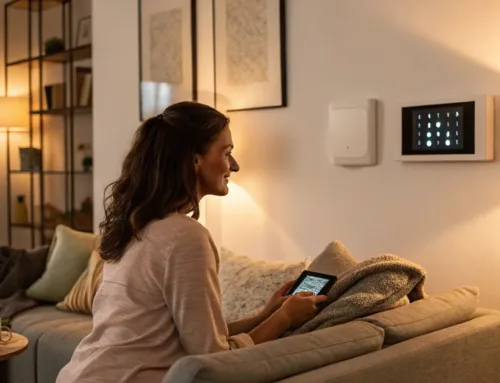
What happens if the power goes out while I’m away from home? This is where the “automatic” part of the system really shines. Your generator and its Automatic Transfer Switch are always on duty, whether you’re home or on vacation. The system will detect the outage, start the generator, and switch your home’s power source all on its own. When utility power is restored, it will handle the switch back and shut itself down. You don’t have to do a thing.