
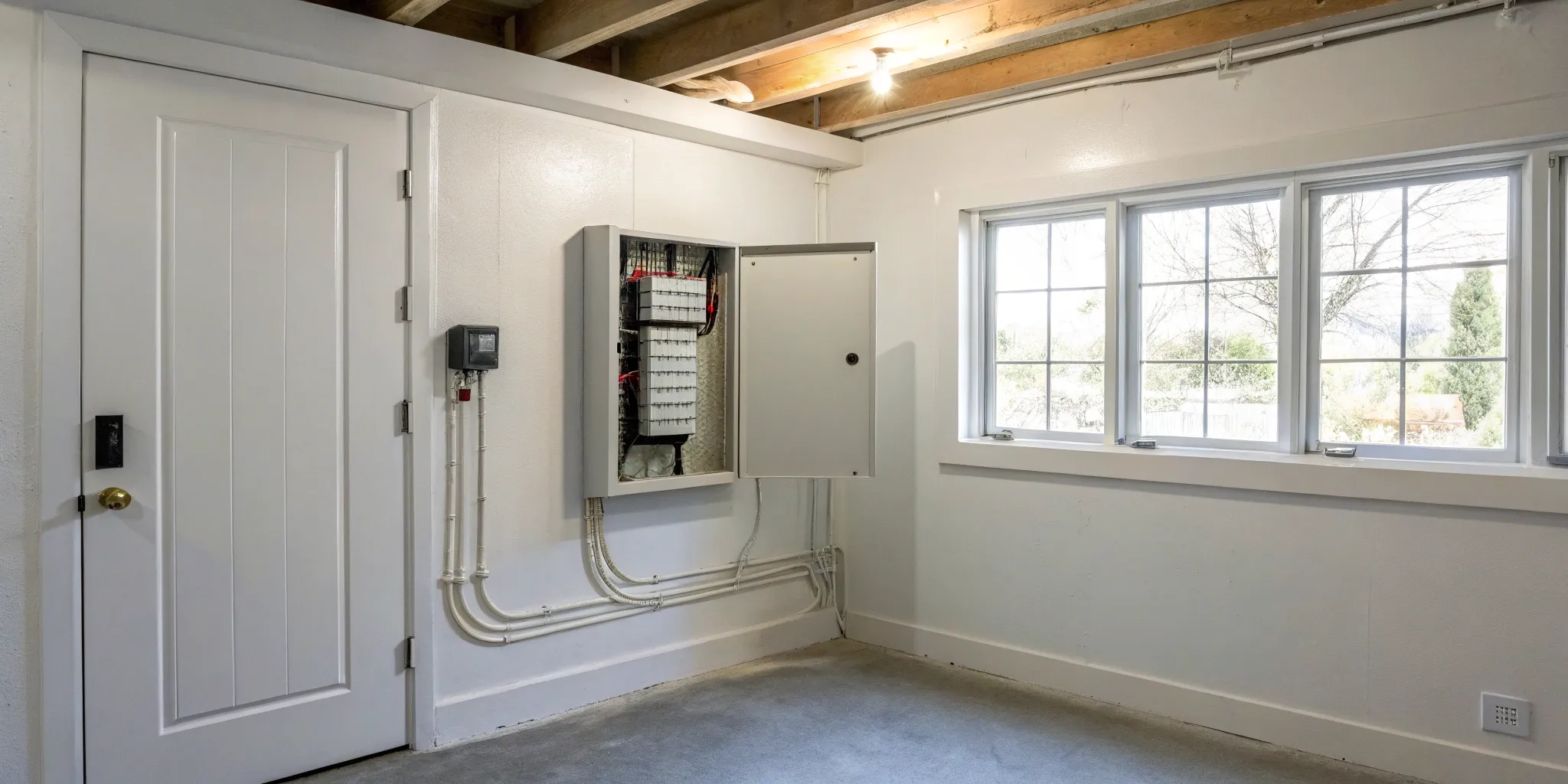
Your home’s electrical needs are growing. Think about all the new tech: smart devices, security systems, maybe even an electric car in the driveway. When it’s time to install or relocate your panel, you have a huge opportunity to plan for the future. Choosing the right electrical panel location can save you thousands down the road. This decision goes beyond the basic residential electrical panel location rules. It’s about asking donde ubicar el tablero eléctrico en una casa to support a future workshop, a hot tub, or a new addition. Let’s get your home’s electrical hub ready for whatever comes next.
Key Takeaways
- Choose a Safe and Accessible Location: The best spot for your panel is a dry, easy-to-reach area like a basement, garage, or utility room. Always keep panels out of bathrooms, closets, and living spaces to comply with safety codes and ensure you can get to it quickly.
- Respect the Required Clearance: Your panel needs a dedicated working space of at least three feet in front of it. This area must be kept completely clear of furniture, boxes, and other obstructions to allow for safe repairs and emergency access.
- Plan for Future Electrical Needs: Install a panel that can handle more than just your current demands. Discussing potential additions like an EV charger, a home expansion, or high-power appliances with your electrician now will save you from a costly overhaul later.
How Power Gets to Your Home
Have you ever stopped to think about the journey electricity takes before it powers your morning coffee maker? It travels hundreds of miles through a complex grid, but the final, most critical stop is right inside your home: the electrical panel. This unassuming metal box is the gateway for all the power your home uses. It takes the main feed of electricity from the utility company and safely divides it, sending it exactly where it needs to go. Understanding how this system works is the first step in managing your home’s power effectively, ensuring safety, and planning for future upgrades. Whether you’re thinking about adding a new appliance or ensuring you have reliable backup power, it all starts with the panel.
From the Power Line to Your Panel
Once electricity reaches your property, it flows to your electrical panel, which acts as the central hub that distributes power throughout your home. Think of it as the heart of your home’s electrical system. It receives the main flow of electricity from the power line and then directs it to various circuits, ensuring that each area of your home has the power it needs. Every light switch, outlet, and appliance is connected to a specific circuit that originates in this panel. This organized distribution is what allows you to run your dishwasher and watch TV at the same time without a problem, and it’s the foundation for a safe and functional electrical system.
Key Components of Your Electrical Panel
Opening your electrical panel door can feel a bit intimidating. You’ll see a neat, but complex, arrangement of switches, wires, and labels. While it looks complicated, the panel is made up of a few key components that work together to protect your home and your family. The most important of these are the protective devices—the main switch and the individual circuit breakers. These components are your home’s primary defense against electrical hazards like power surges and overloads. Knowing what they are and what they do can help you troubleshoot minor issues, like a tripped breaker, and understand what’s involved when you need a professional for more significant electrical repairs or upgrades, such as preparing your system for a generator installation.
Types of Protective Devices
Inside your electrical panel, two types of devices are constantly working to keep your electrical system safe: the main switch and the circuit breakers. While they might look similar, they serve distinct but related purposes. The main switch is the master control, giving you the ability to cut power to your entire house at once. The circuit breakers, on the other hand, are like individual guards for each electrical circuit. They monitor the flow of electricity to different parts of your home and step in to shut things down if they detect a problem. Together, these components form a critical safety net that prevents electrical faults from turning into major disasters.
Main Switch
The main switch is a large breaker, typically rated for 100 to 200 amps, that controls all the power flowing into your house. It serves as the primary safety device, allowing you to shut off electricity to the entire home in an emergency or during significant electrical work. This is also the component that integrates with an automatic transfer switch for a Generac generator. When a power outage occurs, the transfer switch safely disconnects your home from the utility grid via the main switch and connects it to your generator, ensuring a seamless transition to backup power without endangering utility workers or your home’s electrical system.
Circuit Breakers
Circuit breakers are essential components that protect your home from overloads and short circuits. They are designed to automatically shut off power to a specific circuit when they detect a fault, which prevents potential hazards like electrical fires. An overload happens when you try to draw more power than a circuit can handle—like running a space heater and a vacuum on the same circuit. A short circuit is a more serious wiring issue. In either case, the breaker “trips,” cutting off the electricity. This immediate response is what keeps your home’s wiring from overheating and causing serious damage.
Understanding Different Circuit Breakers
Not all circuits in your home have the same power demands, so your electrical panel uses different types of breakers to meet those specific needs. If you look inside your panel, you’ll notice that some breaker switches are single and some are double. This isn’t just for looks; it corresponds to the voltage and power requirements of the circuits they protect. Standard lighting and outlets require less power than a large appliance like an electric stove or a central air conditioner. Using the correct type of breaker for each circuit is fundamental to a safe and efficient electrical system that can handle all your daily power needs.
Single-Pole Breakers
Single-pole breakers are the most common type you’ll find in a residential panel. These breakers are designed for circuits that use 120 volts, which includes things like your lights and most standard wall outlets. Each single-pole breaker protects one specific circuit—for example, all the outlets in your living room might be on one, while the lights in your bedrooms are on another. When one of these breakers trips, it only affects that single, dedicated circuit, leaving the rest of your home’s power untouched. They are the workhorses of your electrical panel, managing the everyday power needs of your home.
Double-Pole Breakers
Double-pole breakers are larger and are used for circuits that require 240 volts. These are reserved for your biggest energy consumers, such as an electric stove, a clothes dryer, a central air conditioning unit, or a well pump. These powerful appliances need more electricity than a standard 120-volt circuit can safely provide. A whole-home standby generator also connects to your panel through a dedicated double-pole breaker. This ensures it has the capacity to power your entire home, including those larger appliances, when an outage occurs, providing you with complete peace of mind.
The Importance of Proper Wiring
While the breakers get most of the attention, the wiring inside the panel is just as critical. The way each wire is connected, secured, and organized determines not only if the system works, but if it operates safely. Proper wiring is a skill that requires deep knowledge of electrical codes and a meticulous attention to detail. Issues like loose connections or incorrect wire usage can lead to dangerous situations, including overheating and electrical fires. This is why any work inside your electrical panel should always be left to a licensed and experienced professional who understands the complexities and risks involved in handling your home’s power hub.
Standard Wire Colors
Using the correct wire colors is crucial for safety during any electrical work. There is a universal color-coding system that electricians follow: black or red wires are used for the “phase” (live) current, white or blue wires are for the “neutral” current, and green or yellow wires are for the “ground.” This standardization is incredibly important because it acts as a clear and immediate guide for any professional working on your system. It helps prevent dangerous mistakes during the initial installation and any future maintenance, ensuring that your electrical panel is both safe and serviceable for years to come.
Secure Wire Connections
In an electrical panel, it’s essential to tighten all screws for wire connections according to the manufacturer’s instructions. This might seem like a small detail, but improperly secured connections can lead to wires coming loose over time or creating a poor connection that generates excess heat. This overheating, known as arcing, is a serious safety risk and a leading cause of electrical fires. A professional electrician will use a special tool called a torque wrench to ensure every connection is perfectly tightened—not too loose and not too tight. This precision is a key part of a safe and reliable residential electrical installation.
What Makes a Good Electrical Panel Location?
Think of your electrical panel as the command center for your home’s entire electrical system. Its location isn’t just about what looks best or what’s most convenient—it’s a critical decision that directly impacts your safety and the functionality of your home. When you’re planning a new build, a renovation, or an electrical upgrade, picking the right spot for your panel is one of the most important steps.
The ideal location balances three key factors: easy access, overall safety, and compliance with local electrical codes. You need to be able to get to it quickly in an emergency, like when a breaker trips in the middle of the night. It also needs to be in a spot that minimizes fire risk and is clear of any potential hazards. Finally, every installation must follow strict guidelines set by the National Electrical Code (NEC) and your local authorities in Southeastern Pennsylvania. Getting this right from the start prevents future headaches and ensures any electrical service or repairs can be done efficiently and safely.
Keep It Accessible
Imagine the power goes out in one part of your house. The first thing you’ll do is head to the electrical panel to check the breakers. Now, imagine the panel is hidden behind a heavy shelving unit or tucked away in a cramped, hard-to-reach corner. Not ideal, right? Your electrical panel must be easily accessible at all times. This isn’t just for your convenience; it’s a crucial safety measure for emergency access and future service. You or an electrician should be able to reach it without moving furniture or climbing over boxes. Keeping the area around your panel clear is a simple habit that makes a big difference when you need to act fast.
Proximity to Your Power Meter
The journey of electricity into your home starts at the power meter outside and flows directly to your electrical panel. The shorter and more direct that path is, the better. Placing your panel as close as possible to the meter simplifies the installation process because it requires less heavy-gauge wiring to connect the two. This creates a more efficient and streamlined setup from the very beginning. It also makes future electrical repairs and upgrades much more straightforward for a technician. Think of it as creating the most logical path for power to travel, which pays off in both performance and practicality.
A shorter distance between the meter and the panel also helps maintain consistent voltage throughout your home. Over long distances, electricity can lose a bit of its strength—a phenomenon known as voltage drop. By keeping the main connection tight and short, you ensure that all your circuits, from the kitchen outlets to the bedroom lights, receive stable power. This is especially important if you plan on adding high-demand systems later, like an EV charger or a home standby generator, as these systems integrate directly with your main panel and rely on a strong, stable connection to the grid.
Think Safety First
Safety is the number one priority when it comes to anything electrical. Electrical panels need to be in safe, easy-to-reach spots to prevent fires and allow for a quick shutdown during an emergency. Because the panel houses live circuits, it’s vital to keep it away from moisture and potential water sources. You should also never place an electrical panel near flammable materials. This means keeping it clear of stored items like clothing, cleaning chemicals, paint cans, or stacks of paper. A little bit of heat or a single spark can be dangerous in the wrong environment, so a dedicated, clear space is non-negotiable.
Essential Protective Breakers: GFCI & AFCI
Beyond just its location, the components inside your panel play a huge role in keeping your home safe. Two of the most important safety devices are GFCI and AFCI breakers. A GFCI, or Ground Fault Circuit Interrupter, is designed to protect you from electric shock. It monitors the flow of electricity and instantly cuts power if it detects a leak, which is especially critical in areas with water like kitchens, bathrooms, and outdoor outlets. An AFCI, or Arc Fault Circuit Interrupter, is your first line of defense against electrical fires. It detects dangerous arcing in your home’s wiring—often caused by damage or age—and shuts down the circuit before a fire can start. Having these protective devices is a modern standard for a reason; they are essential for safeguarding your family and your property from common electrical hazards.
Proper External Panel Labeling
Clear communication is key, especially when it comes to your electrical system. That’s why every electrical panel must have clear, durable labels on the outside. According to safety codes, your panel needs two specific labels: a standard electrical hazard symbol to warn of the danger inside, and another label that clearly states its purpose, such as “MAIN PANEL” or “SUB-PANEL.” These aren’t just suggestions; they’re requirements that ensure anyone—from you to an emergency responder—can quickly identify the panel. The labels must be made from a strong material that won’t fade or peel off over time. This simple step is a hallmark of a professional residential electrical installation and is crucial for safe and efficient service down the road.
Emergency Lighting Requirements
When the power goes out, the first place you’ll likely go is the electrical panel. But what good is getting there if you can’t see what you’re doing? Safety regulations require that your panel be visible under both normal and emergency lighting. This means you need a reliable light source in the area that works even during an outage. Fumbling with a phone flashlight while trying to reset a breaker in the dark is not only frustrating but also unsafe. This is one of the many reasons homeowners invest in a whole-home generator. A standby generator kicks in automatically, keeping your lights on and ensuring you can safely access and manage your electrical panel whenever you need to, day or night.
Check Your Local Code Requirements
Electrical work is governed by a set of rules designed to keep everyone safe, and panel location is a big part of that. The National Electrical Code (NEC) provides the main safety standards, which local codes are built upon. For example, the NEC requires at least three feet of clear space directly in front of the panel to give a technician enough room to work safely. It also prohibits installing panels in certain areas, such as bathrooms, closets, and above stairs. Following these rules is mandatory, and a professional electrician will ensure your installation is fully compliant with all regulations in your specific service area.
Top Spots for Your Electrical Panel
Finding the right home for your electrical panel is a bit like choosing a spot for your home’s command center. It needs to be safe, easy to get to, and out of the way of daily life. While every home’s layout is different, some locations are consistently better than others. A professional electrician can help you pinpoint the perfect place, but understanding your options is a great first step. Let’s look at a few of the most common and practical spots to install your breaker box.
Basements and Utility Rooms
There’s a reason basements and utility rooms are the go-to spots for electrical panels. They are typically out of sight, which keeps your home’s living areas looking clean and uncluttered. More importantly, these spaces usually offer plenty of room to meet the necessary clearance requirements for safety and maintenance. The panel is often placed on an interior wall directly inside from where the electric meter is located outside, making for a straightforward installation. As long as the area is dry and unfinished, a basement or dedicated utility room is an excellent choice for your home’s electrical system.
Garages and Workshops
Garages and workshops are another fantastic option for housing your electrical panel. They usually have ample space, making it easy to satisfy all the safety rules, especially near the door that connects to the house. This location keeps the panel accessible without requiring a technician to walk through your main living space, which is a nice convenience. Plus, placing the panel in the garage can be a smart move for the future. If you’re thinking about adding an electric vehicle charger or a workshop with heavy-duty tools, having the panel nearby can simplify those electrical upgrades down the road.
Interior Walls and Hallways
What if you don’t have a basement or a garage? Don’t worry, you still have good options. An interior wall in a hallway or a less-used room can work well. The key is to find a central spot that offers good flexibility for running wires throughout your home. You might place it behind a piece of art or a mirror to keep it discreet, but it must remain easily accessible for you and any service technicians. This isn’t a spot to hide away in a cluttered closet—it needs to be reachable in an emergency without having to move a bunch of stuff out of the way.
Locations to Avoid for Your Electrical Panel
Knowing the right spot for your electrical panel is half the battle; knowing which areas to avoid is the other. Certain locations aren’t just inconvenient—they’re dangerous and violate electrical codes. Placing a panel in the wrong spot can create fire hazards, risk electric shock, and cause major headaches during inspections or emergencies. To keep your home safe, let’s walk through the absolute no-go zones for your electrical panel installation.
Steer Clear of Bathrooms and Damp Spots
This one is a hard and fast rule: water and electricity are a dangerous combination. The National Electrical Code (NEC) strictly prohibits installing electrical panels in bathrooms or any area with high concentrations of moisture. The steam from a hot shower or a potential plumbing leak creates a serious risk of short circuits, corrosion, and electrocution. Even if a panel is near plumbing in an adjacent room, it needs to be properly waterproofed. When it comes to your home’s electrical system, there’s no room for compromise. Always trust a professional to handle your residential electric needs and ensure everything is up to code.
Avoid Closets and Cramped Spaces
While a closet might seem like a convenient place to hide a bulky metal box, it’s one of the worst spots for an electrical panel. The primary concern here is fire safety. The NEC has specific rules against placing panels in clothes closets where flammable materials are stored. Piling boxes or clothing near the panel is a significant fire hazard. Beyond that, closets prevent the necessary clearance required for safe access. If a panel is blocked, it can make emergency electrician repairs difficult and unsafe. A technician needs at least three feet of clear space in front of the panel to work safely.
Keep It Out of Bedrooms and Living Areas
Your main living areas are also poor choices for an electrical panel. While not as explicitly dangerous as a bathroom, placing a panel in a bedroom, pantry, or above a staircase makes it difficult to access and can violate clearance codes. You should never have to move furniture or climb over obstacles to reach your breakers. According to Angi, panels should not be placed in bedrooms, pantries, or above stairs. Furthermore, installing a panel behind a door is a hazard, as the door can swing shut on someone working on the system. Keeping the panel in a dedicated, accessible utility space is always the safest and most practical solution.
Understanding Electrical Panel Clearance Rules
Your electrical panel is the heart of your home’s electrical system, and just like any critical component, it needs to be installed correctly and safely. It’s not as simple as finding an empty spot on a wall. Specific codes and regulations, primarily from the National Electrical Code (NEC), dictate exactly where and how a panel can be placed. These rules aren’t just about following protocol; they’re designed to ensure the safety of you, your family, and any electrician who needs to work on your system. Following these guidelines prevents dangerous situations like arc flashes, which can occur when a technician is forced to work in a cramped, unsafe space.
Think of it this way: in an emergency, you or a first responder need to access the panel quickly without climbing over boxes or squeezing behind furniture. Likewise, when you need electrical repairs, your technician requires a safe, clear area to work. This dedicated space allows them to perform their job efficiently and without risk of injury. Understanding these clearance rules helps you maintain a safe home and ensures your electrical system is up to code, which is crucial for passing home inspections, maintaining your homeowner’s insurance, and most importantly, your peace of mind.
Give Yourself Room to Work
Every electrical panel requires a designated “working space” around it. This is a legally mandated clear zone that must be maintained at all times. The standard requirement is a space at least 30 inches wide (or the width of the panel, whichever is greater) and 36 inches deep, measured from the front of the panel. This clearance must extend from the floor to a height of 6 feet 7 inches. This isn’t just empty space; it’s a safety bubble for anyone who needs to access the panel. It ensures an electrician has enough room to open the panel door, use their tools, and work without being cramped or put in a dangerous position.
Getting the Height and Depth Right
Beyond the clear working space, the panel itself has specific height requirements. The main circuit breaker can be no higher than 6 feet 7 inches from the floor. This ensures that a person of average height can reach it to shut off the power in an emergency. The panel must also be installed so its door can open a full 90 degrees without being blocked by walls, pipes, or other obstructions. These measurements are designed for accessibility and safety. When planning a residential electrical project, a certified electrician will ensure your panel is placed at a height that is both compliant and practical, allowing for easy access when you need it most.
Specific Clearance Dimensions
The space around your electrical panel isn’t just for storage—it’s a dedicated work zone with specific, code-required dimensions. Think of it as a safety bubble that must be kept clear at all times. This working space needs to be at least 30 inches wide (or the width of the panel itself, if it’s wider) and extend 36 inches out from the front of the panel. This clear area must go from the floor all the way up to a height of 6 feet, 7 inches. This ensures that when you need electrician repairs, the technician has enough room to open the panel, use their tools, and work safely without being squeezed into a tight spot, which is crucial for preventing accidents.
Recommended Mounting Height
The height of the panel is just as important as the clear space around it. To ensure anyone can shut off the power in an emergency, the main circuit breaker cannot be installed any higher than 6 feet, 7 inches from the floor. This rule makes the panel accessible to people of average height. Additionally, the panel’s door must be able to swing open a full 90 degrees without being blocked by walls, pipes, or anything else. These precise measurements are critical for both safety and accessibility, and they are a standard part of any professional standby generator installation, which often includes panel upgrades.
Keep the Area Clear and Dedicated
The clear working space in front of your electrical panel must remain dedicated to that purpose. This means you can’t use it for storage. It’s tempting to place shelves, cabinets, or even a piece of furniture in that area, but doing so is a direct violation of safety codes. The panel must be easy for anyone in the house to get to, especially during an emergency. Blocking access can delay a critical response, whether it’s shutting off power during a fire or a technician trying to restore your electricity. Treat the area around your panel as a permanent “no-parking” zone. Keeping it completely clear ensures your home’s electrical system is not only functional but also safe and accessible.
What to Do If You Can’t Find Your Panel
It might sound strange, but it’s not uncommon for homeowners to have trouble locating their electrical panel. Previous owners may have covered it up during a renovation for aesthetic reasons, or it might just be in a spot you wouldn’t think to look. Finding it is essential, not just for resetting a tripped breaker, but for any electrical work you plan to do, including installing a Generac generator. Your panel is the gateway to your home’s power, and knowing its location is the first step in managing your electrical system safely and effectively.
Tips for Locating a Hidden Panel
If your electrical panel is playing hide-and-seek, start your search in the most common spots: the basement, garage, or a utility closet. If it’s not there, head outside to find your electric meter. The panel is often located on the interior wall directly behind the meter. Check hallways, laundry rooms, and even the backs of closets. Remember, your electrical panel must be easily accessible at all times. This isn’t just for your convenience; it’s a crucial safety measure for emergency access and future service. You or an electrician should be able to reach it without moving furniture or climbing over boxes. If you’ve searched everywhere and still come up empty, it’s time to call in a professional for some residential electric assistance.
Why Panels Sometimes Get Covered Up
Most of the time, a hidden electrical panel is the result of a past renovation. A previous owner might have finished a basement and drywalled over the panel without realizing the code violation, or built custom cabinets that conceal it. While their intentions were likely cosmetic, the outcome is a serious safety hazard. Placing a panel in the wrong spot or covering it can create fire hazards, risk electric shock, and cause major headaches during inspections or emergencies. If you discover your panel has been improperly covered, it’s important to have it inspected to ensure it’s safe and brought back into compliance with local codes.
Warning Signs of a Dangerous Electrical Panel
Your electrical panel is the unsung hero of your home, quietly managing the flow of power day in and day out. But like any hardworking component, it can show signs of wear and tear over time. An aging or faulty panel isn’t just an inconvenience; it can be a serious safety risk. Recognizing the warning signs of a dangerous electrical panel is key to preventing electrical fires and ensuring your home is protected. If you notice any of these red flags, it’s crucial to address them immediately, especially before considering a major electrical addition like a whole-home generator, which relies on a safe and stable system.
Physical Signs of Trouble
Your senses are your best first line of defense. If you notice burning smells or water near the panel, or if the panel feels hot to the touch or has burn marks, these are serious warning signs that should prompt immediate attention from a professional. Rust on the metal box is a clear indicator of moisture intrusion, which can lead to corrosion and connection failures. Any visible scorch marks or discoloration around the breakers suggest overheating or a dangerous electrical arc. These are not issues to ignore or delay. They require immediate electrician repairs to prevent a potential fire.
Unusual Sounds or Smells
An electrical panel should operate silently. If you hear buzzing sounds or see sparks coming from the breakers, you should call a professional electrician right away. A persistent buzzing or humming noise often points to a loose wire, an overloaded circuit, or a breaker that is failing. These conditions create excess heat and can quickly become a fire hazard. Similarly, a distinct smell of burning plastic or ozone around the panel indicates that components are overheating and melting. Don’t hesitate—shut off the main breaker if you can do so safely and call for help.
Frequently Tripping Breakers
Circuit breakers are designed to trip to prevent overloads and short circuits. A breaker that trips occasionally when you run the microwave and the toaster at the same time isn’t usually a cause for alarm. However, if circuit breakers keep tripping over and over, or won’t turn back on, this indicates a potential issue that needs to be addressed by a qualified electrician. It could signal a persistent problem on the circuit, a faulty breaker, or an outdated panel that can no longer handle your home’s electrical demands. This is a critical safety check before moving forward with a residential standby generator installation, as the existing system must be in excellent condition.
Future-Proofing Your Electrical Panel
Your home isn’t static, and your electrical needs will likely grow and change over time. Thinking ahead when placing or upgrading your electrical panel can save you from expensive and complicated projects down the road. A little foresight ensures your home’s electrical system can handle new technology, expansions, and lifestyle changes with ease. Instead of just meeting your current power demands, it’s wise to plan for what you might need five or ten years from now.
This forward-thinking approach is about building flexibility into your home’s core infrastructure. Are you dreaming of a finished basement? Do you see an electric vehicle in your future? What about a hot tub or a workshop for your hobbies? Each of these additions places new demands on your electrical system. By discussing these possibilities with your electrician, you can install a panel with enough capacity and space for future circuits. This proactive step is one of the smartest investments you can make in your home, ensuring it’s ready for whatever comes next without requiring a major electrical overhaul. Proper planning is the key to a safe and functional home for years to come.
Preparing for a Standby Generator
One of the most significant ways to future-proof your home is by planning for a standby generator, which provides seamless power during an outage. This process starts long before the installation day. First, you’ll need to assess your power needs—deciding which appliances and systems are essential. Do you need to keep the lights on, or power your entire home, including the HVAC and home office? Next, you’ll work with a professional to choose the right location, which must be a safe distance from windows and doors, and determine the best fuel source, like natural gas or propane. Because a Generac generator integrates directly with your electrical panel, professional installation is critical for safety and compliance with local codes. An expert team handles everything from site preparation and permitting to the final connection, ensuring your home is ready for anything.
Making Room for Smart Home Tech
The modern home is getting smarter every year. From video doorbells and security cameras to automated lighting and smart thermostats, these devices add convenience and efficiency to our lives. While each gadget may not use much power on its own, a fully integrated smart home system adds up. When installing a new electrical panel, it’s a great idea to plan for extra circuits dedicated to these systems. This foresight prevents you from overloading existing circuits and helps keep your home’s wiring organized and safe. It’s far easier and more cost-effective to add these circuits now than to try and retrofit them later.
Planning for a Future Addition?
If you’re considering a future home addition, like a new bedroom, a finished attic, or an in-law suite, your electrical panel’s location and capacity are critical. A panel that is already full or located in a wall you plan to demolish will create a significant roadblock for your renovation. When choosing a spot for your panel, think about your home’s potential footprint. Placing it in a central, accessible location that won’t be affected by future construction can make a future expansion project run much more smoothly. Planning ahead ensures your home’s power hub is ready to support your growing space.
Thinking About an Electric Vehicle?
Electric vehicles are quickly becoming a staple in American garages, and they require a significant amount of power to charge efficiently. A standard 120-volt outlet can take days to fully charge an EV, which is why most owners install a Level 2 charger. These chargers require a dedicated 240-volt circuit, similar to an electric stove or dryer. When upgrading your panel, you should absolutely plan for an EV charger, even if you don’t own one yet. A certified electrician can ensure your panel has the capacity to handle the load and can even run the necessary wiring to your garage, making a future installation simple and straightforward.
What About High-Power Appliances?
Your future might include more than just an EV. Many homeowners eventually add high-demand appliances that require dedicated circuits. Think about a bubbling hot tub on the patio, a powerful saw in your workshop, a sauna for relaxing, or an on-demand tankless water heater. Each of these requires a specific, high-amperage circuit that your current panel might not have space for. When you’re planning your home’s residential electric system, mention these potential additions to your electrician. They can recommend a panel with enough amperage and physical space to accommodate these future upgrades safely.
Electrical Panel Placement Mistakes to Avoid
Choosing the right spot for your electrical panel isn’t just about convenience—it’s about safety and long-term reliability. A poor decision can lead to code violations, safety hazards, and expensive fixes down the road. Let’s walk through some of the most common missteps homeowners make so you can be sure your project is done right from the start.
Forgetting to Consult a Professional
It can be tempting to try and figure out panel placement on your own, but this is one area where professional guidance is non-negotiable. Choosing where to put your electrical panel is a critical decision guided by strict safety rules and building codes. A certified electrician will ensure everything is done correctly and safely, preventing future headaches. Planning your residential electrical projects with an expert from the beginning saves you time, money, and gives you peace of mind that your home is protected.
The Importance of Internal Circuit Labeling
A neatly labeled electrical panel is more than just satisfying to look at—it’s a critical part of a safe and functional home. Think about the last time a breaker tripped. Did you have to play a guessing game, flipping switches randomly until the lights came back on? Clear labeling eliminates that frustration, allowing you to instantly identify which circuit controls the kitchen outlets or the upstairs bedrooms. This isn’t just about convenience; it’s crucial in an emergency when you need to shut off power to a specific area fast. It also makes any future electrical repairs safer and more efficient for a technician, who can immediately understand your home’s layout without having to trace wires.
Ignoring Clearance Requirements
An electrical panel needs breathing room. The National Electrical Code (NEC) requires a clear working space around it, and for good reason. Your panel must be easy for you and technicians to get to. Tucking it away in a tight spot where it’s hard to access is a major mistake. Imagine an emergency where you need to shut off a breaker quickly, or when a technician needs space to perform electrician repairs. A cramped location makes these tasks difficult and dangerous. Always plan for enough clearance to open the panel door fully and work without obstruction.
Creating a Fire Hazard
This might seem obvious, but it’s a mistake that happens more often than you’d think. You should never put an electrical panel near things that can easily catch fire, like clothes, chemicals, or even holiday decorations stored in a closet. An electrical panel can spark during normal operation or if there’s a fault, and placing it near combustible materials creates a serious fire hazard. Always maintain a clear zone around your panel. This isn’t just good housekeeping; it’s a critical safety measure enforced by electrical codes to prevent house fires.
Overlooking Proper Ventilation
Electrical panels and moisture are a dangerous combination. Panels should always be in dry places, away from sources of water and high humidity, to prevent damage and electrical problems. A damp environment can cause the metal components inside your panel to rust and corrode, leading to poor connections and potential electrical failures. This is why locations like bathrooms or poorly ventilated laundry rooms are off-limits. Ensuring your panel is in a dry, well-ventilated spot is crucial for its longevity and the safety of your entire electrical system.
Related Articles
- How Much to Replace an Electrical Panel in 2025?
- Hiring an Electrical Repair Service? Read This First
Frequently Asked Questions
My current electrical panel is in a closet. Is that a problem? Yes, that’s definitely something you should have a professional look at. Placing a panel in a closet, especially one used for storing clothes or other flammable items, is a significant fire hazard and violates modern electrical codes. The rules are in place to ensure there’s enough clear space for safe access and to prevent a small spark from turning into a big problem. An electrician can assess your specific situation and recommend the safest path forward.
What does “clear working space” actually mean for my panel? Think of it as a permanent, invisible box around your panel that must always be kept empty. This space is required by code to be at least 30 inches wide, 36 inches deep, and extend from the floor to about 6.5 feet high. It’s not for storage. This zone ensures that in an emergency, anyone can get to the breakers without tripping over boxes, and it gives an electrician the room they need to work safely without being cramped.
I’m not planning any big projects right now. Why should I worry about future electrical needs? Thinking ahead when it comes to your electrical panel is one of the smartest moves you can make for your home. Technology and our power needs change quickly. Planning for a future electric vehicle, a kitchen remodel, or even a hot tub now means you can install a panel with enough capacity to handle those additions later. It’s far simpler and more affordable to plan for extra space now than to do a major, costly upgrade when you’re in the middle of another project.
Can I just hide my panel behind a cabinet or a painting to make it look better? While you can hang a light piece of art or a mirror over a panel, it can’t be permanently obstructed. The panel must be immediately and easily accessible at all times. Installing a cabinet door in front of it or placing a heavy piece of furniture there is a code violation because it blocks the required working space. In an emergency, you don’t want to waste precious seconds moving things out of the way to shut off the power.
What’s the first step if I think my panel needs to be moved or upgraded? The best first step is to contact a licensed and insured electrician. Moving or upgrading an electrical panel is a complex job that involves significant safety risks and requires knowledge of local codes. A professional can evaluate your current system, listen to your concerns and future plans, and provide a safe, compliant solution that works for your home.