
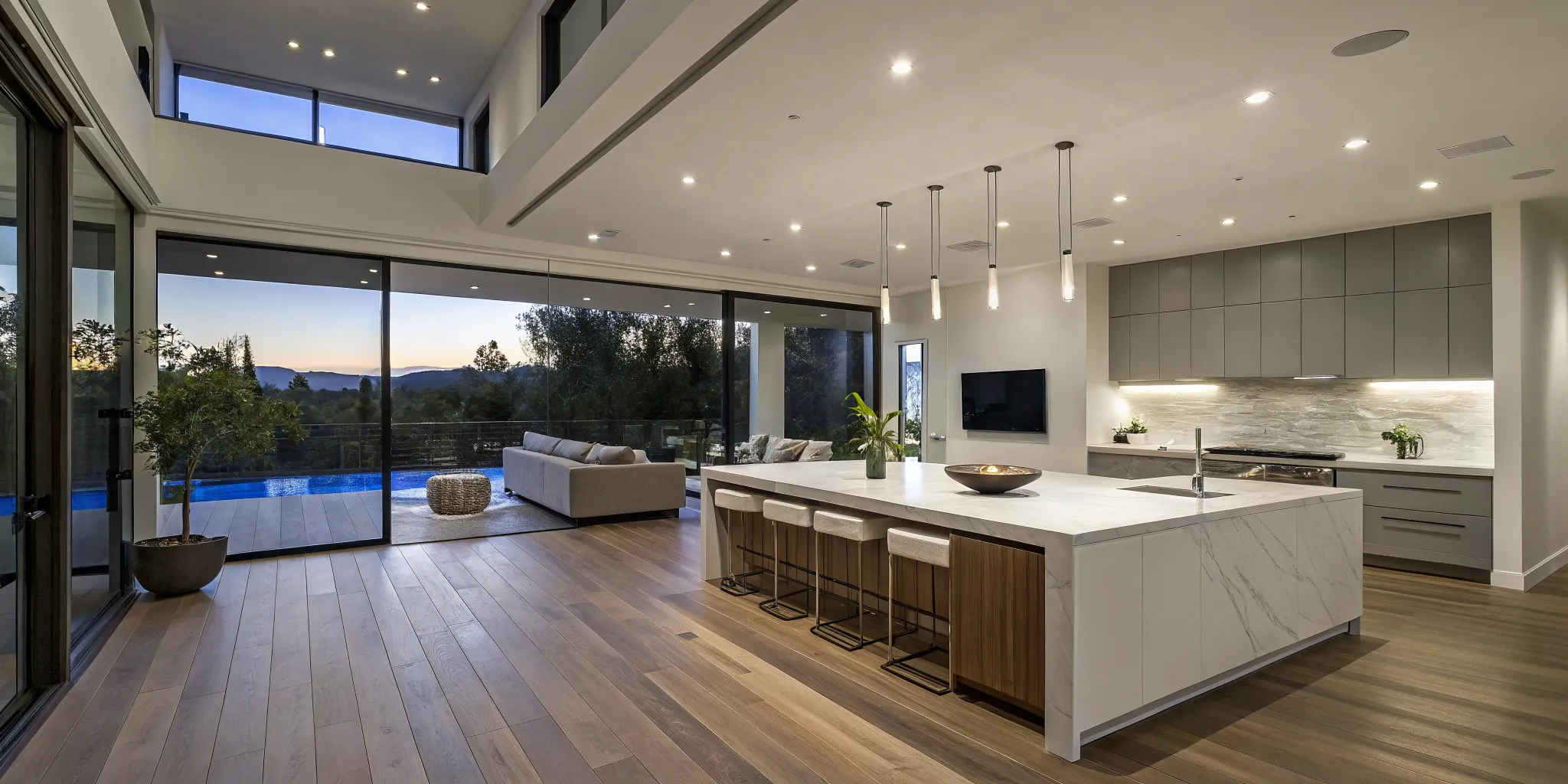
Good lighting does more than just help you see—it makes a house feel like a home. While old bulbs gave us one option, a modern home lighting upgrade gives you complete creative control. You can finally set the mood in every room. Think warm, cozy tones for the living room or bright, crisp light for your kitchen. A professional residential led lighting installation lets you use light as a design tool, highlighting your favorite features and creating ambiance. This guide will show you how to plan your LED lighting upgrade to transform your space.
Key Takeaways
- LEDs save you money in two key ways: They drastically reduce your monthly electricity bill by using significantly less energy and have an incredibly long lifespan, which means you buy replacement bulbs far less often.
- Match the light to your room’s function: Select the right LED by looking at lumens for brightness and color temperature (Kelvins) for mood. Use warm tones for relaxing spaces like living rooms and cool tones for task-oriented areas like kitchens.
- Think of lighting as part of your home decor: Use the flexibility of LEDs to enhance your home’s style. You can layer different light sources, install under-cabinet strips for focused light, and add smart controls for ultimate convenience.
Is an LED Lighting Upgrade Worth It?
Upgrading your home’s lighting is one of the easiest ways to make a big impact. If you’re still using old-fashioned incandescent bulbs, switching to LED (light-emitting diode) technology is a smart move that pays off in more ways than one. It’s not just about getting brighter light; it’s about making a long-term investment in your home’s efficiency, budget, and overall comfort.
Think of it as a simple upgrade with a triple benefit: you’ll lower your monthly energy bills, spend less time and money on replacing bulbs, and reduce your home’s environmental footprint. Whether you’re swapping out a few lamps or planning a full-home lighting overhaul, understanding the advantages of LEDs is the first step. Our team can help you with any residential electric projects, from simple swaps to complex installations, ensuring your home is both beautiful and efficient.
Lower Your Energy Bills
The most compelling reason to switch to LEDs is the significant reduction in energy use. LED bulbs consume up to 90% less energy than traditional incandescent bulbs while producing the same amount of light. This efficiency translates directly into savings on your electricity bill every month. Over the course of a year, the cumulative savings from a house full of LED lights can be substantial. It’s a straightforward way to cut household expenses without changing your daily habits. By making the switch, you’re essentially getting the same, if not better, lighting for a fraction of the cost. According to ENERGY STAR, this upgrade is one of the quickest ways to start saving.
Spend Less Time Changing Bulbs
Tired of constantly changing lightbulbs, especially in hard-to-reach fixtures? LEDs have an incredibly long lifespan, lasting up to 15 times longer than their traditional counterparts. Some LED bulbs can operate for years, which means you could go for a decade or more without needing a replacement. This longevity not only saves you money on new bulbs but also saves you the time and hassle of frequent maintenance. Imagine not having to pull out a ladder to change a bulb in a vaulted ceiling for the next ten years. Fewer replacements mean fewer worries and more time to focus on things that matter more than routine electrician repairs.
The Impressive Lifespan of LEDs
It’s not magic; it’s just smarter technology. The incredible durability of LEDs comes down to their design. Unlike old-school incandescent bulbs that rely on a delicate, easy-to-break filament, LEDs are what experts call solid-state devices. In simple terms, this means they are much tougher and more resistant to bumps and vibrations. What’s really interesting is how they age. Instead of suddenly burning out and leaving you in the dark, LEDs slowly and gracefully dim over an incredibly long time—we’re talking tens of thousands of hours. A bulb is typically considered ‘retired’ when it reaches 70% of its original brightness, a milestone that could take more than a decade to reach. This predictable performance gives you a reliable light source you can count on for years, without the sudden failures of older bulbs.
Make a Greener Choice for Your Home
Making the switch to LED lighting is also a great choice for the environment. Because they use so much less electricity, LEDs reduce the demand on power plants, which in turn lowers greenhouse gas emissions. A widespread shift to LED lighting has a significant positive impact on our collective energy consumption. Unlike compact fluorescent lamps (CFLs), LEDs contain no mercury, making them safer for your home and easier to dispose of responsibly. By choosing LEDs, you’re not just improving your home; you’re making a conscious decision to support a more sustainable future, one lightbulb at a time. It’s a small change that contributes to a much bigger picture of energy conservation.
Understanding the Costs and ROI
An LED lighting upgrade is an investment in your home’s future, and it’s natural to wonder about the costs and the return you can expect. While the initial expense is a factor, it’s important to look at the complete financial picture. The upfront cost includes the price of the bulbs and fixtures, as well as any professional installation fees. However, these costs are quickly balanced by significant long-term savings on your energy bills and replacement bulbs. Thinking about this upgrade as a long-term financial strategy for your home helps put the numbers into perspective. It’s not just an expense; it’s a smart investment that pays for itself over time while improving your daily life.
Installation Labor Costs
While swapping out a single bulb is a simple DIY task, a full-scale lighting upgrade often requires professional expertise. Hiring a licensed electrician ensures the work is done safely and correctly, especially for complex jobs like installing recessed lighting or running new wiring. Generally, electricians charge an hourly rate for their work, plus the cost of materials. For a project that involves more than just changing bulbs, having a professional handle the job is crucial for safety and compliance with local codes. Our team of skilled electricians is experienced with all types of residential electric projects, ensuring your new lighting is installed perfectly, giving you peace of mind and a beautifully lit home.
Factors Affecting Material Costs
The total cost of your LED upgrade will vary based on the scope and specifics of your project. A key factor is the type and quantity of lights you choose. A simple bulb-for-bulb replacement will be less expensive than installing a series of new recessed fixtures or custom under-cabinet lighting. The price of the lights themselves can also differ, with specialty bulbs, smart lights, or high-end designer fixtures costing more than standard options. Furthermore, the complexity of the installation plays a role; jobs that require cutting into walls, adding new wiring, or installing dimmer switches will naturally involve more labor and materials, influencing the final cost.
Long-Term Financial Benefits
This is where an LED upgrade truly shines. The return on investment comes from two main areas: energy savings and longevity. Because LED lights use significantly less electricity than old incandescent bulbs, you can expect to see a noticeable drop in your monthly utility bills. For an average household, these savings can add up substantially over the year. When you combine that with the fact that LEDs last for years, you also save money on buying replacement bulbs. It’s a powerful combination that means your initial investment starts paying you back from day one, making it a financially savvy move for any homeowner.
What Kinds of LED Lights Are There?
Once you decide to upgrade, you’ll find that LED lighting is incredibly versatile. Gone are the days when your only choice was a standard-shaped bulb. Today, you can find an LED solution for nearly any fixture or lighting need in your home, from simple bulb swaps to fully integrated smart systems. Whether you want to brighten your kitchen workspace, set a relaxing mood in the living room, or improve your home’s curb appeal, there’s an LED option that fits. This flexibility allows you to completely transform the look and feel of a room without needing a major renovation.
Thinking about where to start can feel a bit overwhelming, so let’s break down some of the most popular and effective ways to bring LED lighting into your home. We’ll look at everything from everyday fixtures to more specialized installations for both inside and out. This will help you pinpoint the best upgrades for your space and your lifestyle. Understanding your options is the first step in creating a lighting plan that is not only beautiful and functional but also highly efficient, saving you money for years to come. From task lighting that helps you see clearly to ambient lighting that creates a welcoming glow, LEDs can do it all.
From Standard Bulbs to Smart Lights
The simplest way to begin your LED upgrade is by swapping out the old bulbs in your existing lamps and light fixtures. LED bulbs are designed to fit standard sockets, making this a quick and easy change that immediately starts saving you money. Because LED lights consume far less energy, you’ll see a difference in your utility bills right away. You can also explore smart bulbs and fixtures, which connect to your Wi-Fi and allow you to control brightness, color, and schedules from your phone. It’s a fantastic way to customize your home’s atmosphere. For more complex smart fixture installations, our team can handle the residential electric work to ensure everything is wired correctly and safely.
Modernize with Recessed and Track Lighting
Recessed and track lighting are perfect for creating a clean, modern look while providing focused light. In kitchens, they’re great for illuminating countertops, and in living rooms, they can highlight artwork or architectural features. When planning for these fixtures, it’s important to balance form with function. Think about how you’ll use the light, whether it’s for specific tasks or general ambiance. LED options for recessed and track lighting are ideal because they are highly directional and produce very little heat, making them safer and more efficient than old halogen bulbs. If you have older recessed fixtures, you can often update them with simple LED retrofit kits, a job that our electrician repairs team can handle for you.
Brighten Your Yard and Patio
Don’t forget about the outside of your home. LED lighting is an excellent choice for outdoor use because it’s durable, long-lasting, and built to withstand the elements. You can use LEDs to light up pathways for safety, illuminate your porch, or cast a beautiful glow on trees and garden features. Many outdated myths still exist about outdoor LEDs, but modern options are bright, reliable, and incredibly efficient to run. A well-designed outdoor lighting system not only enhances your home’s beauty but also improves security. Our team can help you plan and install a complete system as part of our residential electric services, making your outdoor spaces shine.
LEDs vs. Traditional Bulbs: A Quick Comparison
If you’ve ever stood in the lighting aisle feeling overwhelmed, you’re not alone. The biggest difference between LEDs and the incandescent bulbs you grew up with comes down to how they work. Traditional bulbs create light by heating a tiny wire filament until it glows, which wastes a lot of energy as heat. LEDs, or light-emitting diodes, use a semiconductor to convert electricity directly into light, making them far more efficient and durable. Let’s break down what this means for your home and your wallet.
How They Stack Up on Energy Use and Lifespan
The most significant advantage of LEDs is their incredible energy efficiency. According to ENERGY STAR, energy-efficient lighting like LEDs can use up to 90% less energy than traditional bulbs while producing the same amount of light. This translates directly to lower monthly electricity bills. A lower energy draw also means less strain on your home’s electrical system. During a power outage, a home backup generator has to work less hard to power LED lights, allowing it to dedicate more power to essential appliances. It’s a simple switch that makes your home smarter, more resilient, and less expensive to run.
Decoding Brightness and Light Color
A common myth about LEDs is that you have to sacrifice brightness for efficiency. That couldn’t be further from the truth. Modern LEDs offer a wide range of brightness levels and color tones, from warm and cozy to cool and energizing. Unlike the compact fluorescent bulbs of the past, LEDs provide instant, flicker-free light the moment you flip the switch. This consistent, high-quality illumination makes your home safer and more comfortable. Investing in a full LED upgrade is one of the smartest residential electric improvements you can make, as it enhances your home’s ambiance while delivering long-term performance and reliability.
How Much Money Will You Actually Save?
While an LED bulb might cost a bit more upfront, the long-term savings are substantial. Because they use so much less electricity, you’ll notice a difference on your utility bill right away. Plus, LEDs last up to 25 times longer than traditional incandescent bulbs. That means you’ll spend far less time and money on replacements. Over its lifespan, a single LED bulb can save you dozens of dollars in energy and replacement costs. When you apply that across every fixture in your home, the savings add up quickly, making an LED upgrade an investment that truly pays for itself.
How to Pick the Perfect LED Lights
Once you’ve decided to upgrade, the next step is picking the right bulbs. It’s about more than just finding one that fits the socket. The right LED light can completely change the feel of a room, making it cozier, more functional, or more stylish. To get the best results, you’ll want to think about color, brightness, and how the bulbs will work with your existing fixtures. Let’s walk through how to make the perfect choice for every room in your house.
Choose a Color Temperature to Set the Mood
Have you ever noticed how some lighting feels warm and inviting, while other lighting feels cool and energizing? That’s color temperature at work. Measured in Kelvins (K), it determines the color of the light. For a cozy, relaxing vibe in living rooms and bedrooms, look for “warm white” or “soft white” bulbs (around 2700K to 3000K). For kitchens, bathrooms, and home offices where you need crisp, clear light, “cool white” or “bright white” (3500K to 4100K) is a great choice. “Daylight” bulbs (5000K and up) mimic natural sunlight and are perfect for task-oriented spaces like workshops or reading nooks. Selecting the right color temperature is key to setting the perfect mood.
Getting the Brightness and Dimming Right
With old incandescent bulbs, we learned to judge brightness by watts. With LEDs, you’ll want to look at lumens instead. Lumens measure the actual brightness of the light, while watts measure energy use. A standard 60-watt incandescent bulb is equivalent to an LED bulb that produces about 800 lumens. For general room lighting, aim for around 800 lumens, but for task areas like kitchen counters, you might want something brighter. For ultimate control, consider installing dimmer switches. They let you adjust the brightness to fit any activity or time of day. Just be sure to buy bulbs labeled “dimmable,” as not all LEDs are. If you need help with installation, our team provides expert electrician repairs.
Will New LEDs Fit Your Current Fixtures?
One of the most common worries people have is whether new LEDs will work with their old light fixtures. The good news is that most of the time, they will. LEDs are designed to be direct replacements for traditional bulbs, with standard bases like the E26 (the one you see on most everyday bulbs). However, it’s always a good idea to double-check the base type for specialty fixtures, like track lighting or chandeliers. You should also check if a fixture is fully enclosed. Some LEDs need a bit of airflow to prevent overheating, so look for bulbs rated for enclosed fixtures if needed. Our residential electric services can help you sort out any compatibility questions.
Common LED Myths, Busted
There’s a lot of outdated information out there about LED lighting. Let’s clear up a few common myths. First, the idea that LED light is always harsh and cold is simply not true anymore. With a wide range of color temperatures available, you can find an LED that produces warm, beautiful light. Another myth is that they are too expensive. While the upfront cost can be higher, their incredible energy efficiency and long lifespan mean you’ll save a lot of money on your utility bills and replacement bulbs over time. Finally, unlike CFL bulbs, LEDs are mercury-free, making them a much safer and more environmentally friendly choice for your home.
Designing with Light: LEDs in Your Home
LEDs are more than just a practical lighting choice; they’re a game-changer for home design. Their incredible flexibility allows you to go beyond basic overhead lighting and truly shape the atmosphere of every room. Forget the one-size-fits-all approach of old incandescent bulbs. With LEDs, you can paint with light, creating custom looks that reflect your personal style and enhance your daily life. Whether you want to highlight your home’s best features, create a cozy ambiance for relaxing evenings, or add a touch of modern convenience with smart controls, LEDs provide the tools to do it.
Think of lighting as another layer of your decor, just as important as paint color or furniture. With the right strategy, you can use light to make spaces feel larger, draw attention to your favorite artwork, and set the perfect mood for any occasion, from a lively dinner party to a quiet night in. It’s about making your home not only brighter but also more beautiful and functional. Let’s look at a few ways you can use LEDs to bring your home’s style to life, turning ordinary rooms into thoughtfully designed spaces. Our team of expert electricians can help you plan and install the perfect lighting design for your home.
Highlight Your Home’s Style
LEDs give you the freedom to get creative and make a statement. Because they come in so many forms, from strips to classic bulbs, you can seamlessly integrate them into any room’s design. For a modern kitchen update, try installing LED strip lighting under your cabinets. This not only provides excellent task lighting for cooking but also adds a warm, inviting glow. In the bathroom, swapping old vanity lights for sleek LED sconces can instantly create a spa-like feel. And in the living room, a unique decorative fixture with LED bulbs can serve as a stunning focal point. It’s all about using light to accentuate your home’s best features and create a cohesive look.
Create a Designer Look with Layered Lighting
A well-designed room uses multiple sources of light, and LEDs make this layering technique easier than ever. Layered lighting involves combining three types of light: ambient (overall illumination), task (for specific activities), and accent (to highlight features). You can install an adjustable system that lets you switch from bright, focused light for reading to a softer, ambient glow for relaxing. For example, recessed LEDs can provide great ambient light, while a stylish floor lamp offers task lighting. To add depth, consider placing LED light strips along shelves or under furniture. This simple trick creates dimension and makes a room feel more dynamic and thoughtfully designed.
The Convenience of Smart Light Controls
One of the best parts of upgrading to LEDs is the ability to pair them with smart technology. Smart controls give you complete command over your home’s lighting right from your phone or with a simple voice command. You can dim the lights for movie night, schedule them to turn on just before you get home, or even change their color to match your mood. This isn’t just about convenience; it’s about creating a home that responds to your lifestyle. Imagine programming a “good morning” scene that slowly brightens your bedroom lights to help you wake up naturally. These small automations can make a big difference in your daily routine.
Can You Get Rebates for Your LED Upgrade?
Beyond the long-term savings on your monthly utility bills, upgrading to LED lighting can also reduce your initial investment. Many homeowners are surprised to learn that various programs exist to help offset the upfront cost of making energy-efficient improvements to their homes. These financial perks can make a smart upgrade feel even smarter.
From local utility providers to government programs, these incentives are designed to encourage homeowners to adopt more energy-conscious technology. Taking a few minutes to research these opportunities can make your lighting project more affordable and give you a faster return on your investment. Let’s look at the two main types of incentives you might find.
Check for Rebates from Your Utility Company
Yes, your local power company may actually pay you to use less electricity. Many utility companies offer rebates to help their customers cover the cost of upgrading to LED lighting. These programs are designed to encourage energy efficiency, which helps reduce the overall demand on the power grid. It’s a win-win: you get a more efficient home, and the utility company has to produce less power.
These rebates can come in different forms, from instant discounts on qualifying bulbs to mail-in rebates for larger fixture upgrades. Some programs can offer significant savings, making the switch to LEDs more accessible than ever. Check the website for your local utility provider in Chester, Montgomery, Bucks, or Delaware County to see what current offers are available.
Don’t Miss Out on Tax Credits
In addition to local rebates, you may also qualify for state or federal tax credits. These incentives are another way the government encourages homeowners to make energy-saving improvements. While programs can change from year to year, it’s always worth checking for available credits when you file your taxes after completing a home upgrade.
These financial benefits are especially helpful if you have high electricity costs, as they help you recoup the cost of the upgrade even faster. By taking advantage of these incentives, you’re making a great financial decision while contributing to energy conservation efforts. When you partner with a professional for your residential electric projects, they can often help you understand which upgrades may qualify for these types of programs.
Planning Your Residential LED Lighting Installation
Ready to make the switch? A little planning goes a long way in making your LED upgrade smooth and successful. Thinking through your goals, your home’s layout, and your budget ahead of time ensures you’ll love the results for years to come. Breaking the project down into manageable steps will help you stay organized and on track from start to finish.
A Simple Room-by-Room Strategy
The best way to approach a whole-home lighting upgrade is to take it one room at a time. Start with a high-traffic area like the kitchen or living room. Think about how you use the space. In the kitchen, you might want bright, focused task lighting, which makes installing LED strips under your cabinets a great idea. For the living room, an adjustable system that can go from bright to moody is perfect for movie nights. It’s all about striking a balance between the fixture’s style and its function, ensuring the light serves a purpose, whether it’s for reading or creating a relaxing atmosphere.
DIY or Hire a Pro for Your Installation?
Changing a lightbulb is simple enough, but a full LED upgrade can be more involved. If you’re just swapping out bulbs in existing lamps and fixtures, you can likely handle it yourself. However, for tasks like installing recessed lighting, retrofitting older fixtures, or anything that requires touching your home’s wiring, it’s always best to call a professional. An experienced electrician will ensure everything is installed safely and correctly, giving you peace of mind. For a project that involves new fixtures or wiring, getting expert residential electrical services is the safest and most reliable choice.
The Risks of DIY Electrical Work
While tackling home projects yourself can be rewarding, electrical work is one area where it’s crucial to prioritize safety. As experts at Thumbtack note, you should hire a licensed electrician if the job involves connecting lights directly to your home’s wiring, like for recessed lights or new light fixtures. This ensures the work is safe and follows local electrical rules. Improper wiring can lead to serious risks, including electrical shocks, fire hazards, and damage to your new LED fixtures or your home’s electrical system. For peace of mind, it’s always best to trust complex installations to a professional. Our team is trained to handle all types of electrical repairs and installations, ensuring your project is done right the first time.
How to Choose a Qualified Electrician
Finding the right electrician doesn’t have to be difficult. When you know what to look for, you can confidently choose a professional who will do great work. First, always check for proper credentials. A qualified electrician should have a state license and be fully insured, which is essential for any work that involves your home’s electrical system. Next, it’s a good practice to get detailed estimates that break down the costs for labor and materials. Finally, take a moment to read customer reviews, looking for feedback that mentions professionalism and quality. A company with a long history of happy customers demonstrates a commitment to reliability. We’ve been proudly serving homeowners across Southeastern Pennsylvania for over 25 years, building a reputation for trust and quality work.
What to Expect During the Installation Process
Once you’ve decided to bring in a professional for your LED installation, you might be wondering what the process actually looks like. Knowing what to expect can make the entire experience feel more comfortable and straightforward. A professional installation is designed to be efficient and minimally disruptive, ensuring your new lighting is set up safely and correctly. From initial safety checks to the final flip of the switch, here’s a breakdown of what a typical installation day involves.
Essential Safety Precautions
When it comes to any electrical work, safety is the absolute top priority. The most important rule is to always turn off the electricity at the circuit breaker before touching any wires. This is a non-negotiable step to prevent the risk of electric shock. A professional electrician won’t just flip a switch; they will use specialized tools to test the wires and confirm there is no power running to the work area. This is one of the biggest reasons to trust a pro. They have the training and equipment to handle your home’s electrical system safely, protecting both you and your property. Entrusting complex electrician repairs to an expert ensures every connection is secure and every safety protocol is followed.
Typical Project Timeline and Steps
The time it takes to install your new LED lights can vary. A straightforward project, like retrofitting a few recessed lights, might only take a couple of hours. However, the timeline can extend if the job is more complex. For instance, installing a large number of lights throughout your home, running new wires through walls or ceilings, or setting up intricate fixtures like chandeliers will naturally take longer. Adding special features like smart controls or dimmer switches can also add to the installation time. A professional electrician will always give you a clear estimate of the project timeline beforehand, so you know exactly what to expect and can plan your day accordingly.
Will You Need New Wiring?
This is a common question, especially for those living in older homes. If your project involves connecting new lights directly to your home’s electrical system, you will need a licensed electrician to handle the job. This ensures the work is not only safe but also compliant with local electrical codes. In some cases, your home’s existing electrical system may need an upgrade to support the new fixtures. This could involve adding a new circuit breaker or replacing some outdated wiring to handle the load safely. A professional assessment from our residential electric team can determine if your system is ready for an upgrade, ensuring your beautiful new lighting is supported by a safe and reliable foundation.
How to Care for Your New LED Lights
One of the best things about LEDs is their long lifespan, but you can take a few steps to get the most out of your investment. Start by purchasing high-quality bulbs and fixtures. While they might cost a bit more upfront, they deliver better performance, greater energy savings, and last much longer. Over time, the cost savings from lower utility bills and fewer replacements will more than pay for the initial expense. Beyond that, simply keep your fixtures free of dust to maintain their brightness. With quality products and minimal care, your new lighting will shine bright for years.
Related Articles
- Home LED Lighting: Your Ultimate Guide for 2026
- 5 Best Smart LED Lighting Installations for Your Home
- 5 Surprising Benefits of Home LED Lighting
- Commercial Exterior Lighting: A Complete Guide
Frequently Asked Questions
Is switching to LED lighting really worth the initial cost? Absolutely. While LED bulbs can have a higher price tag than traditional ones, they are a smart investment that pays for itself. Because they use significantly less energy, you’ll see a noticeable drop in your monthly electricity bill. They also last for years, so you’ll save a lot of money and time on buying and changing replacement bulbs.
Can I use LED bulbs in all of my existing light fixtures? For the most part, yes. LED bulbs are designed to fit standard sockets, so you can easily swap them into most lamps and overhead lights. For specialty fixtures like chandeliers or track lighting, you’ll just want to double-check that you’re buying a bulb with the correct base. Also, if your fixture is fully enclosed, look for an LED bulb that is specifically rated for that use to ensure it performs well.
How do I choose between warm and cool light for different rooms? Think about the mood you want to create. For spaces where you relax, like living rooms and bedrooms, a “warm white” or “soft white” light creates a cozy, inviting atmosphere. For functional areas where you need clear visibility, such as kitchens, home offices, and bathrooms, a “cool white” or “daylight” bulb provides crisp, energizing light that’s perfect for tasks.
When should I hire an electrician for an LED upgrade? If you are simply swapping out old bulbs for new LED ones in your existing lamps, you can easily do that yourself. However, you should call a professional electrician for any work that involves wiring. This includes installing new fixtures like recessed lighting, adding dimmer switches, or retrofitting older fixtures to be compatible with modern LEDs. Safety should always be the top priority.
How does LED lighting affect my home’s backup generator? Because LEDs are so energy-efficient, they place a much smaller demand on your electrical system. During a power outage, this is a huge advantage. Your home backup generator won’t have to work as hard to power your lights, which frees up more capacity to run essential appliances like your refrigerator, furnace, or well pump. It’s another way that upgrading your lighting makes your entire home more resilient.