Every home is different, and so is every generator installation. Just as you wouldn’t expect a kitchen remodel to have a single fixed price, the cost of a generator system is tailored to your specific needs. The size of your home, the appliances you want to power, and your property’s existing infrastructure all play a role. Answering the question of how much to install a whole house generator means looking at these unique variables. We’ll explore how factors like generator size, fuel type, and the complexity of the electrical work come together to form your final quote, helping you make an informed decision.
Key Takeaways
- Understand the full investment: The final price of a generator system is more than the unit itself; it includes the automatic transfer switch, electrical work, site preparation, and local permits, all of which are essential for a safe and functional installation.
- Prioritize proper sizing and ongoing care: Choosing the right generator starts with calculating your home’s specific power needs to avoid overspending. Once installed, a consistent maintenance plan is the best way to ensure your generator is reliable and ready for any outage.
- Partner with a certified professional: Your generator is only as good as its installation, so hire a licensed and manufacturer-certified installer. A qualified expert will provide a detailed estimate, manage the permit process, and ensure your system is set up correctly to protect your warranty.
What Determines the Cost of a Whole House Generator?
When you’re thinking about installing a whole house generator, one of the first questions that comes to mind is about the cost. The final price tag isn’t a one-size-fits-all number; it’s a combination of the equipment itself and the specifics of your home. Several key factors come into play, from the size of the generator to the details of the installation. Understanding these elements will help you see the full picture of your investment in reliable power. Let’s break down what goes into the total cost.
Generator Size and Power
The power output of a generator, measured in kilowatts (kW), is one of the biggest factors in its price. A larger generator that can power your entire home, including central air conditioning and multiple large appliances, will cost more than a smaller unit designed to cover just the essentials. The right size for you depends entirely on your needs during an outage. Deciding what you want to keep running, from the refrigerator to your home office equipment, is the first step in choosing the right model for your residential standby generator installation.
Your Fuel Source
Generac generators typically run on natural gas or liquid propane (LP). If your home already has a natural gas line, it’s often the more convenient and cost-effective option, as the generator can be connected directly to it. This means you have an uninterrupted fuel supply without needing a storage tank. If natural gas isn’t available, a propane tank can be installed. While the initial setup for propane might be different, it’s a clean and reliable fuel source that keeps your generator ready to go at a moment’s notice.
The Transfer Switch and Electrical Work
A critical component of any whole house generator system is the automatic transfer switch (ATS). This device is what makes the magic happen. It senses when the power goes out and automatically switches your home’s electrical supply from the grid to the generator. When power is restored, it switches back. The installation of the ATS and any necessary electrical work to connect it to your home’s main panel are a core part of the installation cost. Some older homes may also require an electrical panel upgrade to handle the generator’s load safely.
Site Prep and Placement
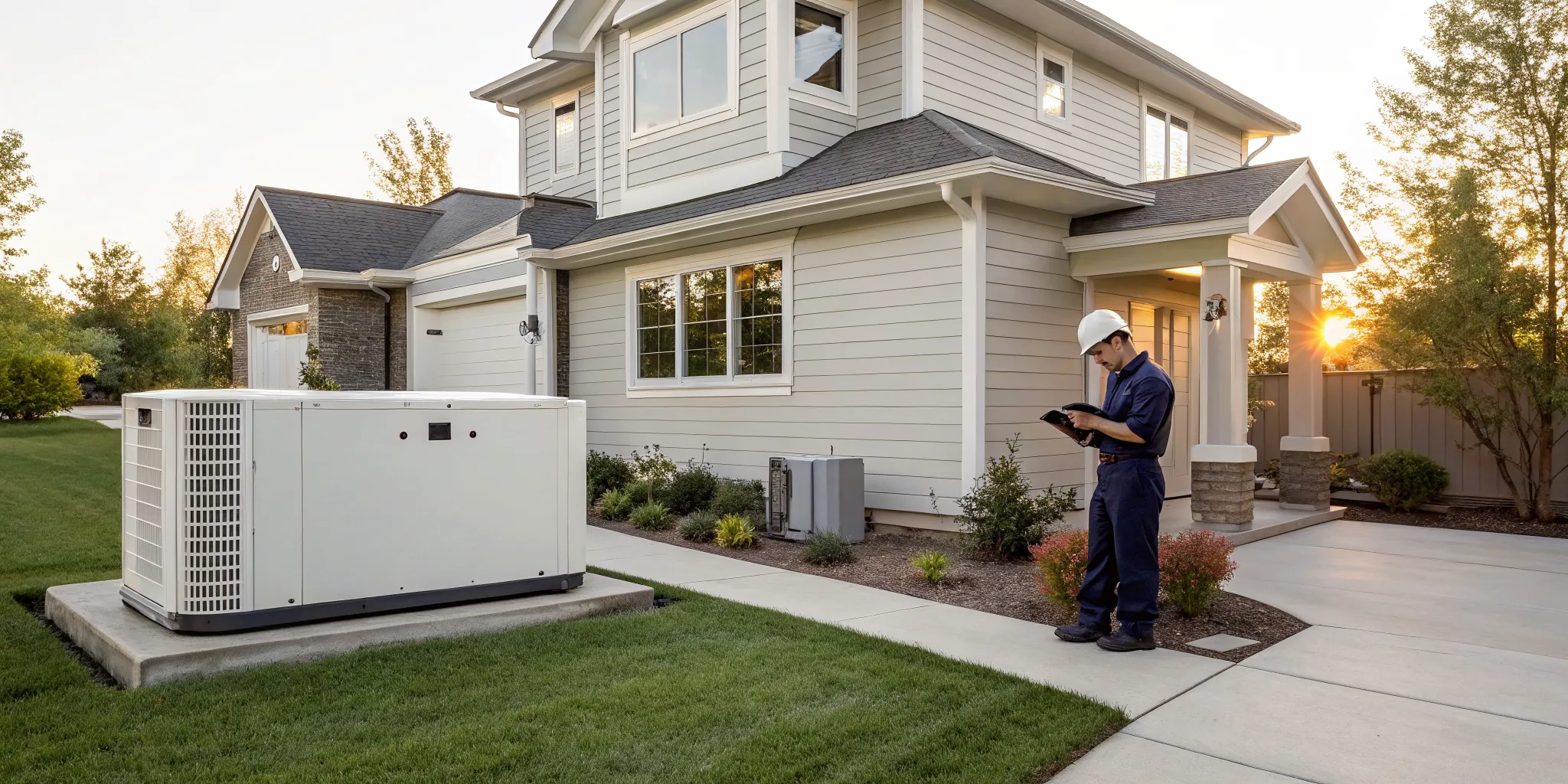
Where the generator lives on your property also influences the cost. The unit needs to be placed on a stable, level surface, which usually means installing a concrete pad or a composite base. The location must also comply with manufacturer specifications and local codes, considering distance from windows, doors, and vents. If the chosen spot is far from your electrical panel or gas meter, it will require longer runs of wiring and piping, which can add to the labor and material costs of the installation.
Permits and Local Codes
Proper installation isn’t just about getting the generator running; it’s about doing it safely and legally. Most townships in Southeastern Pennsylvania require permits for generator installations to ensure they meet safety standards. These permits, and the inspections that follow, come with fees. A professional installer will be familiar with the specific local codes in areas like Chester, Montgomery, and Delaware Counties, ensuring your project is completed correctly and passes inspection without any hitches. This process protects you and your home.
How to Choose the Right Whole House Generator
Picking the right whole house generator is about more than just grabbing the most powerful model. It’s about finding the perfect match for your home’s unique energy needs and budget. A generator that’s too small won’t keep your essentials running, while one that’s too large is an unnecessary expense. Let’s walk through the key steps to find the right Generac generator for you, ensuring you have reliable power when you need it most.
Calculate Your Home’s Power Needs
First things first, you need to figure out exactly what you want to power during an outage. Make a list of your non-negotiable appliances and systems. Do you need to keep the refrigerator running, power a sump pump, or run your home’s heating and air conditioning? What about medical equipment or your home office? Having your own list of must-haves is the perfect starting point for your residential standby generator installation. A professional can then perform a detailed load calculation to determine the total wattage your generator needs.
Starting vs. Running Watts: Why It Matters
Appliances with motors, like your air conditioner or refrigerator, need a significant surge of power to start up. This is the starting wattage. After that initial kick, they use a lower, steady amount of power, which is the running wattage. Your generator must be able to handle the combined running watts of all your appliances plus the highest starting wattage required. An experienced electrician will figure out the right size Generac generator to ensure it can handle these power surges without getting overloaded.
Pick the Right Fuel Type for Your Home
Whole house generators typically run on either natural gas or liquid propane (LP). If your home already has a natural gas line, it’s often the most convenient option, providing a continuous fuel supply without a storage tank. If you don’t have access to natural gas, liquid propane is an excellent alternative. LP is stored in a tank on your property, which will need to be refilled periodically. A professional can help you determine which fuel type is best for your situation, balancing installation requirements with long-term fuel costs.
Common Sizing Mistakes to Avoid
One of the biggest mistakes homeowners make is choosing the wrong size generator. A unit that’s too small can become overloaded, leading to a shutdown or even damage to your appliances. On the other hand, an oversized generator costs more upfront and uses more fuel than necessary. The goal is to make sure the generator is big enough for your needs so you don’t pay for power you don’t use. Working with an experienced team ensures your generator is perfectly sized for your home.
Key Features to Consider
Beyond size and fuel, a few other features are crucial. The most important is the automatic transfer switch (ATS). This is the brain of the system; it detects a power outage, automatically starts your generator, and transfers the power source from the grid to the generator. The installation also involves significant residential electric work, including wiring the transfer switch and running new gas lines. Your generator will also need a dedicated spot outside your home, usually on a prepared concrete pad or another stable base to keep it safe and secure.
What Are the Ongoing Costs of a Whole House Generator?
Thinking about the cost of a whole house generator doesn’t stop after the installation. To ensure your generator is ready to go the moment you need it, you’ll want to plan for its ongoing upkeep. Just like a car, a generator needs regular attention to run efficiently and reliably for years to come. The main long-term costs you’ll want to factor into your budget are routine maintenance, fuel, and any potential repairs that might pop up down the road. These aren’t just extra expenses; they are crucial for protecting your initial investment and making sure it works when it matters most.
Viewing these costs as an investment in your home’s security and your family’s comfort is helpful. A well-maintained generator provides peace of mind, protecting you from the disruption and stress of a power outage. When the lights go out in the neighborhood, yours will stay on, keeping your refrigerator cold, your heat or AC running, and your daily life uninterrupted. By planning for these expenses, you can avoid surprises and ensure your generator remains a dependable asset for its entire lifespan. Let’s walk through what you can expect to spend after your generator is installed so you can feel fully prepared.
Routine Maintenance and Service
Routine maintenance is the single most important thing you can do to protect your investment. Think of it as a regular check-up to keep your generator in top shape. Annual service helps catch small issues before they become big, expensive problems, ensuring your generator will start without a hitch during an outage. This typically involves changing the oil and filter, checking the battery, and running a full diagnostic test. For most homeowners, professional generator maintenance is the best way to keep everything running smoothly and maintain your warranty. This proactive care is key to the longevity and reliability of your system.
Fuel Consumption and Costs
Your generator needs fuel to do its job, and this is a variable cost you’ll only incur when it’s running. Most whole-home generators run on natural gas or liquid propane. If you have a natural gas line, the generator will draw from it directly. For propane, it will use fuel from a dedicated tank. A generator can use around two to three gallons of propane per hour when under load. The total cost depends entirely on the length of the power outage and the current price of fuel, but it’s a necessary expense for keeping your lights on and your home comfortable.
Repairs and Warranty Coverage
With proper care, a whole-home generator is a long-lasting piece of equipment, often serving a home for 15 to 25 years. However, like any complex machine, parts can wear out over time. While regular maintenance minimizes the risk of unexpected breakdowns, you may eventually need a repair. Understanding your warranty is important, as it can cover the cost of certain parts and labor. If you find yourself needing a fix, it’s best to call a certified technician who specializes in generator service and repair. They have the right tools and expertise to diagnose the problem correctly and get your system back online quickly.
Why Skipping Maintenance Is a Costly Mistake
It can be tempting to skip a year of maintenance to save a little money, but this decision often costs much more in the long run. A neglected generator is more likely to fail during an outage, leaving you in the dark when you need it most. This can lead to a whole host of expensive problems, from a freezer full of spoiled food to the risk of a flooded basement if your sump pump loses power. For many homeowners, the peace of mind that comes from knowing their generator is ready to perform is well worth the cost of annual service. Regular upkeep isn’t just about protecting the machine; it’s about protecting your home and family.
How to Find a Qualified Generator Installer
Choosing the right generator is only half the battle; finding the right person to install it is just as important. A whole house generator is a major investment in your home’s safety and comfort, and a poor installation can lead to performance issues, safety hazards, and even void your warranty. To make sure your generator is ready when you need it most, it’s essential to partner with a qualified and trustworthy professional. Here’s what to look for when you’re ready to hire an installer.
Look for Proper Licensing and Insurance
First things first, any installer you consider must have the proper licensing and insurance. This isn’t just a formality. Installing a generator involves significant electrical and sometimes gas line work, and you want someone who is legally certified to perform that work safely. Insurance protects you and your property in the unlikely event that something goes wrong during the installation. It might be tempting to go with a cheaper contractor, but a low-quality installation could mean your generator fails during the first big storm. A professional residential standby generator installation ensures your system works correctly from day one.
Ask for a Detailed, Written Estimate
Never agree to work without a detailed, written estimate. A professional installer won’t just give you a single number; they will provide a comprehensive breakdown of all the costs involved. Your estimate should clearly outline the price of the generator itself, the transfer switch, labor, materials, and any fees for permits. It’s also important to get everything in writing, including the contract and warranty details. This document protects both you and the contractor by setting clear expectations for the project. It ensures there are no surprises on the final bill and gives you a clear understanding of what your investment in Generac generators includes.
Common Hiring Mistakes to Avoid
When you’re comparing quotes, it’s easy to make a few common mistakes. The most frequent one is simply choosing the lowest price. While budget is important, remember that the lowest bid might not always mean the best quality work. An unusually low price could be a red flag for cut corners or an inexperienced installer. Another mistake is assuming the contractor will handle all the logistics. You should always confirm that your installer will secure all necessary permits and schedule inspections. A qualified professional will be familiar with the local codes in your area and manage this process for you, ensuring your installation is fully compliant and safe within our service areas.
The Value of a Generac-Certified Dealer
For a Generac generator, your best bet is to work with a Generac-certified dealer. These installers have completed specialized training directly from the manufacturer, so they know these systems inside and out. They have the expertise to recommend the right size generator for your home and install it according to Generac’s exact specifications, which is crucial for performance and warranty coverage. While it’s always smart to get a few quotes to compare, pay close attention to what each company offers. A certified dealer provides peace of mind that the job will be done right and that you’ll have access to expert Generac service and repair for years to come.
Related Articles
- Whole House Generator Cost 2026: A Complete Guide
- Get an Accurate Quote for a Standby Generator
- Generac Generator Prices: A 2025 Buyer’s Guide
- Commercial Standby Generator Installation Essentials
Frequently Asked Questions
How do I figure out the right size generator for my home? The best way to start is by making a list of the essential items you want to power during an outage. Think about your refrigerator, sump pump, heating or cooling system, and any medical equipment. Once you have your list, a professional can perform a load calculation. This detailed assessment determines the precise starting and running wattage your home requires, ensuring you get a generator that meets your needs without paying for more power than you’ll use.
What’s involved in the installation process, and how long does it typically take? A standard installation involves several key steps. It begins with preparing a stable, level pad for the generator unit. Then, a licensed electrician installs the automatic transfer switch and connects it to your home’s main electrical panel. At the same time, the fuel line is run from your natural gas meter or propane tank to the generator. The entire process, including the final inspection to ensure everything is up to code, can often be completed in a day or two, depending on the complexity of the job.
How often does my generator need maintenance, and is it something I can do myself? To keep your generator reliable for years, it needs professional maintenance once a year. This service is more than just an oil change; a certified technician will check the battery, test all the electrical connections, and run diagnostics to catch any potential issues before they become problems. While you can keep the unit clear of debris, professional service is essential for protecting your warranty and ensuring the generator will work perfectly when you need it most.
Will a whole house generator power everything in my home? It certainly can, but it depends on the size of the generator you choose. Some homeowners opt for a smaller unit that powers only essential circuits, like the kitchen, furnace, and a few outlets. Others choose a larger model that can handle the entire electrical load of the house, including central air conditioning. The right choice for you depends on your specific needs and budget, which is something a qualified installer can help you determine.
What happens during a power outage once the generator is installed? The process is completely automatic, so you don’t have to do a thing. The automatic transfer switch, which is the brain of the system, detects the interruption in power from the utility grid. Within seconds, it signals the generator to start up and then seamlessly transfers your home’s electrical supply to the generator. When the main power is restored, the switch reverses the process, returning your home to grid power and shutting the generator down until it’s needed again.