When the lights flicker and go out, it’s more than just an inconvenience. A power outage can risk serious damage to your home and leave your family in the dark. An automatic standby generator restores power in seconds, but what does that peace of mind really cost? Understanding the whole house generator cost 2026 is about seeing the full investment. This guide breaks down every part of the cost of a standby generator, from the unit itself to what are the typical installation costs and maintenance, giving you a clear picture of what it takes to keep your home safe.
Key Takeaways
- Understand the full cost, not just the unit price: The generator itself is only part of the equation. Your total investment will also include professional installation, the automatic transfer switch, and local permits, which are all crucial for a safe and reliable setup.
- Budget for long-term reliability: Just like a car, your generator needs regular care to perform when you need it. Planning for routine maintenance and fuel costs ensures your system is always ready to protect your home during an outage.
- Recognize the return on your investment: A standby generator does more than provide convenience; it prevents thousands in potential damage from events like flooded basements or burst pipes, adds significant value to your property, and may lower your insurance costs.
How Your Standby Generator Keeps the Lights On
Before we get into the numbers, it helps to understand what you’re actually investing in. An automatic standby generator isn’t just a machine; it’s a complete system designed to keep your life running smoothly during a power outage. It works behind the scenes, so you barely notice when the power goes out. Let’s break down how it all comes together.
What Makes It All Work?
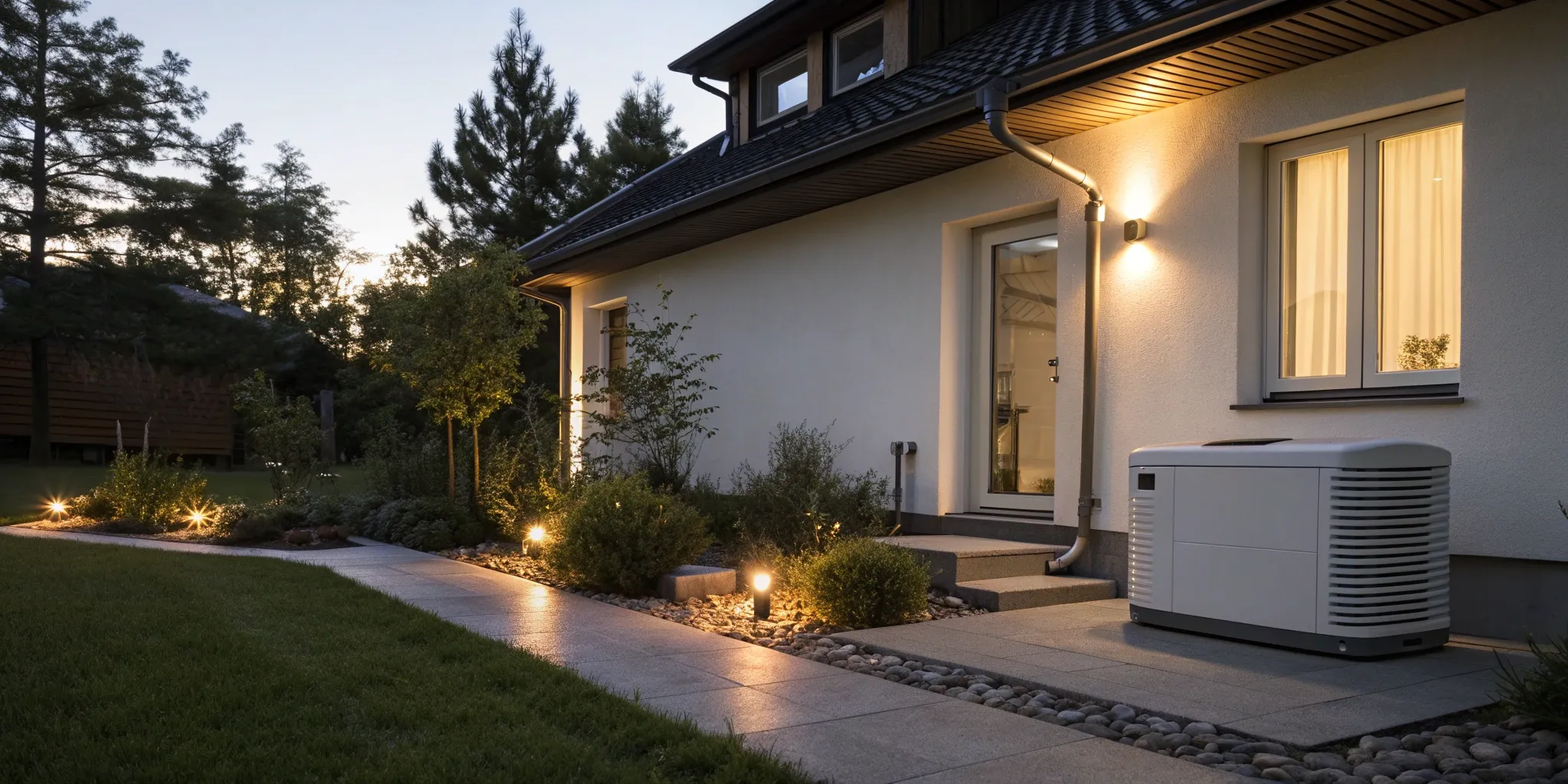
Think of an automatic standby generator as your home’s personal power plant, always on alert. Unlike a portable generator you have to wheel out and start yourself, a residential standby generator installation involves a permanent unit placed outside your home. It’s connected directly to your home’s electrical panel and its fuel source, typically natural gas or propane. When it senses a disruption in your utility power, it automatically starts up within seconds. Once the main power is restored, the generator senses this as well and shuts itself down, returning to standby mode, ready for the next time you need it.
How It Switches Power Seamlessly
The real magic behind this seamless transition is a device called the Automatic Transfer Switch, or ATS. This is the brain of your entire Generac generator system. The moment an outage occurs, the ATS detects the loss of power from the utility. It then safely disconnects your home from the grid and signals the generator to start. Once the generator is running, the ATS transfers your home’s electrical load to the generator’s power. This process also prevents dangerous back-feeding—when electricity from your generator flows back into the utility lines—which is critical for protecting utility workers. When grid power returns, the ATS handles the switch back just as smoothly.
Automatic Startup in Seconds
This immediate, automatic response is the real advantage of a standby generator. The moment utility power fails, the system senses the disruption and begins the transfer. Before you can even find a flashlight, your generator is running and powering your home. This swift action is essential for protecting your home’s most critical functions. It means your sump pump keeps working to prevent a flooded basement, your refrigerator and freezer stay cold so you don’t lose hundreds of dollars in groceries, and any vital medical equipment runs without a single interruption. It’s about more than just convenience; it’s about ensuring your home remains a safe, functional space. The entire process is completely hands-off, giving you reliable power whether you’re home or away. This is the peace of mind that comes with a complete Generac generator system.
What Really Determines Your Generator’s Cost?
When you start looking into a standby generator, the first question is usually about cost. The final price isn’t a single number—it’s a combination of the generator itself, your home’s specific needs, and the installation process. Understanding these key factors helps you see the full picture and plan your investment with confidence. Let’s break down what goes into the total cost.
How Much Power Do You Really Need?
A generator’s power is measured in kilowatts (kW), and getting the right size is crucial. Do you want to power just the essentials, like your fridge and lights, or your entire home? A professional helps calculate your power needs to find the perfect fit. A popular choice for many homes is a 20kW generator, with the unit itself often costing between $5,000 and $6,000. Choosing the correct size for your residential standby generator installation ensures you have reliable power without overspending on a unit that’s bigger than you need.
Matching Watts to Your Home Size
While it’s easy to think bigger is always better, the goal is to find the right-sized generator for your specific needs. For most homes, powering just the essentials—like the refrigerator, a few lights, and the sump pump—typically requires between 5,000 and 7,500 watts. However, if you want to maintain your normal lifestyle during an outage by running your central air conditioning, electric stove, and other high-draw appliances, you’ll need a whole-house generator, which often starts at 10,000 watts and goes up from there. This is why a 20kW unit is a popular choice, as it provides comprehensive coverage for many families. The best way to know for sure is to have a professional evaluate your home’s electrical load to ensure you invest in a system that perfectly matches your power requirements.
Natural Gas vs. Propane: Which Is Better?
Your generator will run on either natural gas or liquid propane. If your home already has a natural gas line, it’s often the more straightforward and affordable option with a continuous fuel supply. If natural gas isn’t available, a propane generator is a great alternative. This setup requires installing a dedicated propane tank on your property, which can add to the initial installation cost. We can walk you through the pros and cons of each to help you decide which fuel source makes the most sense for your home and budget.
Considering Alternative Fuel Sources
Choosing the right fuel is one of the most important decisions you’ll make for your generator. If your home is already connected to a natural gas line, it’s often the most convenient choice. This setup taps directly into your existing utility, providing a continuous fuel supply so you never have to worry about refueling during a long outage. It’s a true “set it and forget it” solution that simplifies the installation process. Because there’s no need for a separate tank, it ensures your Generac generator has a constant, reliable power source, ready to kick in at a moment’s notice.
If natural gas isn’t an option for your home, don’t worry—liquid propane is an equally reliable alternative. As a clean-burning fuel, propane delivers the same dependable performance to keep your home powered. The primary difference is that propane requires a dedicated storage tank on your property. While this involves an extra step during installation, it means that any home can have the security of a standby generator. Our team helps you select the right size tank based on your generator’s needs, making sure you have more than enough fuel to weather any storm.
How Your Property Affects Installation
Installation costs can vary significantly from one home to the next. A good rule of thumb is that installation can cost about as much as the generator itself. The final price depends on your property’s layout and existing residential electric system. Placing the generator close to your gas and electrical meters simplifies the process and usually keeps costs down. If we need to run longer lines or pour a new concrete pad, the labor and material costs will be higher. A professional site evaluation is essential for an accurate quote.
Specific Installation Cost Factors
When you receive a quote for a generator, you’ll notice the total is more than just the price of the unit itself. Several specific factors contribute to the final installation cost, and understanding them will help you see the full scope of the project. Here are the key elements that influence the investment in your home’s power security.
- Generator Size and Type: The power capacity of the generator, measured in kilowatts (kW), is a primary factor. A smaller unit designed to power only essential circuits will differ in cost from a larger one that can handle your entire home. A professional assessment is crucial to determine the right size for your specific needs, ensuring you have reliable power without paying for capacity you won’t use. This is a foundational step in any residential standby generator installation.
- Installation Complexity: Every property is different, and your home’s layout directly impacts the work involved. The ideal placement for a generator is close to your gas and electrical meters, which simplifies the connection process. If the unit needs to be placed further away, it may require additional trenching for fuel lines and electrical conduits. The condition of your current electrical panel and whether a new concrete pad needs to be poured also play a role in the final cost.
- Permits and Local Regulations: A safe and compliant installation must meet all local building codes. This process typically involves securing permits from your municipality, which have associated fees. Working with an experienced team that understands the specific requirements across Chester, Montgomery, Bucks, and Delaware Counties ensures everything is handled correctly from the start.
- The Automatic Transfer Switch (ATS): The ATS is the brain of your Generac generator system, and it’s another key component of the total cost. This device is what safely disconnects your home from the utility grid during an outage and switches you over to generator power. The type of ATS you need depends on whether you’re powering your whole house or only a selection of essential circuits.
Does the Brand Name Matter?
The brand and model you choose also impact the price. As a trusted Generac Generator Dealer, we can show you how different models come with various features, warranties, and levels of reliability. Some offer advanced options like mobile monitoring right from your phone. The price range is wide, from smaller, essential-circuit models to powerful units that can run a large home without skipping a beat.We’ll help you find a reliable Generac model that fits your specific needs and budget, and if you’re still comparing options, our guide to the best standby generators can help you understand which features matter most for your home.
A Full Breakdown of Your Whole House Generator Cost
When you’re thinking about a standby generator, it’s helpful to see the total cost as a combination of a few key parts. The sticker price of the generator is just the starting point. To get a full picture of your investment, you need to account for the unit itself, the professional installation, and a few other necessary components. Let’s walk through each piece so you know exactly what to expect.
The Upfront Cost of the Generator
First up is the generator itself. The cost of a Generac generator can vary quite a bit, starting around $2,000 for smaller models and going up to $20,000 or more for powerful units that can run an entire large home or commercial building. This price difference comes down to power capacity—how many appliances and systems you want to run during an outage—and the specific features of the model. A smaller unit might keep your lights, refrigerator, and sump pump running, while a larger one can handle all that plus your central air conditioning and other high-draw appliances.
Costs by Generator Size
The size of the generator, measured in kilowatts (kW), is one of the biggest factors in its price. A smaller unit designed to power just the essentials—like your refrigerator, sump pump, and a few lights—will naturally cost less than a larger model built to handle your entire home, including central air. For many homeowners, a popular choice like a 20kW generator can handle most needs. While the generator unit itself might cost between $5,000 and $15,000, the total price for a fully installed whole-house system typically ranges from $8,000 to $23,000. Figuring out how much power you really need is the first step to getting an accurate idea of your investment, ensuring you get the right coverage without paying for capacity you won’t use.
What Are the Typical Installation Costs?
This is one area where you absolutely don’t want to cut corners. Professional installation is crucial for safety, performance, and keeping your warranty valid. Don’t be surprised if the cost for installation and labor is about the same as the generator unit. For example, a $6,000 generator might end up being a $12,000 project once installation is complete. This covers the work of a certified team to prepare the site, properly connect the unit to your home’s electrical system and fuel line, and ensure everything is up to code. A proper generator installation gives you peace of mind that it will work when you need it most.
Are There Other Fees to Consider?
Beyond the generator and the labor, there are a few other costs to factor in. Most towns and counties require permits for this type of work, and those come with fees. There will also be a final inspection to make sure the installation meets local safety codes. Another key component is the Automatic Transfer Switch (ATS). This is the device that automatically switches your home’s power source from the grid to your generator during an outage. It’s essential that the ATS matches your home’s main electrical panel—if you have a 200-amp panel, you’ll need a 200-amp ATS. Our team handles all these electrical details to ensure a seamless and safe setup.
What Are the Ongoing Ownership Costs?
The initial purchase and installation are the biggest financial steps, but it’s smart to plan for the long-term costs of owning a generator. Think of it like owning a car—a little bit of upkeep goes a long way in keeping it ready for action. These ongoing expenses are predictable and ensure your generator is reliable for years to come, so you’re never caught in the dark. By planning for maintenance, fuel, and potential repairs, you can feel confident that your investment will protect your home and family whenever an outage strikes. It’s all about peace of mind, and knowing what to expect financially is a huge part of that. These costs aren’t meant to be a surprise; they’re a key part of a strategy to keep your power on and your home safe, no matter what the weather brings.
How Much Does Maintenance Cost?
This is probably the most important post-installation cost to plan for. Regular maintenance is what keeps your generator in top shape, ensuring it starts up the moment you need it. Experts recommend having your generator serviced about every six months. A professional check-up typically includes changing the oil and filter, inspecting the battery, and running a full diagnostic test to catch any small issues before they become big problems. Signing up for a Generac maintenance plan is the easiest way to handle this. It takes the guesswork out of scheduling and makes sure your investment is always protected and ready to perform.
Key Maintenance Tasks
To keep your generator running like new, a few key tasks need to be done regularly. Just like your car needs an oil change, your generator does too. A professional service visit will typically include changing the oil and filter to keep the engine healthy. They’ll also inspect the battery to make sure it’s holding a charge and run a full diagnostic test. This test is like a health check-up for your generator, allowing a technician to spot any small issues before they turn into major headaches during a storm. Committing to a routine maintenance plan is the best way to ensure your generator is always ready to go, protecting your investment and your peace of mind.
Battery Replacement Schedule
The battery is the heart of your generator’s starting system; without a good one, the generator simply won’t turn on when you need it. These batteries typically have a lifespan of about two to four years. Because a dead battery is one of the most common reasons for a generator to fail, it’s important to be proactive. Regularly checking its condition is a key part of the maintenance routine. Scheduling a replacement before it fails is a small step that prevents a huge problem. If you’re ever unsure about your battery’s health, having a professional service and repair technician take a look can save you from being left in the dark during the next outage.
Calculating Your Fuel Costs
Your generator needs fuel to run, and this will be a recurring cost during an outage. Most standby generators run on either natural gas or propane. If your home is already connected to a natural gas line, this is often the more convenient and cost-effective option, as the fuel is supplied continuously by your utility company. If you use propane, you’ll need a large storage tank on your property that must be refilled periodically. The cost will depend on the size of your tank and current propane prices, so it’s something to factor into your household budget, especially before storm season.
Hourly Running Costs
When your generator is running, the hourly cost will depend on its size and the fuel it uses. Generally speaking, you can expect the operational cost to be between $2 and $8 per hour, which can add up to between $25 and $200 per day during a prolonged outage. Natural gas is typically the more economical fuel source, which can make a noticeable difference in your utility bill after a multi-day power loss. These figures provide a helpful baseline for budgeting, so you know what to expect financially when your generator is working hard to keep your home comfortable and safe.
Typical Fuel Consumption Rates
To give you a clearer idea of what those costs mean in terms of fuel, let’s look at a common example. A medium-sized 22kW generator running at half capacity—powering essentials but not every single appliance at once—will have predictable consumption rates. It might use about 2 to 3 gallons of propane or 250 to 300 cubic feet of natural gas every hour. This is why it’s so important for propane users to have a large enough tank to get through an extended outage. Understanding how much fuel your generator uses helps you plan ahead and ensures you’re always prepared.
What Does Your Warranty Cover?
While a well-maintained generator is incredibly reliable, it’s always good to know what to expect if something goes wrong. Most new generators come with a manufacturer’s warranty that covers parts and labor for a set period. Over the generator’s lifespan of 15 to 20 years, you might encounter minor issues. Typical repair costs can range from a few hundred dollars to around a thousand, depending on the part. If you ever notice your generator making an odd noise or failing its weekly self-test, it’s best to call for generator service and repair right away to prevent a small problem from becoming a bigger one.
Expected Generator Lifespan
When you invest in a standby generator, you’re investing in long-term peace of mind. With proper care, a quality standby generator can be a reliable part of your home for 15 to 20 years, sometimes even longer. Think of it this way: the manufacturer’s warranty provides a great safety net for the first few years, but it’s the consistent, professional upkeep that helps your unit reach its full potential lifespan. Regular check-ups ensure all the components are in top condition, catching small issues before they can become major problems during a storm. By committing to a routine maintenance schedule, you’re not just servicing a machine; you’re protecting a significant investment in your home’s safety and your family’s comfort for decades to come.
Is a Standby Generator a Good Investment?
When you’re looking at the total cost of a standby generator, it’s natural to ask if it’s truly worth the money. The simple answer is yes. A generator isn’t just a purchase; it’s an investment in your home’s safety, functionality, and value. Think of it less like buying an appliance and more like adding a permanent upgrade that protects your property and family. The return on this investment shows up in several ways, from tangible financial benefits to the priceless peace of mind you get from knowing you’re prepared for any outage.
Power outages are more than just a minor inconvenience. They can lead to spoiled food, flooded basements if your sump pump fails, and even burst pipes during a winter storm. A standby generator eliminates these risks, kicking in automatically the moment the power goes out. This immediate protection can save you thousands of dollars in potential damages. Beyond the emergency savings, a generator adds lasting value to your home and can even help you save on insurance costs. It’s a practical upgrade that pays for itself over time by safeguarding your biggest asset.
Will a Generator Increase Your Home’s Value?
In the real estate market, a standby generator is a powerful selling point. For potential buyers, a home that’s already equipped with a reliable power source is significantly more attractive, especially in areas that experience frequent storms or outages. It’s seen as a premium upgrade, much like a renovated kitchen or a new roof. A professional residential standby generator installation signals that a home is well-cared-for and ready for anything. This feature can make your property stand out, potentially leading to a faster sale and a higher final offer. It’s a practical feature that offers a clear advantage over other homes on the market.
Improving Your Home’s Resale Value
Let’s talk numbers. Studies show that a standby generator can increase your home’s resale value by as much as 3% to 5%. On a home in Chester or Montgomery County, that can translate to a significant financial return. This isn’t just about adding another feature to a listing; it’s about offering a tangible sense of security that buyers are willing to pay for. A professionally installed Generac system is a clear signal that the home has been thoughtfully maintained and is equipped to handle anything. It moves your property from being just another house on the block to one that offers true peace of mind, making it a standout investment for any prospective buyer.
Can a Generator Lower Your Home Insurance?
Homeowners insurance is all about managing risk, and a standby generator actively reduces it. By preventing common outage-related disasters like sump pump failures or frozen pipes, a generator can lower the likelihood that you’ll need to file a claim. Many insurance companies recognize this and may offer a discount on your premium for having one installed. Because a generator protects against electrical surges when the power returns and keeps security systems online, it makes your home a safer, lower-risk property to insure. It’s a good idea to call your insurance agent to see what kind of savings you might qualify for after your generator is installed.
Avoid the High Cost of a Power Outage
The most immediate return on your investment comes from the disasters a generator helps you avoid. A single power outage in the winter can lead to frozen and burst pipes, causing water damage that costs thousands to repair. In the summer, a prolonged outage means a refrigerator and freezer full of spoiled food. A standby generator also protects your sensitive electronics, like computers and TVs, from damaging power surges when the grid comes back online. A generator that receives regular Generac maintenance can protect your home for decades, easily paying for itself by preventing just one major incident.
How to Pay for Your Generator
A standby generator is a significant investment in your home’s safety and comfort, but looking at the total cost can feel a bit overwhelming. I get it. The great news is that you don’t have to pay for the entire project out of pocket all at once. There are practical, straightforward ways to make this upgrade fit comfortably within your budget. Between flexible payment plans designed for home improvements and potential savings from local programs, you can get the peace of mind you need without financial strain. Let’s walk through the options that can make your generator installation much more manageable.
Your Generator Financing Options
Financing is one of the most popular ways to handle the cost of a generator. Instead of a single large payment, you can break the expense down into predictable monthly installments. This allows you to get your generator installed and protecting your home right away, rather than waiting until you’ve saved up the full amount. As a certified Generac dealer, we help our customers access trusted Generac financing options that are specifically designed for these projects. The application process is simple, and the plans offer competitive rates, making it an accessible tool for managing your budget while securing your home against power outages.
How to Find Rebates and Save Money
Beyond financing, you might be able to lower the overall cost of your generator by taking advantage of rebates and incentives. These programs are often offered by utility companies and local governments to encourage homeowners to make valuable upgrades. A great first step is to visit your utility provider’s website and search for residential energy rebates. You can also check your county or township’s official website for any home improvement incentives. These programs vary by location and can change from year to year, but a little research can uncover significant savings that directly reduce the price of your investment.
Can You Get Tax Breaks for a Generator?
It’s a question we hear a lot: can you write off the cost of a new generator on your taxes? While it would be nice if every home safety upgrade came with a tax benefit, the reality is a bit more specific. For most homeowners, a standby generator is considered a personal home improvement and isn’t tax-deductible. However, there are a few key exceptions where you might be able to claim a deduction or credit. It all depends on how the generator is used and why you need it. Understanding these special circumstances can help you determine if your investment qualifies for a tax advantage.
Understanding Tax Credits vs. Deductions
Before we get into the specifics, it’s helpful to know the difference between a tax credit and a deduction. A tax credit is a dollar-for-dollar reduction of the taxes you owe, which is generally more valuable. A tax deduction, on the other hand, lowers your total taxable income, reducing your tax bill by a percentage. While there aren’t widespread energy tax credits for standard standby generators, certain situations can make the cost a deductible expense. It’s important to remember that these are exceptions, not the rule, so it’s crucial to see if your situation fits the criteria.
Qualifying for a Tax Benefit
The most common way a generator may qualify for a tax deduction is if it’s considered a medical necessity. If you or a family member relies on powered medical equipment, like an oxygen concentrator or a CPAP machine, the generator could be considered a deductible medical expense. Another scenario is if you run a business from home. In that case, you may be able to deduct the portion of the generator’s cost that corresponds to your home office’s square footage. This treats the generator as a necessary business expense to ensure you can continue working during an outage.
The Importance of Professional Advice and Record-Keeping
This is one area where you definitely want to get professional advice. We’re generator experts, not tax professionals, so it’s essential to consult with a qualified accountant to confirm your eligibility. If you do plan to claim a deduction, meticulous record-keeping is key. You’ll need to save all your paperwork, including the invoice for your residential standby generator installation, any related permits, and, if applicable, a doctor’s note confirming the medical need. For a home business, you’ll need to document your business use. Having everything in order makes the process smooth and ensures you can support your claim if needed.
Safety and Planning: What to Know First
Getting a standby generator is an exciting step toward securing your home, but a successful installation starts long before our team arrives. A little bit of planning goes a long way in making sure the entire process is smooth, safe, and meets all local requirements. From picking the right size unit to understanding the safety rules, thinking through these details ahead of time ensures your generator will be a reliable source of power for years to come. Let’s walk through the essential planning steps every homeowner should consider before breaking ground.
Calculating Your Specific Power Needs
The first and most important decision is choosing the right size generator. A unit that’s too small won’t be able to power everything you need during an outage, while one that’s too large means you’ve spent more than you needed to. A professional load calculation is the best way to determine your exact power requirements. We’ll help you think through which appliances and systems are essential—like your refrigerator, sump pump, and furnace—and which ones are nice to have, like your central air conditioning. This detailed assessment ensures your Generac generator is perfectly matched to your home’s unique needs.
Checking Local Permits and HOA Rules
A generator installation isn’t a simple DIY project; it’s a significant home upgrade that needs to meet local codes and regulations. Before any work begins, it’s important to check with your local building department for permit requirements. Many townships and counties have specific rules about where a generator can be placed, including how far it must be from your home, windows, and property lines. If you live in a community with a homeowners’ association (HOA), be sure to review their guidelines as well, as they may have additional rules regarding noise levels and aesthetics.
Essential Carbon Monoxide Safety
Safety is the top priority in any generator installation, and that starts with preventing carbon monoxide (CO) exposure. CO is an odorless, colorless gas produced by the generator’s engine, and it can be deadly. This is why a standby generator must always be installed outdoors in a well-ventilated area, far away from any doors, windows, or vents that could allow fumes to enter your home. A professional installation guarantees that your unit is placed in a safe location that complies with all manufacturer and local safety codes, protecting your family from this invisible danger.
Verifying Your Fuel Line Capacity
Most standby generators run on natural gas or propane, often connecting directly to your home’s existing fuel supply. This is incredibly convenient, but it requires a crucial step during the planning phase: making sure your fuel line can handle the extra demand. Our technicians will verify that your gas meter and the piping running to your home are large enough to supply both your existing appliances and the new generator. If the line is too small, it may need to be upgraded to ensure everything runs safely and efficiently when the generator kicks on.
Who Benefits Most from a Standby Generator?
While any homeowner can appreciate the convenience of a standby generator, they are especially valuable for certain households. If you live in an area prone to frequent power outages from storms, a generator is a practical necessity. It’s also a critical investment for anyone who relies on electricity for medical equipment, ensuring life-sustaining devices are never without power. Finally, with more people working from home than ever before, a generator provides the ultimate reliability, keeping your internet on and your computer running so you never miss a deadline because of an outage.
How to Get an Accurate Generator Quote
Once you’ve decided a standby generator is right for you, the next step is figuring out the exact cost for your home. A quote for a generator isn’t just a price tag; it’s a comprehensive plan tailored to your specific needs. The final number depends on factors unique to your property, from the size of your house to the location of your utility lines. To get a number you can truly rely on, you’ll need a professional assessment and a clear understanding of what you’re comparing.
What’s Included in a Generator Quote
A complete quote should show more than the generator price alone. Homeowners should expect line items for the unit, transfer switch, labor, permits, electrical or gas-line work, startup testing, and any site-specific upgrades. This makes it easier to compare proposals fairly and understand whether the system is designed for essential circuits or whole-home coverage. If you’re ready to move forward, Get a quote for a site-specific estimate based on your home, fuel source, and desired level of backup power.
Why a Professional Site Evaluation Is a Must
You can’t get an accurate quote over the phone, and there’s a good reason for that. A professional site evaluation is essential for determining exactly what your home needs. An expert will visit your property to calculate your specific power requirements, ensuring you get a generator that’s the right size—not too big and not too small. They’ll also assess the best placement for the unit. The ideal spot is often close to your existing gas and electrical meters, which can help reduce the complexity and cost of the residential standby generator installation. This in-person visit eliminates guesswork and protects you from surprise costs down the road.
How to Compare Quotes from Local Experts
When you start gathering quotes, it’s important to know what you’re looking at. Make sure each quote is comprehensive, breaking down the costs for the generator unit itself, the automatic transfer switch, installation labor, and any necessary permits or materials. Always talk to an experienced, authorized Generac dealer before making a final decision. A certified expert can confirm you’ve chosen the correct size and will ensure the system is installed safely and correctly. Comparing quotes isn’t just about finding the lowest price; it’s about finding the best value and the most qualified team for the job.
Related Articles
- Standby Generac Generator FAQs | M.T. Ruhl
- Commercial Generac Generator: The Ultimate Guide
- What Are the Best Standby Generators? | M.T. Ruhl
- 20 Whole House Generator FAQs: Everything You Need to Know | M.T. Ruhl
Frequently Asked Questions
How long does a typical generator installation take? For a straightforward project, our team can usually complete the entire installation in a single day. This includes preparing the site, setting the generator, and making all the necessary electrical and fuel connections. If your property requires more extensive work, like running longer utility lines, it might take a bit longer, but we’ll give you a clear timeline during the site evaluation so you know exactly what to expect.
Do I have to power my entire house, or can I just choose the essentials? You absolutely have a choice. Many homeowners opt to connect their generator only to essential circuits, like the refrigerator, sump pump, furnace, and a few lights. This allows you to use a smaller, more affordable generator. Others prefer the convenience of a whole-house system that can run everything, including central air conditioning, without interruption. We can help you weigh the options to find the perfect balance for your needs and budget.
How loud is a standby generator when it’s running? This is a great question and a common concern. Modern Generac standby generators are designed to be as quiet as possible. When running, the sound level is comparable to a standard central air conditioning unit. We also strategically plan the placement of the generator during the site evaluation to help minimize noise and ensure it’s not a disruption to you or your neighbors.
What does a maintenance plan actually cover? Think of it like a regular check-up for your car. A maintenance plan ensures your generator is always ready to perform when you need it. During a service visit, a technician will typically change the oil and filter, inspect the battery, check all the connections, and run a full diagnostic test. This proactive care catches small issues before they become problems and is the best way to protect your investment for the long haul.
What happens if the power goes out while I’m away from home? This is where the “automatic” part of the system really shines. Your generator and its Automatic Transfer Switch are always on duty, whether you’re home or on vacation. The system will detect the outage, start the generator, and switch your home’s power source all on its own. When utility power is restored, it will handle the switch back and shut itself down. You don’t have to do a thing.