
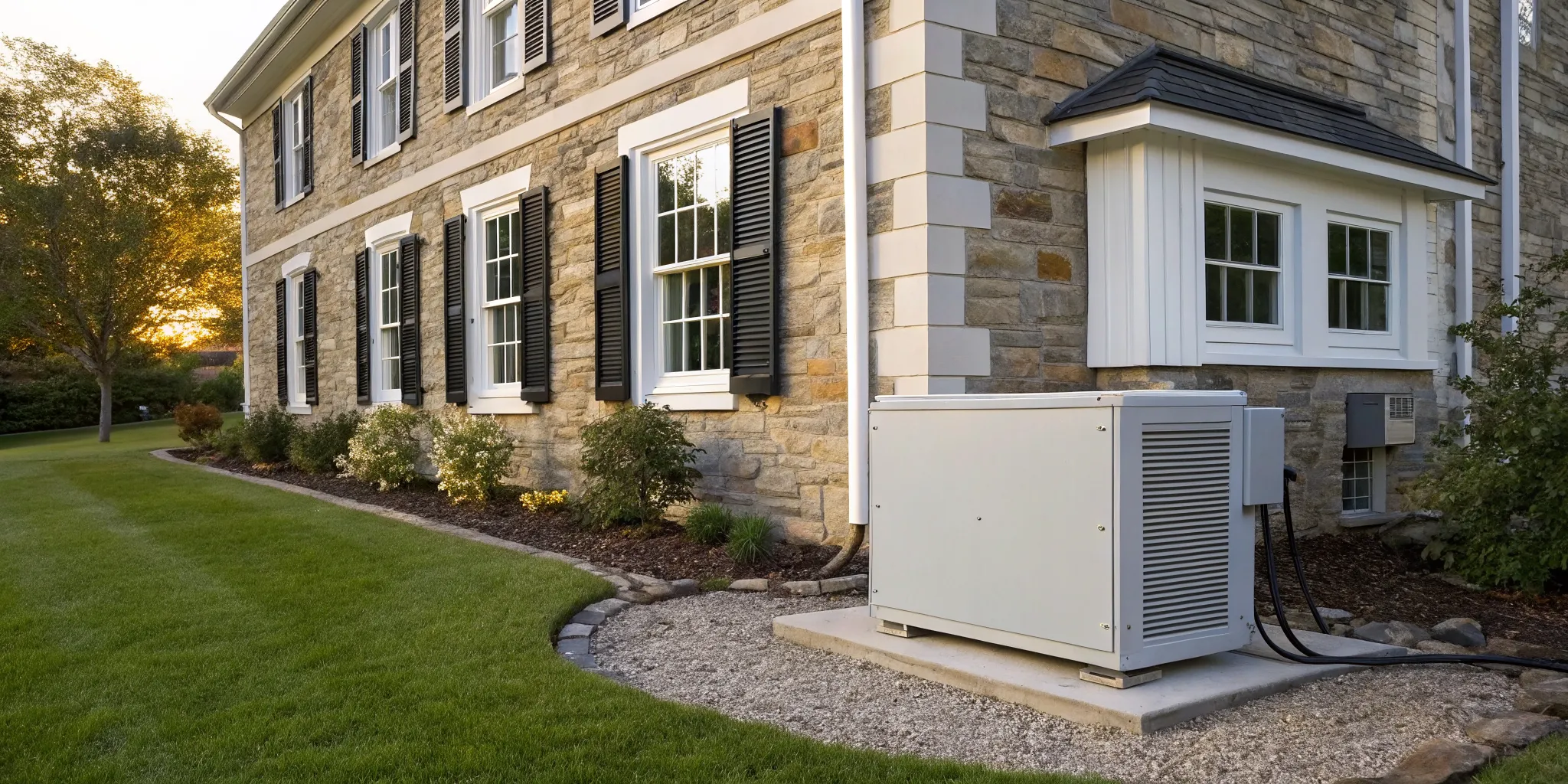
Living in Southeastern Pennsylvania means you’re no stranger to unpredictable weather. When a summer thunderstorm or winter ice storm hits, a power outage is more than an inconvenience—it disrupts your life and compromises your family’s comfort. That’s why so many homeowners are choosing to protect their homes with a permanent power solution. This guide covers everything you need for a successful standby generator installation in Bucks County. We’ll help you choose the right size unit, understand the professional installation process, and plan for long-term care, so you can feel confident and prepared.
Key Takeaways
- Calculate your power needs before choosing a generator: Determine which appliances are essential during an outage to find the right size unit, helping you decide whether to power key circuits or your entire home.
- Prioritize professional installation for safety and warranty protection: A licensed electrician ensures your generator is installed correctly, meets all local codes, and keeps your manufacturer’s warranty valid.
- Schedule regular maintenance to ensure long-term reliability: Just like a car, your generator needs routine service to prevent problems and extend its lifespan, making a professional maintenance plan a smart investment.
Why Your Bucks County Home Needs a Standby Generator
As a homeowner in Bucks County, you’ve put a lot into making your house a home. But when severe weather strikes, a power outage can quickly disrupt that peace of mind. A standby generator isn’t just a luxury; it’s a practical solution that ensures your home remains a sanctuary, no matter what’s happening outside. It’s about maintaining normalcy and security for your family when you need it most. Investing in a residential standby generator installation means you’re prepared for the unexpected, safeguarding your property and the people inside it.
Stay Powered Through Local Storms and Outages
Let’s be honest, the weather in Southeastern Pennsylvania can be unpredictable. From intense summer thunderstorms to heavy winter snow and ice, our region sees it all. These weather events are a leading cause of power outages, which can last for hours or even days. An outage is more than just an inconvenience; it can disrupt your work, your family’s routine, and your sense of security. A standby generator is your home’s personal power plant. It’s a permanent solution that prepares you for local power outages before they happen. With storms becoming more frequent, having a reliable source of backup power is a necessity, giving you confidence that you can handle any outage without missing a beat.
Keep the Lights On and Your Family Safe
When the power goes out, what stops working? Your refrigerator, heating and cooling systems, lights, sump pump, and internet all shut down. For families with young children, elderly relatives, or individuals who rely on powered medical equipment, an outage can be especially stressful and even dangerous. A standby generator eliminates these worries by keeping your essential systems running smoothly. Unlike a portable generator, a standby unit turns on automatically the moment an outage is detected, whether you’re home or away. This seamless transition means your food stays fresh, your home remains comfortable, and critical medical devices stay on. Investing in Generac generators is an investment in your family’s safety, ensuring they are always protected.
How to Choose the Right Standby Generator
Picking the right standby generator can feel like a major decision, but it doesn’t have to be overwhelming. When you break it down into a few key steps, you can confidently find a model that fits your home, lifestyle, and budget perfectly. The goal is to find a solution that gives you peace of mind without paying for more power than you actually need. It’s all about matching the generator’s capabilities to your family’s specific needs during an outage, whether that means keeping the lights on and the fridge cold or running your entire household without a hitch.
Before you start looking at specific models, it’s helpful to think about four main factors: how much power your home requires, whether you want to back up essential circuits or the entire house, what fuel source is best for you, and which brands offer the most reliability. Thinking through these points will help you narrow down your options and make an informed choice. A little planning now ensures your home stays safe and comfortable the next time the power goes out in Bucks County. We’ll walk through each of these considerations to help you feel prepared and ready to select the perfect generator for your home.
Portable vs. Standby vs. Inverter Generators
When you start exploring backup power, you’ll quickly find there are a few different types of generators on the market. The main categories you’ll encounter are portable, standby, and inverter generators. Each one serves a different purpose, and understanding the key differences is the first step toward finding the right fit for your home. While one offers a quick, temporary fix, another provides a seamless, permanent solution for keeping your entire home running. Let’s break down what makes each type unique so you can see which one aligns with your family’s needs for safety and comfort during an outage.
Portable Generators
You’ve probably seen portable generators at campsites or on construction sites. These are the smaller, gas-powered units that you can move around. Their main appeal is a lower upfront cost, but that comes with significant trade-offs. To use one, you have to manually haul it outside, start it up, and run extension cords into your house to power a few selected items. This means you must be home and able to work in potentially rough weather to get it running. More importantly, they produce dangerous carbon monoxide fumes and must be placed far from your home, and they are often quite loud, which can be a nuisance to you and your neighbors.
Standby Generators
A standby generator is the gold standard for home backup power. Unlike a portable unit, a residential standby generator is a permanent installation, much like your home’s HVAC system. It’s connected directly to your home’s electrical panel and a stable fuel source, like natural gas or propane. The best part? It’s completely automatic. The moment a power outage occurs, your standby generator senses it and turns on within seconds, restoring power to your home seamlessly. You don’t have to lift a finger, and it works whether you’re home or away. This ensures your lights, heat, refrigerator, and even medical equipment keep running without interruption, providing true peace of mind.
Inverter Generators
Inverter generators are a sub-category of portable generators, but with a few key upgrades. They are typically much quieter, lighter, and more fuel-efficient than their traditional portable counterparts. They also produce a “cleaner” form of electricity, which is safer for powering sensitive electronics like laptops, phones, and tablets. While they are an excellent choice for camping, tailgating, or running a few small devices, they are not designed to power a house. An inverter generator simply doesn’t have the capacity to run major appliances like your air conditioner or refrigerator, making it a niche tool rather than a comprehensive solution for a home power outage.
Sizing Your Generator: What Do You Need to Power?
The first and most important step is to figure out exactly how much power you need. Before selecting a home generator, it’s crucial to assess your power requirements accurately. Start by making a list of all the appliances and systems you absolutely can’t live without during an outage. This usually includes essentials like your refrigerator, freezer, sump pump, furnace or air conditioner, and key lighting. You might also want to add medical equipment, home office electronics, or your well pump to the list. Each appliance has a specific wattage requirement, and a professional can perform a load calculation to determine the total power your home needs to run these items simultaneously. This ensures your residential standby generator installation is sized correctly from the start.
Understanding Kilowatts for Your Home
Once you have your list of essential appliances, the next step is to translate that into kilowatts (kW), which is simply a measure of how much power a generator can produce. Think of it like this: a smaller 8-16 kW generator is often enough to handle the basics like your refrigerator, lights, and heating system. This is a great option if you just want to cover your essential needs. However, many homeowners in our area opt for a larger unit, like a 22 kW model, which can power most major appliances and provide a more ‘business as usual’ experience during an outage. The right size depends entirely on what you want to run. A professional load calculation is the only way to know for sure, ensuring you get a generator that perfectly matches your home’s demands without overspending on unnecessary capacity.
Should You Power Your Whole House or Just the Essentials?
Once you know your power needs, you can decide on the level of coverage you want. You can choose to power just the essentials or your entire home. An essential-circuit generator is a practical option that connects to your home’s main electrical panel and powers only pre-selected circuits. This keeps critical systems running without the capacity to power everything at once. On the other hand, a whole-house generator is sized to carry all the major systems in your home, allowing you to live without interruption. This option provides seamless power, so you can continue using everything from your air conditioning to your laundry machines as if nothing happened. Your choice depends on your budget and how much convenience you want during an outage.
Natural Gas vs. Propane: Choosing a Fuel Source
Standby generators typically run on two main fuel sources: natural gas or liquid propane (LP). The best choice for you often depends on what’s available at your property. Natural gas is a popular option because it connects directly to your home’s existing utility line. This provides a continuous fuel supply, so you never have to worry about refueling. It’s convenient and can be more cost-effective over time. If your home doesn’t have access to a natural gas line, liquid propane is an excellent alternative. LP is stored in a large tank on your property, which a supplier will refill as needed. It’s a clean-burning and stable fuel source that provides reliable power when you need it most.
A Look at Top Standby Generator Brands
After you’ve determined your power needs and fuel type, it’s time to look at specific brands. While there are several options on the market, it’s wise to choose a brand known for its performance and durability. M.T. Ruhl specializes in Generac generators, the leading brand known for reliability and industry-leading technology. Generac has built its reputation on creating high-quality residential and commercial generators that are built to last. They offer a wide range of sizes to fit any home’s needs and include modern features like remote monitoring, which lets you check your generator’s status from your smartphone. Choosing a trusted brand and a certified dealer ensures you get a quality product backed by expert installation and service.
Why We Trust Generac Generators
At M.T. Ruhl, we’ve built our reputation on reliability, so we only partner with brands that share our commitment to quality. That’s why we proudly recommend and install Generac generators. As the #1 brand in home backup power, Generac has earned its status by consistently producing durable, high-performance generators that families can depend on. Their units are engineered to withstand the toughest weather and provide seamless power the moment an outage occurs. Plus, they offer modern features like the Mobile Link™ app, which lets you monitor your generator’s status from your smartphone for ultimate peace of mind. When you choose a Generac generator, you’re investing in a proven solution from an industry leader.
The Standby Generator Installation Process: Step-by-Step
Once you’ve chosen the right generator, the installation process begins. It might sound complex, but with a professional team, it’s a streamlined and straightforward experience. A certified installer handles every detail, from finding the perfect spot on your property to running the final system tests. The goal is to get your home power-ready with minimal disruption to your daily life. Understanding the key steps can give you confidence and peace of mind as your generator is put in place. Here’s a look at what you can expect from a professional residential standby generator installation.
Preparing for Delivery and Placement
The first step in the physical installation is getting the generator to your home safely. A standby generator is a heavy and complex piece of machinery, so its arrival is a coordinated effort. When working with a professional team, they handle the logistics, ensuring the delivery truck is equipped with a lift gate to lower the unit safely to the ground. Before anyone signs the delivery papers, a thorough inspection is performed to check for any damage that might have occurred during shipping. This initial check is crucial, and it’s one of the many details a certified installer manages to ensure your residential standby generator installation starts off on the right foot, protecting your investment from the very beginning.
Accepting Your Generator Delivery
Once the generator is on your property, finding the right spot for it is the next critical task. This decision is guided by strict safety standards and local regulations. A generator must always be placed outdoors, a minimum of five feet away from any doors, windows, or vents to prevent carbon monoxide from entering your home. It also needs to be in a location clear of overhangs, breezeways, or areas where deep snow might accumulate. A professional team will prepare the site by creating a stable, level surface, often using a bed of pea gravel or a pre-fabricated “GenPad.” This ensures the unit runs smoothly and safely for years. Relying on experts who know the specific codes in your service area guarantees your installation is compliant and secure.
Finding the Perfect Spot for Your Generator
The first step is a thorough site assessment. Your installation team will meet with you to find the best location for the generator. This isn’t just about aesthetics; it’s about safety and performance. We’ll consider local codes, clearance requirements for ventilation, and proximity to your fuel and electrical lines. We also discuss any specific rules from your HOA or community. Once we’ve picked the perfect spot, the team prepares the area, often by installing a concrete slab to create a stable, level surface for the unit. This careful planning ensures your generator operates safely and efficiently for years to come.
Preparing the Foundation: Concrete, Gravel, or GenPads
With the ideal spot chosen, the next step is creating a solid foundation for your generator. A proper base is critical because it ensures your unit runs safely and efficiently for years. The ground must be perfectly level and stable. For many installations, a bed of pea gravel provides a firm base and excellent drainage, preventing water from pooling around the unit. For an even more secure surface, we often use a pre-fabricated GenPad, which is engineered specifically for Generac units. Larger, heavier whole-house generators typically require a poured concrete pad to support their weight and manage vibrations. A professional residential standby generator installation ensures the right foundation is prepared according to manufacturer specifications and local codes, protecting your investment from the ground up.
Connecting to Your Home’s Electrical System
Next, our licensed electricians get to work on the electrical connections. The most important component is the automatic transfer switch. We install this smart device right next to your home’s main electrical panel. Its job is to constantly monitor the power coming from the utility. The moment it detects an outage, it automatically disconnects your home from the grid and signals the generator to start, seamlessly switching your power source. This is the magic that makes a standby generator so convenient. Our team of expert electricians ensures the wiring is safe, secure, and perfectly integrated with your home’s system.
How the Automatic Transfer Switch Works
Think of the automatic transfer switch (ATS) as the smart and vigilant brain of your entire generator system. This device is the key to the seamless, hands-off operation that makes standby generators so incredible. The ATS constantly monitors the electrical current coming from the utility. The second it detects a power failure, it springs into action. It safely disconnects your home from the utility grid and simultaneously signals your Generac generator to start up. Within moments, the ATS transfers your home’s electrical load to the generator, restoring power to your selected circuits or your entire house. When utility power is restored, the ATS handles the transition back, then signals the generator to shut down until it’s needed again. It’s all done automatically, ensuring you have power when you need it, whether you’re home or away.
The Importance of Proper Grounding
While the generator is the power and the ATS is the brain, proper grounding is the essential safety net for the whole system. During installation, a licensed electrician will drive a metal rod deep into the earth and connect it directly to your generator. This simple component serves a critical purpose: it protects your home, your expensive electronics, and your generator from dangerous power surges, such as those caused by a nearby lightning strike. By creating a safe path for excess electrical voltage to dissipate into the ground, grounding prevents catastrophic damage and reduces the risk of electrical fires or shock. This is not an optional step; it’s a fundamental requirement for a safe and code-compliant installation, and it’s a key reason why professional electrical work is non-negotiable.
Hooking Up the Fuel and Running a Final Test
With the generator in place and the electrical work done, it’s time to connect the fuel. Whether your generator runs on natural gas or liquid propane, our technicians will safely connect it to your existing fuel line. After the connection is secure and checked for leaks, we perform a complete system test. We simulate a power outage to make sure everything works exactly as it should. We’ll watch as the transfer switch activates, the generator kicks on, and power is restored to your home. This final check confirms that your new Generac generator is ready to protect your home during the next outage.
Working with a Licensed Gas Fitter
Connecting a generator to a fuel source is a job for a certified professional, not a weekend DIY project. Just as you need a licensed electrician for the wiring, a licensed gas fitter is required to safely connect the natural gas or propane line. This is a critical step that involves specialized knowledge to prevent dangerous leaks and ensure the entire setup complies with local safety codes. An improper connection can create serious risks for your home and family, which is why it’s essential to leave this work to an expert who understands the specific requirements for fuel systems.
When you partner with a full-service team for your residential standby generator installation, we handle the coordination of all the necessary professionals. This means you don’t have to worry about finding and vetting separate contractors for the electrical and gas work. We ensure that every part of the installation, from the transfer switch to the final fuel hookup, is completed by a qualified and licensed expert. This streamlined approach guarantees a safe, compliant, and hassle-free installation from start to finish, giving you total peace of mind.
Verifying Gas Meter Capacity
Before the final fuel connection is made, it’s important to confirm that your home’s gas meter can handle the additional load. Your meter was originally sized to supply fuel to your existing appliances, such as your furnace, water heater, and stove. Adding a generator, which requires a significant amount of fuel to run, means the meter must have enough capacity for everything to operate at once during an outage. An undersized meter can cause performance issues, preventing your generator from running properly when you need it most or affecting your other gas appliances.
As part of our comprehensive installation process, we verify that your gas system is ready for the new generator. If we determine that your meter needs to be upgraded, we help you coordinate with your local gas utility company to get it replaced. This proactive step ensures your new Generac generator will have a steady and reliable fuel supply, preventing performance problems and ensuring seamless operation. It’s one more crucial detail we manage so you can be confident your system is ready for anything.
Handling the Necessary Permits and Inspections
A professional generator installation involves more than just the physical work; it also requires navigating local regulations. Our team handles this entire process for you. We secure all necessary permits from your local municipality in Bucks County before we even begin. We know the specific codes and requirements to ensure your installation is fully compliant. After the work is complete, we also coordinate the final inspection with local officials. This comprehensive management saves you the headache of paperwork and guarantees that your generator is installed safely and correctly. We’re experts in all our service areas, so you can trust us to get it right.
Why Professional Standby Generator Installation is Non-Negotiable
While tackling a home project yourself can be rewarding, installing a standby generator isn’t the time to break out the toolbox. This is a complex job that connects directly to your home’s electrical and fuel systems, and getting it wrong can have serious consequences. Hiring a professional isn’t just about convenience; it’s about ensuring your generator works safely and reliably when you need it most. Let’s walk through why a professional installation is the only way to go.
Meeting Local Safety and Electrical Codes
A standby generator installation involves intricate electrical work, connecting the unit directly to your home’s main electrical panel. A licensed electrician is essential for this process, as they have the training to integrate the system safely. They are also experts on local Bucks County building and electrical codes, which exist to protect you and your property. A professional team handles all the necessary permits and inspections, ensuring your residential standby generator installation is fully compliant from day one. This gives you complete peace of mind knowing the job was done right and safely.
Preventing Dangerous Back-feeding
One of the biggest dangers of an improper generator setup is a phenomenon called back-feeding. This happens when electricity from your generator travels back through the utility lines, energizing the grid that everyone assumes is dead. It creates an extremely hazardous situation for utility workers who are trying to restore power, as they can be electrocuted by the unexpected current. This is why a professional installation is absolutely critical. The key to preventing back-feeding is the automatic transfer switch, a smart device installed by a licensed electrician. It acts as a safety gate, automatically and completely disconnecting your home from the grid before the generator turns on. This ensures power only flows to your house, protecting both your home and the line workers.
Don’t Void Your Generator’s Warranty
A new Generac generator is a significant investment, and its warranty is a key part of that value. Most manufacturers require that a certified technician install the unit for the warranty to be valid. If an issue arises from an improper DIY installation, the manufacturer will likely not cover the cost of repairs, leaving you with a hefty bill. A professional installer ensures every step is done to the manufacturer’s exact specifications, protecting your investment. To keep your system in top shape and your warranty intact, it’s also smart to sign up for a regular Generac maintenance plan with your installer.
Avoiding Common and Costly DIY Installation Mistakes
Trying to install a generator yourself can lead to expensive and dangerous errors. One of the most common mistakes is improper placement, like failing to provide enough clearance around the unit for proper ventilation. This can cause it to overheat or even create a fire hazard. Other frequent issues include choosing the wrong size generator for your home’s needs or incorrectly installing the transfer switch. These mistakes not only prevent the generator from working correctly but can also damage your home’s electrical system, leading to costly electrician repairs. Professional installation helps you avoid these pitfalls from the start.
How Much Does a Standby Generator Installation Cost?
Investing in a standby generator is a significant decision for your home’s safety and comfort. While the peace of mind it provides is invaluable, it’s completely normal to have questions about the cost. The total price isn’t just for the generator itself; it includes the unit, professional installation, and any necessary permits. Think of it as a complete home upgrade, much like a new HVAC system or roof. The final cost is tailored to your specific needs, ensuring you get the right amount of power without overpaying for a system that’s too large for your home.
Key Factors That Influence the Total Cost
The total investment for a home standby generator system can vary quite a bit because every home is different. Key factors include the generator’s capacity (how much of your home you want to power), the complexity of the installation, and the location of the unit on your property. For example, a generator that powers your entire house will naturally be a larger investment than one that only covers essential circuits like your refrigerator and lights. The distance from your gas and electric meters also plays a role. A professional residential standby generator installation ensures all these variables are handled correctly for a safe and reliable setup.
Typical Cost for a Home Standby Generator
So, what’s the bottom line? While every project is unique, it helps to have a general idea of the investment. The total cost for a home standby generator, including professional installation, usually ranges from $8,000 to $16,000. This range covers both the generator unit itself and the expert installation required for a safe, code-compliant setup. To break it down further, the standby generator units can start around $2,000 and go up from there, while the installation costs typically fall between $3,000 and $5,000, depending on your home’s specific layout. Because this is a significant home improvement, it’s helpful to know that options like Generac financing are available to make the investment more manageable for your family’s budget.
Understanding the Cost of Installation
You might wonder why the installation is such a significant part of the total cost. The installation process is far more than just placing a generator in your yard; it’s a detailed process involving electrical wiring, fuel line connections, and local permits. The final cost is tailored to your specific needs, ensuring you get the right amount of power without overpaying for a system that’s too large for your home. Factors like the distance from your electrical panel and fuel source, the need for a concrete pad, and the complexity of the wiring all influence the price. A professional residential standby generator installation ensures all these variables are handled correctly for a safe and reliable setup that you can count on for years.
Are There Financing Options Available?
If the upfront cost feels like a hurdle, you’re not alone. Many homeowners choose to finance their generator to make the investment more manageable. This approach allows you to get the protection you need now while spreading the cost over time with predictable monthly payments. It’s a practical way to fit this important home improvement into your budget without delay. We believe everyone deserves to feel secure during a power outage, which is why we offer flexible Generac financing solutions to help you get started. It’s worth looking into what options are available to you.
Flexible Payment Plans to Fit Your Budget
When you get a quote from an installer, don’t hesitate to ask about their payment process and any available plans. A trustworthy contractor will be happy to walk you through the costs and explain what’s included in their estimate. This conversation is the perfect time to understand the payment schedule and see if it aligns with your financial plans. A clear, upfront discussion ensures there are no surprises down the road. The goal is to find a solution that works for you, and a great team will be transparent and supportive every step of the way. They should be able to provide a detailed breakdown so you know exactly what you’re paying for.
Common Installation Mistakes (and How to Avoid Them)
A standby generator is a major investment in your home’s safety and comfort, so you want the installation done right the first time. While a DIY approach might seem tempting, it can lead to serious issues that compromise your safety and the generator’s performance. A professional installation ensures every detail is handled correctly, from placement to the final connection. Understanding the common pitfalls can help you appreciate why hiring an expert is the best path forward for a reliable residential standby generator installation.
These aren’t just minor slip-ups; they can lead to equipment failure, voided warranties, and even dangerous situations for your family and property. For example, incorrect placement can lead to poor ventilation or even allow harmful exhaust fumes into your home. Choosing the wrong size unit can cause it to overload and shut down just when you need it most. And failing to follow local electrical codes, especially when installing the transfer switch, can create a hazardous electrical situation for both your home and utility workers. Getting it right from the start saves you from costly repairs and gives you confidence that your backup power system will work flawlessly when you need it most.
Why Generator Placement and Ventilation Are So Important
Where you place your generator is one of the most critical decisions in the installation process. One of the most common mistakes is failing to provide enough clearance around the unit. Your generator needs space to breathe. Manufacturers and local codes have specific requirements for placement to ensure proper ventilation and safety. Placing a unit too close to windows, doors, or vents can allow dangerous carbon monoxide fumes to enter your home. A professional installer will assess your property to find the perfect spot that meets all safety codes, manufacturer guidelines, and local regulations, ensuring your system runs efficiently and safely for years.
Considering Wind Direction and Neighbors
It’s also important to think about how your generator will affect its immediate surroundings, including your own home and your neighbors’ properties. When installing a standby generator, it’s crucial to consider wind direction. A professional installer will evaluate the prevailing winds in your area to place the generator where its exhaust will blow away from your home’s windows, doors, and fresh air intakes. This simple step is vital for protecting your living space from fumes. It’s also a considerate gesture that ensures your neighbors are not adversely affected by exhaust. Thoughtful placement prevents any potential issues down the line and shows respect for everyone’s comfort and safety.
Avoiding Prohibited Areas like Breezeways
Some spots on your property are completely off-limits for a generator, and for good reason. You should never install a generator inside a garage, under a deck or overhang, in a breezeway, or in any area where snow tends to pile up. These locations pose significant safety risks, including fire hazards and deadly carbon monoxide exposure. Enclosed or covered spaces can trap exhaust fumes, allowing CO to build up and potentially seep into your home. Similarly, if snowdrifts block the unit’s intake or exhaust vents, it can overheat or shut down. A professional installation ensures your Generac generator is placed in a safe, open area with plenty of ventilation, following all manufacturer and safety guidelines.
The Risk of Choosing a Generator That’s Too Small
Choosing the right size generator is crucial for reliable performance. If you fail to calculate the proper electrical load, your generator may not have the capacity to handle your home’s demands, leading to potential overload and failure. An overloaded generator can shut down unexpectedly or even suffer permanent damage. A professional will perform a detailed load calculation, accounting for everything from your refrigerator and HVAC system to your lights and electronics. This ensures you get a Generac generator that’s perfectly matched to your needs, providing consistent power without the risk of an overload during an outage.
Ignoring Critical Safety Clearances and Codes
Proper installation is about more than just getting the generator running; it’s about integrating it safely into your home’s electrical system. A critical component is the transfer switch, which safely disconnects your home from the utility grid before the generator kicks in. Skipping or improperly installing a transfer switch can create a dangerous back-feeding situation, which can harm utility workers and damage your electronics. A certified technician understands all local electrical codes and permit requirements, ensuring your installation is not only effective but also completely safe and compliant. This avoids potential fines and guarantees your system operates as intended.
The 18-Inch Rule for Flammable Items
When it comes to generator safety, professionals follow strict guidelines, and one of the most important is the “18-inch rule.” This rule states that your generator must be placed at least 18 inches away from any flammable materials, including shrubs, woodpiles, or even certain types of siding. This clearance is non-negotiable because it prevents the unit’s heat from creating a fire hazard and ensures it has enough airflow to run efficiently without overheating. Beyond this, local codes also require keeping the generator at least five feet away from windows, doors, and vents to prevent dangerous carbon monoxide exhaust from entering your home. Adhering to these specific clearances is a cornerstone of a safe installation and protects both your property and your family.
How Long Does Standby Generator Installation Take?
It’s one of the first questions we hear, and for good reason: you want to know when you can expect that peace of mind. The timeline for a generator installation is a bit like a home renovation project. There’s the time our team is physically at your home, and then there’s the behind-the-scenes work that makes it all happen. The actual on-site installation is surprisingly quick, often completed within a single day. However, the full process from our first conversation to your generator’s first successful test run involves several important steps that can span several weeks.
These stages include a detailed site assessment, calculating your home’s specific power needs, and selecting the right unit. From there, we handle the necessary paperwork, like applying for permits with your local Bucks County municipality, which has its own timeline. We also coordinate any required work with your gas or propane provider. Think of it as a carefully managed project with a few key milestones. Understanding this complete timeline helps set clear expectations so you know exactly what’s happening at every stage, ensuring a smooth and stress-free experience from start to finish. We manage every detail so you don’t have to worry about the logistics.
From Start to Finish: A Typical Installation Timeline
On installation day itself, you can expect our certified technicians to be at your home for just a few hours to a full day. During this time, we’ll prepare the site, set the generator on its pad, and make all the necessary electrical and fuel connections. But the full project timeline starts long before that. From your initial approval, you should plan for a process of several weeks. This buffer accounts for ordering your specific generator model, submitting and receiving township permits, and scheduling the final inspections. We keep you informed every step of the way, so you’re never left guessing what’s next.
What Can Delay the Process?
While we manage a tight schedule, a few things can affect the timeline. The most common variable is the local permitting process, as each municipality in Bucks County operates on a different schedule. Another potential delay comes from site-specific challenges, like needing to clear more space than anticipated to meet safety codes. This is why a professional residential standby generator installation is so important. We catch potential issues, like improper fuel line sizing or incorrect electrical load calculations, during the planning phase. By addressing these details upfront, we prevent frustrating delays and ensure your generator performs perfectly when you need it most.
How to Find a Trusted Generator Installer in Bucks County
Choosing the right standby generator is only half the equation; finding a skilled and trustworthy installer is just as critical for ensuring your system runs safely and reliably for years to come. A great installation experience sets the foundation for your peace of mind during the next power outage. The right partner will handle everything from permits to the final system test, making the process smooth and straightforward. Here’s how to find a qualified professional you can count on in Bucks County.
Where to Find Reputable Local Installers
When you start your search, focus on local professionals. An installer who is familiar with Bucks County will understand the specific building codes, permit requirements, and even the common weather patterns that can affect installation. Local experts can provide a more accurate assessment of your home’s needs and ensure the entire process is handled correctly from the start. As one industry pro puts it, you should “talk to a local pro who can assess your home, handle permits, and ensure everything is installed safely and up to code.” A company with deep roots in the community is also more likely to be there for you long-term for maintenance and service. Look for installers with a clearly defined service area that includes your town.
The Value of an Initial Consultation
The initial consultation is your first, and most important, step toward a successful installation. This isn’t just a sales meeting; it’s a collaborative planning session with an expert. During this visit, a professional will perform a thorough site assessment, evaluating your property layout, existing electrical system, and fuel lines. This is your opportunity to discuss exactly what you want to power during an outage—whether it’s just the essentials or your entire home. A licensed technician will use this information to recommend the right size generator and the best placement for it, ensuring it meets all safety codes and performance standards. This professional evaluation sets the stage for a smooth, compliant, and stress-free standby generator installation from the very beginning.
Key Questions to Ask Before You Hire
Before you commit to an installer, it’s important to ask a few key questions to gauge their expertise and process. This isn’t about being difficult; it’s about being an informed homeowner. A reputable installer will welcome your questions and provide clear, confident answers.
Start with these essentials:
- What is your experience with Generac generators? You want a team that knows the brand inside and out.
- How will you determine the right generator size for my home? This shows they are considering your specific needs to avoid an undersized or oversized unit.
- Can you walk me through the transfer switch installation? A proper transfer switch is vital for safety, and their answer will reveal their technical knowledge.
- Where do you recommend placing the generator for proper ventilation and safety? Poor placement is a common mistake, so a good installer will have a clear, code-compliant plan.
Why You Should Get 3-5 Quotes
After you’ve asked your questions, the next step is to gather a few quotes—aiming for three to five is a good rule of thumb. This isn’t just about finding the lowest price; it’s about understanding the value you’re getting. A quote is a window into how a company operates. Does it clearly break down the costs for the generator, transfer switch, labor, and permits? A detailed, transparent quote shows professionalism and helps you compare apples to apples. It also gives you a feel for which company you’ll want to partner with for long-term care, like routine generator service and repair. By reviewing multiple offers, you can confidently choose an installer who provides fair pricing and the comprehensive service your investment deserves.
Why You Must Check for Proper Licensing and Insurance
This step is non-negotiable. A standby generator is a complex piece of equipment that integrates directly with your home’s electrical system. For this reason, it’s crucial to “engage a licensed electrician familiar with local…building and electrical codes.” Ask for proof of their license and insurance. This protects you from liability in case of an accident on your property and ensures the work meets all legal safety standards. A professional company will be proud to share their credentials. Look for teams that highlight their qualifications, like having certified technicians who are experienced in every aspect of generator installation and service. This certification is your assurance that your investment is in capable hands.
Verifying Safety Certifications
Beyond general licensing and insurance, ask if the installer holds specific certifications for generator installation. For example, being a certified dealer for a brand like Generac means the technicians have received specialized training directly from the manufacturer. This is your assurance that they understand the equipment inside and out. Since a standby generator connects directly to your home’s electrical system, this work must be performed by a licensed electrician who understands local safety codes. A proper, professional installation isn’t just about convenience; it’s a critical step to ensure your generator operates safely and reliably for years to come, protecting both your home and your family.
Your New Generator is Installed. Now What?
Congratulations, your standby generator is installed! You now have a powerful tool to protect your home and family from power outages. But the journey doesn’t end once the installation crew leaves. Just like any major home appliance, your generator requires a little attention to ensure it’s ready to perform when you need it most.
Thinking ahead about long-term care is the best way to protect your investment. Two key areas to focus on are setting up a consistent maintenance schedule and getting familiar with your warranty coverage. Taking these steps will give you peace of mind, knowing your generator will work reliably for years to come.
Keeping Your Generator Ready with Regular Maintenance
Think of your generator like your car or HVAC system. It needs regular check-ups to stay in top condition. Proactive generator maintenance helps prevent common issues before they become major problems, like dead batteries, stale fuel, or worn-out parts. A scheduled service plan is the easiest way to handle this. When you sign up for a maintenance plan with your installer, a certified technician will perform routine inspections and tune-ups, ensuring every component, including the transfer switch, is ready to go. This simple step keeps your generator dependable and extends its lifespan.
Understanding Your Warranty and Service Options
Your generator’s warranty is an important part of your purchase. Choosing a reputable brand like Generac means you’re getting a quality product backed by excellent customer support and a solid warranty. As a team that specializes in Generac, we know firsthand how their commitment to reliability and technology benefits homeowners. It’s a good idea to read through your warranty documents to understand what is covered. Should you ever need assistance, professional service and repair from a certified dealer ensures your warranty remains valid and that your generator is cared for by experts who know the equipment inside and out.
Tips for Generator Upkeep
Now that your generator is installed, a little upkeep will ensure it’s always ready for action. Most Generac generators run a weekly self-test to make sure everything is in working order, but there are a few simple things you can do as well. Keep the area around the unit clear of leaves, snow, and overgrown shrubs to maintain proper airflow. It’s also a good idea to visually inspect it now and then, just to make sure everything looks right. For the more technical aspects, like checking the oil and battery, the best approach is a professional service plan. Regular generator maintenance is the key to catching small issues before they become big problems, ensuring your generator has a long and reliable life.
Reducing Noise with Absorbing Pads
While modern standby generators are designed to be as quiet as possible, noise can still be a concern. A significant portion of the sound you hear comes from the unit’s vibrations against its concrete pad. A simple and effective way to address this is by installing special vibration-absorbing pads. These thick, durable rubber mats sit between the generator and the concrete, dampening the vibrations and significantly cutting down on operational noise. It’s a small addition that can make a big difference for both you and your neighbors. If you’re looking for ways to reduce the noise from your unit, adding these pads is an excellent first step to consider during your installation planning.
Related Articles
- Generac Standby Generator Installation in SEPA | M.T. Ruhl Electrical
- Standby Generators Bucks County: A Homeowner’s Guide
- Generac Service Bucks County: An Expert Guide
- Generac Generator Service Areas in Southeastern PA
- PA Generator Installation & Service | Trusted Generac Dealer
Frequently Asked Questions
How does a standby generator turn on? Do I have to do anything? One of the best parts of a standby generator is that it does all the work for you. It’s connected to an automatic transfer switch that constantly monitors the power from the utility company. The moment an outage occurs, the switch safely disconnects your home from the grid and signals the generator to start up, restoring power within seconds. You don’t have to lift a finger, whether you’re at home or away.
What’s the difference between powering my whole house versus just the essentials? This choice comes down to your personal needs and budget. Powering the essentials means your generator will keep critical systems running, like your refrigerator, freezer, sump pump, and a few lights. A whole-house generator, on the other hand, has the capacity to power everything in your home at once, so you can continue your daily routine without any interruptions, from doing laundry to running the air conditioning.
How long will the entire installation process take from start to finish? While the on-site installation work can often be completed in a single day, the full process from your initial approval to the final inspection typically takes several weeks. This timeline allows for ordering the correct unit for your home, securing the necessary permits from your local municipality, and coordinating with any utility providers. A professional team manages this entire schedule for you.
What kind of maintenance does a standby generator need? Just like your car, a generator needs regular tune-ups to run reliably. This includes routine checks of the battery, oil, and filters to ensure everything is in top working order for the next outage. Most homeowners opt for a scheduled maintenance plan, which is the easiest way to protect your investment and make sure your generator is always ready to perform.
Can I install a generator myself to save money? Generator installation is a complex job that involves high-voltage electrical work and fuel line connections, so it should only be handled by a licensed and certified professional. A DIY installation can lead to serious safety hazards, void your manufacturer’s warranty, and result in costly damage to your home’s electrical system. Hiring an expert ensures the job is done safely and correctly.