
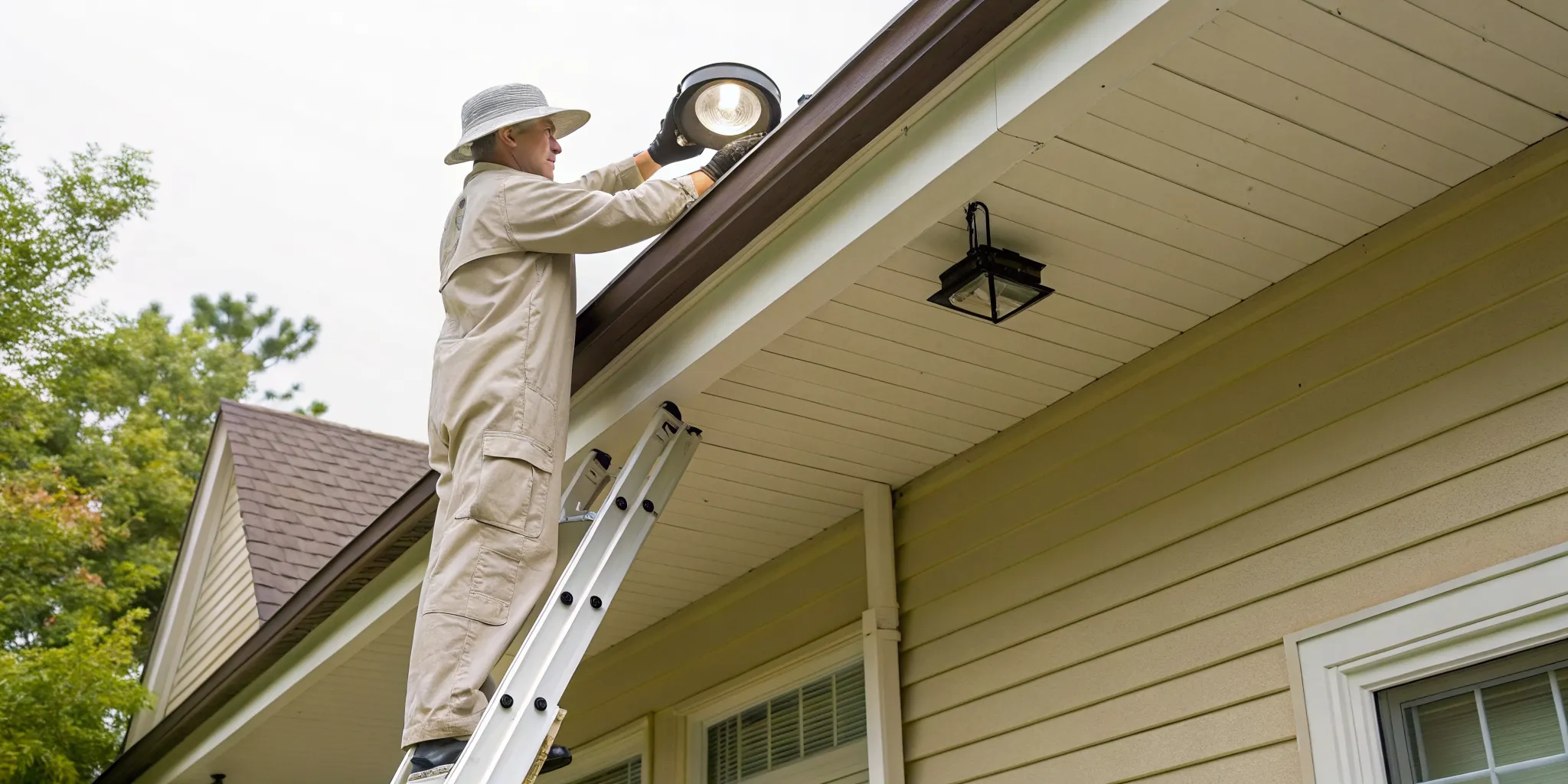
There’s a simple comfort in knowing your home is secure, especially after the sun goes down. Motion-activated lighting is a key part of any modern security plan, acting as a powerful first line of defense. A sudden flood of light is often all it takes to deter a potential intruder, while also making you and your neighbors aware of any unusual movement. But the benefits extend beyond security; these lights make your property safer for your family and guests, automatically lighting up driveways and paths. To ensure your system is effective and reliable, a proper motion sensor light installation in Chester County by a qualified electrician guarantees optimal placement and safe, secure wiring.
Key Takeaways
- Improve security and save on energy costs: Motion sensor lights act as a powerful deterrent for intruders, make walkways safer for your family, and lower electricity bills by only activating when movement is detected.
- Select features based on your property’s needs: Choose the right lights by first identifying key areas like driveways and entryways, then look for practical features like adjustable sensitivity, timers, and durable, weather-resistant construction.
- Always opt for professional installation: To ensure safety and proper function, have a licensed electrician handle the installation. They will manage the wiring correctly, place sensors for the best coverage, and prevent common issues like false alarms.
Why Install Motion Sensor Lights in Chester County?
Adding motion sensor lights to your property is one of the smartest upgrades you can make. It’s a simple change that offers a powerful combination of security, efficiency, and everyday convenience. Whether you’re lighting up a dark driveway in West Chester or securing a backyard in Downingtown, these lights provide peace of mind and practical benefits. They work automatically, lighting up when you need them and saving energy when you don’t. It’s a straightforward solution that enhances how you live in and around your home.
Improve Your Home’s Security and Safety
A well-lit property is a secure property. Motion-activated lights are a fantastic deterrent because they instantly eliminate the cover of darkness that intruders rely on. A sudden, bright light can startle a potential burglar and send them running. It also alerts you and your neighbors to any unexpected activity outside. Beyond security, these lights significantly improve safety for you and your family. Imagine never having to fumble for a light switch with your hands full of groceries again. A lit path from your car to your door helps prevent trips and falls, making your home safer for everyone. It’s a key part of a comprehensive residential electrical safety plan.
Save Energy and Lower Your Bills
Leaving outdoor lights on all night can be a major drain on your electricity bill. Motion sensor lights offer a brilliant solution by only activating when movement is detected. This means you aren’t paying for electricity when no one is around. When you pair motion sensors with energy-efficient LED bulbs, the savings really add up, potentially cutting your lighting energy costs significantly. This smart approach to lighting is not only good for your wallet but also better for the environment. It’s an easy way to make your home more efficient without sacrificing security or visibility. If your current fixtures are outdated, an upgrade can make a big difference.
Enjoy Hands-Free Convenience
There’s a simple, everyday luxury in hands-free lighting. Motion sensor lights provide illumination right when you need it, without you having to lift a finger. Think about pulling into your driveway late at night and having the path to your front door light up automatically. Or when you take the dog out, the yard is instantly illuminated, making the trip safer and easier. This automated convenience removes the small hassle of remembering to turn lights on and off. Professional electrician repairs and installations ensure your sensors are placed perfectly for optimal performance, giving you a seamless, hands-free experience every time you come and go.
What Are the Different Types of Motion Sensor Lights?
Once you decide to add motion sensor lights to your property, you’ll find there are quite a few options to choose from. The best fit for your home depends on where you need illumination and what you want to achieve, whether it’s deterring intruders or just lighting up the walkway to your front door. Getting familiar with the different technologies, power sources, and styles will help you make a confident choice for your home’s security and convenience.
Understanding Sensor Technology
The magic behind motion sensor lights lies in their sensors, and there are a few different kinds. The most common type is the Passive Infrared (PIR) sensor, which detects the heat given off by people and animals. You’ll also find microwave sensors, which send out signals and trigger the light when the signal is disturbed by movement. Some lights use dual-technology sensors that combine both PIR and microwave technology. This combination is great for reducing false alarms, so your lights won’t turn on every time the wind blows a tree branch.
Wired vs. Wireless Options
Motion sensor lights come in two main installation types: wired and wireless. Wired lights are hardwired directly into your home’s electrical system. This creates a reliable, permanent connection that you never have to worry about changing batteries for. Because it involves working with your home’s wiring, this is a job best left to a professional. A qualified electrician can ensure everything is installed safely and correctly, giving you total peace of mind. For a seamless installation, consider getting help from a team that handles residential electric projects. Wireless options, on the other hand, are typically powered by batteries or solar panels, making them easier to install in more places.
Common Fixture Styles
You don’t have to sacrifice style for security. Motion sensor lights are available in a wide range of designs to match your home’s aesthetic. For large areas like driveways or backyards, floodlights are a popular choice because they cast a wide, bright beam of light. If you want to illuminate your front porch or entryway, you can find decorative sconces and lantern-style lights that have motion sensors built right in. There are also smaller, more discreet options like path lights to brighten up walkways and step lights for stairs, ensuring you and your guests can always see where you’re going.
Smart and Solar-Powered Features
Modern motion sensor lights come with some impressive features. Solar-powered models are an excellent, eco-friendly choice, especially for areas of your property that are far from a power source. They charge during the day and light up at night, without adding anything to your energy bill. Smart motion sensor lights connect to your home’s Wi-Fi, allowing you to get notifications on your phone when motion is detected. You can also control them remotely and integrate them with other smart home devices, adding an extra layer of control and security to your home.
How to Choose the Right Motion Sensor Lights
Picking the right motion sensor lights can feel like a big decision, but it really comes down to understanding your space and your goals. With so many options available, from different sensor types to various brightness levels, it’s easy to get overwhelmed. The key is to focus on a few core factors: where you need light, how you want it to behave, and what kind of durability it needs. Thinking through these points will help you find the perfect fixtures to secure your property and make your life a little easier.
Determine Your Coverage Area
Before you even start shopping, take a walk around your property. Where do you need illumination the most? Motion sensor lights are most effective when placed near key entry points like doors, driveways, walkways, and backyards where you expect foot traffic. Think about the dark corners or blind spots that could use some extra light. Mapping out these zones will help you decide how many lights you need and the range each sensor should have. A well-planned layout ensures you have light exactly where you need it, improving both safety and security. For a comprehensive plan, a professional installation can ensure every critical area is covered.
Adjust Sensitivity and Timer Settings
Modern motion sensor lights offer a great deal of control, so you can tailor them to your lifestyle. Sensitivity settings let you adjust how much movement is needed to trigger the light. This is incredibly useful for preventing false alarms from swaying tree branches or neighborhood pets. You can also set a timer to control how long the light stays on after being activated, from a few seconds to several minutes. Some models even include dimmers. Taking the time to fine-tune these settings gives you complete control over your outdoor lighting, balancing security needs with personal preference and preventing annoyances.
Select the Right Brightness and Weather Resistance
When it comes to outdoor lighting, two features are non-negotiable: brightness and durability. Brightness, measured in lumens, should be strong enough to illuminate the area clearly but not so intense that it bothers your neighbors. For weather resistance, especially with Pennsylvania’s varied seasons, look for fixtures rated for outdoor or wet conditions. A quality light will have a proper gasket to protect the internal wiring from moisture, ensuring it works reliably through rain, snow, and humidity. Investing in a durable, weather-resistant fixture means you can count on it to perform for years to come.
Avoid Common Installation Mistakes
Proper installation is just as important as choosing the right light. A common mistake is placing the sensor in a spot where its view is obstructed by columns, trees, or other landscape features. Another pitfall is aiming the sensor directly at a busy street, which can cause it to trigger constantly. The height of the installation also matters; too high or too low can limit the sensor’s detection range. To get the most out of your lights and ensure they are installed safely, it’s always a good idea to get professional help. An experienced electrician can avoid these common issues and make sure your lights work perfectly from day one.
Finding a Professional for Your Motion Sensor Light Installation
While it might be tempting to tackle motion sensor light installation as a weekend project, working with electricity requires a level of expertise that most of us don’t have. Hiring a professional electrician not only guarantees the job is done correctly but also ensures your home and family are safe. A qualified expert can help you choose the right locations, handle all the complex wiring, and make sure your new lights are perfectly calibrated for your property’s needs. It’s a small investment that provides significant peace of mind and ensures your lights function effectively for years to come.
The Importance of an Assessment
Before any installation begins, a professional electrician will perform a thorough assessment of your property. This isn’t just about picking a spot on the wall; it’s a strategic process. They will identify the best places for fixtures, focusing on key areas like entry points, driveways, walkways, and backyards where you need reliable motion detection. An expert eye can spot potential issues you might miss, such as obstructions that could create blind spots or tree branches that might cause false alarms on a windy night. This initial walkthrough ensures your lights provide maximum coverage and security without becoming a nuisance.
Electrical and Safety Requirements
Handling electrical wiring is serious business. A licensed electrician is trained to manage all the technical and safety requirements that come with installing outdoor lighting. They understand local electrical codes and ensure every connection is secure, grounded, and protected from the elements. For anyone unfamiliar with wiring, it’s always best to consult a professional to ensure the safe operation of your lights. A pro will make sure the fixture is installed with a proper gasket to protect it from moisture, preventing short circuits and extending the life of your investment. This focus on safety is the number one reason to leave electrical work to the experts.
How to Find a Qualified Electrician
When looking for an electrician in Chester County, you’ll want to find someone who is licensed, insured, and has a strong local reputation. Start by asking friends and neighbors for recommendations or checking online reviews for trusted companies. A great electrician will be happy to answer your questions and provide a clear plan for your installation. Look for a team that specializes in residential electric services and has a proven track record of quality work in your community. Choosing an established, reliable company ensures you’re getting a technician who is accountable and committed to doing the job right.
What to Expect During Installation
On installation day, a professional will handle every step with precision and care. The process always begins with safety, which means shutting off power to the work area at the circuit breaker. The electrician will then run any necessary wiring, securely mount the new fixture, and ensure it’s perfectly sealed against weather. Once everything is connected, they will restore power and test the light thoroughly. This includes adjusting the motion sensor’s range, sensitivity, and timer settings to match your preferences. They’ll also walk you through how to use your new lights before they leave, making sure you’re completely comfortable with the system.
Related Articles
- Sensor Light Installation in 5 Easy Steps
- The Ultimate Guide to Motion Sensor Light Installation
- How to Add a Motion Sensor to Existing Outdoor Lights
- A Guide to the Best Outdoor Motion Sensor Light Installation
Frequently Asked Questions
Will my pets constantly trigger my motion sensor lights? That’s a very common concern, but thankfully, most modern motion sensor lights are designed with this in mind. They come with adjustable sensitivity settings, which allow you to calibrate the sensor to ignore smaller movements, like your dog running in the yard or a neighborhood cat passing through. A professional can help you fine-tune these settings so the lights activate for people, not for every little critter that wanders by.
What are the most important spots to install motion sensor lights around my home? For the best security and safety, you should focus on key entry and traffic areas. Think about the main paths people take to, from, and around your house. This includes your front and back doors, the driveway, walkways leading to your home, and any dark side yards or patio areas. The goal is to create a perimeter of light that eliminates hiding spots and ensures you always have a clear, illuminated path.
Can I just install wired motion sensor lights myself? While battery-powered options can be a simple DIY project, installing hardwired lights is a job best left to a professional. Working with your home’s electrical system is complex and can be dangerous if you don’t have the proper training. A licensed electrician will ensure the installation is done safely, meets all local codes, and is properly sealed to protect it from the weather, giving you reliable performance and total peace of mind.
Do I have to sacrifice my home’s style for security lighting? Not at all. Security lighting has come a long way from just bulky, industrial-looking floodlights. You can now find motion-activated lights in a wide variety of attractive styles, including decorative sconces, classic lanterns, and sleek, modern fixtures. This means you can easily find an option that complements your home’s architecture while still providing the security and convenience you need.
How do I keep my lights from turning on every time a car drives by? This is usually an issue of placement and aiming. A light that’s constantly triggered by street traffic is likely positioned too high or aimed outward toward the road. The key is to have the sensor focused specifically on your property, such as your walkway or driveway. During a professional installation, an electrician will carefully position and angle the fixture to maximize its detection range on your property while avoiding false triggers from the street.