When the power goes out, everything stops. The lights flicker off, the Wi-Fi dies, and your appliances go silent. A backup generator is the ultimate solution, providing seamless power to keep your life running smoothly. But figuring out where to start can feel overwhelming. Which model is right for your home? What does the installation process actually involve? We’re here to answer those questions. This guide offers clear, straightforward advice on the entire process, from choosing a generator to the final steps of a professional generator installation Horsham. You’ll get the knowledge you need to protect your home with confidence.
Key Takeaways
- Choose the Right Type of Power: Decide if you need seamless, automatic power for your entire home with a standby generator or a more hands-on, portable option to cover just the essentials during an outage.
- Your Installer’s Credentials Matter: Protect your investment by choosing a licensed, insured, and certified Generac dealer with positive local reviews. The right team ensures your installation is safe, compliant with local codes, and reliable.
- Plan for Long-Term Reliability: A generator is more than a one-time purchase; it’s a system that requires proper installation and care. Factoring in professional maintenance and exploring financing options from the start guarantees your generator will be ready for any storm.
Which Generator is Right for Your Horsham Home?
When the power goes out, having a backup plan is essential for keeping your lights on, your family comfortable, and your business running. But with different types of generators available, how do you know which one is right for you? The best choice depends on your specific needs, from powering a few essential appliances to running your entire home without interruption. Understanding the key differences between standby, portable, and inverter generators will help you make a confident decision for your Horsham home.
Think about what you truly need during an outage. Are you looking for a seamless, automatic solution that protects your whole home? Or do you just need to keep the refrigerator cold and your phone charged for a few hours? Each type of generator offers a different level of power, convenience, and protection. As an authorized Generac dealer, we specialize in helping homeowners find the perfect fit for their lifestyle and budget. Let’s walk through the most common options to see which one aligns with your goals for comfort and security, so you’re never left in the dark again. This guide will help you compare the main types so you can feel prepared for whatever the weather brings.
Keep Everything Running with a Standby Generator
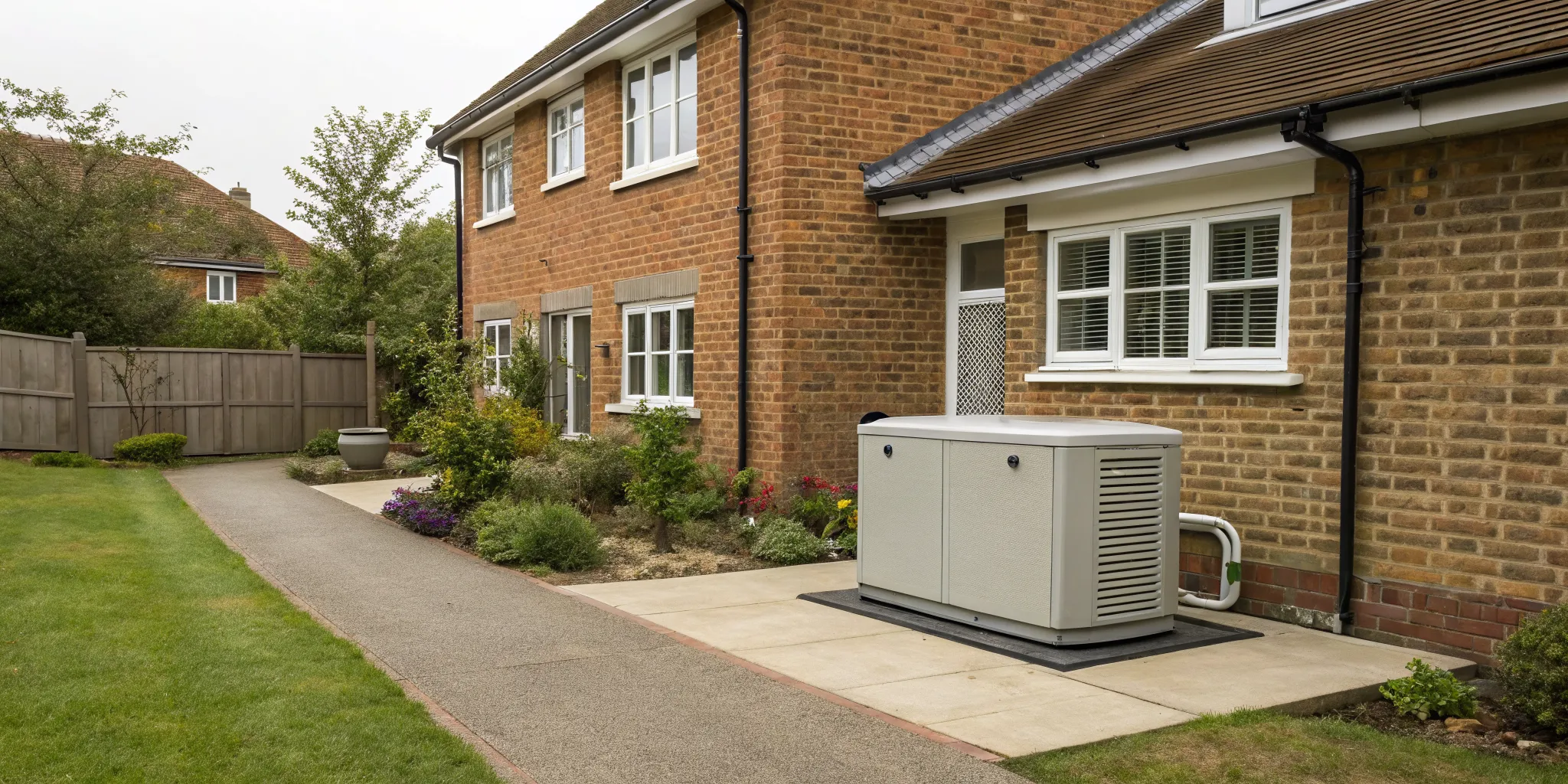
If you want total peace of mind, a standby generator is the ultimate solution. These units are permanently installed outside your home, much like an air conditioning unit, and are connected directly to your home’s electrical system and fuel source (like natural gas or propane). The best part? They work automatically. The moment an outage is detected, your standby generator kicks on within seconds, restoring power to your entire home. You don’t have to do a thing.
This means your lights, heating and cooling systems, refrigerator, and medical equipment will continue to run without a hitch. A residential standby generator installation provides uninterrupted comfort and protection, so you can carry on with life as usual, no matter the weather. It’s a hands-off, reliable system that ensures your home remains a safe and comfortable space during any power failure.
Portable Generators: Power When You Need It Most
Portable generators are a more hands-on, temporary solution for power outages. Because they aren’t permanently installed, you have to wheel them out, start them up, and connect them to your appliances using heavy-duty extension cords. While they are less expensive upfront, they require more work during a stressful situation. You’ll also need to store fuel safely and be prepared to refuel the unit, sometimes in the middle of a storm.
While portable generators can power a few essentials like a refrigerator or some lights, they typically don’t have the capacity to run your whole home. They are also much louder than standby models and produce fumes, so they must be operated a safe distance from your house. For short-term, basic power needs, a portable unit can work, but it doesn’t offer the same reliability or convenience as an automatic standby system.
A Critical Warning on Portable Generator Safety
While a portable generator can be a lifesaver in a pinch, it’s crucial to know that using one incorrectly can be incredibly dangerous. The single most important rule is to never, ever run a portable generator indoors—not in your house, your garage, or even a shed. They produce carbon monoxide (CO), a poisonous gas that’s completely odorless and invisible, which makes it a silent threat. To keep everyone safe, always operate your portable generator outside in a well-ventilated area, making sure it’s at least 20 feet away from any doors, windows, or vents. It’s also important not to overload the unit with too many appliances. Always store its fuel in a safe, approved container away from your home, and never refuel a generator while it’s running—let it cool down completely first. If you have any questions about safely connecting a power source to your home, it’s always best to consult a professional for advice on electrical repairs and proper setup.
Inverter Generators: Safe Power for Your Electronics
Inverter generators are a special type of portable generator designed to produce “clean” electricity. This means they create a stable electrical current that is safe for sensitive electronics like laptops, smartphones, and modern TVs. A standard portable generator can sometimes produce power fluctuations that might damage these delicate devices, but an inverter generator smooths out the power flow, making it a much safer choice for your tech.
These generators are also known for being quieter and more fuel-efficient than their conventional counterparts. They are a great option for camping, tailgating, or powering a few specific items during an outage. However, like other portable models, they have a limited power output and aren’t designed to handle the needs of an entire household. They offer excellent device protection but don’t provide the comprehensive, automatic backup of a standby unit.
Understanding Your Fuel Source Options
Once you’ve decided on the type of generator that best suits your needs, the next important consideration is its fuel source. The fuel you choose impacts everything from convenience and running costs to how long your generator can operate during an extended outage. For standby generators, the choice typically comes down to natural gas or propane, each with its own set of benefits. Portable units, on the other hand, usually run on gasoline or diesel. Understanding these differences is key to ensuring your backup power system is as reliable and efficient as possible when you need it most.
Natural Gas vs. Propane for Standby Generators
Standby generators are designed for convenience, and their fuel sources reflect that. The two main options are natural gas and liquid propane (LP). If your home already has a natural gas line, a Generac generator can be connected directly to it, providing a continuous and reliable fuel supply without any need for refueling. This is often a cost-effective choice. Alternatively, propane is an excellent option, especially for homes without access to natural gas. Propane is stored in a tank on your property and has a higher energy density, meaning it packs more power per gallon. It also has a long shelf life, so you can be confident it will be ready to go whenever an outage strikes.
Gasoline and Diesel for Portable Power
Portable generators rely on fuels that you have to manage yourself, most commonly gasoline or diesel. While these fuels are widely available, they require careful planning. You’ll need to keep a fresh supply safely stored on your property and be prepared to refuel the generator manually, which can be a challenge during a storm. Unlike the seamless operation of a standby unit, portable generators demand more active involvement. They are a practical choice for powering a few essential items for a short period, but they don’t offer the automated, whole-home protection that defines a permanent backup power system. This hands-on approach is a key trade-off for their lower initial cost and portability.
Your Checklist for Choosing a Horsham Generator Installer
Choosing the right generator is only half the battle; finding the right team to install it is just as important. A great installer ensures your system runs safely and efficiently from day one and provides support for years to come. You’re not just buying a piece of equipment, you’re investing in a long-term relationship with a local expert who will be there when you need them most. To make sure you find a trustworthy partner for your Horsham home, look for a team that checks all the right boxes. A little research upfront can give you peace of mind for every storm season ahead.
First Things First: Check for a License and Insurance
First things first, any installer you consider must be licensed and insured. This isn’t just a formality, it’s your primary protection as a homeowner. A license proves they meet state and local requirements for electrical work, while insurance protects you from liability in case of an accident on your property. A professional company will be upfront about their credentials because it shows they are committed to high standards and stand behind their work. This ensures your generator installation will be done correctly and safely, adhering to all local codes.
Ask About Their Generac Experience
Not all generators are the same, and you want an installer who specializes in your chosen brand. If you’re investing in a Generac, find a certified Generac dealer. These technicians have specific training and deep experience with Generac systems, from selecting the right size for your home to understanding the specific wiring and fuel connection requirements. An expert who knows the equipment inside and out can offer better advice, perform a cleaner installation, and troubleshoot any issues more effectively down the road. Their specialized knowledge is key to getting the most out of your investment.
What Are Your Neighbors Saying? Check Reviews
You can learn a lot about a company from what your neighbors are saying. Before making a decision, check online reviews and testimonials from other homeowners in the Horsham area. Look for consistent feedback about professionalism, timeliness, and the quality of the work. A strong local reputation is built on trust and reliable service over many years. A company with deep roots in the community and a team of dedicated professionals, like the folks at M.T. Ruhl, is more likely to provide the excellent service you deserve.
Will They Be There for an Emergency?
Power outages rarely happen at a convenient time. That’s why it’s so important to choose an installer who offers emergency support. Ask potential installers about their availability for after-hours or weekend service calls. Knowing you have a reliable expert to turn to if your generator has an issue during a major storm provides invaluable peace of mind. A company that offers generator service and repair around the clock shows a true commitment to its customers’ safety and comfort, long after the initial installation is complete.
Get Clear on Warranties and Ongoing Support
A generator is a long-term investment in your home’s security, and your relationship with your installer should be long-term, too. Be sure to ask about the warranties on both the equipment and the installation labor. A reputable installer will also offer ongoing support options to keep your system in top shape. Proactive generator maintenance is essential for ensuring your generator is ready to go the moment you need it. Understanding these support plans upfront helps you protect your investment and guarantees your generator will be reliable for years to come.
Why Professional Installation is Non-Negotiable
While tackling a home improvement project yourself can be incredibly satisfying, installing a standby generator is one job that should always be left to the professionals. This isn’t just about convenience; it’s about ensuring the safety of your family, protecting your home, and making sure your significant investment works correctly when you need it most. A generator is a complex piece of machinery that integrates directly with your home’s most critical systems—its electrical panel and fuel lines. Getting it wrong can have serious consequences, which is why a professional installation isn’t just a recommendation, it’s a necessity.
Protecting Your Manufacturer’s Warranty
Your new Generac generator comes with a manufacturer’s warranty, which is your safety net against defects and malfunctions. However, this warranty is often contingent on the unit being installed according to the manufacturer’s exact specifications. A DIY installation, or one performed by an uncertified individual, can easily miss a critical step or violate a requirement, instantly voiding your coverage. If something goes wrong later, you could be on the hook for costly repairs. By working with a certified Generac dealer, you can be confident that every guideline is followed, keeping your warranty fully intact and protecting your investment for its entire lifespan.
Avoiding the Dangers of DIY Installation
Installing a generator involves working with high-voltage electricity and a direct fuel source, a combination that can be extremely dangerous without proper training. The risks of a DIY installation are severe and include electric shock, fires from improper wiring, fuel leaks, and even deadly carbon monoxide poisoning if the unit is placed incorrectly. A professional installer understands the complex electrical work and the local codes that govern a safe residential standby generator installation. They ensure your generator is positioned at a safe distance from your home, properly ventilated, and securely connected to both your electrical and fuel systems, eliminating the hazards and giving you true peace of mind.
What Happens on Installation Day?
Getting a generator installed is a straightforward process when you work with a professional team. While every home is a bit different, the core steps are generally the same. Knowing what’s coming helps you prepare and feel confident from the initial consultation to the final system test. A quality installation ensures your generator will be ready to protect your home the moment you need it. The entire process is designed to be thorough, safe, and tailored to your specific power needs.
Our goal is to handle all the technical details so you can enjoy the peace of mind that comes with having a reliable Generac generator. We manage the project from start to finish, keeping you informed along the way. A professional installation is about more than just placing a piece of equipment; it’s about integrating a complex system into your home’s electrical and fuel lines safely. This protects your investment, ensures your warranty remains valid, and guarantees the generator will perform as expected during an emergency. We take care of everything from site prep to final testing, so you don’t have to worry about coordinating multiple contractors or understanding complex local codes. Here’s a step-by-step look at what a typical installation involves.
Understanding the Full Installation Timeline
When you decide to invest in a generator, one of the first questions is usually, “How long will this all take?” It’s helpful to know that a professional installation is a thoughtful process, not a one-day job. The entire timeline, from our first conversation to your fully operational system, typically spans several weeks. This isn’t because the work is slow; it’s because every step is handled with care to ensure your generator is installed safely and meets all local codes. This careful planning includes securing permits, preparing the site, and coordinating all the moving parts for a seamless installation day.
A significant portion of the timeline involves behind-the-scenes preparation. Before we can even break ground, we need to secure the necessary permits, and the timeline for this can vary depending on your specific township within our service areas. We handle this entire process for you. During this time, we also prepare the site by installing a sturdy base for the generator and coordinating with your fuel provider to ensure the gas line is ready. This meticulous prep work is the foundation of a successful residential standby generator installation and is key to making the final installation day run smoothly and efficiently.
Once the permits are approved and the site is prepped, the actual installation is surprisingly quick—often completed in just one day. Our certified technicians will arrive to set the generator in place, connect it to the fuel source, and wire it into your home’s electrical system with an automatic transfer switch. We then run a full system test to confirm everything is working perfectly, so you can be confident it will perform flawlessly during the next outage. This thorough process ensures your investment is protected and ready to provide reliable power for years, especially when paired with a solid generator maintenance plan.
Step 1: The On-Site Consultation
The first step is a conversation at your home. During this initial site assessment, we’ll walk your property with you to find the best location for the generator. We’ll discuss important factors like the fuel source (natural gas or propane), any specific site preparations needed, and local code requirements. If you live in a community with a homeowner’s association (HOA), we’ll also review their rules to ensure the placement is compliant. This meeting is the perfect time to ask questions and make sure the residential standby generator installation plan fits your home perfectly.
Step 2: Handling Permits and Local Codes
Proper permits are a critical part of any generator installation. Townships like Horsham have specific regulations and codes to ensure all work is done safely and correctly. A professional installer will handle the entire permitting process for you. This includes submitting the necessary paperwork and coordinating any required inspections. By managing these local requirements, we make sure your installation is fully compliant with all building and electrical codes. This saves you the headache of dealing with municipal paperwork and gives you confidence that the job is done right from the very beginning.
Step 3: Placing the Generator and Hooking Up Fuel
Once the permits are approved, the physical installation begins. First, we prepare a stable, level base for the generator, which is typically a concrete slab or a bed of gravel. This foundation prevents the unit from shifting and ensures it runs smoothly. Next, a licensed plumber will connect the fuel line from your home’s natural gas or propane supply directly to the generator. This provides the dedicated fuel source the generator needs to run automatically during an outage, so you never have to worry about refueling it in the middle of a storm.
A Pro Tip for Smart Placement
Here’s a pro tip: where you place your generator is just as important as which one you choose. It’s not just about finding a clear spot in your yard. The right location is a careful balance of safety, efficiency, and convenience. A professional installer will map out a spot that complies with all local codes, keeping the unit a safe distance from windows and vents to prevent exhaust from entering your home. They’ll also consider its proximity to your fuel and electrical lines to ensure a clean, efficient connection. Plus, a well-placed generator is easy to access for routine generator maintenance, which is key to making sure it runs reliably for years. It’s a strategic decision that a certified team will handle to protect both your home and your investment.
Step 4: Installing the Automatic Transfer Switch
The automatic transfer switch (ATS) is the brain of your generator system. Our certified electricians will install this device next to your home’s main electrical panel. The ATS constantly monitors the power coming from the utility. The moment it detects an outage, it automatically disconnects your home from the utility line and signals the generator to start. Once the generator is running, the ATS safely transfers your home’s electrical circuits to generator power. This seamless transition happens in seconds, whether you’re home or away, ensuring your essential appliances keep running without interruption.
Step 5: The Final Test and Your Personal Walkthrough
Before we consider the job complete, we conduct a full system test. We simulate a power outage to verify that the generator starts, the transfer switch operates correctly, and your home receives power as expected. After confirming everything works perfectly, we’ll walk you through the entire system. We’ll show you how the generator operates, what the indicator lights mean, and answer any final questions you have. We’ll also discuss the importance of routine Generac maintenance to keep your investment in top condition for years to come.
Planning and Paying for Your Generator Installation
Once you’ve chosen the right generator and a trusted installer, the final steps involve planning the logistics and financials. A standby generator is a significant investment in your home’s safety and comfort, and thinking through the details ahead of time ensures a smooth process from start to finish. By breaking down the financing, scheduling, and future upkeep, you can feel confident and prepared for installation day and beyond. Let’s walk through how to handle these final pieces of the puzzle.
Breaking Down the Cost of a Standby Generator
Understanding the cost of a standby generator involves looking beyond the price tag of the unit itself. The total investment covers the generator, the automatic transfer switch, and the professional installation that ties it all together. Think of it as a complete power security system for your home. While the physical installation might only take a day, the entire process includes careful planning, site preparation, and securing the right permits to ensure everything is safe and up to code. This comprehensive approach guarantees your generator will work flawlessly when you need it most, providing lasting value and peace of mind for years to come.
The Generator Unit
The generator itself is the heart of your backup power system, and its cost is primarily determined by its power capacity, which is measured in kilowatts (kW). The more kilowatts a generator has, the more of your home it can power during an outage. A smaller unit might cover essential circuits like your refrigerator and a few lights, while a larger one can run your entire home, including central air conditioning. Choosing the right size is crucial; you don’t want to pay for more power than you need, but you also don’t want to be left without it. A professional consultation will help you assess your home’s specific needs to find the perfect Generac generator for your lifestyle.
Installation Labor and Site Preparation
Professional installation is essential for ensuring your generator operates safely and reliably. This part of the cost covers the skilled labor of certified electricians and plumbers who handle the complex connections. Before the generator is even set down, the site needs to be prepared with a stable, level pad, usually made of concrete or gravel. Then, the team will run the electrical wiring from the generator to your home’s main panel and connect the fuel line to your natural gas or propane source. This expert handling of the residential standby generator installation protects your home, your warranty, and your investment.
The Automatic Transfer Switch and Permits
The automatic transfer switch (ATS) is the brain of your generator system, and it’s a key component of the overall cost. This smart device is installed next to your electrical panel and constantly monitors the power from the utility company. The instant it detects an outage, it safely disconnects your home from the grid and signals the generator to turn on, seamlessly transferring power in seconds. Additionally, every installation requires local permits to ensure it meets safety codes. A professional installer manages this entire process for you, handling the paperwork and inspections so you can be confident the job is done right.
How Home Size Affects Generator Costs
The size of your home and your power needs are the biggest factors influencing the cost of your generator. A mid-size unit, often in the 20 to 22 kW range, is typically a great fit for homes between 2,000 and 3,500 square feet and can power most of your appliances and systems. If you have a larger home or want to ensure everything runs without compromise—including multiple air conditioning units—you might need a generator that’s 26 kW or more. An expert assessment will help you decide what you want to power during an outage, ensuring you get the right unit for your home. And since this is a major home improvement, exploring options like Generac financing can make the investment more manageable.
Making it Affordable with Payment Plans
A whole-home generator provides invaluable peace of mind, but it’s also a major home upgrade. The good news is you don’t have to pay for it all at once. Many homeowners take advantage of flexible payment options to make the investment more manageable. We believe everyone deserves to feel secure during a power outage, which is why we offer straightforward Generac financing solutions. Exploring these plans allows you to get the protection you need now while spreading the cost over time, fitting it comfortably into your household budget without delay.
Ready to Go? Get on the Schedule
With your financing in place, it’s time to get your installation on the calendar. Your installer will coordinate the best day and time with you. A typical residential standby generator installation involves careful placement of the unit, usually near your home’s fuel supply and electrical panel. The team will handle all the technical aspects, from preparing the site and setting the generator to connecting the fuel and installing the automatic transfer switch. They will work efficiently to get your system up and running with minimal disruption to your daily routine.
Don’t Forget About Future Maintenance
Your generator is like any other major appliance in your home; it needs regular care to perform its best when you need it most. Factoring in a budget for ongoing upkeep is a critical part of your plan. Routine Generac maintenance is minimal but essential for ensuring your system is always ready for an outage. A skilled technician will perform periodic checks, change the oil, and inspect key components. This proactive approach not only extends the life of your generator but also prevents unexpected issues, guaranteeing it will start up reliably the moment the power goes out.
What a Regular Maintenance Schedule Looks Like
Think of your generator’s maintenance schedule like a regular health check-up. It’s a simple, proactive way to ensure everything is in perfect working order before you actually need it. During a routine service visit, a certified technician will typically change the oil and filter, inspect the battery, check fluid levels, and clean the enclosure. They’ll also run a diagnostic test to confirm the unit starts properly and the transfer switch is communicating correctly with your home’s electrical system. This preventative care is the key to reliability, catching small issues before they can become major problems during a storm. Regular maintenance ensures your generator will be ready to perform flawlessly the moment an outage occurs.
The 80% Rule for a Longer Lifespan
To keep your generator running efficiently for years, it’s helpful to follow the 80% rule. This guideline suggests that you should consistently operate your generator at or below 80% of its total power capacity. Pushing any machine to its absolute limit for extended periods can cause unnecessary strain, leading to overheating and premature wear. By staying within this 80% sweet spot, you give the engine plenty of breathing room to handle power demands without being overworked. This simple practice helps extend the lifespan of your Generac generator, improves its fuel efficiency, and ensures it operates safely, protecting both the unit and the appliances it’s powering.
Budgeting for Annual Service Plans
Just as you budget for other home maintenance tasks, setting aside funds for an annual generator service plan is a smart way to protect your investment. These plans are designed to make upkeep simple and predictable, covering the essential checks and services needed to keep your system in peak condition. A typical plan includes scheduled visits from a technician who will handle everything from oil changes to system diagnostics. By enrolling in a service plan, you ensure that your generator receives consistent, professional care without having to remember to schedule it yourself. This proactive approach to generator service is the most effective way to guarantee reliability and extend the life of your unit.
The Long-Term Value of a Standby Generator
A standby generator is more than just a convenience; it’s a powerful investment in your home’s security, functionality, and overall value. Beyond the immediate benefit of keeping the lights on during a storm, it provides a crucial shield against the hidden costs and dangers of a power outage. Think about the critical systems in your home: a generator keeps your sump pump running to prevent a flooded basement, ensures your security system stays online to protect your property, and maintains your heating and cooling to keep your family safe from extreme temperatures. In an age where many of us work or learn from home, uninterrupted power and internet access are no longer luxuries—they’re necessities. A generator protects your productivity and connectivity, preventing lost work and disruptions to daily routines. It also saves you from the expense of spoiled food, the cost of a last-minute hotel stay, or the potential damage to sensitive electronics from sudden power surges when the grid returns. This single upgrade transforms your house into a true sanctuary, offering the ultimate peace of mind and ensuring that life continues smoothly, no matter what the weather brings.
Increasing Your Home’s Resale Value
Investing in a standby generator not only provides peace of mind during outages but also enhances your home’s resale value. In regions like Southeastern Pennsylvania where storms can cause frequent power interruptions, having a reliable backup power source is a significant selling point for potential buyers. A whole-house generator is a major upgrade that makes your home more attractive, helping it stand out in a competitive market. This feature signals that a home is well-maintained and prepared for anything, which can lead to a faster sale and a better price. It’s a practical improvement that offers a tangible return on your investment when it’s time to sell your home.
Related Articles
- Standby Generator vs Battery Backup: Which to Choose?
- Generator Installation Chester County: A Complete Guide
- 5 Reasons a Whole House Generator is a Good Investment
Frequently Asked Questions
Is a standby generator really that much better than a portable one? While a portable generator can power a few things in a pinch, a standby generator is a completely different solution. It’s a permanent, hands-off system that restores power to your entire home automatically within seconds of an outage. You don’t have to worry about finding it in the dark, running extension cords through your house, or refueling it in the middle of a storm. It’s an investment in seamless comfort and true peace of mind.
How do I know what size generator my home needs? You don’t have to figure this out on your own. During the initial site assessment, a professional will perform a load calculation to determine your home’s specific power requirements. They will look at everything from your air conditioning and heating systems to your refrigerator and well pump to recommend a generator size that can comfortably handle all your essential circuits without risk of overload.
Will the generator turn on by itself if I’m away from home? Yes, that’s the best part. The automatic transfer switch, which is the brain of the system, constantly monitors the power from the utility company. The moment it detects an interruption, it automatically starts the generator and transfers power to your home. This all happens within seconds, so your home is protected whether you are there or not.
How long does the installation process usually take? A typical residential generator installation can usually be completed in a single day. This timeline can vary slightly based on the specific layout of your property and the complexity of the electrical and fuel line connections. Your installer will provide a clear and accurate schedule after the initial site visit so you know exactly what to expect.
What kind of maintenance does a standby generator require? Just like your car, your generator needs a little routine care to stay in top shape. We recommend an annual maintenance visit from a certified technician. During this service, they will change the oil and filter, inspect the battery, and run a full system diagnostic to confirm everything is ready for the next outage. This proactive care is the key to ensuring your generator will be reliable for years to come.