The true cost of a power outage is more than just spoiled food in the freezer. It’s a flooded basement because the sump pump failed or, even worse, burst pipes from a winter storm. These are the expensive headaches that come with losing power. While a portable generator means you’re stuck fumbling in the dark and rain, a whole-home system is different. It’s a smart investment that automatically protects your property, keeping essential systems running and preventing costly damage. For homeowners, a standby generator in Glenside isn’t a luxury—it’s peace of mind for your biggest asset.
Key Takeaways
- True Peace of Mind is Automatic: A professionally installed standby generator works on its own, sensing an outage and restoring power in seconds. This hands-off operation ensures your home’s critical systems are always protected, whether you’re home or away.
- Your Home’s Needs Determine the Right Generator: The right generator size isn’t based on square footage alone; it’s calculated by which appliances and systems you want to power. A professional load calculation is the only way to ensure you get a system that’s perfectly matched to your lifestyle.
- Installation is Just the Beginning: Your generator is a long-term investment that requires professional care to remain reliable. Partnering with an experienced local team ensures a safe, compliant installation and provides access to routine maintenance that keeps your system ready for any storm.
Is a Standby Generator a Smart Move for Your Glenside Home?
Living in Glenside, we’re no strangers to unpredictable weather. From summer thunderstorms that roll in with little warning to winter ice storms that weigh down power lines, losing electricity is more than just a minor inconvenience—it can disrupt our lives for hours or even days. A standby generator isn’t just about luxury; it’s about maintaining safety, comfort, and a sense of normalcy when the grid goes down. It’s the peace of mind that comes from knowing your family is protected, your home is secure, and life can continue uninterrupted, no matter what the weather brings.
A whole-home generator quietly waits in the background, ready to take over the moment you need it. Unlike portable generators that require manual setup in the middle of a storm, a standby unit works automatically, restoring power to your home within seconds of an outage. This means your lights stay on, your refrigerator keeps running, and your HVAC system maintains a comfortable temperature. It’s a seamless transition that protects your home and family from the moment the power goes out until it’s safely restored. Investing in a Generac generator is a practical step toward ensuring your home remains a safe haven, allowing you to work from home, keep the kids entertained, and go about your day without missing a beat.
How Does an Automatic Standby Generator Work?
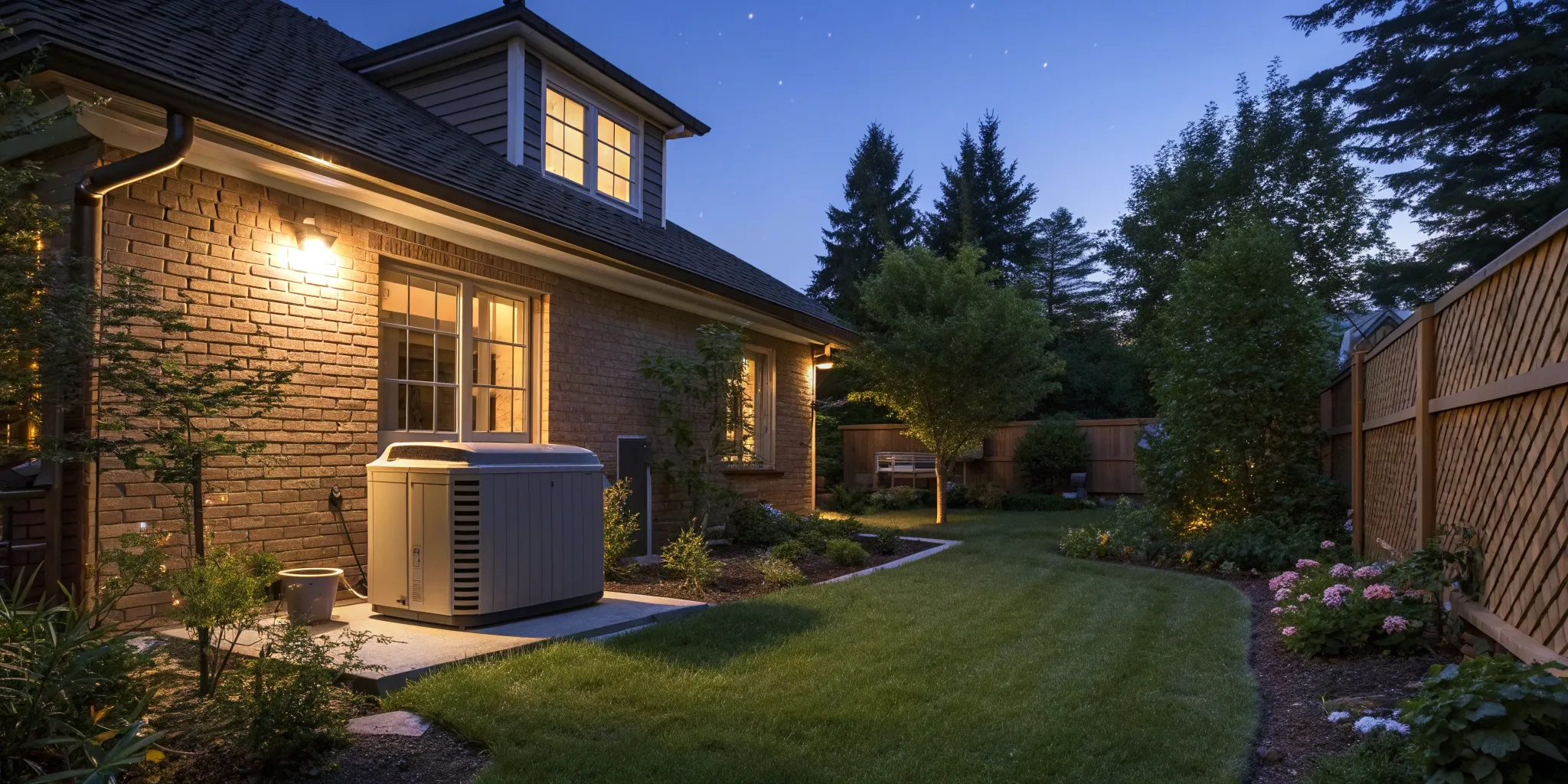
Think of a standby generator as your home’s personal power plant. It’s permanently installed outside your house, much like an air conditioning unit, and is wired directly into your electrical panel. The system includes an automatic transfer switch, which is the real brains of the operation. This switch constantly monitors the flow of electricity from the utility company. The second it detects an interruption, it automatically disconnects your home from the grid and signals the generator to start. Within seconds, the generator is up to speed and begins supplying power to your home. You don’t have to do a thing. This hands-off process ensures a seamless residential standby generator installation provides power even if you’re away from home.
Power Outages in Southeastern PA: Are You Prepared?
Power outages in our region can be caused by anything from a fallen tree branch to a major storm, and they often last longer than we expect. An extended outage can mean spoiled food, a flooded basement if your sump pump fails, and the inability to work from home or keep your family comfortable. A standby generator provides reliable backup power to get you through these situations. Models that run on natural gas can operate for as long as the utility supply remains stable, making them perfect for prolonged outages. It’s about more than just convenience; it’s about ensuring your home remains fully functional and secure when you need it most.
More Than Just Lights: How a Generator Protects Your Home
The value of a standby generator extends far beyond simply powering your lights and electronics. It’s a crucial tool for protecting your home’s essential systems. During a winter outage, a generator keeps your furnace running, preventing pipes from freezing and bursting—a repair that can cause thousands in damages. In the summer, it keeps your air conditioning on and your sump pump working to prevent water damage. A generator also provides the stable, clean power needed to run sensitive medical equipment and keeps your security system active. This continuous power gives you invaluable peace of mind, knowing your home and family are protected from the costly and stressful consequences of a power loss. Proper generator service and repair ensures it’s always ready.
How to Choose the Best Standby Generator Brand
When you decide to invest in a standby generator, you’re not just buying a piece of equipment; you’re buying peace of mind. The brand you choose plays a huge role in how reliable that peace of mind will be. After more than 25 years of installing and servicing generators for families and businesses across Southeastern Pennsylvania, we’ve seen which brands stand up to harsh weather and high demands.
That’s why we’ve built our reputation on one name in particular. We believe in providing solutions that are dependable, efficient, and built for the long haul. For us, that means recommending a brand that has consistently proven its worth, not just in performance but also in long-term support and innovation. When the power goes out, you need a system you can count on without a second thought.
Why We Recommend Generac Generators
We exclusively install Generac generators because we trust their quality and durability. These machines are designed to run for extended periods, but just like any hardworking engine, they need proper care to perform their best. Generac understands this, building units that are not only powerful but also serviceable, ensuring they can protect your home for years to come. Our experience has shown that a well-maintained Generac is one of the most reliable investments a homeowner can make for their family’s comfort and safety. We don’t just sell them; we trust them in our own communities.
What Makes Generac a Reliable Choice?
The real magic of a whole-home generator is that it works automatically the moment you lose power. You don’t have to do a thing. Generac excels at this seamless transition, providing reliable backup electricity to your entire home, from the refrigerator to your home office. This isn’t just about keeping a few lights on; it’s about maintaining your normal life without interruption. Whether it’s a summer thunderstorm or a winter ice storm, a Generac generator ensures your home remains a safe, comfortable, and fully functional space. This level of performance is why so many homeowners choose a professional residential standby generator installation.
Exclusive Generac Features
Generac has become a leader in home backup power by focusing on features that provide real-world benefits. It’s not just about making a machine that turns on when the power goes out; it’s about creating a system that is smart, quiet, and built to last. These exclusive features are designed to give you a seamless experience and complete confidence that your home is protected. From remote monitoring on your phone to technology that safeguards your most sensitive electronics, every detail is engineered with the homeowner in mind. These innovations are what set Generac apart and make it a brand we trust for our customers.
Mobile Link™ Wi-Fi Connectivity
One of the most practical features Generac offers is its Mobile Link™ Wi-Fi Connectivity. This isn’t just a fancy add-on; it’s a tool that gives you real-time information about your generator’s status directly on your smartphone, tablet, or computer. Imagine being on vacation and receiving an alert that the power is out back home, followed by another notification that your generator has kicked on and everything is running smoothly. That’s the kind of assurance Mobile Link™ provides. It comes standard on Guardian Series models, allowing you to check maintenance schedules, review performance history, and receive alerts from anywhere in the world. This level of control and transparency is a game-changer for homeowners who want to stay connected and confident in their home’s protection.
Quiet-Test™ Self-Test Mode
A generator needs to run periodic self-tests to ensure it’s ready for an emergency, but that doesn’t mean it has to disrupt your peace and quiet. Generac’s Quiet-Test™ self-test mode is designed to be as unobtrusive as possible. Instead of running at full speed, the generator operates at a lower, quieter RPM during its weekly test cycle. This significantly reduces the noise level, so you—and your neighbors—will barely notice it’s running. It’s a thoughtful feature that demonstrates Generac’s focus on the homeowner experience. The system performs its necessary checks without causing a disturbance, confirming it’s prepared for an outage while letting you enjoy the tranquility of your home. Regular generator maintenance combined with this feature ensures peak readiness.
True Power™ Technology for Sensitive Electronics
In today’s homes, we rely on a lot more than just lights and appliances. Laptops, smart TVs, and other sensitive electronics are part of our daily lives, and they require clean, stable electricity to function properly. Generac’s True Power™ Technology is engineered to provide just that. It delivers utility-grade power with less than 5% total harmonic distortion, which is a technical way of saying it produces a smooth, consistent electrical current. This protects your valuable electronics from the power surges and fluctuations that can cause damage, a key concern for any modern home’s electrical system. It’s an essential feature for ensuring that everything from your home office setup to your entertainment system runs safely and reliably when you’re on generator power.
Durable G-Force Engines
The heart of any generator is its engine, and Generac builds its G-Force engines specifically for the demanding job of providing backup power. Unlike some brands that use repurposed engines, the G-Force is a purpose-built, pressure-lubricated engine designed for long-term reliability and less frequent maintenance. This robust construction means it can handle the rigors of running for extended periods during a prolonged outage without skipping a beat, reducing the need for frequent generator service and repair. For homeowners, this translates to greater dependability and lower long-term ownership costs. Knowing your generator is powered by an engine built for this exact task provides an extra layer of confidence that it will be ready to perform when you need it most.
Comparing Generac to Other Brands
While there are several generator brands available, they aren’t all created equal. When you’re making a significant investment in your home’s security, it’s important to look beyond the price tag and consider the features, reliability, and long-term support that come with your purchase. As a team that has spent years in the field, we’ve had firsthand experience with various systems and have seen which ones consistently deliver on their promises. We focus on solutions that provide our customers with genuine, lasting peace of mind. This means choosing a brand that not only performs well out of the box but also offers innovative features and a solid track record of durability.
Generac vs. Briggs & Stratton
When homeowners compare standby generators, Briggs & Stratton is a name that often comes up alongside Generac. While both are established brands, Generac often stands out due to its focus on user-centric features designed specifically for home backup power. For example, the Mobile Link™ remote monitoring comes standard on many Generac models, offering a level of convenience and control that is often an expensive add-on for other brands. Furthermore, Generac’s purpose-built G-Force engines are engineered for the specific demands of a generator, contributing to their reputation for reliability. These thoughtful details and robust engineering are key reasons why we confidently recommend a Generac generator for protecting your home.
Warranty Considerations
A strong warranty is a reflection of a manufacturer’s confidence in its product, and it’s a critical part of your investment. Generac offers comprehensive warranty options that cover parts and labor, giving you protection against unexpected issues. This commitment to standing behind their equipment ensures that your generator is not just a purchase but a long-term security solution for your home. When you’re considering different brands, always look closely at the warranty details. A solid warranty, combined with a plan for regular professional maintenance, is the best way to ensure your generator remains a reliable asset for many years to come. It’s a crucial piece of the puzzle when planning your home’s power security, and flexible financing options can make this investment even more manageable.
Enjoy Automatic Power and Better Fuel Efficiency
One of the standout features of any Generac system is the Automatic Transfer Switch (ATS). This is the brain of the operation. The ATS constantly monitors the power coming from the utility line. The second it detects an outage, it automatically disconnects your home from the grid and signals the generator to start, restoring power in seconds. These generators run efficiently on your home’s existing natural gas or liquid propane (LP) supply, so you never have to worry about refueling. This combination of smart technology and fuel efficiency makes Generac a practical, hands-off solution for any homeowner.
What to Look for When Buying a Standby Generator
Once you’ve decided a standby generator is right for you, the next step is figuring out which one. It’s about more than just picking a model; it’s about finding a system that fits your home, your lifestyle, and your priorities. Think of it like choosing a major appliance—you want something reliable that does exactly what you need it to do. Let’s walk through the key features to consider so you can feel confident in your choice.
How to Match Generator Power to Your Home’s Needs
The first thing to consider is size, or power output, which is measured in kilowatts (kW). This determines how much of your home the generator can power during an outage. For example, a typical 2,000-square-foot house might need a Generac generator between 22 kW and 30 kW. But square footage is only part of the story. The real question is: what do you want to keep running? Do you just need the essentials like the refrigerator, sump pump, and a few lights, or do you want a whole-home solution that powers your air conditioning, oven, and home office without interruption? A professional assessment will help you find the perfect balance.
Understanding Generator Power Ranges (8kW to 60kW)
Generator power is measured in kilowatts (kW), and this number tells you how much electricity the unit can produce. Think of it as the generator’s engine size. A smaller 8 kW to 20 kW generator is often perfect for covering the essentials—keeping your refrigerator cold, the sump pump running, the furnace on, and a few lights and outlets working. This is a great option if you want to protect your home from the most common outage-related problems. On the other hand, larger generators in the 30 kW to 60 kW range provide a complete whole-home solution. These powerful units can handle everything at once, including central air conditioning, electric ovens, and all your electronics, so life continues without any compromises. The key is that the right size isn’t about your home’s square footage; it’s about your power needs. A professional load calculation is the only way to ensure your residential standby generator installation is perfectly matched to your lifestyle.
Natural Gas vs. Propane: Which Fuel Is Right for You?
Standby generators typically run on either natural gas or liquid propane (LP). If your home already has a natural gas line, that’s often the most convenient option. The generator connects directly to it, providing a continuous fuel source that can run as long as the gas supply is stable. If you don’t have access to natural gas, propane is an excellent alternative. The fuel is stored in a tank on your property, which we can help size correctly for your needs. The generator will run until the tank is empty, so you’ll just need to plan for refills. The best choice really depends on what’s available at your home.
Propane Fuel Consumption Rates
How much propane your generator uses depends on two main things: its size and how hard it’s working. A smaller generator powering just the essentials will sip fuel compared to a larger, whole-home unit running your air conditioner at full blast. Think of it like your car—you get better gas mileage on the highway than in stop-and-go traffic. Similarly, a generator running at half its capacity will use significantly less propane than one running at its maximum output. For example, a larger 20 kW generator might use between three and five gallons of propane per hour when powering your entire home. This is why a professional load calculation is so important; it ensures your system is perfectly sized for your needs, providing efficient power without waste.
How Long Will a Propane Generator Run?
The runtime of your propane generator is directly tied to the size of your storage tank. With a properly sized tank, you can easily ride out a multi-day power outage. A standard 500-gallon propane tank, for instance, can power a home for a week or more under typical usage. For those who want even greater peace of mind, a 1,000-gallon tank can provide power for up to two weeks. The key is to match the tank size to your generator’s consumption rate and your desired runtime. As part of our installation process, we help you determine the right tank size to ensure your Generac system has a reliable fuel supply that will last through the extended outages common in our area, keeping your home safe and comfortable.
Why You Need an Automatic Transfer Switch
The magic of a standby generator is its ability to work without you lifting a finger, and that’s all thanks to the Automatic Transfer Switch (ATS). Think of the ATS as the system’s command center. When it detects a power outage from the utility, it automatically disconnects your home from the grid and signals the generator to start up. Within seconds, it transfers your home’s power source to the generator. Once utility power is restored, the ATS safely switches you back and shuts the generator down. This seamless transition means you get uninterrupted power and peace of mind, especially during a storm when you don’t want to be fumbling with equipment outside.
Don’t Forget Noise Levels and Weather-Proofing
It’s natural to wonder about noise and how a generator will hold up to our Pennsylvania weather. Modern standby generators are designed with these concerns in mind. Generac models are housed in sturdy, all-weather enclosures that protect the engine from rain, snow, and sun. They’re also significantly quieter than portable generators. Placement is key, too. We install every unit in compliance with local codes and safety standards, which dictate a specific distance from windows, doors, and property lines. This ensures safe operation and helps minimize noise, so your generator is a source of comfort, not a nuisance for you or your neighbors.
Features for Cold Weather Performance
Living in Southeastern Pennsylvania means we’re no strangers to freezing temperatures and heavy snow. That’s why it’s critical to choose a generator built to handle our winters. Generac systems are designed with cold climates in mind and can be equipped with a Cold Weather Kit. This kit typically includes a battery warmer, which is essential for ensuring your generator starts reliably on the most frigid days. It keeps the battery at an optimal temperature, so the engine can turn over without hesitation when a winter storm knocks out your power. This thoughtful engineering, combined with routine generator maintenance, ensures your system is always ready to perform, providing dependable power when you need it most.
Sizing Your Generator: How Much Power Do You Really Need?
Choosing the right size for your generator is one of the most important decisions you’ll make in this process. Think of it like buying a new furnace or air conditioner—you wouldn’t just guess what size you need. Too small, and your generator will struggle to power your essentials, potentially causing it to shut down when you need it most. Too large, and you’re spending more than you need to on the unit and the fuel to run it.
The goal is to find that sweet spot: a generator that comfortably handles your home’s specific power needs without any wasted capacity. This ensures you have reliable, uninterrupted power for everything you want to keep running during an outage. Getting this right from the start means you can have total confidence in your system. A professional residential standby generator installation always begins with a thorough assessment to determine the perfect size for your home and lifestyle.
How to Calculate Your Home’s Electrical Load
To figure out the right generator size, you first need to know how much power your home actually uses. The best way to start is by making a list of every appliance and system you want to power when the grid goes down. Go room by room and think about the essentials, like your refrigerator, sump pump, and furnace, as well as the conveniences, like your TV, computers, and lights.
Once you have your list, you can “find out the wattage (power use) for each appliance. Add up all the wattages to get your total power need.” This calculation gives you a clear picture of your home’s electrical load and is the foundation for choosing the right generator.
Do You Need to Power Essentials or Your Whole Home?
Next, you’ll want to decide what level of backup power fits your needs. You generally have two choices. The first is an essential-load generator, which powers only your critical systems—think the refrigerator, freezer, sump pump, furnace, and a few lights and outlets. This is a practical option that keeps your home safe and functional during an outage.
The second option is a whole-home generator, which “provides reliable backup electricity to your entire home.” With this setup, you won’t even notice the power is out. Life continues as normal, with every light, appliance, and outlet working seamlessly. This is the ideal choice for complete peace of mind and uninterrupted comfort.
Using a Power Management System
What if you want to power more than just the basics but aren’t ready for a full whole-home unit? This is where a power management system comes in. It’s a smart technology that allows a smaller generator to power more of your home by intelligently managing your high-wattage appliances. The system prioritizes your home’s electrical needs, ensuring that heavy-duty items like your central air conditioner, electric dryer, and oven don’t all run at the same time and overload the generator. For example, it might briefly pause the A/C while the oven preheats. This allows you to enjoy the comfort of a nearly whole-home solution with a more efficient generator, giving you the best of both worlds. It’s a seamless, automatic process that maximizes your investment and is a key component of a professional residential standby generator installation.
Finding the Perfect Generator Size for Your Home
Once you know your electrical load and have decided between essential or whole-home coverage, you can pinpoint the right generator size. For example, a typical 2,000-square-foot house might need a generator between 22 kW and 30 kW, but “the exact size depends on how many appliances and systems you want to power.” A home with electric heat and a hot tub will have very different needs than one with gas appliances.
Because every home is unique, the best way to guarantee you get the perfect fit is with a professional on-site assessment. An expert can perform a precise load calculation and recommend a Generac generator that matches your home’s specific requirements, ensuring you have reliable power for years to come.
How Much Does a Standby Generator Cost?
Thinking about a standby generator is a lot like planning a kitchen remodel. It’s more than just picking out the main appliance; it’s a complete project tailored to your home. The total investment depends on several moving parts, from the size of the generator to the specifics of your property. Understanding these pieces helps you see the full picture and appreciate the value you’re adding to your home.
A proper installation ensures your generator works safely and reliably when you need it most. It’s about creating a seamless system that protects your home and family during a power outage. Let’s walk through the key elements that come together for a successful generator project.
What Factors Influence the Final Cost?
Every home has a unique electrical footprint and layout, so there’s no one-size-fits-all solution for a generator. The first step is always a thorough evaluation of your home’s specific needs. A professional will conduct a site assessment to determine the best location for the unit, considering both safety and aesthetics. They’ll also analyze your electrical panel and power requirements to recommend the right generator size for your family—whether you want to power just the essentials or your entire home. This detailed approach is what a professional residential standby generator installation is all about, ensuring your system is perfectly matched to your lifestyle and operates efficiently for years to come.
Average Cost for a Home Standby Generator
Investing in a home standby generator is a significant decision, and it’s helpful to have a clear idea of the costs involved. For a complete project, including the generator itself and professional installation, most homeowners can expect the total to be between $8,000 and $16,000. This range accounts for several key factors, such as the size of the generator you need, the complexity of the installation at your property, and your specific power requirements. A professional installation is essential, as it ensures your generator will operate safely and reliably the moment you need it. It’s the difference between simply owning a generator and having a dependable power solution that gives you true peace of mind when the lights go out.
The installation process is a critical part of the investment, involving a detailed evaluation of your home’s electrical system and the best placement for the unit. This careful planning is what makes a Generac standby generator installation a long-term solution for your home. A system that’s perfectly matched to your needs not only runs more efficiently but also has a longer lifespan, making it a worthwhile investment in safeguarding your property. As Generac highlights, a proper setup is the foundation for reliable backup power. It ensures every component works together seamlessly, giving you total confidence that your home is protected.
Factoring in Installation, Permits, and Local Codes
Installing a standby generator involves more than just electrical and fuel line connections. Every installation must follow the National Electrical Code (NEC) as well as local Glenside and Montgomery County ordinances. These regulations are in place for your safety, dictating things like how far the generator must be from windows, doors, and vents to prevent any risk of carbon monoxide, gas leaks, or electrical fires. Working with a qualified team means you don’t have to worry about the details. A reputable installer handles all the necessary permits and inspections, making sure your Generac generator is set up correctly and safely from day one. This gives you confidence that the job is done right.
Is a Generator a Good Long-Term Investment?
A standby generator is an investment in your peace of mind. The real value becomes clear the moment the neighborhood goes dark and your home stays bright and comfortable. It’s about knowing your sump pump will keep running during a torrential downpour, your heat will stay on during a winter storm, and your food will stay fresh in the fridge. For families with medical equipment or those who work from home, uninterrupted power is a necessity. Beyond convenience, a generator protects your home from damage caused by power loss, like frozen pipes or fried electronics from power surges. It’s a powerful layer of security that keeps your daily life running smoothly, no matter the weather.
What to Expect During Your Generator Installation
Getting a standby generator is an exciting step toward securing your home’s comfort and safety. But the idea of a major installation can feel a little daunting. We get it. That’s why we’ve broken down our process into clear, simple steps, so you know exactly what’s happening at every stage. From our first visit to the final walkthrough, our team handles the details so you can have a smooth, stress-free experience. Here’s a look at how we bring reliable backup power to your home.
Step 1: Your On-Site Assessment
It all starts with a conversation at your home. One of our experts will visit to conduct a thorough on-site assessment. This isn’t just a quick look-around; we take the time to understand your specific needs. We’ll discuss which appliances and systems are essential for your family during an outage and calculate the right size Generac generator to power them. We’ll also identify the best location for the unit, considering local codes and safety standards, and explain any necessary permits. This initial meeting is all about creating a customized plan that’s perfect for your property.
Step 2: We Handle the Permits and Prep Work
Once we have a plan, our team gets to work on the behind-the-scenes details. This includes securing all necessary permits from your local municipality. Every installation must comply with strict safety standards and building codes, which often dictate specific distances from windows, doors, and other structures. We manage this entire process for you, ensuring your residential standby generator installation is done correctly and legally from the very beginning. This step prevents future headaches and guarantees your system is safe for your family and your neighborhood.
Understanding the Full Installation Timeline
A common question we hear is, “How long will the installation take?” While we wish it were as simple as dropping off a new appliance, a standby generator installation is a carefully coordinated project. It’s a process that involves multiple steps, from site preparation to final inspections, all designed to ensure your system operates safely and reliably. Understanding the timeline helps set clear expectations and highlights why professional handling is so important for a successful outcome.
Why Installation Takes More Than One Day
Installing a standby generator is a detailed process that goes far beyond simple electrical work. The full installation involves preparing a stable pad for the unit, running both electrical and fuel lines, and integrating the automatic transfer switch with your home’s main electrical panel. “Every installation must follow the National Electrical Code (NEC) as well as local” ordinances, which are in place to guarantee your safety. This means our certified technicians are meticulous in their work, ensuring every connection is secure and every component is up to code. This careful, multi-step approach is essential for a safe and dependable residential standby generator installation.
Planning Ahead for Storm Season
The best time to think about a generator is before you actually need one. As soon as a major storm appears in the forecast, demand for generators skyrockets, leading to longer wait times for both equipment and installation appointments. “It’s best to order your generator as soon as possible, especially before hurricane season, to avoid delays.” By planning ahead, you give yourself plenty of time to schedule an assessment, order the right unit for your home, and get the installation completed without the pressure of an impending storm. This proactive approach ensures your family is protected long before the weather takes a turn.
Strategic Generator Placement
Deciding where to place your new generator is one of the most important steps in the installation process. It’s a decision that balances safety, local regulations, and even the overall cost of the project. The right spot ensures your generator runs efficiently, complies with all codes, and minimizes any impact on your home’s aesthetics and your family’s daily life. Our team helps you find the perfect location that checks all these boxes, making sure your generator is a seamless and safe addition to your property.
Following Local Codes for Placement
“Working with a qualified team means you don’t have to worry about the details.” Local and national safety codes dictate exactly where a generator can be installed, specifying minimum distances from windows, doors, air intakes, and property lines. These rules are designed to prevent any risk of exhaust fumes entering your home and to ensure proper ventilation for the unit. Our team is well-versed in the specific requirements for communities across Chester, Montgomery, Bucks, and Delaware Counties. We handle all the necessary permits and inspections to ensure your Generac generator is set up correctly and safely from day one.
Cost-Saving Placement Tips
While safety and compliance are the top priorities, the location of your generator can also affect the total installation cost. The distance from your generator to your electric meter and natural gas line determines how much trenching and piping is required. “Placing it closer to your natural gas line and electric meter can save you money on installation.” During your on-site assessment, our team will identify locations that not only meet all safety codes but also offer the most efficient connection paths. This strategic planning helps streamline the installation process and can reduce labor and material costs, making it a smart consideration for any homeowner.
Step 3: Professional Generator Installation
On installation day, our certified technicians will arrive ready to get the job done right. The first task is to prepare the site we selected during our assessment. This involves creating a level, stable pad for the generator to sit on and clearing any obstacles to ensure proper airflow and access. From there, we handle all the electrical and fuel line connections with precision and care. Our team works efficiently and respectfully, treating your home as if it were our own and keeping the work area clean and organized throughout the day.
Step 4: Final Testing and Your System Walkthrough
After the generator is fully installed, we don’t just pack up and leave. We conduct a complete system test to ensure everything is working perfectly. This includes simulating a power outage to watch the automatic transfer switch kick in and the generator power up your home seamlessly. Once we’ve confirmed it’s running as it should, we’ll walk you through the entire system. We’ll show you how it operates, explain the control panel, and answer any questions you have. Our goal is for you to feel completely confident and prepared before we call the job complete.
Common Generator Issues and How to Prevent Them
Your standby generator is your home’s first line of defense against a power outage. It’s a powerful machine designed to kick in the moment you need it. But like any piece of equipment, it can run into problems if it isn’t properly cared for. The last thing you want is for your backup plan to fail when you need it most.
Understanding the common issues that can affect a generator is the first step toward preventing them. Most problems, from a failure to start to strange noises during operation, can be traced back to a handful of root causes. The good news is that with a little awareness and a solid maintenance routine, you can keep your generator in top shape and ready for any storm. Let’s walk through some of the most frequent issues and what you can do about them.
Why a Generator Might Not Start
There’s nothing more frustrating than a generator that won’t start during an outage. More often than not, the culprit is surprisingly simple: the battery. Just like a car that sits too long, a generator’s battery can lose its charge over time, leaving it without the power needed to turn the engine over. Another common reason is a fuel supply issue. This could be anything from a clogged fuel line to an empty propane tank. Your generator runs a self-test cycle regularly, but these specific issues can still pop up. If you find your generator won’t start, it’s best to have a professional diagnose the problem to ensure a safe and effective fix.
Watch for These Warning Signs: Overheating, Leaks, and Noises
Your generator communicates with you through its performance. If you notice anything out of the ordinary, it’s usually a sign that something needs attention. Keep an eye out for fluid leaks, which could be oil, coolant, or fuel. Each points to a different potential problem that needs to be addressed. Also, listen to the sounds it makes. You’ll get used to its normal hum, so any new grinding, clanking, or sputtering noises are a red flag. Overheating is another serious warning sign that can cause significant damage. If the control panel shows an alert or you feel excessive heat coming from the unit, it’s time to call for generator service and repair.
Prevent Problems with Proper Maintenance
The single most effective way to prevent generator issues is through consistent, professional maintenance. A routine check-up is more than just a quick look-over; it’s a comprehensive inspection designed to catch problems before they start. During a maintenance visit, a technician will test the battery, inspect fuel lines, change the oil and filters, and check the coolant levels. This proactive approach ensures every component is ready to perform. Regular Generac maintenance not only prevents failures but also extends the life of your generator, protecting your investment and giving you true peace of mind when the lights go out.
Your Essential Generator Maintenance Checklist
Think of your standby generator like your car—it needs a little regular attention to perform reliably when you need it most. While Generac generators are built for durability, proactive maintenance is the key to ensuring it starts up without a hitch during the next power outage. A simple checklist can help you stay on top of its health and catch small issues before they become big problems. Following these guidelines will give you confidence that your home is protected, no matter the weather.
Simple Tasks to Keep Your Generator Running Smoothly
Your generator runs a weekly self-test, which is a great start, but a quick visual check goes a long way. Once a month, take a walk out to your unit. Make sure it’s clean and free of yard debris. Check the oil level, just as you would with a car, and look at the air filter to see if it’s dirty or clogged. These small steps are crucial because minor issues, like a low oil level or a blocked filter, can add up to major problems when your generator is under the stress of a real outage. Keeping an eye on these basics helps ensure your system is always ready to go.
Why a Professional Maintenance Plan Is Worth It
While your monthly check-ins are important, some tasks are best left to a certified technician. A professional Generac maintenance plan ensures that the complex parts of your system are in top shape. Technicians perform essential services like battery inspections, fuel system tests, and oil and filter changes. For instance, generators operating in very hot or cold weather may need an oil change more frequently than the standard annual schedule. Having a professional handle these details gives you peace of mind, knowing that an expert has thoroughly inspected your investment and confirmed it’s ready for whatever Southeastern PA throws our way.
Get Your Generator Ready for Every Season
Your generator needs to be ready 365 days a year, which means preparing it for every season. The most important rule is to keep the area around the unit clear. Maintain at least three feet of clearance on all sides to ensure proper airflow and prevent overheating. In the fall, clear away any fallen leaves or branches. In the winter, make sure snow and ice don’t build up against the vents. Overgrown shrubs in the spring and summer can also block airflow. Proper placement and a clear perimeter are key to its performance and also ensure our technicians have safe access for any necessary generator service and repair.
Flexible Financing for Your Standby Generator
A whole-home generator is one of the most valuable additions you can make to your property. It’s a powerful investment in your family’s safety, comfort, and peace of mind, ensuring life continues without a hitch, no matter the weather. When you think about what a generator protects—from keeping the heat on during a winter storm to powering essential medical equipment or simply saving a refrigerator full of groceries—its value becomes clear. We know that a project of this scale requires careful financial planning, and the upfront cost can feel like a hurdle. But securing this level of preparedness for your home shouldn’t cause financial stress.
That’s why we believe in making this essential upgrade accessible. Just like other major home improvements, there are straightforward ways to fit a generator into your budget. Think of it less as a one-time purchase and more as a manageable monthly investment in your home’s reliability. Our goal is to help you find a path to ownership that feels comfortable and sustainable. By exploring different payment solutions, you can get the protection you need now and spread the cost over time. We believe every family in our community deserves to feel secure, and flexible payment options are a key part of making that a reality.
How Our Financing and Payment Options Work
The initial cost of a generator system is often the biggest question on a homeowner’s mind. We get it. That’s why we help you find practical payment solutions. Financing allows you to break down the total cost of your new Generac generator and installation into predictable, manageable monthly payments. This approach removes the pressure of a large one-time expense and lets you choose the best system for your home’s needs, not just the one with the lowest initial price tag. We offer dedicated Generac financing options designed to make the entire process simple and transparent, so you can move forward with confidence.
Affordable Monthly Payment Plans
Our affordable monthly payment plans are designed to fit comfortably within your household budget. This way, you don’t have to settle for a smaller generator that might not cover all your needs just to manage the initial cost. Instead, you can get the whole-home protection you want now and spread the investment over time with clear, predictable payments. We partner with trusted financing providers to offer a variety of solutions, making it simple to find a plan that works for you and secure your family’s comfort. It’s a straightforward path to owning a system that protects your home and gives you lasting peace of mind.
Why Partner with M.T. Ruhl for Your Generator Needs?
Choosing a standby generator is a big decision, but selecting the right team to install and maintain it is just as important. You’re not just buying a piece of equipment; you’re investing in a long-term solution for your home’s security and comfort. You need a partner who understands your local needs, has a proven track record, and will be there for you long after the installation is complete. At M.T. Ruhl, we’re more than just installers—we’re your neighbors, committed to providing reliable power solutions for our community.
Local Experts You Can Count On
As a local business, we have a deep understanding of the specific challenges homeowners face in Southeastern Pennsylvania. We know the local building codes, work with the utility companies, and understand the weather patterns that can lead to power outages. Our technicians aren’t just experts in their field; they’re members of your community. This local focus means you get personalized service from a team that truly cares about getting the job done right. We believe in building relationships, and our commitment is to provide you with dependable support from the first consultation to ongoing generator maintenance for years to come.
Our Turnkey Installation Process
Handling Everything with Our In-House Team
We believe that getting a standby generator should be a straightforward and stress-free experience. That’s why we offer a true turnkey installation process. From your first phone call to the final system test, every step is managed by our dedicated in-house team. You won’t have to juggle different contractors for electrical work, fuel lines, or permits. We handle everything, ensuring a smooth, cohesive project from start to finish. Our goal is to provide you with a seamless experience so you can have complete confidence in your investment and the team standing behind it.
Our process begins with a thorough on-site assessment where we perform a professional load calculation. This is a critical step that ensures the Generac generator we recommend is perfectly sized for your home’s unique power needs. Once we have a plan, we take care of all the necessary permits and inspections, making sure your installation is fully compliant with local and national safety codes. This meticulous attention to detail guarantees that your system is not only reliable but also installed with the highest standards of safety in mind.
On installation day, our certified technicians treat your home with respect, maintaining a clean and organized work area. After the physical installation is complete, we don’t just leave you with a manual. We conduct a complete system test, including simulating a power outage, to demonstrate exactly how your generator will protect your home. We’ll walk you through the entire system and answer all your questions, ensuring you feel comfortable and confident. This comprehensive approach is what makes our residential standby generator installation a truly worry-free solution.
Serving Our Neighbors Across Southeastern PA
Our roots are firmly planted here, and we’re proud to serve our neighbors throughout the region. We provide professional generator and electrical services across Chester, Montgomery, Bucks, and Delaware Counties. Being a dedicated local provider means we can offer responsive and reliable service when you need it most. Whether you’re looking for a new installation or need a repair, our team is just a phone call away. You can see the full list of communities we work in on our service areas page. We’re committed to ensuring every home and business in our community has access to a dependable power source.
Over 25 Years of Trusted, Reliable Service
With over 25 years of experience, we’ve built a reputation for quality and reliability one project at a time. That kind of longevity doesn’t happen by accident. It comes from a deep commitment to our craft and our customers. Our extensive experience means we’ve seen it all and have refined our processes to ensure every installation is seamless and efficient. When you work with us, you’re benefiting from decades of hands-on knowledge. We stand behind our work and are proud to be the trusted local experts for all things related to Generac generators. Our history is your assurance of a job well done.
Related Articles
- 5 Reasons a Whole-House Generator is a Good Investment
- Automatic Standby Generator Cost: The 2025 Guide
- 8 Reasons to Get a Standby Generac Generator | M.T. Ruhl
- 5 Reasons a Whole House Generator is a Good Investment
- What Are the Best Standby Generators? | M.T. Ruhl
Frequently Asked Questions
What happens if the power goes out while I’m away from home? This is one of the best parts of having a standby generator. Because the system is fully automatic, it will detect the outage and restore power to your home within seconds, whether you’re there or not. You don’t have to lift a finger, which means you can have complete peace of mind knowing your home’s essential systems, like the sump pump and refrigerator, are protected even when you’re on vacation or at work.
How long does the installation process typically take? A standard residential installation is usually completed in a single day. Our certified team handles everything from preparing the site and setting the generator to making all the necessary electrical and fuel connections. We work efficiently to minimize any disruption to your routine, and by the time we leave, your system will be fully tested and ready to protect your home.
Will I need to refuel my standby generator during a long outage? No, and that’s a major advantage of these systems. A standby generator connects directly to your home’s existing natural gas or propane (LP) supply. This provides a continuous source of fuel, so you never have to worry about storing gasoline or refueling the unit in the middle of a storm. It can run for as long as necessary until utility power is safely restored.
How loud are these generators? Modern standby generators are much quieter than you might think, especially compared to portable models. Generac units are designed with sound-dampening enclosures that keep noise levels low, often comparable to a central air conditioning unit running. We also strategically place the generator in a location that complies with local codes to minimize its impact on you and your neighbors.
What’s the real difference between a standby generator and a portable one? The biggest differences are automation and power. A portable generator requires you to manually haul it outside, start it up, and run extension cords to your appliances. A standby generator, on the other hand, is permanently installed and turns on automatically within seconds of an outage, powering your home’s circuits directly. It’s a complete, hands-off solution that provides more robust power and far greater convenience.