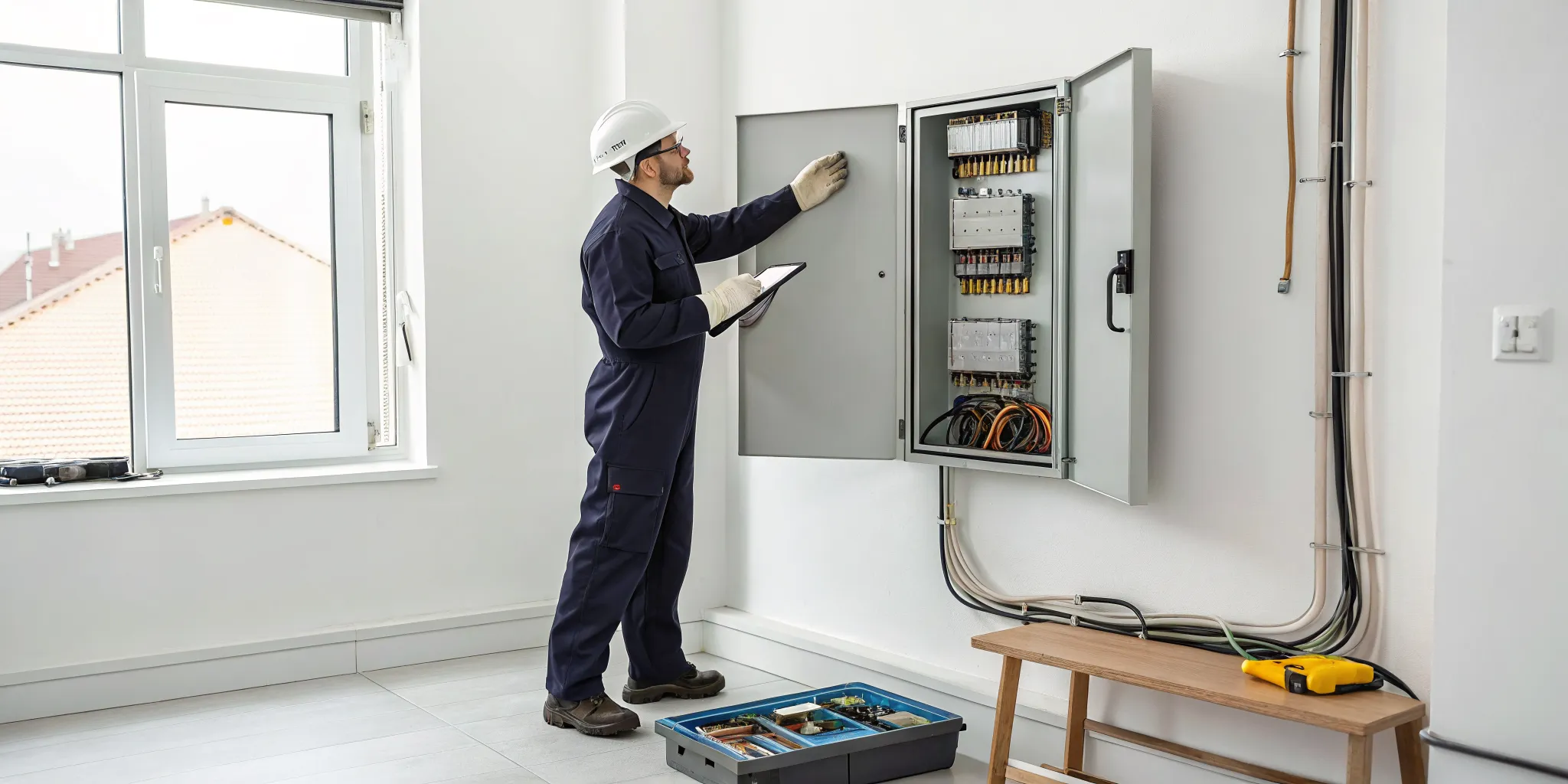
Are you dreaming of adding an EV charger, finishing your basement, or ensuring your family has power during an outage with a residential standby generator? These exciting upgrades all start with a strong electrical foundation. Your electrical panel is the gatekeeper for your home’s power, and if it’s undersized or outdated, it can stop your plans before they even begin. A panel replacement is often the first step toward future-proofing your home. While the cost to replace electrical panel and wiring is a key part of the budget, viewing it as an enabling investment for future projects makes it much more manageable. Let’s explore what goes into this essential upgrade so you can plan with confidence.
Key Takeaways
- Know the warning signs: Frequent breaker trips, flickering lights, and burning smells are urgent signals that your electrical panel is failing and requires a professional inspection.
- Budget for the whole project: The final cost involves more than just the panel; it includes the panel’s size, labor, permits, and any necessary wiring repairs to meet current safety codes.
- Treat it as a long-term investment: Always hire a licensed professional for safety and compliance, and use the opportunity to install a panel that can support future additions like an EV charger or a whole-home Generac generator.
Signs It’s Time to Replace Your Electrical Panel
Your electrical panel is the heart of your home’s electrical system, directing power from the grid to all your lights, outlets, and appliances. It’s easy to forget it’s there, quietly doing its job in a closet or basement. But when a panel starts to fail, it can cause more than just an inconvenience; it can create serious safety hazards. An outdated or overloaded panel simply can’t keep up with the demands of a modern home, from high-efficiency appliances to charging our many devices.
Recognizing the warning signs is the first step toward ensuring your home is safe and your power is reliable. A healthy electrical system is also the foundation for bigger upgrades, like adding an EV charger or ensuring a seamless transition to backup power during an outage with a Generac generator. If you notice any of the following issues, it’s a clear signal that your electrical panel needs a professional evaluation. Don’t wait for a small problem to become a dangerous one; paying attention to these signs can protect your home and family.
Frequent Breaker Trips or Blown Fuses
If you find yourself constantly heading to the basement to reset a tripped breaker, your panel is sending you a clear message. Breakers are designed to trip as a safety measure when a circuit is overloaded. An occasional trip isn’t a big deal, but if it happens regularly, it’s a classic sign that your panel can’t handle your home’s electrical demand. This often happens when you run multiple appliances at once. If your panel is struggling to keep up with your daily routine, it’s time to call for professional electrician repairs to assess the situation and find a safe solution.
Flickering Lights or Burning Smells
Do your lights dim or flicker when you turn on the microwave or air conditioner? This indicates your panel isn’t providing a steady flow of power, which can point to overloaded circuits or dangerous loose wiring. An even more alarming sign is a distinct burning smell coming from your panel or any outlets. A faint acrid or metallic odor often means wires are overheating. This is a very serious sign of overheating or bad wiring, and it requires immediate action. Don’t ignore these sensory clues; they are urgent warnings that your residential electric system is compromised and poses a fire risk.
Scorch Marks on Outlets and Switches
Visible evidence of heat damage is one of the most serious red flags. If you see any scorch marks, discoloration, or melting on your electrical panel, outlets, or light switches, it means electrical components are overheating to a dangerous degree. This is often caused by arcing, which is when electricity jumps between loose connections, creating intense heat. These black or brown marks are a direct sign of a fire hazard that needs to be addressed immediately. You should not touch the affected area. Instead, call a licensed electrician right away to inspect the panel and wiring before a more serious incident occurs.
An Old, Outdated, or Undersized Panel
Sometimes, the biggest sign is simply age. If your home was built decades ago and still has its original panel, it likely wasn’t designed for modern life. Many experts agree that if your panel is over 25 years old, it may be time for an upgrade. Older panels, especially those with fuses instead of breakers, lack the capacity and safety features of new models. An undersized panel will also limit your ability to make future upgrades. If you’re planning to add a new appliance, finish your basement, or invest in a residential standby generator installation, you’ll need a panel that can handle the additional load safely and reliably.
How Much Does It Cost to Replace an Electrical Panel?
Pinpointing the cost of an electrical panel replacement can be tricky since every home is different. The final price tag depends on several factors, mainly whether you just need a new panel or if your home’s wiring also needs an update. Below, we’ll walk through the typical costs for each scenario so you can get a better sense of the investment required to keep your home powered safely.
The Cost to Replace a Panel
Think of buying a new electrical panel like buying a car; the model and features you choose will affect the final price. For most homeowners, a straightforward panel replacement typically falls between $800 and $2,500. A standard 100-amp panel is usually on the lower end of that range, while a 200-amp panel, better for modern homes, can cost between $2,500 and $4,500. This is a complex job involving high-voltage electricity, so the cost reflects the expertise required for safe and reliable electrician repairs. These prices generally cover the panel itself, materials, and the skilled labor to get it done right.
The Cost for a Full Home Rewire
If your home’s wiring is old or damaged, a panel replacement might be just one part of a bigger project: a full home rewire. This is a much more involved job, as it means replacing all the electrical wiring running through your walls, outlets, and switches. A complete rewire can take a team of electricians 30 hours or more, which significantly adds to the overall cost. This is often necessary for older homes with outdated systems that can’t handle today’s electrical demands. While it’s a major investment, updating your home’s residential electric system is crucial for your family’s safety and peace of mind.
Do You Need One, the Other, or Both?
So, how do you know what your home needs? If your panel is over 25 years old, you’re adding a major appliance, or you notice flickering lights and frequently tripped breakers, it’s a strong sign you need a panel upgrade. This is also a common requirement before a residential standby generator installation to ensure your system can handle the load. However, if you see frayed wires, have an old system like knob-and-tube, or your outlets feel warm, you’re likely looking at a rewire. Often, these two projects go hand-in-hand. A professional inspection is the best first step to understanding the scope of your project.
What Determines the Cost of a Panel Replacement?
Thinking about replacing your electrical panel is a lot like shopping for a car; the final price tag depends on the model and the features you choose. Several key factors influence the total cost, and understanding them will help you set a realistic budget. It’s not just about the box on the wall. The project’s scope can change based on your home’s specific needs, its age, and local safety regulations. Let’s walk through the main variables so you know what to expect.
Panel Size and Amperage
The capacity of your new electrical panel, measured in amps, is one of the biggest cost drivers. Many older homes have 60 or 100-amp panels, which struggle to keep up with modern life. Today, a 200-amp panel is the standard for most homes, providing enough power for all your appliances, electronics, and future additions like an EV charger. It’s also a critical consideration if you plan on installing a whole-home Generac generator. Upgrading from a 100-amp to a 200-amp panel is a more significant investment because it involves not just a larger panel but often a new service cable from the utility pole. Choosing the right size is about balancing your current needs with your future plans.
Your Home’s Existing Wiring
What’s happening behind your walls plays a huge role in the final cost. If your home has old, deteriorating, or non-compliant wiring (like knob-and-tube or aluminum wiring), a simple panel swap isn’t enough. To ensure your home is safe, an electrician will need to address these wiring issues to meet current electrical codes. This can sometimes expand the project’s scope significantly. A professional assessment is the only way to know for sure what your system needs. If you’re already seeing signs of trouble, it’s best to plan for potential electrician repairs beyond just the panel itself.
Local Labor and Permit Costs
Where you live directly impacts the cost of a panel replacement. Labor rates for qualified, licensed electricians vary from one area to another. Here in Southeastern Pennsylvania, costs can differ between counties. Additionally, every township has its own process for permits and inspections. These permits are a crucial part of the job, as they ensure the work is done correctly and safely according to local codes. While it’s an added cost, a permitted job protects you, your family, and your investment. We are familiar with the specific requirements across our service areas, from Chester County to Bucks County.
Required Code Upgrades
Electrical codes are constantly evolving to improve safety, and any new installation must comply with the latest standards. This means a panel replacement today involves more than just swapping an old box for a new one. Modern codes often require specific safety devices like Arc-Fault Circuit Interrupters (AFCI) and Ground-Fault Circuit Interrupters (GFCI), which protect against electrical fires and shock. You may also need an outdoor emergency disconnect. These components are more advanced and cost more than older breakers, but their life-saving features are essential for any modern residential electric system.
Hidden Costs to Keep in Mind
When you get a quote for an electrical panel replacement, it’s easy to focus on that main number. But a panel upgrade is a major project, and a few other costs can pop up along the way. Thinking about these potential expenses ahead of time helps you create a realistic budget and ensures there are no surprises. A good electrician will discuss these possibilities with you, but it always helps to be informed. From administrative fees to unexpected repairs, let’s walk through the common costs that might not be in your initial estimate. Being prepared for these items will make the entire process feel much smoother and more predictable.
Permits and Final Inspections
Any major electrical work, including a panel replacement, requires a permit from your local municipality. This isn’t just red tape; it’s a system designed to keep you and your family safe. The permit process ensures that the work is documented and reviewed by a third-party inspector. This final inspection confirms that your new panel is installed correctly and meets all current safety codes. While there is a fee for the permit itself, this step provides peace of mind that the job was done right. Your electrician will handle the paperwork, but the cost is typically passed on to you as part of the project.
Unexpected Electrical Repairs
In a perfect world, replacing a panel would be a simple swap. In reality, especially in older homes, opening up the walls can reveal some surprises. Your electrician might discover outdated, damaged, or improperly installed wiring that needs to be fixed to meet modern safety standards. These kinds of electrician repairs are impossible to quote before they’re seen, but they are critical for the safety and reliability of your home’s electrical system. It’s always a good idea to have a small cushion in your budget just in case your system needs a little extra attention to be brought up to code.
Drywall Repair and Painting
Electricians are experts at wiring, not wall finishing. To replace a panel or run new circuits, they may need to cut into your drywall. After the electrical work is complete and has passed inspection, you’ll likely be left with some holes or channels in the walls that need to be patched and painted. While some electrical contractors may offer this as part of their service, it’s often a separate task you’ll need to handle yourself or by hiring a handyman. Factoring in the cost of drywall mud, primer, and paint will help you budget for the project’s finishing touches.
Upgrading Your Meter or Grounding System
Your electrical panel is the heart of your home’s electrical system, but it doesn’t work alone. Sometimes, the electric meter base or the home’s grounding system must also be updated to support the new panel and meet current codes. A proper grounding system is essential for protecting your electronics and appliances from power surges. A modern, robust electrical system is also the foundation for adding high-power items in the future, like an EV charger or a residential standby generator installation. Your electrician will assess these components and let you know if they need an upgrade.
Can You DIY an Electrical Panel Replacement?
I love a good DIY project as much as anyone, but when it comes to your home’s electrical system, some jobs are best left to the experts. Replacing an electrical panel is definitely one of them. This isn’t like painting a room or assembling furniture; it’s a complex and high-stakes task that directly impacts your family’s safety and your home’s functionality. An electrical panel is the heart of your home’s power system, and it needs to be installed perfectly to handle everything from your daily appliances to a residential standby generator installation. Messing with it without the right training is a risk you just shouldn’t take.
Why You Must Hire a Licensed Professional
Working with your home’s main power supply is incredibly dangerous. A licensed electrician has spent years training to understand the intricate rules of the electrical code, how to safely handle high-voltage connections, and how to secure the proper permits for the job. They have the specialized tools and knowledge to ensure every wire is connected correctly and every circuit is properly protected. Hiring a professional isn’t just about convenience; it’s about ensuring the work is done safely and correctly the first time. This protects your home from fire hazards and ensures your system will pass a final inspection, giving you total peace of mind.
Common DIY Mistakes and Safety Hazards
Even if you’re handy and have watched a few videos, the potential for error in a panel replacement is huge. A single wrong move can lead to severe electrical shock, fire, or catastrophic damage to your appliances. Common DIY mistakes include using the wrong size wire for a breaker, failing to properly ground the system, or creating loose connections that can arc and overheat. These aren’t small “oops” moments; they are serious safety hazards that can put your entire household at risk. Professional electrician repairs are often needed to fix DIY attempts, which can end up costing far more than hiring a pro from the start.
The Real Dangers of Cutting Corners
Trying to save a few dollars by doing it yourself or hiring an unlicensed handyman can have serious long-term consequences. An improperly installed panel can cause flickering lights, damage sensitive electronics, and create persistent fire risks. If you ever notice a burning smell or see scorch marks near your panel, it’s a critical warning sign of a dangerous problem. Furthermore, unpermitted electrical work can void your homeowner’s insurance and create major headaches when you try to sell your home. Investing in professional residential electric services ensures your home is safe, up to code, and protected for the future.
Key Safety Standards for Your Home
When it comes to your home’s electrical system, safety isn’t just a feature; it’s the entire point. Following established safety standards protects your property, your appliances, and most importantly, your family. These rules aren’t arbitrary; they are designed to prevent electrical shocks, fires, and other hazards. Understanding the basics of these standards helps you appreciate why hiring a licensed professional is non-negotiable for a safe, compliant panel replacement. From national codes to local permits, every step is a layer of protection for your home.
National Electrical Code (NEC) Basics
Think of the National Electrical Code (NEC) as the official rulebook for safe electrical installations across the country. It sets the minimum standard for everything from wiring to outlets. Because technology and our understanding of electrical safety evolve, the NEC is updated every few years. This is why modern electrical codes require components that might not exist in an older home, like Arc Fault Circuit Interrupters (AFCI) and Ground Fault Circuit Interrupters (GFCI). These smart breakers are designed to shut off power instantly if they detect a dangerous electrical fault, significantly reducing the risk of fire or shock. Bringing a home up to current code is a key part of any professional electrician repairs.
Grounding, Bonding, and Breakers
Grounding and bonding are two of the most critical safety features of your electrical system. Grounding provides a safe path for excess electricity to travel into the earth, preventing it from damaging your appliances or causing a shock. Bonding connects all the metal parts of your electrical system together to ensure they are at the same electrical potential. If your home is over 25 years old, you might have an outdated system that lacks proper grounding or bonding. This can lead to frequently tripping breakers or even electrical faults. A modern panel upgrade ensures these essential safety systems are correctly installed, giving you peace of mind.
How Permits and Inspections Keep You Safe
While getting a permit might seem like bureaucratic red tape, it’s actually a crucial safety measure for you as a homeowner. Local municipalities require permits for major electrical work, like a panel replacement, to ensure the job is done correctly and meets all current NEC standards. An inspector will review the work after it’s complete, providing an independent, expert verification that your new panel is safe. A trustworthy contractor will handle the entire permitting and inspection process for you. This ensures your project is fully compliant and that you have official documentation of the safe, professional work performed on your residential electric system.
What to Expect During a Panel Replacement
Knowing what happens during a panel replacement can make the process feel much more manageable. It’s a structured project that our licensed electricians handle from start to finish to ensure your home’s electrical system is safe and up to code. Here’s a step-by-step look at the process.
Pre-Work: Power Down and Panel Removal
First things first, safety is the top priority. Before our technicians touch a single wire, the main power to your home must be shut off by the utility company. This ensures the entire work area is de-energized and safe. Once the power is disconnected at the meter, we can begin the process of removing your old electrical panel. Our team will carefully label and disconnect each circuit from the old breakers before unmounting the panel from the wall. This methodical approach keeps your home’s wiring organized and sets the stage for a smooth installation of your new, updated panel. It’s a crucial first step in any professional electrician repairs.
The Main Event: New Panel Installation
With the old panel out of the way, it’s time for the main event: installing the new one. The new panel box is securely mounted, and then the meticulous work of connecting your home’s circuits begins. Each circuit is wired to a brand-new breaker, and we make sure every connection is tight and secure. A big part of our process is organization. We neatly arrange the wiring and clearly label every breaker so you know exactly what each one controls. This not only looks professional but also makes it incredibly easy to identify circuits in the future. This attention to detail is a hallmark of quality residential electric work and is essential for a safe, reliable system.
Sizing Your Panel for Future Needs
A panel replacement is the perfect time to think about your home’s future electrical needs. Are you dreaming of adding an electric vehicle charger, a hot tub, or maybe a workshop in the garage? It’s also the ideal moment to plan for a whole-home generator. We can help you select a panel that not only meets your current demands but also has the capacity for these future upgrades. Installing a larger panel now makes adding a Generac generator and its transfer switch much simpler and more cost-effective down the road. Planning ahead ensures your electrical system can grow with your family and your lifestyle without needing another major overhaul.
Final Steps: Inspection and Power Restoration
Once the new panel is fully installed and wired, the job isn’t quite finished. To ensure everything meets the latest safety regulations, the work must be inspected by a local official from your municipality. We coordinate this inspection for you. It’s a critical step that verifies the installation was done correctly and complies with all electrical codes in our service areas. After the installation passes inspection, the utility company will be cleared to restore power to your home. You’ll be left with a modern, safe, and reliable electrical system, giving you peace of mind for years to come.
How Long Will the Replacement Take?
When you’re planning a major electrical project, one of the first questions is always, “How long will my power be out?” The answer really depends on the scope of the work. A straightforward electrical panel swap is a much quicker job than a complete home rewire. While the hands-on work for a panel replacement can often be done in a single day, the entire process from start to finish involves a few more steps that protect you and your home. We have to coordinate with your utility company to safely disconnect and reconnect power, secure the necessary local permits, and schedule a final inspection to ensure everything is perfectly safe and up to code.
These steps are non-negotiable for a safe, compliant installation. They can add a few days to the overall project timeline, so it’s helpful to know that the “work time” is just one piece of the puzzle. Understanding this from the beginning helps set clear expectations so you can plan accordingly. Upgrading your panel is also a critical step to prepare your home for modern demands, like an EV charger or a whole-home Generac generator. Whether it’s a simple replacement or a more extensive upgrade, our goal is always to complete the work efficiently while prioritizing the safety and quality of your home’s residential electric system.
Typical Timeline for a Panel Swap
For a standard electrical panel replacement, the actual hands-on work usually takes between four and eight hours. During this time, a licensed electrician will disconnect your old panel, mount the new one, and carefully reconnect all of your home’s circuits. Your power will likely be off for this entire duration, so it’s a good idea to plan your day around it. This timeline doesn’t include the administrative time for pulling permits or the final inspection, which happens after the installation is complete. Because this job involves working directly with your home’s high-voltage service lines, it’s a task that should only be handled by trained and certified professionals who specialize in electrician repairs.
Typical Timeline for a Full Rewire
A full home rewire is a much more involved project. Unlike a panel swap, which is contained to one area, rewiring requires accessing the wiring inside your walls, ceilings, and floors. This process can easily take 20 to 30 hours of labor, and often more, depending on your home’s size and construction. This isn’t a one-day job; it typically spans several days or even a week. The work involves carefully pulling out old, unsafe wiring and running new, modern cables to every outlet, switch, and fixture. Because it’s more invasive, a rewire also includes the time needed for any necessary drywall repair and painting afterward, so be sure to factor that into your total project timeline.
How to Choose the Right Electrician
Finding the right person for a major electrical job can feel like a lot of pressure, but it doesn’t have to be. The key is to focus on a few essential qualifications that separate the pros from the rest. A panel replacement is a significant investment in your home’s safety and functionality, so you want to be sure it’s done correctly by a qualified expert. Taking the time to vet your electrician ensures the work is safe, up to code, and built to last for years to come.
Check for Licensing, Insurance, and Experience
This is the most important step. Electrical work is not a DIY project; it requires specialized training to handle safely and correctly. Always hire a licensed and insured professional. Licensing proves they have met state and local requirements, while insurance protects you and your property from any accidental damage. Look for an established company with a track record in your community. A team of experienced professionals will not only do the job right but will also understand the specific code requirements for your area, giving you peace of mind that everything is handled properly from start to finish.
Key Questions to Ask Before Hiring
Before you commit, get at least two or three detailed quotes from different licensed electricians. A trustworthy quote will clearly break down the costs for the panel, labor, and any permit fees. Don’t be afraid to ask detailed questions, as a good electrician will be happy to explain their process.
Here are a few things to ask:
- What exactly is included in this quote?
- What kind of warranty do you offer on parts and labor?
- Will you handle pulling the necessary permits and scheduling inspections?
- How do you ensure all work meets the latest electrical codes?
Getting clear answers to these questions will help you compare your options and find a reliable partner for your residential electric needs.
Will a New Panel Affect Your Home Insurance?
It’s a common question, and the answer depends on the situation. Most standard homeowners insurance policies will not cover the cost of replacing an electrical panel simply because it’s old. However, if the panel was damaged by a covered event, like a lightning strike or a fire, your policy will likely help with the replacement cost. On the bright side, upgrading to a new, safer panel that meets current codes can sometimes lead to better insurance rates. It’s always a good idea to call your insurance agent after the work is complete to see if you qualify for a discount.
Future-Proofing Your New Electrical System
Replacing your electrical panel is more than just a repair; it’s an opportunity to prepare your home for the future. Our daily lives rely on a steady, safe supply of electricity, and our needs are only growing. A modern electrical system acts as the central nervous system for your home, supporting everything from your morning coffee maker to the latest smart home technology. It’s the foundation that makes modern convenience and safety possible.
Thinking ahead during a panel replacement ensures your home can handle whatever comes next without needing another major overhaul in a few years. This includes planning for increased power demands and considering how larger systems, like a whole-home Generac generator, integrate with your electrical setup. By making smart choices now, you’re not just updating your home; you’re investing in its long-term functionality, safety, and value. A forward-thinking approach ensures your electrical system won’t just meet your needs today but will be ready for the technology of tomorrow.
Planning for Smart Homes and EV Chargers
If you’re considering adding an electric vehicle charger or more smart home gadgets, your electrical panel is the first place to look. These technologies require a significant amount of power, and an older, smaller panel often can’t keep up. Replacing your panel with a 200-amp model is a common recommendation because it provides the capacity for these power-hungry additions. This upgrade ensures your system can handle the load safely, preventing issues like tripped breakers. Planning for these future needs is a key part of any modern residential electric project and saves you from having to do another expensive upgrade down the road.
Simple Maintenance for a Longer Lifespan
An electrical panel typically lasts between 25 and 40 years, but you can extend its life with proper care. While a new panel is a durable piece of equipment, it’s wise to have it inspected periodically by a professional. This helps catch small issues before they become big problems. If you’re already replacing your panel, consider upgrading its size at the same time. For example, moving from a 100-amp to a 200-amp panel can be a smart investment, since much of the cost is in the labor itself. Regular check-ups and timely electrician repairs will keep your system running safely and efficiently for decades.
Related Articles
- How to Hire an Electrician for Panel Replacement
- How Much to Replace an Electrical Panel in 2025?
- Cost to Replace Electrical Panel: 2026 Price Guide
Frequently Asked Questions
How can I tell if I need a full panel replacement or just a simple repair? That’s a great question. Think of it this way: if you have one specific outlet that isn’t working, it might just need a targeted repair. But if you’re dealing with system-wide issues like frequently tripping breakers, flickering lights throughout the house, or a panel that’s over 25 years old, you are likely seeing signs that the entire panel can no longer support your home’s electrical needs. The only way to know for sure is to have a licensed electrician take a look.
My current panel seems to work fine. Why is upgrading to a 200-amp panel so important? Even if your current panel is managing, an upgrade to 200 amps is about preparing your home for the future. A standard 100-amp panel might be at its limit just running your daily appliances. A 200-amp panel gives you the capacity to add high-power items later, like an electric vehicle charger or a whole-home Generac generator, without having to worry about overloading your system. It’s an investment in your home’s long-term functionality.
How long will my home be without power during the replacement? For a standard panel replacement, you can expect your power to be off for about four to eight hours on the day of the installation. While the entire project involves coordination for permits and inspections, the actual time you’ll be without electricity is typically contained to a single workday. We always aim to work as efficiently as possible to minimize the disruption to your routine.
Do I have to replace my electrical panel before installing a Generac generator? In many cases, yes. A whole-home generator connects to your home through an automatic transfer switch, which needs space and a solid connection inside your electrical panel. If your current panel is old, undersized, or from a brand known for safety issues, an upgrade is a necessary first step for a safe and reliable generator installation. We assess your panel as part of any generator consultation.
What is the very first step I should take if I’m worried about my electrical panel? If you have any concerns about your panel, especially if you notice a burning smell or see scorch marks, the best first step is to call a licensed electrician for an inspection. Please do not touch the panel or try to diagnose the problem yourself. A professional can safely evaluate your system, identify any hazards, and give you a clear, expert recommendation on what your home needs.