Your home is constantly evolving, and its electrical needs are growing right along with it. From smart home devices and security systems to the increasing popularity of electric vehicles, the demands on our power systems are greater than ever. When you install or relocate an electrical panel, you have a unique opportunity to plan for the future. Placing it in a strategic spot with enough capacity for expansion can save you thousands in the long run. The best location for your electrical panel considers not just your needs today, but what you might want tomorrow—like a workshop, a hot tub, or a home addition. Let’s look at how to future-proof your home’s electrical hub.
Key Takeaways
- Choose a Safe and Accessible Location: The best spot for your panel is a dry, easy-to-reach area like a basement, garage, or utility room. Always keep panels out of bathrooms, closets, and living spaces to comply with safety codes and ensure you can get to it quickly.
- Respect the Required Clearance: Your panel needs a dedicated working space of at least three feet in front of it. This area must be kept completely clear of furniture, boxes, and other obstructions to allow for safe repairs and emergency access.
- Plan for Future Electrical Needs: Install a panel that can handle more than just your current demands. Discussing potential additions like an EV charger, a home expansion, or high-power appliances with your electrician now will save you from a costly overhaul later.
How to Choose the Best Spot for Your Electrical Panel
Think of your electrical panel as the command center for your home’s entire electrical system. Its location isn’t just about what looks best or what’s most convenient—it’s a critical decision that directly impacts your safety and the functionality of your home. When you’re planning a new build, a renovation, or an electrical upgrade, picking the right spot for your panel is one of the most important steps.
The ideal location balances three key factors: easy access, overall safety, and compliance with local electrical codes. You need to be able to get to it quickly in an emergency, like when a breaker trips in the middle of the night. It also needs to be in a spot that minimizes fire risk and is clear of any potential hazards. Finally, every installation must follow strict guidelines set by the National Electrical Code (NEC) and your local authorities in Southeastern Pennsylvania. Getting this right from the start prevents future headaches and ensures any electrical service or repairs can be done efficiently and safely.
Ensure Easy Access
Imagine the power goes out in one part of your house. The first thing you’ll do is head to the electrical panel to check the breakers. Now, imagine the panel is hidden behind a heavy shelving unit or tucked away in a cramped, hard-to-reach corner. Not ideal, right? Your electrical panel must be easily accessible at all times. This isn’t just for your convenience; it’s a crucial safety measure for emergency access and future service. You or an electrician should be able to reach it without moving furniture or climbing over boxes. Keeping the area around your panel clear is a simple habit that makes a big difference when you need to act fast.
Prioritize Safety
Safety is the number one priority when it comes to anything electrical. Electrical panels need to be in safe, easy-to-reach spots to prevent fires and allow for a quick shutdown during an emergency. Because the panel houses live circuits, it’s vital to keep it away from moisture and potential water sources. You should also never place an electrical panel near flammable materials. This means keeping it clear of stored items like clothing, cleaning chemicals, paint cans, or stacks of paper. A little bit of heat or a single spark can be dangerous in the wrong environment, so a dedicated, clear space is non-negotiable.
Meet Local Code Requirements
Electrical work is governed by a set of rules designed to keep everyone safe, and panel location is a big part of that. The National Electrical Code (NEC) provides the main safety standards, which local codes are built upon. For example, the NEC requires at least three feet of clear space directly in front of the panel to give a technician enough room to work safely. It also prohibits installing panels in certain areas, such as bathrooms, closets, and above stairs. Following these rules is mandatory, and a professional electrician will ensure your installation is fully compliant with all regulations in your specific service area.
Ideal Locations for Your Electrical Panel
Finding the right home for your electrical panel is a bit like choosing a spot for your home’s command center. It needs to be safe, easy to get to, and out of the way of daily life. While every home’s layout is different, some locations are consistently better than others. A professional electrician can help you pinpoint the perfect place, but understanding your options is a great first step. Let’s look at a few of the most common and practical spots to install your breaker box.
Basements and Utility Rooms
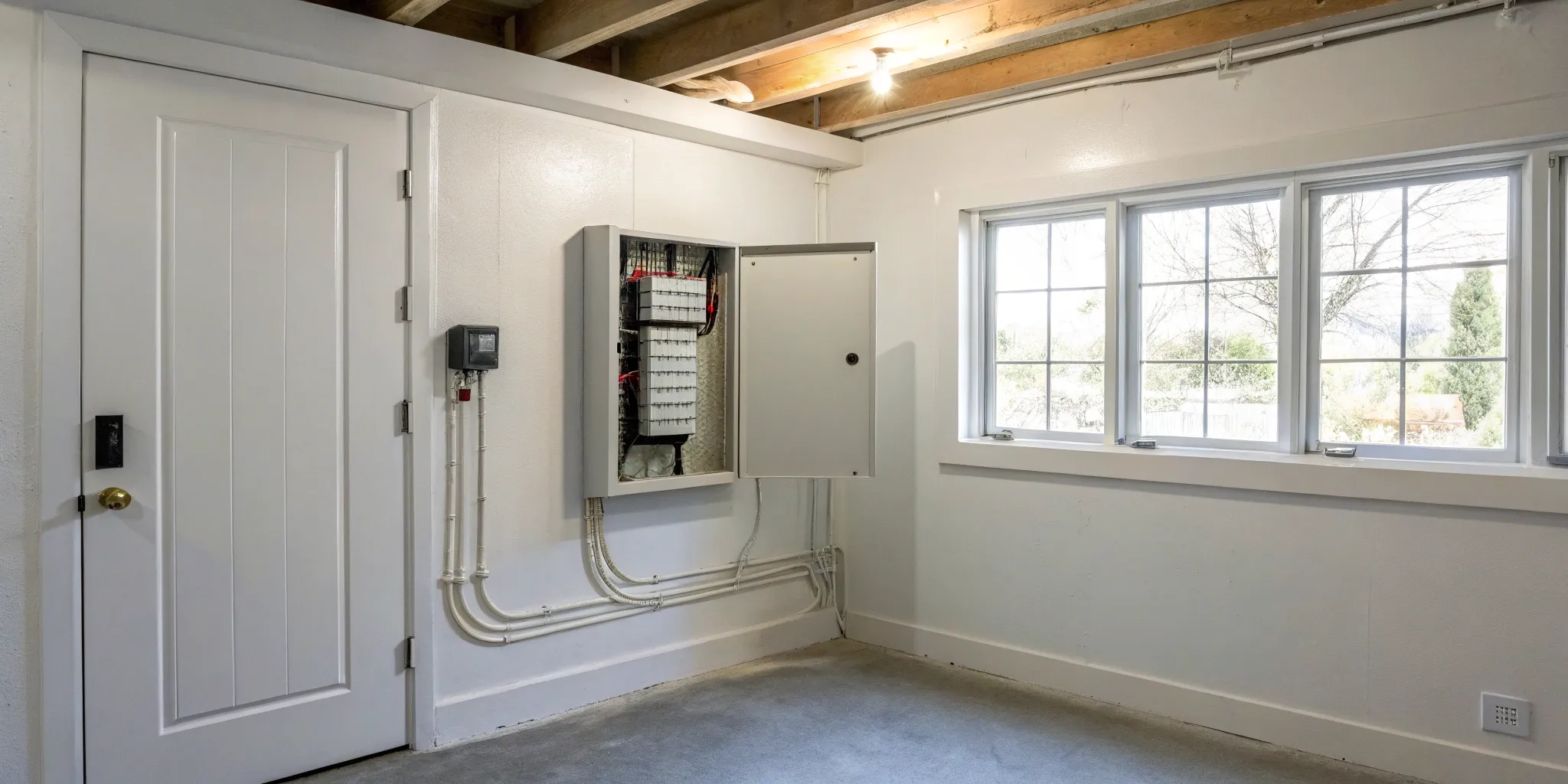
There’s a reason basements and utility rooms are the go-to spots for electrical panels. They are typically out of sight, which keeps your home’s living areas looking clean and uncluttered. More importantly, these spaces usually offer plenty of room to meet the necessary clearance requirements for safety and maintenance. The panel is often placed on an interior wall directly inside from where the electric meter is located outside, making for a straightforward installation. As long as the area is dry and unfinished, a basement or dedicated utility room is an excellent choice for your home’s electrical system.
Garages and Workshops
Garages and workshops are another fantastic option for housing your electrical panel. They usually have ample space, making it easy to satisfy all the safety rules, especially near the door that connects to the house. This location keeps the panel accessible without requiring a technician to walk through your main living space, which is a nice convenience. Plus, placing the panel in the garage can be a smart move for the future. If you’re thinking about adding an electric vehicle charger or a workshop with heavy-duty tools, having the panel nearby can simplify those electrical upgrades down the road.
Interior Walls and Hallways
What if you don’t have a basement or a garage? Don’t worry, you still have good options. An interior wall in a hallway or a less-used room can work well. The key is to find a central spot that offers good flexibility for running wires throughout your home. You might place it behind a piece of art or a mirror to keep it discreet, but it must remain easily accessible for you and any service technicians. This isn’t a spot to hide away in a cluttered closet—it needs to be reachable in an emergency without having to move a bunch of stuff out of the way.
Where Not to Install Your Electrical Panel
Knowing the right spot for your electrical panel is half the battle; knowing which areas to avoid is the other. Certain locations aren’t just inconvenient—they’re dangerous and violate electrical codes. Placing a panel in the wrong spot can create fire hazards, risk electric shock, and cause major headaches during inspections or emergencies. To keep your home safe, let’s walk through the absolute no-go zones for your electrical panel installation.
Bathrooms and Damp Areas
This one is a hard and fast rule: water and electricity are a dangerous combination. The National Electrical Code (NEC) strictly prohibits installing electrical panels in bathrooms or any area with high concentrations of moisture. The steam from a hot shower or a potential plumbing leak creates a serious risk of short circuits, corrosion, and electrocution. Even if a panel is near plumbing in an adjacent room, it needs to be properly waterproofed. When it comes to your home’s electrical system, there’s no room for compromise. Always trust a professional to handle your residential electric needs and ensure everything is up to code.
Closets and Tight Spaces
While a closet might seem like a convenient place to hide a bulky metal box, it’s one of the worst spots for an electrical panel. The primary concern here is fire safety. The NEC has specific rules against placing panels in clothes closets where flammable materials are stored. Piling boxes or clothing near the panel is a significant fire hazard. Beyond that, closets prevent the necessary clearance required for safe access. If a panel is blocked, it can make emergency electrician repairs difficult and unsafe. A technician needs at least three feet of clear space in front of the panel to work safely.
Bedrooms and Living Spaces
Your main living areas are also poor choices for an electrical panel. While not as explicitly dangerous as a bathroom, placing a panel in a bedroom, pantry, or above a staircase makes it difficult to access and can violate clearance codes. You should never have to move furniture or climb over obstacles to reach your breakers. According to Angi, panels should not be placed in bedrooms, pantries, or above stairs. Furthermore, installing a panel behind a door is a hazard, as the door can swing shut on someone working on the system. Keeping the panel in a dedicated, accessible utility space is always the safest and most practical solution.
What Are the Rules for Panel Clearance and Safety?
Your electrical panel is the heart of your home’s electrical system, and just like any critical component, it needs to be installed correctly and safely. It’s not as simple as finding an empty spot on a wall. Specific codes and regulations, primarily from the National Electrical Code (NEC), dictate exactly where and how a panel can be placed. These rules aren’t just about following protocol; they’re designed to ensure the safety of you, your family, and any electrician who needs to work on your system. Following these guidelines prevents dangerous situations like arc flashes, which can occur when a technician is forced to work in a cramped, unsafe space.
Think of it this way: in an emergency, you or a first responder need to access the panel quickly without climbing over boxes or squeezing behind furniture. Likewise, when you need electrical repairs, your technician requires a safe, clear area to work. This dedicated space allows them to perform their job efficiently and without risk of injury. Understanding these clearance rules helps you maintain a safe home and ensures your electrical system is up to code, which is crucial for passing home inspections, maintaining your homeowner’s insurance, and most importantly, your peace of mind.
Allow for Proper Working Space
Every electrical panel requires a designated “working space” around it. This is a legally mandated clear zone that must be maintained at all times. The standard requirement is a space at least 30 inches wide (or the width of the panel, whichever is greater) and 36 inches deep, measured from the front of the panel. This clearance must extend from the floor to a height of 6 feet 7 inches. This isn’t just empty space; it’s a safety bubble for anyone who needs to access the panel. It ensures an electrician has enough room to open the panel door, use their tools, and work without being cramped or put in a dangerous position.
Meet Height and Depth Requirements
Beyond the clear working space, the panel itself has specific height requirements. The main circuit breaker can be no higher than 6 feet 7 inches from the floor. This ensures that a person of average height can reach it to shut off the power in an emergency. The panel must also be installed so its door can open a full 90 degrees without being blocked by walls, pipes, or other obstructions. These measurements are designed for accessibility and safety. When planning a residential electrical project, a certified electrician will ensure your panel is placed at a height that is both compliant and practical, allowing for easy access when you need it most.
Keep the Space Dedicated
The clear working space in front of your electrical panel must remain dedicated to that purpose. This means you can’t use it for storage. It’s tempting to place shelves, cabinets, or even a piece of furniture in that area, but doing so is a direct violation of safety codes. The panel must be easy for anyone in the house to get to, especially during an emergency. Blocking access can delay a critical response, whether it’s shutting off power during a fire or a technician trying to restore your electricity. Treat the area around your panel as a permanent “no-parking” zone. Keeping it completely clear ensures your home’s electrical system is not only functional but also safe and accessible.
How to Plan for Your Future Electrical Needs
Your home isn’t static, and your electrical needs will likely grow and change over time. Thinking ahead when placing or upgrading your electrical panel can save you from expensive and complicated projects down the road. A little foresight ensures your home’s electrical system can handle new technology, expansions, and lifestyle changes with ease. Instead of just meeting your current power demands, it’s wise to plan for what you might need five or ten years from now.
This forward-thinking approach is about building flexibility into your home’s core infrastructure. Are you dreaming of a finished basement? Do you see an electric vehicle in your future? What about a hot tub or a workshop for your hobbies? Each of these additions places new demands on your electrical system. By discussing these possibilities with your electrician, you can install a panel with enough capacity and space for future circuits. This proactive step is one of the smartest investments you can make in your home, ensuring it’s ready for whatever comes next without requiring a major electrical overhaul. Proper planning is the key to a safe and functional home for years to come.
Accommodate Smart Home Devices
The modern home is getting smarter every year. From video doorbells and security cameras to automated lighting and smart thermostats, these devices add convenience and efficiency to our lives. While each gadget may not use much power on its own, a fully integrated smart home system adds up. When installing a new electrical panel, it’s a great idea to plan for extra circuits dedicated to these systems. This foresight prevents you from overloading existing circuits and helps keep your home’s wiring organized and safe. It’s far easier and more cost-effective to add these circuits now than to try and retrofit them later.
Prepare for Home Expansions
If you’re considering a future home addition, like a new bedroom, a finished attic, or an in-law suite, your electrical panel’s location and capacity are critical. A panel that is already full or located in a wall you plan to demolish will create a significant roadblock for your renovation. When choosing a spot for your panel, think about your home’s potential footprint. Placing it in a central, accessible location that won’t be affected by future construction can make a future expansion project run much more smoothly. Planning ahead ensures your home’s power hub is ready to support your growing space.
Get Ready for EV Charging
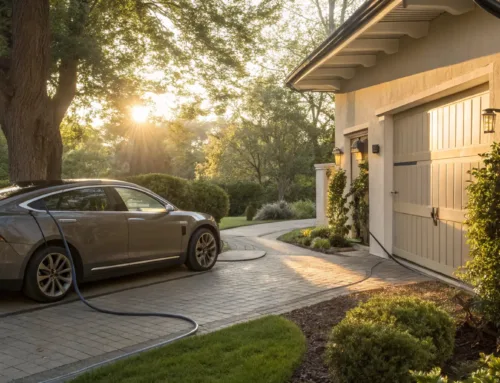
Electric vehicles are quickly becoming a staple in American garages, and they require a significant amount of power to charge efficiently. A standard 120-volt outlet can take days to fully charge an EV, which is why most owners install a Level 2 charger. These chargers require a dedicated 240-volt circuit, similar to an electric stove or dryer. When upgrading your panel, you should absolutely plan for an EV charger, even if you don’t own one yet. A certified electrician can ensure your panel has the capacity to handle the load and can even run the necessary wiring to your garage, making a future installation simple and straightforward.
Plan for High-Power Appliances
Your future might include more than just an EV. Many homeowners eventually add high-demand appliances that require dedicated circuits. Think about a bubbling hot tub on the patio, a powerful saw in your workshop, a sauna for relaxing, or an on-demand tankless water heater. Each of these requires a specific, high-amperage circuit that your current panel might not have space for. When you’re planning your home’s residential electric system, mention these potential additions to your electrician. They can recommend a panel with enough amperage and physical space to accommodate these future upgrades safely.
Common Mistakes to Avoid When Placing Your Panel
Choosing the right spot for your electrical panel isn’t just about convenience—it’s about safety and long-term reliability. A poor decision can lead to code violations, safety hazards, and expensive fixes down the road. Let’s walk through some of the most common missteps homeowners make so you can be sure your project is done right from the start.
Skipping a Professional Consultation
It can be tempting to try and figure out panel placement on your own, but this is one area where professional guidance is non-negotiable. Choosing where to put your electrical panel is a critical decision guided by strict safety rules and building codes. A certified electrician will ensure everything is done correctly and safely, preventing future headaches. Planning your residential electrical projects with an expert from the beginning saves you time, money, and gives you peace of mind that your home is protected.
Squeezing It into a Tight Space
An electrical panel needs breathing room. The National Electrical Code (NEC) requires a clear working space around it, and for good reason. Your panel must be easy for you and technicians to get to. Tucking it away in a tight spot where it’s hard to access is a major mistake. Imagine an emergency where you need to shut off a breaker quickly, or when a technician needs space to perform electrician repairs. A cramped location makes these tasks difficult and dangerous. Always plan for enough clearance to open the panel door fully and work without obstruction.
Placing It Near Flammable Materials
This might seem obvious, but it’s a mistake that happens more often than you’d think. You should never put an electrical panel near things that can easily catch fire, like clothes, chemicals, or even holiday decorations stored in a closet. An electrical panel can spark during normal operation or if there’s a fault, and placing it near combustible materials creates a serious fire hazard. Always maintain a clear zone around your panel. This isn’t just good housekeeping; it’s a critical safety measure enforced by electrical codes to prevent house fires.
Forgetting About Ventilation
Electrical panels and moisture are a dangerous combination. Panels should always be in dry places, away from sources of water and high humidity, to prevent damage and electrical problems. A damp environment can cause the metal components inside your panel to rust and corrode, leading to poor connections and potential electrical failures. This is why locations like bathrooms or poorly ventilated laundry rooms are off-limits. Ensuring your panel is in a dry, well-ventilated spot is crucial for its longevity and the safety of your entire electrical system.
Related Articles
- How Much to Replace an Electrical Panel in 2025?
- Hiring an Electrical Repair Service? Read This First
Frequently Asked Questions
My current electrical panel is in a closet. Is that a problem? Yes, that’s definitely something you should have a professional look at. Placing a panel in a closet, especially one used for storing clothes or other flammable items, is a significant fire hazard and violates modern electrical codes. The rules are in place to ensure there’s enough clear space for safe access and to prevent a small spark from turning into a big problem. An electrician can assess your specific situation and recommend the safest path forward.
What does “clear working space” actually mean for my panel? Think of it as a permanent, invisible box around your panel that must always be kept empty. This space is required by code to be at least 30 inches wide, 36 inches deep, and extend from the floor to about 6.5 feet high. It’s not for storage. This zone ensures that in an emergency, anyone can get to the breakers without tripping over boxes, and it gives an electrician the room they need to work safely without being cramped.
I’m not planning any big projects right now. Why should I worry about future electrical needs? Thinking ahead when it comes to your electrical panel is one of the smartest moves you can make for your home. Technology and our power needs change quickly. Planning for a future electric vehicle, a kitchen remodel, or even a hot tub now means you can install a panel with enough capacity to handle those additions later. It’s far simpler and more affordable to plan for extra space now than to do a major, costly upgrade when you’re in the middle of another project.
Can I just hide my panel behind a cabinet or a painting to make it look better? While you can hang a light piece of art or a mirror over a panel, it can’t be permanently obstructed. The panel must be immediately and easily accessible at all times. Installing a cabinet door in front of it or placing a heavy piece of furniture there is a code violation because it blocks the required working space. In an emergency, you don’t want to waste precious seconds moving things out of the way to shut off the power.
What’s the first step if I think my panel needs to be moved or upgraded? The best first step is to contact a licensed and insured electrician. Moving or upgrading an electrical panel is a complex job that involves significant safety risks and requires knowledge of local codes. A professional can evaluate your current system, listen to your concerns and future plans, and provide a safe, compliant solution that works for your home.