Home improvement projects often come with a confusing web of local rules, and electrical work is one of the most regulated areas. What’s considered a simple repair in one town could require official approval just a few miles away. This is especially true here in Southeastern Pennsylvania, where regulations can differ between Chester, Bucks, and Montgomery counties. One of the most frequent questions we hear from homeowners is, “do I need a permit to replace a breaker?” It’s a valid concern, as a wrong move can lead to failed inspections or issues when selling your home. We’ll break down what you need to know about local requirements and how to find the right answers.
Key Takeaways
- Know When a Permit Is Necessary: Replacing a faulty breaker with an identical one is often simple maintenance, but upgrading its amperage or adding a new circuit is a bigger job that requires a permit. Always confirm the rules with your local building department before starting work.
- Recognize the Risks of Skipping a Permit: Unpermitted electrical work can create serious fire hazards, give your insurance company a reason to deny a claim, and cause major problems when you try to sell your home. The permit process is a crucial safety check, not just paperwork.
- Leave Electrical Work to a Licensed Professional: A qualified electrician ensures the job is done safely and meets all national and local codes. They can also manage the entire permit and inspection process, giving you confidence that your home is protected.
What Is a Circuit Breaker and Why Should You Care?
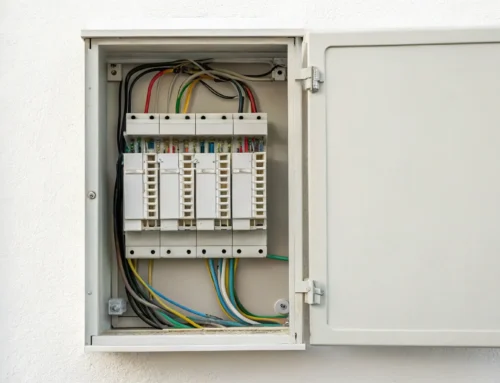
Think of your circuit breaker panel as the command center for your home’s electrical system. Tucked away in a metal box in your basement, garage, or utility closet, it’s easy to forget about until the power suddenly goes out in one room. Each of those little switches inside is a circuit breaker, and its job is incredibly important. At its core, a circuit breaker is an automatic safety switch designed to protect your electrical circuits from damage caused by overloads or short circuits.
So, why should you care? Because a functioning circuit breaker is one of the most critical safety features in your home. When it works correctly, it stops an excessive electrical current before it can overheat your wiring, which could otherwise damage your appliances or, worse, start a fire. It’s the silent guardian that keeps your home and family safe from electrical hazards. Understanding what it does and how to tell when it’s failing is a key part of being a responsible homeowner. It’s not just about convenience; it’s about safety.
How Circuit Breakers Protect Your Home
Every time you plug something in, you’re drawing power through a circuit. If you try to draw too much power at once—like running a space heater and a vacuum on the same circuit—you create an overload. A circuit breaker detects this surge of electricity and automatically “trips,” cutting off the flow of power. This immediate shutdown prevents the circuit’s wiring from overheating. It’s a simple, life-saving mechanism that is a core component of any modern residential electric system. By ensuring your breakers are in good condition, you’re helping your home meet current safety standards and protecting everything connected to your outlets.
Signs It’s Time to Replace Your Circuit Breaker
A circuit breaker won’t last forever, and a faulty one is a serious safety risk. It’s important to know the warning signs so you can act before a problem gets worse. If you notice any of the following, it’s time to call a professional for an inspection:
- Frequent Tripping: If a breaker trips constantly, it might be overloaded, but it could also mean the breaker itself is failing.
- A Burning Smell: Any scent of burning plastic or smoke from your panel is a major red flag.
- Visible Damage: Look for scorch marks, rust, or frayed wires around the breaker.
- Warm to the Touch: The breaker or the panel itself should never feel hot.
- Age: If your home is over 25 years old and has the original breakers, it’s wise to have them inspected.
If you spot any of these issues, it’s best to schedule professional electrician repairs right away.
Do You Need a Permit to Replace a Circuit Breaker?
The short answer is: it depends. While it might seem like a small task, the question of whether you need a permit to replace a circuit breaker isn’t always straightforward. The decision usually comes down to the scope of the job. Are you simply swapping out a broken breaker for an identical new one, or are you making a significant change to your electrical system?
Think of it this way: permits exist to ensure electrical work is done safely and up to code. A simple, like-for-like replacement is often seen as basic maintenance. However, once you start upgrading your system’s capacity or changing its layout, your local municipality wants to ensure it’s done correctly to prevent fire hazards and other dangers. Understanding the difference between a minor repair and a major alteration is key to staying compliant and keeping your home safe. Before you begin any electrical repairs, it’s always best to know where your project falls.
Simple Swap vs. Major Upgrade: What’s the Difference?
The most important factor in determining if you need a permit is whether you’re doing a simple swap or a major upgrade. A simple swap involves replacing a faulty circuit breaker with a new one of the exact same type and amperage. For example, if your 20-amp breaker for the kitchen outlets fails, replacing it with a new 20-amp breaker is typically considered routine maintenance and usually doesn’t require a permit.
A major upgrade is any change that alters your electrical system’s original design. This includes increasing the amperage of a breaker (like switching a 15-amp to a 20-amp), adding a completely new circuit for an appliance, or reconfiguring the electrical panel itself. These changes affect the electrical load and safety calculations for your home, which is why a permit and inspection are almost always required.
Why Local Rules Dictate Permit Needs
There isn’t a single, nationwide rule for electrical permits. The requirements are set by your local building department, which means the rules can vary from one town to the next. What’s considered a simple repair in one part of Chester County might require a permit just a few miles away in Delaware County. These local codes are based on the National Electrical Code (NEC) but often include specific amendments for the area.
Because of this, you should never assume you know the rules. The only way to be certain is to contact your local municipal office or building department. As electricians working across Southeastern Pennsylvania, we always verify local requirements before starting a project to ensure everything is fully compliant.
Common Myths About Electrical Permits
One of the biggest myths is that small electrical jobs are always exempt from permits. Many homeowners believe that if they can do the work themselves, they don’t need to involve the local authorities. Unfortunately, this assumption can lead to serious problems. Skipping a required permit can result in fines, difficulty selling your home in the future, or even denial of a homeowner’s insurance claim if unpermitted work causes a fire.
Another common misconception is that a permit is just unnecessary red tape. In reality, the permitting and inspection process is a crucial safety check. It ensures that the work was performed correctly by a qualified professional, protecting you and your family from potential electrical hazards. It’s not about bureaucracy; it’s about safety and accountability.
What Electrical Work Requires a Permit?
While swapping a single breaker might fall into a gray area depending on your local rules, many other electrical jobs are not so simple. Understanding which projects require official approval is key to keeping your home safe and up to code. Generally, the more complex the job, the more certain it is that you’ll need a permit. This ensures a qualified professional does the work correctly and that it gets inspected for safety.
Replacing Panels and Upgrading Systems
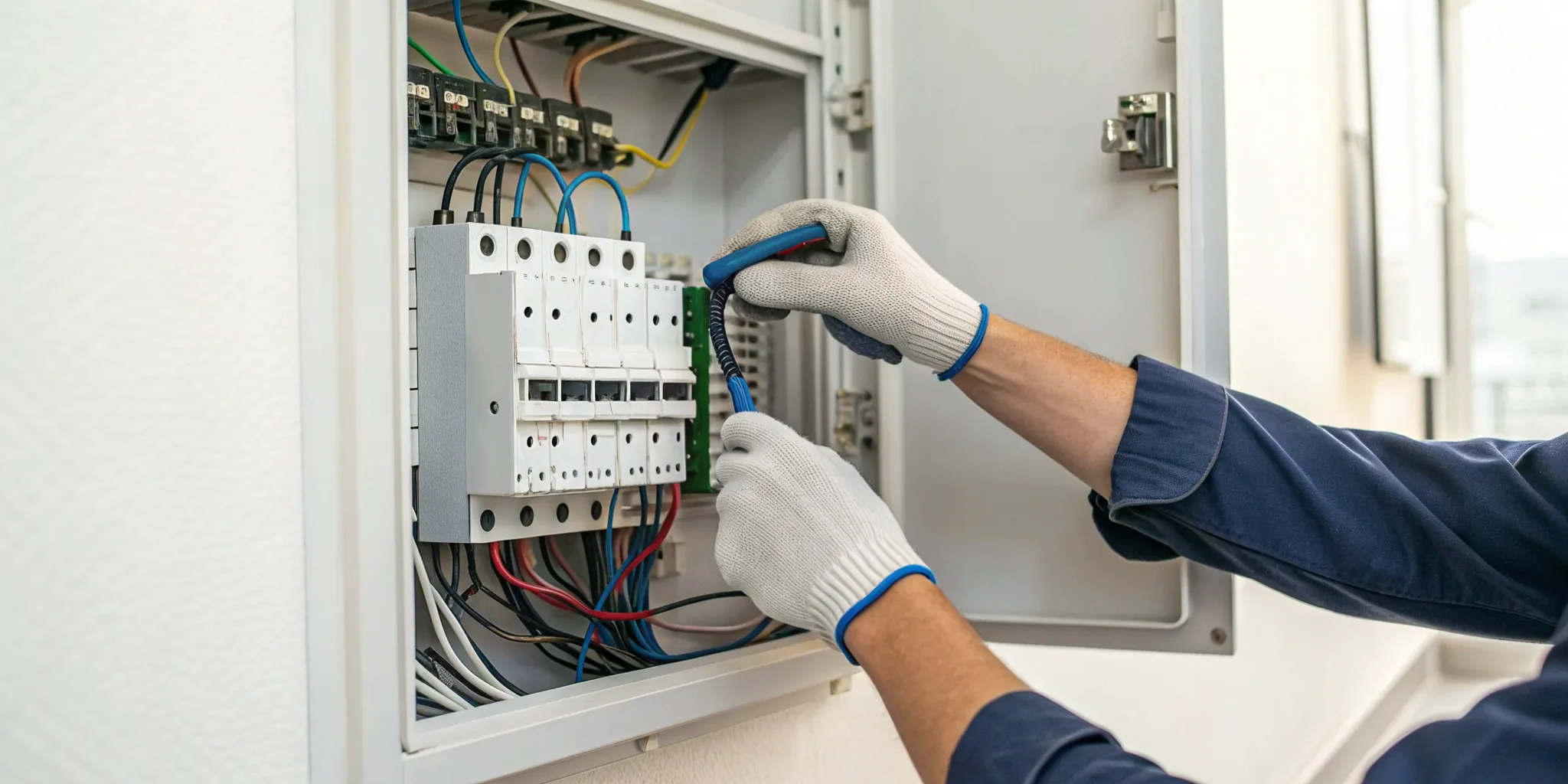
If you’re planning to upgrade your main electrical panel, you absolutely need a permit. This is a major overhaul of your home’s electrical system, not a minor repair. Any work on the breaker box itself, from replacing an old fuse box with a modern breaker panel to increasing your home’s amperage, is a significant project that requires oversight. This process ensures the new system can safely handle your home’s electrical load and meets all current safety standards. Because this is a critical component of your home’s infrastructure, it’s a job that should always be handled by a licensed electrician for repairs and properly permitted.
Adding New Circuits
Thinking about adding a new outlet in the living room or installing a ceiling fan where there wasn’t one before? You’ll likely need a permit. The rule of thumb is that running new wiring or adding a new circuit requires official approval. While replacing an existing light fixture or outlet in the same location usually doesn’t need a permit, creating something new does. This applies to projects like adding a dedicated circuit for a new appliance, wiring for an EV charger, or extending power to a shed. These jobs alter your home’s electrical blueprint, and a permit ensures the new wiring is installed safely and correctly.
When a Simple Fix Becomes a Major Project
Sometimes, what seems like a simple fix can uncover a much bigger issue. For example, a breaker that keeps tripping might not be faulty—it could be a sign that your entire panel is overloaded and needs an upgrade. Many homeowners don’t realize that this kind of project requires a permit until they’re already in the middle of it. Skipping this step can lead to serious consequences, including fines, trouble with your homeowner’s insurance, and issues when you try to sell your home. A professional can assess the situation and handle all the necessary residential electric permits, ensuring the job is done right from the start.
The Risks of Skipping the Permit
It can be tempting to see a permit as just another piece of bureaucratic red tape—an extra cost and a delay to your project. But when it comes to electrical work, that permit is one of the most important parts of the job. Skipping it might seem like a shortcut, but it’s a gamble that can lead to serious safety issues, financial headaches, and legal trouble down the road.
Think of a permit as a form of quality control. It ensures that any electrical work done in your home is reviewed and inspected by a professional who can confirm it meets local safety codes. This process protects you, your family, and your property from the dangers of faulty wiring. Before you let anyone, including yourself, touch your electrical system, it’s crucial to understand what’s at stake.
Safety Hazards and Code Violations
The number one reason for electrical permits is safety. Local building codes, like the National Electrical Code (NEC), are in place to prevent electrical shocks, fires, and other life-threatening hazards. When you get a permit, it means the proposed work will be held to these standards. An inspector will verify that the job was done correctly, from using the right gauge of wire to ensuring proper grounding.
Without this oversight, critical mistakes can go unnoticed. For example, replacing a 15-amp breaker with a 20-amp one to stop it from tripping might seem like a simple fix, but it can cause wires to overheat and start a fire. A permit and inspection process is designed to catch these dangerous errors. It’s a system of checks and balances that ensures any electrician repairs are completed safely and correctly, giving you peace of mind.
Problems with Insurance and Selling Your Home
Skipping a permit can create major financial problems long after the work is done. If a fire or other damage occurs due to unpermitted electrical work, your homeowner’s insurance company could deny your claim, leaving you to cover the costs yourself. The short-term savings are not worth the long-term risk of losing your home and having no financial recourse.
Furthermore, unpermitted work can bring a home sale to a screeching halt. During a home inspection, any electrical work that isn’t up to code or on record with the local municipality will be flagged. This can cause big problems that delay your sale or even force you to have the work redone by a licensed professional—this time with a permit.
Potential Fines and Failed Inspections
If your local building department discovers unpermitted electrical work, the consequences can be immediate and expensive. You could face significant fines for non-compliance. Authorities may also issue a “stop-work” order, halting your project until you get the proper permits.
In many cases, you’ll be required to expose the wiring for inspection, which could mean tearing out drywall and other finished surfaces. If the work doesn’t meet code, you’ll have to pay a licensed electrician to fix it and then pay for another inspection. What started as an attempt to save a little money can quickly spiral into a costly and stressful ordeal. Following the rules from the start ensures your project goes smoothly and doesn’t come with hidden penalties.
DIY vs. Hiring a Pro: What’s the Right Call?
It’s tempting to tackle home repairs yourself. With countless online tutorials, the idea of saving a few dollars and gaining a new skill is appealing. When it comes to painting a room or fixing a leaky faucet, a DIY approach can be rewarding. But electrical work is in a completely different league. A mistake doesn’t just mean a crooked picture frame; it can lead to serious safety hazards, costly damages, and legal headaches. This isn’t a project where “good enough” cuts it.
Your home’s electrical system is its central nervous system, powering everything from your morning coffee maker to your family’s movie night. Working on it requires precision, knowledge, and a deep respect for the power it carries. Deciding whether to replace a circuit breaker yourself or call a professional isn’t just about skill—it’s about safety, compliance, and long-term peace of mind. Before you even think about opening that electrical panel, it’s important to understand the risks involved and the value a licensed electrician brings to the job. Let’s break down what you need to consider before making the call.
The Dangers of DIY Electrical Work
Going the DIY route with electrical work can put your home and family at risk. One of the most common mistakes is accidentally overloading a circuit, which can cause an electrical fire or permanently damage your expensive appliances. Even a seemingly simple task like replacing a breaker can go wrong if you use the wrong type or fail to secure the connections properly. Beyond the immediate safety concerns, there’s the issue of permits. Many homeowners don’t realize that significant electrical work requires a permit, and skipping this step can lead to fines and complications if you ever decide to sell your home.
Why to Hire a Licensed Electrician
Hiring a licensed electrician means you’re bringing in a trained professional who understands the complexities of your home’s wiring. They have the right tools, extensive training, and, crucially, the proper insurance to handle the job safely. A professional can quickly diagnose underlying issues you might miss, ensuring the fix is not just a temporary patch but a lasting solution. When you work with a trusted team, you’re paying for the assurance that the job is done correctly and safely the first time. This expertise is essential for any electrical repairs, big or small.
Meeting Safety Standards and Code
Your home’s electrical system must follow a strict set of rules known as the National Electrical Code (NEC), as well as local regulations specific to your area in Pennsylvania. These codes aren’t just suggestions; they are safety standards designed to prevent electrical shocks, fires, and other hazards. A licensed electrician’s work is required to meet these standards. Whether you’re installing a new outlet or getting a complete residential standby generator installation, a professional ensures every connection is secure, every wire is correctly sized, and your entire system is up to code. This protects your home and gives you confidence in its safety.
How to Find Your Local Permit Requirements
Figuring out permit requirements can feel like a bit of a puzzle, mostly because the rules change depending on where you live. What’s required in Chester County might be different from the regulations in Bucks County. The good news is that finding the right information is straightforward once you know where to look. This process ensures that any electrical work done in your home is safe, up to code, and properly documented, which protects you, your family, and your home’s value. Before you or a professional touches your breaker box, taking a moment to understand your local rules is a non-negotiable first step.
Who to Call at Your Local Building Department
Your first and most important call should be to your local building department. This is the official source for all permit-related information in your specific township or municipality. A quick online search for “[Your Town’s Name] building department” will usually give you the phone number and address you need. When you call, simply explain that you need to replace a circuit breaker and ask what the permit requirements are. They will provide the most accurate and current information, cutting through any confusion and making sure you start the project on the right foot.
What to Expect: Costs and Inspections
Once you confirm a permit is needed, you can expect a few things. First, there will be a fee, which typically ranges from $40 to $150, depending on your location and the scope of the work. Second, the project will likely require an inspection after the work is completed. An inspector will visit your home to verify that the new breaker was installed correctly and that the work complies with the National Electrical Code (NEC) and any local amendments. This inspection isn’t just a formality; it’s a critical safety check to ensure everything is functioning properly.
Getting Your Paperwork Ready and Finding a Pro
Obtaining the right permit before work begins is essential. It creates an official record of the upgrade and confirms the job was done to professional standards. While you can handle the paperwork yourself, working with a professional makes the process much easier. A trusted, licensed electrician not only performs the replacement safely but also understands the local permit process inside and out. They can manage the application, schedule the inspection, and ensure every detail is handled correctly, giving you complete peace of mind.
Related Articles
- How Much to Replace an Electrical Panel in 2025?
- Electrician for Panel Upgrade: A Homeowner’s Guide
- 7 Signs You Need to Upgrade Your Electrical Panel
- Price for Electrical Panel Upgrade: A 2025 Cost Guide
Frequently Asked Questions
My breaker trips all the time. Does that mean it’s broken? Not necessarily, but it’s definitely a warning sign. Frequent tripping often means you’re overloading the circuit by plugging too many high-power devices into it. Try moving an appliance to a different outlet on another circuit. If the breaker continues to trip even with a light load, it could be failing or there might be a more serious wiring issue. In that case, it’s time to have a professional take a look.
Can I just swap my 15-amp breaker for a 20-amp one to stop it from tripping? This is a common but very dangerous idea. Your home’s wiring is specifically sized for the amperage of the breaker protecting it. Putting a 20-amp breaker on a circuit with 15-amp wiring allows too much current to flow through the wires, which can cause them to overheat and create a serious fire hazard. Always replace a breaker with one of the exact same amperage.
Is it really a big deal to skip a permit for a small electrical job? Yes, it can be a very big deal. A permit isn’t just paperwork; it’s a safety measure that triggers a professional inspection to ensure the work was done correctly. If you skip a required permit, you could face fines from your local municipality. More importantly, if unpermitted work causes a fire, your homeowner’s insurance may deny your claim, and it can create major complications when you try to sell your house.
How can I tell if my whole electrical panel is outdated? Age is a big clue. If your home is over 25 years old and still has its original panel, it’s a good idea to have it inspected. Other signs include a persistent burning smell, breakers that feel warm, or visible rust and corrosion inside the panel. If you still have an old-fashioned fuse box instead of a breaker panel, it is definitely time for an upgrade to meet modern safety standards.
Why should I hire an electrician if I can just get the permit myself? While you might be able to handle the permit application, an electrician brings crucial expertise to the actual job. They can identify underlying problems you might miss, ensure the work is fully compliant with local and national codes, and handle the entire process safely. A professional manages the project from start to finish, including the permit and inspection, giving you confidence that the job was done right and your home is safe.