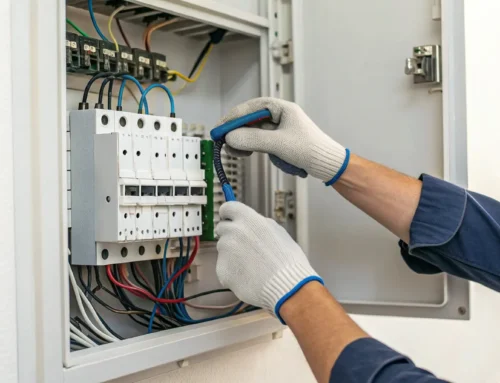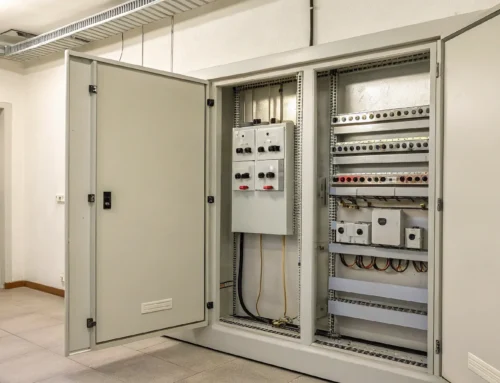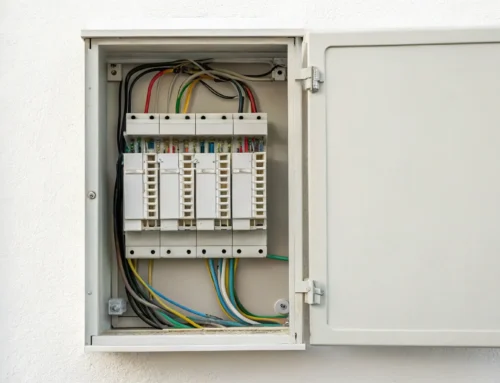
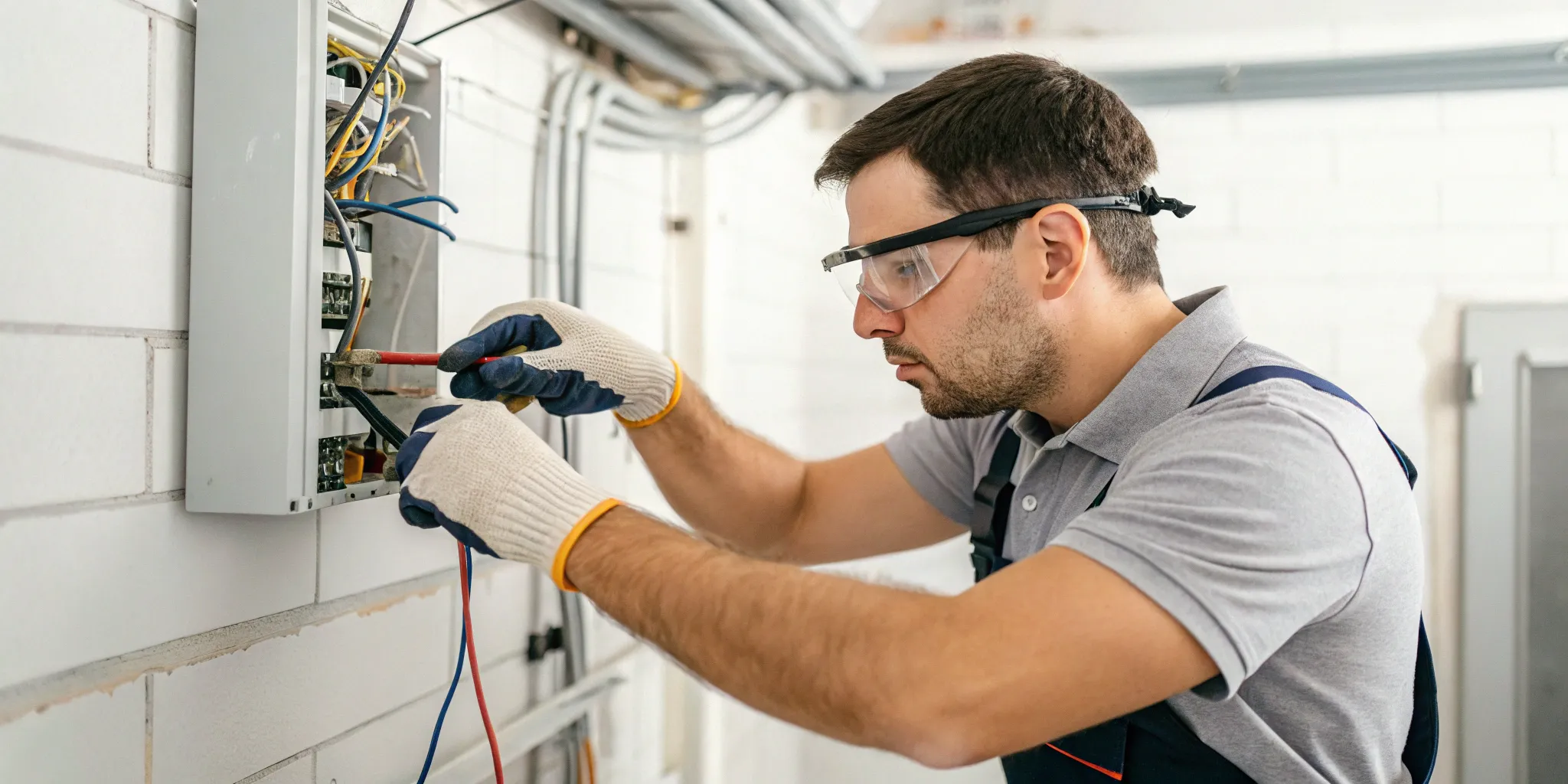
Planning a kitchen remodel or thinking about adding an EV charger in the garage? Before you pick out new appliances or schedule an installation, you need to look at your electrical panel. It’s the gateway for all power in your home, and if it’s not up to the task, your renovation plans could come to a halt. Upgrading your panel is a foundational step that “future-proofs” your home, giving you the capacity to add new technology and conveniences without worry. Hiring a trusted electrician for electrical panel replacement is the key to ensuring your home’s electrical system can support your ambitions, including providing reliable power for a whole-home Generac generator.
Key Takeaways
- Recognize the Red Flags: Frequent breaker trips, flickering lights, and a burning smell are clear signs your electrical panel is a safety risk. An outdated panel can’t keep up with modern electrical demands and needs a professional evaluation.
- Prioritize Professional Installation: Replacing an electrical panel is not a DIY project. Always hire a licensed and insured electrician who handles permits and guarantees their work is safe, compliant with local codes, and properly inspected.
- Plan for Future Power Security: A panel upgrade is the perfect time to prepare your home for future needs. Installing a 200-amp panel ensures you have the capacity for additions like an EV charger and provides the necessary foundation for a whole-home Generac generator.
What Is an Electrical Panel? (And When Should You Replace It?)
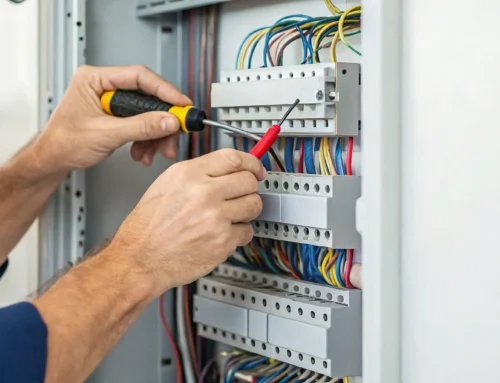
Think of your electrical panel as the heart of your home’s electrical system. It takes the main power line coming into your house and safely distributes it to all the different circuits—powering everything from your lights and outlets to your major appliances. It’s also your home’s most important safety feature. When a circuit gets overloaded, the panel’s breakers trip to shut off the power, preventing overheating that could lead to a fire.
But just like any other critical component of your home, your electrical panel doesn’t last forever. An outdated or failing panel can’t keep up with the demands of today’s technology and can pose a serious risk. Knowing what to look for is the first step in keeping your home and family safe.
What Your Electrical Panel Does
At its core, your electrical panel, or breaker box, is a safety device. Its main job is to protect your home from electrical dangers. It houses all of your home’s circuit breakers, which are switches that automatically interrupt the flow of electricity when they detect a problem, like an overload or a short circuit. If you plug too many things into one outlet or an appliance malfunctions, the breaker for that circuit trips, cutting the power before wires can overheat and cause a fire. This simple function is crucial for preventing electrical fires and protecting your appliances from damage. When everything is working correctly, you probably don’t even think about it, but it’s constantly on guard.
Signs It’s Time for a Replacement
An electrical panel won’t always tell you in plain English that it’s time for an upgrade, but it will give you clues. You should consider a replacement if your panel is more than 25 years old, as technology and safety standards have changed significantly. Another major red flag is frequently tripped breakers; this often means your panel can no longer handle your home’s electrical load. Also, keep an eye out for flickering or dimming lights, a faint burning smell near the panel, or scorch marks on the box itself. If you’re planning to add major appliances like a new HVAC system, an EV charger, or are undergoing a significant home renovation, an upgrade is almost always necessary to support the increased power demand. These are all signs that you may need professional electrician repairs.
The Dangers of an Outdated Panel
Putting off an electrical panel replacement isn’t just an inconvenience—it’s a serious safety risk. Electricity is powerful, and an old panel can fail to do its one critical job: stopping the flow of power during a fault. If a breaker doesn’t trip, wires can overheat and melt, creating a major fire hazard. Outdated panels, especially those from brands that are no longer in production, are notorious for this. Beyond the fire risk, an old panel can also damage your sensitive electronics through power surges. Investing in a new electrical panel is a direct investment in your home’s safety and functionality, giving you peace of mind that your residential electrical system is secure and capable of meeting your needs.
The Panel Replacement Process, Step by Step
Thinking about replacing your electrical panel can feel like a huge undertaking, but it doesn’t have to be overwhelming. When you work with a professional, the entire process is broken down into clear, manageable steps designed to keep your home safe and your power reliable. A panel upgrade is more than just a repair; it’s an investment in your home’s electrical capacity, ensuring it can handle modern appliances, a home office, or even a whole-home Generac generator. Understanding the process from start to finish can give you the confidence that the job is being done right. Let’s walk through what you can expect.
Assessment and Planning
The first step is a thorough assessment. A qualified electrician will visit your home to evaluate your current electrical system and discuss your future needs. They’ll calculate your home’s total electrical load—everything from your lights and outlets to your major appliances. This is also when they’ll inspect the wiring connected to your panel to ensure it’s safe and up to the task. This planning stage is critical. It ensures your new panel has the right capacity for both your current lifestyle and any future additions, preventing overloaded circuits and other potential hazards down the road.
Permits and Code Compliance
Replacing an electrical panel is a job that requires official approval. Your electrician will handle the process of obtaining the necessary permits from your local municipality, whether you’re in Chester, Delaware, or another of our service areas. This isn’t just red tape; it’s a crucial step that ensures all work complies with the National Electrical Code and local regulations. Adhering to these codes is essential for your family’s safety and is often required for homeowner’s insurance. A professional contractor manages this for you, so you can be sure the installation is fully compliant and properly documented.
Safe Power Shutdown
Safety is the top priority during a panel replacement, which is why the process always begins with a complete power shutdown. This goes beyond just flipping the main breaker in your old panel. To ensure there is absolutely no electricity flowing into your home while the work is being done, the electrician will coordinate with your utility company to have the power disconnected at the meter. This creates a safe working environment and eliminates the risk of electrical shock. While your home will be without power for several hours, this step is non-negotiable for a safe and successful installation.
Removing the Old Panel and Installing the New One
Once the power is off, the hands-on work begins. The electrician will carefully disconnect all the circuits, remove the old electrical panel from the wall, and inspect the wiring. Any outdated or damaged wires can be addressed at this stage. Next, they will securely mount the new panel and begin connecting each circuit to a new, corresponding breaker. Each connection is tightened to precise specifications, and all circuits are clearly labeled inside the new panel’s door. This meticulous work ensures your system is organized, safe, and easy to manage for any future electrician repairs.
Final Testing and Inspection
After the new panel is fully installed, the job isn’t quite finished. Your electrician will coordinate with the utility company to restore power to your home. Then, they will systematically test every single circuit to make sure everything is functioning correctly and safely. They’ll turn on lights, test outlets, and run appliances to confirm a balanced load and proper operation. Finally, in most cases, a municipal inspector will visit to conduct a final review of the work. This third-party verification provides the ultimate peace of mind, confirming your new panel is professionally installed and code-compliant.
How to Choose the Right Electrician
Choosing an electrician for a panel replacement is a big decision. This isn’t a simple repair; it’s major surgery for your home’s electrical system. The right professional ensures the job is done safely, correctly, and up to code, protecting your home and family. This is especially critical if you’re planning for future power needs, like adding an EV charger or a whole-home Generac generator. You need a team you can trust to get the foundation right. Finding that qualified expert involves a bit of homework, but taking the time to vet your options will give you peace of mind for years to come. It’s about finding a partner who understands your home’s specific needs and can provide reliable, long-term solutions.
Verify Qualifications and Certifications
Before you do anything else, confirm that any electrician you consider is licensed and certified to work in Pennsylvania. This is your first and most important quality check. A license proves they have the right training and knowledge to handle complex electrical work safely. As one industry expert notes, “Licensed electricians have undergone the necessary training and certification to perform electrical work safely and in compliance with local codes.” Don’t just take their word for it—ask to see their credentials. A reputable company will be happy to provide this information. This step ensures that the person working on your home’s central electrical hub is a qualified professional, not just a handyman.
Get Multiple Quotes and Check References
It’s wise to get at least two or three detailed quotes for your panel replacement. A quote should be more than just a final number; it should be an itemized list of all parts and labor. This transparency helps you compare apples to apples and understand exactly what you’re paying for. Be wary of any quote that seems unusually low, as it could signal cut corners. To avoid surprises, it’s a good idea to “ask if the electrical contractor has any service fees, travel costs, and even trip charges.” Beyond the numbers, check online reviews and ask for references. Hearing from previous customers can tell you a lot about an electrician’s professionalism, timeliness, and quality of work.
Ask About Insurance and Warranties
Proper insurance is non-negotiable. The electrician you hire must carry both liability insurance and worker’s compensation. Liability insurance protects your property in the rare event of damage, while worker’s comp covers the technicians if they are injured on the job. Without it, you could be held responsible. Asking about insurance is a key way “to protect your home, family, and investment.” You should also ask about warranties. A trustworthy contractor will stand behind their work with a warranty on both the parts they install and the labor they perform. This guarantee shows confidence in their service and provides you with a safety net for your electrical repairs.
Key Questions to Ask Before Hiring
Once you’ve narrowed down your options, it’s time for a final interview. Having a list of questions ready helps you make an informed and confident decision.
Here are a few essential things to ask:
- Are you licensed and insured in Pennsylvania? We’ve covered this, but it’s worth asking directly.
- Can you provide a detailed, written estimate? This ensures there are no hidden costs.
- Will you be pulling the necessary municipal permits? A professional electrician should always handle the permitting process to ensure the work is code-compliant.
- What is your experience with panel replacements, especially in homes like mine? Experience matters, particularly with the older homes common in our area.
- What kind of warranty do you offer on your work and the new panel?
Preparing for Your Panel Replacement
Once you’ve chosen a qualified electrician and scheduled your panel replacement, a little prep work can make the day go much more smoothly. Knowing what to expect and how to get your home ready ensures the project is efficient and stress-free. Here’s a simple breakdown of the timeline, a few preparation tips, and some common pitfalls to sidestep.
Understanding the Project Timeline
Replacing an electrical panel is a significant job, but it’s typically completed within a single day. You can expect the hands-on work to take between four and eight hours. During this time, the power to your entire home will be shut off for safety. This planned outage is a great opportunity to assess your family’s needs. If you work from home or rely on powered medical equipment, you’ll need to make alternative arrangements. It also highlights how crucial a modern, reliable electrical system is, which is why many homeowners consider a panel upgrade as the first step toward a residential standby generator installation for total peace of mind.
How to Prepare Your Home for the Electrician
Your electrician will handle all the technical work, but you can help them get started right away with a few simple steps. First, clear a path to the electrical panel and ensure there’s a wide, open space for them to work. This means moving any furniture, storage boxes, or other items that might be in the way. Since you’ll be without power, charge all your essential devices like phones and laptops ahead of time. It’s also wise to plan for meals that don’t require electricity and to make sure any pets or small children are kept safely away from the work area. A little planning makes a big difference for a seamless installation day.
Common Mistakes to Avoid
The biggest mistake you can make with an electrical panel is trying to do it yourself. This is a complex job that involves significant safety risks and requires deep knowledge of electrical codes. Always leave these types of electrician repairs to a licensed professional. Another common error is hiring someone without verifying their credentials. A qualified electrician will be licensed, insured, and will handle all necessary permits to ensure your new panel is installed safely and passes inspection. When you work with a trusted company, you can be confident that the technicians, like our team, have the training and experience to do the job right.
What Factors Into the Cost of a Panel Replacement?
Figuring out the cost of an electrical panel replacement isn’t as simple as picking an item off a shelf. The final price tag is a blend of several key factors, from the specific hardware your home needs to the complexity of the installation itself. While industry averages can give you a general idea, the most accurate number will always come from a professional assessment of your unique situation. Understanding what goes into the quote can help you make an informed decision and see the value behind the investment in your home’s safety and electrical capacity. Let’s break down the main components that influence the cost.
Labor and Material Factors
The two biggest pieces of the puzzle are materials and labor. The panel itself, along with new circuit breakers and wiring, makes up the material cost. The price of the panel can vary depending on the amperage you need (say, 100 amps versus 200 amps) and the brand. The other major component is the labor provided by a licensed electrician. This isn’t just about the time it takes; you’re paying for years of training, expertise, and the assurance that the job is done safely and correctly. Proper electrical repairs are critical for your home’s safety, and a panel replacement is a complex task best left to a professional.
Your Home’s Unique Electrical Setup
No two homes are exactly alike, and neither are their electrical systems. The cost of your panel replacement will be directly influenced by your home’s specific needs. A larger home often requires a panel with more circuits, which can affect the price. If you’re upgrading your service—for example, moving from an old 60-amp panel to a modern 200-amp one—the project becomes more involved. The location of the panel also matters. If it needs to be moved to comply with current safety codes, that will add to the scope of work. The condition of your existing wiring plays a role, too, as some older systems may require extra attention to integrate with a new panel.
Permit Fees and Optional Upgrades
A panel replacement is a significant electrical project that requires a permit from your local municipality. This is a non-negotiable step that ensures the work is performed to the standards of the National Electrical Code (NEC) and is officially inspected for safety. The permit fee is a standard part of the overall cost. While the panel is being replaced, you might also consider optional upgrades. For instance, adding whole-home surge protection directly at the panel can be a smart move. It’s a cost-effective way to protect all your sensitive electronics and appliances from power surges.
Planning for Future Power Needs
When you replace your electrical panel, you have a great opportunity to plan for the future. Our daily electricity use is only going up, with EV chargers, smart home technology, and modern appliances becoming more common. If you have a 100-amp panel, it might be wise to upgrade to a 200-amp panel now, even if you don’t need the full capacity today. This “future-proofs” your home, ensuring your electrical system can handle new additions down the road without needing another major overhaul. It also prepares your home for larger projects, like a residential standby generator installation, which relies on a modern, capable panel.
Related Articles
- How Much to Replace an Electrical Panel in 2025?
- Price for Electrical Panel Upgrade: A 2025 Cost Guide
- Electrician for Panel Upgrade: A Homeowner’s Guide
Frequently Asked Questions
How long will my power be out during the replacement? You should plan for your home to be without power for four to eight hours on the day of the installation. This is a critical safety measure that allows the electrician to work without any risk of live electricity. We recommend charging your phones and laptops the night before and making plans that don’t rely on your home’s power for that day.
Why is a permit so important for this kind of work? A permit isn’t just about paperwork; it’s a crucial safety check for your home. It ensures that the work is done according to the latest electrical codes and will be reviewed by a local inspector. This third-party verification confirms that your new panel is installed correctly, protecting your family and your investment.
My current panel is full. Can’t I just add a smaller sub-panel? While a sub-panel can be a solution in some cases, it doesn’t solve the root problem if your main panel is already at its maximum capacity. A full panel often indicates that your home’s entire electrical service may not be sufficient for your needs. A professional assessment can determine if a full panel replacement is the safer, more effective long-term solution.
How does a new electrical panel relate to getting a whole-home generator? Think of your electrical panel as the gateway for all power in your home. A whole-home generator connects to your system through an automatic transfer switch, which works directly with the panel. Having a modern, capable panel with sufficient space is essential for a safe and seamless generator installation, ensuring it can reliably power your home’s circuits during an outage.
What if you discover my home’s wiring is old or damaged during the replacement? This is a common concern, especially in older homes. Part of the replacement process includes a thorough inspection of the wiring that connects to the panel. If our electrician finds any issues, like frayed or outdated wiring, they will stop and discuss the safest and most practical solutions with you before moving forward. Our priority is to ensure your entire electrical system is secure.