
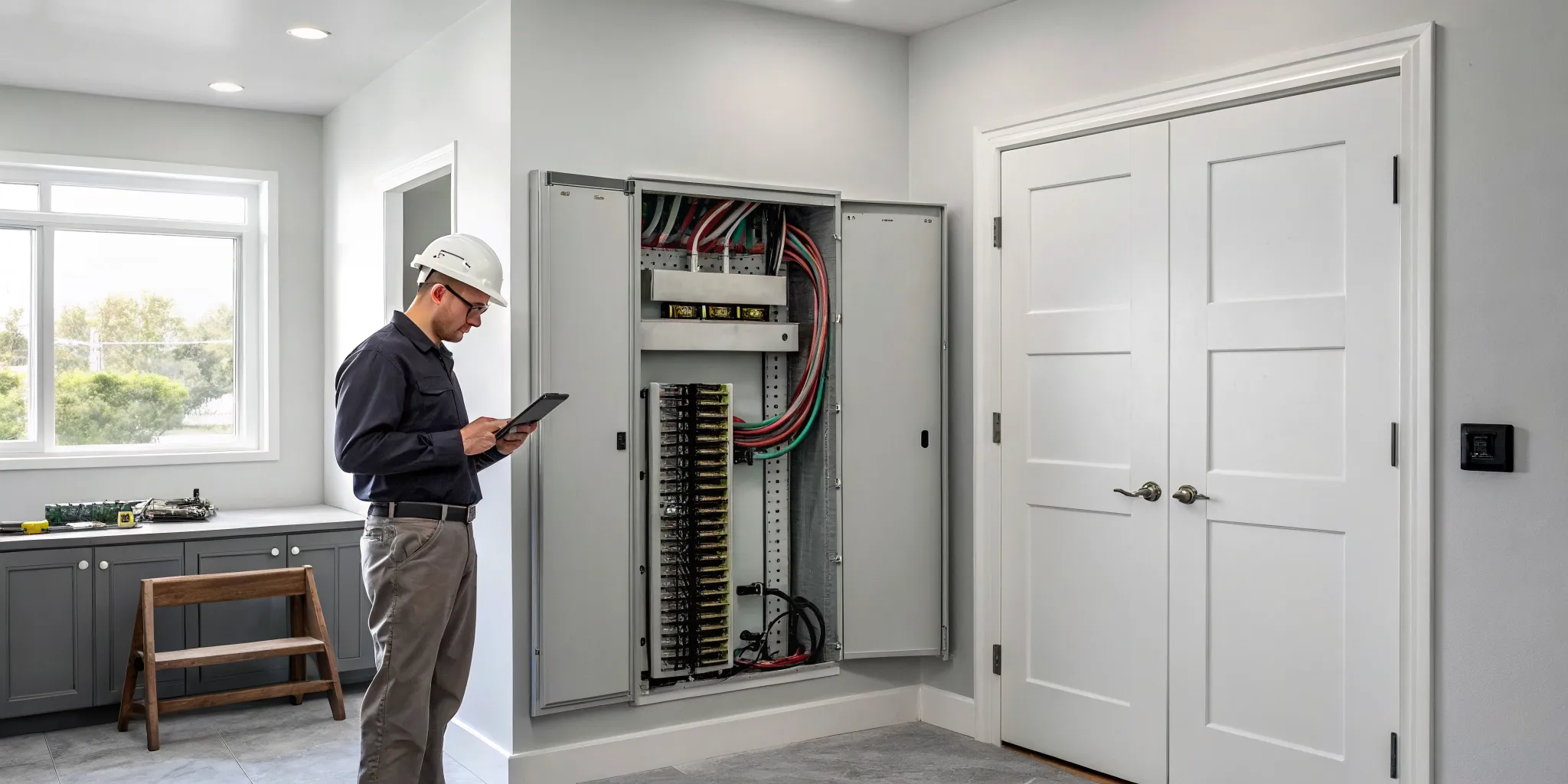
Think about how much our power needs have changed. We now have home offices, smart devices in every room, and maybe even an electric vehicle charging in the garage. All these modern conveniences rely on a strong and stable electrical foundation, but many homes are still running on systems built decades ago. An outdated electrical panel is like trying to run a supercomputer on a flip phone battery; it simply wasn’t designed for the job. Upgrading is a crucial step to future-proof your home, especially if you’re considering a major addition like a Generac generator. Understanding the cost to replace electrical panel and wiring is the first step in making sure your home is ready for today and tomorrow.
Key Takeaways
- An outdated panel is a safety risk: Pay attention to warning signs like frequent breaker trips, flickering lights, or visible damage. Upgrading your panel is a crucial step to prevent electrical fires and support your home’s modern power needs.
- Plan your budget beyond the panel itself: The final cost is influenced by the panel’s amperage, the condition of your wiring, and local permit fees. Remember to account for potential extras like drywall repair to avoid surprises.
- Leave this project to a licensed electrician: A panel replacement is not a DIY job due to serious safety risks. A professional handles the entire process safely, secures the necessary permits, and guarantees the work is compliant with all electrical codes.
Signs It’s Time to Replace Your Electrical Panel and Wiring
Your home’s electrical panel is the heart of its electrical system, distributing power wherever you need it. But just like any hard-working component, it can get worn out or become outdated. An electrical system won’t always fail silently; it often gives you clear warning signs that it’s struggling to keep up. Paying attention to these signals is key to keeping your home safe and powered effectively. If you notice any of the following issues, it might be time to consider an upgrade.
Frequent Breaker Trips and Flickering Lights
Do you find yourself constantly heading to the basement to flip a tripped breaker? While circuit breakers are designed to trip as a safety measure, frequent trips are a red flag. It’s a sign that your panel is overloaded and can’t handle your home’s electricity demands. You might also notice your lights flicker or dim whenever a large appliance like your air conditioner or microwave kicks on. This is another classic symptom of an overtaxed electrical system that needs professional attention. These issues indicate it’s time to call for electrician repairs before a small annoyance becomes a bigger problem.
Visible Damage Like Rust, Corrosion, or Burn Marks
You should take a look at your electrical panel every so often. If you see any rust or corrosion, it could be a sign of water damage, which can lead to serious electrical failures. Even more alarming are burn marks or a distinct burning smell coming from the panel area. These are urgent signs of overheating and faulty wiring, which create a significant fire risk. Don’t ignore these visual or olfactory warnings. These are not DIY fixes; they are clear indicators that your home’s residential electric system requires an immediate professional inspection to ensure your family’s safety.
The Age of Your Electrical System
If your home is more than 25 years old and still has its original electrical panel, it’s likely time for a replacement. Panels from that era were not designed to support the sheer number of devices and appliances we use today. Our modern power demands, from multiple computers and smart TVs to high-efficiency HVAC systems, can easily overwhelm an older system. Furthermore, some older panel brands, like Federal Pacific and Zinsco, are now known to be unsafe and may not function correctly in an emergency. Upgrading your panel ensures your home can safely power everything, including important investments like Generac generators.
What Affects the Cost of an Electrical Panel Replacement?
Figuring out the cost of an electrical panel replacement isn’t as simple as picking a number from a catalog. The final price depends entirely on your home’s specific situation. Several key factors come into play, from the size of the panel you need to the condition of your current wiring. Understanding these elements will help you see exactly what goes into the quote you receive from a professional electrician. The main cost drivers are the panel’s amperage, the state of your existing wiring, local labor rates, and any required permits for the job.
Panel Size and Amperage
Think of your electrical panel’s amperage as the total amount of power it can deliver to your home at one time. A 100-amp panel was once the standard and is still sufficient for some smaller, older homes without many large electric appliances. However, the new standard for most modern homes is a 200-amp panel. This size can comfortably handle central air conditioning, electric ranges, and future power needs like an EV charger or a home standby generator. Upgrading to a larger panel costs more, but it’s a necessary investment to safely power a modern lifestyle and prepare your home for future additions.
The Condition of Your Existing Wiring
Your electrical panel doesn’t work in isolation; it’s connected to a whole network of wires running through your walls. If your home’s wiring is old (over 25 years), damaged, or not up to current safety codes, it will need to be addressed during the replacement. An electrician cannot safely connect a new, modern panel to faulty or outdated wiring. During an initial assessment, a professional will inspect the wiring connected to the panel to identify any issues that need to be fixed. These necessary electrician repairs ensure your entire electrical system is safe and reliable, but they will add to the project’s total cost.
Labor and Regional Costs
A significant portion of the cost for an electrical panel replacement comes from the labor involved. This isn’t a simple plug-and-play task; it requires a licensed electrician with the expertise to perform the work safely and correctly. Labor costs can vary based on your location and the complexity of the job. For example, replacing an old fuse box with a modern breaker panel is often more involved than a straightforward panel swap. Here in Southeastern Pennsylvania, our team has experience working on a wide range of homes, and we can provide a clear quote based on the specific requirements of your project in our service areas.
Permit and Inspection Fees
When you replace an electrical panel, a permit is almost always required by your local municipality. This isn’t just bureaucratic red tape; it’s a crucial safety measure. The permit ensures that the work is performed according to the National Electrical Code and is inspected by a third-party official upon completion. This process guarantees the job was done right and protects you and your home. A professional contractor will handle the entire permitting process for you. The fees, which typically range from $50 to over $300, are a small price to pay for the peace of mind that comes with knowing your electrical system is safe and compliant.
How Much Does an Electrical Panel and Wiring Replacement Cost?
Okay, let’s get straight to the point: what’s this going to cost? While I can’t give you a single magic number, I can break down the costs so you know what to expect. Replacing an electrical panel and wiring is a significant home upgrade, but it’s also a crucial investment in your home’s safety and future. The final price tag depends on a few key things: the size of the panel you need, the condition of your current wiring, and the labor involved. Think of it less as a simple expense and more as preparing your home for modern life. This is especially true if you’re planning for bigger additions, like an EV charger or a residential standby generator that needs a solid electrical foundation to keep your family safe and comfortable during an outage. A new panel ensures your home can handle today’s power demands and is ready for whatever you have planned next.
Cost Breakdown by Panel Size
The biggest factor in your replacement cost is the panel’s amperage, which is its capacity to handle electricity. For smaller homes without many large electric appliances, a 100-amp panel might be sufficient. For most modern homes, however, a 200-amp panel is the standard. It provides the power you need for today’s electronics and appliances, and it gives you room to grow. Upgrading to a 200-amp panel is a smart move if you’re thinking about future projects. Our team can help you assess your needs and figure out the right size for your home’s residential electric system, ensuring you have a safe and reliable power supply for years to come.
Full House Rewire vs. Partial Replacement
Sometimes, the job is bigger than just the panel. If your home has old, outdated, or damaged wiring (like old knob-and-tube or frayed aluminum wiring), a full rewire might be necessary to bring your home up to current safety codes. A simple panel swap is a relatively quick job, usually taking less than a day. A full house rewire, on the other hand, is a much more involved project that can take several days. It involves replacing the old wires running through your walls. While it’s a bigger investment, it’s essential for safety and peace of mind. Our expert electricians can handle all types of electrician repairs, from simple fixes to complete system overhauls.
Should You Replace Your Panel and Wiring at the Same Time?
This is a great question, and the answer is often yes, especially if you’re planning other upgrades. If you’re adding a major new appliance like a hot tub, a central air conditioning unit, or an electric vehicle charger, your old panel might not be able to handle the extra load. This is also a critical consideration when installing a whole-home Generac generator. A generator needs a modern, capable electrical panel to work correctly and safely. Upgrading your panel and any necessary wiring at the same time as another big project is efficient. It saves you from having to do more electrical work later and ensures your home’s power system is robust and ready for anything.
Other Potential Costs to Keep in Mind
An electrical panel replacement quote covers the main event, but it’s smart to budget for a few potential extras. Think of it like renovating a kitchen; you might plan for new cabinets and counters, but you could discover a plumbing issue once you open up the walls. The same can happen with electrical work. Being aware of these possibilities ahead of time helps you plan your budget and ensures there are no major surprises, keeping your project on track and stress-free.
When a licensed electrician provides a quote, it’s based on the visible and known factors of your project. However, some things simply can’t be known until the work is underway. This can include the condition of wiring hidden in your walls or the need to bring older parts of your home up to current electrical code. It’s also important to remember that the electrician’s job is focused on the electrical system itself. This means that cosmetic work, like repairing drywall, is typically handled separately. By understanding these potential add-ons, you can have more informed conversations with your contractor and create a more realistic overall budget. This transparency helps build trust and ensures the final result is a safe, compliant, and fully functional electrical system that you can rely on for years. Below, we’ll walk through the most common additional costs that can come up during a panel replacement.
Structural Surprises Behind the Walls
Sometimes, what’s hiding behind your drywall can change the scope of a project. If your home has old or damaged wiring, it will need to be updated to meet current safety codes, which adds to the cost. An initial inspection can often spot these issues, but the full extent might not be clear until the work begins. Our team always communicates openly about any unexpected electrician repairs needed to make your home safe. It’s an extra step, but it’s essential for the long-term safety and reliability of your electrical system. This isn’t about upselling; it’s about ensuring your entire home is protected from potential fire hazards associated with outdated wiring.
Drywall Repair and Finishing Work
To access and replace your electrical panel and wiring, electricians might need to cut into your drywall. While we always aim to be as minimally invasive as possible, some cutting is often unavoidable. The quote you receive from an electrical contractor typically covers the electrical work itself, but not the subsequent drywall repair, patching, and painting. It’s a good idea to have a trusted handyman or painter in mind for this finishing work so you can get your walls looking perfect again right after your new, safer panel is installed. Factoring this in from the start helps you manage the total project cost and timeline without any last-minute scrambling.
Relocating the Electrical Panel
In some cases, your current electrical panel might not be in a location that meets modern safety codes. For example, it might be in a bathroom, a closet, or another area that’s no longer considered safe. If the panel needs to be moved to a more suitable location, you should budget for this additional work. Relocating the panel can add to the project’s cost, depending on how far it needs to move and the complexity of rerouting the circuits. This step ensures your home is not only updated but also fully compliant with safety standards, which is crucial for both your family’s well-being and your home’s value.
Upgrading for Modern Power Demands
Our homes are more power-hungry than ever before. With electric vehicles, smart home devices, and high-efficiency appliances, your old panel might not be able to keep up. If your current panel can’t handle your family’s needs, you should upgrade to a panel with more power (higher amperage). This is especially important if you’re planning a home addition or installing a major new appliance like a hot tub or central air conditioning. A robust residential electric system is the foundation for a modern, comfortable, and functional home, ensuring you have all the power you need, right when you need it, without constantly tripping breakers.
What Is the Panel Replacement Process?
Replacing your electrical panel might sound like a massive, disruptive project, but when handled by a professional, it’s a surprisingly smooth process. A qualified electrician doesn’t just show up and start pulling wires; they follow a structured plan designed for safety, efficiency, and long-term reliability. The entire replacement, from the first conversation to the final sign-off, is broken down into manageable steps. This ensures your home is without power for the shortest time possible and that the new system perfectly matches your needs.
Understanding what to expect can take the stress out of the equation. The process isn’t just about swapping out a metal box. It’s about creating a safer electrical foundation for your home that can handle everything from your morning coffee maker to a new home office or even a whole-home generator. It’s a critical upgrade that protects your appliances, prevents electrical hazards, and prepares your home for the future. The process involves a careful assessment of your current setup, handling all the necessary permits and codes, and a precise installation. Let’s walk through what each of these stages looks like so you can feel prepared and confident about this essential home improvement project.
Assessing Your Current System
The first step is a professional assessment of your home’s electrical needs. An electrician will visit your home to evaluate your current panel and discuss your power usage. This isn’t just about what you use today; it’s also about planning for the future. Are you thinking about finishing the basement, adding an EV charger, or installing a residential standby generator? This conversation helps determine the right panel size (amperage) to support your household now and for years to come. This initial check-up ensures your new panel is perfectly suited for your lifestyle and prevents future electrical issues.
Handling Permits and Code Compliance
Anytime you perform major electrical work, a permit is required. This isn’t just red tape; it’s a crucial safety measure. Permits ensure the replacement meets the National Electrical Code and local regulations, protecting your home and family. Your electrician will handle the entire permitting process, from filing the paperwork to scheduling the final inspection. This is one of the biggest benefits of hiring a professional, as they are familiar with the specific requirements in different townships across our service areas. You can rest easy knowing all the work is documented, approved, and fully compliant.
Removing the Old Panel and Installing the New One
On installation day, the process is efficient and organized. First, the electrician will shut off the main power to your home for safety. Then, they will carefully disconnect and remove your old electrical panel. The new panel is then mounted, and each of your home’s circuits is wired into the new breakers. A good electrician will also neatly label every circuit, so you know exactly what each breaker controls. Most panel replacements take between four and eight hours, and once the work is complete and passes inspection, your power will be restored. You’ll be left with a safe, reliable, and modern hub for your home’s electrical system.
More Than Money: The Benefits of a New Panel
Thinking about an electrical panel replacement purely in terms of cost is like looking at only one piece of a puzzle. While it’s a significant project, upgrading your panel is an investment in your home’s safety, value, and future-readiness. A modern panel is the heart of your home’s residential electric system, ensuring everything from your coffee maker to your computer runs smoothly and safely. It’s the foundation you need for a reliable power supply, especially if you’re considering additions like an EV charger or a whole-home generator.
Reduce Fire and Electrical Hazards
An outdated electrical panel isn’t just an inconvenience; it’s a serious safety risk. Older panels were not designed to handle the electrical load of modern households. Over time, this strain can lead to overheating, electrical shocks, and even fires. Some older panel brands are now known to have design flaws that prevent breakers from tripping correctly, creating a major hazard. By upgrading, you’re installing a new system that meets current safety codes and provides a steady, reliable flow of power. This simple change protects your home, your family, and your valuable electronics from the dangers of an overloaded or failing system, giving you invaluable peace of mind.
Improve Your Homeowners Insurance Options
When you apply for or renew your homeowners insurance, the provider will ask about your home’s electrical system. They know that outdated panels, especially certain brands from the mid-20th century, are a liability. Insurers may charge higher premiums or even deny coverage for homes with these known risks. A new electrical panel demonstrates that you are proactively maintaining your home and reducing the risk of an electrical fire. This can make it much easier to secure a good insurance policy and may even help you get a better rate. It’s a practical step that shows you’re a responsible homeowner, which insurance companies always like to see.
Increase Home Value and Energy Efficiency
A new electrical panel is a powerful selling point for any home. Prospective buyers are looking for a safe, move-in-ready property, and an updated electrical system checks a major box. It signals that the home is well-maintained and can handle modern demands. Beyond just resale value, a new panel prepares your home for the future. It provides the capacity needed for energy-efficient appliances, smart home technology, and even a residential standby generator installation. A modern panel manages your home’s power more effectively, ensuring a stable supply and preventing the inefficiencies that come with an outdated system.
How to Save Money on Your Electrical Replacement
An electrical panel and wiring replacement is a major home improvement project, but the cost doesn’t have to be a source of stress. With some planning and smart strategies, you can make the project more affordable without compromising on safety or quality. It’s all about being an informed homeowner and taking control of the process where you can. By thinking ahead about who you hire, what financial programs are available, and when you schedule the work, you can find significant savings. These aren’t complicated tricks; they’re just practical steps that any homeowner can take. This investment protects your home and family, so it’s important to do it right. But doing it right doesn’t mean you have to overpay. From bundling smaller jobs to timing your project just right, a little bit of foresight goes a long way. Let’s walk through a few straightforward ways to manage the cost of this essential upgrade and ensure you get the best value for your investment.
Get Multiple Quotes and Bundle Electrical Work
One of the best ways to ensure you’re getting a fair price is to get two or three detailed quotes from licensed electricians. This isn’t just about finding the cheapest option; it’s about comparing the scope of work each professional proposes and understanding what you’re paying for. Additionally, if you have a list of other small electrical issues, like a faulty outlet or a flickering switch, consider bundling them with your panel replacement. Tackling multiple electrical repairs in a single visit can save you a surprising amount on labor costs, since the electrician is already at your home and set up to work.
Look for Rebates, Credits, and Financing Options
Don’t leave free money on the table. Before you start, check with your local utility company and government programs for any rebates or tax credits offered for energy-efficient upgrades. A new, efficient electrical panel can sometimes qualify for these incentives, which can reduce your overall cost. It’s also worth asking your electrical contractor about their financing options. Spreading the cost over time with a payment plan can make a large, necessary project feel much more manageable for your budget, allowing you to get critical work done without waiting. This approach helps you prioritize safety without straining your finances.
Schedule During an Off-Peak Season
Timing can be everything. Electricians, like many contractors, have busy seasons and slower seasons. If your panel replacement isn’t an emergency, consider scheduling the work during an off-peak time, which is often in the late fall or early spring. During these slower periods, some contractors may offer better rates to keep their teams busy. You might also find that you have more flexibility in scheduling the appointment to fit your life, rather than having to work around a packed project calendar. It’s a simple tip that can lead to real savings and a smoother project experience.
Why You Must Hire a Licensed Electrician
When it comes to home improvement, it’s tempting to roll up your sleeves and tackle projects yourself. But replacing an electrical panel is one job you should always leave to a professional. The risks are simply too high, and the work requires an expertise that goes far beyond a typical DIY project. Hiring a licensed electrician ensures the job is done safely, correctly, and in compliance with all local regulations, giving you total peace of mind. It’s an investment in your home’s safety and your family’s well-being.
The Dangers of a DIY Panel Replacement
First and foremost, replacing an electrical panel is dangerous work. A small mistake can lead to severe electrical shock, fire, or extensive damage to your home’s electrical system and appliances. Licensed electricians have years of training to understand the complexities of electrical currents, grounding, and proper connections. This is not a DIY job. Handling a live electrical panel without the right knowledge and safety equipment is a serious gamble. For any electrician repairs, especially one as critical as a panel replacement, trusting a professional is the only safe option. They have the tools and experience to manage the risks and ensure your system is secure.
Ensure Proper Permits and Code Compliance
Beyond the immediate safety risks, electrical work is heavily regulated for a reason. A permit is required for an electrical panel replacement to ensure the installation is safe and meets the National Electrical Code. A licensed electrician will know the specific requirements for your area and handle the entire permitting and inspection process for you. Trying to bypass this step can cause major headaches down the road. Not following local electrical rules can lead to failed inspections, costly rework, and even issues with your homeowner’s insurance. A professional residential electric service provider guarantees that your new panel is fully compliant, protecting you from future liabilities and expenses.
How to Choose the Right Contractor for the Job
Once you’ve decided to hire a professional, the next step is finding the right one. Always hire a licensed and insured electrician. This protects you in case of any accidents and confirms they have the qualifications to do the work safely and correctly. A great starting point is to get two or three detailed quotes from different contractors to compare. A trustworthy electrician will provide a clear, itemized estimate, not just a single number. Don’t be afraid to ask for references or check online reviews. You want to find a team with a solid reputation for quality work and customer service, like our team at M.T. Ruhl, who you can trust in your home.
Your Trusted Electrician in Southeastern Pennsylvania
When it’s time to replace your electrical panel, you’re not just buying a piece of equipment; you’re making a critical investment in your home’s safety and functionality. This isn’t a weekend DIY project. Working with your home’s electrical system requires deep expertise to ensure everything is done correctly and up to code. That’s why finding an electrician you can truly rely on is the most important step in the process.
For homeowners in Southeastern Pennsylvania, M.T. Ruhl has been that trusted partner for over 25 years. Our team understands the unique electrical needs of homes throughout Chester, Montgomery, Bucks, and Delaware Counties. We believe in doing the job right the first time, ensuring your new panel can handle modern power demands safely and efficiently. From a straightforward panel swap to more complex electrician repairs, our licensed professionals prioritize your family’s safety above all else.
We handle every aspect of the replacement, from the initial assessment to securing permits and final inspections. Our commitment to you doesn’t end when the power is back on. We’re here to provide long-term support for all your residential electric needs. If you live in our service areas and are facing electrical issues, let our team provide the peace of mind that comes from working with a dedicated, local expert.
Related Articles
- How to Hire an Electrician for Panel Replacement
- 7 Signs You Need to Upgrade Your Electrical Panel
- Cost to Replace Electrical Panel: 2026 Price Guide
- How Much to Replace an Electrical Panel in 2025?
Frequently Asked Questions
How long will my power be out during the panel replacement? This is a top question, and the answer is usually less time than you might think. For a standard panel replacement, a professional electrician can typically complete the job in about four to eight hours. They will plan the process carefully to minimize the disruption to your day. The power will be completely off during this time for safety, so it’s a good idea to plan ahead, but you can expect to have everything back up and running by the end of the day.
My house is old, but the power works fine. Why do I need to replace the panel now? It’s easy to think that if nothing is actively broken, everything is okay. However, an electrical panel that is over 25 years old was not designed for the number of electronics and appliances we use now. Even if it seems to be working, it’s likely under constant strain, which can lead to overheating and create a serious fire risk. Replacing an old panel is a proactive safety measure that protects your home from the hidden dangers of an overloaded system.
Do I need to upgrade my electrical panel to install a Generac generator? It’s very common to need a panel upgrade before installing a whole-home generator. A generator needs a modern, capable electrical system to transfer power safely and reliably during an outage. An old or undersized panel often can’t handle this critical function. During an assessment for a generator, an electrician will determine if your current panel is sufficient or if an upgrade is needed to support the new system and keep your home safely powered.
Can I just replace the panel and leave my old wiring? This depends entirely on the condition of your existing wiring. A licensed electrician is required to connect a new panel only to wiring that meets current safety codes. If your home has outdated or damaged wiring, such as old knob-and-tube or frayed aluminum wires, it must be replaced. Connecting a modern panel to unsafe wiring would create a significant hazard, so an electrician will always inspect the system to ensure the entire setup is safe and compliant.
What’s the real difference between a 100-amp and a 200-amp panel? Think of amperage as the total amount of electricity your home can use at one time. A 100-amp panel might be enough for a smaller home with gas appliances and no central air conditioning. However, a 200-amp panel is the modern standard because it can comfortably support a typical household’s needs, including central air, an electric stove, and multiple computers. It also gives you the capacity for future additions like an EV charger or a hot tub without overloading your system.