When the power goes out, most businesses on the block put a “Closed” sign in the window. What if yours could be the one that stays open? Being the reliable resource for the community during an outage sends a powerful message about your commitment to service. It builds incredible customer loyalty and a reputation for dependability that lasts long after the grid is restored. This isn’t just about surviving an outage; it’s about turning a crisis into a competitive advantage. A reliable backup power business plan is what separates the prepared from the paralyzed, ensuring your operations continue seamlessly while competitors are left in the dark.
Key Takeaways
- Backup power is an investment in business continuity: A permanent generator protects your revenue, equipment, and reputation by ensuring you can continue to operate and serve customers when the grid fails.
- Match the solution to your operational needs: The right backup system depends on what you need to power. A professional load calculation will help you determine if a comprehensive standby generator or a more targeted solution is the right fit for your business.
- Your system is only as reliable as its support: Choosing a certified, local installer is critical for a safe, code-compliant setup, and a long-term maintenance plan ensures your generator is ready to perform the moment an outage occurs.
What Backup Power Options Should Your Business Consider?
When a power outage hits, having a plan is the difference between a minor inconvenience and a major business disruption. The right backup power system keeps your lights on, your data safe, and your doors open for customers. But with several different technologies available, how do you know which one is right for you? Each option offers a unique set of benefits, from comprehensive, automatic protection to targeted, temporary power. Understanding the fundamentals of standby generators, portable units, battery backups, and uninterruptible power supplies will help you make a confident choice that protects your bottom line and gives you peace of mind. Let’s walk through what each system does and how it can fit into your business continuity plan.
Standby Generators: Your Automatic Power Solution
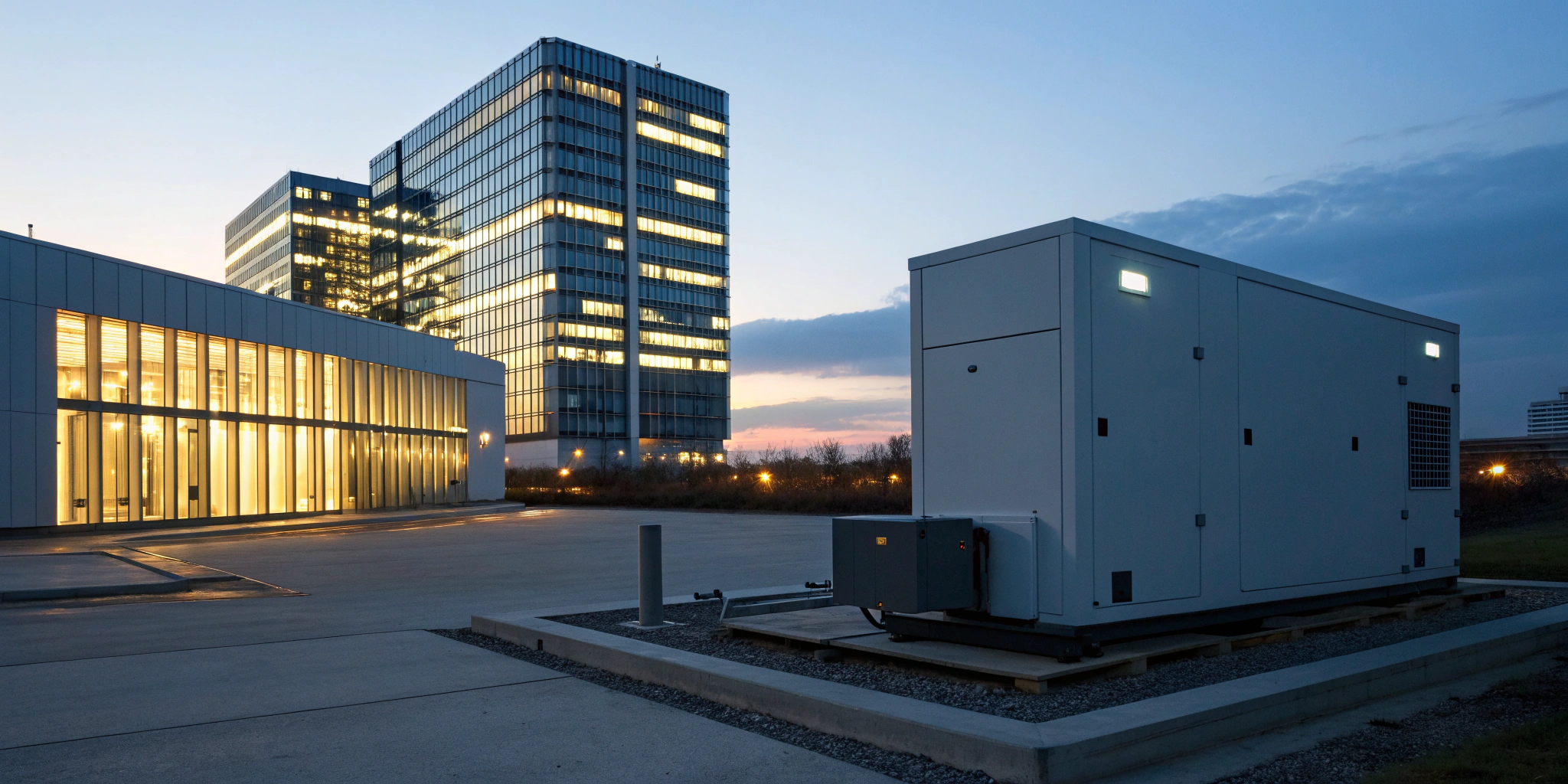
Think of a standby generator as your business’s personal power plant, ready to go at a moment’s notice. These units are permanently installed outside your building and connected directly to your electrical system. When they detect a power outage, they automatically turn on—often within seconds—to restore power to your entire facility or just the essential circuits you’ve selected. This seamless transition means your security systems, servers, lights, and critical equipment keep running without any manual effort. For businesses that can’t afford a minute of downtime, a commercial generator installation provides the most reliable and comprehensive protection against lost revenue and operational chaos.
Portable Generators: Flexible Power When You Need It
Portable generators offer flexibility and are a solid choice for powering specific tools or providing temporary electricity in a pinch. Because you can move them where you need them, they are useful for job sites or for running a few essential items during an outage. However, they are a more hands-on solution. They require manual setup, refueling, and safe storage. To connect one to your building’s electrical system without creating a safety hazard, you’ll need a professionally installed manual transfer switch. While versatile, they are generally better suited for temporary or smaller-scale power needs rather than keeping an entire business fully operational.
Battery Backup Systems: Silent, Seamless Power
Instead of creating electricity with an engine, battery backup systems store it from the grid. When the power goes out, they release that stored energy to keep your devices running. Their biggest advantages are silent operation and zero emissions, making them an environmentally friendly choice. They provide instantaneous power, which is great for sensitive electronics. The amount of time they can power your business depends entirely on the battery’s capacity. For businesses looking for a quiet, clean power source for shorter-term needs or to complement a solar panel system, a battery backup is an excellent option to consider.
Understanding Battery Energy Storage Systems (BESS) and Microgrids
Let’s get more specific about battery backups. You’ll often hear the term Battery Energy Storage System, or BESS, used for commercial applications. Think of a BESS as a sophisticated, large-scale rechargeable battery designed for your entire business. These systems store electricity from the power grid and hold it in reserve. When an outage strikes, the BESS provides power to your building instantly. Unlike a generator that creates new energy by burning fuel, a BESS simply releases the energy it has already stored. This makes it a completely silent and emission-free solution for keeping your operations running, ensuring your most critical systems never miss a beat during a grid failure.
Key Components of a BESS
A BESS might sound complex, but it really comes down to three core parts working in harmony. First are the battery banks, which are the heart of the system where energy is stored. Next, you have inverters and converters. These are essential because they change the battery’s direct current (DC) power into the alternating current (AC) power that your building’s equipment and outlets use. Finally, the Battery Management System (BMS) acts as the brain. This smart component constantly monitors the batteries to make sure they charge and discharge safely and efficiently, which protects your investment and helps the system last as long as possible.
Common Battery Types and Their Characteristics
When it comes to the batteries inside a BESS, you’ll typically find two main types: lead-acid and lithium-ion. Lead-acid batteries are the more traditional, time-tested option. They are known for their reliability and have a lower upfront cost, but they generally have a shorter lifespan and require more routine maintenance. On the other hand, lithium-ion batteries are the modern choice. They can store significantly more power in a smaller space, last much longer, and need very little upkeep. While they come with a higher initial price tag, their long-term performance and efficiency often make them a smart investment for many businesses.
Financial Advantages Beyond Backup Power
One of the most compelling aspects of a BESS is that its value extends far beyond just providing emergency power. These systems can actively help you manage your energy consumption and lower your utility bills. For instance, you can charge the batteries during off-peak hours when electricity is cheapest and then use that stored power during peak hours when rates are high—a strategy known as “peak shaving.” Some utility companies even offer programs that pay you to send excess stored power back to the grid during times of high demand. This transforms your backup system from a simple insurance policy into a dynamic financial asset for your business.
Limitations and Considerations of Battery Systems
While battery systems offer fantastic benefits, it’s important to be realistic about their limitations. The main consideration is their finite runtime; they can only provide power for as long as their stored charge lasts. This makes them ideal for short-term outages but less practical for extended blackouts compared to a Generac generator, which can run as long as it has fuel. The initial setup cost can also be significant, and like all batteries, they have a limited lifespan and will eventually need replacement. Extreme weather can also affect their performance, so proper placement and housing are key for ensuring reliability.
Available Financial Incentives and Tax Credits
To help make the investment in a BESS more accessible, there are often financial incentives available for businesses. The most notable is the Federal Investment Tax Credit (ITC), which can provide a significant credit on your federal taxes for installing a battery storage system. Some state and local governments may also offer their own rebates or grants to encourage the adoption of clean energy technologies. These programs can substantially reduce the net cost of your system. It’s always a good idea to consult with a tax professional and an experienced installer, like the team at M.T. Ruhl, to explore all the incentives you may be eligible for.
Uninterruptible Power Supplies (UPS): Protecting Your Tech
An uninterruptible power supply, or UPS, is a special type of battery backup designed for a very specific job: protecting sensitive electronics from power disruptions. It provides an immediate, short-term bridge of power during an outage. This gives you just enough time to either shut down computers and servers safely to prevent data loss or for a larger backup system, like a standby generator, to kick in. A UPS also “cleans” the power from the grid, protecting your equipment from damaging surges and fluctuations. It’s less of a standalone solution and more of a critical partner to your primary backup system.
Common Power Problems Solved by a UPS
A UPS is your first line of defense against power flickers and brief outages. It’s an electrical device that uses stored battery energy to provide nearly instantaneous power to your equipment the moment it detects a problem with the main power source. This is its key difference from a generator, which needs a few seconds to start up and take over. Think of a UPS as a critical bridge—it keeps your computers, servers, and point-of-sale systems running seamlessly during that small gap. This prevents data corruption, dropped customer calls, and the hardware damage that can come from an abrupt shutdown, ensuring your most sensitive electronics are protected until your Generac generator assumes the load for a longer outage.
Types of UPS Technology
Not all UPS systems are created equal; they come in three main designs. The most common is the Standby (or Offline) UPS, which monitors the power line and switches to its battery when it detects a failure. A Line-Interactive UPS is a step up, as it can correct minor power fluctuations without draining the battery. For the highest level of protection, an Online (or Double-Conversion) UPS continuously powers your equipment from its battery, which is constantly being recharged by the grid. This design completely isolates your devices from power grid disturbances, providing perfectly stable energy for the most critical applications, like medical equipment or data centers.
Advanced UPS Designs and Redundancy Strategies
For businesses where even a moment of downtime is catastrophic, a single UPS might not be enough. That’s where redundancy strategies come into play. Instead of relying on one large UPS, many commercial operations use multiple smaller units in what’s known as an “N+1” configuration. This simply means you have one more UPS unit than is required to power your essential equipment. If one unit fails or needs maintenance, the others seamlessly pick up the slack, eliminating a single point of failure. This approach to reliability is the same principle behind having a robust commercial backup power system, ensuring your operations are always protected.
Practical Considerations: Form Factors and Safety Standards
When choosing a UPS, you’ll also need to consider its physical form. They come in various shapes and sizes, from standalone towers that sit on the floor to rack-mounted units designed to fit neatly into server cabinets. Beyond the physical fit, it’s important to know that these devices are held to strict safety and performance standards, such as the IEC 62040 series. This ensures they operate safely and reliably. Integrating any new hardware into your building’s electrical system should always be handled with care, which is why relying on a professional for any electrical repairs or installations is the safest route.
UPS Battery Management Best Practices
The battery is the core component of any UPS, and its health determines whether the system will work when you need it most. The two most common types are lead-acid and lithium-ion, each with different lifespans and characteristics. How long a UPS can power your equipment—its run-time—depends on the battery’s size and the amount of power your devices draw. Batteries degrade over time and will eventually need to be replaced. Regular testing and monitoring are essential best practices, much like a scheduled generator maintenance plan, to ensure your entire backup power system is ready for an emergency.
Why Does Your Business Need Backup Power?
For any business, a power outage is more than just a minor inconvenience—it’s a direct threat to your operations, security, and bottom line. When the lights go out, everything from your point-of-sale systems and computers to your security cameras and climate control stops working. This sudden halt can lead to lost sales, unproductive downtime, and a damaged reputation. In a world where customers expect constant availability, being the only business on the block that’s still open during an outage can make all the difference.
Investing in a reliable backup power solution, like a commercial Generac generator, is about creating a business continuity plan. It’s a proactive step to ensure that when the grid fails, your business doesn’t. By having an automatic standby generator ready to go, you protect your revenue, your assets, and the trust you’ve built with your customers. It’s not just about preparing for the worst; it’s about ensuring your business can always perform at its best, no matter what’s happening outside.
Avoid Downtime and Protect Your Bottom Line
Every minute your business is without power, you’re losing money. Unforeseen power outages can completely disrupt your operations, leading to significant financial losses. For a retail store, it means cash registers go dark and credit card machines stop working. For a restaurant, it means a cold kitchen and spoiled inventory. For an office, it means your team can’t access servers, answer phones, or serve clients. A standby generator eliminates this risk by kicking in automatically, allowing you to continue business as usual. It’s an investment that pays for itself by preventing even a single day of lost revenue.
The Financial Cost of a Power Outage
The numbers are staggering: power outages cost American businesses an estimated $150 billion every year. For a small business, the impact is even more immediate, with potential losses ranging from $5,600 to $9,000 for every minute the power is out. This cost isn’t just about the sales you can’t make; it’s about paying for unproductive downtime, losing perishable inventory, and risking data corruption when critical systems shut down unexpectedly. When you look at it this way, investing in a reliable backup power system is no longer an expense—it’s a crucial financial safeguard. It’s a proactive strategy to protect your revenue streams and ensure that a grid failure doesn’t become a balance sheet disaster.
Safeguard Your Data and Equipment
A sudden power outage doesn’t just turn things off; it can cause serious damage when the power comes back on. Power surges can fry sensitive electronics, destroying computers, servers, and specialized machinery that are essential to your business. Beyond the hardware, an improper shutdown can lead to corrupted files and irreversible data loss. A commercial generator acts as a buffer, providing a seamless transition to backup power that protects your valuable equipment from the jolts of an unstable grid. This ensures your critical systems and data remain safe, secure, and fully operational.
Keep Your Customers Happy, No Matter What
Customer trust is hard to earn and easy to lose. When a power outage hits the area, a closed sign on your door sends customers straight to your competitors. By keeping your lights on, you demonstrate reliability and a commitment to service. You become a dependable resource in the community, capable of meeting customer needs when others can’t. This builds incredible loyalty and a positive reputation that lasts long after the power is restored. A generator ensures you can always answer the phone, process orders, and provide a safe, welcoming environment for your customers.
Ensure Workplace Safety and Compliance
Power is directly linked to safety and security. An outage can disable your security systems, emergency lighting, and fire alarms, creating a hazardous environment for employees and customers. For certain industries, like healthcare or data management, backup power isn’t just a good idea—it’s a regulatory requirement. A professionally installed generator ensures your critical safety systems never fail, keeping your property secure and your operations compliant. Regular Generac maintenance further guarantees your system is ready to perform when you need it most, safeguarding your business from liability and ensuring peace of mind.
### Integrating Backup Power into Your Business Continuity Plan
A solid business continuity plan is your playbook for navigating the unexpected. It outlines how you’ll keep operations running through any disruption, and a reliable power source should be a cornerstone of that strategy. Integrating a commercial Generac generator isn’t just about buying a piece of equipment; it’s a proactive decision to protect your revenue, safeguard your assets, and maintain the trust you’ve worked so hard to build with your customers. When the grid goes down, your plan kicks into action, and your generator ensures that your business doesn’t miss a beat. It transforms a potential crisis into a manageable event, allowing you to focus on serving your clients and leading your team instead of worrying about when the lights will come back on.
Critical Industries That Rely on Backup Power
For some businesses, a power outage is more than an inconvenience—it’s a critical failure that can have serious consequences. In certain sectors, uninterrupted power is essential for safety, legal compliance, and the basic ability to function. Industries like healthcare, data management, and manufacturing operate under strict regulations and high stakes where even a few minutes of downtime can be catastrophic. For these organizations, a standby generator isn’t a luxury; it’s a non-negotiable part of their infrastructure. It ensures that life-saving equipment continues to run, sensitive data remains secure, and production lines keep moving, protecting both people and profits from the fallout of an unstable power grid.
Data Centers
In the world of data, uptime is everything. Data centers are the digital heart of modern business, housing the servers and systems that power everything from cloud computing to daily financial transactions. A power outage can bring it all to a screeching halt, risking massive data loss, security breaches, and a complete shutdown of client services. Backup power is the only thing standing between a seamless operation and a digital disaster. It keeps servers online, climate control systems running to prevent overheating, and security measures active, ensuring that the flow of information never stops, no matter what’s happening with the local power grid.
Hospitals and Healthcare Facilities
Nowhere is backup power more critical than in healthcare. In hospitals, clinics, and assisted living facilities, a constant supply of electricity is a matter of life and death. It powers everything from life-support systems and surgical equipment to patient monitoring devices and electronic health records. An outage, even for a moment, can have devastating consequences. That’s why backup generators are a strict regulatory requirement in the medical field. Knowing that this equipment is always ready requires absolute confidence, which is why dependable Generac service and repair is just as important as the initial installation, ensuring the system is prepared to provide life-saving power instantly.
Manufacturing and Industrial Plants
On a factory floor, momentum is money. An abrupt power loss can bring a complex production line to a dead stop, leading to immense financial losses from wasted materials, idle labor, and missed deadlines. Furthermore, a sudden shutdown can damage sensitive, expensive machinery that wasn’t designed for an uncontrolled power-down sequence. A commercial standby generator eliminates this risk entirely. It provides the seamless power needed to keep assembly lines, CNC machines, and robotics operating smoothly, protecting the integrity of the production process and preventing the costly domino effect of an unexpected outage.
Government and Public Services
When a storm or other emergency causes a widespread power outage, the community relies on public services more than ever. Police and fire departments, 911 dispatch centers, water treatment plants, and emergency operation centers must remain fully functional to ensure public safety and coordinate response efforts. A reliable backup power system is essential for these agencies to continue their critical work without interruption. It keeps communication lines open, emergency vehicles ready, and essential community infrastructure running, providing a beacon of stability and support when residents need it most.
How to Choose the Right Size Backup System
Choosing the right size generator is one of the most critical decisions you’ll make for your business’s continuity plan. It’s not just about having power; it’s about having the right amount of power. An undersized generator can fail when you need it most, potentially damaging your equipment and the generator itself. An oversized one wastes fuel and represents a needless expense. The goal is to find that perfect balance that keeps your essential operations running smoothly and safely during an outage. Let’s walk through how to determine the right fit for your business.
Figure Out How Much Power You Actually Need
First, make a list of every piece of equipment that is absolutely essential to your business operations during a power outage. This could include everything from lights and computers to refrigerators, security systems, and specialized machinery. Next to each item, note its wattage requirements for both starting and running (you can usually find this on the equipment’s label or in its manual). Adding up these numbers will give you a baseline for your power needs. A professional can help you perform a detailed load calculation to ensure nothing is missed during a commercial generator installation.
Don’t Forget About Peak Power Demands
Your power needs aren’t constant. The “continuous load” is the steady amount of power your equipment uses to run normally. The “peak load,” or starting wattage, is the extra surge of power some equipment needs just to turn on. Think about an HVAC unit or a commercial freezer—they require a significant jolt to get their motors running. Your generator must be able to handle both the steady, continuous power draw and these sudden bursts. Sizing a generator based only on the continuous load is a common mistake that can lead to system overloads and shutdowns right when you need power the most.
Choose a System That Can Grow With You
A standby generator is a long-term investment in your business, so it’s wise to think about the future. Do you plan on expanding your facility, adding more equipment, or bringing on more staff in the next five to ten years? If so, your power needs will likely increase. Choosing a generator that can accommodate that future growth now can save you from having to replace your system down the line. It’s always better to have a little more capacity than you currently need. Exploring the range of Generac generators can give you an idea of the scalable options available.
Factor in Your Equipment’s Startup Surge
We touched on this with peak loads, but it’s important enough to highlight again. That initial power surge required by motor-driven equipment is a make-or-break factor in generator sizing. If your generator can’t supply this startup wattage, the equipment may fail to turn on, or the demand could trip the generator’s circuit breaker, shutting everything down. A qualified technician will carefully calculate the startup requirements of all your essential equipment to ensure the generator they recommend has the capacity to handle those initial power demands without faltering, protecting both your machinery and your investment.
Comparing Backup Power: What Really Matters?
Once you’ve decided to invest in backup power, the next step is to sort through your options. Not all systems are created equal, and the best choice for your business depends on your specific needs. Thinking through a few key factors will help you find a reliable solution that fits your operations perfectly, ensuring you’re prepared for whatever comes your way.
How Much Power and For How Long?
Getting the right power capacity is one of the most important decisions you’ll make. A generator that’s too small won’t be able to handle your essential equipment, while one that’s too large can be inefficient. Sizing a generator isn’t a one-size-fits-all process; every business has unique power demands. You’ll need to consider everything from your lights and computers to specialized machinery. A professional can perform a load calculation to determine the exact size you need for a commercial generator installation that keeps you running smoothly.
What Fuel Type Is Best for You?
Generators typically run on natural gas, propane, or diesel. The best fuel type for you often comes down to what’s most accessible and cost-effective in your area. Natural gas is convenient because it taps directly into your utility line, providing a continuous fuel source. Propane is stored in a tank on-site, making it a great option if you don’t have access to natural gas. Diesel is a powerful and efficient choice, common for larger industrial applications. Considering your location and fuel availability is a key step in selecting the right Generac generators for your business.
Considering Fuel Logistics and Emergency Delivery
Your generator’s fuel source is a key factor in how you’ll manage an extended outage. With natural gas, you have a continuous supply from your utility line, so refueling isn’t a concern. However, if your system runs on propane or diesel, you’ll rely on an on-site storage tank. This means you need a plan for how long your current supply will last and how you’ll get more during a widespread emergency when fuel can be scarce. Working with a trusted partner for ongoing Generac maintenance is essential. They can help you establish a solid refueling strategy, ensuring you have a plan for emergency fuel delivery to keep your business operational no matter what.
Look for Smart Features and Remote Access
Modern standby generators come with some impressive technology. Features like remote monitoring allow you to check your generator’s status from your phone or computer, giving you peace of mind whether you’re on-site or away. Advanced power management systems can also automatically distribute electricity to your most critical systems during an outage. These smart features make managing your backup power simple and efficient, ensuring power is directed where it’s needed most without any manual effort on your part.
Understand Installation and Local Requirements
Proper installation is non-negotiable. A backup power system needs to be installed correctly to function safely and effectively, and it must comply with all local and national electrical codes. This is a job for certified professionals who understand the specific requirements in your municipality. Working with an experienced team ensures your system is set up for optimal performance and passes all necessary inspections. A local provider will be familiar with the codes in your specific service areas, preventing any compliance headaches down the road.
Think About Long-Term Maintenance and Support
Like any important piece of equipment, a generator requires regular upkeep to ensure it’s ready when you need it. When choosing a solution, consider the maintenance schedule and what it involves. More importantly, think about who will provide that service. Having a reliable local partner for ongoing support is crucial. Look for a provider that offers scheduled Generac maintenance plans and has a team of trained technicians ready to help. This long-term support is just as important as the initial installation.
Don’t Overlook Noise and Environmental Impact
Noise is a practical consideration, especially if your business is located near a residential area or has specific noise ordinances. While modern generators are designed to be much quieter than older models, their operating volume can vary. It’s worth checking the decibel rating of any unit you’re considering. Some models come with sound-dampening enclosures to minimize disturbances. Thinking about the noise level and overall environmental footprint ahead of time helps ensure your backup power solution is a good neighbor.
Ownership vs. Service Models
When it comes to backup power, you have two main paths: owning the equipment outright or opting for a service model. Owning a standby generator means it’s a permanent asset for your business, giving you total control over your power security. Think of it as a long-term investment in your operational stability. While you are responsible for its upkeep, a simple Generac maintenance plan ensures your system is always ready to perform. This approach gives you a reliable power source that’s perfectly matched to your needs. Service models, like leasing, might seem attractive with lower initial costs, but you won’t build equity and often have less control over the equipment. For most businesses, owning your Generac generator provides the best long-term value and the confidence that comes from knowing your continuity plan is firmly in your hands.
Who Can Install Backup Power in Lansdale?
When you’re ready to invest in a backup power system, finding the right team for the job is just as important as choosing the right equipment. In Lansdale and the surrounding Montgomery County area, you have several options for professional installers. The key is to find a provider with a proven track record, deep local expertise, and a commitment to supporting you long after the installation is complete.
A generator is a significant addition to your business’s infrastructure, and it needs to be integrated seamlessly and safely with your existing electrical system. This isn’t a DIY project or a job for a general handyman. You need certified electricians and technicians who specialize in generator installations to handle everything from selecting the right location and size to managing permits and final connections. A great local partner will not only sell you a generator but will also ensure it operates safely and reliably for years to come, protecting your business when you need it most.
Why Choose M.T. Ruhl for Your Generac Generator
For over 25 years, we’ve been the trusted local expert for Generac generators in Southeastern Pennsylvania. Our team doesn’t just install equipment; we build long-term relationships with our clients. We live and work in the same communities you do, and our reputation is built on trust and reliability. As a dedicated Generac dealer, we have specialized knowledge of their entire product line, ensuring we match your business with the perfect system. From the initial consultation to ongoing generator maintenance, our goal is to provide you with complete peace of mind, knowing your power is protected by a team that stands behind its work.
Choosing the Right Local Installation Partner
When comparing installers, look for a company with deep roots in the community. An established, family-owned business often brings a level of accountability and personalized service that larger, impersonal companies can’t match. Check that they offer comprehensive services, including installation, repairs, and routine maintenance plans. A provider who can support you through the entire lifecycle of your generator is an invaluable partner. Finally, confirm they are licensed, insured, and have specific experience with the type of commercial generator installation your business requires. Their expertise ensures the job is done right and up to local codes.
Why Professional Installation Matters
Having a professional handle your generator installation is critical for safety, performance, and compliance. An expert technician will perform a detailed load calculation to ensure you get the right size generator for your needs. A system that’s too small won’t power your essential equipment, while one that’s too large wastes fuel and can lead to premature wear. Professional installation also guarantees that all electrical connections are secure, transfer switches are correctly configured, and the system complies with all local Lansdale regulations. This not only protects your equipment and your property but also ensures your manufacturer’s warranty remains valid.
Don’t Believe These Business Backup Power Myths
When it comes to backup power, a lot of assumptions can get in the way of making a sound decision for your business. It’s easy to put off planning for a power outage, especially when you’re juggling the day-to-day demands of running a company. But letting a few common myths guide your strategy can leave you vulnerable when the grid goes down. Let’s clear up some of the biggest misconceptions about commercial generators so you can make an informed choice that protects your operations, your employees, and your bottom line.
Myth: “My business is too small for backup power.”
This is one of the most common and costly myths out there. The reality is that businesses of all sizes depend on electricity to function. Whether you run a small retail shop, a restaurant, or a local service company, a power outage can halt your operations instantly. Think about it: your point-of-sale system, security cameras, refrigeration, and internet all rely on consistent power. For a small business, even a few hours of downtime can mean significant lost revenue and a hit to your reputation. A commercial generator installation is scalable, providing a reliable solution tailored to your specific needs, not just those of a massive data center.
Myth: “Installation is too expensive and disruptive.”
Viewing a generator as just another expense misses the bigger picture. It’s an investment in business continuity. Consider the potential cost of a prolonged outage: lost sales, spoiled inventory, unproductive staff, and damage to your customer relationships. Investing in a generator is about ensuring operational resilience and protecting your hard-earned success. A professional installation is planned to minimize disruption to your business, often working around your schedule. Plus, with options like Generac financing, you can manage the investment in a way that works for your budget, making it a much more accessible solution than you might think.
Myth: “Generator maintenance is a huge hassle.”
Years ago, generators might have been clunky and required constant attention, but modern systems are a world apart. Today’s Generac generators are designed for reliability and efficiency, balancing power output with fuel consumption. Many models perform automatic weekly self-tests to ensure they’re ready to go at a moment’s notice and can even be monitored remotely. The key to a hassle-free experience is a professional service plan. With scheduled Generac maintenance, our team handles all the check-ups and service, so you can focus on your business without worrying about the upkeep of your backup power system.
Myth: “A simple portable generator is all I need.”
While a portable generator might seem like a quick fix, it’s not a true business continuity solution. Portable units have serious limitations for a commercial setting. They often lack the capacity to power essential equipment, require frequent and manual refueling, and pose safety risks if not operated correctly. During an extended outage, you can’t afford to be constantly managing a portable unit. A standby Generac generator, on the other hand, is permanently installed and connected to your building’s electrical system. It starts automatically within seconds of an outage and runs on a stable fuel source like natural gas or propane, providing seamless, reliable power for as long as you need it.
Related Articles
- Commercial Generator Installation: What to Expect
- Commercial Standby Generator Installation Essentials
- Commercial Generac Generator: The Ultimate Guide
Frequently Asked Questions
My business is small. Isn’t a standby generator overkill? Not at all. A power outage can be even more damaging to a small business where every sale and customer interaction counts. Standby generators are not one-size-fits-all; they are sized specifically for your needs. Whether you need to power a few essential items like your registers and lights or your entire operation, there’s a solution that fits. It’s less about the size of your business and more about ensuring you can stay open and serve your customers when your competitors can’t.
How exactly does a standby generator turn on by itself? The magic is in a component called an automatic transfer switch (ATS). This switch is the brain of the system and is installed right next to your main electrical panel. It constantly monitors the flow of power from the utility grid. The moment it detects an interruption, it automatically disconnects your business from the grid and signals the generator to start, seamlessly transferring your power source. When utility power is restored, the ATS switches you back and shuts the generator down, all without you having to do a thing.
What does generator maintenance actually involve? Think of it like the routine service you’d get for your car to keep it running reliably. Professional maintenance typically includes changing the oil and filters, checking the battery, inspecting belts and hoses, and making sure all electrical connections are secure. A technician will also run a diagnostic test to confirm everything is functioning perfectly. Signing up for a maintenance plan means a professional handles all of this for you on a regular schedule, ensuring your generator is always ready to perform when an outage occurs.
If I have a generator, do I still need an uninterruptible power supply (UPS) for my computers? Yes, it’s a great idea to use them together. A standby generator is fantastic, but it still takes a few seconds to detect an outage and start up. A UPS provides an instant, battery-powered bridge during that brief gap, preventing your computers and servers from shutting down abruptly. This protects your sensitive electronics from data loss or damage. The UPS handles the immediate moment, while the generator provides the long-term power.
Will the installation process disrupt my business operations? A professional installation is carefully planned to cause as little disruption as possible. The process involves several steps, from preparing the site and pouring a concrete pad to making the electrical and fuel connections. While there will be a brief, scheduled period where your power needs to be turned off to safely connect the transfer switch, a good installation team will work with you to schedule this during your off-hours to ensure your business isn’t affected.