
You might think the wiring in your office is the same as the wiring in your home, but they are worlds apart. Commercial buildings have far greater power demands, more complex wiring configurations, and must adhere to a much stricter set of safety codes. Because of this, you can’t trust just any electrician with your business. You need a specialist. The field of commercial electrical repair is dedicated to addressing these unique challenges, from troubleshooting overloaded circuits that power heavy machinery to upgrading panels to meet modern demands. In this guide, we’ll explore what makes commercial systems different, the common problems to watch for, and how to find a qualified professional with the right experience for the job.
Key Takeaways
- Be Proactive with Electrical Maintenance: Schedule regular professional inspections to identify and fix small issues like loose connections or strained circuits. This preventative approach is the best way to avoid unexpected shutdowns, costly emergency repairs, and operational downtime.
- Act Immediately on Warning Signs: Treat flickering lights, frequently tripped breakers, buzzing sounds, or a burning smell as urgent signals. These symptoms point to serious underlying risks, and waiting to address them can lead to equipment failure or a potential fire.
- Vet Your Electrician Thoroughly: Protect your business by hiring a licensed and insured professional with specific experience in commercial electrical systems. Always check their credentials, read recent reviews, and ask for references to ensure you’re partnering with a reliable and qualified expert.
What Is Commercial Electrical Repair?
When you run a business, an electrical problem is more than just an inconvenience—it’s a direct threat to your operations, safety, and bottom line. Commercial electrical repair is the specialized service dedicated to diagnosing and fixing electrical issues in business environments, from retail stores and offices to warehouses and restaurants. Unlike a simple home repair, commercial services address the complex systems that power your entire operation, ensuring everything runs safely, efficiently, and in compliance with strict local and national codes.
Think about it: faulty wiring could shut down your point-of-sale systems, a tripped breaker could spoil thousands of dollars in refrigerated inventory, and flickering lights could create an unsafe environment for your employees and customers. The goal of a commercial electrician is to resolve these electrical issues quickly and effectively, minimizing downtime so you can get back to business. It’s about providing reliable solutions that protect your property, your people, and your peace of mind.
What Makes Commercial Electrical Systems Different?
You might wonder what separates the wiring in your office from the wiring in your home. The biggest difference is demand. Commercial buildings have much higher power needs to run heavy-duty equipment, extensive lighting, and complex HVAC systems. To meet this demand, they often use a three-phase power supply, which provides more stable and reliable power than the single-phase power found in most residential systems. The wiring itself is also more complex, often housed in conduit for protection, and must adhere to a stricter set of building codes designed to ensure public safety.
Signs You Need to Call a Professional
Electrical problems rarely fix themselves; they usually get worse. Ignoring the early warning signs can lead to bigger, more expensive repairs or even create a serious fire hazard. It’s time to call a professional electrician if you notice any of these red flags in your commercial building:
- Flickering or dimming lights, even after you’ve changed the bulbs.
- Circuit breakers that trip frequently, indicating an overloaded circuit.
- A burning smell or buzzing sounds coming from outlets, switches, or your electrical panel.
- Outlets or switch plates that are warm to the touch or look discolored.
- Switches that don’t work or outlets that have lost power.
Common Commercial Electrical Problems to Watch For
As a business owner, you have enough on your plate without worrying about the reliability of your electrical system. However, ignoring the subtle warning signs can lead to bigger, more expensive problems down the road, including safety hazards and operational downtime. Your building’s electrical system is constantly working, and just like any other critical infrastructure, it experiences wear and tear. Being able to spot the early signs of trouble is key to keeping your business running smoothly and safely.
From an annoying light that won’t stop flickering to a breaker that trips every time you run the air conditioner, these issues are more than just minor inconveniences. They are often symptoms of a deeper problem, like an overloaded circuit, outdated wiring, or a failing electrical panel. Understanding what to look for can help you decide when it’s time to stop troubleshooting and call in a professional. Let’s walk through some of the most common electrical issues that commercial properties face.
Frequent Circuit Overloads and Tripped Breakers
A circuit breaker that trips occasionally isn’t necessarily a cause for alarm—it’s just doing its job by preventing an overload. But if you find yourself constantly heading to the electrical panel to reset the same breaker, you have a problem. This usually means the circuit is overloaded, trying to draw more power than it can safely handle. This is common in businesses that have added more equipment over time without upgrading their electrical system to match. Ignoring frequent trips can lead to damaged equipment or even an electrical fire. A professional can perform the necessary electrician repairs to diagnose the issue, whether it’s redistributing the load or installing a new, dedicated circuit for your high-draw equipment.
Flickering or Dimming Lights
Flickering or dimming lights might seem like a minor annoyance, but they often point to an unstable electrical connection. If you notice lights dimming whenever a large piece of equipment kicks on, like an HVAC unit or a commercial refrigerator, it’s a sign that your system is under strain. The sudden power draw is causing a voltage drop across the circuit. This could be due to a loose connection somewhere in the wiring or an overloaded circuit that can’t keep up with the demand. Don’t just write it off as a quirk of the building; it’s a clear signal that your electrical system needs a professional inspection to prevent more serious issues from developing.
Outdated or Overloaded Electrical Panels
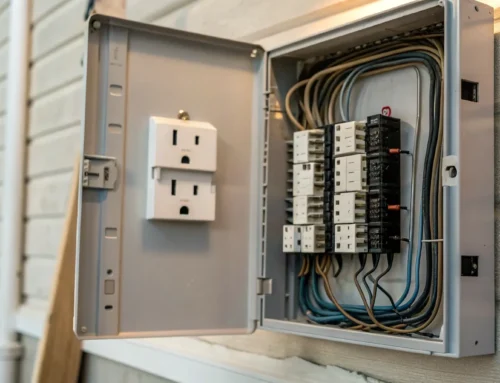
The electrical panel is the heart of your building’s electrical system, distributing power to all the circuits. If your commercial property is in an older building, there’s a good chance its panel was not designed to handle the heavy electrical loads of modern business equipment. Signs of an outdated or overloaded panel include frequent tripped breakers, a panel that feels warm to the touch, or even a faint burning smell. These are serious red flags that indicate a significant fire risk. Continuing to operate with a failing panel is a gamble you don’t want to take. An upgrade is essential for both safety and functionality.
Faulty Wiring and Damaged Outlets
Over time, electrical wiring can degrade, and outlets can become damaged from wear and tear. Watch out for signs of faulty wiring, such as buzzing sounds from outlets, discolored or scorched wall plates, or a persistent burning odor. These symptoms often indicate loose connections or frayed wires, which can arc and create a serious fire hazard. Similarly, outlets that no longer hold a plug securely are not only inconvenient but also dangerous. Any visible damage to your wiring or outlets warrants an immediate call to a professional. These aren’t DIY fixes—they require an expert to ensure the repair is done safely and correctly.
The Dangers of Power Surges
A power surge is a brief but intense spike in your building’s electrical current. While many people associate them with lightning strikes, most surges are actually generated internally when large appliances or equipment cycle on and off. These sudden jolts can wreak havoc on sensitive electronics, damaging everything from computers and point-of-sale systems to critical machinery. The resulting equipment failure can lead to costly downtime and data loss. While you can’t stop surges from happening, you can protect your business by having a commercial-grade surge protection system installed at the panel. This is a small investment that safeguards your much more valuable equipment.
What to Expect from a Commercial Electrical Repair Service
When you call a professional for a commercial electrical issue, you should expect more than just a quick fix. A truly reliable electrical partner understands that your business depends on a safe and efficient electrical system. They provide comprehensive solutions designed to get you back up and running, prevent future problems, and ensure your workplace is secure. From the moment they arrive, a qualified electrician will focus on diagnosing the root cause of the issue, not just treating the symptoms. This involves a thorough assessment of your system to ensure any repair is a lasting one.
The scope of professional electrician repairs is broad, covering everything from urgent, middle-of-the-night emergencies to planned system upgrades. You can expect clear communication about the problem, the proposed solution, and the associated costs before any work begins. A professional team will also respect your workspace, minimizing disruption to your operations and cleaning up after the job is done. Ultimately, the goal is to provide peace of mind, knowing your electrical infrastructure is in expert hands and capable of supporting your business’s daily demands.
24/7 Emergency Repairs
Electrical emergencies don’t stick to a 9-to-5 schedule, and for a business, downtime means lost revenue. That’s why a key service to expect from any commercial electrician is 24/7 emergency availability. When a critical system fails, you need a team that can respond quickly to prevent significant financial losses and operational setbacks. Whether it’s a complete power outage or a hazardous situation like sparking equipment, an emergency service is focused on rapid, effective solutions to get your business back online safely. This immediate support is essential for minimizing disruption and protecting your assets.
System Inspections and Troubleshooting
Beyond emergency fixes, a great commercial electrical service offers proactive solutions. Detailed system inspections are fundamental to preventing major issues before they start. During an inspection, an electrician will carefully check your electrical panels, wiring, and equipment for signs of wear or potential failure. Many professionals use advanced tools like thermal cameras to detect “hot spots” in your system, which can indicate an overloaded circuit or a failing breaker. This troubleshooting approach helps identify and address vulnerabilities, saving you from unexpected and costly repairs down the road.
Panel Upgrades and Breaker Replacements
Many commercial electrical problems stem from an outdated or undersized electrical panel. As your business grows and you add more equipment, your electrical demand increases. If your panel can’t handle the load, you’ll experience frequent circuit overloads and other issues. A professional electrician will assess your current and future power needs to determine if a panel upgrade is necessary. They can replace old breakers and install a modern panel that safely distributes power, ensuring your system can support your operations without interruption.
Wiring, Outlet, and Lighting Repairs
The daily workhorses of your electrical system—wiring, outlets, and lighting—also require professional attention. A qualified commercial electrician can handle all types of general repairs, from fixing flickering lights that disrupt your employees to replacing faulty outlets that pose a safety risk. They can also install additional outlets to accommodate new equipment or reconfigure wiring to better suit your workspace layout. Using a licensed and trustworthy electrician for these tasks ensures all work is done correctly and safely, maintaining a productive and secure environment for everyone.
Surge Protection and Code Compliance
Protecting your sensitive electronics and ensuring your business meets legal standards are two critical responsibilities of a commercial electrician. They can install commercial-grade surge protectors to safeguard your computers, servers, and other expensive equipment from damaging voltage spikes. Furthermore, electricians are experts in local and national electrical codes. They will ensure that all repairs and installations are fully compliant, helping you avoid fines and liability issues. This expertise provides a secure and lawful electrical environment, giving you one less thing to worry about.
How to Choose the Right Commercial Electrician
Finding the right commercial electrician is about more than just getting a quick fix; it’s about finding a reliable partner who understands the unique demands of your business. The safety of your employees, the experience of your customers, and the continuity of your operations all depend on a safe and functional electrical system. When you’re vetting potential electricians, you’re not just hiring a contractor—you’re investing in your business’s long-term health and security. Taking the time to carefully evaluate your options will pay off by ensuring you get quality work from a team you can trust.
Think of it this way: your electrical system is the central nervous system of your company. When it’s working perfectly, you barely notice it. But when something goes wrong, it can bring everything to a halt. That’s why your choice of electrician is so critical. You need a team that not only has the technical skills but also respects your time, your budget, and your property. A great electrician becomes part of your support system, someone you can call on whenever an issue arises, knowing they’ll be there to help. This guide will walk you through the key factors to consider so you can confidently choose the best professional for the job.
Check for Licensing, Insurance, and Certifications
First things first: never hire an electrician who isn’t properly licensed and insured. This is the absolute baseline for protecting your business. A state-issued license proves the electrician has met rigorous training and testing requirements, so you know they’re qualified for the job.
Equally important is insurance, which should include both general liability and worker’s compensation. Liability insurance protects your property in the rare event of accidental damage, while worker’s compensation covers the contractor’s employees if they get injured on your job site. Without it, you could be held financially responsible. A professional company will gladly provide proof of their credentials, so don’t hesitate to ask. It’s a simple step that provides significant peace of mind.
Look for Proven Commercial Experience
Commercial electrical work is a completely different ballgame than residential repairs. The power demands, equipment, and building codes are far more complex. That’s why you need a contractor with a proven track record in commercial settings. Ask potential electricians about their experience with businesses like yours, whether you run a restaurant, a retail store, or an office building.
A seasoned commercial electrician will also have a comprehensive safety program in place to protect their workers and your property. They understand the importance of minimizing downtime for your business and can work efficiently to get your systems back online. Look for a team that can point to a portfolio of successful commercial projects and understands the specific challenges your industry faces.
Read Customer Reviews and Ask for References
Online reviews and client testimonials are your window into a company’s reputation. Check sources like Google to see what past commercial clients have to say about their reliability, professionalism, and the quality of their work. While a single negative review isn’t necessarily a deal-breaker, a pattern of complaints about missed deadlines, poor communication, or shoddy work is a major red flag.
Don’t stop there. A confident and established contractor will be happy to provide you with references from other local business owners. Take the time to call these references and ask about their experience. Were they happy with the final result? Was the project completed on time and on budget? This extra step gives you firsthand insight you can’t get anywhere else.
Evaluate Their Communication and Responsiveness
Clear and consistent communication is the foundation of a good working relationship. From your very first phone call, pay attention to how the company interacts with you. Do they answer the phone professionally? Do they respond to your inquiries in a timely manner? A contractor who is difficult to get in touch with before you’ve hired them will likely be even harder to reach once the project is underway.
You need an electrician who can explain complex issues in simple terms and keep you updated on their progress. A responsive team that values your business will make you feel like a priority. This is especially critical when you need emergency electrician repairs and can’t afford to wait around for a callback.
Insist on Transparent Pricing and Detailed Estimates
While cost is always a factor, the cheapest bid is rarely the best value. A professional electrician should provide a detailed, written estimate that clearly breaks down the costs for labor, materials, and any other fees. Be wary of vague quotes or contractors who give you a price over the phone without seeing the job site.
Transparent pricing helps prevent misunderstandings and surprise charges down the road. It shows that the contractor has thoroughly assessed the work and is confident in their estimate. Take your time to review any proposal to ensure it covers the full scope of the project. Choosing a contractor who is upfront about costs builds a foundation of trust and ensures you know exactly what you’re paying for.
The Commercial Electrical Repair Process: Step-by-Step
When an electrical issue disrupts your business, knowing what to expect from the repair process can bring a sense of calm and control. A professional electrician doesn’t just show up and start fixing things; they follow a structured approach to ensure the work is done safely, correctly, and with minimal disruption to your operations. Understanding these steps helps you know what questions to ask and ensures you’re getting the thorough service your business deserves. From the initial call to the final system check, every phase is designed to get you back up and running securely.
Here’s a look at the four key stages of a professional commercial electrical repair, so you can feel confident from start to finish.
Step 1: Initial Assessment and Diagnosis
The first step is always to pinpoint the exact cause of the problem. A skilled electrician will conduct a thorough initial assessment to move beyond the symptoms and identify the root issue. This involves a detailed inspection of your electrical system, from the panel to the specific outlets or fixtures that are malfunctioning. Common problems often include overloaded circuits, faulty wiring, or outdated systems that can no longer handle your business’s electrical load. By performing a comprehensive diagnosis first, the electrician can create an effective plan that addresses the actual problem, preventing repeat issues and ensuring a lasting solution for your electrical repair needs.
Step 2: The Repair Plan and Timeline
Once the problem has been diagnosed, your electrician will develop a clear and detailed repair plan. This isn’t just a verbal agreement; it should be a well-structured outline of the necessary steps, the materials required, and a realistic timeline for completion. This is your opportunity to understand the scope of the work and ask any questions you might have. A transparent plan ensures there are no surprises along the way. You should receive a detailed estimate that breaks down the costs for labor and parts. This commitment to clear communication is a hallmark of a trustworthy contractor and gives you the information you need to approve the work with confidence.
Step 3: Safety Protocols and On-Site Work
With an approved plan in place, the on-site work can begin. Safety is the top priority during any electrical repair. A reputable contractor maintains a comprehensive safety program to ensure all technicians are trained in the latest safe work practices. This is critical for minimizing risks to your employees, customers, and property. During the repair, the electricians will follow all local and national electrical codes, use proper safety equipment, and may section off the work area to prevent accidents. The M.T. Ruhl team works efficiently to minimize downtime and keep you informed of their progress throughout the entire process.
Step 4: Final Testing and System Verification
The job isn’t finished just because a part has been replaced. The final and most critical step is testing and verification. After the repairs are complete, the electrician will perform a series of tests to ensure that all systems are functioning correctly and safely. This includes checking circuits, testing outlets, and verifying that the electrical load is properly balanced. This final check confirms that the initial problem has been fully resolved and that your system is stable, reliable, and up to code. It’s the ultimate quality assurance step, giving you peace of mind that your business is powered safely and ready to serve customers across our service areas.
Understanding Commercial Electrical Repair Costs
Let’s talk about one of the biggest questions on any business owner’s mind: what’s this going to cost? Budgeting for electrical repairs can feel tricky because it’s not a one-size-fits-all service. The final invoice depends on the specific problem, the materials needed, and the urgency of the situation. A transparent electrician will always walk you through a detailed estimate before starting work, so you know exactly what to expect. Understanding the key components of the cost helps you plan effectively and ensures you’re getting fair value for professional, reliable service.
Factors That Influence Pricing
There’s no single price tag for a commercial electrical job because every project is unique. The final cost is shaped by a few key factors. The complexity of the work is the biggest driver; fixing a faulty outlet is much different from troubleshooting and rewiring an entire circuit. The distance an electrician has to travel to your business can also play a role, which is why it’s helpful to work with a local team that serves your specific service areas. Finally, the experience of the technician matters. A seasoned professional may have a higher hourly rate, but their efficiency and expertise can save you money by diagnosing and solving problems faster.
What to Expect for Emergency Service Rates
When an electrical emergency strikes outside of standard business hours, you need help immediately. Most professional electricians offer 24/7 emergency services, but this accessibility comes at a premium. You can generally expect to pay an additional fee for urgent, after-hours calls. This premium covers the on-call availability of a skilled technician who can get your business back up and running safely. While it’s an added expense, this immediate response is crucial for preventing extended downtime, protecting your equipment, and ensuring the safety of your property and employees. Think of it as an investment in immediate peace of mind.
Breaking Down Material Costs and Fees
Beyond the hourly labor rate, your final bill will include the cost of materials and any necessary permits. For straightforward electrician repairs, material costs might be minimal. However, for larger projects like upgrading an entire electrical panel, the hardware alone can add a significant amount to the total. Additionally, many electrical jobs require permits from your local municipality to ensure the work is done to code. These fees vary depending on the scope of the project. A trustworthy electrician will always provide a detailed estimate that clearly separates labor, materials, and any other anticipated fees, so there are no surprises.
The Value of a Maintenance Contract
One of the best ways to control electrical repair costs is to prevent problems from happening in the first place. A preventative maintenance plan is a proactive approach to keeping your building’s electrical systems in top condition. During routine visits, a technician can identify and fix small issues—like loose connections or aging components—before they escalate into major failures that cause costly downtime. These plans help you budget more predictably and ensure your systems are running safely and efficiently. Investing in regular preventative maintenance is a smart strategy for any business that relies on consistent, safe power.
How to Prevent Common Electrical Issues
As a business owner, the last thing you want is an unexpected electrical failure shutting down your operations. While some issues are unavoidable, many of the most common and costly problems can be prevented with a little foresight. Being proactive about your electrical system’s health isn’t just about avoiding repairs; it’s about protecting your employees, your equipment, and your bottom line. Taking a few key steps can save you from the stress and expense of emergency calls and significant downtime. Think of it as essential preventative care for your business’s circulatory system. By staying ahead of potential problems, you ensure your company runs safely and efficiently day in and day out.
Schedule Regular Inspections and Maintenance
One of the simplest and most effective ways to prevent major electrical issues is to schedule routine inspections. Having a qualified electrician examine your system at least once a year allows you to catch minor problems before they escalate into dangerous and expensive failures. For businesses that rely on heavy machinery or sensitive electronics, more frequent checks might be necessary. During an inspection, a professional can identify worn-out components, check for loose connections, and ensure your system isn’t being overworked. These professional electrical inspections provide peace of mind and a clear picture of your system’s health, allowing you to plan for any needed repairs or upgrades on your own schedule, not in the middle of a crisis.
Manage Your Electrical Load
Every commercial building is designed to handle a specific electrical capacity. When you exceed that capacity by running too much high-draw equipment at once, you overload your circuits. This is what causes frequently tripped breakers—a clear sign that your system is under strain. Pay attention to how your equipment is distributed across circuits and avoid plugging too many powerful devices into a single area. If tripped breakers are a regular occurrence, it’s a signal that your electrical demands may have outgrown your system’s capabilities. An electrician can help you assess your current load and determine if you need additional circuits or a panel upgrade to support your operations safely.
Upgrade Outdated Equipment and Systems
Technology moves fast, and an electrical system that was sufficient a decade or two ago may not be up to the task of powering a modern business. Outdated electrical panels, old wiring, and worn-out outlets are not just inefficient; they can be serious safety hazards. An undersized or obsolete panel is a common cause of circuit overloads and power surges, which can damage your valuable electronics and equipment. If your building’s electrical system hasn’t been updated in years, it’s wise to consider making improvements. Investing in modern wiring and panel upgrades is an investment in your business’s safety and long-term stability.
Invest in a Preventative Maintenance Plan
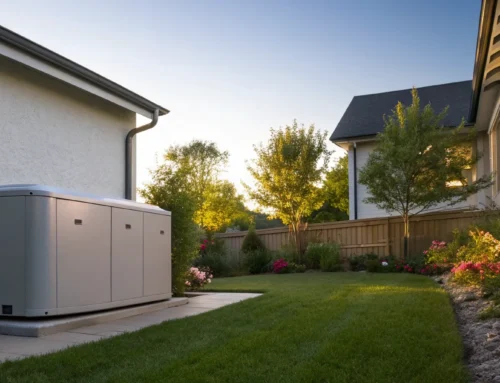
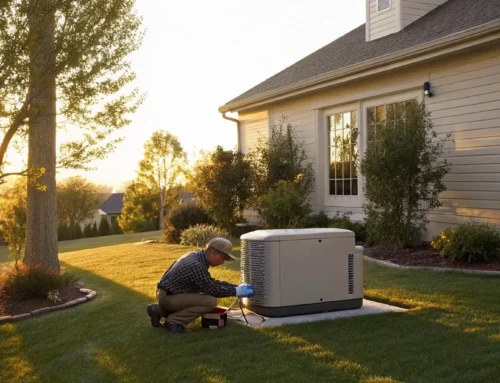
Instead of waiting for something to go wrong, consider a formal preventative maintenance plan. Partnering with a trusted electrical contractor gives you a dedicated team that understands your system’s specific needs and history. A good plan includes regular inspections, testing of safety devices, and proactive repairs to keep everything in top condition. This is especially critical if you have a backup power source. A generator maintenance plan, for example, ensures your Generac generator is ready to perform the moment you need it. Ultimately, a maintenance agreement minimizes the risk of unexpected downtime and helps you manage your budget by preventing costly emergency repairs.
Warning Signs That Demand Immediate Attention
While routine maintenance can prevent many electrical problems, some issues pop up unexpectedly and require immediate action. These aren’t the kinds of problems you can put on next week’s to-do list. Ignoring them can lead to equipment damage, fires, or serious injury, creating significant risks for your employees, customers, and business.
Knowing how to spot a true electrical emergency is key to keeping your commercial property safe. If you notice any of the following warning signs, don’t wait to see if the problem resolves itself. It’s time to call a professional electrician right away to diagnose and fix the issue before it escalates into a catastrophe.
Obvious Safety Hazards (Sparks, Smoke, Shocks)
Some warning signs are impossible to ignore. If you see sparks from an outlet, smell smoke with no obvious source, or feel a mild shock from an appliance or switch, you have an emergency on your hands. These are clear indicators of a dangerous electrical fault. Other urgent signs include outlets or switch plates that are warm to the touch, which suggests overheating wires behind the wall. Similarly, constantly flickering lights, even after you’ve changed the bulbs, can point to a loose or failing connection somewhere in the circuit. These situations pose an immediate fire and electrocution risk, and you should contact a professional for emergency electrical repairs without delay.
Sudden Equipment Malfunctions
When essential business equipment suddenly stops working, your first thought might be that the machine itself has failed. However, the problem could originate with your electrical system. Frequent or unexpected equipment malfunctions are often a symptom of underlying issues like overloaded circuits, inconsistent power delivery, or faulty wiring. If your computers, point-of-sale systems, or specialized machinery start to shut down randomly or fail to turn on, it’s a strong signal that your electrical infrastructure is struggling to meet the demand. Ignoring these signs can lead to permanent equipment damage and costly operational downtime. A qualified electrician can troubleshoot the circuit to determine if it’s the root cause of the problem.
Notices of Code Violations
Receiving an official notice of a code violation from your local authority is a serious matter. These notices aren’t just bureaucratic red tape; they are issued because an inspector has identified a specific electrical issue that fails to meet safety standards. Common violations include improper wiring, inadequate grounding, or an overloaded electrical panel. A code violation means your property is not only non-compliant but also potentially unsafe. Addressing these issues promptly is essential to avoid fines, business interruptions, and liability risks. If you receive a violation notice, you should immediately schedule a service call with a licensed electrician who can perform the necessary electrical repairs to bring your system up to code.
Related Articles
- Electrician Repairs – M.T. Ruhl Electrical Contracting
- Commercial Electrical – M.T. Ruhl Electrical Contracting
- Residential Electric – M.T. Ruhl Electrical Contracting
- Solar Energy – M.T. Ruhl Electrical Contracting
- Full-Service Electrician in Chester Springs | M.T. Ruhl
Frequently Asked Questions
Why can’t I just hire a residential electrician for my business? Commercial electrical systems are a whole different league compared to what you have at home. They handle much higher power loads, often using a three-phase power supply to run heavy-duty equipment, and are subject to much stricter safety codes. A qualified commercial electrician has the specific training and experience to work with these complex systems safely and ensure your business remains compliant with all regulations.
Is a frequently tripping breaker really that big of a deal? Yes, it absolutely is. A breaker that trips constantly is your electrical system’s way of screaming for help. It means a circuit is overloaded, trying to pull more power than it can safely provide. Simply resetting it over and over without addressing the root cause can lead to damaged equipment, overheating wires, and a very real risk of an electrical fire.
What should I do if I see sparks or smell something burning from an outlet? Your immediate priority is safety. If you can safely access your electrical panel, shut off the breaker for that circuit. Do not touch the outlet or try to unplug anything from it. If you smell smoke and can’t identify the source, it’s best to evacuate the area. Call a professional for emergency service right away, as these are signs of a hazardous situation that needs immediate attention.
How can I keep my electrical repair costs down in the long run? The most effective way to manage repair costs is to prevent problems before they start. Investing in a preventative maintenance plan is the smartest move you can make. During routine inspections, a technician can spot and fix minor issues like loose connections or worn components before they turn into major failures that cause expensive downtime for your business.
What information should I have ready when I call for a repair? To help your electrician diagnose the problem as quickly as possible, try to have a few key details on hand. Be ready to describe exactly what’s happening, such as which lights are flickering or which outlets have lost power. Note when the problem started and if anything specific seemed to trigger it. Knowing the location of the issue within your building is also incredibly helpful.