
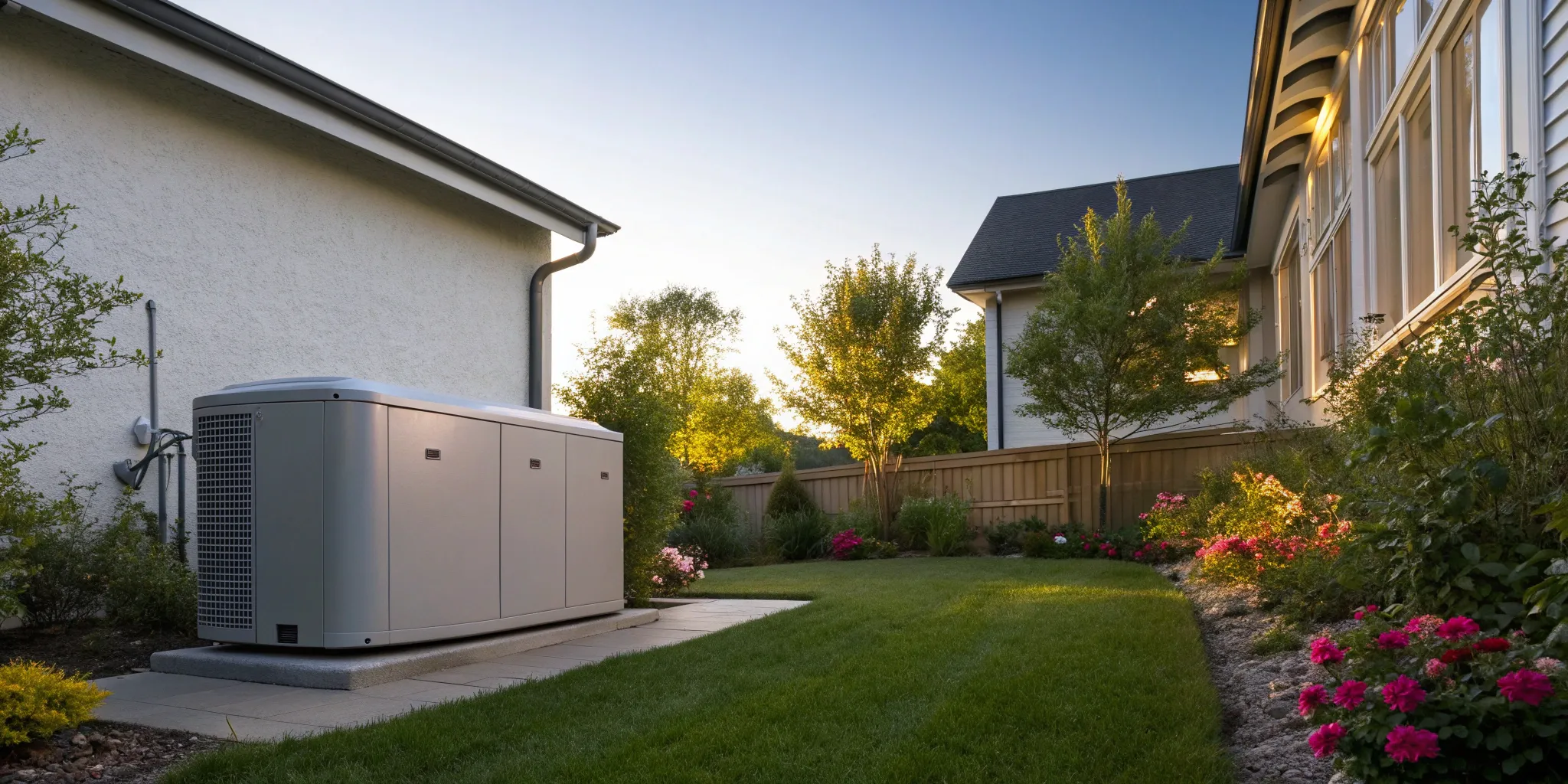
The power goes out. Your neighbors are in the dark, but your lights click back on in seconds. That’s not magic—it’s your standby generator. This automated system provides reliable standby power by sensing the outage, disconnecting from the grid, and starting its own engine. So, how do standby generators work? We’ll break down the entire sequence, from the automatic transfer switch to the engine, explaining how each part works together to keep your home running smoothly.
Key Takeaways
- The Automatic Transfer Switch is the key to safety and automation: This component is the brain of your system, constantly monitoring utility power. It safely disconnects your home from the grid to prevent dangerous backfeed and seamlessly switches you to generator power in seconds.
- A standby generator is a permanent, hands-off solution: Unlike portable units, a standby generator is wired directly into your home. It automatically powers your essential circuits—or your entire house—without you needing to lift a finger, run cords, or refuel in a storm.
- Proactive maintenance ensures flawless performance: While your generator runs a weekly self-test to stay ready, it still needs an annual professional service. Treating it like your car with a yearly tune-up is the best way to guarantee it will work perfectly when an outage hits.
What Is a Standby Generator?
Think of a standby generator as your home’s personal power plant, always on alert. Unlike a portable generator you have to wheel out of the garage, a standby generator is a permanent fixture, installed outside your home much like an air conditioning unit. Its job is simple but crucial: to automatically restore power to your home within seconds of an outage. You don’t have to lift a finger. Whether you’re at home, at work, or on vacation, it senses the power loss, starts itself up, and keeps your lights, refrigerator, and HVAC system running smoothly.
These systems are directly connected to your home’s electrical panel and typically run on a reliable fuel source like natural gas or propane, so there’s no need to store gasoline or rush out for fuel during a storm. The entire process is seamless. When the utility power returns, the generator automatically shuts itself off and returns to standby mode, ready for the next time it’s needed. It’s the ultimate peace-of-mind solution for keeping your family safe and comfortable, no matter what the weather brings. For homeowners and businesses alike, installing a Generac generator means you’re always prepared.
Standby vs. Portable: Which Generator Is Right for You?
The biggest difference between standby and portable generators comes down to convenience and capability. A portable generator is a temporary solution. You have to store it, move it outside when the power goes out, fuel it with gasoline, and run extension cords to the specific appliances you want to power. A residential standby generator is a permanent, automated system. It’s wired directly into your home’s electrical system and powers your circuits automatically. While a portable unit might keep your fridge cold and a few lamps on, a standby generator can power essential systems like your heat, air conditioning, and well pump, ensuring your home remains fully functional.
Standby vs. Inverter: What’s the Difference?
You might hear about inverter generators, which are known for being quiet and producing “clean” power that’s safe for sensitive electronics like laptops and TVs. While they are excellent for camping or tailgating, they have a much lower power output compared to a standby generator. An inverter might be able to power a few small devices, but it can’t handle the demands of an entire household. A standby generator is built to manage heavy loads, from your kitchen appliances to your home office equipment, providing robust and reliable power for everything you need during an outage.
Why Automatic Operation Matters
The automatic operation is what truly sets a standby generator apart. When the power goes out, you don’t have to do anything. The system’s automatic transfer switch (ATS) is the brain behind this process. It constantly monitors the electricity coming from the utility. The moment it detects an interruption, it safely disconnects your home from the grid and signals the generator to start. This prevents dangerous backfeed, which is when electricity from a generator flows back into utility lines, endangering repair crews. This seamless transition ensures your power is restored in seconds, providing safety and uninterrupted comfort for your home.
Choosing the Right Standby Generator for Your Home
Selecting the right standby generator isn’t just about picking a brand; it’s about finding the perfect size to match your home’s unique power needs. A generator that’s too small will struggle to power your essential appliances, while one that’s too large is an unnecessary expense. The goal is to find that sweet spot where you have reliable power for everything you need without overspending. This involves a careful look at your household’s electricity usage, from the big-ticket items like your HVAC system and refrigerator down to the smaller essentials like lights and charging ports. Getting this right ensures that when an outage occurs, your transition to backup power is smooth and your home remains the comfortable sanctuary it should be.
How to Determine the Correct Generator Size
Figuring out the right generator size starts with understanding what you absolutely need to keep running during an outage. Do you just want to cover the basics—like the refrigerator, a few lights, and the sump pump—or do you want to power your entire home so life can continue as normal? Making a list of these appliances is the first step. Once you have your list, the next step is to determine their power requirements, which is where things can get a bit technical. Every appliance has specific wattage demands, and some, like your air conditioner, require a significant surge of power just to start up. This is why a professional assessment is so important for an accurate and safe residential standby generator installation.
Calculating Your Power Needs
To get a rough idea of your needs, you can start by listing all the appliances and systems you want to power. When selecting a standby generator, it’s crucial to list all the appliances you want to power during an outage and find out their starting and running wattage, which is often found on the appliance’s label or in its manual. Add up the running watts for everything you want to power simultaneously. Then, identify the appliance with the highest starting wattage and add that number to your total running wattage. This calculation gives you a baseline for the minimum generator capacity you should consider and helps you understand the scale of your power needs.
Why Professional Sizing Matters
While a DIY calculation is a good starting point, professional sizing is crucial for getting it right. An expert can perform a detailed load calculation that accounts for the nuances of your home’s electrical system and the specific power demands of your appliances. Choosing the right size generator is important so it can power everything you need, especially big appliances like air conditioners or well pumps that require a large surge of power to start. An undersized generator can lead to poor performance or even damage your appliances. A professional ensures your investment is perfectly tailored to your home, providing reliable power when you need it most.
Common Residential Generator Capacities
Generac generators come in a range of sizes, measured in kilowatts (kW), to fit different homes and needs. For most homeowners, the choice will fall into one of three common categories: small, medium, or large. Each tier is designed to handle a different level of electrical load, from just covering the absolute essentials to powering an entire large house without compromise. Understanding these common capacities can help you narrow down your options and have a more informed conversation with an installation expert. It’s all about matching the generator’s output to your family’s comfort and safety requirements during a power outage.
Small Units (7-12 kW): Powering the Essentials
If your goal is to simply keep the basics running, a smaller generator in the 7-12 kW range is often a perfect fit. These units are good for smaller homes or for homeowners who just want to ensure their essential items remain powered. This typically includes things like the refrigerator and freezer to prevent food spoilage, a sump pump to prevent basement flooding, and a few lights and outlets for basic comfort and connectivity. While it won’t power your whole house, a small unit provides the peace of mind that your most critical systems are protected during a storm or unexpected outage.
Medium Units (12-20 kW): Covering Major Appliances
For most average-sized homes, a medium generator between 12-20 kW offers a great balance of power and value. This capacity is usually enough to power more systems, including major appliances and HVAC for most homes. You can typically run your refrigerator, lights, and sump pump, plus larger loads like your central air conditioning or heating system, a well pump, and even a water heater. This size allows your family to live in relative comfort through an extended outage without having to make significant sacrifices, making it a very popular choice for homeowners in our area.
Large Units (20-26 kW): Whole-Home Power Solutions
If you want to ensure that a power outage causes minimal disruption to your daily life, a large generator in the 20-26 kW range provides a whole-home power solution. These powerful units can power almost an entire large home, handling the electrical load of nearly everything at once. From all your kitchen appliances and entertainment systems to multiple HVAC units and home office equipment, you won’t have to pick and choose what stays on. This is the ultimate solution for complete comfort and security, ensuring your home remains fully operational no matter what’s happening outside.
Understanding Appliance Wattage Demands
One of the most important factors in sizing a generator is understanding that not all watts are created equal. Appliances have two different wattage ratings: running watts and starting watts. Running watts are the continuous power an appliance needs to operate. Starting watts, on the other hand, are the extra surge of power required to kick-start a motor-driven item like a refrigerator or an air conditioner. This initial surge can be two to three times higher than the running wattage and only lasts for a few seconds, but your generator must be able to supply it to prevent it from becoming overloaded.
Starting vs. Running Watts
Let’s use a central air conditioning unit as an example. An air conditioning unit needs two to three times more power to start up than it does to keep running. It might require 5,000 watts to operate continuously, but it could need a jolt of 10,000 watts or more just to get its compressor and fan motor started. When sizing a generator, you have to account for this peak demand. If multiple large appliances start at the same time, the combined starting wattage can easily overwhelm an undersized generator. A professional load calculation carefully considers these requirements to ensure your generator has enough power to handle these crucial moments.
Benefits of Installing a Standby Generator
Beyond the obvious benefit of keeping your lights on, installing a standby generator brings a host of advantages that contribute to your home’s safety, comfort, and overall value. It’s a proactive investment in your family’s well-being. During an outage, a generator protects your home from issues like basement flooding by keeping the sump pump running and prevents food spoilage by powering the refrigerator. It also maintains a comfortable living environment by running your heating or cooling systems. For those who work from home or have medical equipment that requires electricity, a Generac generator provides an uninterrupted power supply that is not just a convenience, but a necessity.
Increased Home Value and Marketability
A standby generator is a highly desirable feature that can make your home more attractive to potential buyers. In regions like ours that experience unpredictable weather and power outages, having a reliable backup power source is a major selling point. It signals to buyers that the home is well-maintained and prepared for emergencies. This can not only help your home sell faster but may also increase its overall market value. Think of it as a permanent upgrade that adds both practical function and financial worth, making it a smart long-term investment in your property that pays dividends in peace of mind and resale value.
Potential Insurance Discounts
Did you know that your standby generator might also save you money on your homeowner’s insurance? Many insurance companies recognize that a generator helps mitigate risks associated with power outages. For example, by keeping your sump pump and security system operational, a generator can prevent costly water damage and deter break-ins. Because of this reduced risk, some insurance companies offer discounts for homes equipped with standby generators. It’s worth a call to your insurance agent to see if you qualify for savings after your installation is complete, adding another financial benefit to your investment in home security.
How Your Generator Knows the Power Is Out
It can feel like magic when a storm rolls through and your power clicks off, only to hum back to life just seconds later. While your neighbors are hunting for flashlights, your home is already back to normal. This isn’t magic—it’s the result of a smart, automated system working exactly as designed. Your standby generator is always on alert, and the key to its rapid response is a component called the automatic transfer switch, or ATS.
Think of the ATS as the brain of your entire generator system. It’s constantly monitoring the electrical current coming from the utility company, acting as a silent guardian for your home’s power supply. The moment it detects an interruption or instability, it springs into action, managing the entire process of switching your home from grid power to generator power, all without you having to lift a finger. This seamless transition is what makes a standby generator such a reliable source of comfort and security, keeping your lights on, your refrigerator cold, and your daily life uninterrupted. It’s a sophisticated process, but it happens in three simple, crucial steps that ensure your power is restored safely and quickly.
How Your Generator Senses a Power Loss
Your generator system is always connected to your home’s main electrical panel, but it spends most of its time in a quiet, watchful state. The automatic transfer switch is the component responsible for this constant vigilance. It continuously monitors the voltage coming from the utility lines. If that voltage drops below a certain level or disappears entirely, the ATS instantly recognizes it as a power outage. This detection is the first and most critical signal that tells your Generac generator it’s time to get to work. It’s a completely automatic process, ensuring that even if you’re away from home or asleep, your property remains protected.
Powering Up: What Happens Next
Once the ATS senses the power is out, it initiates a carefully timed sequence of events. First, it immediately disconnects your home from the utility grid. This is a critical safety measure that prevents your generator from sending electricity back out to the power lines, protecting utility workers who might be making repairs. With your home safely isolated, the ATS then signals the generator’s engine to start. In just a few seconds, the generator gets up to speed and produces a stable, clean electrical current. The ATS verifies that the generator is ready, then switches your home’s electrical panel over to generator power. The whole process is so fast you might only notice a brief flicker of the lights.
Bridging the Power Gap for Sensitive Electronics
Think about all the sensitive electronics in your home—your computer, smart TV, and maybe even your home office setup. These devices have delicate microprocessors that are vulnerable to the power surges and dips common during an outage. This is why the quality of the power your generator produces is just as important as its ability to turn on automatically. While the transfer switch ensures a seamless handover from the grid, the generator itself is responsible for creating clean, stable electricity. A Generac standby generator is specifically engineered to deliver a consistent current, protecting your valuable equipment from damaging fluctuations. This gives you peace of mind, knowing you can continue to work or relax without risking your electronics.
Before Takeoff: Running a Quick Safety Check
A standby generator doesn’t just wait for an emergency to make sure it’s in working order. To ensure it’s always ready, the system performs a regular self-test, often called an “exercise cycle.” Typically, this happens once a week for about 20 minutes. During this test, the generator starts up and runs without actually transferring power to your home. This brief run time circulates engine oil, charges the starting battery, and confirms that all mechanical and electrical components are functioning correctly. This proactive self-check is a core part of routine generator maintenance and gives you confidence that your system will perform flawlessly when you need it most.
What Makes a Standby Generator Tick?
A standby generator might seem like a single, magical box, but it’s actually a sophisticated system with several key parts working in perfect harmony. Understanding these components helps demystify how your generator keeps the lights on when the grid can’t. Think of it like a well-rehearsed team where each player has a specific and vital role. From the powerhouse engine to the intelligent control panel, every piece is essential for providing reliable, automatic power to your home or business. Let’s break down the four main components that make it all happen.
The Engine: The Heart of the Generator
The engine is the workhorse of your generator. Just like the engine in a car, its job is to create motion, or mechanical energy. It does this by combusting a fuel source, which for most home standby generators is either natural gas or liquid propane. This makes them incredibly convenient because they tap directly into your home’s existing fuel lines. Unlike a portable generator that you have to refuel with gasoline, a standby unit is always ready to go. The engine is specifically designed for long-term, reliable operation, ensuring it can run for hours or even days to power your home through an extended outage.
The Alternator: Creating Your Electricity
If the engine is the heart, the alternator is where the real magic happens. The alternator’s job is to take the mechanical energy produced by the engine and convert it into usable electricity. It contains a rotor and a stator that work together to create an electromagnetic field, generating the alternating current (AC) that powers your home’s lights, appliances, and electronics. The quality of the alternator is crucial for producing clean, stable power, which is essential for protecting sensitive devices like computers and modern TVs. This seamless conversion is what makes Generac generators a reliable power source during an emergency.
The Controller: The Brains of the Operation
The control panel is the intelligent center of the entire system. This onboard computer acts as the “brain,” constantly monitoring the connection to your utility power. It also keeps a close watch on the generator’s own functions, like engine speed, oil pressure, and coolant temperature, to ensure everything is running smoothly. When it detects a problem, it can automatically shut the generator down to prevent damage. Modern control panels are incredibly user-friendly, with clear LCD displays that show the generator’s status and any maintenance reminders. Many even offer remote monitoring, allowing you to check on your generator from anywhere using a smartphone app.
Fuel Sources: Powering Your Generator
The engine is the powerhouse of your generator, but it can’t do its job without a reliable fuel source. Standby generators are designed for convenience, which is why they typically run on fuels that are readily available at your home. The most common options are natural gas and liquid propane (LP), which eliminate the need to store messy gasoline cans or make a last-minute trip to the gas station during a storm. For larger applications, diesel is also a powerful and efficient choice. Each fuel type has its own benefits, and the right one for you often depends on what’s available at your property and your specific power needs.
Natural Gas
Natural gas is one of the most popular and convenient fuel choices for residential standby generators. If your home is already connected to a natural gas line for your furnace or stove, the generator can be hooked up directly to that supply. This provides a virtually endless source of fuel, meaning your generator can run for as long as the outage lasts without any need for refueling. It’s a clean-burning fuel that requires no on-site storage tanks, making it a low-maintenance and hassle-free option. This “set it and forget it” convenience is a major reason why so many homeowners choose natural gas to power their peace of mind.
Propane
For homes in areas without access to natural gas lines, liquid propane (LP) is an excellent alternative. Propane is stored in a large, dedicated tank on your property, which is installed by a professional. The size of the tank determines how long your generator can run, but a properly sized tank can easily power your home through a multi-day outage. Like natural gas, propane is a stable, clean-burning fuel that is readily available. Your propane supplier can help you set up a regular delivery schedule to ensure your tank is always full and ready for an emergency, providing a reliable fuel source for your standby generator installation.
Diesel
While less common for residential use, diesel is a go-to fuel for larger homes and commercial applications. Diesel engines are known for their incredible durability, fuel efficiency, and ability to handle heavy electrical loads for extended periods. Like propane, diesel fuel is stored in a tank on-site, giving you a self-contained power source that is independent of utility lines. For businesses or properties with significant power requirements, a commercial diesel generator is often the most robust and reliable solution, ensuring that critical operations can continue without interruption during a power failure.
Other Essential Components
While the engine and alternator handle the heavy lifting of creating power, a standby generator relies on several other key components to operate safely and effectively. These parts work behind the scenes to protect your sensitive electronics, shield the unit from the elements, and ensure it starts reliably every single time. From the weatherproof casing that keeps it safe from a blizzard to the tiny battery that kicks the engine into gear, each piece plays a critical role in the generator’s overall performance. Understanding these components helps paint a complete picture of how this sophisticated system keeps your home running smoothly.
Voltage Regulator
Have you ever noticed lights flicker when a large appliance like an air conditioner kicks on? A generator’s voltage regulator prevents that from happening with your power. This small but mighty component acts as a gatekeeper for the electricity your generator produces, ensuring it’s a smooth, stable, and consistent current. This is incredibly important for protecting your sensitive modern electronics, like computers, smart TVs, and Wi-Fi routers, from damaging power fluctuations. The voltage regulator ensures the power flowing into your home is “clean,” giving you the confidence that all your devices will run safely and properly during an outage.
Weatherproof Enclosure
Since your standby generator lives outside year-round, it needs a tough, durable shell to protect it from the elements. That’s the job of the weatherproof enclosure. Typically made from aluminum or steel with a corrosion-resistant finish, this casing is built to withstand everything from pouring rain and heavy snow to intense summer heat. It keeps the delicate internal components safe, dry, and ready to operate in any weather condition. The enclosure is also designed with acoustics in mind, helping to muffle the sound of the engine so that it runs as quietly as possible, minimizing disruption for you and your neighbors.
Battery and Charger
Just like your car, a standby generator needs a battery to start its engine. This 12-volt battery provides the initial burst of power needed to get the generator running the moment the automatic transfer switch sends the signal. To make sure the battery is always ready, the system includes a built-in smart charger. This charger is connected to your home’s utility power and keeps the battery at an optimal charge level at all times. This is a key component checked during the generator’s weekly self-test, ensuring it has the power it needs to start without fail when an emergency strikes.
Cooling and Exhaust Systems
An engine running for hours or even days generates a significant amount of heat and exhaust. The cooling system, which often uses a radiator and fan similar to a car’s, circulates air or coolant to keep the engine from overheating, ensuring it can operate reliably through a long outage. At the same time, the exhaust system safely directs fumes away from your home and vents them into the atmosphere. Proper installation is absolutely critical for these systems to function correctly, which is why professional generator service and repair technicians ensure there is adequate clearance and ventilation around the unit.
The Automatic Transfer Switch: The Director
The Automatic Transfer Switch (ATS) is the component that makes your standby generator truly automatic. This device is the gatekeeper between your home, the utility grid, and your generator. Installed next to your main electrical panel, the ATS constantly senses the flow of power from the utility. The moment it detects an outage, it safely disconnects your home from the grid and signals the generator to start. Once the generator is running, the ATS switches your home’s power source over to the generator. This entire process is a key part of a professional residential standby generator installation and happens in seconds, without you having to lift a finger.
Manual vs. Automatic Transfer Switches
While both manual and automatic transfer switches are designed for safety, they offer completely different levels of convenience. With a manual transfer switch, the process is entirely up to you. When the power goes out, you have to go outside (often in bad weather), start your generator, and then return to your electrical panel to physically flip a series of switches. This action disconnects your home from the utility grid and connects it to the generator. It’s a workable solution, especially for portable generators, but it requires you to be home and ready to act at a moment’s notice.
An automatic transfer switch, on the other hand, handles everything for you. It’s the component that makes a standby generator a truly hands-off solution. The ATS constantly monitors utility power and, the instant an outage occurs, it safely disconnects your home from the grid to prevent dangerous backfeed. It then automatically starts the generator and seamlessly transfers your home’s power supply. This is the standard for any professional residential standby generator installation, providing true peace of mind by ensuring your power is restored in seconds, whether you’re home or away.
How the Automatic Transfer Switch Keeps You Safe
The automatic transfer switch, or ATS, is the unsung hero of your standby generator system. While the generator creates the power, the ATS is the component that safely manages it. Think of it as the traffic cop for your home’s electricity. Its primary job is to sense when utility power is lost and seamlessly switch your home over to generator power. But more importantly, it performs this task with several critical safety features in mind, protecting your home, your appliances, and the utility workers on the front lines. Without a properly functioning ATS, a standby generator would be both impractical and dangerous. It’s the key piece of technology that makes the entire system work automatically and safely, giving you true peace of mind during an outage.
Safety First: Preventing Dangerous Backfeed
The most critical safety function of the automatic transfer switch is preventing backfeed. Backfeed happens when electricity from a generator flows back into the utility lines. This is incredibly dangerous because it can electrocute utility workers who are trying to restore power, as they assume the lines are dead. The ATS makes this impossible. Before it connects your home to the generator’s power, it first completely disconnects your electrical panel from the main utility grid. This creates an essential air gap, ensuring your generator only powers your home and never sends electricity back out. A professional residential standby generator installation ensures the ATS is wired correctly to perform this vital function.
Why a Transfer Switch is Required by Law
The legal requirement for a transfer switch boils down to one crucial word: safety. It’s not just about protecting your home’s electronics; it’s about protecting human lives. Without an ATS, the electricity from your generator could travel backward through the utility lines, a phenomenon known as backfeed. This creates an extremely hazardous situation for utility crews working to restore power, as they expect the lines to be dead. A transfer switch is legally mandated because it physically disconnects your home from the grid before connecting it to generator power, eliminating any risk of backfeed. This is why a proper, code-compliant residential standby generator installation by a certified electrician is not just a good idea—it’s the law.
Ensuring a Seamless Switch to Standby Power
Beyond its core safety role, the ATS is what makes the switch to backup power feel so seamless. When the power goes out, the ATS detects the loss of electricity in a fraction of a second. It signals the generator to start and, once the generator is running at the correct speed and voltage, the switch transfers your home’s electrical load to it. This entire process happens automatically in about 10 to 20 seconds. You don’t have to go outside in a storm to start a generator or run extension cords. The transition is so smooth and fast that you might only notice a brief flicker of the lights before everything is back on, allowing you to continue your day without interruption.
Protecting Your Electronics and Appliances
Sudden power shifts can be tough on your home’s sensitive electronics. The ATS is designed to protect your appliances and devices from potential damage during the power transfer. By managing the switch from grid power to generator power in a controlled sequence, it prevents power surges or fluctuations that could harm computers, TVs, and smart home devices. This clean handoff ensures that the power flowing to your circuits is stable and safe. It’s just one more way that a complete Generac generator system is designed to not only provide power but also to protect the valuable equipment inside your home.
Understanding Power Quality from a Generator
It’s a common concern: is the power from a generator safe for sensitive electronics like computers, smart TVs, and smartphones? The answer lies in the quality of the power produced. “Clean power” simply means a stable, consistent electrical current without the surges or fluctuations that can damage delicate circuits. This is where the quality of your generator’s components, particularly the alternator, comes into play. The alternator converts the engine’s mechanical force into electricity, and a well-engineered one ensures the power is smooth and reliable. Modern Generac generators are specifically designed to produce clean energy, making them just as safe as the power you normally get from the grid, ensuring your most valuable devices are protected during an outage.
Installation and Placement Guidelines
Once you’ve chosen the right generator, the next critical step is figuring out where to put it. Proper placement isn’t just about aesthetics; it’s a crucial factor for safety, performance, and compliance with local regulations. A standby generator is a powerful piece of equipment that produces electricity and engine exhaust, so its location must be carefully planned. A professional installation team will handle all the details, but understanding the basic guidelines can help you prepare for the process and appreciate why certain decisions are made. From maintaining safe distances from your home to considering environmental factors and noise levels, every aspect of placement is designed to ensure your generator operates reliably and safely for years to come.
Safe Generator Placement
The top priority during any generator installation is safety. Because a generator’s engine produces carbon monoxide, a colorless and odorless gas, specific clearances must be maintained to prevent it from entering your home. These guidelines are set by organizations like the National Fire Protection Association (NFPA) and are non-negotiable for a safe setup. A certified technician will assess your property to find a location that meets all required codes while also being practical for fuel and electrical line connections. This careful planning ensures that your generator is a source of comfort, not a hazard. Following these rules protects your family and ensures your installation will pass any necessary inspections.
Clearance from Doors, Windows, and Vents
According to national safety standards, a standby generator must be installed at least five feet away from any operable opening in your home. This includes doors, windows that can open, and air intake vents for your furnace or HVAC system. This five-foot rule is a critical measure to prevent exhaust fumes from being drawn inside. Additionally, there needs to be a minimum clearance of 18 inches between the back of the generator and any combustible walls. A professional residential standby generator installation ensures these distances are strictly followed, creating a safe zone around the unit for proper airflow and maintenance access.
Special Environmental Considerations
Beyond the standard safety clearances, the specific environment of your property plays a big role in where your generator can be installed. Factors like local weather patterns, property drainage, and regional regulations must be taken into account. For example, in areas prone to heavy snowfall, the generator might need to be placed on a raised pad to keep it clear of drifts. A professional installer will evaluate your landscape to ensure the chosen spot won’t be affected by standing water after a storm. This foresight is a key part of a successful commercial generator installation as well, where site-specific challenges are often more complex.
Installing in Flood-Prone Areas
If your home is located in an area at risk of flooding, extra precautions are essential. A standby generator must be elevated above the anticipated flood level to protect its sensitive electrical components and engine from water damage. This often involves installing the unit on a custom-built concrete pad or a sturdy steel platform. Adhering to local building codes for flood zones is mandatory, and a qualified installer will know exactly how to meet these requirements. Taking this step ensures your generator will be safe and ready to operate when you need it most—especially during severe weather events that could cause flooding.
Managing Generator Noise Levels
While modern Generac generators are designed to be quieter than ever, they still produce noise when running. Being thoughtful about placement can make a big difference for both you and your neighbors. It’s wise to locate the generator away from bedrooms, patios, and other living spaces where the sound could be a nuisance. Many homeowners choose a spot on the side of their house that is less frequently used. Additionally, it’s important to be aware of any local noise ordinances in your community. An experienced team can help you select a location that minimizes sound impact while still meeting all safety and performance requirements, ensuring your backup power is a quiet comfort.
When the Lights Come Back On: Switching Back to the Grid
Just as your standby generator sensed the power outage, it also knows exactly when utility power has been restored. You don’t have to do a thing. The entire process of switching your home back to the grid is completely automatic, ensuring a safe and seamless transition that protects both your home’s electrical system and the generator itself.
The automatic transfer switch (ATS), which directed power from the generator to your home, handles the return trip as well. It verifies that the power from the utility company is stable and reliable before making any changes. Once it confirms the grid is back online for good, it orchestrates a smooth handoff. The generator gets the signal to wrap things up, but not before running through a quick and important final step to keep itself in top condition. This automated sequence ensures your Generac generator is always ready for the next time you need it.
How Your Generator Knows the Grid Is Back
The automatic transfer switch is the vigilant watchdog of your electrical system. Even while your generator is powering your home, the ATS is constantly monitoring the utility line. It’s not just waiting for a flicker of electricity; it’s waiting for a strong, stable signal. This built-in delay is a crucial feature that prevents the system from switching back and forth during an unstable power restoration, which could potentially damage your sensitive electronics. Once the ATS detects that the utility feed is consistent and reliable, it knows it’s safe to begin the transition back to grid power.
The Seamless Switch Back to Grid Power
Once the transfer switch confirms the grid is stable, it manages the handoff in a precise sequence. First, it safely disconnects your home from the generator’s power. Only after that connection is broken does it reconnect your home to the main utility grid. This “break-before-make” process is a critical safety measure that prevents utility power and generator power from ever mixing. This seamless transition happens in an instant, and you likely won’t notice anything more than a momentary blink of the lights. It’s a core part of a professional residential standby generator installation that keeps your home and appliances safe.
The Cool-Down Cycle: Getting Ready for Next Time
After the transfer switch has handed power back to the utility, it signals the generator that its job is done. But the generator doesn’t just shut off immediately. Instead, it enters a brief cool-down cycle. It continues to run for a few minutes without producing power, which allows the engine to gradually cool to a safe temperature. This process is vital for the engine’s longevity and performance. Once the cool-down cycle is complete, the generator shuts itself down and resets, standing by and ready for the next outage. This automated shutdown is one reason why routine Generac service and repair is so important—it keeps every part of the cycle working perfectly.
Keeping Your Generator Ready for Action
A standby generator is a powerful piece of equipment, and like any engine, it needs a little attention to stay in peak condition. The good news is that modern generators, especially Generac models, do most of the work for you. They are designed for reliability, but understanding their self-checks and maintenance needs ensures you’ll have power exactly when you need it. Think of it as peace of mind insurance—a small amount of upkeep guarantees your investment works flawlessly during an outage.
Automatic Self-Checks for Peace of Mind
Most Generac generators are programmed to perform a weekly self-test. For about 20 minutes, the system will start up and run to circulate oil and make sure all its components are ready to go. This is a great opportunity for you to do a quick check-in. As it runs, listen for any unusual noises and look for signs of leaks around the unit. The generator should switch on and off smoothly. If you notice anything out of the ordinary, it’s best to have a professional take a look. Catching small issues early prevents them from becoming bigger problems during a real power outage.
What to Check During the Weekly Self-Test
During the weekly self-test, you don’t need to be a generator expert, but a quick check can go a long way. First, make sure the area around the generator is clear of any debris, like leaves or snow, that could block airflow. When the test starts, just listen. You’ll get used to the normal hum of the engine, so any new clanking, grinding, or sputtering sounds will stand out. Take a quick look at the unit and the ground beneath it for any signs of oil or fluid leaks. Finally, glance at the control panel to ensure there are no warning lights or error messages displayed. If anything seems off—a strange noise, a visible leak, or a persistent warning light—it’s a sign to call for professional generator service and repair. Addressing these small clues early ensures your generator is truly ready when you need it.
Built-In Safety Features You Should Know About
One of the most critical parts of your generator system is the automatic transfer switch (ATS). This device is the ultimate safety feature, acting as a gatekeeper for your home’s power. When the generator kicks on, the ATS immediately disconnects your house from the main utility grid. This is crucial because it prevents your generator from sending electricity back into the power lines, a dangerous situation known as backfeed that can seriously injure utility workers. The transfer switch ensures that your home is powered safely and independently until the grid is restored.
Debunking Generator Maintenance Myths
A common myth is that standby generators are a “set it and forget it” appliance. While they are low-maintenance, they aren’t no-maintenance. Just like your car, the engine needs regular care, including oil and filter changes, to run efficiently for years. These tasks are essential for ensuring your generator is always ready to perform. While some homeowners handle this themselves, scheduling annual Generac maintenance with a certified technician is the easiest way to protect your system and ensure it operates safely and reliably when you need it most.
Related Articles
- Standby Generac Generator FAQs | M.T. Ruhl
- Automatic Standby Generator Cost: The 2025 Guide
- What Are the Best Standby Generators? | M.T. Ruhl
- Generac Generator Prices: A 2025 Buyer’s Guide
- 20 Whole House Generator FAQs: Everything You Need to Know | M.T. Ruhl
Frequently Asked Questions
Do I have to be home for the generator to turn on? Not at all. The entire system is designed to be completely automatic. The automatic transfer switch constantly monitors the power from the utility company. The moment it senses an outage, it starts the generator and transfers power to your home, whether you’re at work, asleep, or on vacation.
Is the power from a standby generator safe for my sensitive electronics? Yes, it is. Standby generators are built to produce a clean, stable electrical current, much like the power you get from the grid. The system’s automatic transfer switch also ensures a smooth transition between power sources, which helps protect sensitive devices like computers, smart TVs, and other modern electronics from surges.
What happens when the utility power comes back on? Your generator system handles this automatically, too. The transfer switch detects when the grid power is stable and reliable again. It then safely disconnects your home from the generator and reconnects it to the utility. After this, the generator runs for a few minutes in a cool-down cycle to protect the engine before shutting itself off completely.
Why does my generator run for a short time every week? That’s the generator performing its weekly self-test, often called an exercise cycle. This short run time circulates the engine oil, charges the battery, and confirms that all the components are working correctly. It’s a proactive health check that ensures your generator is always in top condition and ready for a real power outage.
Can a standby generator power my entire house? It certainly can. Standby generator systems are not one-size-fits-all. During installation, you can decide whether you want to power your entire home or just select essential circuits, such as your heating and cooling system, refrigerator, well pump, and lights. The system is tailored to fit your specific needs and priorities.
Generator Lifespan and Performance
How Long Do Standby Generators Last?
A standby generator is a significant investment in your home’s security and comfort, and it’s one that’s built to last. With proper care, a well-maintained generator can easily serve your home for 15 years or more. The key to this longevity is consistent, professional maintenance. Generac generators are built with engines designed for the demands of long-term, reliable operation, ensuring they are ready to perform flawlessly through extended outages year after year. Think of it not just as an appliance, but as a permanent addition to your home’s infrastructure, providing peace of mind for the long haul. Regular upkeep ensures it remains a dependable asset for its entire lifespan.
Understanding Continuous Run Time
When an extended power outage hits, the last thing you want to worry about is your generator quitting. Like a car, a Generac whole house generator will keep going as long as it has fuel and is in good working condition. Since it’s connected to your home’s natural gas or propane line, you don’t have to worry about refueling. Most standby generators can run non-stop for up to 500 hours, which is about three weeks of continuous power. This incredible endurance is possible because the engines are specifically engineered for this purpose. Over its lifetime, a properly maintained Generac engine is capable of running for around 3,000 hours, ensuring it’s ready to power your home through even the most severe storms.
Essential Maintenance Tasks
Oil and Filter Changes
While standby generators are designed to be low-maintenance, they are not no-maintenance. Just like the engine in your car, your generator’s engine needs regular care to run efficiently and reliably for years to come. The most fundamental of these tasks are oil and filter changes. Clean oil is essential for lubricating the engine’s moving parts and preventing wear and tear, while a fresh filter keeps contaminants out. Neglecting this simple step can lead to poor performance and even engine damage. Scheduling routine Generac service and repair ensures these vital fluids are always clean, protecting your investment and guaranteeing readiness.
Air Filter and Spark Plug Replacement
Beyond oil changes, a few other key components need regular attention to keep your generator in top shape. The air filter ensures the engine gets a clean supply of air for proper combustion, which is critical for fuel efficiency and reliable power output. Over time, it can get clogged with dust and debris. Similarly, the spark plugs provide the spark needed to start the engine. Worn-out spark plugs can make it difficult for the generator to start, especially in cold weather. Checking and replacing these parts are standard procedures during a maintenance visit and are essential for ensuring your generator starts up without fail the moment you need it.
Professional Annual Service
The easiest and most effective way to ensure your generator is always ready for action is to schedule a professional annual service. While the weekly self-test is a great feature, it doesn’t replace a thorough inspection by a certified technician. During an annual visit, a professional will change the oil and filters, replace the spark plugs and air filter, check the battery, and tighten all electrical connections. This comprehensive tune-up not only extends the life of your generator but also ensures it operates safely and efficiently. Proactive Generac maintenance is the best way to protect your system and guarantee it will perform flawlessly when an outage hits.