
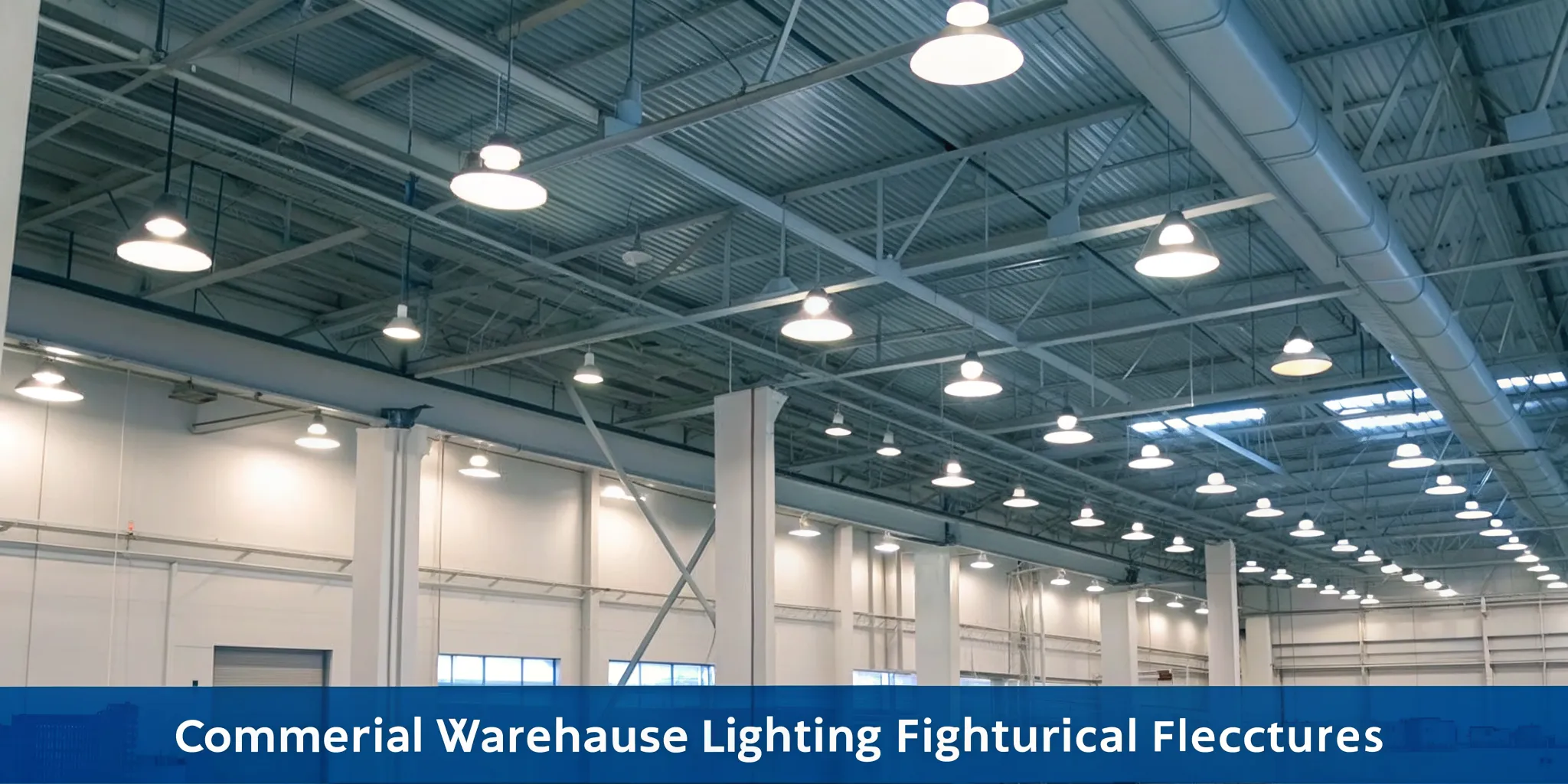
It’s easy to think of warehouse lighting in simple terms: flipping a switch to turn the lights on and off. But a modern lighting system is a sophisticated tool that can transform your entire operation. It’s an integral part of your facility’s infrastructure, capable of enhancing workflow, reducing errors, and making your workspace safer. A forward-thinking commercial electrician for warehouse lighting approaches your project with this bigger picture in mind. They don’t just hang fixtures; they design an intelligent environment tailored to your specific needs. Let’s explore how the right professional partner can help you leverage lighting as a strategic asset for your business.
Key Takeaways
- Hire a professional for a complete solution: A qualified commercial electrician manages the entire process, from the initial site audit and custom lighting design to a safe, code-compliant installation.
- Upgrade your lighting to improve your business: Modern solutions like LEDs and smart controls do more than just brighten the space; they reduce energy costs, help your team work more productively, and create a safer environment.
- Protect your operations with maintenance and backup power: Combine a regular maintenance plan with a commercial generator to keep your new lighting system efficient and ensure your warehouse stays running during any power outage.
What Can a Commercial Electrician Do for Your Warehouse Lighting?
When you think about warehouse lighting, you might just picture swapping out old bulbs for new ones. But a commercial electrician brings so much more to the table. They provide a strategic approach that covers everything from safety and legal compliance to energy savings and long-term reliability. Working with a professional ensures your lighting system isn’t just functional, but that it’s also a valuable asset for your business operations. Let’s look at exactly what a qualified electrician can handle for you.
Ensure Safety and Code Compliance
First and foremost, a commercial electrician makes sure your warehouse is safe and up to code. Electrical work in a commercial setting is governed by strict regulations, with the National Electrical Code (NEC) serving as the benchmark for safety in the U.S. A professional electrician understands these complex requirements inside and out. They ensure every installation protects your building and your team from electrical hazards like fires or equipment failures. This includes proper wiring, load calculations, and using the right materials for an industrial environment. Their work guarantees you’ll pass inspections and maintain a safe workplace.
Improve Energy Efficiency
An experienced electrician can also help you significantly lower your energy costs. They can assess your current setup and recommend modern, energy-efficient solutions that make a real difference to your bottom line. For example, upgrading to LED lighting not only reduces your monthly utility bills but also improves visibility, making your warehouse safer and helping your team be more productive. A professional can design a system that meets modern energy codes, maximizes light output, and minimizes waste, helping you achieve both financial savings and a greener footprint.
Guarantee a Professional Installation
Hiring a commercial electrician guarantees the job is done correctly and efficiently from the start. These trained professionals follow strict safety protocols, including LOTO (Lockout/Tagout) procedures, to protect everyone during the installation process. A professional installation prevents common issues like flickering lights, premature bulb failure, and overloaded circuits that can lead to costly downtime and repairs later on. By ensuring every component is installed securely and functions perfectly, they provide a reliable lighting system you can depend on for years to come, letting you focus on running your business.
Warehouse Lighting Solutions Your Electrician Can Install
Once you know what you need, a qualified commercial electrician can bring your vision to life. The right lighting system goes beyond just making things brighter; it’s about creating a safer, more efficient, and more productive workspace. From energy-saving LEDs to automated smart controls, your electrician can recommend and install a variety of solutions tailored to your warehouse’s specific layout and operations. They’ll handle everything from sourcing the right fixtures to ensuring the final installation is clean, professional, and up to code. Let’s look at some of the most effective lighting solutions that a professional can install for you.
Modern LED Lighting Systems
If you’re still using old-fashioned lighting, upgrading to modern LEDs is one of the smartest moves you can make. LED systems can dramatically lower your energy bills and make your warehouse a safer place for your team. Because LED lights can last up to 25 times longer than traditional bulbs, you’ll spend far less time and money on maintenance and replacements. A professional electrician can help you retrofit your current fixtures or install a completely new system, ensuring you get the maximum benefit from the upgrade. This simple switch helps your team be more productive and keeps your operational costs down.
High-Bay and Low-Bay Lighting
Warehouses have unique lighting needs, largely due to their high ceilings. That’s where high-bay and low-bay lighting comes in. High-bay lights are designed to illuminate large, open areas with ceilings over 20 feet high, like your main storage aisles. Low-bay lights are better suited for spaces with lower ceilings, such as packing stations, offices, or loading docks. A skilled electrician won’t just install lights; they’ll assess your space to determine the perfect placement and type of fixture. This ensures every corner of your facility is evenly lit, eliminating dark spots and improving overall safety and visibility for your staff.
Smart Lighting and Automated Controls
Want to cut energy costs without even thinking about it? Smart lighting is the answer. An electrician can integrate automated controls like motion sensors, timers, and dimmers into your warehouse lighting system. Imagine lights that automatically turn on when a forklift enters an aisle and dim after it leaves, or lights that adjust their brightness based on how much natural daylight is available. These systems prevent energy from being wasted on lighting empty spaces or over-illuminating areas. It’s an effective way to reduce your electricity consumption and ensure your lights are only running when and where they’re truly needed.
Essential Emergency and Exit Lighting
Proper emergency and exit lighting isn’t just a good idea, it’s the law. These systems are critical for keeping your employees safe during a power outage or an emergency by clearly illuminating paths to safety. OSHA has specific requirements for minimum light levels to prevent injuries and ensure everyone can exit the building safely. A professional commercial electrician is well-versed in these codes and can install a compliant emergency lighting system. This gives you peace of mind knowing your facility is safe and you’re meeting all legal requirements to protect your team.
How to Assess Your Warehouse Lighting Needs
Before you can map out a new lighting plan, you need a clear picture of what you’re working with. A proper assessment is the foundation for a successful upgrade, helping you choose the right fixtures and create a system that truly serves your business. This process goes beyond simply counting bulbs; it’s about understanding how your current lighting impacts your operations, your energy bills, and your team’s safety. By taking a close look at your existing setup, you can identify key areas for improvement and set clear goals for your project.
A comprehensive assessment involves a few key steps. You’ll want to perform a detailed audit of your current fixtures, dig into your energy expenses to find opportunities for savings, and identify any safety or productivity issues caused by poor illumination. Knowing what to look for can help you make informed decisions and avoid common missteps that lead to inefficient or inadequate lighting. A professional commercial electrician can guide you through this process, ensuring every corner of your facility is considered.
Conduct a Thorough Lighting Audit
Think of a lighting audit as a complete check-up for your warehouse’s illumination system. Start by walking through your entire facility and taking inventory of your current lighting. Note the types of fixtures you have, their age, and their condition. Are you using outdated metal halides or fluorescent tubes? Pay close attention to the quality of light in different zones. Are there dark spots between shelves, harsh glare in packing areas, or shadows near loading docks? Understanding these details is the first step. This helps you define your goals, whether it’s simply to brighten the space or to provide specialized task lighting for detailed work.
Evaluate Your Current Energy Costs
Your electricity bill tells a story about your lighting’s efficiency. Pull your recent energy statements to see what you’re spending, as lighting can account for a significant portion of a warehouse’s energy consumption. But don’t stop there; consider the total cost of ownership. This includes not only energy use but also maintenance expenses like the cost of replacement bulbs and the labor required to install them. Older, less efficient lighting might have a lower initial cost, but it often leads to higher energy and maintenance bills over time. Evaluating these numbers will help you build a strong case for upgrading to a more cost-effective system.
Pinpoint Safety and Productivity Gaps
Inadequate lighting is more than just an inconvenience; it’s a safety hazard. Poorly lit areas can obscure potential dangers, from spills on the floor to misplaced equipment, increasing the risk of accidents. According to OSHA standards, warehouses need specific minimum light levels to ensure a safe environment. Look for areas where shadows or low light could make it difficult for employees to read labels, operate machinery, or move around safely. Improving illumination in these spots not only enhances safety but can also improve accuracy and efficiency, directly impacting your team’s productivity.
Avoid These Common Assessment Mistakes
When assessing your lighting, it’s easy to fall into a few common traps. One major mistake is focusing solely on the initial purchase price of new fixtures while ignoring long-term energy efficiency and maintenance costs. Another is overlooking the importance of light uniformity, which can result in a “checkerboard” effect of bright and dim spots that causes eye strain. Finally, many people neglect to review the technical specifications of new lights, choosing fixtures that aren’t suited for their ceiling height or operational needs. Taking the time to avoid these errors ensures your investment results in a functional and effective lighting system.
What to Look for in a Commercial Electrician
Finding the right electrician for your warehouse is a big decision. You need a partner who understands the unique demands of a commercial space to ensure your project is safe, efficient, and compliant. When you start your search, focus on these key qualifications to find a reliable team.
Verify Their Licensing and Insurance
This is your most important checkpoint. Before discussing project details, confirm any electrician you consider is fully licensed and insured. A valid license proves they have the right training, while proper insurance protects your business from liability. A professional company will have these documents ready to share. This non-negotiable first step ensures you’re working with a legitimate and responsible contractor.
Confirm Their Commercial Warehouse Experience
Lighting a warehouse is completely different from wiring a home. The scale and operational needs require specific expertise. Look for an electrician with a proven track record in commercial settings, and ask about their past warehouse projects. An experienced team will understand the challenges, like ensuring uniform brightness across vast floors and safely installing fixtures at great heights. This specialized experience is key to a successful lighting upgrade.
Check Customer References and Past Projects
Hearing from past clients is one of the best ways to gauge an electrician’s quality. Ask for references from other commercial projects, preferably warehouses similar to yours. A confident contractor will be happy to connect you. Take a few minutes to call and ask about their experience. Was the project completed on time? Was the team professional? Checking references helps you build confidence that you’re hiring a reliable partner.
Ask About Their Knowledge of Safety Regulations
Commercial electrical work is governed by strict safety codes, like OSHA standards and the National Electrical Code (NEC). A qualified electrician must be an expert on these regulations to keep your employees safe and pass inspections. During your conversation, ask how they ensure every installation is fully compliant. Their commitment to safety is a clear sign of a true professional and is essential for protecting your business and your team.
Key Questions to Ask Before You Hire
Once you have a shortlist of potential electricians, it’s time to find the perfect partner for your project. Choosing the right contractor is about more than just getting a quote; it’s about finding a team you can trust to get the job done right. Asking a few specific questions before you sign a contract can help you feel confident in your decision and ensure your warehouse lighting project runs smoothly from start to finish.
Experience with Similar Warehouse Projects
You wouldn’t hire a plumber to fix your roof, and the same logic applies here. Warehouse lighting is a specialized field. You’ll want to work with an electrician who understands the unique challenges, like high ceilings, large open spaces, and the need for durable fixtures. Ask them directly, “Can you tell me about a few warehouse lighting projects you’ve completed recently?” An experienced contractor will be happy to share examples of their work and explain how they handled projects similar to yours. This gives you a clear picture of their capabilities and whether their team has the specific expertise you need.
Approach to Safety and Compliance
When it comes to electrical work, safety is the top priority. A professional contractor will not only follow all regulations but will also have a strong safety culture. Ask about their commitment to safety and how they ensure compliance with the National Electrical Code (NEC), which sets the standard for safe electrical installation in the U.S. A great follow-up question is, “What are your safety protocols for a project of this scale?” Their answer will tell you a lot about their professionalism and their dedication to protecting your property and your employees.
Project Timeline and Disruption Plan
Any major project can disrupt your daily operations, but a well-organized electrician will work to keep that to a minimum. Your business can’t afford unnecessary downtime, so it’s important to have a clear conversation about the project schedule. Ask for a realistic timeline and find out how they plan to work around your team’s schedule. You should also confirm who will be your main point of contact on-site. Knowing there’s a plan to manage the workflow and a person to call with questions provides peace of mind and helps keep your business running smoothly.
Smart Lighting System Capabilities
Modern lighting solutions go far beyond just flipping a switch. Smart systems with sensors and automated controls can significantly reduce your energy costs and improve workplace safety. A forward-thinking electrician should be able to discuss these options with you. Ask them about their experience with smart lighting and whether they perform a lighting audit to assess your current energy use. They may also use a photometric layout, which is a digital plan that maps out the best placement for each light to ensure maximum efficiency. This level of planning ensures you get a modern system tailored to your warehouse’s specific needs.
The Installation Process: What to Expect
Upgrading your warehouse lighting is a straightforward process when you work with a professional team. Knowing what to expect can help you plan for the project and ensure everything runs smoothly from start to finish. A qualified commercial electrician will guide you through a clear, four-step process that begins with understanding your needs and ends with a perfectly lit, safe, and efficient workspace. This structured approach guarantees that the final result aligns with your business goals and minimizes any disruption to your daily operations.
Step 1: Initial Consultation and Site Assessment
The first step is a conversation. A commercial electrician will visit your warehouse to perform a thorough site assessment and discuss your specific goals. They’ll walk through the facility, noting the ceiling height, current layout, existing fixtures, and how your team uses the space. This is your opportunity to share what’s working and what isn’t. Are there dark corners affecting safety? Are your energy bills too high? This initial evaluation is crucial for gathering the information needed to create a solution that’s tailored directly to your warehouse and its unique operational demands.
Step 2: Custom Lighting Design and Plan
After the assessment, the electrician translates your needs into a detailed lighting plan. This isn’t just about swapping out old bulbs; it’s a strategic design meant to improve your entire operation. The plan will map out fixture placement for optimal light distribution, recommend the best type of lighting (like energy-efficient LEDs), and may include options for smart controls. You’ll receive a clear proposal that outlines the scope of work, the products to be used, and the projected outcomes, such as energy savings and improved visibility. This custom plan serves as the blueprint for the entire installation.
Step 3: The Installation Phase
With an approved plan in hand, the installation can begin. A professional team will work efficiently and safely to bring the design to life. Experienced electricians understand that downtime costs money, so they will coordinate with you to schedule the work at a time that causes the least possible disruption to your business, whether that’s during off-hours or by working in sections. They will handle every aspect of the installation, from removing old fixtures to wiring the new system, all while maintaining a clean and organized work area to ensure the safety of your employees.
Step 4: Final Testing and Inspection
Once all the new lights are installed, the job isn’t quite finished. The final step is to test the entire system to make sure everything functions correctly and safely. The electricians will conduct a final walkthrough with you, demonstrating how any new controls work and ensuring you’re completely satisfied with the result. They will also verify that the installation complies with all local and national electrical codes, guaranteeing a safe environment for your team. This final inspection provides peace of mind that your new lighting system is reliable, compliant, and ready to support your business.
Why Upgrade to a Smart Lighting System?
Moving to a smart lighting system is one of the most impactful upgrades you can make for your warehouse. It’s about more than just installing new bulbs; it’s about creating an intelligent, responsive environment that works for you. A smart system gives you precise control over your lighting, allowing you to automate schedules, adjust brightness, and monitor energy use in real-time. This level of control translates directly into significant cost savings and operational improvements.
Think of it as putting your lighting on autopilot. Instead of relying on manual switches and wasting energy on illuminating empty spaces, a smart system adapts to your warehouse’s daily rhythm. It ensures that light is used efficiently, directed only where and when it’s needed. This not only cuts down on your electricity bills but also extends the lifespan of your fixtures, reducing maintenance costs over time. Our team of commercial electricians can help you design and install a system tailored to your facility’s specific needs, ensuring you get the most out of your investment. From improved safety to a more productive workforce, the benefits of a smart upgrade are clear.
Save Energy with Occupancy Sensors
One of the simplest yet most effective features of a smart lighting system is the use of occupancy sensors. These devices automatically turn lights on when they detect motion and turn them off after an area has been vacant for a set period. In a large warehouse with fluctuating traffic in aisles, loading docks, and storage areas, this feature is a game-changer. You’ll no longer pay to light up empty spaces, which can account for a huge portion of your energy waste. By ensuring lights are only active when people are present, you can dramatically reduce your electricity consumption and lower your operational costs without any extra effort from your team.
Gain Control with Remote Monitoring
Imagine being able to adjust your entire warehouse’s lighting from a single dashboard on your computer or phone. That’s the power of remote monitoring. Smart lighting controls give you the ability to set schedules, dim lights, and track energy usage across different zones in your facility, no matter where you are. This is incredibly useful for adapting to changing shift schedules, utilizing daylight more effectively, or making quick adjustments for specific tasks. This centralized control not only provides convenience but also offers valuable insights into your energy patterns, helping you identify more opportunities to save money and streamline your operations.
Increase Productivity and Lower Costs
The quality of your lighting has a direct impact on your team’s performance. Poor or inconsistent lighting can cause eye strain and fatigue, leading to more errors and slower work. A well-designed smart LED system provides bright, uniform light that makes tasks like reading labels, operating machinery, and moving inventory easier and more accurate. When your employees can see clearly, they can work more efficiently and confidently. This improvement in productivity, combined with the significant energy savings from smart controls, means a smart lighting upgrade often pays for itself by contributing to a more effective and profitable operation.
Create a Safer, Greener Workspace
A well-lit warehouse is a safe warehouse. Smart lighting eliminates dark corners and shadows, reducing the risk of trips, falls, and other accidents. It also helps you meet and exceed OSHA safety standards, which require minimum illumination levels to ensure a safe work environment. Beyond safety, upgrading to an energy-efficient system is a responsible choice for the environment. By consuming less electricity, you reduce your facility’s carbon footprint. Partnering with a trusted electrical service provider ensures your system is installed correctly, making your workspace not only safer but also more sustainable.
Keep the Lights On: Maintenance and Backup Power
A professional lighting installation is a fantastic start, but it’s not the end of the story. To protect your investment and ensure your warehouse runs smoothly without interruption, you need a solid plan for ongoing maintenance and a reliable backup power source. Think of it as a two-part strategy for long-term success. The first part is keeping your lighting system in top condition through regular check-ups. The second, and arguably more critical part, is making sure the power stays on, no matter what’s happening outside. This isn’t just about convenience; it’s about maintaining operational continuity and safety.
Power outages can bring warehouse operations to a screeching halt, creating safety hazards and costing you money every minute the lights are out. Integrating a backup power solution isn’t just a precaution; it’s a fundamental part of a resilient operational plan. By combining routine electrical maintenance with a dependable generator, you create an environment where productivity and safety are protected around the clock. This comprehensive approach ensures your team can keep working efficiently and safely, even when the grid fails. It transforms your facility from being reactive to power issues to being prepared for them, which makes all the difference for your bottom line and your team’s well-being.
Plan for Scheduled Maintenance
Once your new lighting system is up and running, the best way to keep it performing well is with a scheduled maintenance plan. Regular inspections by a qualified electrician are key to catching small issues before they become big, expensive problems. During these check-ups, a professional can identify potential hazards, replace aging components, and ensure your entire system remains compliant with safety standards. This proactive approach not only keeps your workplace safe but also helps your lighting operate at peak efficiency, saving you money on energy bills over time. Think of it as routine care that prevents unexpected downtime and costly electrician repairs.
Integrate a Generator for Uninterrupted Power
A state-of-the-art lighting system is only as good as its power source. A sudden outage can halt productivity, compromise security, and put your employees at risk in a poorly lit environment. This is where a backup generator becomes essential. A commercial generator automatically kicks in the moment the power goes out, ensuring your lights, machinery, and security systems continue to run without a hitch. A professional can perform a seamless commercial generator installation that integrates directly with your warehouse’s electrical system, providing you with reliable, uninterrupted power. It’s the ultimate safeguard for maintaining continuous operations and peace of mind.
Optimize for Long-Term Performance
True operational reliability comes from a holistic approach to your electrical systems. Optimizing for long-term performance means looking beyond just the lights and considering the entire power infrastructure, including your backup generator. A routine maintenance schedule that covers both your lighting and your generator ensures every component works together perfectly when you need it most. Regular generator maintenance is just as important as caring for your lighting. This strategy prolongs the life of your equipment, maintains efficiency, and helps you avoid the high costs and stress of emergency failures, keeping your warehouse productive for years to come.
Related Articles
Frequently Asked Questions
Why can’t I just replace my old bulbs with LEDs myself? While swapping bulbs seems simple, a professional electrician does much more than that. They create a strategic lighting plan that ensures uniform brightness, eliminates dangerous shadows, and complies with all safety codes like the NEC. A professional installation also guarantees the wiring and circuits can handle the new system safely, preventing issues like flickering lights or overloaded circuits that could cause costly damage or downtime later.
How much will a lighting upgrade disrupt my warehouse operations? A professional team understands that your business needs to keep running. They will work with you to create an installation schedule that minimizes interference with your daily workflow. This often involves working during off-hours, on weekends, or completing the project in sections. The goal is to manage the process efficiently so your team can stay productive and safe from start to finish.
Is a smart lighting system really worth the investment for a warehouse? Absolutely. While the initial cost is a consideration, a smart system pays for itself over time through significant energy savings. Features like occupancy sensors and automated dimmers ensure you only use electricity when and where it’s needed, drastically cutting your utility bills. This improved efficiency, combined with longer-lasting fixtures and lower maintenance needs, makes it a financially sound decision for any modern warehouse.
What’s the first step if I think my warehouse lighting needs an upgrade? The best place to start is with a professional site assessment. A qualified electrician will walk through your facility with you to understand your current setup and your goals. They will identify safety hazards, pinpoint areas with poor illumination, and discuss your energy costs. This initial consultation provides the expert insight needed to develop a custom plan that truly fits your warehouse’s needs.
My lights are new, but what happens during a power outage? Even the best lighting system is useless without power. A power outage can halt operations and create serious safety risks in a dark warehouse. Integrating a commercial backup generator is the only way to guarantee your lights, security systems, and essential equipment stay on. It automatically provides power the moment an outage occurs, ensuring your facility remains safe and productive no matter the circumstances.