For business owners in Southeastern Pennsylvania, a power outage isn’t a matter of if, but when. While competitors close their doors and lose sales, you can remain a beacon of reliability for your customers. A commercial standby generator isn’t a luxury; it’s a core part of a solid business continuity plan. It keeps you secure and profitable, no matter the weather. This guide explains exactly what to expect during commercial generator installation, giving you a clear, step-by-step look at the process so you can make the best decision for your business.
Key Takeaways
- Match the Generator to Your Business Needs: A professional assessment of your power usage, facility layout, and fuel availability is the critical first step. This ensures you invest in a generator that can handle your essential operations without overspending on unnecessary capacity.
- Rely on Certified Experts for Installation: Installing a commercial generator involves complex electrical and fuel systems that must meet strict local codes. A professional installation is the only way to guarantee safety, pass inspections, and ensure your system works reliably when you need it.
- Treat Maintenance as Part of the Investment: A generator is a powerful machine that requires regular service to perform correctly. A proactive maintenance plan is crucial for preventing startup failures, extending the unit’s lifespan, and making sure it’s ready for any outage.
What Is a Commercial Standby Generator & How Does It Work?
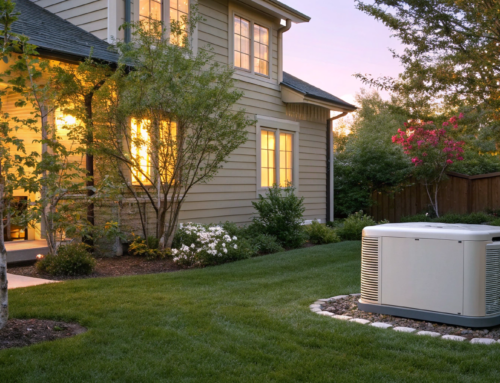
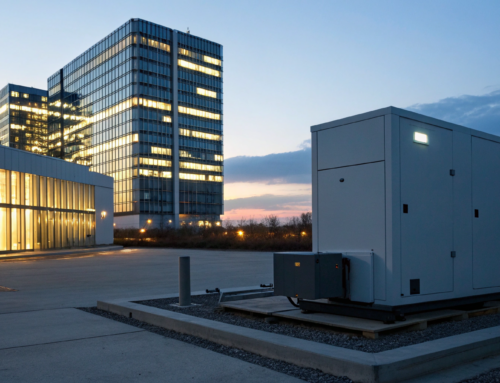
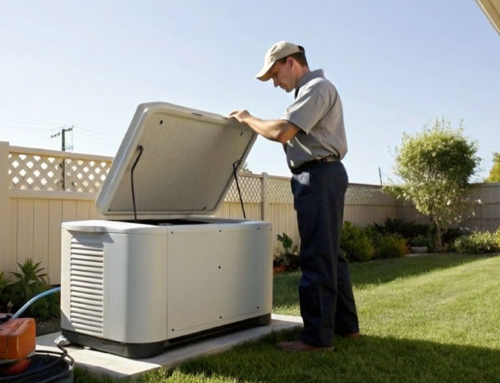
Think of a commercial standby generator as your business’s ultimate insurance policy against power outages. Unlike a portable generator you have to wheel out and start manually, a standby generator is a permanent fixture, installed outside your building and connected directly to your electrical system. Its sole job is to wait for the power to go out. When it does, the generator automatically kicks in, restoring power to your essential circuits—or your entire building—in a matter of seconds.
This seamless transition ensures that your operations continue without a hitch, protecting everything from your security systems and servers to your lights and HVAC. For businesses in Southeastern Pennsylvania, where storms can be unpredictable, a reliable commercial generator installation isn’t just a convenience; it’s a core part of a solid business continuity plan. It provides the peace of mind that comes from knowing you’re prepared for any outage, day or night, without ever having to lift a finger. It’s the difference between shutting your doors during an outage and carrying on with business as usual, keeping your revenue flowing and your customers happy.
How a Generator Keeps Your Business Running
When the power grid fails, a power outage can bring your business to a screeching halt. Every minute without electricity can mean lost sales, unproductive employees, and potential data loss. A commercial standby generator eliminates this risk. The moment it detects an interruption in your utility power, it automatically starts up and takes over the electrical load.
This means your lights stay on, your point-of-sale systems keep processing transactions, and your security cameras continue to record. For businesses that rely on refrigeration or climate control, it prevents costly inventory spoilage. Essentially, these powerful Generac generators ensure you can continue serving customers and keeping your team safe and productive, even when the rest of the neighborhood is dark.
Breaking Down the Parts of a Commercial Generator
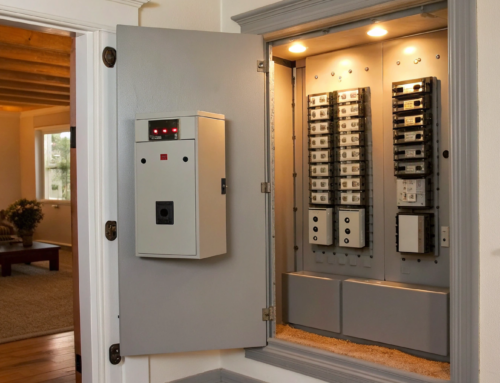
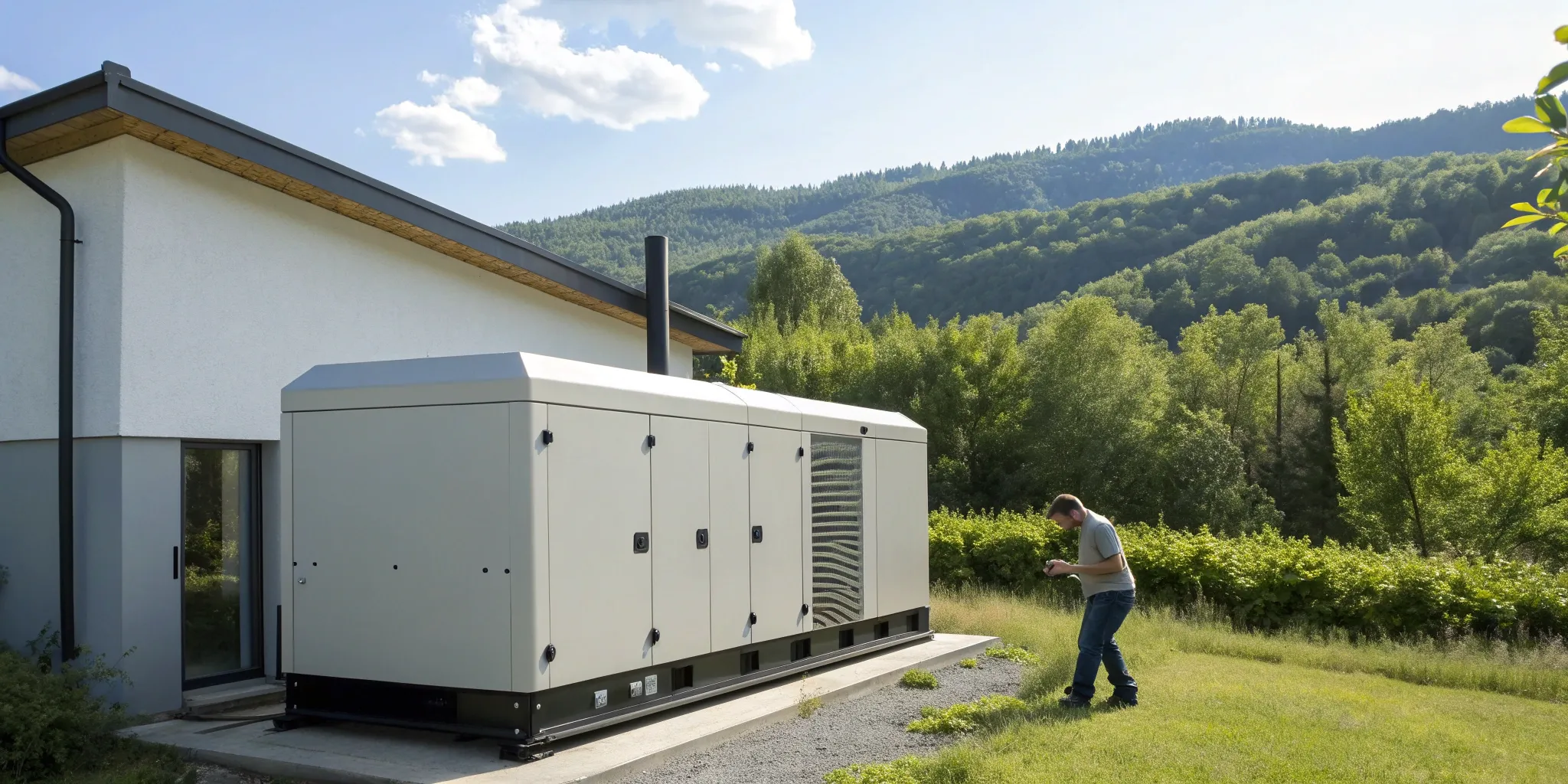
A commercial generator system is more than just the engine; it’s a set of integrated components working together. The generator itself is typically placed on a sturdy concrete pad outside your facility. The most critical piece of the puzzle is the Automatic Transfer Switch (ATS). This device is the “brain” of the system, constantly monitoring utility power. When it senses an outage, it automatically disconnects you from the grid and connects you to the generator.
The ATS also manages the process in reverse, switching you back to utility power once it’s restored and shutting the generator down. Finally, there’s the fuel source. Depending on the model, your generator will run on natural gas, liquid propane, or diesel, requiring a dedicated fuel line or an on-site storage tank to ensure it’s always ready for a service call.
What to Consider Before Your Commercial Generator Installation
Before a single wire is connected, a little planning goes a long way. Getting your commercial generator installation right from the start saves you from headaches and unexpected costs down the road. It’s about more than just picking a generator; it’s about integrating a powerful piece of equipment into your business operations safely and effectively. Let’s walk through the three most important factors you need to consider to ensure a smooth and successful installation process.
How Much Power Does Your Business Really Need?
A power outage can bring your business to a standstill, affecting everything from your security systems and computers to your lights and HVAC. That’s why matching the generator to your actual power needs is the critical first step. You don’t want a generator that’s too small to handle the load, but you also don’t want to overpay for capacity you’ll never use. A great starting point is to review your past electricity bills to find your highest usage. From there, we recommend adding a 25% buffer to ensure you have plenty of power to handle peak demand without a hitch. This gives you peace of mind that all your essential operations will continue running smoothly.
Where Should You Install Your Generator?
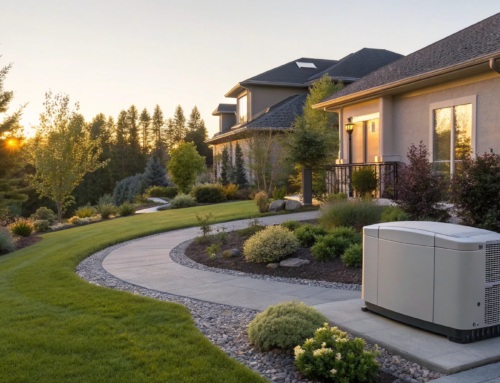
Where you place your generator is just as important as which one you choose. This isn’t something you can just tuck away in a corner. Commercial generators require a solid, level concrete pad to sit on and often need a crane for placement. You also need to think about long-term access. Can a service truck easily reach it for generator maintenance and refueling during an extended outage? We also consider local zoning laws, which often dictate how far the unit must be from property lines and buildings, as well as noise considerations. We’ll help you find a spot that is secure, accessible, and compliant, ensuring your unit is ready when you need it.
Maintaining Safe Clearance Distances
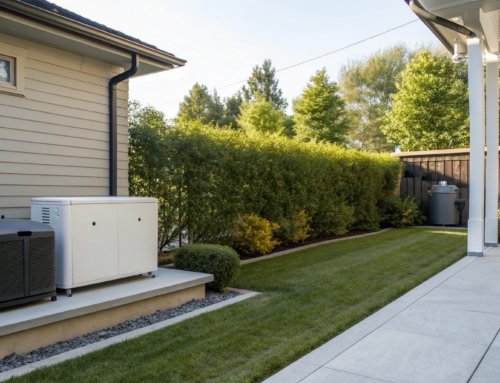
Think of your generator’s placement as creating a necessary safety bubble around your business. There are strict rules about how close a generator can be to your building, and for good reason. Generally, a generator should be placed at least five feet away from any windows, doors, or air intakes, though local codes can sometimes require more distance. This isn’t just about aesthetics; it’s a critical safety measure to prevent harmful exhaust fumes, like carbon monoxide, from seeping into your building. A professional installer will know the specific requirements for your area, ensuring the unit is positioned to protect your employees and customers while operating efficiently.
Positioning for Proper Exhaust Ventilation
Beyond just distance, the direction of the generator’s exhaust is a major consideration. The exhaust system on these powerful Generac generators must be pointed away from your building, as well as any landscaping, walkways, or neighboring properties. We carefully plan the placement to ensure that fumes are safely ventilated and won’t accumulate in any occupied areas. This involves finding a location that not only meets all safety codes but also works with the unique layout of your property. Proper ventilation is non-negotiable for ensuring the safe, reliable operation of your standby generator when you need it most.
Following Southeastern Pennsylvania’s Regulations
Every municipality has its own set of rules, and Southeastern Pennsylvania is no exception. Navigating the local regulations for electrical work, fuel line installations, and placement can be complex. Obtaining the right permits isn’t just about checking a box; it’s a crucial safety measure. These codes are in place to protect your property, employees, and customers by ensuring that high-voltage electricity and fuel systems are installed correctly. As a team that works across Chester, Montgomery, Bucks, and Delaware Counties, we handle the entire permitting process for you, making sure your installation is fully compliant and safe from day one.
Checking Business Park and HOA Rules
Beyond the official city and county codes, there’s another layer of rules you might need to consider. If your business is located in a managed business park or a development governed by a Homeowner Association (HOA), they will have their own specific guidelines. These rules are often focused on maintaining a uniform aesthetic, controlling noise levels, and ensuring community safety. They can dictate everything from where the generator can be placed to whether it needs to be concealed by fencing or landscaping. It’s essential to get approval from your business park management or HOA *before* beginning the commercial generator installation. This simple step can save you from potential fines or the costly hassle of having to relocate the unit later on.
What Are the Different Types of Commercial Generators?
Once you know the power capacity your business needs, the next big decision is fuel type. The right choice depends on your industry, location, budget, and operational requirements. Each fuel source—diesel, natural gas, and propane—comes with its own set of benefits. Let’s break down the most common options to help you figure out which one makes the most sense for your company.
Diesel: For Heavy-Duty Power
Diesel generators are the workhorses of the commercial world. Known for their rugged durability and sheer power, they are built to handle heavy-duty loads without breaking a sweat. This makes them a go-to for industrial facilities, large data centers, and healthcare institutions where reliability is non-negotiable. While they require on-site fuel storage and regular maintenance, their efficiency and ability to produce a high power output are unmatched for demanding applications. If your business operations are critical and require a robust, long-lasting power solution, a diesel generator is often the most dependable choice for your commercial generator installation.
Natural Gas: For Cost-Efficiency
For businesses looking for a cleaner, more convenient option, natural gas generators are an excellent choice. They connect directly to your property’s existing natural gas line, which means you never have to worry about refueling or storing large tanks of fuel on-site. This continuous supply is a huge advantage during extended outages. Natural gas units also tend to run quieter and produce fewer emissions than their diesel counterparts, making them ideal for businesses in residential areas, like retail stores, restaurants, and office buildings. Over time, the convenience and lack of fuel delivery costs can lead to significant savings, offering a cost-effective and reliable power solution.
Propane: For Versatility
Propane generators offer incredible versatility, making them a popular solution for a wide range of businesses. Like natural gas, propane is a clean-burning fuel, but its key advantage is storage. Propane can be stored on-site in tanks and has a very long shelf life, so you don’t have to worry about it degrading over time. This makes it a perfect choice for businesses in areas without access to a natural gas line or for those who need a reliable fuel source that’s independent of the local utility grid. Some models even offer the flexibility to be converted to run on natural gas, giving you options down the road.
The Benefit of Propane’s Long Shelf Life
One of the standout features of propane is its remarkable stability. Unlike other fuels that can degrade over time, propane has an incredibly long shelf life. This means the fuel sitting in your tank today will be just as effective years from now. For a business owner, this translates to one less thing to worry about. You can be confident that when an outage hits, your generator has a reliable fuel source ready to go, without the need for costly fuel treatments or replacements. While the generator itself will still need generator maintenance to stay in top shape, the fuel’s stability provides unmatched peace of mind.
Portable Generators: A Flexible Alternative
While standby generators are the gold standard for seamless, automatic backup power, it’s worth mentioning portable generators as a flexible alternative for specific situations. Unlike a permanently installed system, a portable generator is smaller, can be moved, and requires manual setup and startup during an outage. They are often used for powering a few essential items, for job sites, or for recreational activities. For a very small business with minimal power needs—perhaps just enough to keep a register and a few lights on—exploring different types of Generac generators might be a practical starting point. However, they require you to be on-site to operate them and involve storing fuel, which are important considerations for any business continuity plan.
How to Choose the Right Generator for Your Business
Choosing the right generator isn’t just about picking a fuel type; it’s about finding the perfect fit for your business’s unique needs. Start by assessing your power requirements. Look at your past electricity usage and think about your critical systems—what absolutely must stay on during an outage? You also need to consider your plans for future growth to ensure your generator can keep up. Factoring in your location, budget, and local regulations will help narrow down the options. A thorough evaluation is the best way to select the right size and type of Generac generator that will protect your business for years to come.
What to Expect During Your Commercial Generator Installation
Installing a commercial generator isn’t a simple plug-and-play task. It’s a detailed process that requires professional expertise to ensure your business has reliable power when you need it most. From picking the perfect spot to connecting complex electrical systems, every step is crucial for safety and performance. When you work with a certified team, you can feel confident that the job is done right, meeting all local codes and regulations in Southeastern Pennsylvania. Let’s walk through the key stages of a professional commercial generator installation so you know exactly what to expect.
Understanding the Installation Timeline
From Permitting to On-Site Work
The timeline for your generator installation has two main phases: permitting and the on-site work. First, we handle securing all the necessary permits, a process that can take anywhere from a day to a few weeks depending on the municipality. This step is essential, as it ensures your commercial generator installation complies with all local safety codes designed to protect your property, employees, and customers. Once the permits are in hand, the actual installation is surprisingly fast—we can typically complete it in a single day. Our certified technicians manage everything from wiring and fuel line connections to setting up the automatic transfer switch. Before we consider the job done, we run a full system test to make sure your generator is ready for any outage.
Preparing Your Property for Installation
The first thing we do is a thorough site assessment. This isn’t just about finding an open space; it’s about identifying the safest and most effective location for your generator. We consider factors like ventilation, accessibility for maintenance, and proximity to fuel and electrical lines. Once we’ve pinpointed the ideal spot, we prepare the foundation. For most permanent outdoor generators, this means pouring a sturdy concrete pad to provide a stable, level surface. This preparation ensures your generator operates smoothly and safely for years to come.
Connecting to Your Electrical System
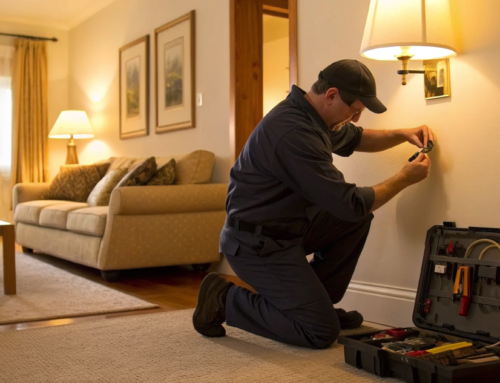
With the generator in place, our licensed electricians get to work. They connect the generator to your building’s main electrical panel and install an Automatic Transfer Switch (ATS). Think of the ATS as the brain of the system. It constantly monitors the power coming from the utility. The moment it detects an outage, it automatically disconnects your building from the grid and switches it to generator power. This happens in seconds, so you might not even notice the power went out. This seamless transition is what keeps your lights on and your operations running without interruption.
Managing Permits and Final Inspections
Handling permits and inspections is a critical part of the process that we manage for you. Installing a generator involves electricity, fuel lines, and engine exhaust, so it’s essential to follow strict safety codes. We work directly with local municipalities across our service areas in Chester, Montgomery, Bucks, and Delaware Counties to secure all necessary permits before work begins. After the installation is complete, a final inspection is often required to verify that everything is up to code. This step ensures your installation is not only effective but also completely safe and compliant.
Setting Up the Fuel System
A generator is only as reliable as its fuel source. The final major step is installing the fuel system. Depending on the type of Generac generator you choose, this involves connecting to a natural gas line or installing a dedicated propane or diesel tank. We ensure all fuel lines and tanks are installed safely and meet all regulations. For businesses that need to run for extended periods during an outage, we can also install auxiliary fuel tanks. A properly installed fuel system guarantees your generator will have the energy it needs to power your business through any outage.
Final Testing and System Walk-Through
Once your generator is physically installed, the job isn’t quite finished. The final and most important phase is making sure everything works perfectly under real-world conditions. This is where we verify that your investment is ready to protect your business. We conduct a series of comprehensive tests to confirm that the generator, transfer switch, and all related components communicate and function seamlessly. This step provides you with the ultimate peace of mind, knowing that when the power goes out, your generator will perform exactly as promised. It’s our final quality check before we officially hand the keys over to you.
Simulated Load Testing
A simulated load test is essentially a dress rehearsal for a power outage. We intentionally cut the utility power to your building to trigger the system. This allows us to watch the Automatic Transfer Switch (ATS) disconnect from the grid and signal the generator to start, all within seconds. We then monitor the generator as it takes on your building’s electrical load, ensuring it can handle the demand without any issues. This test confirms that the transition is smooth and that all your critical systems receive uninterrupted power. It’s a crucial step that validates the entire commercial generator installation and proves the system is ready for action.
Owner and Staff Training
While your Generac system is fully automatic, we believe in empowering you and your team with knowledge. After the testing is complete, we’ll walk you through a complete system orientation. We’ll show you the key components, explain the startup sequence, and review the controller’s display so you can easily check the generator’s status. This training ensures your key personnel understand how the system operates and what to expect during an outage. It also covers basic troubleshooting and who to call for routine generator maintenance or service, making you a confident and prepared owner.
Key Safety Checks for Generator Installation
Installing a commercial generator is a major project, and safety has to be the top priority from start to finish. This isn’t just about flipping a switch; it involves heavy machinery, high-voltage electricity, and combustible fuel systems. One wrong move can lead to serious equipment damage, property loss, or even injury. That’s why a professional commercial generator installation is non-negotiable. A certified team, like ours at M.T. Ruhl, understands every potential hazard and follows a strict protocol to manage them. We handle everything from the initial lift to the final inspection with meticulous care, ensuring your business, employees, and customers are safe. In this section, we’ll walk through the most critical safety considerations, including how we handle the generator’s placement, prepare its foundation, manage exhaust and ventilation, and ensure every wire and pipe complies with local Southeastern Pennsylvania codes. Understanding these steps will give you peace of mind that your investment is not only protected but also installed for safe, reliable operation for years to come. It’s about more than just power; it’s about dependable safety.
Preventing Backfeeding with an Automatic Transfer Switch (ATS)
One of the most serious risks of an improper generator setup is backfeeding. This dangerous situation occurs when electricity from your generator flows backward into the utility lines, energizing a grid that line workers believe is safely powered down. This is where the Automatic Transfer Switch (ATS) plays its most critical safety role. The ATS acts as an intelligent gatekeeper, physically disconnecting your building from the utility grid *before* it connects to generator power. This “break-before-make” process makes it impossible for electricity to backfeed, protecting utility workers from severe injury. A professional commercial generator installation is the only way to ensure your ATS is wired correctly, providing a safe, seamless, and code-compliant power transition every time.
Safely Lifting and Placing the Unit
Commercial generators are incredibly heavy, often weighing thousands of pounds. Attempting to move one without the right equipment is a recipe for disaster. We use specialized machinery, like cranes and forklifts, rated for the specific weight of your unit to lift and position it safely. Our experienced technicians work together to carefully maneuver the generator into its designated spot, ensuring it’s perfectly aligned and secure. This prevents damage to the generator, your property, and, most importantly, avoids any risk of injury to the installation team or your staff. Proper placement is the first step to a successful and safe installation.
Building a Solid Concrete Foundation
A commercial generator needs a rock-solid base to operate safely and efficiently. For most outdoor installations, this means pouring a reinforced concrete pad. This foundation does more than just hold the generator; it prevents it from shifting, absorbs vibrations, and keeps it level, which is crucial for the engine’s health. We ensure the concrete pad is built to the manufacturer’s exact specifications and is given enough time to fully cure and harden. Placing a multi-ton generator on a foundation that isn’t ready can lead to cracks and instability down the line. A proper foundation is the literal groundwork for reliable, long-term performance.
Ensuring Safe Exhaust and Ventilation
A generator’s engine produces exhaust fumes containing carbon monoxide, a colorless, odorless, and dangerous gas. Managing these fumes is one of the most critical safety aspects of any installation. Whether your generator is placed outdoors or in a dedicated indoor space, we design and install a ventilation and exhaust system that safely directs all fumes away from your building and any air intakes. The system must be properly insulated to prevent fire hazards and meet all local environmental regulations. We take no shortcuts here, because proper ventilation is absolutely essential for protecting the health and safety of everyone in and around your business.
Meeting All Electrical and Mechanical Codes
Generator installation isn’t just a technical job—it’s a regulated one. There are strict national, state, and local codes that govern everything from electrical wiring to fuel line placement. These rules are in place for a reason: to ensure safety and prevent fires, electrical shocks, and other hazards. Our team is well-versed in the specific codes for all the service areas we cover in Southeastern PA. We handle all the necessary permits and schedule the required inspections to guarantee your installation is fully compliant. Following these codes protects your business, ensures you pass inspections, and validates your warranty and insurance.
Common (and Costly) Mistakes to Avoid
Installing a commercial generator is a significant investment in your business’s continuity. Getting it right from the start saves you from expensive fixes and ensures your generator is ready when you need it most. Let’s walk through some common missteps so you can confidently handle your installation.
Picking the Wrong Size Generator
One of the most frequent errors is selecting the wrong size generator. If it’s too small, it won’t be able to power your essential equipment during an outage, defeating its purpose. On the other hand, a generator that’s too large is an unnecessary expense, both in upfront cost and ongoing fuel consumption. A professional assessment is the only way to determine the right size for your specific operational needs. An expert can perform a load calculation to ensure you get a unit that’s just right for your business, providing reliable power without wasting money.
Skipping the Maintenance Plan
It’s a common myth that generators are a “set it and forget it” piece of equipment. In reality, they are complex machines that require regular attention to function properly. Skipping a proactive maintenance plan is a recipe for failure when you can least afford it. Regular service ensures that your generator will start and run effectively during an actual power outage. A comprehensive Generac maintenance schedule includes routine inspections, oil changes, and battery checks to keep your unit in peak condition and ready for any emergency.
Ignoring Local Building Codes
Every municipality has its own set of rules, and commercial generator installation is no exception. Failing to secure the proper permits or adhere to local building codes can lead to fines, project delays, and even orders to remove the equipment. These regulations cover everything from national electrical codes to specific zoning rules, such as how far a generator must be from your building or property line. Working with a licensed electrician who is familiar with the specific requirements in Southeastern Pennsylvania ensures your installation is safe, compliant, and hassle-free.
Forgetting About Fuel Storage
Your generator is only as reliable as its fuel source. A critical but often overlooked step is planning for adequate fuel storage to get you through an extended outage. Whether your generator runs on diesel, natural gas, or propane, you need a solid plan for its supply. For diesel and propane units, this might involve installing an auxiliary fuel tank. For natural gas, it means ensuring the line is properly and safely connected. A professional commercial generator installation includes a thorough assessment of your fuel needs and a strategy to ensure a continuous supply.
Breaking Down the Cost of a Commercial Generator
Investing in a commercial generator is a significant step toward protecting your business, but it’s important to understand that the final price involves more than just the generator itself. The total cost includes the unit, professional installation, local permits, and ongoing upkeep. Thinking about these factors upfront helps you budget accurately and ensures there are no surprises down the road. A clear financial picture allows you to see this not just as an expense, but as a crucial investment in your business’s continuity and resilience.
When you partner with an experienced team for your commercial generator installation, we walk you through every line item. From selecting the right size and fuel type to handling the permits and planning for future maintenance, a transparent process gives you confidence. This comprehensive approach guarantees your generator is installed safely, meets all local codes, and is ready to perform reliably the moment you need it. Ultimately, understanding the full scope of the investment is the first step toward securing true peace of mind.
The Cost of the Generator Unit
The generator unit is the largest part of your initial investment, and its price can vary widely based on a few key factors: size (kilowatt output), fuel type, and brand. For example, a larger 350 kW diesel generator might cost around $65,000, while a smaller 150 kW natural gas model could be closer to $30,000. The right choice depends entirely on your business’s specific power needs. We specialize in helping you find the perfect Generac generator that provides enough power for your critical operations without overspending on a unit that’s larger than necessary.
How Generator Size (kW) Affects Cost
Think of a generator’s size, measured in kilowatts (kW), like the engine in a car—the more power it can produce, the higher the price tag. A smaller unit designed to keep just the lights and computers on will cost significantly less than a large generator built to power an entire manufacturing facility. But choosing the right size isn’t about finding the cheapest option. If your generator is too small, it won’t be able to handle your essential equipment during an outage, making the investment pointless. On the other hand, an oversized generator means you’ve overpaid upfront and will continue to overpay in fuel costs. The only way to get it right is with a professional load calculation, where an expert assesses your exact power needs to recommend the most efficient and cost-effective commercial generator installation for your business.
Professional Installation and Labor Costs
Proper installation is non-negotiable for safety and performance, and the costs typically range from $10,000 to $20,000. This price covers the skilled labor of certified electricians and technicians, essential materials like wiring and the automatic transfer switch, and the physical work of preparing the site and setting the generator. A professional installation ensures every connection is secure, the system integrates seamlessly with your building’s electrical panel, and everything is up to code. Attempting to cut corners here can lead to serious safety hazards and costly repairs later on.
Permits and Inspection Fees
Before any work begins, your generator installation needs to be approved by your local municipality. Permits are required to ensure the project meets all safety and building codes, especially since it involves connecting to your building’s main power supply and installing new fuel lines. The cost of these permits and subsequent inspections varies depending on your location within our service areas of Chester, Montgomery, Bucks, and Delaware Counties. An experienced installer like M.T. Ruhl will handle the entire permitting process for you, making sure all paperwork is filed correctly and your installation is fully compliant.
Ongoing Maintenance and Fuel Costs
Your investment doesn’t stop after the generator is installed. To ensure your generator is always ready to go, you’ll need to account for ongoing costs like fuel and regular maintenance. Fuel expenses will depend on whether you choose diesel, natural gas, or propane and how often the generator runs. More importantly, a scheduled generator maintenance plan is essential for reliability. Routine inspections, oil changes, and load testing keep the engine in top condition, preventing it from failing during a critical power outage. Think of it as the insurance that makes your initial investment worthwhile.
Understanding Fuel Consumption Rates
The fuel your generator uses will be one of your main ongoing costs, so it’s smart to have a clear picture of what to expect. The consumption rate depends on the generator’s size and how hard it’s working, but the biggest factor is the fuel type. To give you an idea, a 100-kW natural gas generator running at a typical 75% load might use between 900 and 1,200 cubic feet of gas per hour. Diesel generators are known for their efficiency under heavy loads, while propane offers versatile on-site storage. Thinking through these differences is a key part of planning your commercial generator installation, as it helps you forecast expenses and ensure you have a reliable fuel plan for any extended outages.
How to Keep Your Generator Running Smoothly
Installing a commercial generator is a major step in protecting your business, but the work doesn’t stop there. Think of your generator like a car—it needs regular attention to run reliably when you need it most. Consistent maintenance ensures your generator will perform flawlessly during an outage, protecting your investment and your business operations. By staying on top of a few key areas, you can extend its lifespan and guarantee it’s ready to go at a moment’s notice.
Stick to a Regular Service Schedule
The single best thing you can do for your generator is to follow a consistent service schedule. This isn’t just about ticking a box; it’s about proactively identifying and addressing small issues before they become big, expensive problems. A good preventative maintenance plan includes routine inspections of critical systems, like checking coolant levels and flushing the system to maintain quality. It also involves regular load testing, which simulates a power outage to confirm your generator can handle your business’s electrical load. This ensures that when a real outage hits, your generator is prepared to do its job without fail.
Recommended Service Intervals
So, how often is “regular” service? For most commercial generators, we recommend a comprehensive professional inspection at least once a year. This annual check-up is more than just a quick look-over; it’s a deep dive into your generator’s health. During a scheduled generator maintenance appointment, a certified technician will perform critical tasks like changing the oil and filter, testing the battery, checking fluid levels, and inspecting all electrical connections and fuel lines. This proactive approach ensures your unit is always in peak condition, ready to start up and run effectively during an actual power outage. Think of it as the best way to protect your investment and guarantee your business stays powered on.
Keep an Eye on Fuel and Battery Health
A generator can’t run without two things: clean fuel and a charged battery. These components are often the cause of startup failures, but they’re also easy to manage with a little attention. Fuel, especially diesel, can degrade over time, so it’s important to manage its quality to prevent clogs and engine damage. The battery is just as critical—it’s what provides the initial power to start the generator. A weak or dead battery means your generator won’t turn on, period. Regularly checking the battery’s charge and connections is a simple step that makes a huge difference in overall reliability.
Professional Maintenance vs. a DIY Approach
While you can certainly handle some basic upkeep, like keeping the area around the generator clear of debris and performing visual checks, most maintenance should be left to the pros. A generator is a complex piece of equipment with high-voltage electrical components and a powerful engine. Attempting complex repairs yourself can be dangerous and may even void your warranty. For tasks like fluid changes, electrical diagnostics, and component replacements, it’s always best to rely on certified technicians. They have the training, tools, and expertise to keep your generator in peak condition, ensuring it operates safely and efficiently for years to come.
How a Generator Protects Your Southeastern PA Business
A power outage can bring your business to a complete standstill. For companies in Southeastern Pennsylvania, where severe weather can be unpredictable, losing power means lost revenue, stalled productivity, and a damaged reputation. A commercial standby generator isn’t just a piece of equipment; it’s a strategic investment in your company’s resilience. When the grid fails, a generator automatically kicks in, keeping your lights on, your systems running, and your doors open. This seamless transition protects your assets, your employees, and your bottom line, ensuring that an outage is a minor inconvenience rather than a major disaster.
Stay Open During Storms and Outages
From summer thunderstorms to winter ice storms, Pennsylvania weather can be tough on the local power grid. An outage can force you to close your doors, turning away customers and losing valuable sales. A commercial backup generator is one of the best ways to protect your business from these weather-related disruptions. While your competitors are dark, your business can remain a reliable beacon for customers. You can continue to process payments, keep temperature-sensitive inventory safe, and maintain a comfortable environment for your staff and clients. Staying operational during a widespread outage doesn’t just save a day’s revenue—it builds lasting customer loyalty and trust.
Avoid Costly Downtime
Beyond keeping the lights on, a standby generator protects the essential systems that keep your business running smoothly. Critical operations like data servers, security systems, communication networks, and point-of-sale systems all depend on a consistent power supply. An unexpected shutdown can lead to data loss, security breaches, and a complete halt in productivity. A commercial generator installation provides the peace of mind that comes with ensuring continuity during unexpected power outages. It allows you to continue working, serving clients, and managing your business without interruption, maintaining momentum and safeguarding your professional reputation.
Stay Compliant and Insured
Installing a commercial generator involves working with electricity, fuel lines, and complex machinery, which is why safety and compliance are non-negotiable. Local municipalities in Chester, Montgomery, Bucks, and Delaware counties require permits to ensure the installation is safe and up to code. Attempting to bypass this process can have serious consequences, as your business insurance may not cover damages caused by an unpermitted generator. A professional installation team handles all the necessary permits and inspections, ensuring your system is compliant. This not only protects you from liability but also guarantees your Generac generator operates safely and effectively for years to come.
Why Trust M.T. Ruhl for Your Commercial Generator Installation?
Choosing the right commercial generator is a big decision, but selecting the right team to install it is just as critical. A proper installation ensures your generator works safely and reliably when you need it most, protecting your investment and your business operations. It’s about finding a partner who understands not just the equipment, but also the specific needs of businesses in Southeastern Pennsylvania. At M.T. Ruhl, we combine deep local knowledge with certified technical expertise to provide a seamless installation experience from start to finish.
25+ Years of Local, Trusted Service
For over two decades, we’ve been more than just an electrical contractor; we’re a dedicated part of the local communities we serve. We understand the challenges businesses in Chester, Montgomery, Bucks, and Delaware Counties face, from unpredictable weather to the specific demands of the local power grid. This long-standing presence means we have a proven track record of reliability and trust. When an emergency strikes, you need a partner who has been there for your neighbors time and time again. Our experience ensures your backup generator is installed correctly, so your company can continue to run as smoothly as possible, no matter what’s happening outside.
Certified Generac Expertise and Support You Can Count On
As a certified Generac dealer, our team has specialized, factory-direct training. This isn’t just a title—it’s your assurance that we handle every aspect of your commercial generator installation to the highest standards. We start with a professional site assessment to determine the perfect placement and generator size for your needs. From there, our expert electricians manage the entire process, including connecting the unit to your building’s power system and installing the automatic transfer switch. Our job isn’t done once the power is on; we provide ongoing support and maintenance to keep your generator in peak condition for years to come.
Related Articles
- Commercial Generac Generator: The Ultimate Guide
- Commercial Generator Installation | Montgomery County
- 7 Questions to Ask Your Generator Installer | M.T. Ruhl
- Residential Standby Generator Installation in SEPA | Generac
Frequently Asked Questions
How do I figure out the right size generator for my business? The best way to determine the right size is through a professional load calculation. We’ll look at your past electricity bills to see your peak usage and discuss which systems are absolutely critical to your operations—like servers, security systems, and refrigeration. From there, we can recommend a Generac generator that comfortably handles your current needs with a little extra capacity for future growth, ensuring you’re not paying for power you don’t need.
How long does the installation process usually take? A typical commercial generator installation can take anywhere from a few days to a week, depending on the complexity of the project. Factors like site preparation, pouring the concrete pad, and coordinating with local inspectors can influence the timeline. We manage the entire process and will give you a clear schedule upfront so you know exactly what to expect and can plan accordingly.
Will my business operations be interrupted during the installation? We plan every installation to minimize disruption to your business. Most of the work, like preparing the site and setting the generator, happens without affecting your power. The only time a brief, planned shutdown is necessary is when we connect the automatic transfer switch to your main electrical panel. We schedule this with you in advance, often during off-hours, to ensure the impact on your operations is minimal.
How often does my commercial generator need professional maintenance? We generally recommend a professional service check at least once a year. Regular maintenance is crucial for ensuring your generator starts up reliably during an actual outage. During a service visit, our technicians will perform tasks like changing the oil and filters, testing the battery, and running a diagnostic check to catch any potential issues before they become a problem.
What’s the main difference between a commercial generator and a large residential one? While they may look similar, commercial generators are built for much more demanding applications. They have more robust engines designed to run for longer periods and handle the complex electrical loads of business equipment. They also feature more advanced control systems and are constructed with heavier-duty components to withstand the rigors of a commercial environment, ensuring greater reliability when your business depends on it.