
Our homes are more power-hungry than ever before. With home offices, smart appliances, entertainment systems, and maybe even an EV charger, the demand on our electrical systems is immense. Your electrical panel has to be able to handle that load safely and efficiently, day in and day out. This is where the material inside your panel becomes crucial. An older or lower-quality panel can struggle to keep up, leading to tripped breakers and potential hazards. A modern copper electrical panel is built for these demands, offering superior conductivity and stability to reliably power your connected life without compromise.
Key Takeaways
- Prioritize Safety with Stable Connections: Copper is physically stronger and more resistant to corrosion than aluminum, meaning its connections stay tight and secure. This stability drastically reduces the risk of overheating and electrical fires, giving you lasting peace of mind.
- Invest Now for Long-Term Savings: While a copper panel has a higher initial price, its durability and efficiency make it the more economical choice over time. You’ll benefit from fewer maintenance calls, better energy performance, and an increase in your property’s value.
- Power Your Home More Efficiently: Copper’s superior conductivity allows it to manage electricity with less resistance and heat buildup. This ensures a reliable power supply for all your modern electronics and high-demand appliances, providing a solid foundation for your home’s electrical needs.
What Is a Copper Electrical Panel?
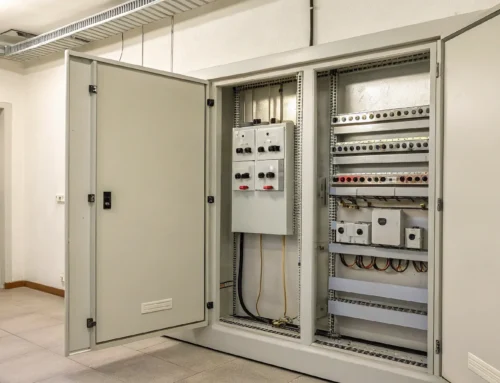
Think of your electrical panel as the heart of your home’s electrical system. It’s the metal box, usually tucked away in a basement or utility closet, that takes the main power coming into your house and safely distributes it to all the different circuits. This is what keeps your lights on, your appliances running, and your devices charged. When we talk about a “copper electrical panel,” we’re focusing on the material used for its most critical internal parts—specifically, the bus bars that channel the electricity. While it might seem like a small detail, the type of metal used here makes a huge difference in safety, performance, and durability.
Key Components and How It’s Made
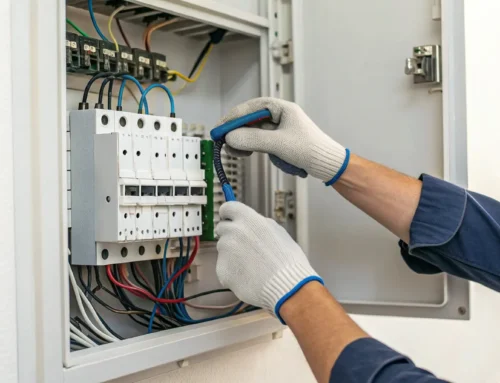
Inside every electrical panel, or breaker box, you’ll find a few key players working together. The main circuit breaker is the master switch that can shut off all power to your home. From there, you have rows of individual circuit breakers, each protecting a specific circuit, like the one for your kitchen outlets or bedroom lights. The unsung hero connecting all of this is the bus bar—a strip of conductive metal that distributes electricity from the main breaker to the individual circuits. In a copper panel, these bus bars are made of solid copper, a material prized for its excellent conductivity and strength, ensuring a reliable flow of power throughout your home’s residential electric system.
Copper vs. Aluminum Panels: What’s the Difference?
The main debate in electrical panels comes down to copper versus aluminum bus bars. The most noticeable difference right away is cost—aluminum is generally less expensive, which is why it became a popular choice for a time. However, when it comes to performance and safety, copper has a clear edge. Copper is a superior electrical conductor, meaning electricity flows through it more efficiently. It’s also stronger and less prone to corrosion over time. Aluminum, on the other hand, expands and contracts more with temperature changes, which can lead to loose connections. These loose connections can cause overheating and create a serious fire risk, which is why many homeowners and electricians now strongly prefer copper for its long-term reliability and safety.
Why Choose a Copper Electrical Panel?
When you’re thinking about your property’s electrical system, the panel is the command center. It’s what keeps the lights on, your appliances running, and your family or employees safe. While you might see both copper and aluminum options on the market, there’s a clear winner when it comes to performance, safety, and long-term value. Choosing a copper electrical panel is one of the smartest investments you can make in your property’s infrastructure.
The debate between copper and aluminum isn’t just about technical specs; it’s about reliability. Copper has been the industry standard for decades for very good reasons. It’s a more stable, efficient, and durable material that directly translates to a safer and more dependable electrical system. From the way it conducts electricity to how it holds up over time, copper provides a level of security that aluminum simply can’t match. Making the right choice here is fundamental to any quality residential electrical setup and ensures your system can handle modern demands without compromise.
Superior Conductivity for Better Performance
At its core, an electrical panel’s job is to manage the flow of electricity. This is where copper truly shines. Copper is an exceptional conductor, meaning electricity can move through it with very little resistance. In fact, it’s far more efficient than aluminum, which only conducts about 61% as well as copper.
What does this mean for you? Better performance. Because copper is so efficient, it can handle higher electrical loads without straining, ensuring a consistent and reliable power supply to all your devices and appliances. This superior conductivity also allows for smaller wires to be used, which can make for a cleaner and more straightforward installation process. It’s all about getting power where it needs to go with maximum efficiency and minimal energy loss.
Enhanced Safety and Fire Resistance
Your electrical panel’s most important job is to operate safely. This is the single most compelling reason to choose copper. According to the U.S. Consumer Product Safety Commission, homes with aluminum wiring are 55 times more likely to have connections reach “Fire Hazard Conditions” than homes wired with copper. That’s a staggering difference.
This risk comes from aluminum’s tendency to oxidize and corrode at connection points, which can lead to overheating and arcing—a primary cause of electrical fires. Copper is far more resistant to this type of degradation. By choosing a copper panel, you are actively reducing the risk of a fire and creating a safer environment for your family or business. When it comes to electrical work, peace of mind is priceless, and avoiding future electrician repairs is always a plus.
Durability and Corrosion Resistance
An electrical panel should last for decades, and copper’s physical properties ensure it can go the distance. Copper is stronger, more stable, and less brittle than aluminum, making it less susceptible to damage during installation or over its lifespan. It can withstand the stress of tightening connections without cracking or breaking.
Furthermore, copper is highly resistant to corrosion. While you might see copper turn green over time (a process called patination), this outer layer actually protects the metal underneath and doesn’t significantly impact its conductivity. Aluminum, on the other hand, forms an oxide that is a poor conductor, which can compromise connections and create safety hazards. This inherent durability means a copper panel is a reliable, low-maintenance choice for the long haul.
Stronger Connections to Reduce Overheating
One of the hidden dangers of aluminum wiring is its high rate of thermal expansion. When electricity flows through it, aluminum heats up and expands significantly; when it cools, it contracts. This constant cycle of expansion and contraction can cause terminal screws to loosen over time.
A loose connection is a dangerous one. It creates resistance, which generates excess heat and can lead to overheating, melting, and even fire. Copper is much more stable and expands about 30% less than aluminum under the same heat load. This stability means connections stay tight and secure, ensuring a safe and reliable flow of electricity without the risk of overheating. It’s this reliability at the connection points that makes copper the superior choice for a safe electrical system.
The Core Advantages of Copper Panels
When you’re looking at the heart of your home’s electrical system, the material inside your panel makes a huge difference. While aluminum panels are available, copper panels offer a set of core advantages that directly impact your property’s safety, efficiency, and long-term reliability. These benefits are why so many electricians and homeowners consider copper the gold standard. From the way it handles electricity to its performance under pressure, choosing copper is an investment in stability and peace of mind for years to come. Let’s break down exactly what makes it the superior choice.
Improved Energy Efficiency
One of the biggest wins for copper is its superior conductivity. Simply put, electricity flows through copper more easily and with less resistance than aluminum—in fact, aluminum is only about 61% as conductive. This means less electrical energy is wasted as heat, making your entire system more efficient. Over time, that efficiency can contribute to lower energy bills. Because it’s such a great conductor, copper wiring can also be smaller in diameter than aluminum wiring for the same amperage. This can make a new electrical installation simpler, especially when working in tight spaces within your walls.
Reliable Performance in Extreme Temperatures
Your electrical panel has to perform flawlessly through sweltering summer heat and frigid winter cold. This is where copper truly shines. When electricity flows through wires, they heat up and expand; when they cool, they contract. Aluminum expands and contracts significantly more than copper does under the same conditions. This constant movement can cause connections inside the panel to loosen over time, creating a serious risk of overheating and arcing. Copper is far more stable, maintaining tight, secure connections that ensure consistent and safe performance no matter what the thermometer says.
Lower Long-Term Maintenance
Choosing a copper panel is a decision that pays off in convenience and reduced costs down the road. Because copper connections are so stable and resistant to corrosion, they require far less attention over their lifespan. While it’s recommended that aluminum-wired systems be inspected every five years to check for loosened connections, copper systems typically only need a check-up every 20 years. This durability means you’ll spend less time and money on routine electrician repair services and more time simply enjoying a safe, reliable electrical system. It’s a classic example of investing a little more upfront to save yourself hassle later.
Dependability for Critical Systems
For many homeowners and businesses, the electrical system supports more than just lights and appliances—it powers critical equipment. Whether it’s a home office, essential medical devices, or a backup power source like a Generac generator, you need absolute confidence in your electrical panel. Copper’s proven track record for reliability makes it the clear choice for these applications. Its strength and resistance to corrosion and loosening ensure that your most important systems receive a steady, uninterrupted flow of power. When dependability is non-negotiable, a copper panel provides the solid foundation your property needs.
Top Brands for Copper Electrical Panels
When you decide to upgrade to a copper electrical panel, the next step is choosing a brand you can trust. While there are several manufacturers out there, a few consistently stand out for their quality, safety, and reliability. Think of these as the gold standard in the industry. Investing in a panel from a reputable brand ensures you get the performance and peace of mind you’re paying for. At M.T. Ruhl, we frequently work with these top-tier brands because we know they deliver the safety and durability our customers deserve for their homes and businesses.
Square D QO Series
Square D has built a stellar reputation for its innovative and dependable electrical solutions, and their QO Series is a perfect example of why. This line is a top choice for anyone looking for a high-performance copper bus panel. Electricians often recommend the QO Series for its reliability and straightforward design, which makes for a clean and safe installation. The brand’s long-standing commitment to quality means you’re getting a product that’s built to last, protecting your home’s electrical system for years to come. When you need electrician repairs, having a quality panel like this makes the job smoother.
Eaton CH Series
Eaton is another industry heavyweight, and their CH Series is a fantastic option for a copper electrical panel. These panels are known for their robust construction and ability to handle demanding electrical loads with ease. The copper bus bars inside are key to their performance, enhancing conductivity and significantly reducing the risk of overheating—a major safety benefit. It’s a brand that both professional electricians and discerning homeowners trust for its solid engineering and reliability. Choosing an Eaton CH panel is a solid step toward ensuring your residential electric system is both safe and efficient.
Siemens Options
Siemens offers a variety of high-quality electrical panels that are well-suited for any home. Their products are recognized for durability and consistent performance, especially in situations where you simply can’t afford a failure. Siemens is frequently recommended for its excellent copper bus options, which provide superior conductivity and integrated safety features. This makes Siemens a strong contender if you’re looking for a dependable copper panel that will serve as the heart of your home’s electrical system. Their commitment to quality ensures you’re making a smart, long-term investment in your property’s safety and functionality.
Copper Panels: What’s the Real Cost?
When we talk about cost, it’s easy to just look at the price tag on the panel itself. But the full picture is much bigger, including the initial price, the installation, and what you can expect to spend—or save—over the years. Copper panels do have a higher upfront cost, and it’s important to be clear about that. However, that initial number doesn’t tell the whole story. The real cost is measured over the lifetime of your electrical system. It’s about weighing the immediate expense against long-term benefits like safety, efficiency, and fewer headaches down the road. Think of it as an investment in your home’s core infrastructure. A well-chosen electrical panel is the foundation for everything else, from your lights and appliances to critical systems like a home standby generator. So, let’s break down what really goes into the cost of a copper panel.
The Initial Investment
Let’s be direct: a copper electrical panel costs more upfront than an aluminum one. The raw material itself is more valuable, and that’s reflected in the final price. For some components, copper can cost two to three times more than its aluminum counterpart. This is the primary reason some homeowners hesitate. However, that higher price tag comes with superior conductivity and strength, which are the very reasons copper is considered the premium choice for electrical applications. When you’re budgeting for a new panel, it’s essential to see this not just as a purchase, but as a foundational investment in your property’s safety and electrical performance for decades to come.
Factoring in Installation Costs
The cost of the panel is just one part of the equation; professional installation is the other. While the installation process for copper and aluminum panels is similar, the quality of the work is what ensures your system is safe and reliable. An improperly installed panel, regardless of the material, can lead to serious problems and expensive fixes later on. That’s why working with a certified electrician is non-negotiable. The cost of a professional installation ensures that all connections are secure and the system is up to code, giving you peace of mind. This is where you see the value of expert electrical services, as a job done right the first time prevents future issues.
Long-Term Value and ROI
This is where copper panels truly shine. While the initial cost is higher, the long-term return on investment often makes it the more economical choice. Copper’s superior performance means better energy efficiency, which can lead to small but steady savings on your utility bills over time. Its durability and corrosion resistance also mean you’ll likely spend less on maintenance and repairs. Because copper connections are stronger and less prone to loosening, the risk of overheating is reduced, adding a significant layer of safety. This life-cycle cost perspective shows that investing in reliability from the start protects your home and provides dependable power for years.
Choosing Your Copper Panel: Essential Features
Once you’ve decided that a copper electrical panel is the right choice for your home, the next step is to pick the right model. Not all panels are created equal, and a few key features can make a significant difference in performance, safety, and convenience. Think of it like choosing a car—the engine and safety ratings matter just as much as the brand. Looking at these specific features will help you select a panel that not only meets your current needs but is also ready for future electrical demands.
From ensuring you have enough power for all your devices to protecting your home from electrical hazards, the right features provide peace of mind. Let’s walk through the most important things to look for when selecting your new copper panel.
Amperage and Circuit Capacity
Your electrical panel’s amperage rating determines the total amount of electricity your home can use at one time. With modern households running more high-powered devices than ever, having adequate capacity is crucial. Copper’s excellent conductivity allows for panels with higher amperage ratings, ensuring you won’t have to worry about tripping breakers when you run the microwave and the air conditioner simultaneously. When you upgrade, consider a panel with ample circuit capacity to accommodate future additions like an EV charger or a new home office. A qualified electrician can help you assess your home’s needs to select the right size.
Safety Certifications
When it comes to your home’s electrical system, safety is non-negotiable. Modern copper panels come with advanced safety features that provide critical protection. Look for panels that include Arc Fault Circuit Interrupters (AFCI) and Ground Fault Circuit Interrupters (GFCI). AFCIs protect against electrical arcs that can cause fires, while GFCIs prevent electrical shock in areas with moisture, like kitchens and bathrooms. Choosing a panel with these certifications is a fundamental step in safeguarding your home and family. These features are standard in quality panels and are often required by local electrical codes for any new residential electric work.
Circuit Breaker Compatibility
The bus bar is the heart of your electrical panel, distributing power to all the individual circuits. In high-quality panels, this component is made of copper. Brands like the Square D QO and Eaton CH series are known for their reliable copper bus bars, which ensure a solid, efficient connection with the circuit breakers. This compatibility is key to preventing issues like overheating at the connection point. Some other panel lines might use aluminum bus bars, which don’t offer the same level of conductivity or long-term reliability. Ensuring your panel has a copper bus is essential for optimal performance and durability.
Built-In Surge Protection
Power surges, often caused by lightning strikes or issues with the utility grid, can send a damaging jolt of electricity through your home’s wiring. This can fry sensitive electronics like computers, TVs, and smart appliances in an instant. While you can use individual surge protector strips, a panel with built-in whole-home surge protection offers a more robust, comprehensive defense. This feature safeguards your entire electrical system right at the source, protecting all your valuable devices and appliances from unexpected voltage spikes. It’s a smart investment for protecting your electronics and ensuring your system’s longevity.
Are Copper Panels Worth the Investment?
Choosing a new electrical panel is a major decision for any property owner. While copper panels come with a higher initial price tag than their aluminum counterparts, it’s helpful to think of them as a long-term investment in your property’s safety, efficiency, and value. The benefits of copper extend far beyond just powering your lights and appliances; they contribute to a more reliable and secure electrical system for years to come. When you look at the complete picture—from daily performance and safety to future resale value and maintenance needs—the advantages of copper become clear.
Making this kind of upgrade is about ensuring your home or business has a strong electrical foundation. A quality panel is the heart of your system, and choosing the right material can prevent future headaches and costly repairs. The superior qualities of copper in conductivity, durability, and safety provide peace of mind and tangible returns over the life of the panel. Before making a final choice, it’s always a good idea to have a professional assess your specific residential electric needs to confirm that a copper panel is the right fit for your property and power demands.
How They Benefit Your Property
The primary advantage of copper is its exceptional conductivity. Simply put, copper allows electricity to flow with much less resistance than aluminum—in fact, aluminum only conducts about 61% as well as copper. For your property, this means greater energy efficiency. Less energy is lost as heat, which can translate into lower energy bills over time. This efficiency ensures that your electrical system operates at its best, delivering consistent and reliable power to every outlet and appliance. By choosing copper, you’re not just installing a panel; you’re upgrading your property’s entire electrical performance for more dependable, efficient power.
Impact on Insurance and Resale Value
Safety is a top priority, and a copper panel significantly reduces electrical fire risks. According to the U.S. Consumer Product Safety Commission, panels with aluminum wiring are 55 times more likely to have connections reach hazardous fire conditions than those with copper wiring. This dramatic increase in safety is often recognized by insurance companies, which may offer lower premiums for homes with copper systems. Furthermore, a modern, safe electrical panel is a huge selling point for potential buyers. It signals that the home is well-maintained and up to code, which can directly increase your property’s resale value and make it more attractive on the market.
The Advantage of Less Maintenance
When it comes to long-term upkeep, copper is the clear winner. Because it’s stronger and more resistant to corrosion and oxidation, copper wiring requires far less attention over the years. While aluminum connections should be inspected every five years to ensure they remain tight and safe, copper wiring typically only needs to be checked every 20 years. This means fewer service calls, less hassle, and lower long-term costs for you. A copper panel offers a more “set it and forget it” reliability, saving you from the recurring expense and worry associated with more frequent electrician repairs.
Getting Your Copper Panel Installed
Once you’ve decided that a copper electrical panel is the right choice for your home, the next step is getting it installed correctly and safely. This isn’t a DIY project—it requires a skilled professional to ensure everything is up to code and functions perfectly. Working with the right team makes all the difference in protecting your investment and your property. From selecting the right brand to understanding your payment options, here’s what you need to know about the installation process.
Working with an Authorized Dealer
Choosing an authorized dealer is the most important first step. When you work with a certified professional, you get peace of mind knowing they have the training and experience to handle the job. We are authorized to install top-tier brands like Square D and Eaton, which are known for their reliability and durability. An authorized dealer ensures your new panel is installed according to manufacturer specifications and local safety codes, which is essential for both performance and your home’s protection. This guarantees you get a high-quality product that’s built to last and provides ample capacity for your home’s electrical needs.
Why Professional Installation Matters
Your electrical panel, or breaker box, is the heart of your home’s electrical system. It distributes power safely and protects against overloads that could lead to fires. That’s why professional installation is non-negotiable. A licensed electrician will make sure every connection is secure, the panel is grounded correctly, and your home complies with all local regulations. They also handle the small but critical details, like ensuring the area around your panel is clear for emergency access. Attempting this work yourself can lead to serious risks, so trust a professional to handle your electrical repairs and installations safely.
Understanding Financing and Warranties
A new copper electrical panel is a significant investment in your home’s safety and efficiency. While the initial cost is higher than aluminum, the long-term value is undeniable due to its superior performance and longevity. We believe that financial constraints shouldn’t stand in the way of your home’s safety. That’s why we offer flexible financing options to help you manage the cost of major home system upgrades. Our team can walk you through the available plans and help you find a solution that fits your budget. Plus, professional installation comes with warranties on both the product and the labor, giving you confidence in your new system.
Common Myths About Copper Panels, Busted
When it comes to electrical panels, there’s a lot of chatter comparing copper and aluminum. It’s easy to get tangled in conflicting advice, especially around cost and performance. Let’s clear the air and tackle some of the most common myths so you can feel confident about the heart of your home’s electrical system. We’ll look at what’s true, what’s outdated, and what really matters for your property’s safety and efficiency.
The Truth About Cost and Upkeep
One of the biggest myths is that copper panels are just too expensive to be a practical choice. It’s true that copper has a higher upfront cost—historically, aluminum has been the more budget-friendly option at the outset. However, focusing only on the initial price tag misses the bigger picture. Think of a copper panel as a long-term investment in your home’s safety and reliability. Its superior durability and resistance to corrosion mean you’ll spend less on maintenance and future electrician repairs over the life of your system. While the initial sticker price is higher, the long-term value and peace of mind often make copper the more economical choice.
Understanding the Real-World Performance Gap
Another common belief is that modern aluminum is just as good as copper, making the performance difference negligible. While advancements in aluminum alloys have certainly improved their reliability, copper still holds a distinct advantage. Copper is a better electrical conductor, which means it handles electricity more efficiently and with less heat buildup. For your home, this translates to a safer, more dependable power supply, especially as we add more high-demand electronics and appliances to our daily lives. This superior performance is a key reason why copper remains the gold standard for residential electric systems that need to stand the test of time.
Related Articles
- How Much to Replace an Electrical Panel in 2025?
- Electrician for Panel Upgrade: A Homeowner’s Guide
- Price for Electrical Panel Upgrade: A 2025 Cost Guide
- 7 Signs You Need to Upgrade Your Electrical Panel
Frequently Asked Questions
I have an aluminum panel that seems to work fine. Do I really need to upgrade? It’s a fair question, especially if you haven’t had any obvious problems. However, the issues with aluminum panels often develop silently over time. Aluminum expands and contracts more than copper with temperature changes, which can cause connections to loosen. These loose connections are a primary cause of overheating and create a serious fire risk. Think of upgrading to a copper panel as a proactive investment in your home’s safety and long-term stability, rather than waiting for a problem to appear.
How can I tell what kind of electrical panel I currently have? You can sometimes find this information on the panel’s inside door label. Another way is to look at the two thick metal strips, called bus bars, that the circuit breakers connect to. If they have a reddish or brassy tone, they are likely copper. If they are silver or gray, they are probably aluminum. For a definitive and safe assessment, it’s always best to have a licensed electrician take a look.
Is a copper panel a good choice if I plan on adding an EV charger or a home generator? Yes, it’s the ideal choice. High-demand systems like EV chargers and standby generators require a stable and efficient flow of power. Copper’s superior conductivity and its ability to maintain tight connections under heavy loads make it the most reliable foundation for this kind of equipment. It ensures your critical systems get the clean, consistent power they need to operate safely and effectively without straining your electrical system.
Besides the panel itself, does the wiring in my house also need to be copper? While copper wiring throughout a home is the modern standard for safety and performance, your panel is the central hub of the entire system. Upgrading to a copper panel is a crucial step in improving your home’s electrical safety, even if some of the older branch wiring is aluminum. A qualified electrician can install the panel using proper techniques to ensure safe connections between the different materials and can also assess if any other wiring updates are needed.
How long does it take to replace an electrical panel? For a standard residential panel replacement, the process typically takes a professional electrician between four and eight hours to complete. Your home’s power will need to be shut off for the duration of the work. The exact time can vary depending on the complexity of your system and whether any additional updates are needed to bring everything up to current electrical codes.