
That breaker that keeps tripping in the basement isn’t just an annoyance—it’s a warning sign. Your home’s electrical system often gives subtle clues when something is wrong, and ignoring them can lead to serious trouble. One of the most common culprits behind these issues is a short circuit. The technical electrical short meaning refers to an abnormal connection in a circuit that allows current to flow along an unintended path. This creates a sudden, intense surge of heat that can melt wires and ignite surrounding materials. In this article, we’ll help you learn to recognize the signs, from flickering lights to strange odors, so you know when to act.
Key Takeaways
- Trust your senses to spot trouble early: A breaker that keeps tripping, a strange burning odor, or scorch marks around an outlet are all urgent warnings that your electrical system needs professional attention.
- Prevention is your best defense: You can significantly reduce your risk of a short circuit by avoiding overloaded outlets, addressing any water leaks promptly, and scheduling regular electrical inspections to catch issues before they escalate.
- Act safely when you suspect a short: Your job isn’t to fix the problem—it’s to stay safe. Immediately turn off the power at the breaker panel and call a licensed electrician to handle the diagnosis and repair.
What Is an Electrical Short Circuit?
You’ve probably heard the term “short circuit” before, maybe in a movie or after an appliance suddenly stopped working. But what does it actually mean for your home’s electrical system? Simply put, a short circuit happens when electricity strays from its intended path and takes a shortcut. This new, unplanned route has very little resistance, which allows a massive and dangerous amount of electrical current to flow through the circuit all at once.
Think of it like a river that suddenly bursts its banks. Instead of flowing in its designated channel, the water floods everywhere, causing chaos. An electrical short is similar, but instead of water, it’s a powerful surge of electricity. Understanding the difference between a properly functioning circuit and a short circuit is the first step in keeping your home and family safe from potential electrical hazards. It’s a common issue that our team of electricians handles, and knowing the basics can help you spot trouble early.
How a Healthy Circuit Works
In a safe and healthy electrical system, everything works like a well-organized highway. Electricity flows from your panel through wires to power your lights, appliances, and devices, and then returns, completing a full loop or “circuit.” This path is designed to handle a specific amount of current, ensuring every component gets the power it needs to function safely and efficiently. The wires are insulated, the connections are secure, and safety features like circuit breakers are in place to manage the flow. When your residential electrical system is working correctly, you don’t even have to think about it—you just flip a switch, and the lights turn on.
What Happens During a Short Circuit
During a short circuit, that orderly flow of electricity is violently disrupted. The current escapes its intended path—often because two wires touch when they shouldn’t—and takes a shortcut. Because this new path has almost no resistance, the electrical current can surge to become hundreds or even thousands of times stronger than normal in a fraction of a second. This incredible rush of energy creates intense heat, which can melt wire insulation, damage your appliances, and, most dangerously, start a fire. It’s this sudden, uncontrolled surge that causes your circuit breaker to trip as a safety measure. If you suspect a short, it’s crucial to call for professional electrician repairs immediately.
Common Causes of Electrical Shorts
A short circuit doesn’t just happen randomly; it’s usually the result of an underlying issue in your home’s electrical system. Understanding these common culprits is the first step toward prevention. From aging components to unexpected damage, here are the most frequent reasons you might experience an electrical short.
Old or Damaged Wiring
In older homes, wiring is a primary suspect. Over time, the insulation protecting electrical wires can become brittle and crack. When this coating is compromised, the live wire is exposed, allowing it to touch a neutral wire or metal box and cause a short. The same risk applies to wiring damaged during installation. Addressing faulty wiring is a critical part of home electrical repairs, as any breach in insulation is a potential hazard.
Loose Electrical Connections
Your home settles over time, and so do its electrical connections. Vibrations and temperature changes can cause wires to loosen from their terminals inside outlets and switches. If a hot wire wiggles free, it can contact another wire or a grounded component, creating an unintended path for electricity. Since these connections are hidden behind walls, they often go unnoticed until a problem like a short circuit arises.
Overloaded Outlets and Circuits
Plugging too many high-power appliances into one circuit forces excessive current through the wires. This overload causes the wires to heat up, which can melt their protective insulation. Once that insulation is gone, the hot and neutral wires can touch, triggering a short. This is a common issue in kitchens and home offices. Sometimes, an upgrade is needed to support your home’s residential electric needs.
Pests and Water Damage
Sometimes, the cause of a short comes from an outside force. Pests like mice and squirrels often chew on electrical wiring, gnawing through the insulation and exposing live wires. This creates a serious fire hazard. Similarly, water from a leak is electricity’s worst enemy. As an excellent conductor, water can create a bridge between a power source and a ground, causing an immediate and dangerous short circuit.
Spotting the Signs of an Electrical Short
An electrical short circuit isn’t always a dramatic, spark-filled event. Often, the signs are much more subtle. Paying attention to your home’s electrical system can help you catch these warning signs early before they turn into bigger, more dangerous problems. Your senses are your best tools here—what you see, hear, and smell can tell you a lot about the health of your wiring. If you notice any of these red flags, it’s a clear signal that something is wrong and needs professional attention. Don’t ignore these signs; they are your electrical system’s way of asking for help.
Constantly Tripping Breakers
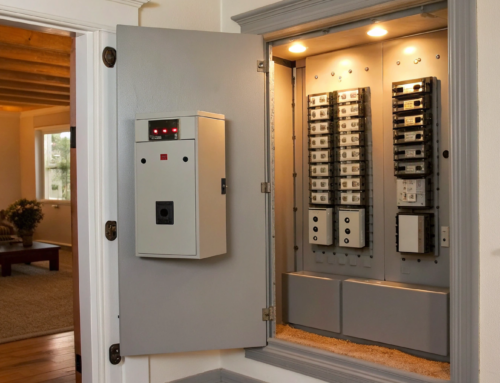
Your circuit breaker panel is the safety hub of your home’s electrical system. When a circuit breaker trips, it’s doing its job by cutting off the flow of electricity to prevent overheating and a potential fire. An occasional trip from a temporary overload—like running the microwave and toaster on the same circuit—isn’t usually a cause for alarm. However, if you have a breaker that trips repeatedly, especially right after you reset it, that’s a strong indicator of a persistent problem. This constant tripping often points to a short circuit somewhere along that line, and it’s a problem that requires professional electrician repairs.
Scorch Marks or Flickering Lights
Keep an eye out for any visual signs of electrical distress. You might notice flickering or dimming lights that aren’t related to a storm. More seriously, you could see actual scorch marks or discoloration around your outlets, switches, or light fixtures. These burn marks are a tell-tale sign that connections are overheating. In some cases, a short circuit can create a bright flash of light or an audible “zap” or “pop” when you plug something in or flip a switch. These are urgent warnings that a dangerous electrical fault is occurring. Never ignore visible signs of heat or damage; it’s time to call an expert right away.
Buzzing Sounds or Burning Odors
Your ears and nose can also detect the signs of a short circuit. A faint buzzing or humming sound coming from an outlet, switch, or your breaker box is not normal. This sound often indicates that electricity is “arcing,” or jumping between loose connections, which creates a dangerous amount of heat. Even more alarming is the smell of burning plastic, rubber, or a metallic odor. This distinct smell means that wire insulation or device components are melting from excessive heat. If you notice a burning smell near any part of your electrical system, it’s a critical warning of an immediate fire hazard.
The Dangers of an Electrical Short
An electrical short might sound like a minor glitch, but it’s one of the most serious issues you can face in your home’s electrical system. It’s not just about a circuit breaker tripping; a short circuit is a direct path for electricity to travel where it shouldn’t, creating a dangerous situation with severe consequences. Understanding these risks is the first step toward protecting your home, your property, and your family. Let’s break down exactly what’s at stake.
Fire Risk
The most immediate and frightening danger of a short circuit is the risk of fire. When electricity diverts from its intended path, it flows with very little resistance, causing a massive and rapid surge of current. This surge generates an incredible amount of heat in an instant. The heat is intense enough to melt the plastic insulation around wires and even the metal wires themselves. Once that protective insulation is gone, the hot wire can easily ignite surrounding materials like wood framing, insulation, or drywall, quickly starting a devastating fire. It’s a silent hazard that can turn catastrophic in minutes.
Damage to Appliances and Electronics
That sudden, uncontrolled surge of power during a short circuit doesn’t just create heat—it sends a jolt through your electrical system that can be fatal for your devices. Think about all the sensitive electronics in your home: your TV, computer, smart home devices, and kitchen appliances. These items are designed to operate on a stable, specific voltage. A short circuit delivers a massive electrical spike that can instantly overload and destroy their delicate internal components. This can lead to expensive appliance and electronic replacements, turning a hidden electrical issue into a significant financial headache.
Risk of Electric Shock
Beyond property damage, short circuits pose a direct threat to your personal safety. When a wire’s insulation is compromised, it can create a live electrical current on surfaces that shouldn’t have one, like a metal appliance casing or a switch plate. If a person comes into contact with this live component, their body can become part of the circuit. This can result in a severe electrical shock, which can cause serious injury or even be fatal. This is why it’s critical to never ignore signs of an electrical problem and to leave any potential electrician repairs to a qualified professional. Your safety is always the top priority.
How to Prevent Electrical Shorts
When it comes to your home’s electrical system, being proactive is the best way to ensure safety. Instead of waiting for a problem to announce itself, you can take a few key steps to prevent electrical shorts from happening in the first place. These simple habits and maintenance checks protect your home, your appliances, and most importantly, your family.
Schedule Regular Electrical Inspections
Think of it like a regular check-up for your home’s wiring. Over time, electrical systems age, and components can wear out, especially if your home is 30 or 40 years old. A licensed electrician can perform a thorough safety inspection to identify outdated wiring or loose connections. Catching these issues early is one of the most effective ways to ensure your residential electric system is running safely.
Avoid Overloading Your Circuits
Plugging too many high-power appliances into a single circuit is a common cause of electrical shorts. When a circuit is overloaded, the wires can overheat, which can melt the protective insulation and expose the live wire. To avoid this, try to spread your devices across different outlets. Be especially mindful of heat-producing appliances like space heaters and toasters, as they draw a lot of power and can easily overload a circuit.
Protect Wiring from Pests and Moisture
Sometimes, the threat to your wiring comes from unexpected places. Pests like mice and squirrels can get into attics and walls, where they often chew on wires and strip away the insulation. It’s a good idea to periodically check these areas for signs of pests. Similarly, water and electricity are a dangerous mix. A leaky pipe or roof can expose wiring to moisture, creating a direct path for a short circuit. Address any water leaks in your home promptly.
Invest in Professional Maintenance
While many home projects are great for DIY, electrical work isn’t one of them. If you notice any warning signs of a short circuit—like tripping breakers or a burning smell—it’s crucial to act fast. The safest solution is to call a professional. An experienced electrician has the tools and training to safely diagnose the problem and perform the necessary electrician repairs, keeping your home and family safe.
What to Do If You Suspect an Electrical Short
Okay, you’ve noticed a strange burning smell or a breaker that just won’t stay on. Suspecting an electrical short can be unsettling, but knowing the right steps to take makes all the difference. Your safety is the top priority, so it’s crucial to act quickly and carefully. Don’t try to diagnose the problem on your own. Instead, follow these immediate safety measures and understand exactly when to hand the problem over to a professional. This approach ensures you and your family stay safe while getting the issue resolved correctly.
Immediate Safety Steps to Take
If you think you have an electrical short, the first thing you need to do is cut the power. Go to your home’s main electrical panel and shut off the breaker connected to the area where you suspect the problem is. If you’re not sure which breaker it is, it’s safest to turn off the main breaker that controls power to the entire house. Never touch any wires, outlets, or switches that look damaged or have scorch marks. Even if you’ve turned off the breaker, it’s best to keep a safe distance. Responding to a potential short isn’t about fixing it yourself—it’s about preventing a fire or electrical shock until an expert can arrive.
When to Call a Professional Electrician
Once you’ve secured the area by cutting the power, the next step is to call a certified electrician. Electrical shorts are not a DIY project. If you’re dealing with frequently tripping breakers, flickering lights, or have seen sparks or smelled burning plastic, it’s a clear sign you need professional help. A licensed electrician has the tools and training to safely locate the source of the short and perform the necessary electrician repairs. Trying to fix it yourself can lead to severe injury or further damage to your home’s electrical system. For your peace of mind and safety, always leave complex electrical issues to the professionals who know how to handle them correctly.
Keep Your Home’s Electrical System Safe
Understanding the signs of an electrical short is the first step, but knowing how to respond is what truly protects your home and family. While your home’s electrical system has built-in safety features, they are often warning signs that point to a deeper issue. A circuit breaker that trips is doing its job by cutting off the power flow to prevent overheating and a potential fire. However, if you find yourself constantly resetting the same breaker, it’s a clear signal that the circuit is overloaded or has a fault that needs immediate attention. Ignoring these warnings can lead to more significant dangers down the road.
When you suspect an electrical problem, the safest and most effective solution is to call a professional. Electrical work is complex and carries inherent risks, from shock to fire hazards. A licensed electrician has the right tools and diagnostic training to safely trace the source of a short circuit, whether it’s hidden behind a wall or inside an appliance. They can identify faulty wiring, loose connections, or other issues that you might miss, ensuring the repair is done correctly and up to code. Trying to fix it yourself isn’t worth the risk.
The best way to handle electrical shorts is to prevent them from happening in the first place. Being proactive about your home’s electrical system health can save you from costly repairs and give you peace of mind. Simple habits, like not overloading outlets with power strips and keeping appliances away from water, make a difference. Scheduling periodic inspections with a trusted electrical contractor allows a professional to spot and address potential problems like aging wiring or outdated components before they become serious hazards. Your home’s safety is always a worthy investment.
Related Articles
- Electrician Repairs – M.T. Ruhl Electrical Contracting
- Electrical Security – M.T. Ruhl Electrical Contracting
- Electrical Install Jobs – M.T. Ruhl Electrical Contracting
- Blog – M.T. Ruhl Electrical Contracting
- Uncategorized – M.T. Ruhl Electrical Contracting
Frequently Asked Questions
My circuit breaker tripped. Is that the same thing as a short circuit? Not exactly, but they are related. A tripped breaker is a safety response to a problem, and a short circuit is one of the most common problems that will cause it. Think of the breaker as the guard that shuts the gate when there’s trouble. A short circuit is a dangerous surge of electricity that makes the guard act. A breaker can also trip from a simple overload, like running too many appliances at once, but if it trips instantly and repeatedly, a short circuit is a very likely culprit.
If I reset a breaker and it stays on, does that mean the problem is gone? Not necessarily. While a single trip could be from a temporary overload, you shouldn’t assume the issue is resolved. A persistent but intermittent short, perhaps from a loose connection, might not trip the breaker every time. If a breaker trips more than once, it’s signaling an underlying issue that needs to be investigated by a professional. Continuing to reset it without finding the root cause can lead to damaged wiring and create a serious fire risk.
Are older homes more likely to have short circuits? Yes, older homes can be at a higher risk. Over decades, the insulation on wiring can become brittle, crack, or wear away, leaving the wires exposed. Outdated electrical systems also may not be equipped to handle the power demands of modern appliances, leading to overloads that can cause shorts. If your home is several decades old and hasn’t had an electrical update, scheduling an inspection is a smart way to identify and address these potential hazards.
Can a faulty appliance cause a short circuit in my wall outlet? Absolutely. The problem doesn’t always start with your home’s wiring. An appliance with a frayed cord, internal damage, or faulty wiring can create a short circuit the moment you plug it in. This can trip your breaker and sometimes even damage the outlet itself, leaving scorch marks. If you notice a breaker trips only when you use a specific appliance, unplug it immediately and have it repaired or replaced.
What should I do if I smell something burning but don’t see any smoke? A burning smell from an outlet, switch, or your breaker panel is a critical warning sign of an immediate electrical hazard. Do not ignore it. If you can do so safely, go to your main electrical panel and shut off the main breaker to cut power to the entire house. Then, call a licensed electrician right away. Don’t try to find the source yourself, as you could be dealing with an active electrical fire behind your walls.