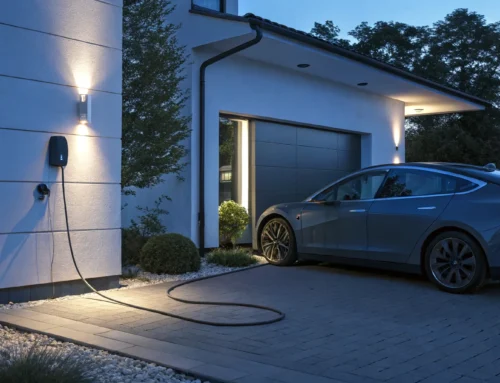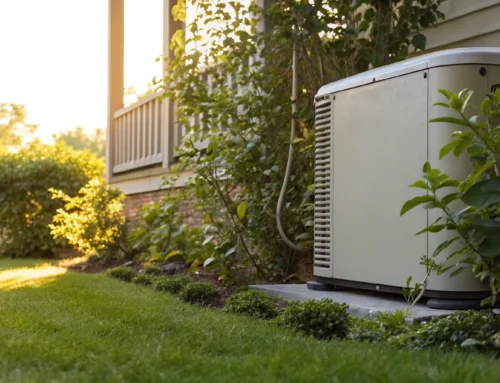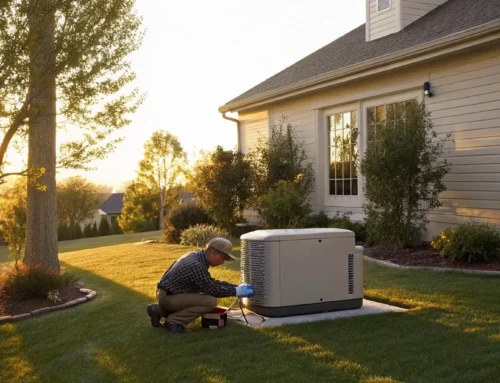
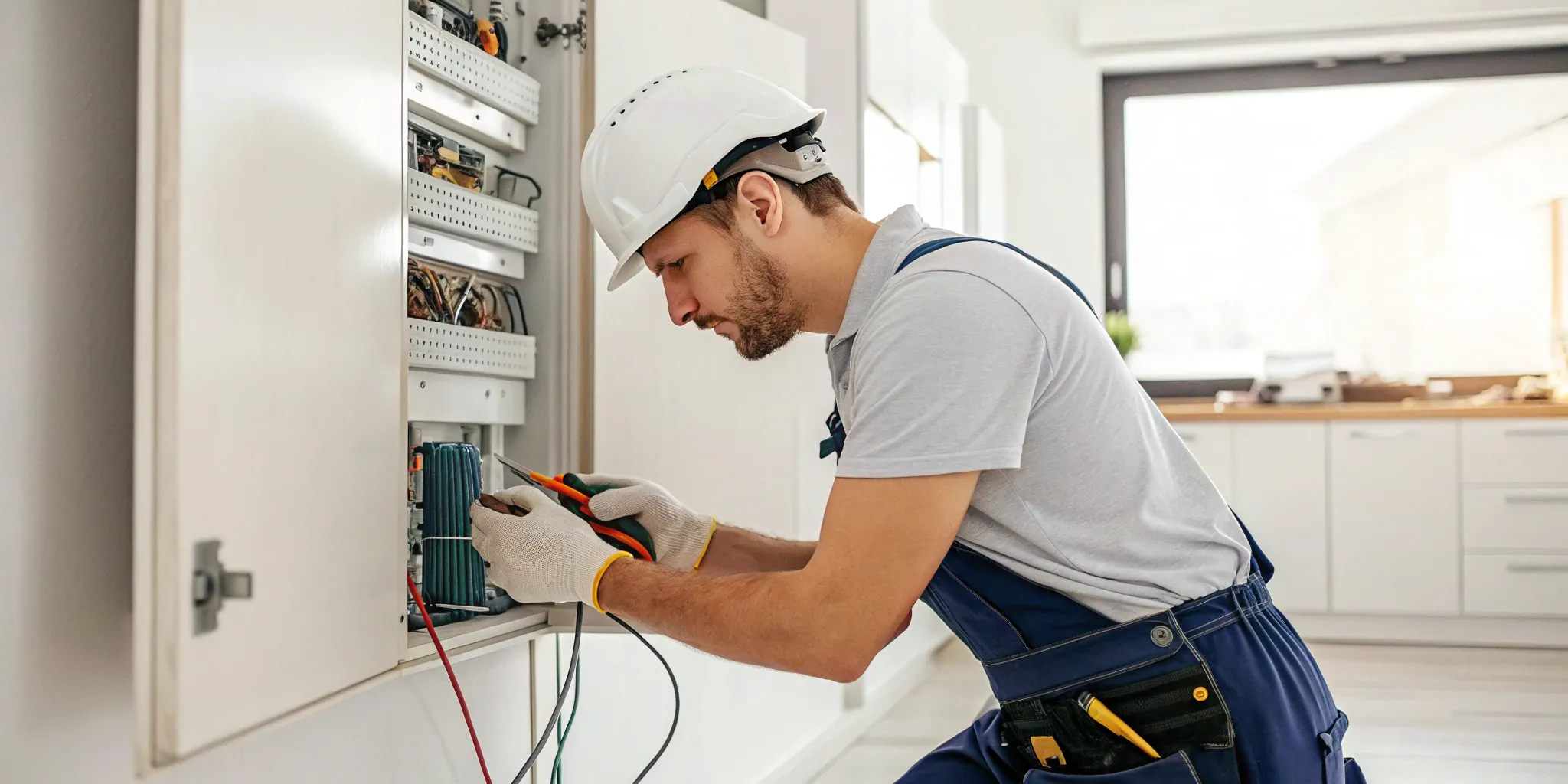
Thinking about a major home renovation, adding an electric vehicle charger, or finally installing that central air system you’ve been dreaming of? These exciting additions all have one thing in common: they require a lot of power. If your home is more than a few decades old, your current electrical panel likely wasn’t designed to handle these modern demands. An upgrade is often the first critical step to making your home improvement dreams a reality. It’s a foundational project that ensures your home can safely and reliably power your life for years to come. Here, we’ll break down the entire process, so you can feel confident when hiring an electrician for a panel upgrade.
Key Takeaways
- Prioritize Safety and Future Power Needs: An upgrade is essential if you see warning signs like tripping breakers or flickering lights. It’s also a necessary step to safely support major additions like a home renovation, an EV charger, or a new HVAC system.
- Always Hire a Vetted Professional: Your home’s electrical system isn’t the place for DIY. Protect your investment by choosing a licensed and insured electrician, getting at least three detailed quotes, and checking recent customer references before making a decision.
- Understand the Scope and Budget: A standard panel upgrade is typically a full-day project that requires a planned power outage. Be prepared to invest between $2,000 and $4,000 for a safe, code-compliant installation that includes professional labor, materials, and permits.
What Is an Electrical Panel Upgrade?
Think of your electrical panel as the heart of your home’s electrical system. It takes the main power line from the street and distributes it safely to all the different circuits in your house—powering everything from your lights to your refrigerator. An electrical panel upgrade is essentially a “heart transplant” for your home’s electrical system. It involves replacing your old, outdated panel with a new one that can handle more power and meets current safety standards. You might also hear this called a “heavy up,” which just means increasing your home’s total electrical capacity.
This isn’t just about adding more breaker switches. A proper upgrade ensures your home can safely manage the demands of modern life. From high-powered kitchen appliances and home offices to electric vehicle chargers and new HVAC systems, our power needs have grown significantly. An upgrade makes sure your electrical system is robust, reliable, and, most importantly, safe for you and your family. It’s a foundational improvement that supports all the other technology and residential electric needs in your home.
Why You Might Need One
The biggest reason for an upgrade is safety. Older electrical panels, especially those that are several decades old, weren’t designed for today’s electrical loads and can pose a serious fire risk. An outdated panel might not be able to support all your new appliances and gadgets, leading to overloaded circuits and potential hazards. If you’re planning a major home renovation, adding a large appliance, or installing an EV charger, an upgrade is often necessary to provide enough power. It’s a proactive step to protect your home and ensure your electrical system can keep up with your life without compromising safety.
Signs It’s Time for an Upgrade
Your home often gives you clues when its electrical panel is struggling. One of the most common signs is circuit breakers that trip frequently. While an occasional trip is normal, constant resetting is a red flag. You might also notice your lights flicker or dim when you turn on a large appliance like a microwave or air conditioner. Other warning signs include a burning smell coming from the panel, scorch marks on the outlets, or a panel that feels warm to the touch. If you notice any of these issues, it’s a good idea to schedule an inspection to check for faulty wiring and other potential electrician repairs.
Does Your Electrical Panel Need an Upgrade?
Think of your electrical panel as the heart of your home’s electrical system. It takes power from the utility line and distributes it throughout your house, keeping your lights on and your appliances running. But just like any other critical component of your home, it can become outdated or overworked. As our electrical demands grow with new technology and appliances, an older panel might not be able to keep up, which can lead to performance issues and serious safety concerns. Figuring out if your panel is ready for a replacement is the first step toward ensuring your home’s electrical system is safe, reliable, and ready for the future.
Check Your Panel’s Age and Type
A good place to start is with your panel’s age. Most electrical panels have a lifespan of 25 to 40 years. If you live in an older Pennsylvania home and you’re not sure when the panel was last replaced, it’s worth investigating. Outdated electrical panels can pose significant safety risks, as their internal components can wear out over time. Some older homes still use fuse boxes, which are a clear sign that an upgrade is needed. Certain brands of breaker panels installed decades ago are also known to have high failure rates and are no longer considered safe. If you suspect you have an older or recalled panel, it’s best to have a professional assess your residential electric system.
Look for These Electrical Warning Signs
Your home often gives you clues when your electrical panel is struggling to meet its demands. Faulty wiring and tripping circuit breakers are more than just annoyances; they can be a substantial danger and a clear signal that your panel needs attention. An inadequate panel can cause overloads and create electrical hazards. Keep an eye out for these common red flags:
- Frequent circuit breaker trips
- Flickering or dimming lights, especially when you turn on a large appliance
- A persistent burning smell or scorch marks around the panel
- Crackling or buzzing sounds coming from the breaker box
- Needing to rely on multiple power strips to run your devices
If you notice any of these issues, it’s time to call for electrician repairs to diagnose the problem.
Assess Your Home’s Power Needs
Modern life runs on electricity. If your panel has a capacity of less than 100 amps, it likely can’t support the power needs of a typical household today. You can usually find the amperage listed on the main breaker at the top of your panel. If you’re planning a major home renovation, adding a new central air system, or installing a hot tub or an EV charger, your power demands will increase significantly. Even adding a whole-home generator requires a panel that can handle the load safely. An upgrade ensures you have enough power for all your current appliances and any future additions, preventing overloads and keeping your home running smoothly.
How to Choose the Right Electrician for Your Panel Upgrade
Choosing the right person for your electrical panel upgrade is one of the most important decisions you’ll make for your home. This isn’t just another home improvement project; it’s a critical update that affects your family’s safety and your home’s daily function. You’re looking for a partner you can trust—someone with the right skills, a solid reputation, and a commitment to doing the job correctly. The goal is to find a qualified professional who will ensure your electrical system is safe, efficient, and ready for the future. Taking the time to vet your options carefully will give you peace of mind knowing your home is in capable hands. When you work with a trusted local company, you’re not just hiring an electrician; you’re building a relationship with a team that understands the specific needs of homes in our area.
Verify Their Qualifications and Insurance
Before you even start talking about quotes, your first step is to confirm any potential electrician is properly licensed and insured. This is non-negotiable. A licensed electrician has proven they meet Pennsylvania’s standards for knowledge and safety. You can and should verify a contractor’s registration with the state to ensure they are in good standing. Equally important is insurance. Ask for proof of both general liability insurance and worker’s compensation. Liability insurance protects your property in case of accidental damage, while worker’s comp covers the technicians if they get injured on the job. Without it, you could be held financially responsible. A professional company will have no problem providing these documents for your review.
Get Multiple Quotes and Check References
It’s wise to get at least three written quotes from different electricians. This helps you get a feel for the average cost and what a fair scope of work looks like. Be wary of any quote that is significantly lower than the others—it could be a red flag for cut corners or hidden fees. A detailed quote should clearly outline the cost of materials, labor, and any permits. Beyond the numbers, dig into each company’s reputation. Look for recent customer reviews on Google or other third-party sites. Ask for references from past clients with similar projects and take a few minutes to call them. Hearing directly from other homeowners provides valuable insight into their experience and the quality of the electrician’s repair work.
Key Questions to Ask Before You Hire
Once you’ve narrowed down your list, it’s time to ask some specific questions to make your final choice. A good electrician will be happy to walk you through the details and provide clear answers.
Start with these questions:
- Does your quote cover a full panel replacement or the installation of a sub-panel?
- Are the costs for pulling permits and arranging for the final inspection included in this price?
- What kind of warranty do you offer on your workmanship and the new panel?
- Will your direct employees be performing the work, or do you use subcontractors?
- What is the estimated timeline for completing the project from start to finish?
The answers to these questions will tell you a lot about their professionalism and transparency, helping you choose a reliable partner for your residential electrical needs.
Why You Should Always Hire a Licensed Electrician
While the DIY spirit is great for painting a room or assembling furniture, electrical work is in a completely different league. An electrical panel upgrade isn’t a weekend project—it’s a complex task that directly impacts the safety and functionality of your entire home. One wrong connection can lead to power outages, appliance damage, electrical shocks, or even a devastating fire. This is why bringing in a professional isn’t just a good idea; it’s essential.
Hiring a licensed electrician means you’re paying for more than just a service. You’re investing in peace of mind. These professionals have spent years in training and apprenticeships, learning the intricate details of electrical systems and the safety codes that govern them. They have the right tools, the right knowledge, and the right insurance to protect you and your property. They can diagnose underlying issues you might not see, ensure the new panel can handle your family’s power demands for years to come, and guarantee the work is done correctly the first time. When it comes to the system that powers your life, cutting corners is a risk you can’t afford to take. Trusting a pro for electrician repairs and upgrades is the smartest and safest choice you can make.
Ensure Safety and Code Compliance
The single most important reason to hire a licensed electrician is safety. Electrical work is inherently dangerous, and professionals undergo extensive training to do the job without risking injury or property damage. They understand how to de-energize circuits properly, handle high-voltage components, and ensure every connection is secure. Beyond personal safety, they are experts in local and national electrical codes. These regulations aren’t just suggestions; they are legal requirements designed to prevent electrical fires and other hazards. A licensed electrician ensures your panel upgrade is fully compliant, protecting your home and family from potential dangers. This is crucial for homeowners throughout our service areas in Southeastern Pennsylvania.
Gain Professional Expertise and a Warranty
When you hire an experienced electrician, you get the benefit of their professional expertise. They can do more than just replace a panel; they can assess your entire electrical system to identify potential issues, like outdated wiring or improper grounding, that could cause problems down the line. This foresight helps ensure your home’s electrical system is not only up to code but also safe and efficient. Furthermore, reputable electrical contractors stand behind their work. M.T. Ruhl provides a warranty on parts and labor, giving you confidence that the job was done right. This guarantee is something you simply don’t get when you attempt the work yourself or hire an unlicensed handyman.
Let Them Handle Permits and Inspections
A major electrical upgrade, like a new panel, almost always requires a permit from your local municipality. The permitting process can be confusing and time-consuming, involving specific paperwork and scheduling official inspections. A licensed electrician handles all of this for you. They know exactly what permits are needed, how to file the paperwork correctly, and what inspectors look for. They will manage the entire process from start to finish, ensuring your project meets all legal requirements without adding stress to your plate. This professional oversight is a key part of any major residential electrical project and is critical if you ever decide to sell your home.
How Much Does a Panel Upgrade Cost?
Let’s talk about the numbers. An electrical panel upgrade is a significant investment in your home’s safety and functionality, so it’s natural to wonder about the price tag. While the only way to get a precise figure is through a detailed, on-site quote, I can give you a clear idea of what to expect. The cost isn’t just for the new breaker box; it covers the expertise of a licensed electrician, high-quality materials that meet strict safety codes, and the peace of mind that comes with a job done right.
Think of it as a foundational improvement for your home. A modern panel supports all your appliances, electronics, and future additions like an EV charger or a home generator, all while protecting your property from electrical hazards. It’s a project where quality and safety are far more important than finding the cheapest price.
Typical Costs in Southeastern Pennsylvania
For a standard electrical panel upgrade in Southeastern Pennsylvania, homeowners can generally expect the cost to fall between $2,000 and $4,000. This range typically covers replacing an outdated 100-amp panel with a new 200-amp panel, which is the modern standard for most homes. This price includes the new panel, circuit breakers, materials, and the labor of a qualified electrician.
This investment ensures your home’s electrical system can handle today’s demands safely, preventing overloads that can lead to tripped breakers or even electrical fires. Upgrading your panel is one of the most effective ways to make sure your home is safe and up to date, especially if you live in an older house in Chester, Montgomery, Bucks, or Delaware County.
Factors That Influence the Final Price
The $2,000 to $4,000 range is a good starting point, but several factors can shift the final price. When you get a quote, the electrician is assessing more than just the panel itself. They’re looking at the entire system to ensure a safe and compliant installation.
Here are the key variables that affect the cost:
- Amperage Upgrade: Moving from a 60-amp or 100-amp panel to a 200-amp panel is the most common project. If your home has larger power needs and requires a 400-amp service, the cost will be higher due to the more expensive equipment and additional labor.
- Wiring and Circuit Work: If the upgrade reveals that some of your home’s wiring is outdated or not up to code, those issues will need to be addressed. This can involve running new circuits or making other comprehensive electrical repairs.
- Panel Location: If your electrical panel is in a hard-to-reach spot, it will take more time and labor to replace, which can increase the cost.
- Permit Fees: Municipalities require permits for this kind of work to ensure it’s done to code. These fees vary by location and will be included in your overall project cost.
Plan for Any Additional Expenses
Sometimes, an electrical panel upgrade can uncover bigger issues that need to be addressed. A good electrician will identify these during the quoting process, but it’s wise to be aware of potential add-ons. For example, if the main electrical wire running from the utility pole to your house (the service entrance cable) is too small for the new panel’s amperage, it will also need to be replaced.
In more complex situations, especially with older homes, the work might extend beyond your property line. If the utility company’s equipment, like the transformer or underground wires, needs to be updated to support your home’s increased power draw, the cost can rise significantly, sometimes into the $5,000 to $25,000 range. While this is less common, it’s a possibility to keep in mind. These are the kinds of complexities that come with maintaining modern residential electric systems and are best handled by experienced professionals.
The Panel Upgrade Process: What to Expect
Once you’ve chosen a qualified electrician, the panel upgrade process can begin. Knowing what to expect can make the entire experience feel much smoother and less disruptive. A professional will always communicate the plan with you, but it helps to have a general idea of the timeline. The process typically involves three main stages: preparing for the installation, the work on installation day, and the final testing and cleanup.
The entire project, from start to finish, usually takes a full day, but this can vary depending on the complexity of your home’s electrical system. Your electrician will need to coordinate with your utility company to temporarily shut off power to your house, which is a key step before any work can safely begin. They will also handle securing the necessary permits from your local municipality, ensuring everything is done correctly and up to code. This isn’t just a formality; it’s a critical step for your home’s safety and for passing a future home inspection.
How to Prepare for the Installation
Before your electrician arrives, you can take a few simple steps to prepare. First, clear the area around your current electrical panel. The technician will need a few feet of unobstructed space to work safely and efficiently, so move any boxes, furniture, or stored items out of the way. It’s also a good idea to know where your main water shutoff is, just in case.
Many homeowners are upgrading their panels from 100 amps to 200 amps to support modern demands like an EV charger, a new heat pump, or other major electric appliances. Discuss your current and future power needs with your electrician beforehand so they can install the right-sized panel. They will handle all the required permits, a crucial step that ensures your residential electrical work is compliant with local safety codes.
What Happens on Installation Day
On the day of the upgrade, expect the power to be out for several hours—typically between four and eight. Plan ahead by charging your phones, laptops, and any other essential devices. If you work from home, you might want to make arrangements to work elsewhere for the day. The electrician will start by having the utility company disconnect the power feed to your home.
Then, they will carefully remove your old panel, install the new one, and connect all the existing circuits to the new breakers. During this process, they might identify outdated or unsafe wiring that needs attention. Addressing these issues is one of the key safety benefits of a panel upgrade, as it can prevent potential fire hazards. A professional will discuss any necessary electrician repairs with you before proceeding.
After the Upgrade: Testing and Cleanup
Once the new panel is installed and the power is restored, the job isn’t quite finished. Your electrician should neatly label every breaker in the new panel so you know exactly which circuit corresponds to each area of your home. Before they leave, it’s a great idea to walk through your house with them. Turn on lights, test outlets, and run appliances in each room to confirm everything is working correctly.
A professional electrician will clean up the work area, leaving it as tidy as they found it. They will also schedule a final inspection with the local building inspector to officially close out the permit. This final check confirms that your new panel meets all safety standards, giving you peace of mind that the job was done right.
Common Mistakes to Avoid When Hiring an Electrician
Choosing the right electrician is the most important step in your panel upgrade project. The quality of their work directly impacts your home’s safety and functionality. To help you find a qualified, trustworthy professional, we’ll cover the common mistakes to avoid. From spotting contractor red flags to understanding the facts about panel upgrades, a little knowledge goes a long way in protecting your investment and your home.
Contractor Red Flags to Watch For
A trustworthy electrician is transparent and professional from the start. Be wary of anyone who pressures you into a quick decision or asks for full payment upfront. A major red flag is a contractor who can’t provide proof of licensing and insurance—always ask for their license information and verify it. A reputable company will have a clear physical address and professional branding, not just a cell phone number. Vague quotes that lack a detailed breakdown of costs are also a sign to look elsewhere. A professional team, like our crew at M.T. Ruhl, always provides clear, upfront communication and documentation.
Don’t Fall for These Panel Upgrade Myths
A few common myths about panel upgrades can lead to risky decisions. One is that you only need an upgrade if you see visible damage like rust or burn marks. The truth is, many panels that look fine can be outdated, overloaded, or unsafe internally. Another myth is that new homes never need panel upgrades. While the panel is new, it may not be sized for modern power demands, especially if you’ve added an EV charger, a hot tub, or a home standby generator. Always base your decision on your home’s actual electrical needs, not just its age.
How to Protect Yourself During the Hiring Process
To ensure you hire a qualified professional, start by getting at least three detailed quotes from different licensed electricians. This lets you compare not just the price, but the scope of work and materials. Don’t just take their word for it; ask for references from recent customers and check online reviews. Before work begins, insist on a written contract that clearly outlines the project details, total cost, payment schedule, and timeline. This document protects both you and the contractor. For any electrical job, big or small, hiring a professional for electrician repairs is always the safest choice.
Related Articles
- The #1 Electrician in Downingtown, PA | M.T. Ruhl
- The #1 Electrician in Newtown Square, PA | M.T. Ruhl
- Full-Service Electrician in Chester Springs | M.T. Ruhl
- The #1 Electrician in Villanova, PA | M.T. Ruhl
- The #1 Electrician in Blue Bell, PA | M.T. Ruhl
Frequently Asked Questions
How long will my power be out during the upgrade? You should plan for the power to be off for about four to eight hours on installation day. A professional electrician coordinates with the utility company to manage the shutdown and reconnection. It’s a great idea to charge your phones and laptops the night before and, if you work from home, perhaps plan to work from a different location for the day to avoid any disruption.
Will a new electrical panel increase my home’s resale value? While it may not be as glamorous as a new kitchen, a modern electrical panel is a huge asset when you sell your home. It tells potential buyers and home inspectors that the core of the house is safe, up-to-date, and ready for modern electrical loads. It removes a major potential roadblock in the sales process and signals that your home has been well-maintained, which absolutely adds to its value.
My breakers rarely trip. Could my panel still be unsafe? Yes, it absolutely could. Frequent tripping is a clear warning sign, but it’s not the only one. An older panel can have worn-out internal connections or design flaws that create a fire risk, even if it seems to be working fine. Some older brands are known for failing to trip when they should. Think of an upgrade as a proactive safety measure, not just a fix for an annoyance.
What’s the real difference between 100-amp and 200-amp service? Think of amperage as the total amount of electricity that can flow into your home at once. A 100-amp service was the standard for decades, but it can struggle to support a modern household’s simultaneous demands. Upgrading to 200 amps gives your home a much larger capacity, allowing you to run major appliances, a central air system, and an EV charger without overloading your system.
Do I need to upgrade my panel before installing a whole-home generator? It’s very common to need an upgrade. A whole-home generator works with your panel via an automatic transfer switch to power your home during an outage. For this system to work safely and reliably, your main panel must be in good condition and have the proper capacity. Any professional generator installation will start with an assessment of your electrical panel to ensure it can support the new equipment.