Your senses are your best defense against an electrical hazard. A strange burning smell, a persistent buzzing sound, or the sight of a spark from an outlet are your home’s way of sending out an SOS. These aren’t minor annoyances to ignore; they are urgent warnings that something is dangerously wrong within your walls. Because so much of your electrical system is hidden from view, these sensory clues are often the only indication you have of a potential fire or shock risk. Learning to trust your instincts and interpret these signals is a crucial part of homeownership. We’ll cover the key signs that tell you to stop what you’re doing and seek immediate emergency electrical repair.
Key Takeaways
- Recognize the critical warning signs: Pay close attention to signals like a burning smell, frequently tripping breakers, or even a mild shock from an outlet. These are your home’s clear indicators that you need immediate professional help.
- Prioritize safety with a simple action plan: In a potential emergency, your first step is to shut off the power at the main breaker. Your second is to call a licensed electrician. Resisting the urge to DIY a fix is crucial for your safety.
- Vet your electrician, even in a rush: When you need help fast, confirm your electrician is licensed, insured, and provides upfront pricing. A strong local reputation and 24/7 availability are key signs of a trustworthy professional who can safely resolve the issue.
Is It an Electrical Emergency? Key Warning Signs
It can be tough to know the difference between a minor electrical quirk and a genuine emergency. While a single flickering bulb might just need replacing, other signs point to serious trouble that requires immediate attention. Your home’s electrical system is a complex network hidden behind your walls, and ignoring its warning signs can put your property and your family at risk. Trust your senses—if something looks, smells, or sounds wrong, it probably is. These signals are your home’s way of telling you that something is dangerously off-balance. Many electrical hazards are invisible, so these outward signs are your first and best defense against potential dangers like electrical fires or shocks.
Understanding these warnings helps you make the right call, ensuring you get professional help before a small issue becomes a major catastrophe. It’s not about being paranoid; it’s about being proactive and safe. An electrical emergency doesn’t always announce itself with a loud bang or a power outage. Often, the signs are more subtle but just as serious. Learning to recognize them is a crucial part of homeownership and can make all the difference in protecting your investment and the people inside it. Let’s walk through the most critical signs that tell you it’s time to stop what you’re doing and call a licensed electrician right away.
Strange Smells or Sparks
Your sense of smell is one of your best tools for detecting an electrical problem. If you notice a persistent burning smell, often like plastic or fish, it could mean that wires are overheating somewhere in your walls, outlets, or appliances. This is a major fire hazard. Similarly, seeing sparks or bright flashes from an outlet, switch, or your breaker panel is a clear sign of danger. Don’t wait for the smoke alarm to go off. Shut down the power at the main breaker if you can do so safely and call for professional electrician repairs immediately.
Breakers That Keep Tripping
A circuit breaker is designed to trip and cut off power when a circuit is overloaded. It’s a critical safety feature. If a breaker trips once in a while, it’s usually not a big deal—you may have just plugged in too many things at once. However, if a specific breaker trips repeatedly, even after you’ve reset it and reduced the load, it signals a deeper issue. This could be a short circuit, a ground fault, or faulty wiring. Continuously resetting a problematic breaker without addressing the root cause can lead to overheating and a potential fire.
Flickering or Dimming Lights
While a single flickering bulb might be a simple fix, pay close attention if the issue is more widespread. If lights throughout your house flicker or dim whenever a large appliance like an air conditioner or refrigerator kicks on, it could indicate a problem with your main electrical service or an overloaded circuit. Consistent flickering across multiple lights can also point to a loose connection somewhere in the system. A loose connection can generate intense heat, creating a serious fire risk that needs to be addressed by a qualified electrician.
Shocks from Outlets or Switches
You should never feel even a mild shock or tingle when plugging in a cord or flipping a light switch. Any shock, no matter how small, means that electricity is escaping its intended path. This could be caused by faulty wiring, a damaged appliance, improper grounding, or moisture in the electrical box. An electrical shock is a direct warning that your system is unsafe and poses a risk of serious injury or electrocution. Avoid using the faulty outlet or switch, and have a professional inspect your residential electrical system as soon as possible.
Frayed or Chewed Wiring
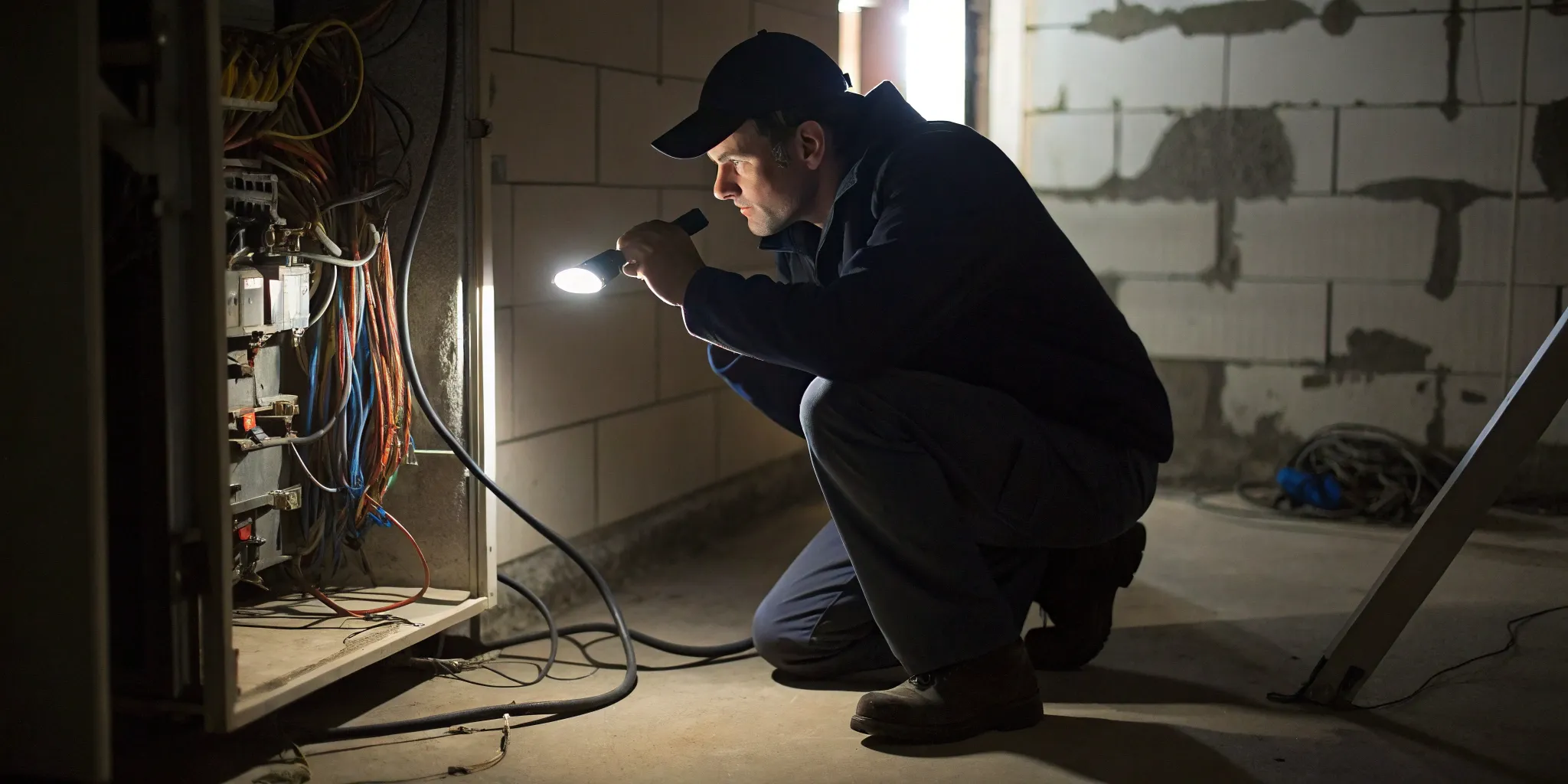
Visible damage to your wiring is an undeniable emergency. Over time, the protective insulation on wires can become brittle and crack, exposing the live conductor. Pests like mice or squirrels are also notorious for chewing through wiring in attics, basements, and walls. Exposed, frayed, or chewed wires are extremely dangerous and can easily cause short circuits, shocks, and electrical fires. If you discover any damaged wiring in your home, do not touch it. This is a situation that requires immediate professional attention to ensure the wiring is safely replaced and brought up to code.
Your Action Plan for an Electrical Emergency
When you’re facing a potential electrical emergency, it’s easy to feel overwhelmed. The key is to stay calm and act methodically to keep everyone safe. Having a clear plan helps you take control of the situation before a professional arrives. These steps will guide you through the immediate actions you should take to secure your home and prevent further risk.
Cut the Power at the Main Breaker
Your absolute first step is to shut off the electricity. Find your home’s main electrical panel—it’s usually in the basement, garage, or a utility closet. Inside, you’ll see rows of switches. The main breaker is the largest one, typically located at the top or bottom of the panel. Flip this switch to the “Off” position. This single action cuts the flow of power to your entire home, which is the most effective way to prevent electrical shocks or a potential fire from escalating. It’s a critical safety measure that protects you and your property while you figure out the next steps.
Clear the Area if Unsafe
Once the power is off, make sure the immediate area is safe for everyone. Guide family members, children, and pets away from the source of the problem, whether it’s a sparking outlet, a buzzing breaker box, or an appliance that was acting up. Cordoning off the space creates a safe buffer and prevents anyone from accidentally touching a hazardous wire or component. This simple precaution minimizes the risk of injury and gives you the space you need to assess the situation without worrying about anyone else’s safety.
Safely Note the Details
With the power off and the area clear, take a moment to observe what happened. Did you smell something burning? If so, where was it coming from? Did you hear any popping or buzzing sounds? Note which outlets or lights were affected. Jotting down these details is incredibly helpful for the electrician you’re about to call. This information acts as a starting point, allowing them to diagnose the issue more quickly and efficiently once they arrive. You don’t need to be an expert—just share what you saw, smelled, or heard.
Call a Licensed Electrician Immediately
Now is the time to bring in a professional. Electrical issues are not something to postpone. Contact a licensed and insured electrician who offers emergency electrician repairs. When you call, provide the details you noted earlier. A reliable company can dispatch a qualified technician to safely troubleshoot and fix the problem. If you live in Chester, Montgomery, Bucks, or Delaware County, our team at M.T. Ruhl is ready to help restore your power and your peace of mind. Getting expert help ensures the job is done right and your home is safe.
Avoid Risky DIY Fixes
It can be tempting to search for a quick fix online, but please resist the urge to handle electrical repairs yourself. Working with electricity is dangerous and requires specialized knowledge and tools. An incorrect repair can lead to electric shock, create a serious fire hazard, or cause even more damage to your home’s electrical system. For your safety and the integrity of your home, always leave residential electric work to a certified professional. A licensed electrician will ensure the repair is completed correctly and up to code, giving you confidence that the problem is truly solved.
How to Choose the Right Emergency Electrician
When you’re facing an electrical emergency, the pressure is on to find help fast. But a quick decision doesn’t have to be a bad one. Knowing what to look for in an emergency electrician can save you from further stress, shoddy work, and surprise costs. The right professional will not only fix the immediate problem but also ensure your home is safe for the long haul. Your goal is to find a qualified, responsive, and trustworthy expert who can handle the pressure and get the job done right. Here are the key things to look for when you make that important call.
Licensed and Insured Professionals
This is the absolute first thing you should confirm. A licensed electrician has proven their knowledge and skill, and their license shows they are accountable for their work. Insurance is just as important—it protects you and your home from liability in case of an accident or further damage. Always choose an electrician who is licensed and insured. This ensures the work is safe, follows local rules, and protects your home from any unexpected issues. When you hire a professional team, you’re not just paying for a repair; you’re investing in peace of mind.
24/7 Availability and Fast Response
An electrical emergency doesn’t wait for business hours, and your electrician shouldn’t either. True emergency services are available 24/7, including nights, weekends, and holidays, because problems like sparks or burning smells need immediate attention. When you call, ask about their estimated response time. A company that specializes in emergency electrical repairs will understand the urgency and prioritize getting a technician to your home as quickly as possible. A fast response can be the difference between a small fix and a major disaster, so don’t hesitate to find someone who can be there when you need them most.
Proven Emergency Experience
Not all electrical work is the same. A routine installation is very different from troubleshooting a critical failure in the middle of the night. Look for an electrician with specific experience handling emergencies. These situations require quick thinking, accurate diagnostics, and the ability to work safely under pressure. An experienced emergency electrician has seen it all, from simple home issues to more complex commercial problems. They’ll have the right tools and knowledge to identify the root cause of the problem and implement a safe, effective solution without delay.
Clear, Upfront Pricing
The last thing you need during a crisis is a surprise bill. A reputable electrician will be transparent about their pricing structure. While it can be hard to give an exact quote over the phone, they should be able to explain their service call fees and hourly rates. Once they arrive and assess the situation, they should provide you with clear, upfront pricing before any work begins. This allows you to approve the cost and understand exactly what you’re paying for. This transparency is a hallmark of a trustworthy company that values its customers.
A Strong Local Reputation
When you need help fast, turning to a local company with deep roots in the community is often your best bet. A strong local reputation is built on years of reliable service and customer trust. Check online reviews and see what your neighbors are saying. Positive feedback about an electrician’s efficiency, respectfulness, and knowledge is a great sign. A company that is proud to serve its local community—whether in Chester, Montgomery, Bucks, or Delaware County—is more likely to stand by its work and provide the high-quality service you deserve.
How Much Does Emergency Electrical Repair Cost?
When you’re dealing with an electrical emergency, the last thing you want is a surprise bill. While it’s impossible to give a one-size-fits-all price, understanding how costs are calculated can give you peace of mind and help you make a clear-headed decision. The final cost depends on several factors, including the time of day, the complexity of the problem, and the parts required. A trustworthy electrician will always be transparent about their pricing structure before they begin any work. Let’s break down the typical costs so you know what to expect when you make that important call.
Understanding Service Call Fees
Think of a service call fee as the cost for a licensed professional to come to your home, diagnose the problem, and provide a solution. For a standard, non-emergency visit during business hours, this fee typically ranges from $100 to $300 and often includes the first hour of labor. However, for an emergency call—which is any service needed after hours, on a weekend, or on a holiday—that initial fee is higher. You can expect to pay more for the immediate response required to keep your home and family safe. This fee covers the technician’s travel time and the initial assessment of your electrical issue.
Hourly vs. Flat-Rate Pricing
Electricians generally use one of two pricing models: hourly or flat-rate. An hourly rate for a licensed electrician can range from $50 to $150 for standard service. For emergency calls, that rate can increase significantly, often to between $200 and $400 per hour, reflecting the urgency and inconvenience. Some companies offer flat-rate pricing for common repairs, which means you agree to a set price for the entire job, regardless of how long it takes. This can be a great option as it removes any uncertainty about the final bill. Always ask which pricing model a company uses when you call.
Factors That Influence the Final Cost
Several key factors determine the total cost of your emergency repair. The time of your call is the most significant—nights, weekends, and holidays will always cost more than a weekday appointment. The complexity of the job also plays a big role; replacing a faulty switch is much simpler and less expensive than troubleshooting a problem inside your walls. Finally, the cost of any necessary parts will be added to the labor charges. All of these elements come together to create the final price for your specific electrician repairs.
Why You Need an Upfront Estimate
Never let work begin without getting a clear, upfront estimate. A reputable electrician will assess the situation and provide you with a detailed quote that outlines the scope of the work and the associated costs. This transparency is a hallmark of a professional and trustworthy company. It protects you from hidden fees and ensures everyone is on the same page before the repair starts. Our team believes that clear communication is the foundation of great service, especially when you’re dealing with a stressful emergency. An upfront price allows you to approve the cost before committing to the repair.
Service Warranties and Guarantees
When you’re paying for a professional repair, you deserve confidence that the job was done right. That’s where service warranties and guarantees come in. A quality electrical contractor will stand behind their work with a warranty on both parts and labor. This means if the same issue pops up again within the warranty period, they will come back and fix it at no additional cost. A satisfaction guarantee shows that the company is committed to providing excellent service and ensuring you feel safe and secure in your home long after they’ve left. It’s a crucial sign that you’ve hired a true professional.
Why You Shouldn’t Wait: The Risks of Delaying Repairs
It’s easy to put a minor electrical issue on the back burner. A flickering light or an outlet that doesn’t work might seem like a small annoyance, but ignoring these warning signs can lead to serious consequences. Procrastinating on electrical repairs isn’t just inconvenient; it’s a gamble with your safety, your property, and your finances. Understanding the risks involved can help you see why calling a professional right away is always the smartest move. When it comes to electricity, what starts as a small problem can quickly escalate into a major hazard, and waiting is never worth the risk.
Fire Hazards and Property Damage
One of the most significant dangers of faulty wiring is the risk of an electrical fire. Issues like old, frayed wires, loose connections, or overloaded circuits can generate intense heat, easily igniting nearby materials like insulation, wood, or drywall. According to safety experts, things like “improperly installed wiring, faulty connections, and inadequate grounding can all lead to electrical shocks, fires, and property damage.” A persistent burning smell or scorch marks around outlets are clear indicators that you need immediate help. Don’t dismiss these signs. Timely electrician repairs can address the root cause before it leads to a devastating fire and extensive property damage.
Dangers to Personal Safety
Beyond the risk of fire, faulty electrical systems pose a direct threat to you and your family. A malfunctioning outlet, switch, or appliance can deliver a painful and potentially lethal electric shock. This danger is especially high in homes with children or pets, who may not recognize the warning signs. Even if you aren’t a trained electrician, it’s important to inspect outlets for damage and report any issues. Any instance of a shock, even a mild one, means there’s a serious problem that needs professional attention. Protecting your loved ones is the top priority, and ensuring your home’s residential electrical system is safe is a critical part of that.
How Small Problems Become Expensive
Ignoring a minor electrical issue is like letting a small leak go unfixed—it will only get worse and more expensive over time. That flickering light might just be a loose bulb, but it could also be a sign of a failing circuit or a loose connection deep within your walls. Waiting for the problem to become more obvious often means the damage has spread. A simple repair can turn into a complex rewiring project, costing you significantly more in the long run. Electrical emergencies can happen at any time, and addressing them early is the best way to manage costs and avoid a much bigger headache down the road.
Code Violations and Insurance Claims
Your home’s electrical system must comply with local and national safety codes. These regulations are in place to ensure everything is installed correctly and safely. If you have unaddressed electrical problems or unpermitted DIY work, you could be in violation of these codes. This can create major hurdles if you ever decide to sell your home. Furthermore, if an electrical fault causes a fire, your homeowner’s insurance provider may investigate the cause. If they find that the fire was due to neglected maintenance or non-compliant wiring, they could deny your claim, leaving you to cover the full cost of the damages.
How to Prevent Future Emergencies
The best way to handle an electrical emergency is to prevent it from happening in the first place. Being proactive about your home’s electrical health can save you from future stress and expense. Schedule periodic inspections with a licensed electrician to catch potential problems before they escalate. They can identify outdated wiring, overloaded circuits, and other hidden hazards. It’s also wise to create a safety plan and regularly check your outlets, cords, and appliances for signs of wear and tear. Consistent monitoring and professional electrical service are key to maintaining a safe and reliable system for years to come.
Related Articles
- Emergency Calls – M.T. Ruhl Electrical Contracting
- Electrical Security – M.T. Ruhl Electrical Contracting
- Electrician Repairs – M.T. Ruhl Electrical Contracting
- Electrical Install Jobs – M.T. Ruhl Electrical Contracting
- The #1 Electrician in Newtown Square, PA | M.T. Ruhl
Frequently Asked Questions
My circuit breaker tripped. Can I just reset it? Resetting a breaker once is usually fine, especially if you know you overloaded the circuit by running the microwave and toaster at the same time, for example. However, if the breaker trips again immediately or does so repeatedly, you should not keep resetting it. This is your system’s way of telling you there’s a more serious underlying problem, like a short circuit or faulty wiring, which can create a fire hazard. At that point, it’s time to call a professional.
Are flickering lights really a sign of an emergency? It depends on the scale. If a single lamp is flickering, try changing the lightbulb first. But if lights are flickering in multiple rooms, or if they dim every time a major appliance like your AC kicks on, that points to a larger issue. It could be a loose connection somewhere in your system or a problem with your main electrical service. Since loose connections can generate heat and cause fires, it’s a problem that needs to be checked out by an electrician.
What should I do if I smell something burning but can’t see smoke or fire? A burning smell, often described as fishy or like hot plastic, is one of the most serious warning signs of an electrical problem. It means that wiring or an electrical component is overheating somewhere, even if it’s hidden inside a wall. You should treat this as an emergency. If you can do so safely, turn off the power at your main breaker panel and call a licensed electrician right away.
How can I prevent electrical emergencies from happening in the first place? The best way to avoid a crisis is through proactive maintenance. Consider having a licensed electrician perform a safety inspection on your home’s electrical system every few years, especially if you live in an older house. They can identify and fix potential hazards like outdated wiring, failing outlets, or an overloaded electrical panel before they become dangerous. This simple step gives you peace of mind and helps ensure your system remains safe and reliable.
Is it safe to use an outlet that gave me a tiny shock? Absolutely not. You should never feel any kind of shock or even a slight tingle from an outlet, switch, or appliance. Any shock means that electricity is escaping its proper path due to a wiring or grounding fault. This creates a serious risk for a more severe shock or electrocution. Stop using that outlet immediately, and don’t plug anything else into it until a professional has inspected and repaired it.