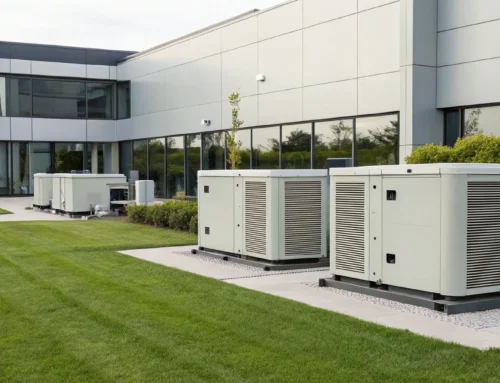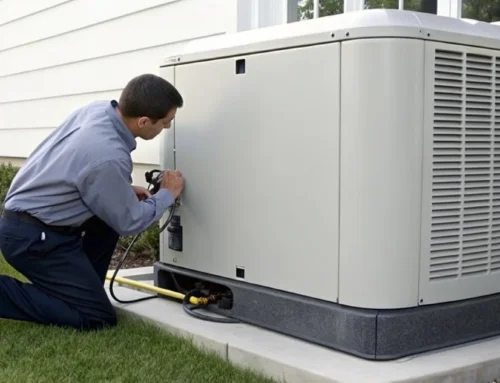

You bought a home generator for that priceless peace of mind during a blackout. But that generator is only as reliable as the system it connects to. When the power fails, it sends electricity through your home’s final circuit pathways to power your essentials—think your refrigerator, furnace, and lights. If those final circuits are outdated or poorly designed, your generator simply can’t do its job effectively. A solid electrical installation is the crucial link that ensures your backup power actually works when you need it most. Understanding these circuits is the key to making your investment worthwhile.
Key Takeaways
- Circuits Are Purpose-Built for Safety: Your home’s power is organized into specific circuits for lighting, outlets, and large appliances. This intentional design prevents a single overloaded device from shutting down your entire house and is the foundation of a safe electrical system.
- Proper Design Prevents Future Problems: A professional electrician calculates your home’s total power needs to create a safe, efficient layout. This ensures your system can handle your daily life without issue and is correctly prepared for major additions, like a standby generator.
- Know the Warning Signs: Don’t ignore frequently tripping breakers, flickering lights, or buzzing outlets. These are clear indicators that a circuit is stressed or faulty, and they require a professional diagnosis to ensure your home remains safe.
Understanding Basic Electrical Concepts
To appreciate how a generator works with your home, it helps to know a little about electricity. You don’t need to be an expert, but understanding a few key terms makes you a more informed homeowner. Think of it like knowing the basics of your car’s engine—it helps you spot problems and understand what your technician is saying. These concepts are the building blocks of your home’s electrical system, governing how your generator safely delivers backup power when you need it most.
Defining Voltage, Amps, Watts, and Ohms
Let’s break down the language of electricity using a garden hose analogy. Voltage (V) is the water pressure, while Amps (A) measure the current’s flow. Ohms (Ω) represent resistance, like a kink in the hose. Finally, Watts (W) quantify the total power being used—the result of pressure and flow working together. Understanding these terms is crucial for ensuring your system can handle your appliances and that your Generac generator is properly sized to power your home effectively during an outage.
Open, Closed, and Short Circuits Explained
Electricity needs a complete path, or circuit, to work. A closed circuit is a complete loop, letting electricity flow—like when you flip a light switch “on.” An open circuit is an incomplete path, like when the switch is “off.” The dangerous one is a short circuit, where electricity finds an unintended shortcut, causing a current surge that can overheat wires. Your circuit breakers are designed to trip during a short, protecting your home. This safety system is a fundamental part of any reliable residential electrical setup.
Series vs. Parallel Circuits in Your Home
Circuits are typically wired in series or parallel. Remember old holiday lights wired in a series circuit? When one bulb failed, the whole string went dark. Your home uses parallel circuits, where each outlet is on its own branch. If your toaster stops working, your coffee maker keeps brewing. This design is essential for reliability, ensuring your standby generator can power essential appliances independently, so one faulty device won’t disrupt your entire backup power system.
What Is a Final Circuit? (And Why It Matters)
Think of your home’s electrical system like a tree. The main power line is the trunk, and the final circuits are the individual branches that deliver power to every outlet, light, and appliance. These are the end-of-the-line pathways that make everything in your home work. Understanding them is key to understanding your home’s electrical health and safety.
Powering Your Outlets, Lights, and Appliances
Every time you flip a switch or plug something in, you’re using a final circuit. These circuits are designed for specific jobs; some use smaller wiring for simple tasks like powering your bedroom lights, while others have heavy-duty cables to handle major appliances like your oven or clothes dryer. Each final circuit is protected by a dedicated fuse or circuit breaker in your main panel, which acts as a safety switch to prevent overloads. Getting this design right is a fundamental part of any professional residential electric service, ensuring your system is both safe and reliable.
How Final Circuits Connect to Your Electrical Panel
Your main electrical panel is the command center where all these final circuits begin. It’s where power from the utility company enters your home and gets distributed to the different branches. More importantly, the panel is your system’s primary safety feature. It’s designed to shut off all power in an emergency, protect against short circuits, and prevent dangerous electrical faults. This is also where a generator transfer switch is installed, allowing you to safely switch from the grid to backup power during an outage. A proper residential standby generator installation always integrates seamlessly with your main panel.
Final Circuit vs. Main Power: What’s the Difference?
While they work together, the wiring for a final circuit is different from the main cable that supplies your home. The main supply line is sized based on the expected maximum power you’ll use at any given time, assuming not everything will be running at once. Final circuits, however, must be built to handle the full, continuous power draw of everything connected to them without failing. This is why a high-draw appliance needs its own dedicated circuit. If the wiring isn’t sized correctly for the load, it can overheat and create a serious fire risk, often requiring professional electrician repairs to fix.
How Power Enters Your Home
To appreciate how a generator protects your home, it helps to understand the journey electricity takes every single day. Power doesn’t just magically appear at your outlets; it follows a specific path from the utility grid right to your front door. This pathway is designed for safety and efficiency, but it’s also the system that fails during an outage. Knowing how it works makes it clear why a standby generator is such a critical addition. It’s not just about making power—it’s about safely delivering that power into your home’s existing electrical nervous system when the main source is cut off.
From the Utility Pole to Your Meter
The journey begins high above at the utility pole. A thick cable, called the service drop, runs from the pole to your house, connecting at a point called the weatherhead. This is the official handoff point where the utility company’s responsibility ends and yours begins. From there, the power flows down through a conduit into your electric meter, which is that glass-encased device on the side of your house that measures how much electricity you use. This meter is the gateway for all the power your home consumes, and it’s the last stop before the electricity enters the most important part of your home’s electrical system: the main panel.
Inside Your Main Electrical Panel
Once past the meter, power flows directly into your main electrical panel—the gray metal box that acts as the command center for your entire home. This panel takes the main feed of electricity and distributes it through the individual final circuits that power everything you own. But its most important job is safety. The main breaker switch can shut off all power to your home in an emergency, and each circuit breaker is designed to trip and cut power if it detects an overload or a short circuit. This is also the central hub where a residential standby generator installation integrates with your home, using a transfer switch to safely disconnect from the grid and connect to generator power during an outage.
What Makes Up a Home Electrical Circuit?
Think of your home’s electrical system like your body’s circulatory system. The main panel is the heart, the circuits are the arteries, and the electricity is the lifeblood that powers everything from your morning coffee maker to your bedside lamp. For this system to work safely and reliably, a few key components have to do their jobs perfectly. Understanding these parts helps you see why professional installation and maintenance are so important for keeping your home running smoothly and your family safe.
When everything is working in harmony, you can power your lights and appliances without a second thought. But if one part fails, the whole system can be compromised, leading to frustrating outages or dangerous situations. That’s why it’s helpful to know what’s going on behind your walls. Let’s look at the three main players in every circuit: the circuit breaker, the wiring, and the fixtures you use every day. Each one has a specific role in delivering power where you need it, when you need it, without putting your home at risk. Getting familiar with them will help you spot potential problems and know when it’s time to call in a pro.
Circuit Breakers: Your System’s Safety Net
Your circuit breaker panel is the command center for your home’s electricity, and each breaker is a dedicated safety guard. A circuit breaker is an automatic switch designed to protect an electrical circuit from damage caused by an overload or short circuit. If you plug in too many devices or a fault occurs, the breaker “trips,” instantly cutting off the power to that specific circuit. This action prevents the wires from overheating and creating a fire hazard. Every single circuit in your home must have its own breaker to ensure the system’s integrity. If you find your breakers are tripping often, it’s a clear sign to call for electrician repairs to diagnose the underlying issue.
Other Protective Devices: Fuses, RCDs, and SPDs
Beyond the familiar circuit breaker, your electrical system relies on a team of other specialized guards. In older homes, you might see fuses, which contain a small metal strip that melts to stop the flow of power during an overload—a simple but effective one-time-use solution. Modern systems often include Residual Current Devices (RCDs), which are true lifesavers designed to protect you from electric shock by detecting dangerous imbalances in the current. There are also Surge Protective Devices (SPDs), which shield your valuable electronics and appliances from sudden voltage spikes caused by lightning or utility issues. Each of these components plays a distinct role, working together to create a comprehensive safety net that protects both your family and your home from electrical hazards.
The Wires That Bring Power to Your Rooms
The wires running through your walls are the pathways that deliver electricity from the breaker panel to every outlet, switch, and light fixture. But it’s not a one-size-fits-all situation. The wiring for each circuit must be properly sized to handle the amount of electricity it’s expected to carry. For example, a circuit for a high-powered appliance like a clothes dryer needs a much thicker wire than a circuit for a few bedroom lights. Using the correct wiring ensures it can carry the full electrical load safely without deteriorating over time. This is a foundational part of any professional residential electrical work, guaranteeing your system is both efficient and secure.
Common Cable Types like Twin and Earth
While you might see the term “Twin and Earth” cable online, it’s primarily used in the UK. Here in the United States, the standard for modern homes is non-metallic (NM) sheathed cable, which you probably know by the brand name Romex. This is the flat, flexible cable that runs through your walls and ceilings, and it’s a workhorse of residential electricity. Inside its plastic jacket, it bundles together at least two insulated wires—a black “hot” wire and a white “neutral” wire—along with a bare copper ground wire for safety. This all-in-one design makes it easy to install and protects the wires from damage. The size of the NM cable is critical; a lighting circuit uses a thinner wire than a kitchen outlet circuit to ensure it can safely handle the electrical load without overheating.
Outlets, Switches, and Fixtures: The End of the Line
Outlets, switches, and fixtures are the points of contact where you actually use the electricity flowing through your circuits. These are the final destinations on the electrical journey. Each one is connected to a specific final subcircuit, which leads back to its designated breaker in the main panel. This setup ensures that an issue with a single fixture doesn’t take down your entire home’s power. From standard outlets to GFCI outlets in your kitchen and bathrooms that protect against shock, every component plays a role. When you flip a switch or plug in an appliance, you’re completing the circuit and putting that carefully designed system to work.
What Kinds of Circuits Are in Your Home?
Your home’s electrical system isn’t just one giant loop of power. Instead, it’s divided into several circuits, each designed for a specific purpose. Think of them as individual highways for electricity, ensuring power gets where it needs to go safely and efficiently. Understanding these different types helps you see how your home is powered and why certain appliances need special attention. From the overhead lights to your kitchen stove, each circuit plays a vital role in your daily life.
Circuits Dedicated to Lighting
As the name suggests, lighting circuits are dedicated to powering the light fixtures throughout your home, including ceiling lights, recessed lighting, and hardwired fans. These circuits typically handle a lower electrical load compared to others, so they are usually wired with smaller cables and connected to a 15-amp breaker in your electrical panel. By keeping your lights on a separate circuit from your outlets, you prevent a single tripped breaker from plunging your entire room into darkness if you plug in one too many devices.
Circuits for Your Everyday Outlets
These are the workhorses of your home’s electrical system, powering the general-use outlets in your living room, bedrooms, and hallways. Standard power outlet circuits are designed to handle a variety of everyday electronics, from your TV and computer to phone chargers and lamps. They are typically wired to handle a bit more power than lighting circuits, often using 15-amp or 20-amp breakers. Spreading these circuits across different rooms ensures that using a high-draw item like a vacuum cleaner won’t overload the system and shut down power to an entire floor.
Common Wiring Patterns: Radial and Ring Circuits
When an electrician designs your home’s circuits, they often use one of two main patterns: radial or ring. Think of a radial circuit as a straight line. The wire runs from your breaker panel to the first outlet, then to the second, and so on, ending at the last outlet in the series. It’s a simple, direct path often used for lighting or a single, high-power appliance. A ring circuit, on the other hand, is a complete loop. The wire leaves the breaker panel, connects to all the outlets in a room, and then returns to the very same breaker it started from. This design allows power to flow in two directions, which means it can handle more devices at once. Both systems are safe and effective, and a professional will choose the right one for the job, ensuring your home’s wiring is robust enough to handle daily life and support a backup generator. If you suspect issues with your wiring, it’s always best to schedule professional electrician repairs.
Why Major Appliances Need Their Own Circuit
Some appliances draw a significant amount of power and require their own dedicated circuit to operate safely. Your refrigerator, dishwasher, electric stove, and HVAC system are all prime examples. A dedicated circuit provides power to a single appliance, which prevents your main electrical system from getting overloaded and drastically reduces the risk of electrical fires. If you’re planning a kitchen remodel or adding a new heavy-duty appliance, you’ll likely need a professional to perform the necessary electrician repairs and install a new dedicated circuit to meet safety codes.
Connecting a Generator to Your Home Circuits
When you lose power, a generator is your lifeline, but how does that power get into your house? This is where a transfer switch comes in. A transfer switch is the crucial link between your generator and your home’s circuits. During a residential standby generator installation, the switch is wired directly into your electrical panel. When an outage occurs, it safely disconnects your home from the grid and connects it to the generator. This allows you to direct power to your most essential circuits—like the ones for your refrigerator, well pump, furnace, and key lights—ensuring your home remains safe and functional until utility power is restored.
How Pros Design a Home’s Electrical Circuits
Designing your home’s electrical system is a bit like creating a roadmap for electricity. It’s a thoughtful process that ensures power gets where it needs to go safely and efficiently. A licensed electrician doesn’t just run wires; they create a customized plan based on your home’s structure, your family’s needs, and the highest safety standards. This careful planning is what allows you to run your air conditioner, microwave, and television simultaneously without a hitch.
A properly designed circuit layout is also the foundation for adding major upgrades, like a hot tub or an electric vehicle charger. Most importantly, it’s essential for seamlessly integrating a backup power system. When we install a Generac generator, we first ensure your home’s circuits are correctly configured to handle the switch to backup power, keeping your essential appliances running smoothly during an outage. It all starts with a solid, professional design.
Figuring Out Your Home’s Total Power Needs
Before a single wire is installed, a professional electrician performs a “load calculation.” This is a detailed assessment to determine exactly how much power your home requires. We figure out the total potential power draw if every light and appliance were running at once, but we also calculate your home’s “maximum demand”—the realistic peak amount of electricity you’ll use at any given time.
This calculation helps us understand your household’s unique electrical fingerprint. It ensures your main panel is up to the task and that we can design a system that won’t be constantly overloaded. Getting this number right is the critical first step in any residential electric project, from a new build to a system upgrade.
Mapping Out a Safe and Efficient Circuit Plan
Once we know your power needs, we can map out the circuits. Instead of one giant circuit for the whole house, the system is divided into many smaller, protected circuits. Think of it like having different roads leading to different neighborhoods. This approach is safer and more convenient. If you overload the circuit in your kitchen, it will only trip the breaker for that area, leaving the rest of your home’s power untouched.
This division makes the system more reliable and much easier to troubleshoot. Each circuit is protected by a dedicated circuit breaker that acts as a safety switch, preventing too much current from causing damage or a fire. This careful planning is also vital when we install a standby generator, as it allows us to connect the generator to the specific circuits that power your most essential appliances.
Why the Right Wire Size Is Crucial
Not all wires are created equal. A crucial part of circuit design is selecting the correct wire size, or gauge, for each circuit’s intended load. Using a wire that’s too small for the amount of electricity flowing through it is like trying to send a river’s worth of water through a garden hose—it creates pressure and heat. In an electrical system, an undersized wire can overheat, melt its protective insulation, and create a serious fire hazard.
A professional ensures every wire can handle its full-load current safely and indefinitely. We consider the amperage of the circuit, the length of the wire, and even the ambient temperature where it will be installed. If you’re concerned that your home might have outdated or undersized wiring, it’s always a good idea to schedule an inspection to prevent potential electrician repairs down the road.
Safety Rules for Installing a Final Circuit
When it comes to your home’s electrical system, safety isn’t just a feature—it’s the foundation. Every wire, outlet, and circuit breaker is part of a system that needs to work flawlessly to protect your family and your property. That’s why all electrical work, from installing a new lighting fixture to connecting a home standby generator, is governed by a strict set of safety standards. These aren’t just suggestions; they are non-negotiable rules that ensure every installation is safe, reliable, and built to last.
Following these codes is about more than just passing an inspection. It’s about having the peace of mind that comes from knowing the work was done right. A professional electrician understands that these standards are the blueprint for a secure electrical system. They ensure that every final circuit can handle its intended load without risk of overheating, short-circuiting, or creating a fire hazard. This commitment to safety is what separates a professional installation from a risky DIY project.
Understanding the National Electrical Code (NEC)
Think of the National Electrical Code (NEC) as the nationwide rulebook for electrical safety. It’s a comprehensive document that outlines the best practices for all electrical installations in the United States. The NEC sets the minimum standard for everything from the type of wiring used inside your walls to the proper way to ground your system. Every professional electrician lives by this code to ensure their work is not only functional but, more importantly, safe.
Adhering to the NEC is mandatory. These guidelines are designed to protect against electrical hazards and are updated regularly to keep up with new technologies and safety research. When a licensed electrician performs any electrical repairs or installations, they are following a proven set of rules that have been established to keep you safe.
Following Pennsylvania’s Local Building Codes
While the NEC provides a national baseline, states and local municipalities often have their own additional requirements. Here in Southeastern Pennsylvania, communities across Chester, Montgomery, Bucks, and Delaware Counties have specific building codes that must be followed. These local codes can dictate anything from where outlets must be placed to the type of permits required for a project. This is why hiring a local expert is so important.
An electrician who works in your area every day will be familiar with the specific requirements of your township or borough. At M.T. Ruhl, we are committed to providing unparalleled service and quality, which includes a deep understanding of the local codes throughout our service areas. This local knowledge ensures your project is completed correctly and passes inspection without any delays or complications.
The Critical Role of Earthing (Grounding)
Think of grounding as your electrical system’s emergency exit. It’s a direct physical connection between your home’s electrical panel and the earth itself, creating a safe path for any stray electrical current to go. This simple connection is one of the most critical safety features in your home, protecting you from electric shock, stabilizing voltage levels, and preventing power surges from damaging your sensitive electronics. When a Generac generator kicks on, a properly grounded system is what ensures the transition to backup power is both smooth and safe. Without it, an electrical fault could send dangerous current through your appliances—or worse, a person—instead of harmlessly into the ground.
What is Equipotential Bonding?
Equipotential bonding takes this safety concept a step further. It involves connecting all the major metallic systems in your home—like water pipes, gas lines, and structural steel—directly to your grounding system. This process ensures that all these conductive parts are at the same electrical potential, eliminating any voltage difference between them. Why does this matter? It’s a crucial safety measure that prevents you from becoming the path for electricity if you happen to touch two different metal surfaces during a fault. As a non-negotiable requirement of the NEC, proper bonding is essential for a safe and reliable residential standby generator installation, ensuring your entire system is fully protected.
Why Professional Certifications Are a Must
Certifications are more than just a piece of paper; they are a clear indicator of a company’s expertise, training, and commitment to excellence. When you’re investing in a critical system like a Generac generator, you want to work with a team that has been recognized for their skill. For example, M.T. Ruhl is a Generac Power Pro Elite Plus dealer, the highest level of distinction available to a Generac dealer.
This certification means our technicians have completed advanced training and have a proven track record of excellent customer service and high-quality installations. It’s an assurance that you’re working with true generator experts who are held to the highest standards by the manufacturer. Paired with an A+ rating from the Better Business Bureau, these credentials show a long-standing commitment to getting the job done right.
What Happens During a Pro Circuit Installation?
Hiring a professional to work on your home’s electrical system can feel like a big step, but it doesn’t have to be a mystery. A licensed electrician follows a precise, methodical process to ensure everything is installed correctly and safely. Whether you’re adding a dedicated circuit for a new appliance, finishing your basement, or preparing your home for a Generac generator installation, understanding the process can give you peace of mind. From the initial layout to the final testing, every step is designed to build a reliable and secure electrical system that will serve your family for years to come. It’s about creating a foundation of power you can count on.
A Step-by-Step Look at the Installation
The installation begins with careful planning. Your electrician will map out the new circuits, which are the dedicated pathways that deliver electricity from your main panel to your devices. These final circuits can range from small cables for a new set of ceiling lights to heavy-duty wiring for a new oven or EV charger. The electrician will run the appropriate wiring through your walls, floors, or ceilings, connecting it from the circuit breaker panel to the new outlets, switches, or fixtures. They work carefully to ensure every connection is secure and the wiring is properly protected, creating a seamless addition to your home’s electrical grid.
How We Prioritize Safety During Installation
Throughout the installation, safety is the top priority. A core principle of safe electrical work is that every single circuit must have its own dedicated safety device, usually a circuit breaker. This device acts as a gatekeeper, automatically shutting off power if it detects an overload or a short circuit. This protection is what stops too much electricity from flowing through the wires, which can prevent equipment damage and reduce the risk of a fire. When you hire a professional for your residential electric needs, you’re investing in a system where these critical safety measures are built in from the start.
Testing and Verifying the Final Installation
The job isn’t finished once the last wire is connected. Before calling it complete, a professional electrician performs a series of thorough checks and tests on the new circuits. They verify that the voltage is correct, the connections are solid, and the safety breakers are functioning exactly as they should. For compliance and your own records, all of this information is carefully documented. This final verification step is non-negotiable; it’s the ultimate quality control check that confirms your new installation is safe, up to code, and ready for reliable, long-term performance.
Common Circuit Problems and How to Fix Them
Even with a perfectly designed electrical system, issues can pop up over time. From a frequently tripping breaker to a light switch that suddenly stops working, these problems can be more than just a minor inconvenience—they can be signs of a bigger issue. A stable and safe electrical system is the foundation of your home’s comfort and is essential for powering everything from your coffee maker to your Generac generator. Knowing how to spot common circuit problems helps you understand when a simple reset will do and when it’s time to call in a professional. Below are a few of the most frequent issues homeowners face and the practical steps you can take to address them safely.
Why Does My Circuit Breaker Keep Tripping?
If you’ve ever run the microwave and the toaster at the same time only to have the power in your kitchen cut out, you’ve experienced an overloaded circuit. Your circuit breaker is a safety device designed to trip (shut off) when a circuit is drawing more electricity than it can safely handle. This prevents the wires from overheating and creating a fire hazard. If a breaker trips, the first step is to unplug some of the devices on that circuit. Then, head to your electrical panel and flip the breaker back on. If it trips again immediately or continues to trip frequently, it’s a sign that you need professional electrician repairs.
How to Spot Faulty Wiring and Loose Connections
Faulty or loose wiring is a more serious issue that requires immediate attention. The signs can be subtle, so it’s important to know what to look for. Pay attention to flickering or dimming lights that aren’t related to a storm, a faint buzzing sound coming from an outlet or switch, or outlets that feel warm to the touch. You might also notice a persistent burning smell with no obvious source. These are all red flags indicating a loose connection or damaged wiring, which can lead to arcing—a major fire risk. This is not a DIY fix. If you notice any of these signs, it’s crucial to contact a certified electrician to inspect your system.
What to Do When Outlets and Switches Stop Working
Sometimes, an outlet or light switch simply stops working. Before assuming the worst, there are a couple of simple things you can check. First, see if the circuit breaker has tripped. If the breaker is fine, try plugging a different small appliance, like a lamp you know works, into the outlet to confirm the outlet is the problem. For a light switch, check if the bulb has burned out. If these basic troubleshooting steps don’t solve the issue, the problem likely lies within the outlet, the switch, or the wiring itself. For your safety, avoid taking off the faceplate and poking around. It’s best to leave the diagnosis and repair to a professional who handles residential electric services.
Common Myths About Home Electrical Circuits
Your home’s electrical system works quietly in the background, so it’s no surprise that a few myths have popped up around how it all functions. When you don’t deal with wiring and circuits every day, it’s easy to get the wrong idea. Let’s clear the air on a few common misconceptions. Understanding the truth about your electrical circuits helps you make smarter, safer decisions for your home, especially when it comes to things like adding new appliances or installing a home generator.
The Truth About Circuit Breakers
You might have heard that every single circuit in your home must have its own dedicated circuit breaker. While that sounds like a solid safety rule, it’s not entirely accurate. Every circuit definitely needs protection, but the design can be more nuanced. The requirements for circuit protection depend on the specific installation, the load it carries, and local electrical codes. A licensed electrician designs the system to ensure every part is protected, but that doesn’t always mean a one-to-one relationship between circuits and breakers. If you’re having issues with tripping breakers, it’s always best to have a professional perform electrician repairs rather than making assumptions about the setup.
Are All Circuits Created Equal?
Another common misunderstanding is that splitting an electrical system into many smaller circuits is overly complicated. In reality, this is a fundamental principle of safe and reliable electrical design. Dividing the system into multiple final circuits—the ones that connect directly to your lights and outlets—makes it safer and much easier to troubleshoot. If one circuit for your kitchen outlets goes down, your lights can stay on. Professionals use different layouts, like ‘ring’ or ‘radial’ configurations, to build a robust residential electric system that is customized for your home’s specific needs and prevents a small issue from becoming a big problem.
How Much Can One Circuit Actually Handle?
It’s easy to assume that you can plug in as much as you want as long as the breaker doesn’t trip, but there’s more to load capacity than that. The wiring for each circuit is carefully chosen to handle a specific amount of electricity safely and indefinitely without wearing out. For larger distribution circuits, electricians can size cables based on the maximum expected demand rather than the total possible load. They often use a smart calculation called a ‘diversity factor’ to optimize performance. Understanding your home’s load capacity is also critical when selecting the right size for Generac generators, ensuring your backup power system can handle the demand without issue.
Why Professional Installation Is Non-Negotiable
When it comes to your home’s electrical system, this is one area where DIY is a definite don’t. While tackling a new paint job or assembling furniture can be a rewarding weekend project, electrical work requires precision, expertise, and a deep understanding of safety protocols. A small mistake can have significant consequences. Professional installation isn’t just about convenience; it’s a crucial investment in your home’s safety, compliance, and long-term reliability. Whether you’re updating circuits or installing a whole-home generator, leaving it to the pros is always the right call.
Keeping Your Home and Family Safe
Your home’s electrical system is a complex network, and its first job is to operate safely. Every circuit is designed with its own safety net, like a circuit breaker, to prevent overloads that could lead to electrical fires or dangerous shocks. A professional electrician understands how to correctly wire these systems, ensuring every connection is secure and every component is properly rated for the job. This is especially critical when integrating a major system like a Generac generator, where a flawless connection to your home’s panel is essential for both safety and function. An expert installation gives you peace of mind that your family and property are protected from hidden electrical hazards.
Staying Compliant with Codes and Permits
Electrical work is governed by a strict set of rules, including the National Electrical Code (NEC) and specific local building codes here in Pennsylvania. These regulations aren’t just bureaucratic red tape; they are safety standards refined over many years to protect homeowners. A licensed electrician is not only fluent in these codes but also manages the entire permitting and inspection process for you. This ensures your project is completed legally and safely, avoiding potential fines or issues with your homeowner’s insurance. Proper residential standby generator installation, for example, requires specific permits to ensure it meets all local safety requirements.
Creating a Reliable System That Lasts
A professional installation is about more than just getting the power to turn on. It’s about building a robust and reliable system that will serve your home for years to come. Experts know how to design circuits that can handle your home’s specific power demands, from the small cables feeding your lights to the heavy-duty wiring needed for major appliances. They choose the right materials and techniques to prevent future problems like flickering lights, frequently tripped breakers, or premature system failure. By investing in professional work, you’re ensuring your electrical system operates efficiently and dependably, saving you from the stress and expense of future electrician repairs.
How to Keep Your Circuits in Great Shape
Your home’s electrical circuits work tirelessly behind the scenes, but they aren’t something you can just set and forget. A healthy electrical system is the foundation of a safe and functional home, especially when you rely on it to power everything from your morning coffee maker to a life-saving Generac generator during an outage. Think of your circuits as the highways that deliver electricity to every corner of your house. If those highways are cracked or congested, the power can’t get where it needs to go safely and efficiently. This is true for your daily power from the utility company, and it’s just as important for the backup power your generator provides. An unstable or outdated circuit can prevent your generator from properly powering essential appliances, defeating its purpose. Keeping your circuits in good condition doesn’t require you to be an expert, but it does mean knowing what to look for and when to ask for help. Regular awareness and proactive maintenance can prevent small issues from turning into major headaches, ensuring your home’s power is both reliable and safe for your family.
A Simple Checklist for Regular Inspections
You can play an active role in your home’s electrical safety with a few simple visual checks. Start at your circuit breaker panel. Open the door and look for clear, legible labels that tell you which breaker controls which area of your home. If they’re unlabeled or unclear, it’s a good idea to get them properly mapped. Check for any signs of scorching or rust around the breakers. Next, take a walk through your home and look at your outlets and switches. Are any of the faceplates cracked, discolored, or warm to the touch? These are all signs that something isn’t right. Remember, every circuit in your home should be protected by its own breaker to prevent overloads.
When to Call a Professional Electrician
While visual inspections are helpful, there’s a clear line between looking and touching. Anything beyond a simple observation requires a professional. If you notice any of the warning signs from your inspection, or if you’re planning any renovations, it’s time to call for help. A licensed electrician can ensure your system is up to code and designed for safety and efficiency. Attempting to fix wiring or replace a breaker on your own can be incredibly dangerous. For peace of mind and guaranteed safety, always rely on professional electrician repairs for any hands-on work. They have the tools and training to diagnose and solve problems correctly the first time.
Warning Signs Your Circuits Need an Upgrade
Your electrical system will often give you clues when it’s under stress. One of the most common signs is a circuit breaker that trips frequently. This is your system’s safety feature telling you that a circuit is overloaded. Do your lights flicker or dim when you turn on a major appliance like the microwave or a vacuum cleaner? This can also indicate an overloaded circuit that may need to be upgraded. Outdated wiring, two-pronged outlets, or a persistent burning smell are more urgent red flags that demand immediate attention. Addressing these issues not only makes your home safer but also ensures your electrical system can handle modern demands and is ready for additions like a home generator.
Related Articles
- Home Electrical Reticulation: A Complete Guide
- Electrical Panel Board Layout: A Pro’s Guide
- What Is an Electric Panel? A Homeowner’s Guide
Frequently Asked Questions
Why do my circuit breakers trip all the time? A breaker that trips frequently is your electrical system’s way of telling you that a circuit is overloaded. It’s a safety feature designed to shut down power when you’re drawing more electricity than the wiring can safely handle. This often happens when high-power appliances, like a microwave and a coffee maker, are running on the same circuit. While a single trip isn’t a cause for alarm, if it happens regularly, it’s a clear sign that you either need to redistribute your appliances or have a professional assess whether a new, dedicated circuit is needed.
Do I really need a new circuit just for one appliance? Yes, for major appliances, it’s an absolute must. Things like your refrigerator, electric stove, dishwasher, or HVAC system draw a significant and continuous amount of power. Giving them their own dedicated circuit ensures they have all the power they need without overloading the rest of your system. This prevents frequent breaker trips and, more importantly, dramatically reduces the risk of the wiring overheating, which is a serious fire hazard.
How can I tell if my home’s wiring is outdated or unsafe? Your home will often give you clues. Pay attention to lights that flicker or dim when you turn on a large appliance, outlets that feel warm, or any buzzing sounds coming from switches or outlets. A faint, persistent burning smell is another major red flag. If your home still has two-pronged outlets, it’s a definite sign that your system lacks modern safety grounding. If you notice any of these issues, you should contact a licensed electrician for an inspection right away.
What’s the difference between a lighting circuit and a regular outlet circuit? Think of them as different-sized roads for electricity. Lighting circuits are designed for a lower, more predictable load—just your lights and maybe a ceiling fan. They use smaller wiring and are protected by a smaller breaker. Outlet circuits, on the other hand, are built to handle a wider variety of devices with different power needs, from a phone charger to a vacuum cleaner. They use heavier wiring and are connected to a higher-amperage breaker to safely manage that bigger electrical load.
How does the health of my circuits affect my standby generator? Your home’s circuits are the delivery system for all power, whether it comes from the utility grid or your generator. If your circuits are old, overloaded, or faulty, your generator won’t be able to reliably power your essential appliances during an outage. A stable, well-maintained electrical system is the foundation for a successful generator installation. It ensures that when the power goes out, the backup power can flow safely and effectively to the circuits that need it most.