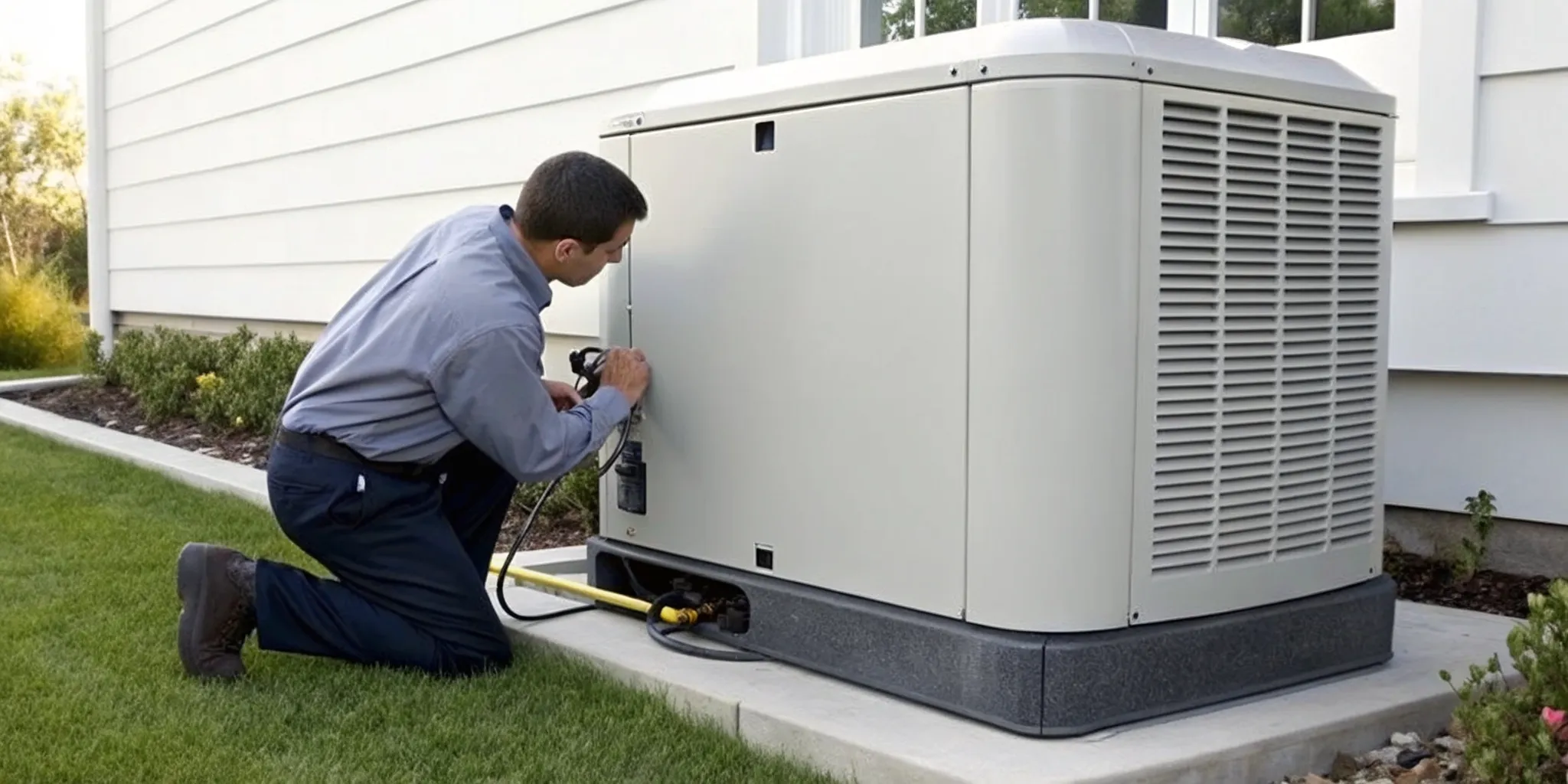
That moment of silence when your generator should kick on—but doesn’t—is incredibly frustrating. This is the one machine designed to save the day, and when it fails, you’re left scrambling for trustworthy standby generator repair Delaware. It’s a stressful situation, but you don’t have to face it unprepared. We’ll help you find a reliable pro and show how a solid generator maintenance plan Delaware families trust can prevent these headaches. Whether you need a quick fix or a full generator installation Delaware County, we’ll cover what separates the best from the rest.
Key Takeaways
- Verify technician credentials for safe, reliable service: Always choose a local repair service with certified, licensed, and insured technicians who have a strong community reputation to guarantee your generator is repaired correctly and safely.
- Adopt a regular maintenance schedule to save money: Performing simple monthly checks and scheduling an annual professional inspection helps you catch small problems early, preventing expensive emergency repairs and extending the life of your generator.
- Understand your repair estimate to avoid surprises: A clear quote should break down all costs, including diagnostic fees, labor, and parts; don’t hesitate to ask questions to ensure you feel confident about the work being done.
How to Choose the Right Generator Repair Service in Delaware County
When your generator needs attention, finding the right repair service in Delaware County is key to getting your power back on quickly and safely. With so many options, it can be tough to know who to trust with such a critical piece of equipment. The best providers share a few common traits that set them apart. By focusing on qualifications, local presence, the scope of their services, and their community reputation, you can confidently choose a team that will protect your investment and keep your home or business running smoothly, no matter the weather.
Verify They’re Licensed and Insured
First things first, you want to ensure the technicians walking up to your door are true professionals. This starts with verifying they are certified, licensed, and fully insured. Certification, especially from the manufacturer like Generac, means they have specialized training to work on your specific model. A license confirms they meet state and local requirements for electrical work, which is crucial for safety. And insurance protects you from any liability in the rare case of an accident on your property. Don’t hesitate to ask for proof of these credentials; a reputable company will be happy to provide them. It’s the best way to guarantee your generator service and repair is handled correctly.
Choose a Local Team for a Faster Response
When a storm knocks out your power, the last thing you want is to wait for a technician from across the state. Choosing a local generator repair service means you get a team that understands the specific challenges of our area, from common weather patterns to local electrical codes. This familiarity often leads to quicker diagnostics and more effective repairs. More importantly, a local company can offer a much faster emergency response time. Being part of the community means they are nearby and ready to help when you need it most. A provider with deep roots in Delaware County is your best bet for prompt and reliable service during an outage.
Ask About Their Services and Warranty
Look for a company that can be your long-term partner, not just a one-time fix. A great generator service provider offers more than just repairs. They should provide a full range of services, including installation, diagnostics, and, most importantly, preventive maintenance. This ensures your generator is always in top condition, helping you avoid future emergencies. Also, ask about their warranty protection. A trustworthy company will stand behind their work and use high-quality parts that won’t void your manufacturer’s warranty. A solid generator maintenance plan is a clear sign that a company is invested in the long-term performance of your system, not just a quick repair job.
What Are Past Customers Saying?
Before making a final decision, take a moment to see what your neighbors are saying. A company’s reputation is built one service call at a time, and online reviews are a great window into their performance. Look for consistent positive feedback about their professionalism, timeliness, and communication. While a single negative review isn’t a dealbreaker, patterns of complaints should be a red flag. A strong local reputation shows that a company has earned the trust of the community over time. Choosing a team with a proven track record gives you peace of mind that you’re working with a provider that truly cares about its customers and the quality of its work.
What to Expect from a Standby Generator Repair Service
When your generator needs attention, you want a team that knows exactly what to do. From strange noises to a complete failure to start, a variety of issues can pop up. Reputable generator technicians in Delaware County offer a standard set of services designed to diagnose and fix these problems quickly and effectively. Understanding these common services helps you know what to expect when you make that important call for help, ensuring your home or business is protected.
Starting with an Accurate Diagnosis
The first step to any successful repair is figuring out exactly what’s wrong. A flickering light or an engine that won’t turn over can have multiple causes. Expert technicians use advanced diagnostic tools and years of experience to pinpoint the root of the problem, whether it’s a simple fix or a complex internal issue. This accurate troubleshooting saves you time and prevents unnecessary repairs. Instead of guessing, a professional provides a clear diagnosis and a targeted plan, ensuring the right generator service and repair is performed the first time.
Finding Help with 24/7 Emergency Repairs
Power outages don’t stick to a 9-to-5 schedule, and neither should your repair service. When a storm hits Delaware County and your generator fails, you need help immediately. Look for a local company that offers 24/7 emergency services. A team with a strong presence in communities like Media, Springfield, and Wayne can provide a rapid response when you need it most. Having access to fast, efficient emergency repairs means you won’t be left in the dark waiting for morning. This commitment ensures your home remains powered and your family stays safe, no matter the situation.
Understanding Repair Timelines
When your generator is down, every minute feels like an hour. Naturally, you want to know exactly how long it will take to get things running again. The timeline for a repair depends on a few key factors, starting with the initial diagnosis. Once a technician identifies the root cause, the next step is parts availability. Many common components are kept in stock for quick fixes, but more complex issues might require ordering a specific part. The best way to keep repairs short and simple is through consistent upkeep. A generator that receives regular preventive maintenance is far less likely to suffer a major failure, meaning any issues that do arise are often caught early and resolved quickly. A professional service will always keep you in the loop, providing a clear estimate and updates so you’re never left wondering.
Stay Ahead with a Generator Maintenance Plan
The best way to handle a repair is to prevent it from ever being needed. Regular maintenance is essential for keeping your generator in top condition. Technicians perform crucial tasks like oil changes, filter replacements, and battery checks to ensure your unit is ready for an outage. A scheduled generator maintenance plan helps identify and address small issues before they become major, costly problems. Think of it as a regular health check-up for your generator, giving you peace of mind that your investment is protected and ready to perform when called upon.
Exploring Different Tiers of Service
When you start looking for a generator repair company, you’ll quickly notice that not all providers offer the same level of care. Some focus on one-time fixes, while others aim to be your long-term partner in power reliability. Understanding these different approaches can help you find a team that perfectly suits your needs and gives you confidence in your backup power system. Most services fall into one of a few categories, from basic repairs to comprehensive, all-in-one support. Knowing what to look for ensures you get the right help at the right time.
- Basic Repair Services
This is the foundational level of service, designed to address problems as they happen. When your generator fails to start or makes an unusual noise, you call for a repair. A technician arrives, performs diagnostics to find the source of the issue, and fixes it. This reactive approach is essential for getting your power back on quickly. A quality company will provide expert generator service and repair, ensuring the immediate problem is solved correctly. While this is a crucial service, it’s important to remember that it’s a response to a failure, not a strategy to prevent one. - Comprehensive Maintenance Plans
For homeowners who value peace of mind, a maintenance plan is the best investment. This proactive service shifts the focus from fixing breakdowns to preventing them entirely. Technicians perform regularly scheduled visits to conduct thorough inspections, change the oil and filters, test the battery, and run diagnostics to ensure every component is working perfectly. A consistent generator maintenance schedule allows professionals to spot and address minor issues, like a weakening battery or a clogged filter, before they can cause a failure during a critical power outage. This approach not only extends the life of your generator but also ensures it’s ready to perform reliably the moment you need it. - Full-Service Providers
The highest tier of service comes from full-service providers who act as your dedicated partner for all things power-related. This holistic approach covers the entire lifecycle of your generator. It starts with expert consultation and a professional residential standby generator installation tailored to your home’s specific needs. From there, they manage all ongoing maintenance and are available for 24/7 emergency repairs. Choosing a single, trusted team simplifies everything. They know your system’s history inside and out, which leads to faster diagnostics and more effective service. This long-term relationship ensures you have a reliable expert to call on for any question or concern, giving you complete confidence in your backup power solution.
Using the Right Parts for Your Repair
When a part fails, using a high-quality replacement is non-negotiable, especially for a trusted brand like Generac. Certified technicians have access to genuine manufacturer parts that are designed to work perfectly with your specific model. Using authentic components ensures your generator runs efficiently and maintains its warranty. Whether it’s a worn-out battery, a faulty sensor, or a necessary system upgrade, using the right parts is key to a lasting repair. This focus on quality guarantees your Generac generator will continue to operate reliably for years to come.
Solving Fuel, Electrical, and Cooling Problems
Generators are complex machines with several systems working together. Many common repairs involve the fuel, electrical, or cooling systems. Technicians frequently address issues like fuel line clogs, coolant leaks, faulty starters, and dead batteries. They also handle electrical problems, such as transfer switch malfunctions or wiring issues. A skilled professional can quickly identify whether the problem is mechanical or electrical and apply the correct fix. Addressing these common failure points is a routine part of keeping your generator dependable, ensuring every component functions as it should.
Clear Warning Signs Your Generator Needs Repair
Your generator is your home’s safety net, but even the most reliable systems can run into trouble. The good news is that generators usually give you a heads-up before a major failure occurs. Learning to spot these early warning signs can save you from a stressful, powerless situation during the next outage. Paying attention to how your generator looks, sounds, and performs is the key to catching problems early and keeping it ready for action. From strange noises to visible wear, here are the clear indicators that it’s time to call in a professional.
Visible Damage or Fluid Leaks
One of the easiest ways to check on your generator’s health is to simply look at it. A quick visual inspection can reveal a lot. Look for frayed wires, cracks in the casing, or rust on any of its components. Also, be sure to check the area underneath the unit for any puddles or drips. Fluid leaks are a major red flag. If you notice coolant, oil, or fuel pooling, it’s a sign that something is wrong internally. A coolant leak, in particular, needs immediate attention because it can lead to overheating and cause significant engine damage. Don’t wait for the problem to get worse; addressing visible issues right away is crucial for a reliable generator service and repair.
Diagnostic Alerts and Warning Lights
Modern standby generators, especially Generac models, are built with sophisticated self-diagnostic systems. These systems constantly monitor the generator’s performance and will alert you when something isn’t right. If you see a warning light on the control panel or receive a diagnostic alert, treat it as your generator’s way of asking for help. It might be tempting to ignore a yellow light or reset an alert, but these warnings are pointing to a specific issue that needs to be addressed. Ignoring them can allow a small, fixable problem to turn into a much more serious and expensive malfunction. When your generator tells you something is wrong, it’s always best to listen and call a professional.
When to Call for a Professional Inspection
Sometimes, the most obvious warning sign is simply the passage of time. If you can’t remember the last time your generator was professionally serviced, it’s time to schedule an inspection. Just like your car, your generator needs regular tune-ups to perform at its best. Experts recommend a professional check-up at least once a year. During an inspection, a technician can spot wear and tear, replace aging parts, and ensure every component is working correctly. This proactive approach is the single best way to prevent unexpected failures. A scheduled generator maintenance visit keeps your unit in peak condition, giving you confidence that it will be ready the moment you need it.
What’s in a Generator Repair Estimate?
When your generator needs a fix, the repair estimate can sometimes feel like a puzzle. But understanding the different parts of the quote helps you see exactly what you’re paying for. A trustworthy technician will walk you through the costs, but it’s always good to know what to expect. Let’s break down the common components of a generator repair estimate so you can feel confident in your service decisions.
Breaking Down Diagnostic and Labor Costs
Before a technician can fix your generator, they first need to figure out what’s wrong. This initial investigation is covered by a diagnostic fee. Think of it as paying for the technician’s expertise and time to accurately pinpoint the problem, whether it’s a simple fix or something more complex. Once the issue is identified, the estimate will include labor costs. This is the charge for the hands-on work the technician performs to complete the generator service and repair. Labor rates often reflect the technician’s skill level and the intricacy of the job.
Why Complex Repairs Cost More
Not all generator repairs are created equal, and the complexity of the job is a major factor in your final quote. For instance, repairing a small residential generator typically involves a different scope of work than servicing a large commercial generator. The type of repair also matters; replacing a worn-out part is usually more straightforward than addressing a major engine problem. Your generator’s age and maintenance history can also play a role. Older units or those that have missed regular check-ups might require more extensive work, which will be reflected in the estimate.
Understanding Emergency Service Call Fees
If your generator fails during a storm or outside of regular business hours, you’ll likely need an emergency service call. These urgent repairs typically cost more than a scheduled appointment. The higher rate covers the immediate dispatch of a technician to get your power back up and running as quickly as possible. This is why having a local repair service is so valuable. A team that knows your service area can respond faster, which is critical when you’re counting on your generator to work.
Why Transparent Quoting Matters
A clear, detailed quote is the hallmark of a professional repair service. You should always feel comfortable asking questions about every line item on your estimate. A reputable company will be upfront about all potential costs, including diagnostic fees and any additional charges for emergency service. This transparency helps you avoid surprises when the final bill arrives. It also builds trust. Remember, one of the best ways to prevent unexpected issues is with consistent upkeep. Investing in a Generac maintenance plan can help you catch small problems before they turn into costly emergency repairs.
How Regular Maintenance Prevents Costly Repairs
Think of your generator like your car. You wouldn’t drive it for years without an oil change or a tune-up, right? The same principle applies to your standby generator. Proactive care is the single best way to ensure it’s ready to go when you need it most and to avoid the stress and expense of a sudden breakdown. Regular maintenance isn’t just about ticking boxes on a checklist; it’s about protecting your investment and guaranteeing your peace of mind during a power outage. A well-maintained generator lasts longer, runs more efficiently, and is far less likely to need major, costly repairs down the line.
By staying ahead of potential problems, you can catch small issues before they become big headaches. This simple approach saves you money and ensures your family or business stays safe and powered on, no matter what the weather brings. From simple monthly checks you can perform yourself to professional annual inspections, every step you take contributes to the longevity and reliability of your system. We offer comprehensive Generac maintenance plans to make this process easy and worry-free, giving you confidence that your power will stay on when it matters most.
The Real Impact of Preventative Maintenance
Preventative maintenance is your best defense against a generator that fails during a power outage. During a scheduled service visit, a certified technician does more than just look things over. They perform essential tasks like changing the oil and filters, checking the battery’s health, and testing the transfer switch to ensure everything is in perfect working order. This proactive approach is what turns a potential emergency into a routine fix. By identifying and addressing small issues—like a worn belt or a weak battery—before they can cause a major breakdown, you save yourself from the stress and high cost of an unexpected failure.
Improving Reliability and Lifespan
Just like a car, your generator needs regular tune-ups to run smoothly for years. Consistent upkeep is the single most effective way to extend the life of your machine and ensure it starts the moment you need it. Think of it as protecting a significant home investment. A well-maintained generator is not only more reliable during an outage but also operates more efficiently, which can save on fuel costs over time. This regular care ensures your Generac generator remains a dependable source of power, giving you confidence that your home is protected season after season.
Estimating the Annual Cost of Maintenance
So, what does this peace of mind actually cost? For most homeowners, professional generator maintenance typically falls in the range of $200 to $600 per year. The exact price depends on the size and type of your generator, but this gives you a solid idea of what to budget for. When you compare this predictable, manageable expense to the potential cost of an emergency repair—which can easily run into the thousands—the value becomes clear. An emergency call during a major storm often comes with premium rates for labor and parts, not to mention the stress of being without power.
Investing in a scheduled generator maintenance plan is a smart financial decision. It allows you to budget for upkeep and avoid the shock of a sudden, expensive repair bill. It transforms a potential crisis into a routine check-up, ensuring your system is always ready to perform. A professional service can provide a precise quote based on your specific unit, giving you a clear path to protecting your investment and keeping your power on when it matters most.
Your Monthly Generator Checklist
One of the easiest and most effective things you can do for your generator is to run it briefly once a month. Most modern Generac generators do this automatically with a self-test mode, but it’s still a good idea to be aware of it. This regular check-up is like a warm-up for the engine, circulating oil and keeping all the mechanical parts lubricated and ready for action. More importantly, it helps you spot potential issues before they turn into serious problems. Listen for any unusual noises, check for leaks, and ensure the unit starts smoothly. Catching a small hiccup during a monthly test run is much better than discovering a major failure during a storm. It’s a simple habit that pays off in reliability.
Weekly DIY Checks
Most modern generators run a weekly self-test, but it’s still smart to pay attention. Take a quick walk outside to ensure the area around your generator is clear and listen for its brief exercise cycle. During this time, or by manually running it for a few minutes, you can perform a quick visual inspection. Look underneath the unit for any signs of fluid leaks, check the control panel for any warning lights or alarms, and confirm the fuel level is adequate. Finally, make sure the main circuit breaker is closed so the generator is ready for an automatic start. If you notice anything unusual during these simple checks, it’s a good idea to schedule a professional generator service and repair call to get it looked at.
Monthly DIY Checks
Once a month, take a few extra minutes for a more thorough inspection. Clear away any leaves, branches, or debris that have collected around the generator to ensure proper airflow. If your unit is enclosed, peek inside to make sure no pests have made a home there. After letting the generator cool down for about ten minutes, check the oil and coolant levels just as you would with a car. You should also inspect the battery terminals for any corrosion and look for any loose wires or clamps. A quick check of the fuel lines for cracks or wear can also prevent future problems. These simple steps are a great supplement to a professional generator maintenance plan and go a long way in keeping your system reliable.
Checking the Essentials: Oil, Filters, and Batteries
Just like your car’s engine, your generator relies on clean oil, fresh filters, and a strong battery to operate at its best. Over time, oil breaks down, filters get clogged with debris, and batteries lose their charge. Neglecting these core components can lead to poor performance, increased fuel consumption, and even engine damage. Changing the oil and filters according to the manufacturer’s schedule is crucial for keeping the engine running smoothly and efficiently. A healthy battery is also non-negotiable; it’s what ensures your generator starts up the moment the power goes out. While some homeowners are comfortable with these tasks, having a professional handle your generator service and repair guarantees everything is done correctly with the right parts.
Prepare Your Generator for Seasonal Changes
Here in Pennsylvania, we see it all: summer thunderstorms, autumn winds, and heavy winter snow. Each season brings its own challenges, and preparing your generator for them is a smart move. Before winter arrives, it’s important to ensure your fuel system is stable and your coolant levels are adequate to prevent freezing. In the spring and summer, you’ll want to make sure air filters are clean and free of pollen and dust that can clog the system and cause it to overheat. This proactive approach helps prevent breakdowns during critical times, like a blizzard or a heatwave, when a reliable power source is essential. A seasonal check-up ensures your generator is ready to handle whatever Mother Nature throws its way.
Why a Professional Annual Check-Up Is Worth It
While monthly checks are great, nothing replaces a thorough annual inspection by a certified professional. A trained technician can spot subtle issues that might go unnoticed, from worn-out electrical components to early signs of corrosion. During an inspection, a professional will perform a comprehensive diagnostic check, test safety features, and make sure every part of your generator is in top condition. Choosing a service provider with certified technicians who are experts in your generator’s brand is key. Our team has the experience and knowledge to extend the life of your generator, ensuring it operates safely and reliably for years. An annual inspection is a small investment that delivers significant returns in performance and peace of mind.
The Importance of Load Bank Testing
Beyond the visual checks, a key part of a professional inspection is load bank testing. Think of this as a controlled stress test for your generator. A technician will connect your unit to a special device that simulates the electrical load of your home or business during a power outage. This test confirms that your generator can actually handle the demand and produce the right amount of power when it counts. It’s the best way to ensure everything, including the automatic transfer switch, works correctly under real-world conditions. This step goes beyond a simple start-up test and verifies your generator is truly ready for an emergency.
Semi-Annual vs. Annual Service Schedules
For most homeowners in Delaware County, an annual service plan is the perfect way to keep a generator in peak condition. However, for commercial properties or generators that run more frequently, a semi-annual schedule might be a better fit. The right schedule depends on your specific needs and the manufacturer’s recommendations. The goal is always the same: to catch small issues before they turn into big, expensive failures. A scheduled generator maintenance plan is like a regular health check-up, giving you confidence that your investment is protected and ready to perform when you need it most.
Proper Generator Placement for Safety and Performance
Where your generator is installed is just as important as the unit itself. Proper placement isn’t just about finding an out-of-the-way spot in your yard; it’s a critical factor for safety, efficiency, and the longevity of your system. A professional installation team considers everything from local codes and manufacturer guidelines to airflow and accessibility. Getting the location right from the start ensures your generator operates correctly, is easy to service, and doesn’t create a hazard for your family or property. It’s the foundation of a reliable backup power system.
Ensuring Adequate Airflow and Access
Your generator needs room to breathe. For it to run safely and efficiently, it requires plenty of airflow to keep the engine cool and vent exhaust fumes properly. A good rule of thumb is to maintain at least three feet of clear space around all sides of the unit. This means keeping it clear of shrubs, fences, and other landscaping. This clearance isn’t just for performance; it also gives technicians the space they need to safely perform routine maintenance and repairs. When planning your residential standby generator installation, a professional will help you find a spot that meets these crucial requirements.
Protecting Your Unit from Environmental Factors
Your generator lives outside, so it’s built to be tough. However, giving it some protection from the harshest elements can significantly extend its life. Placing the unit in a location where it’s shielded from heavy rain, drifting snow, and strong winds helps prevent premature wear and corrosion. A professional installer will assess your property to find a location that balances protection with the need for proper ventilation. This thoughtful placement ensures your generator is safeguarded from the unpredictable Pennsylvania weather, helping it last for many years.
Tips for Noise Reduction
While modern generators are quieter than ever, noise is still a valid concern for many homeowners. Proper placement can make a big difference. Installing the unit away from bedrooms, patios, and your neighbors’ property lines is a great first step. Additionally, a professional can install the generator on a special pad designed to absorb vibrations, which helps reduce the operating noise. These simple considerations during installation can help ensure your generator provides peace of mind without becoming a nuisance.
Managing Your Generator’s Warranty and History
Keeping your generator in top shape involves more than just mechanical upkeep; it also means keeping good records. A detailed service history is one of the most valuable tools you have for protecting your investment. It helps you stay on top of maintenance needs, makes troubleshooting easier for technicians, and is often essential for warranty claims. Think of it as a health record for your generator. A well-documented history provides a clear picture of your unit’s condition and the care it has received over the years.
The Importance of Keeping Service Records
Every time a technician works on your generator, make sure you get a record of the service. This documentation should include the date, the generator’s run hours, and a description of the work performed. Keeping these records in a safe place is incredibly helpful. It allows you to track your generator’s performance over time and can help technicians spot developing issues by comparing readings from one visit to the next. Most importantly, detailed service records are often required for warranty claims, proving that you’ve followed the manufacturer’s recommended Generac maintenance schedule.
What to Do with an Inherited Generator
If you’ve moved into a home that already has a generator, you’ve inherited a valuable asset—but also a bit of a mystery. The first thing you should do is ask the previous owners if they have any maintenance records. If they do, that’s great! If not, your next step should be to schedule a professional inspection. A certified technician can give the unit a thorough check-up to assess its condition, identify any potential issues, and establish a baseline for future service. This ensures your inherited generator is safe, reliable, and ready to protect your new home.
Related Articles
- Generac Service & Repair in Montgomery County | M.T. Ruhl
- Generac Generator Dealer & Installation in Montgomery County | M.T. Ruhl Electrical
- PA Generator Installation & Service | Trusted Generac Dealer
- Service Areas – M.T. Ruhl Electrical Contracting
- Generac Generator Service Areas in Southeastern PA
Frequently Asked Questions
How often should I have my generator professionally serviced? For most home standby generators, a professional inspection once a year is the gold standard. This annual service allows a certified technician to perform a deep check of the engine, electrical components, and fuel system. Think of it as a yearly physical for your generator that catches small issues before they become major problems. This professional visit, combined with the simple monthly checks you can do yourself, keeps your unit reliable and ready for any outage.
What are some signs that my generator needs a repair? Your generator will often give you clues when something isn’t right. If you notice it struggling to start during its weekly self-test, making unusual noises like knocking or grinding, or showing visible signs of a fluid leak, it’s time to call a professional. Other red flags include the unit running rough or any alerts appearing on its control panel. Addressing these signs early can prevent a complete failure when you need it most.
Why is it better to hire a local repair service? Choosing a local company means you get a team that can respond quickly, which is critical during a power outage. A local service understands our area’s specific weather challenges and is familiar with local building and electrical codes. Beyond the practical benefits, working with a local provider means you’re hiring a team that is invested in the community and has built a reputation on trust and reliability right here in your neighborhood.
Can skipping regular maintenance really cause that much harm? Absolutely. Skipping maintenance is one of the biggest risks you can take with your generator. Over time, oil degrades, filters clog, and batteries weaken. A minor, inexpensive issue like a dirty filter can lead to the engine overheating and causing serious, costly damage. Regular maintenance ensures all the core components are in top shape, preventing unexpected breakdowns and extending the life of your investment.
What’s the difference between a diagnostic fee and the final repair cost? A diagnostic fee covers the technician’s time and expertise to accurately identify the root cause of your generator’s problem. It pays for the troubleshooting process. Once the issue is found, you will receive an estimate for the actual repair, which includes the cost of any necessary parts and the labor to install them. A transparent company will always explain these charges clearly so you know exactly what you are paying for.