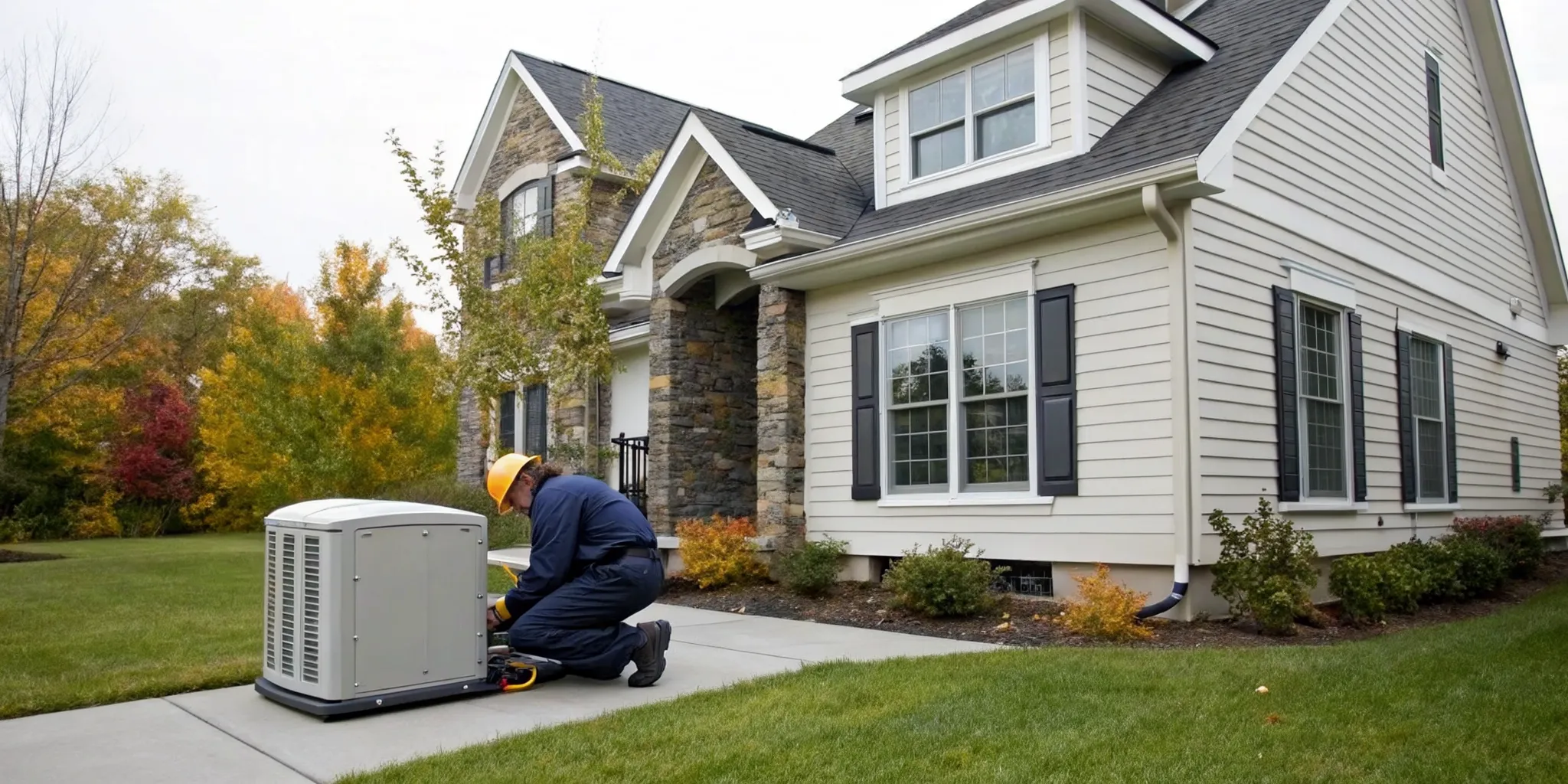
Don’t let your generator’s silence fool you. Just because it rarely runs doesn’t mean it’s ready to go. In fact, long periods of inactivity can be tough on the machine. Batteries lose their charge, fuel degrades, and moisture can affect sensitive electrical parts. Your generator’s weekly self-test is a good start, but it doesn’t replace a thorough, hands-on inspection. True readiness comes from consistent, proactive care. Knowing what’s included in a professional plan for generator maintenance in King of Prussia is the first step toward ensuring your system starts without fail.
Key Takeaways
- Prioritize proactive maintenance for guaranteed reliability: Annual service prevents unexpected breakdowns, helps your generator last longer, and is often required to keep your warranty valid.
- Choose certified technicians for proper care: A certified Generac expert has the factory-specific training and tools to service your generator correctly, which protects your investment and ensures your warranty remains intact.
- Select your maintenance team with care: Look for a provider with deep experience, clear service agreements, and positive community reviews to find a reliable partner for your generator’s upkeep.
Understanding Your Home Generator Options
Choosing a generator isn’t just about buying a piece of equipment; it’s about investing in peace of mind for your home and family. When the power grid fails, you want a reliable backup system ready to go. But with so many types on the market, it can be tough to know where to start. The right choice depends on your specific needs—whether you want to keep the entire house running seamlessly or just power a few essential appliances. Understanding the fundamental differences between standby, portable, and inverter models is the first step toward finding the perfect fit for your home in Southeastern Pennsylvania.
Standby, Portable, and Inverter Generators: What’s the Difference?
Generators generally fall into three main categories: standby, portable, and inverter. Each is designed for a different scenario. A standby generator is a permanent, automatic solution for whole-home power. A portable generator offers flexibility for temporary needs and can be moved where you need it most. Inverter generators are a subset of portables known for producing clean, stable power for sensitive devices. Deciding which one is right for you starts with defining what “backup power” means for your household during an outage.
Standby Generators
A standby generator is the ultimate solution for uninterrupted power. These units are permanently installed outside your home, much like a central air conditioning unit, and are connected directly to your home’s electrical panel. The moment an outage is detected, a standby generator automatically turns on, typically within seconds, restoring power to your entire house or just the essential circuits you’ve selected. Because they are a permanent fixture, they require professional residential standby generator installation to ensure they are safely and correctly integrated with your home’s electrical and fuel systems. This hands-off operation means you don’t have to do a thing when the lights go out.
Portable Generators
Portable generators are movable units that you set up manually when you need them. They are a good option for powering specific items temporarily, like a refrigerator and a few lights, or for use on a job site or camping trip. However, they require more hands-on effort during an outage. You’ll need to wheel the generator outside, start it up, and run extension cords to the appliances you want to power. They also require you to store fuel, like gasoline, on hand and to refuel the unit as needed, which can be inconvenient during a prolonged storm.
Inverter Generators
Inverter generators are typically a type of portable generator celebrated for two key features: they are much quieter and they produce “clean” power. This means they generate a steady, stable electrical current that is safe for sensitive electronics like laptops, smartphones, and modern TVs. While they are great for their quiet operation and high-quality power output, they generally have a lower wattage than standby models, meaning they can’t power as many large appliances at once. They are an excellent choice for recreational activities or for powering a few delicate devices during an outage.
Common Fuel Types for Generators
The fuel source is one of the most important aspects of a generator, affecting its convenience, run time, and maintenance needs. Generators can run on several different fuels, including natural gas, propane, gasoline, or diesel. Each type has its own set of benefits and considerations, from the ease of a continuous fuel supply to the logistics of storing fuel safely on your property. For homeowners, the choice often comes down to what’s most reliable and accessible, especially during an emergency.
Natural Gas and Propane
Natural gas and liquid propane are the preferred fuel sources for standby generators because they offer unmatched reliability. If your home is already connected to a natural gas line, your generator can be hooked up to it for a continuous, virtually unlimited fuel supply—no refueling required. For homes without access to natural gas, a large propane tank can be installed to power the generator for days or even weeks. Both fuels burn cleaner than gasoline or diesel and are a key feature of dependable Generac generators, providing a hassle-free experience when you need it most.
Gasoline and Diesel
Gasoline and diesel are the most common fuels for portable generators. Gasoline is widely available but has a relatively short shelf life and requires careful storage with stabilizers to prevent it from degrading. Diesel is more fuel-efficient and stable for long-term storage but can be less accessible for residential users. Both options require you to keep a significant amount of fuel on hand and to venture out to refuel during an extended outage, which may not be safe or practical during severe weather.
Key Factors to Consider Before You Buy
Before you make a final decision, there are a few critical factors to weigh. Beyond the type and fuel source, you’ll need to think about your home’s specific power requirements, where the generator will be located, and what’s involved in its installation and upkeep. Taking the time to consider these elements will ensure you select a generator that not only meets your needs during an outage but also fits your budget, property, and lifestyle for years to come.
Calculating Your Power Needs (Wattage)
One of the most important steps is to make sure the generator has enough power, or wattage, to run everything you need. Start by making a list of essential items you can’t live without during an outage, such as your refrigerator, sump pump, well pump, furnace, and any critical medical equipment. Then, consider the conveniences you’d like to have, like lights, a microwave, or your home office. A professional can perform a load calculation to determine the exact size generator you need, ensuring you have enough power without overspending on a unit that’s larger than necessary.
Noise Levels and Local Regulations
Generators produce noise, and some are much louder than others. While inverter generators are known for being the quietest, modern standby generators are also engineered with sound-dampening enclosures to keep noise levels to a minimum, often comparable to a standard central air conditioner. It’s always a good idea to check for any local ordinances or HOA rules regarding noise levels and required distances from property lines. A professional installer will be familiar with these regulations and can help you choose the perfect spot for your new generator.
Installation and Maintenance Requirements
While you can set up a portable generator yourself, a standby generator requires professional installation. This is not a DIY project, as it involves complex connections to your home’s electrical system and fuel lines, which must be handled by a licensed technician to ensure safety and compliance with local codes. Just as important as the initial setup is the ongoing care. All generators need regular service to perform reliably. A comprehensive generator maintenance plan will keep your investment protected and ready to work flawlessly the moment you need it.
What’s Included in a King of Prussia Generator Maintenance Plan?
When you invest in a generator, you’re really investing in peace of mind. To make sure that peace of mind is there when you need it, your generator needs regular care. Think of it like your car or your home’s heating system; it’s a complex machine that requires routine check-ups to perform reliably. Professional generator maintenance is more than just a quick look-over. It’s a comprehensive service designed to keep your unit in top condition for any power outage.
A typical maintenance visit involves a detailed inspection of the entire system, from the engine to the electrical connections. A certified technician will follow a multi-point checklist to ensure every component is working as it should. They’ll address minor issues on the spot and alert you to any potential problems that might need attention down the road. This proactive approach not only ensures your generator will start when the lights go out but also extends its operational life, protecting your investment for years to come. It’s the single best thing you can do to guarantee your generator is ready for action.
Your Yearly Inspection and Tune-Up
An annual inspection is like a yearly physical for your generator. It’s a thorough, hands-on review where a technician examines all the critical systems. During this tune-up, they will check fluid levels, inspect belts and hoses for wear, clean the enclosure, and verify that all safety features are functioning correctly. This yearly visit is your best opportunity to catch small issues before they turn into major, costly repairs during a storm. By having a professional from our team perform a tune-up, you ensure your generator runs efficiently and is ready to provide reliable power all year long.
Annual Cleaning and Air Filter Changes
It might not be the first thing you think of, but keeping your generator clean is essential for its performance. Throughout the year, the enclosure can accumulate dust, leaves, and even become a home for pests, all of which can restrict airflow and lead to overheating. That’s why a thorough cleaning is a standard part of any annual service. Equally important is replacing the air filter. Think of it as your generator’s lungs—a clogged filter makes the engine struggle, which burns more fuel and causes extra wear. During a professional maintenance visit, our certified technicians will swap out the old filter for a new, genuine Generac part, helping your generator run efficiently and reliably for years to come.
The Importance of Clean Oil and Filters
Just like your car’s engine, your generator’s engine needs clean oil and filters to operate properly. Over time, engine oil breaks down and collects debris, which can cause friction and damage to internal components. Similarly, air and oil filters get clogged with dirt, restricting flow and reducing the engine’s efficiency and power. During a maintenance visit, a technician will change the oil, replace the oil filter, and install a new air filter. This simple but essential service is fundamental to your generator’s health, ensuring the engine runs smoothly and lasts for many years.
Service Frequency Based on Usage Hours
Your annual inspection is the foundation of good generator care, but it’s not the whole story. The real driver of your maintenance schedule is usage. If your generator runs frequently due to storms or extended outages, it will need attention more often than just once a year. Think of it in terms of milestones: plan on changing the engine oil every 50 to 60 hours of use to keep everything running smoothly. After about 100 hours, it’s time to replace the spark plugs. Staying on top of these intervals is key to preventing unnecessary wear and protecting your engine. A certified technician can track these hours for you during a generator service visit, taking the guesswork out of keeping your unit ready for anything.
Testing the Battery and Electrical System
A dead battery is one of the most common reasons a generator fails to start. That’s why a thorough check of the battery and electrical system is a core part of any maintenance plan. A technician will test the battery’s voltage, clean any corrosion from the terminals, and ensure the connections are tight. They will also inspect all the wiring and electrical components for any signs of wear or damage. This detailed check confirms that your generator has the power it needs to start up instantly when an outage occurs, giving you confidence that it won’t fail you when you need it most.
Making Sure Your Transfer Switch Works
The automatic transfer switch is the brain of your standby generator system. It’s the device that detects a power outage, disconnects your home from the utility grid, and signals the generator to start. During a maintenance visit, a technician will test the transfer switch to confirm it’s working correctly. This test simulates a power outage to ensure the switch operates smoothly and transfers the electrical load seamlessly. It’s a critical check that verifies your entire Generac generator system is functioning as a cohesive unit, ready to restore power to your home automatically.
Ready for Emergency Repairs, Day or Night
Even with consistent maintenance, unexpected issues can sometimes arise. That’s why it’s important to have a reliable team you can call for urgent problems. A comprehensive service provider offers more than just scheduled tune-ups; they also provide prompt and professional generator service and repair. Whether your generator fails its weekly self-test or you notice an unusual noise, having access to emergency support gives you an extra layer of security. Knowing an expert technician is just a phone call away ensures any problem can be diagnosed and fixed quickly, restoring your generator to full function.
Why Your Generator Needs Regular Maintenance
Think of your standby generator like the emergency goalie on a hockey team. It spends most of its time waiting on the sidelines, but when the moment comes, its performance has to be flawless. Investing in a generator is the first step toward peace of mind during a power outage; regular maintenance is what guarantees it.
Skipping routine service can turn your reliable backup power source into an expensive question mark. Small, preventable issues can become major failures right when you need your system the most. Consistent care ensures your generator is always ready to perform, protects its intricate components from premature wear, and keeps your home or business running without interruption. It’s the most effective way to safeguard your investment and ensure your generator is ready for any emergency.
Prevent Power Outages Before They Happen
The worst time to discover a problem with your generator is during a power outage. Regular maintenance is designed to prevent this exact scenario. During a service appointment, a technician can spot and fix minor issues, like a weak battery, a dirty filter, or a worn-out spark plug, before they can cause a complete system failure. Because a generator sits idle for long periods, these components can degrade without any obvious signs. A professional inspection ensures every part is ready to work in unison the moment the power goes out, giving you confidence that your Generac service and repair plan is keeping you prepared.
Get More Years Out of Your Generator
A standby generator is a major home appliance, and like your HVAC system or vehicle, it needs routine care to last. With proper maintenance, a generator can provide reliable power for 15 to 25 years. Without it, that lifespan can be cut by more than half. Regular oil changes, filter replacements, and system tests reduce stress on the engine and prevent the buildup of damaging contaminants. By keeping your unit in top condition, you protect your investment and delay the need for a costly replacement. Consistent upkeep ensures your Generac generator remains a long-term asset for your home’s security and comfort.
Protect Your Investment and Increase Home Value
A standby generator is a significant upgrade to your home, much like a modern kitchen or a new roof. It’s a feature that adds real value by providing security and convenience, which are major selling points for any property. But that value is directly tied to its reliability. A well-cared-for generator is a powerful asset; a neglected one can be a liability. Regular, professional generator maintenance is what protects your initial investment and ensures it continues to contribute to your home’s worth. By keeping your system in peak condition, you’re not just guaranteeing it will work during an outage—you’re preserving a key feature that makes your home safer, more functional, and more appealing to future buyers.
Keep Your Manufacturer’s Warranty Valid
Many homeowners don’t realize that most manufacturer warranties, including Generac’s, require proof of regular professional maintenance. Neglecting annual service can void your warranty coverage. If a major component fails, you could be left paying for expensive repairs out-of-pocket that would have otherwise been covered. Keeping a documented service history with a certified technician is the best way to protect your warranty and your wallet. Think of it as a simple requirement to ensure your investment is fully protected. Following a consistent Generac maintenance schedule is the key to keeping your coverage intact.
Stay Powered On Through Any Storm
Ultimately, the reason you invested in a generator is for security and peace of mind during an outage. Regular maintenance is what turns that hope into a guarantee. Knowing that your system has been professionally inspected, tested, and tuned up means you can face any storm or grid failure with confidence. You won’t have to wonder if the generator will start; you’ll know it will. This reliability is essential for keeping your lights on, your refrigerator cold, and your family safe and comfortable. It solidifies the value of your residential standby generator installation by ensuring it’s always ready to do its job.
Essential Generator Safety Guidelines
Operating a generator is about more than just flipping a switch; it’s about managing a powerful piece of equipment safely. While modern standby generators are designed with numerous safety features, understanding the fundamental guidelines for operation is crucial for every owner. Following best practices not only protects your investment from damage but, more importantly, ensures the safety of your home and family. From managing the electrical load to handling fuel correctly, these safety principles are non-negotiable. They are the foundation of reliable and secure backup power, ensuring that your generator is a source of comfort, not a cause for concern, during an outage.
The 80% Rule for Optimal Performance
One of the most important guidelines for generator health is the “80% rule.” This principle advises against running your generator at its maximum power capacity for extended periods. Instead, you should aim to keep the load at or below 80% of its total output. Think of it like driving your car; you wouldn’t keep the engine redlining for hours. Consistently pushing your generator to its limit can cause it to overheat, reduce its fuel efficiency, and lead to premature mechanical wear. By following the 80% rule, you ensure more stable operation and a longer life for your equipment. Proper sizing during your residential standby generator installation is key to making this manageable.
Critical Safety Warnings for Generator Operation
Beyond performance, several critical safety warnings apply to all types of generators. These rules are designed to prevent the most common and dangerous hazards, including carbon monoxide poisoning, fires, and electrical shocks. While professionally installed standby units have built-in safeguards, portable generators require extra vigilance from the operator. Understanding these risks and knowing how to mitigate them is a fundamental responsibility of generator ownership. Adhering to these warnings ensures that your backup power system operates as a safe and reliable asset, protecting your property and everyone in it when you need it most.
Carbon Monoxide Risks with Portable Units
The single most critical danger associated with portable generators is carbon monoxide (CO), a colorless, odorless gas that can be lethal. Because of this, you must never operate a portable generator inside your home, garage, basement, or any enclosed or even partially enclosed space. Always place the unit outdoors, at least 20 feet away from all doors, windows, and vents to prevent exhaust fumes from entering your home. Installing CO alarms in your home is another essential layer of protection. This is a non-negotiable rule that ensures your family’s safety while you power essential items.
Proper Fuel Storage and Refueling
Safe fuel handling is essential to prevent fires and explosions. Always store fuel in an approved container in a cool, well-ventilated area away from your home and any potential heat sources, like a water heater or furnace. When it’s time to refuel your generator, the most important step is to turn it off and let it cool down completely. Spilling fuel on a hot engine can ignite instantly. This simple precaution is one of the easiest ways to prevent a dangerous accident. Regular generator maintenance also includes checking the fuel system for leaks or degradation, adding another layer of safety.
Protecting Your Sensitive Electronics
While a generator restores power, that power can sometimes experience fluctuations or surges that may damage sensitive electronics like computers, smart TVs, and modern appliances. To safeguard your valuable devices, it’s a smart idea to connect them through a high-quality surge protector or an uninterruptible power supply (UPS). A UPS provides a buffer of battery power that can smooth out any inconsistencies in the electrical current. This extra step ensures that the power from your Generac generator keeps your devices running without risking damage from unexpected voltage spikes.
Finding the Right Generator Service Plan for You
Making sure your generator is ready to go when the power goes out involves more than just the initial installation. It requires consistent care, but what that care looks like can vary. When you think about generator service, you’re essentially choosing between proactive maintenance and reactive repairs. Proactive maintenance is all about preventing problems before they start, while reactive service addresses issues as they pop up. Neither approach is necessarily wrong, but one is far more likely to give you reliable power and peace of mind during a storm.
Your decision will likely come down to a few key factors: how often your area loses power, how critical an uninterrupted power supply is for your family or business, and your budget. For some, scheduling service only when something seems off might feel sufficient. For others, the security of knowing a professional has recently inspected and tuned up their system is non-negotiable. It’s similar to how you care for your car; you can wait for the check engine light, or you can get regular oil changes to keep it running smoothly. Understanding the different service models available helps you make an informed choice that protects your investment and ensures your generator is a reliable asset, not a potential headache. Let’s look at the specific options you can choose from to keep your power on.
Is an Annual Maintenance Plan Worth It?
Think of an annual maintenance plan as a health and wellness program for your generator. This proactive approach is the single best way to ensure your generator works perfectly when you need it. Regular check-ups can significantly extend its lifespan, helping it run reliably for years to come. A well-maintained unit is also more efficient, which can save you money on fuel over time. Plus, most manufacturers require proof of regular service to keep your warranty valid. A generator maintenance plan takes the guesswork out of upkeep, giving you confidence that your investment is protected and ready for any outage.
Understanding the Factors That Influence Maintenance Costs
While the cost of a maintenance plan is a practical consideration, it’s helpful to see it as an investment in reliability rather than just an expense. Several factors can influence the price, such as the size and model of your generator and the specific services included in the plan. However, the cost of proactive care is almost always less than the cost of an emergency repair during a major storm. Regular service helps your generator run efficiently and can extend its lifespan by years, saving you from a premature replacement. More importantly, many homeowners don’t realize that manufacturers, including Generac, often require documented annual service to keep the warranty valid. Skipping maintenance could leave you responsible for the full cost of a major failure, making a consistent service plan a smart financial decision that protects your investment and ensures your generator service and repair needs are covered.
Annual Plan vs. One-Time Service: Which Is Better?
You can always call for a one-time service visit when you notice an issue, but an ongoing plan offers a more structured approach. A single visit is great for addressing a specific problem, but it’s reactive. An annual plan, on the other hand, is proactive. It involves scheduled inspections and tune-ups designed to catch small issues before they become major, expensive problems. While a one-time generator service and repair call solves the immediate need, an ongoing plan provides consistent care that prevents those emergencies from happening in the first place, ultimately saving you stress and money down the road.
How to Tailor a Plan to Your Needs
Your generator’s maintenance needs aren’t necessarily the same as your neighbor’s. The right service plan for you depends heavily on how often you use your generator. If your area experiences frequent power outages or if your generator runs for extended periods, it will need more frequent attention. Parts like oil, filters, and spark plugs wear out faster with heavy use. A good service provider will work with you to tailor a plan that matches your specific situation, ensuring your system gets the right level of care. This is especially important after a new residential standby generator installation to start things off on the right foot.
Flexible Financing for Your Peace of Mind
Investing in a quality generator and its upkeep is a significant decision, but it doesn’t have to be a financial strain. Many homeowners are surprised to learn that flexible financing options are available for both new installations and ongoing maintenance plans. These programs are designed to make reliable backup power more accessible by breaking down the cost into manageable monthly payments. Exploring Generac financing can be a smart way to get the protection you need for your home without disrupting your budget, allowing you to prioritize safety and security.
Does Your Generac Generator Need Specialized Care?
Your Generac generator is a powerful and complex machine designed to protect your home or business during a power outage. While it’s built for reliability, it’s not a “set it and forget it” appliance. Just like your car, it requires specific attention from professionals who understand its unique mechanics. Generic engine knowledge isn’t enough. Generac systems have intricate electrical components, transfer switches, and software that all need to work together perfectly. Giving your generator specialized care ensures it will be ready to perform exactly when you need it most, without any hesitation.
Why So Many Homeowners Trust Generac
When you start looking into home generators, you’ll notice one name keeps coming up: Generac. There’s a good reason for that. In fact, seven out of ten homeowners who choose a home backup generator pick Generac. This isn’t just a trend; it’s a reputation built over decades. Since they first introduced affordable home standby generators in 1959, Generac has become the go-to for reliable power. This widespread trust comes from knowing you’re getting a product designed specifically to provide security and peace of mind when you need it most. That reliability is upheld by a network of certified experts who manage every step, from a seamless residential standby generator installation to ongoing care, ensuring your system is always ready.
What to Expect from a Generac Service Call
Think of Generac service as a comprehensive health check-up for your generator. It’s more than just a quick oil change. A proper service appointment involves a detailed inspection of the entire system, from the engine to the electrical connections. Technicians will check fluid levels, replace oil and air filters, inspect spark plugs, and test the battery. They also run diagnostic tests to check for any error codes and verify that the unit is communicating correctly with the automatic transfer switch. This proactive Generac maintenance is designed to catch small issues before they become major problems, ensuring your generator runs efficiently and reliably for years.
Why a Certified Generac Tech Matters
Choosing a certified technician is one of the most important things you can do for your generator. First, it protects your investment. Many manufacturer warranties require that all service be performed by an authorized dealer. Using an uncertified mechanic could void your warranty, leaving you responsible for expensive repairs. Second, certified technicians have received factory-specific training directly from Generac. They have the right tools, diagnostic equipment, and access to genuine parts. This expertise means they can provide top-tier generator service and repair, correctly identifying and fixing issues to keep your system in optimal condition. It’s the best way to guarantee your generator is always ready to go.
How to Choose the Right Generator Maintenance Team
Choosing the right team to care for your generator is just as important as picking the generator itself. This is the group of people you’ll rely on to keep your power on during a storm, so you want to know you’re in good hands. Think of it as a long-term partnership. You’re not just looking for a quick fix; you’re looking for a reliable expert who understands your system and is committed to its performance for years to come. A great maintenance team provides peace of mind, ensuring your investment is protected and ready to work the moment you need it.
When you start your search, focus on a few key areas: the team’s experience, the clarity of their maintenance plans, their reputation within your community, and how they answer your questions. A trustworthy company will be transparent in all these aspects. They should have a proven track record, offer straightforward service agreements, and have positive feedback from your neighbors. The right partner will make you feel confident and prepared for any outage, knowing your generator is in the hands of true professionals. The relationship you build with our team is the foundation of reliable backup power.
Look for Proven Experience and Certifications
When it comes to your generator, experience is non-negotiable. You want a team that has worked on a wide range of systems and has seen just about every issue that can arise. More importantly, look for technicians who are certified to work on your specific brand. For Generac owners, this means finding a certified Generac dealer. This certification is more than just a title; it means the technicians have received specialized training directly from the manufacturer. They know the equipment inside and out and use genuine parts for any repairs. This ensures your Generac service and repair is done correctly, maintaining your system’s integrity and warranty.
Ask What’s Included in the Maintenance Plan
A good maintenance plan is clear, comprehensive, and proactive. Before signing up, ask for a detailed breakdown of what’s included. A standard plan should cover at least one annual visit where a technician performs a thorough inspection, changes the oil and filters, checks the battery, and tests the transfer switch. The goal is to catch small issues before they become major problems during a power outage. Be wary of vague plans that don’t specify the services provided. A reputable company will offer a transparent generator maintenance agreement so you know exactly what to expect and can rest easy knowing your generator is always ready.
See What Your Neighbors Are Saying
What are your neighbors saying? Local reviews are an invaluable resource for gauging a company’s reliability and customer service. While a company’s website can tell you a lot, testimonials from people in your community provide an unfiltered look at their performance. Look for consistent feedback about professionalism, punctuality, and expertise. Are technicians respectful of the customer’s property? Do they communicate clearly and solve problems effectively? A strong reputation in your service area is a powerful indicator that you’re choosing a team that values its customers and stands behind its work. It shows they are a trusted part of the community.
Questions to Ask Before You Hire a Pro
Feeling prepared to talk to a potential service provider can make all the difference. Don’t hesitate to ask direct questions to ensure they’re the right fit for you. Start with the basics: “Are you a certified Generac technician?” and “How long have you been servicing generators in this area?” Then, get into the specifics of their service: “What exactly is included in your annual maintenance plan?” and “What is your typical response time for an emergency repair call?” It’s also wise to ask about logistics, such as whether they offer flexible payment or Generac financing options. The answers will help you build confidence and make a well-informed decision.
Related Articles
- Commercial Generator Installation: King of Prussia Guide
- Generator Installation & Electrician in King of Prussia | M.T. Ruhl Electrical
- PA Generator Installation & Service | Trusted Generac Dealer
- Generac Generator Maintenance | M.T. Ruhl in SEPA
- Generac Generator Maintenance in SEPA | M.T. Ruhl Electrical
Frequently Asked Questions
How often does my generator really need professional maintenance? For most residential standby generators, a professional inspection once a year is the standard. Think of it as an annual physical for your system. This yearly visit is the best way to ensure all the components are in top shape, fluid levels are correct, and the battery is strong. It gives a technician the chance to catch small issues before they can cause a failure during a storm, ensuring your generator is ready to perform reliably all year long.
Can I perform some of the maintenance tasks myself? While it might be tempting to handle some basic upkeep yourself, a standby generator is a complex piece of equipment with interconnected electrical and mechanical systems. Professional maintenance covers critical tasks that go beyond a simple visual check, like testing the automatic transfer switch and running system diagnostics. Using a certified technician ensures the job is done correctly and safely, and it’s also necessary to keep your manufacturer’s warranty intact.
What’s the biggest risk of skipping my annual generator service? The most significant risk is that your generator might not start when you need it most. Small, hidden issues like a weak battery, a clogged filter, or a worn-out spark plug can lead to a complete system failure during a power outage. Beyond that, neglecting professional service can also void your manufacturer’s warranty, potentially leaving you to pay for major repairs out of your own pocket.
Is an annual maintenance plan better than just calling for service when I need it? An annual plan is a proactive approach designed to prevent problems, while only calling for service is reactive. With a plan, you get scheduled tune-ups that keep your generator in optimal condition, reducing the likelihood of an unexpected breakdown. This preventative care is often more cost-effective in the long run and saves you the stress of trying to find an available technician during a widespread power outage.
Why is it so important to use a certified Generac technician? Using a certified Generac technician guarantees that the person working on your generator has received specialized, factory-level training. They understand the specific mechanics and software of your system, use genuine Generac parts for repairs, and have the proper diagnostic tools to do the job right. This expertise not only ensures high-quality service but is also a key requirement for keeping your Generac warranty valid.