Budgeting for a major home improvement project can feel daunting, especially when you’re not sure what to expect. When it comes to a generator, the final price is more than just the unit; it’s a complete system tailored to your home. The true standby generator installation cost is influenced by many variables, including the size of your home, the age of your electrical panel, and even the location you choose for the unit. Our goal is to demystify this process for you. We’ll explore each cost factor in detail, helping you understand what goes into a professional quote and empowering you to plan effectively for this important upgrade.
Key Takeaways
- Look beyond the generator’s price tag: The total installation cost is influenced by several key factors, including the generator’s size, your home’s existing electrical system, and the location chosen for the unit.
- A professional installation is non-negotiable: Hiring a certified technician is essential for a safe, code-compliant setup that protects your home and keeps your manufacturer’s warranty intact. This ensures all electrical and fuel connections are handled correctly.
- Plan for the full cost of ownership: A complete budget accounts for the initial installation, which can often be managed with financing, and the predictable ongoing costs of annual maintenance to ensure your generator runs reliably for years.
What Factors Influence Generator Installation Costs?
When you start looking into a standby generator, you’ll quickly realize the final price is more than just the cost of the unit. Several key factors contribute to the total investment, and they can vary quite a bit from one home to the next. Understanding these elements will help you get a clearer picture of your project’s budget and ensure there are no surprises along the way. From the size of the generator to the specific layout of your property, each piece plays a role in the final cost of a safe and reliable installation.
Generator Size and Power
The first major factor is the size of the generator itself, which is measured in kilowatts (kW). The right size for you depends entirely on what you want to power during an outage. Are you looking to keep just the essentials running, like your refrigerator, a few lights, and your furnace? Or do you want the peace of mind that comes with powering your entire home, including the air conditioning and all your appliances? A larger, more powerful Generac generator capable of running everything will naturally come with a higher price tag than a smaller unit designed to cover only the critical circuits.
Your Generator’s Fuel Source
Your generator needs fuel to run, and the type you choose impacts the installation cost. Most home standby generators run on either natural gas or liquid propane (LP). If your home is already connected to a natural gas line, this is often the more convenient option, providing a continuous fuel supply without needing refills. If you don’t have access to natural gas, liquid propane is a great alternative. However, it requires a dedicated storage tank on your property. The cost of installing a new propane tank or running a new gas line to the generator’s location will be factored into your overall project budget.
Site Prep and Installation Complexity
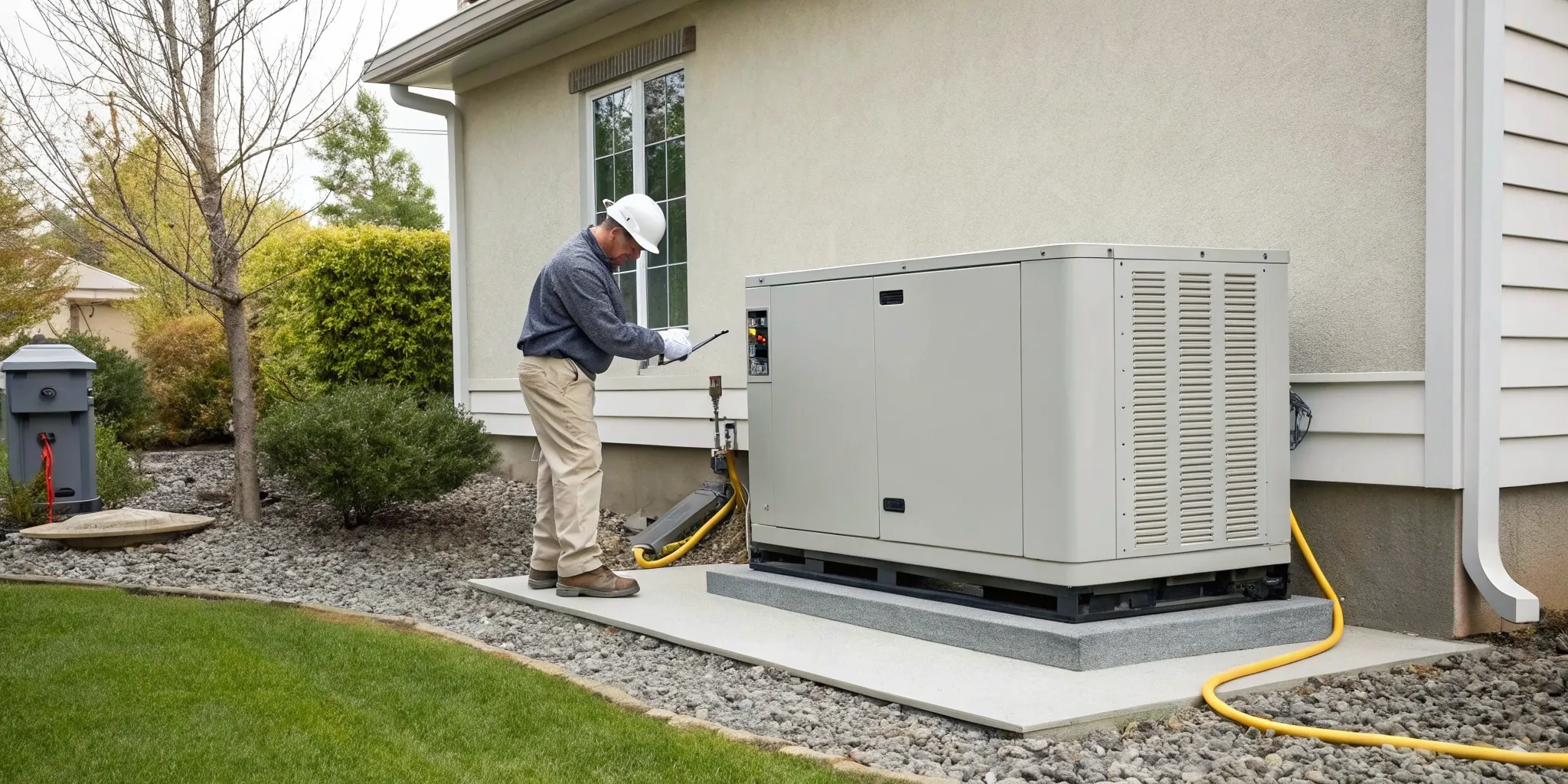
Where the generator will live on your property also plays a big part in the cost. The ideal spot is a flat, stable surface that’s close to both your gas line and your electrical meter. If the chosen location is on a slope, far from your utilities, or difficult to access, more work will be needed. This can include grading the land, trenching for longer utility lines, and pouring a concrete pad to create a secure, level base for the unit. A straightforward residential standby generator installation on an easy-to-access site will be less complex and more cost-effective.
Required Electrical Work
Connecting the generator to your home’s electrical system is a critical step that requires a licensed electrician. The complexity of this work directly affects the cost. Every installation requires an automatic transfer switch, which is the device that safely disconnects your home from the grid and switches it to generator power during an outage. Depending on the age and capacity of your home’s main electrical panel, you might need an upgrade to handle the generator’s load. Any additional wiring or sub-panels will also add to the final price of your installation.
Understanding Costs for Different Generator Sizes
The single biggest factor in your generator’s price tag is its size, which is measured in kilowatts (kW). Think of kilowatts as the unit’s power output. The more appliances and systems you want to run during an outage, the more kilowatts you’ll need, and the higher the initial investment will be. Choosing the right size is all about balancing your specific needs with your budget. A certified technician can perform a load calculation to determine exactly how much power your home requires, but it helps to go into that conversation with a general idea of what you want.
Are you looking to simply keep the essentials like your fridge, freezer, and sump pump running? A smaller unit might be perfect. Or do you want to maintain a sense of normalcy by also powering your air conditioner and other conveniences? A mid-sized generator is often the ideal solution for many families. For those with larger homes, home-based businesses, or medical equipment that requires constant power, a large, whole-home generator provides complete and seamless peace of mind. Understanding these different tiers is the first step in planning your project and budget. Below, we’ll break down the common generator sizes to give you a clearer picture of what to expect for your home.
Small Home Generators (10-16 kW)
If your goal is to simply keep the lights on and the essentials running, a smaller generator is a fantastic choice. These units are designed to power critical appliances like your refrigerator, freezer, sump pump, and a few key circuits for lights and outlets. They provide essential peace of mind without the investment of a whole-home system. For many homeowners, this is the perfect entry point into backup power, ensuring your family stays safe and your food stays fresh during an outage. A professional can help you determine if a smaller unit is the right fit for your residential standby generator installation.
Mid-Sized Home Generators (17-24 kW)
This range is often the sweet spot for homeowners in our area. A mid-sized generator can handle all the essentials plus several high-power appliances, like your central air conditioner, electric water heater, or well pump. This means you can maintain a strong sense of normalcy and comfort, even during a prolonged outage. Because they offer a great balance of power and value, these are some of the most popular Generac generators we install. You won’t have to pick and choose which circuits to keep on; you can simply live your life without interruption.
Large Home Generators (25+ kW)
For those who want seamless, whole-home power, a large generator is the ultimate solution. These powerful units are built to handle the electrical load of a large house, including multiple HVAC systems, electric ranges, and all your lights and electronics, all at the same time. This is the best option if you have essential medical equipment, run a business from home, or simply don’t want to compromise on comfort and convenience. A large-scale project often has needs similar to a commercial generator installation, ensuring every circuit in your home is covered.
What Other Costs Should You Plan For?
When you’re budgeting for a standby generator, it’s easy to focus on the price of the unit itself. But the total investment includes several other essential components and services that ensure your generator is installed safely, legally, and correctly. Think of it like buying a car; the sticker price is just the starting point. You still have to account for taxes, registration, and insurance. Similarly, a residential standby generator installation involves more than just placing the unit in your yard. From securing the right permits and preparing the site to handling the complex electrical and fuel line connections, these additional costs are not “extras.” They are necessary parts of a professional and reliable setup that will protect your home and family for years. Understanding these factors ahead of time helps you create a realistic budget and avoid any surprises down the road. It’s about making a smart, long-term investment in your home’s security and comfort. A proper installation ensures your generator will be ready to perform exactly as you expect the moment the power goes out, without any hiccups or safety concerns.
Permits and Inspections
Before any work begins, we have to handle the paperwork. Most towns and municipalities require permits for a generator installation. This isn’t just red tape; it’s a crucial step that ensures your new system meets all local safety codes and regulations. The permit process involves submitting plans for review and scheduling inspections at key stages of the installation. While it adds to the overall cost, it gives you peace of mind knowing that the work is done to the highest safety standards. A professional installer, like our team at M.T. Ruhl, will manage the entire permitting process for you, making sure everything is filed correctly and all inspections are passed.
Concrete Pad and Site Prep
A standby generator is a heavy piece of equipment that needs a solid, level foundation to operate correctly and safely. This usually means installing a concrete pad or a specialized composite base. Proper site preparation is key. We need to choose a location that meets code requirements for distance from windows, doors, and vents, while also being accessible for future maintenance. The cost for this step includes the labor and materials to create the base and prepare the ground, ensuring your generator has a stable home for years to come. This foundational work prevents shifting and vibration, protecting your investment and ensuring reliable performance.
Gas Line Installation
Your generator needs fuel to run, and connecting it to your home’s natural gas or propane supply is a major part of the installation. If you already have a gas line nearby, the connection might be straightforward. However, if a new line needs to be run from your meter or propane tank to the generator’s location, this can be a more involved process. The cost will depend on the distance the line needs to travel and the complexity of the plumbing work required. This work must be done by a qualified professional to ensure there are no leaks and that the fuel supply is sufficient to power the generator under full load.
Transfer Switch and Panel Upgrades
The magic of a standby generator is the automatic transfer switch (ATS). This device is the brain of the system, constantly monitoring utility power. When it detects an outage, it automatically disconnects your home from the grid and switches it to generator power. When the utility power returns, it switches you back. The ATS is a critical component, and its installation is a key part of the cost. Sometimes, your existing electrical panel may not have enough space or capacity to handle the generator. In these cases, electrician repairs or a panel upgrade might be necessary to safely integrate the new system.
How Your Home’s Electrical System Affects the Price
Your home’s existing electrical setup plays a huge role in the final cost of your generator installation. It’s not just about the generator itself; it’s about how it safely and effectively connects to your home. A professional assessment will uncover the specific needs of your property, but here are the key electrical factors that can influence your budget.
Your Electrical Panel’s Capacity
Think of your electrical panel as the heart of your home’s electrical system. Its capacity determines how much power it can handle. If you want a generator that can power your entire home, including your air conditioner and other large appliances, your panel must be up to the task. An older or undersized panel may not have enough space or capacity to support the generator’s load. In these cases, an upgrade is necessary for a safe installation, which will be an added cost to the project. A qualified electrician can perform any needed electrician repairs to prepare your home.
Distance to the Electrical Panel
The location you choose for your generator directly impacts installation costs. The farther the generator is from your electrical panel and gas meter, the more complex the job becomes. A greater distance requires more armored electrical wiring and longer trenches to run the connections underground. This adds to both material and labor costs. During your initial consultation, our team will help you find a suitable spot that is not only compliant with local codes but also mindful of the distance to your home’s utility connections, helping you manage the overall cost of your residential standby generator installation.
Potential Electrical Upgrades
Beyond the panel itself, other electrical components might need attention. Every standby generator requires an automatic transfer switch (ATS). This device is what automatically and safely switches your home’s power source from the grid to your generator during an outage. If your current system isn’t compatible, a new switch and additional wiring will be required. Older homes, in particular, may need more extensive residential electric work to bring wiring up to current safety codes before a generator can be connected, ensuring your entire system operates reliably when you need it most.
Why Generator Placement Matters for Your Budget
Deciding where to place your new generator might seem like a minor detail, but it’s one of the most significant factors impacting your total installation cost. A little strategic thinking here can lead to substantial savings on labor and materials. The ideal spot for your generator is one that balances safety, local regulations, and accessibility. Working with a professional installer ensures you find that perfect location, preventing unexpected expenses and making future upkeep much easier. Let’s look at the key placement considerations that affect your bottom line.
Access to Fuel and Utility Lines
One of the simplest ways to manage installation costs is to minimize the distance between your generator and its essential connections. Placing it closer to your natural gas line and electric meter can save you money on the installation. The shorter the run for new fuel pipes and electrical conduits, the lower your costs for materials and labor will be. A professional team can assess your property to find the most efficient location for your residential standby generator installation, ensuring a clean setup without unnecessary trenching or extensive wiring.
Ease of Access for Future Maintenance
You’ll also want to think about the long-term picture. Your generator needs regular service to run reliably for years to come. Choosing a location that is easy for a technician to access will save you time and money down the road. A stable, well-drained spot with plenty of room for a technician to work is ideal. If your unit is tucked away in a hard-to-reach corner, service appointments could take longer and become more complex. Planning for easy access from the start is a smart move that simplifies every Generac maintenance visit.
Local Codes and Property Lines
Every township has its own rules about where a generator can be installed. These local codes often dictate how far the unit must be from property lines, windows, and other structures. Most towns also require a permit for the electrical work involved. An experienced installer who knows the service areas in Southeastern Pennsylvania will handle the permitting process for you and ensure your placement is fully compliant. This helps you avoid potential fines or the costly headache of having to move the generator after it’s already been installed.
Ventilation and Safety Clearances
Safety is always the top priority. Generators produce carbon monoxide, so proper ventilation is non-negotiable. Your unit must be placed at least five feet away from any windows, doors, or vents to prevent dangerous fumes from entering your home. It also needs adequate clearance from shrubs, fences, and walls to allow for proper airflow and prevent overheating. Factoring these safety clearances into your plan from the beginning ensures your Generac generator operates safely and efficiently, protecting your family and your investment without requiring last-minute, costly adjustments.
Understanding the Costs of a Safe Installation
When you invest in a standby generator, you’re really investing in peace of mind. But that peace of mind only comes when the installation is done right. Cutting corners on installation isn’t just risky for your generator’s performance; it’s a serious safety hazard. The costs associated with a safe, professional installation cover critical components and procedures that protect your home, your family, and your investment. Let’s walk through what those essential safety measures are and why they are non-negotiable.
The Value of Professional Installation
Hiring a certified technician for your residential standby generator installation is the single most important step you can take. A professional ensures your generator operates safely and efficiently, and it also keeps your manufacturer’s warranty valid. Every home is different, and an expert knows how to account for your specific property layout, the distance between the generator and your utility meters, and local code requirements. They handle everything from pouring a stable concrete pad to making the precise electrical and fuel connections. This expertise prevents dangerous mistakes and ensures your generator is ready to perform flawlessly when you need it most.
Carbon Monoxide Safety Measures
A generator’s engine produces carbon monoxide (CO), a colorless and odorless gas that can be lethal. This is why proper placement is a critical safety factor that a professional installer will prioritize. Your generator must be installed outdoors in an area with plenty of ventilation. It also needs to be a specific distance away from any doors, windows, and vents to prevent exhaust fumes from entering your home. A certified technician is trained to identify the safest and most effective location on your property, following both the manufacturer’s guidelines and local safety codes to protect your family from this invisible threat.
The Automatic Transfer Switch
The automatic transfer switch, or ATS, is the component that makes your standby generator truly automatic. When it senses a power outage, the ATS safely disconnects your home from the utility grid and switches it to your generator’s power. This process is seamless, so you might not even notice the switch. More importantly, the ATS prevents dangerous backfeeding, which happens when electricity from your generator flows back into the utility lines. This poses a life-threatening risk to utility workers trying to restore power. Proper installation of the ATS is a complex electrical task that should only be handled by a qualified electrician.
Meeting Code and Passing Inspection
A safe generator installation involves more than just the physical work; it also requires navigating local regulations. Most municipalities require permits for standby generator installations to ensure the work is performed by a licensed contractor and meets all electrical and building codes. A reputable installer, like the team at M.T. Ruhl, will manage the entire permitting process for you. They ensure the project is fully compliant and will pass the final inspection. This process isn’t just about following rules; it’s a crucial final check that confirms your generator system is installed correctly and safely for long-term, reliable operation.
Beyond Installation: What Are the Ongoing Costs?
Once your standby generator is installed, the initial investment is complete, but the story doesn’t end there. Think of your generator like a car parked in the garage; you don’t drive it every day, but you expect it to start instantly when you need it. To ensure that happens, it requires a little ongoing attention. These recurring costs are not just expenses; they are an investment in the reliability and longevity of your generator, guaranteeing it will be ready to protect your home during the next power outage.
The good news is that these costs are predictable and manageable, and they prevent surprise repair bills down the road. The main components of ongoing care include a regular maintenance plan, routine replacement of items like oil and filters, and periodic checks of the battery and fuel system. By staying on top of this simple upkeep, you ensure your Generac generator operates efficiently for years to come, providing the peace of mind you bought it for in the first place. Planning for these costs from the beginning helps you create a complete and realistic budget for your home’s energy security, so you’re never caught off guard.
Annual Maintenance Plan
The single best way to protect your investment is with an annual maintenance plan. This is your generator’s version of a yearly check-up and tune-up, designed to catch small issues before they become big problems. During a maintenance visit, a certified technician will perform a comprehensive inspection, including changing the oil and filter, testing the battery, running diagnostic tests, and ensuring all components are in top working order. This proactive approach is crucial for keeping your generator ready to perform at a moment’s notice. A scheduled Generac maintenance plan takes the guesswork out of upkeep and ensures your system is always prepared for an outage.
Routine Oil and Filter Changes
Just like your car’s engine, your generator’s engine relies on clean oil and filters to run smoothly and efficiently. Over time, oil breaks down and filters get clogged with debris, which can strain the engine and reduce its lifespan. Regular oil and filter changes are a fundamental part of generator care. This simple but essential task keeps the engine’s internal parts lubricated, cool, and clean, preventing premature wear and tear. Including this in your annual service schedule ensures your generator’s engine remains in peak condition, ready to handle the demands of a prolonged power outage without missing a beat.
Battery and Fuel System Checks
A generator that won’t start is often the result of a dead battery. Generator batteries typically have a lifespan of two to four years, and their health can be affected by weather and usage. Regular testing is essential to make sure the battery holds a proper charge so it can kickstart the generator when the power grid fails. Similarly, the fuel system needs to be checked to ensure lines are clear and connections are secure. Whether you use natural gas or propane, a clean and unobstructed fuel system is vital for reliable operation. If any issues arise, professional generator service and repair can get your system back on track.
How to Compare Generator Installation Quotes
Getting a few different quotes for your generator installation is a smart move. But once you have them, how do you know which one is the right choice? It’s not always about picking the lowest number. A great quote tells a complete story, showing you exactly what you’re paying for and who you’ll be working with. To make a true apples-to-apples comparison, you need to look beyond the final price and examine the details. A trustworthy contractor will be transparent about every aspect of the job, from the equipment they use to the support they offer after the installation is complete. Let’s walk through the key things to look for in each quote.
A Detailed, Itemized Breakdown
A vague quote is a red flag. Your estimate should be a clear, itemized list that breaks down all the costs. This includes the generator unit itself, the automatic transfer switch (ATS), all labor for the installation, and any necessary permits. Make sure each quote clearly shows everything that’s included in the price so you aren’t hit with surprise fees later. A comprehensive quote demonstrates that the contractor has thoroughly assessed your property and understands the full scope of the project. This level of detail gives you the confidence that you’re getting a complete residential standby generator installation without any hidden costs.
Contractor Licensing and Experience
The person installing your generator is just as important as the generator itself. This is a complex job that involves your home’s electrical and fuel systems, so you want a true professional. When reviewing quotes, check that the company is licensed, insured, and specifically certified to install Generac generators. Don’t be shy about asking for references or examples of their previous work. A reputable installer will be happy to share this information. Choosing a pro ensures the job is done right, your warranty is registered correctly, and all local codes are met. You’re not just buying a machine; you’re investing in the expertise of a professional team to ensure your family’s safety and comfort.
Warranty and Ongoing Support
Your generator is a long-term investment, and your relationship with your installer should be, too. A good quote will clearly outline the warranty information, which typically includes a manufacturer’s warranty on the equipment and a labor warranty from the installer. But what happens after the installation? Ask about ongoing support and maintenance plans. To stay ready for an outage, your generator needs regular service, like oil changes and battery checks. A contractor who offers a comprehensive Generac maintenance plan is committed to keeping your investment running smoothly for years to come, ensuring it’s always prepared when you need it most.
A Clear Project Timeline
Understanding the installation timeline helps you plan accordingly and sets clear expectations. While the hands-on work of installing the generator might only take a day, the entire process is much longer. A professional quote should include a projected timeline that covers everything from the initial site prep and permit applications to the final inspection and system testing. This process can often take a few weeks. A contractor who provides a clear and realistic schedule shows they are organized and respectful of your time. They should be able to explain each step, so you know exactly what’s happening and when, ensuring a smooth and stress-free experience from start to finish.
Smart Ways to Manage Your Installation Budget
A standby generator is a significant investment in your home’s safety and comfort, but that doesn’t mean the cost has to be overwhelming. With some smart planning, you can manage the installation budget effectively without compromising on quality or reliability. It’s all about making informed decisions at each step of the process. By focusing on what you truly need, preparing your property, and understanding your payment options, you can make this important home upgrade feel much more approachable. Let’s look at a few key strategies that can help you keep costs in check while getting the perfect backup power solution for your home.
Select the Right-Sized Generator
One of the most direct ways to manage your budget is to choose a generator that perfectly matches your needs. Generator size is measured in kilowatts (kW), and a larger unit will naturally come with a higher price tag for both the equipment and the installation. Think about what you absolutely need to power during an outage. Do you want to run just the essentials, like your refrigerator, freezer, and a few lights? Or do you need to power your entire home, including the air conditioning? An oversized generator means you’re paying for capacity you’ll never use. A professional assessment can help you find that sweet spot, ensuring you get a reliable residential standby generator without overspending.
Prepare the Installation Site
The location and condition of your installation site can also influence the final cost. Your generator needs a stable, level surface to sit on, which usually means pouring a concrete pad. It also needs clear access for fuel lines and electrical connections. While the technical work should always be left to certified professionals, you can help reduce labor hours by handling simple prep work yourself. Clearing the designated area of any landscaping, debris, or other obstructions ahead of time can make the installation process smoother and more efficient. Discussing the site plan with your installer beforehand will give you a clear idea of what’s needed and what you can do to help prepare.
Explore Your Financing Options
Don’t let the upfront cost of a generator keep you from securing your home’s power. Many homeowners find that financing is the perfect way to make this investment manageable. Instead of a single large payment, you can spread the cost over time with predictable monthly payments that fit more comfortably into your budget. This approach allows you to get the peace of mind you need now without having to wait. We offer flexible Generac financing options to help you find a plan that works for you, making a reliable backup power system more accessible than ever.
Related Articles
- Generac Generator Prices: A 2025 Buyer’s Guide
- Automatic Standby Generator Cost: The 2025 Guide
- Standby Generator Cost: Your Complete 2026 Guide
- Get an Accurate Quote for a Standby Generator
- Commercial Standby Generator Installation Essentials
Frequently Asked Questions
Why can’t I get a simple price quote over the phone? A generator installation is a custom project tailored to your specific home, which is why a simple phone quote isn’t possible. The final cost depends on several unique factors, including the generator size you need, the location of your electrical panel and gas meter, and the current condition of your electrical system. A professional site assessment is necessary to account for these variables and give you an accurate, all-inclusive price without any surprises.
Is a bigger generator always the better choice? Not necessarily. The best generator is one that fits your specific needs and budget. While a large, whole-home unit offers complete coverage, you might only need to power essential circuits like your refrigerator, furnace, and a few lights. Choosing a generator that is too large for your needs means you’re paying for power capacity you won’t use. A professional load calculation will help determine the perfect size for your home, ensuring you get reliable power without overspending.
What are the most common “surprise” costs I should be aware of? The most common costs that people don’t anticipate are related to permits and electrical upgrades. Most towns require permits and inspections to ensure the installation meets safety codes. Additionally, if your home’s main electrical panel is older or lacks the capacity to handle the generator, an upgrade will be necessary. A transparent quote from a professional installer will include these potential costs upfront so you have a clear picture of the total investment.
How long does the entire installation process take from start to finish? While the hands-on installation work at your home might only take a day or two, the complete process is longer. From the initial consultation and signing a contract, we have to order the equipment, file for permits with your township, and schedule the installation. This entire timeline can often take a few weeks, depending on equipment availability and the permit approval process. We will provide a clear and realistic schedule so you know what to expect at every step.
Do I really need to sign up for a maintenance plan after installation? A maintenance plan is the best way to protect your investment and ensure your generator is ready when you need it most. Just like a car, a generator has an engine that requires regular service, including oil changes and battery checks, to run reliably. An annual maintenance plan catches small issues before they become major problems, extends the life of your unit, and gives you confidence that your system will perform perfectly during an outage.