Sure, a generator keeps the lights on during an outage. But what about the details that ensure it works flawlessly every single time? True power security comes from a system that’s perfectly sized for your home, installed with precision, and maintained by experts. It’s the automatic transfer switch that kicks on in seconds and the regular tune-ups that prevent problems before they start. We’ll go beyond the basics to show you what makes a generator system truly dependable and why professional generator service Gladwyne residents need is the key to lasting peace of mind.
Key Takeaways
- Choose the right generator for your home: Your ideal backup power solution depends on your needs. Decide whether you want to power just essential appliances or your entire house to find the right size and type of system for reliable coverage during an outage.
- Consistent maintenance is key to reliability: Keep your generator ready for anything with a simple care routine. Combining monthly self-checks with an annual professional service appointment is the best way to ensure your generator performs flawlessly when you need it.
- Work with a trusted local professional: A generator is only as good as its installation and service. Partner with a licensed and insured local expert who offers comprehensive maintenance and repair plans to protect your investment for years to come.
Finding the Right Home Generator in Gladwyne
When you start thinking about backup power for your home, it’s easy to feel overwhelmed by the choices. The good news is that it really comes down to a few key options, each suited for different needs and priorities. Whether you want to keep your entire home running without a hitch or just power the essentials, there’s a solution that fits. Let’s walk through the main types of generators you can consider for your Gladwyne home.
Power Your Entire Home Automatically
If you’re looking for a seamless, hands-off solution, a whole-home standby generator is your best bet. These units are permanently installed outside your home, much like an air conditioning unit, and are wired directly into your electrical system. The moment a power outage occurs, the generator automatically kicks on, restoring power to your entire house in seconds. You won’t have to lift a finger. This means your lights, appliances, heating and cooling systems, and home office equipment will continue to run without interruption, providing total comfort and security. A residential standby generator installation is the most comprehensive way to protect your home from power failures.
Flexible Power for Specific Needs
For those who need a more flexible or temporary option, a portable generator can be a practical choice. Unlike standby models, these generators are not permanently installed. You can store one in your garage or shed and bring it out when an outage hits. They are designed to power a few essential items by running extension cords to things like your refrigerator, a few lamps, or a phone charger. While they offer a lower upfront investment, they do require manual setup, regular refueling, and can be quite noisy. They are a solid solution for short-term outages but don’t provide the automatic, whole-home coverage of a standby system.
Understanding Different Generator Types
Choosing the right generator comes down to understanding how each type works and what it’s designed to do. The main differences lie in how they are installed, how they operate during an outage, and how much of your home they can power. From fully automated systems that protect your entire house to smaller units for specific tasks, each has its place. Thinking about your specific needs—whether it’s total convenience or just keeping the basics running—will help you decide which option is the perfect fit for your home and lifestyle.
Standby Generators
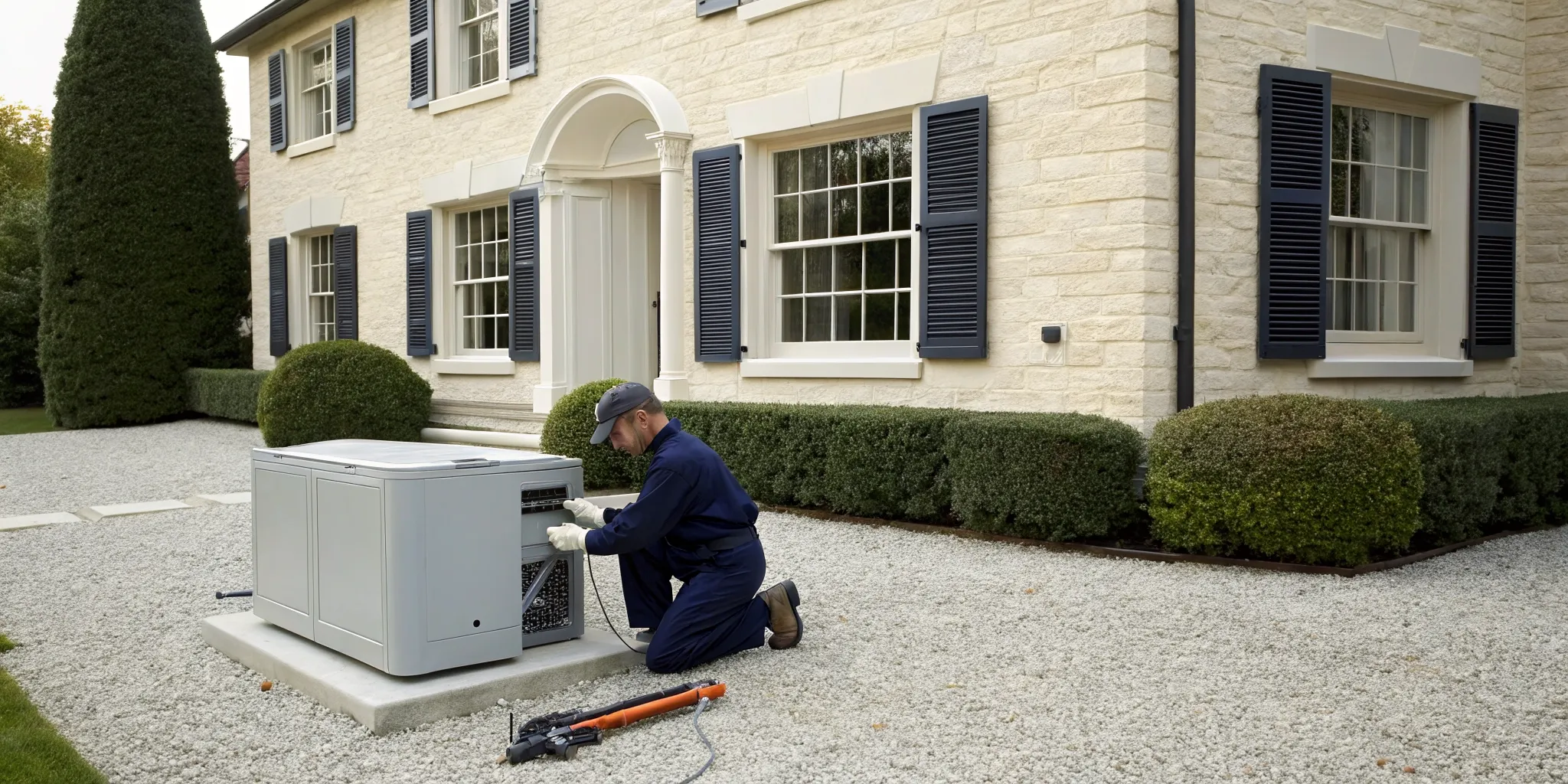
For complete peace of mind, nothing beats a standby generator. These units are permanently installed outside your home and connect directly to your natural gas or propane line, so there’s no need to refuel. The best part is their automatic operation. When the power goes out, a standby generator senses the disruption and turns on by itself within seconds, even if you’re not home. This ensures that critical systems like your sump pump, heater, and refrigerator keep running without interruption. A professional standby generator installation provides a seamless, powerful solution that keeps your entire home comfortable and secure through any outage.
Portable Generators
Portable generators offer a more hands-on approach to backup power. As the name suggests, they can be moved around and are typically stored until an outage occurs. When you need power, you have to manually set them up, start the engine, and run extension cords to essential appliances like your refrigerator or a few lamps. While they are a more budget-friendly option for temporary power, they require active involvement during an outage, including regular refueling. They are a practical choice for powering a few key items but don’t offer the comprehensive, automatic coverage of a standby model.
Inverter Generators
Inverter generators are a specialized type of portable generator known for producing “clean” electricity. This means they provide a stable and consistent power output, which is ideal for sensitive electronics like computers, smartphones, and modern TVs that can be damaged by power fluctuations. They are also significantly quieter and more fuel-efficient than traditional portable generators, making them great for recreational activities like camping or tailgating. While they are perfect for protecting your valuable electronics or for use in noise-sensitive environments, they are designed for smaller power needs and are not intended to back up an entire home.
Keep Your Must-Haves Running
A great middle-ground option is a standby generator that provides essential circuit coverage. This approach gives you the convenience and reliability of an automatic standby system without needing a unit large enough to power your entire house. During installation, you and your technician will identify the most critical circuits you want to keep running during an outage. This typically includes things like your furnace, refrigerator, well pump, and a few key lights or outlets. This targeted approach ensures your home’s essential systems are always protected, offering peace of mind with a more tailored Generac generator solution.
Is a Generac Generator Right for Your Home?
When you start looking for a home generator, you’ll quickly notice one name that comes up again and again: Generac. There’s a good reason for that. For decades, Generac has been a leader in home backup power, building a reputation for quality and dependability. Choosing a generator is a significant investment in your home’s safety and comfort, and you want a solution that you know will work when you need it most.
Generac generators are specifically engineered for residential use, offering a range of options to fit different home sizes and power needs. From keeping a few essential circuits running to powering your entire house, there’s a model designed to handle the job. For homeowners in Gladwyne, where weather can be unpredictable, having a trusted power solution provides invaluable security. It’s about more than just keeping the lights on; it’s about maintaining your daily life without interruption, protecting your property, and ensuring your family stays safe and comfortable no matter what’s happening outside. This commitment to performance is why so many of your neighbors trust Generac to protect their homes. They understand that a reliable generator isn’t a luxury, it’s a core part of a prepared and secure home.
A Reputation for Unfailing Reliability
Generac is one of the most trusted names in standby power, offering automatic, whole-home protection when the grid fails. This trust has been earned through years of consistent performance and a singular focus on backup power technology. Unlike other brands that diversify into many different product lines, Generac specializes in generators. This dedication means every component is designed for durability and long-term reliability. When you invest in a Generac, you’re getting a machine built to withstand the elements and perform on demand. A proper residential standby generator installation ensures it’s integrated perfectly with your home’s electrical system, ready to take over the moment an outage occurs.
Built to Handle Pennsylvania Storms
From summer thunderstorms and hurricane remnants to winter ice storms that can weigh down power lines, Pennsylvania weather keeps us on our toes. Generac generators provide reliable home backup power designed to handle these exact scenarios. They are built with sturdy, all-weather enclosures that protect the internal components from rain, snow, and extreme temperatures. This ensures your generator is ready to run when you need it most. Having this dependable power source gives you long-term peace of mind, knowing your heat will stay on during a blizzard and your sump pump will keep running during a downpour. Regular generator maintenance is key to ensuring it’s always prepared for whatever our local weather brings.
Enjoy Seamless, Automatic Power
One of the best features of a Generac generator is that you barely have to think about it. A Generac generator is always on standby. The moment your home loses power, its automatic transfer switch senses the outage, disconnects from the utility line, and signals the generator to start. Within seconds, it begins supplying electricity directly to your home’s electrical panel. You don’t have to go outside in a storm to start it, run extension cords, or worry about refueling it with gasoline. This seamless transition is especially important if the power goes out while you’re away, asleep, or at work, as it ensures your home’s critical systems continue to operate without interruption.
How Loud Are They, Really?
It’s a common question we hear: will a generator be a noisy nuisance for me and my neighbors? It’s a valid concern, but you might be surprised by how quiet modern standby generators are. A typical Generac home standby unit runs at a sound level similar to a central air conditioner, usually around 66-68 decibels. They are specifically engineered for residential settings, with sound-dampening enclosures that significantly reduce operational noise. This means you get reliable backup power without the disruptive roar you might associate with older, portable models. Plus, a key part of a professional residential standby generator installation is strategic placement, ensuring the unit is located to minimize sound for both your family and your neighbors while meeting all local codes.
Why Invest in a Home Generator?
Investing in a home generator is about more than just keeping the lights on. It’s about creating a reliable sanctuary for your family, ensuring that life continues smoothly, safely, and comfortably, no matter what’s happening outside. When the power grid fails, a home generator steps in to provide security and continuity, protecting your property and your peace of mind. From weathering summer storms to navigating winter freezes, having a dependable power source means you’re always prepared.
Never Worry About a Power Outage Again
There’s nothing worse than being plunged into darkness in the middle of a storm. A standby generator eliminates that worry completely. Unlike portable models that require you to brave the elements for setup, modern Generac generators work automatically. Equipped with an automatic transfer switch, the system constantly monitors your home’s connection to the grid. The moment it detects an outage, it seamlessly disconnects from the utility line and starts the generator, restoring power to your home in seconds. You don’t have to lift a finger. Your daily routine, from movie nights to work-from-home days, can continue without a single interruption.
Safeguard Your Appliances and HVAC
A power outage can do more than just inconvenience you; it can cause real damage to your home. A whole-home generator protects your most critical systems. It keeps your HVAC running, preventing your home from becoming dangerously hot or cold and stopping pipes from freezing in the winter. It also powers your sump pump, which is your first line of defense against a flooded basement. Beyond that, a proper residential standby generator installation ensures your security system, medical equipment, refrigerator, and freezer all remain fully operational. This protects your family’s health, safety, and your financial investment in your home.
Feel Secure, Whatever the Weather
Ultimately, the greatest benefit of a home generator is the profound sense of security it provides. Knowing your home is protected whether you’re there or away on vacation is invaluable. You won’t have to worry about a flooded basement, spoiled food, or frozen pipes while you’re gone. Once installed, your generator works quietly in the background, ready to act when needed. This reliability allows you to stop worrying about the weather forecast and simply enjoy your home. With a plan for regular Generac maintenance, you can trust that your generator will be ready to perform flawlessly whenever the need arises, giving you true peace of mind.
Increase Your Property Value
A standby generator is more than just a piece of equipment; it’s a significant upgrade that can make your home more attractive to potential buyers. Think of it as a powerful selling feature that offers immediate value. When prospective buyers see that a home is already equipped with a reliable backup power system, they see a home that’s been well-cared for and is ready for anything. This built-in security is a major differentiator in the real estate market. A proper residential standby generator installation protects the home’s most critical systems, like the HVAC and sump pump, preventing costly damage that could otherwise deter a sale. It’s an investment in your property that provides not only comfort for you but also a compelling reason for a future owner to choose your home over another.
How to Pick the Perfect Generator Size
Picking the right generator for your home is a big decision, but it doesn’t have to be overwhelming. It’s all about matching the unit to your family’s specific needs and your home’s setup. A generator that’s too small won’t cover your essentials, while one that’s too large can be an unnecessary expense. To find that perfect fit, you’ll want to think through a few key factors. We’ll walk through how to determine your power needs, choose a fuel source, check your home’s electrical system, and find the right spot for installation. Thinking about these details ahead of time ensures you get a reliable power solution that’s ready when you need it most.
First, Calculate Your Power Needs
First things first, let’s figure out exactly what you want to power during an outage. Make a list of your must-haves. Do you need to keep the air conditioning running, power essential medical equipment, or keep your home office online? Don’t forget the basics like the refrigerator, freezer, sump pump, and a few lights. The total power required by these items will determine the size of the Generac generator you need, which is measured in kilowatts (kW). Thinking through your priorities helps ensure you have enough power to maintain comfort and safety without interruption. A professional can help you perform a detailed load calculation to find the precise size for your home.
Next, Consider Your Fuel Source
Next, you’ll need to decide on a fuel source. For standby generators, the most common options are natural gas and liquid propane. If your home already has a natural gas line, that’s often the most convenient choice since the generator has a continuous fuel supply. You’ll never have to worry about refueling. If you don’t have access to natural gas, liquid propane is an excellent alternative. The propane is stored in a tank on your property, which a supplier will refill as needed. Both are reliable, clean-burning fuels that keep your generator ready to run at a moment’s notice.
Natural Gas and Propane
For standby generators, natural gas and liquid propane are the gold standard. Natural gas generators often have the lowest upkeep costs over time. If your home is already connected to a natural gas line, it’s the most convenient option because it provides a continuous fuel supply. You’ll never have to think about refueling, even during a prolonged outage. This hands-off approach is a core benefit of an automatic standby system. If you don’t have access to natural gas, liquid propane is an excellent alternative. It’s stored in a large tank on your property and provides the same reliable, clean-burning power. A professional can help you determine the best fuel solution when planning your residential standby generator installation.
Gasoline and Diesel
Gasoline and diesel are primarily used for portable generators, not the automatic standby systems that protect your whole home. Gasoline is easy to find and works well for short outages, but it requires careful storage as it degrades over time. You also have to manually refuel the generator, which is often the last thing you want to do in the middle of a storm. Diesel is a robust fuel that is efficient for heavy-duty use, but the generators tend to be louder and are more common for commercial applications. While these fuels have their place, they can’t match the seamless, automatic protection you get from a permanently installed Generac generator running on natural gas or propane.
Then, Check Your Electrical Panel
Your generator needs to work in harmony with your home’s electrical system. A standby generator connects to your home through an automatic transfer switch and your main electrical panel. It’s important to make sure your current panel can handle the power from the generator. Some older homes might need electrical panel upgrades to safely manage the connection and distribute power effectively during an outage. A qualified electrician can inspect your system to confirm its compatibility and determine if any updates are needed before your generator is installed, ensuring a safe and seamless transition to backup power.
Finally, Plan the Installation Spot
Where you place your generator is just as important as which one you choose. Safety codes and manufacturer guidelines have specific rules about placement. For example, a generator can’t be installed within five feet of windows or doors that open to prevent exhaust from entering your home. It also needs to be on a stable, level surface with plenty of clearance for airflow and maintenance access. A professional residential standby generator installation team will handle all of these details, finding the perfect spot that is safe, compliant with local regulations, and convenient for your property layout.
Understanding the Full Cost of Ownership
A home generator is a significant investment in your home’s security, and it’s helpful to understand the complete financial picture beyond the initial purchase. The total cost of ownership includes not just the unit and installation, but also the ongoing expenses required to keep it in top condition for years to come. Thinking about these long-term costs upfront helps you budget effectively and ensures there are no surprises down the road. Proper planning and professional support can make managing these expenses straightforward, allowing you to enjoy the peace of mind your generator provides without financial stress. It’s about seeing your generator as a long-term asset and planning for its care accordingly.
Long-Term Operating Costs
Once your generator is installed, its operating costs are primarily driven by fuel and maintenance. These expenses are predictable and essential for ensuring your system is always ready to perform when an outage occurs. The fuel cost will depend on whether your unit runs on natural gas or propane and how often it needs to run during power failures. Maintenance is the other key component, covering routine service that keeps the engine and electrical systems in perfect working order. By understanding these two main areas, you can create a realistic budget for the life of your generator, ensuring it remains a reliable source of backup power for your home.
Maintenance and Replacement Parts
Just like your car, your generator needs regular tune-ups to run efficiently and reliably. A proactive generator maintenance plan is the best way to protect your investment. Over a decade, routine service, oil changes, and filter replacements are standard parts of ownership. These scheduled check-ups prevent small issues from becoming major problems and ensure your generator starts without fail during an emergency. Neglecting this care can significantly shorten the unit’s lifespan, potentially leading to a costly early replacement. Investing in consistent, professional service keeps your generator dependable and ready for any weather.
Fuel and Standby Power Usage
The fuel your generator uses is a key part of its operating cost. Standby generators typically run on natural gas or liquid propane, which are both stable and efficient fuel sources. If your home is connected to a natural gas line, your generator will have an uninterrupted supply, which is incredibly convenient. Homes without natural gas access can use a propane tank, which is refilled as needed. The amount of fuel you use will depend on the size of your generator and how many hours it runs during outages. Modern Generac generators are designed for fuel efficiency, helping to keep these long-term costs manageable while providing robust power.
Factors That Influence Maintenance Costs
Several factors can influence the cost of maintaining your generator over its lifetime. The size and type of your unit play a role, as larger generators may require more resources to service. How often your generator runs also matters; a unit that operates frequently through multiple long outages may need more attention than one that only runs for its weekly self-test cycle. The climate in Southeastern Pennsylvania, with its humid summers and freezing winters, can also impact your system. Adhering to a professional service schedule is the most effective way to manage these variables and prevent unexpected generator service and repair needs, ensuring reliability for years to come.
Planning Your Investment with M.T. Ruhl
Making a smart investment in a home generator starts with having a clear plan. We believe in empowering you with all the information you need to make a confident decision that fits your home and your budget. From the initial consultation to exploring flexible payment options, our goal is to make the entire process transparent and straightforward. We’re here to help you understand every aspect of your generator purchase, ensuring you feel secure not only during a power outage but also with the financial commitment you’re making. Our team is dedicated to providing the guidance you need to find the perfect power solution.
Getting a Free, No-Obligation Estimate
The first step toward securing your home’s power is understanding the specifics of your project. That’s why we offer a free, no-obligation estimate to every potential customer. During this consultation, one of our experts will assess your home’s power needs, discuss your priorities, and recommend the right size and type of Generac generator. We’ll walk you through the installation process and answer any questions you have about the system. This allows you to get a clear and comprehensive picture of the project, helping you plan your budget with confidence before making any commitments.
Exploring Available Financing Options
We understand that a home generator is a major purchase, and we want to make it as accessible as possible for every family. To help you manage the investment, we offer flexible Generac financing options. These plans allow you to get the protection you need now while paying for it over time with manageable monthly payments. During your consultation, we can discuss the available financing plans and help you find one that works for your budget. This makes it easier to invest in a high-quality, reliable generator without straining your finances, so you can get peace of mind sooner.
Essential Generator Safety Rules
A generator is a powerful piece of equipment, and operating it safely is just as important as maintaining it. While standby generators are designed with numerous safety features, understanding a few key principles helps protect your family and your investment. Professional installation is the foundation of a safe system, as it ensures all electrical connections are secure and the unit is placed in a location that meets all local codes and manufacturer requirements. Following these essential safety rules will ensure your generator provides reliable power without creating any hazards for your home.
Follow the 80% Rule for Longevity
To ensure your generator runs efficiently and lasts for years, it’s important not to overload it. A good guideline to follow is the 80% rule, which means you should consistently run your generator at or below 80% of its total rated capacity. Pushing a generator to its maximum output for extended periods can cause it to overheat and wear out prematurely. This is another reason why professional sizing is so critical. During your residential standby generator installation, we calculate your home’s power needs precisely to ensure the unit we recommend can handle your essential loads comfortably, without being overworked.
Carbon Monoxide: The Most Critical Warning
The single most important rule for generator safety is related to carbon monoxide (CO). This odorless, colorless gas is a byproduct of any engine that burns fuel and can be fatal if it accumulates indoors. This is why you must NEVER run a portable generator inside a home, garage, or any enclosed space. One of the greatest safety advantages of a standby generator is that it eliminates this risk entirely. These units are permanently installed outdoors, a safe distance from windows and doors, to ensure that all exhaust is properly ventilated away from your home, protecting your family from any danger.
Finding Quality Generator Service in Gladwyne
When you invest in a generator, you’re not just buying a piece of equipment; you’re investing in peace of mind. The key is finding a local partner who can provide comprehensive support long after the initial purchase. A great generator service company in Gladwyne will be with you every step of the way, from choosing the right model to keeping it running smoothly for years. Here are the three core services you should always look for.
Look for Certified Installation
A generator is only as reliable as its installation. This isn’t a DIY project or a job for a general handyman. You need a team that specializes in generators. A proper residential standby generator installation involves much more than just placing a unit in your yard. Professionals will assess your home’s power needs, help you choose the right size Generac, handle all the necessary permits, and ensure the electrical and fuel connections are safe and up to code. Getting the installation right from the start prevents future headaches and ensures your warranty remains valid.
Ask About Routine Maintenance Plans
Think of your generator like your car. You wouldn’t drive it for years without an oil change, right? The same principle applies here. Consistent, scheduled maintenance is what keeps your generator ready to perform the moment you need it. A good service plan includes regular inspections, oil and filter changes, battery checks, and running diagnostic tests to catch small issues before they become big problems. Proactive Generac maintenance is the best way to protect your investment and guarantee your generator will be there for you during the next power outage.
The Benefits of a Service Contract
Signing up for a service contract is the simplest way to ensure your generator gets the consistent care it needs without you having to think about it. Instead of remembering to schedule appointments, a service plan puts your generator on a proactive schedule for all necessary generator maintenance. This typically includes everything from oil and filter changes to battery tests and system diagnostics, all performed by a certified technician. This approach is the best way to protect your investment, catching small issues before they can turn into major problems during a storm. It means you have a dedicated team ensuring your system is always ready, giving you complete confidence that your power will stay on when you need it most.
Confirm They Offer 24/7 Emergency Repairs
Even with perfect maintenance, unexpected issues can happen. When your power is out and your generator isn’t working, you need help, fast. That’s why it’s so important to choose a provider that offers reliable emergency services. Look for a local company with a dedicated team that can respond quickly when you call. Having access to expert generator service and repair technicians can be the difference between a minor inconvenience and a major disaster, protecting your home from issues like spoiled food or a flooded basement.
What’s the Ideal Generator Maintenance Schedule?
Think of your generator like your car. It’s a complex machine that needs regular attention to perform reliably when you need it most. Sticking to a consistent schedule prevents small issues from becoming major headaches, especially right before a big storm. Proper Generac maintenance is the key to ensuring your generator starts up without a hitch every single time the power goes out.
A good maintenance plan involves a mix of simple tasks you can handle yourself and more detailed inspections best left to a professional. By combining your own monthly checks with an annual professional service, you create a powerful routine that extends the life of your generator and gives you true peace of mind. This proactive approach ensures your investment is protected and ready to protect your home.
Quick Checks You Can Do Yourself
Once a month, take a few minutes to check on your generator. You don’t need to be a mechanic to perform these simple but important tasks. Start by making sure the area around the unit is clear of any leaves, branches, or other debris that could block airflow. Next, let your generator run its weekly self-test cycle and listen for any unusual noises. You can also visually inspect it for any fluid leaks on or around the unit. Finally, check the control panel for any warning lights or alerts. These quick checks help you catch potential problems early.
The Importance of an Annual Professional Tune-Up
While your monthly checks are helpful, a yearly professional inspection is essential. This is where a certified technician performs a deep dive into your generator’s health. An annual service visit typically includes changing the oil and filter, inspecting the spark plugs, testing the battery, and checking the entire fuel system for integrity. A technician will also perform a thorough review of the transfer switch, which is the component that automatically switches your home’s power source to the generator. This comprehensive check-up ensures every part of your system is in top working order.
Service Based on Hours of Use
Beyond the annual check-up, your generator’s maintenance needs also depend on how much you use it. Think of it this way: the more your generator runs, the more frequently it will need certain services, like an oil change. As a general rule, it’s a good idea to have the oil changed after every 50 to 60 hours of operation. This is especially important after a prolonged outage where your generator has been working hard for days to keep your home powered. Keeping up with this schedule ensures the engine stays properly lubricated and runs efficiently, which is critical for reliability. If you’ve recently been through a major storm, it’s wise to schedule a generator service and repair check to make sure everything is in order.
How Maintenance Impacts Your Generator’s Lifespan
Regular care is the single most important factor in determining how long your generator will last. A well-maintained generator can reliably serve your home for 15 to 25 years, while a neglected one might fail in as little as seven. Consistent maintenance doesn’t just extend its lifespan; it also protects your warranty and ensures the unit runs efficiently when you need it most. By investing in a professional Generac maintenance plan, you’re not just servicing a machine—you’re protecting your home’s security and your peace of mind for years to come. It’s the best way to make sure your generator is always ready to perform flawlessly during an outage.
How to Prep for Storm Season
Before the seasons change, it’s always a smart idea to give your generator some extra attention. Here in Pennsylvania, we know that winter storms and summer thunderstorms can be unpredictable. Before peak storm season, double-check that your generator is ready for action. This includes ensuring it has plenty of fuel and that your monthly checks are all clear. If you notice anything amiss or if a big storm is in the forecast, scheduling a professional generator service and repair visit can provide an extra layer of confidence that your home is prepared for any outage.
How to Hire a Generator Pro in Gladwyne
Choosing the right generator is a big decision, but finding the right team to install and service it is just as important. You want a partner you can rely on for years to come, someone who knows the ins and outs of your system and your local area. When you start your search for a generator expert in Gladwyne, focus on a few key qualifications. These will help you find a professional team that ensures your generator is installed correctly and runs smoothly when you need it most.
Always Verify Licensing and Insurance
First things first, always confirm that any expert you consider is fully licensed and insured. This is a non-negotiable step that protects you, your home, and the technicians working on your property. A qualified professional will have the right credentials and coverage for all their electrical services and installations. A reputable company will be upfront with this information, so don’t hesitate to ask for proof. Proper licensing shows they meet state and local standards, while insurance gives you peace of mind that you’re covered in the unlikely event of an accident. This simple check ensures you’re working with a legitimate and responsible business from the very beginning.
Prioritize Proven Local Experience
Hiring an expert with deep roots in the Gladwyne community offers some major advantages. A local company understands the specific electrical codes and permit requirements for our area, which can save you from headaches down the road. They also have a local reputation to maintain and are more invested in providing excellent service to their neighbors. When a team has a long history of working in your community, you can feel confident they’ll be there for you for future support. Check their service areas to ensure they have a dedicated presence near you, because a local expert is more than a contractor; they’re a long-term partner for your home.
Ask for References from Past Customers
Online reviews are a great starting point, but nothing beats hearing directly from a past customer. A confident and experienced company will be happy to provide references. This is your chance to ask specific questions about their experience with the installation process, the professionalism of the crew, and how the company handles follow-up support. Hearing firsthand accounts can tell you a lot about a company’s commitment to quality and customer satisfaction. It helps you verify that you’re choosing a team that not only performs a clean installation but also provides reliable generator service and repair for years to come, ensuring your investment is truly protected.
Review Their Service Plans and Warranties
Your relationship with your generator expert shouldn’t end once the installation is complete. A generator is a long-term investment in your home’s security, and it requires regular care to perform at its best. Ask potential installers about their service plans and what they cover. A great partner will offer comprehensive generator maintenance agreements to keep your system in top shape. Also, inquire about warranties on both the equipment and their labor. A solid warranty shows that a company stands behind the quality of its work and is committed to your satisfaction. These plans provide the ongoing support you need to protect your investment for years to come.
The Installation Process Explained
Once you’ve chosen the right generator, the next step is bringing it to life at your home. The installation process might sound complex, but with a professional team, it’s a well-organized and surprisingly smooth experience. A proper installation is the foundation of your generator’s reliability, ensuring it works perfectly from day one. It involves careful site preparation, precise electrical work, and secure fuel connections, all handled by certified technicians. This isn’t a weekend DIY project; it’s a specialized job that guarantees your system is safe, compliant with local codes, and ready to protect your home for years to come.
Typical Timelines and What to Expect
You might be surprised to learn how quickly your home can be protected. Once your generator arrives, the hands-on installation process is typically completed in just a few days. The first day usually involves preparing the site and carefully placing the generator on a composite pad. Next, our licensed electricians will install the automatic transfer switch and connect it to your home’s main electrical panel. The final step is connecting the fuel line, whether it’s natural gas or propane, and running a full system test to ensure everything works seamlessly. A professional residential standby generator installation is designed to be efficient and minimally disruptive, getting you outage-ready in no time.
Handling Permits and Local Requirements
A generator installation involves more than just the physical setup; it also requires navigating local codes and securing the right permits. This is a critical step that ensures your system is installed safely and legally, and it’s one you shouldn’t have to worry about. A qualified and experienced installer will manage the entire permitting process for you, from submitting the initial application to scheduling the final inspection with your local municipality. This attention to detail is essential because a properly permitted installation not only guarantees safety but also protects your manufacturer’s warranty. Working with a professional team ensures every box is checked, giving you complete confidence that your generator is compliant and ready to perform.
Common Generator Problems to Look Out For
Even the most dependable Generac generator can run into trouble now and then. Knowing what to look for can help you catch small issues before they become big headaches. While some problems are simple fixes, many require a professional touch to ensure your generator is ready when you need it most. Keeping an eye out for these common culprits is the first step in maintaining your home’s power security. If you notice inconsistent performance or your unit fails a self-test, it could be a sign of a deeper mechanical or electrical issue that needs attention from a certified technician.
Key Warning Signs Your Generator Needs Service
Your generator is designed to be your home’s silent guardian, always ready to spring into action. But like any hardworking machine, it will give you signals when it needs attention. Paying attention to these early warnings is the best way to ensure it’s ready for the next outage. If you notice your generator acting differently during its weekly self-test or see something that just doesn’t seem right, don’t ignore it. Addressing these signs promptly with professional help can prevent a small issue from turning into a major, costly repair down the line, ensuring your peace of mind when the lights go out.
Struggling to Start
One of the most obvious signs of trouble is when your generator has difficulty starting. During its weekly self-test, it should fire up smoothly and quickly. If you notice it cranking for an extended period, sputtering, or failing to start at all, it’s a clear red flag. This could be caused by several issues, from a dying battery, which is the most common culprit, to a clogged fuel line or a problem with the electrical starter. Ignoring a starting issue is a gamble you don’t want to take, as it almost guarantees the generator won’t be there for you during an actual outage. Getting professional generator service and repair can diagnose the root cause and fix it right away.
Strange Noises or Smoke
Your generator has a normal operating sound, and you’ll get used to hearing it during the weekly tests. If you suddenly hear new noises like grinding, rattling, or loud clanking, it’s a sign that something is wrong internally. These sounds can indicate loose parts or significant mechanical wear that needs immediate attention. Similarly, any visible smoke is a serious warning sign. It could point to issues like burning oil or an overly rich fuel mixture. Don’t wait to see if the problem goes away on its own. If you notice anything amiss, especially with a storm in the forecast, it’s time to call in an expert to ensure your home is protected.
Issue #1: Low Oil or Clogged Filters
Think of your generator’s engine like the one in your car. It needs clean oil and clean air to run properly. Low oil levels are a major red flag, as they can lead to serious engine damage and costly repairs. Similarly, dirty air or oil filters can restrict flow, forcing the engine to work harder and reducing its efficiency and lifespan. Regular Generac maintenance is the best way to prevent these problems. During a service visit, a technician will check your oil levels and replace any filters that are dirty or clogged, keeping your generator in top condition.
Issue #2: Stale Fuel and Blocked Lines
If your generator sits for long periods without running, the fuel inside can start to degrade. Old, stale fuel can create gummy deposits that clog fuel lines and carburetors, leading to starting problems or causing the generator to run rough. You might notice it sputtering or failing to provide consistent power. While regular self-tests help circulate fuel, clogs can still happen over time. If you suspect a fuel issue, it’s best to call for professional generator service and repair to have the system flushed and cleaned safely.
Issue #3: Loose or Faulty Wiring
Your generator is a complex piece of equipment with many electrical components working together. Over time, vibrations and exposure to the elements can cause electrical connections to loosen or corrode. These faulty connections can lead to a wide range of issues, from the generator failing to start to problems with the automatic transfer switch that moves your home to backup power. If you see error codes on the control panel or your generator stops working unexpectedly, a wiring problem could be the cause. These are not DIY fixes and require an expert to diagnose and resolve safely.
Your Generator Care Checklist Between Service Calls
While professional Generac maintenance is the best way to ensure your system runs smoothly for years, there are a few simple things you can do at home between appointments. Think of it as basic housekeeping for your generator. These small steps help your unit stay ready for action, so when the power goes out, you can have confidence that your generator will be there for you. Taking a few minutes each month to check on your system can prevent common issues and extend its lifespan, giving you true peace of mind.
It’s not about becoming a generator mechanic overnight; it’s about being a proactive homeowner. By staying on top of these easy tasks, you partner with us in keeping your investment in top shape. This way, your generator is always prepared to handle whatever Pennsylvania weather throws its way, from summer thunderstorms to winter ice storms. A well-cared-for generator is a reliable one, and reliability is everything when your lights, refrigerator, and HVAC system depend on it. These simple checks also help our technicians during their service visits, as they can focus on the more complex technical inspections, knowing the basics are already covered. Below are the three most important things you can do to care for your generator between our visits.
Keep the Area Around Your Unit Clear
Your generator needs to breathe. Keeping the area around the unit clear of leaves, branches, dirt, and snow is essential for it to work correctly. When debris builds up, it can block vents and interfere with airflow, which can cause the generator to overheat or shut down. Make it a habit to check on your generator when you’re doing yard work. Trim back any overgrown shrubs or bushes, and make sure lawn equipment, furniture, and trash cans are kept at a safe distance. A clean, clear space ensures your generator can perform at its best when you need it most.
Run a Weekly Self-Test
The best way to know your generator is ready for an emergency is to test it regularly. We recommend a short, 10-minute test run each week. This simple check helps circulate oil and keeps the battery charged, identifying any potential issues before they turn into bigger problems during a power outage. Many modern Generac generators are designed to run these self-tests automatically, so you don’t even have to think about it. If your model requires a manual test, it’s a quick and easy process that provides invaluable assurance that your system is standing by.
Check Your Fuel Levels Regularly
A generator can’t run without fuel, so it’s important to know your source and manage it well. If your generator runs on natural gas, you have a continuous supply from your utility line. If it runs on liquid propane (LP), you’ll need to monitor the fuel level in your tank. Get into the habit of checking the gauge regularly, especially if a storm is in the forecast. You don’t want to get caught with a low tank during an extended outage. Coordinating with your propane supplier to keep the tank full ensures your generator has the fuel it needs to protect your home. If you ever suspect a fuel-related problem, it’s best to call for professional generator service and repair.
Smart DIY Maintenance After the Warranty Period
Once your generator’s warranty period ends, your role in its upkeep becomes even more important. But don’t worry, you don’t need to be a mechanic to keep it in great shape. A few simple, regular habits can make a huge difference in its long-term performance. Make it a monthly routine to walk around your unit and clear away any leaves, snow, or yard debris that could block airflow and cause it to overheat. Also, pay attention during its weekly self-test; that short run circulates oil and keeps the battery ready for action. If your generator runs on propane, get into the habit of checking the tank level, especially when a storm is on the horizon. These small steps are key to reliability, but if you ever hear strange noises or see a warning light, it’s always best to call for professional generator service and repair to prevent a small problem from turning into a major one.
Related Articles
- Generator Installation Chester County: A Complete Guide
- Generac Standby Generator Installation in SEPA | M.T. Ruhl Electrical
- 5 Reasons a Whole House Generator is a Good Investment
- Standby Generator vs Battery Backup: Which to Choose?
Frequently Asked Questions
How do I know what size generator is right for my home? The right size really depends on what you want to keep running during an outage. If you only need to power essentials like your refrigerator, furnace, and a few lights, a smaller unit will work perfectly. If you want to run everything without interruption, including your central air conditioning, you’ll need a larger whole-home model. The best way to get an exact answer is to have a professional perform a load calculation, which measures your home’s specific power requirements to find the perfect fit.
How loud are modern standby generators? This is a common concern, and you might be surprised by the answer. Modern Generac standby generators are designed to be neighborhood-friendly. When running, their sound level is often compared to that of a central air conditioning unit. We also ensure proper placement during installation, which helps minimize the sound you and your neighbors will hear.
What does a typical generator installation involve? A professional installation is a multi-step process that ensures your generator is safe and reliable. It starts with selecting the best location that meets all safety codes. Then, we prepare a stable base, set the generator, and connect it to your home’s electrical panel with an automatic transfer switch. Finally, we connect the fuel line, whether it’s natural gas or propane, and run a full test to make sure everything works seamlessly.
Can I just power the basics instead of my whole house? Absolutely. This is a popular option called essential circuit coverage. Instead of powering your entire home, the generator is wired to support only the most critical circuits you choose. This typically includes things like your heating system, refrigerator and freezer, sump pump, and key lighting. It gives you the reliability of an automatic standby system while being a more targeted solution.
Why is professional annual maintenance so important? Think of annual maintenance as a tune-up that guarantees your generator is ready for an emergency. A professional technician does more than just change the oil; they test the battery, inspect all the electrical connections, check the fuel system, and run diagnostics to catch any potential issues. This yearly check-up ensures your generator will start and run smoothly when you need it most, protecting your investment and your peace of mind.