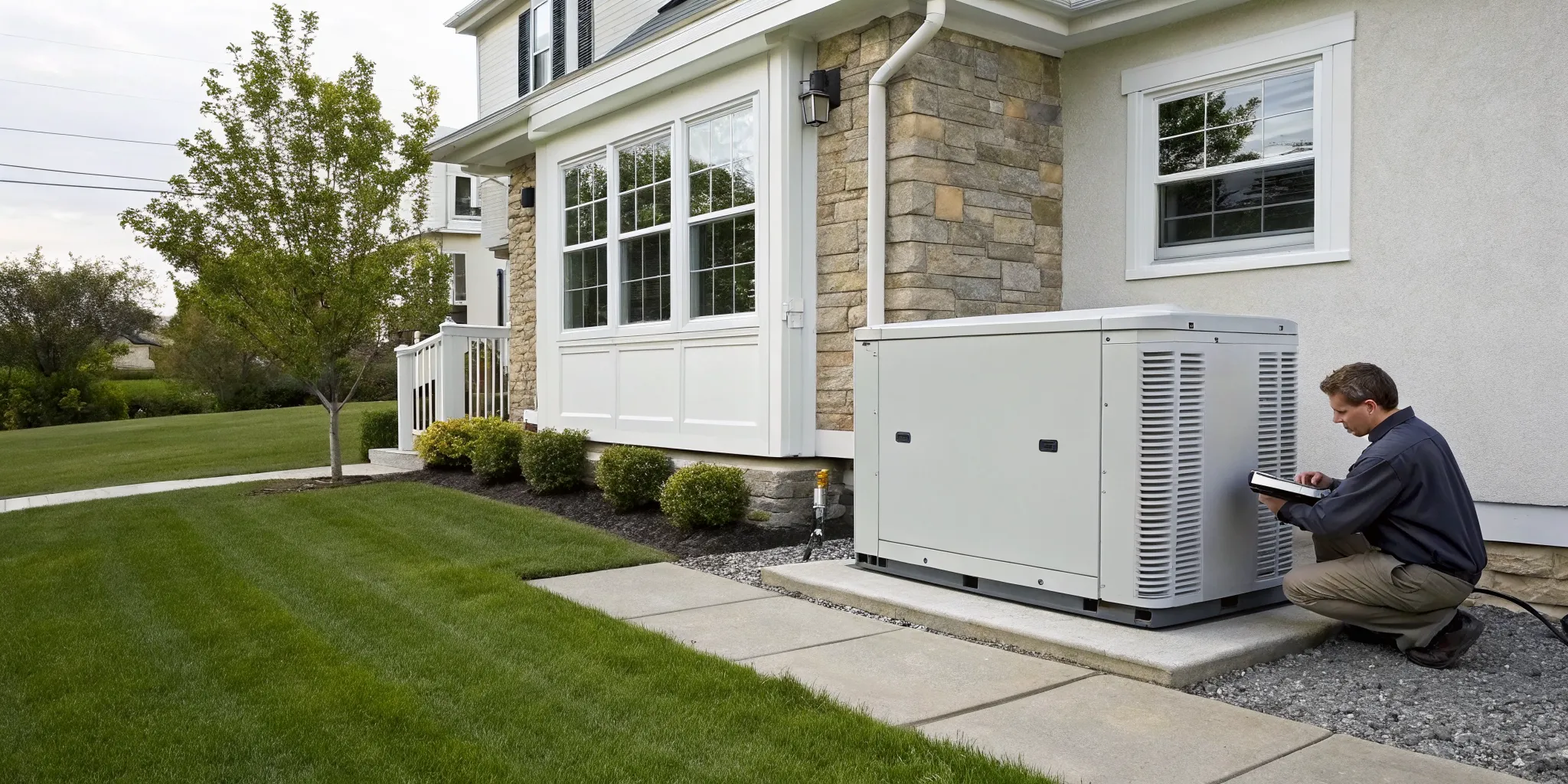
Thinking about installing a generator can feel overwhelming. It’s easy to picture a loud, complicated machine that’s more trouble than it’s worth. The reality? Modern standby generators are quiet, automatic, and incredibly reliable. They connect directly to your home and run their own weekly self-tests, so they’re always ready. When an outage hits, they turn on within seconds—you won’t have to do a thing. We’ll walk you through exactly how a standby generator Huntingdon Valley works, demystifying the technology and showing you just how simple protecting your home can be.
Key Takeaways
- Solve power outages automatically: A standby generator is a permanent solution that connects directly to your home’s electrical system and fuel line. It uses an automatic transfer switch to restore power within seconds, so you don’t have to do a thing.
- Get the right setup from the start: Professional installation is essential for safety and performance. An expert helps you choose the correct size for your needs, finds a safe location that meets local codes, and manages the entire permitting process.
- Keep your generator ready with simple care: While modern generators run their own weekly self-tests, an annual professional service is the key to long-term reliability. This tune-up ensures your system is always prepared for an emergency and helps prevent future repairs.
How Does a Standby Generator Keep Your Power On?
When the power goes out, you might picture someone fumbling in the dark to drag a portable generator out of the garage. A standby generator is a completely different experience. It’s a permanent, automated solution designed to restore power to your home within seconds, whether you’re there or not. Think of it as your home’s personal power plant, always on alert.
The system works so smoothly because it’s fully integrated with your home’s electrical system. Unlike a portable unit that requires manual setup and refueling, a Generac generator is a hands-off system that manages the entire process for you. It constantly monitors the power coming from the utility company. The moment it detects an interruption, it springs into action to keep your lights on, your refrigerator cold, and your essential systems running. This seamless transition is made possible by two key components: the automatic transfer switch and a direct fuel line.
The Automatic Transfer Switch: Your Power’s First Responder
The automatic transfer switch, or ATS, is the brain of your standby generator system. This smart device is the crucial link between the generator, your home, and the utility grid. A Generac standby generator is permanently installed and automatically activates within seconds of a power outage. This is made possible by the automatic transfer switch, which detects the loss of utility power and seamlessly switches to generator power. This ensures your home remains powered without any manual intervention. The ATS handles the entire process, so you don’t have to lift a finger. Once utility power is restored, it safely transfers power back and shuts the generator down until it’s needed again.
Natural Gas or Propane: Which Fuel is Right for You?
One of the biggest advantages of a standby generator is its continuous fuel supply. There’s no need to store gasoline or worry about refueling in the middle of a storm. Standby generators can connect directly to your home’s natural gas system or to a properly installed propane (LP) tank. This flexibility allows you to choose the fuel source that best fits your property and availability, ensuring a reliable power supply during outages. A direct connection means your generator has the fuel it needs to run for days, or even weeks, if necessary. This reliable fuel source is a core part of what makes a residential standby generator installation such a dependable solution for your home.
Why Your Huntingdon Valley Home Needs a Standby Generator
Living in Huntingdon Valley means enjoying beautiful seasons, but it also means dealing with the occasional powerful storm that can knock out the grid. A power outage is more than just an inconvenience; it can disrupt your work, compromise your home’s safety, and spoil your comfort. Investing in a standby generator isn’t about preparing for a rare disaster. It’s about ensuring your daily life continues smoothly, no matter what the weather is doing. It provides the peace of mind that your family will stay safe, your home will remain protected, and your life won’t be put on hold.
Stay Ahead of Pennsylvania’s Wild Weather
Pennsylvania weather can turn on a dime, from summer thunderstorms and high winds to winter ice and snow that weigh down power lines. Power outages can happen for many reasons, but a backup generator ensures your home’s important systems keep running. When the lights go out in the neighborhood, your home can remain a comfortable sanctuary with the heat or AC on, the internet working, and your security system active. You won’t have to worry about draining your phone battery or finding flashlights in the dark. A reliable Generac generator automatically takes over, keeping your home powered and secure through any storm.
Keep Your Sump Pump Running and Your Basement Dry
For many homeowners in our area, a heavy downpour brings the worry of a flooded basement. Your sump pump is the first line of defense, but it’s useless without electricity. Power outages can cause more than just inconvenience; they can lead to expensive damage like basement flooding if sump pumps stop. A whole-home generator helps prevent these problems by ensuring your sump pump never misses a beat. This protects your foundation, stored belongings, and finished basement from costly water damage. A professional residential standby generator installation is a proactive step to keep your home safe and dry.
Protect What Matters Most: Medical Devices and Home Systems
A power outage can be a serious health risk for family members who rely on powered medical equipment, like oxygen machines or CPAPs. Beyond that, an outage affects everyone’s comfort and safety. Standby generators keep your home running without interruption, even during power outages. They can run your AC, heat, sump pump, fridge, and oven all at the same time. This means your food stays fresh, your home remains at a comfortable temperature, and you can continue your daily routines. Knowing that your essential systems are secure provides invaluable peace of mind, and regular generator service and repair ensures it’s always ready when you need it most.
The True Cost of an Outage: From Spoiled Food to Lost Connection
When we think about a power outage, we usually picture the inconvenience of sitting in the dark. But the real costs add up quickly and go far beyond buying a few extra candles. A powerless refrigerator and freezer can mean throwing out hundreds of dollars worth of groceries. For those of us who work from home, a lost internet connection means a full stop to productivity and potentially lost income. It also affects our sense of security when home alarm systems go dark. These hidden expenses and disruptions are why a reliable power source is so important. A standby generator isn’t just about comfort; it’s a practical investment to protect your finances, your work, and your family’s safety when the grid goes down.
Why We Recommend Generac for Huntingdon Valley Homes
After more than 25 years of serving homeowners in Huntingdon Valley and across Southeastern Pennsylvania, we’ve seen firsthand what works. When it comes to protecting your home from power outages, we confidently recommend Generac. They’ve earned their reputation as a leader in home backup power by building reliable, innovative systems that give you true peace of mind. From their smart, automatic operation to their durable construction, Generac generators are designed to be there for you when you need them most.
A Look at Generac’s Standout Features
One of the best things about a Generac generator is that you don’t have to think about it. The system works automatically thanks to an automatic transfer switch. This switch constantly monitors the power coming from the utility line. The moment it detects an outage, it signals the generator to start up, and within seconds, your home has power again. You don’t have to go outside in a storm or fumble with a manual starter. This seamless transition is a core part of a professional residential standby generator installation, ensuring your lights, appliances, and critical systems stay on without interruption.
Remote Monitoring with Mobile Link™
Generac makes it easy to check on your generator from anywhere with the Mobile Link™ app. This feature connects your generator directly to your smartphone, sending real-time status updates and alerts right to you. You can see when it’s running, check its self-test schedule, and get notified if it needs attention, giving you complete peace of mind whether you’re at work or on vacation. The system uses Wi-Fi or an optional 4G LTE connection, so you’re always in the loop. This level of insight helps you stay on top of routine generator maintenance, ensuring your system is always ready to go before a storm hits.
Built to Last: Generac’s Reliability and Performance
Features are great, but consistent performance is what truly matters during an outage. Generac generators are known for their robust engineering and reliability, providing continuous power to keep your home safe and comfortable. Because they run automatically, your home is protected even when you’re away. This is especially important in our area, where storms can be unpredictable. A dependable backup power system is also a smart investment that can increase your property’s appeal. It’s this combination of durability and dependable performance that makes Generac generators a cornerstone of home preparedness.
Generac vs. Other Brands like KOHLER
When you begin looking into standby generators, you’ll find a few established names, including KOHLER. With a history stretching back to 1920, they build quality machines that can restore power quickly. However, there’s a clear reason why Generac has become the leading name in home backup power. While other brands offer solid products, Generac has focused specifically on creating residential and commercial systems that are not only powerful but also incredibly user-friendly and accessible. Their innovation in automatic operation and remote monitoring has set a new standard, making them the go-to choice for modern homeowners who want a reliable, hands-off solution. It’s this focus that has made Generac generators the most popular brand on the market.
The People’s Choice: Why 7 out of 10 Homeowners Choose Generac
The numbers speak for themselves: an impressive 7 out of 10 homeowners who buy a standby generator choose Generac. This overwhelming preference isn’t an accident; it’s built on a foundation of trust and proven performance. Homeowners choose Generac for its reputation for reliability. These generators are engineered to withstand harsh weather and perform flawlessly when you need them most. The seamless, automatic operation means your home is protected whether you’re there or away, providing a level of security that brings true peace of mind. This combination of robust design and effortless function is why a professional residential standby generator installation featuring a Generac unit is such a smart investment for your home.
What Size Generator Does Your Home Need?
Choosing the right generator isn’t like picking a new appliance off the shelf; it’s about finding the perfect fit for your home’s unique energy needs. A generator that’s too small will struggle to keep up, leaving you without power for important circuits. One that’s too large can be inefficient. The goal is to find that “just right” size that provides reliable power without waste. This decision comes down to understanding what you truly need to power during an outage and how your household uses electricity. By taking a closer look at your power consumption, you can confidently select a system that will be there for you when the lights go out.
How to Calculate Your Home’s Power Needs
The first step in finding the right generator is to figure out exactly how much power your home requires. This involves looking at everything you want to keep running during an outage, from the refrigerator and sump pump to lights and home office equipment. While you can find wattage estimates online, the most accurate way to determine your needs is with a professional load calculation. An expert can assess your home’s electrical panel and usage patterns to recommend a Generac generator that fits your current lifestyle and can even accommodate future additions, like a new air conditioner or an electric vehicle charger. This prevents overloading your system and ensures everything runs smoothly.
Essentials Only or Whole-Home Power?
Next, you’ll want to decide if you prefer to power just the essentials or your entire home. An essential-circuits setup is a popular choice that covers critical systems like your furnace, refrigerator, sump pump, and a few outlets for lights and charging devices. This approach keeps your family safe and comfortable without powering every single room. On the other hand, a whole-home generator provides seamless, automatic power to your entire house. This means you can continue your daily routine without interruption, a fantastic option for those who work from home or rely on powered medical equipment. Think about what “peace of mind” means to you during an outage to guide your choice.
Understanding Power Output: From Essentials to 24kW Whole-Home Coverage
So, what does all this talk about “size” really mean? It comes down to power output, which is measured in kilowatts (kW). Think of it as the generator’s strength—how much it can handle at once. For most homes, a Generac generator can provide up to 24kW of power, which is enough to run everything from just the basics to your entire house. The choice depends on what you decided in the last step: are you covering just the essentials, or do you want that seamless whole-home experience? A smaller unit might keep the heat on and the fridge cold, while a larger one ensures you won’t even notice the power is out. A professional residential standby generator installation will always start with figuring out the perfect kW for your home.
Tips for Managing Your Home’s Power Load
Even with the perfectly sized generator, it’s important to manage your electricity use during an outage. Trying to run all your high-demand appliances at once (like the oven, clothes dryer, and central air) can strain any system. Understanding how to prioritize your power usage helps prevent system failures and ensures your generator operates efficiently. Many modern standby generators come with smart management systems that automatically cycle power to different appliances, so you don’t have to think about it. Regular system checks and professional maintenance also play a key role, confirming your generator is always ready to handle your home’s load when you need it most.
What to Consider Before You Buy a Generator
Once you’ve determined the right size generator for your home, a few other key decisions will shape your installation. Thinking through these factors ahead of time helps ensure a smooth process and a system that perfectly fits your property. It’s about more than just the machine itself; it’s about how it integrates with your home, your fuel source, and local safety regulations. Working with an experienced team makes all the difference in getting these details right from the start.
Matching the Fuel Source to Your Property
Your standby generator needs a reliable fuel source to keep your lights on during an outage. The two most common options for Generac generators are natural gas and liquid propane. The best choice for you usually depends on what’s already available at your home. Standby generators can connect directly to a home’s gas system or to a properly installed propane tank, which completely eliminates the need to store gasoline. If your home already uses natural gas, that’s often the most convenient route. If not, a licensed professional can install a propane tank on your property to provide a dedicated fuel supply.
Where Should Your Generator Go?
Where you place your generator is one of the most important safety decisions you’ll make. It can’t just go anywhere in the yard. A professional installer will help you find the perfect spot that complies with manufacturer requirements and local codes. This includes maintaining a safe distance from doors, windows, and fresh air intakes to prevent any risk of carbon monoxide entering your home. The location also needs to be level, have adequate airflow for cooling, and be accessible for future generator maintenance. A thoughtful placement ensures your generator runs safely and efficiently for years to come.
Strategic Placement Near Utility Meters
While it might seem convenient to tuck your generator away in a far corner of your yard, the ideal location is often closer than you think. Placing the unit near your existing electric and gas meters is a strategic move that makes the connection to your home’s electrical panel and fuel line much more direct. This thoughtful placement can help manage installation costs by reducing the amount of trenching and wiring required. A professional installer will handle the entire process, ensuring the location meets all manufacturer and local code requirements. This strategic placement balances safety, cost, and long-term convenience, making a residential standby generator installation as efficient as possible.
A Quick Guide to Local Permits and Codes
Installing a standby generator is a significant electrical and mechanical project, which is why it requires permits. Local municipalities, including those in our service areas across Montgomery and Bucks counties, have specific rules to ensure every installation is safe. Permits are required because generators are major electrical appliances that can impact your home’s safety. For example, many local codes specify how far a generator must be from property lines. A qualified installer will manage the entire permitting process for you, from application to final inspection, so you can have peace of mind knowing everything is done correctly and to code.
Preparing for Pennsylvania Winters: Cold Weather Kits
Pennsylvania winters can be harsh, and the last thing you want is for your generator to fail during a freezing power outage. That’s where a cold weather kit comes in. This is an essential accessory for any standby generator in our climate, designed to ensure your engine starts reliably even when temperatures drop well below freezing. The kit typically includes a battery warmer and an oil heater, which keep the core components ready to go at a moment’s notice. Think of it as a winter coat for your generator. It ensures that when an ice storm hits and the power goes out, your system will start without a problem, keeping your heat on and your home safe. Proper annual generator maintenance is the perfect time to have a cold weather kit installed, guaranteeing your generator is fully prepared for whatever winter throws at it.
What to Expect During Installation
Getting a standby generator is an exciting step toward securing your home’s comfort and safety. Once you’ve chosen the right model, the installation is the final piece of the puzzle. While it might seem like a big project, working with a certified team makes the process smooth and straightforward. A professional installation ensures your generator works safely and reliably from day one, giving you true peace of mind.
Our team handles everything, from securing permits to the final system check, so you can feel confident that your investment is set up for success. Let’s walk through what the installation process looks like so you know exactly what to expect.
Why Professional Installation is Non-Negotiable
A standby generator is a complex piece of equipment that integrates directly with your home’s electrical and fuel systems. This is not a weekend DIY project. A professional residential standby generator installation is essential for safety and performance. Our certified technicians are trained to handle the specific requirements of Generac systems, ensuring every connection is secure and up to code.
We manage the entire process, from placing the generator on a stable pad to connecting the fuel lines and wiring the automatic transfer switch. Proper installation is the key to making sure your generator operates exactly as it should during an outage, protecting both your home and your family.
The Installation Timeline: From First Call to Final Test
The journey to getting your standby generator installed is more straightforward than you might think. From our first conversation to the final system test, the entire process is designed to be clear and efficient. It typically begins with an in-home consultation where we assess your power needs and help you select the right size generator. Once you’ve made a decision, we handle all the logistics, including securing the necessary local permits. The physical installation itself usually takes just a day or two, depending on the complexity. After the generator is in place and all connections are made, we conduct a thorough activation and testing process to ensure everything is working perfectly. We’ll walk you through the entire system, so you feel completely comfortable before we leave.
A Step-by-Step Look at the Installation Process
While every home is unique, the installation of a Generac generator follows a proven, methodical process to ensure safety and reliability. Our certified technicians follow a detailed checklist to make sure every step is completed to the highest standard. This careful approach guarantees that your generator will perform exactly as expected when you need it most. Below is a breakdown of the key stages you can expect on installation day, from preparing the site to powering up your new system for the first time.
Site Preparation and Grounding
The first step on installation day is preparing the perfect spot for your new generator. Our team will have already worked with you to select a location that meets all local codes and manufacturer safety requirements. We then prepare the ground and install a sturdy composite or concrete pad to create a stable, level surface for the unit. This foundation is critical for minimizing vibration and ensuring long-term performance. Once the pad is set, we securely mount the generator and ensure it is properly grounded, which is a vital safety step in any residential standby generator installation.
Safe Delivery and Inspection
Your Generac generator is a significant investment, and we treat it with the care it deserves. Our team coordinates the safe delivery of the unit directly to your home, handling all the heavy lifting so you don’t have to worry about a thing. Before we even begin the placement, we conduct a thorough inspection of the generator to confirm it arrived from the factory in perfect condition. This initial check ensures that all components are ready for installation and that there are no signs of damage from transit. It’s a small but important step that sets the stage for a successful and reliable setup.
Electrical and Fuel Connections
This is where the magic happens. Our licensed electricians get to work integrating the generator with your home. The most critical part of this step is installing the automatic transfer switch (ATS) and connecting it to your home’s main electrical panel. This device is the brain of the system, allowing it to automatically detect a power outage. At the same time, we run the necessary fuel line, connecting the generator to your home’s natural gas supply or a dedicated propane tank. Our expertise in both electrical repairs and generator systems ensures these connections are made safely and correctly.
The Final Inspection and Activation
With all the connections made, the final step is to bring your generator to life. We activate the system, run a full diagnostic test, and simulate a power outage to verify that the automatic transfer switch works seamlessly. This test confirms that your generator will perform flawlessly during a real emergency. We then give you a complete tour of your new system, showing you how it operates and how to check its status. This final walkthrough ensures you are confident and comfortable with your new backup power solution, which can be kept in top shape with a regular generator maintenance plan.
Avoid These Common Installation Pitfalls
When a generator isn’t installed correctly, it can lead to serious problems. One of the most common mistakes is improper placement. A generator needs to be a safe distance from doors, windows, and vents to prevent the risk of carbon monoxide entering your home. It also needs adequate airflow to run efficiently.
Another pitfall is incorrect wiring, which can damage your home’s electrical system or the generator itself. Our experienced electricians prevent these issues by following strict safety protocols and local codes. We ensure your system is installed correctly the first time, so you won’t have to worry about costly generator service and repair down the road due to a faulty setup.
How to Prepare for Installation Day
You can help make installation day go smoothly with a little preparation. Before our team arrives, please clear a path to the installation site and ensure the area around it is free of obstructions. It’s also helpful to make sure an adult is home to provide access and answer any questions we might have.
As part of our process, we will have already calculated your home’s power load to confirm you have the right size generator. On installation day, our main focus is the physical setup. After everything is connected, we perform a full system check. We simulate a power outage to ensure the generator kicks on, the transfer switch works seamlessly, and your home’s essential systems receive power.
Your Simple Generator Maintenance Checklist
A standby generator is your home’s safety net, but like any important piece of equipment, it needs a little attention to perform its best. Many people think generator upkeep is complicated, but it’s actually quite straightforward. A combination of simple checks you can do yourself and regular professional service will ensure your generator is ready to spring into action the moment you need it. Think of it as preventive care for your peace of mind.
Easy Weekly Checks You Can Do Yourself
Most of the time, your Generac generator takes care of itself by running a weekly self-test. This is its way of making sure everything is in working order. You can help it out with a few quick visual checks. Once a week, just take a look at the unit. Make sure the area around it is clear of leaves, snow, or any other debris. Check the indicator light on the side; a green light means everything is good to go. These simple steps take only a minute but go a long way in keeping your generator prepared for an outage.
Why Annual Professional Service is a Must
While your weekly checks are helpful, an annual professional tune-up is essential. This is the best way to keep your generator working reliably and ensure your warranty stays valid. During a professional service visit, a certified technician inspects, tests, and services all the critical components, from changing the oil and filter to checking the battery and electrical connections. This expert Generac maintenance catches small issues before they become big problems, guaranteeing your system is in top shape for any emergency. It’s a small investment that protects your much larger one.
Seasonal Generator Maintenance Tips
Pennsylvania weather keeps us on our toes, so it’s smart to prepare your generator for whatever the season brings. In the summer, make sure bushes and plants aren’t growing too close to the unit, as it needs clear airflow. Before winter arrives, ensure the area is free of anything that could get buried in snow and block access. A well-maintained Generac standby generator provides seamless, automatic power during an outage, but it relies on you to keep its surroundings clear. If you notice anything unusual during your seasonal check, it’s always a good idea to call for service.
Finding a Trusted Service Partner
When you invest in a standby generator, you’re not just buying a machine; you’re investing in long-term peace of mind. That’s why choosing the right service partner is just as important as picking the right generator model. A reliable company ensures your generator is installed correctly and safely, but their job doesn’t end there. They become your go-to resource for ongoing support, from routine maintenance to unexpected repairs, making sure your system is always ready for action. For over 25 years, our team has been dedicated to providing that level of trust and reliability to homeowners across Southeastern Pennsylvania, building relationships that last as long as our generators.
What to Expect: Free Estimates and 24/7 Emergency Service
When you’re vetting potential installers, look for a provider that offers free, no-obligation estimates for new installations. This transparency allows you to understand all the costs involved before making a decision, ensuring there are no surprises. Just as important is the availability of 24/7 emergency service. Power outages can happen at any time, day or night, and you need a partner who can respond quickly when you need them most. This round-the-clock generator service and repair is crucial for keeping your home powered and your family safe during an unexpected outage, and it’s a hallmark of a company that truly stands behind its work.
Debunking Common Generator Myths
Let’s clear the air about standby generators. There are a lot of outdated ideas floating around that can make the decision to get one feel more complicated than it needs to be. You might have heard they’re a hassle to own, noisy enough to bother the neighbors, or that a small portable unit does the same job. These common myths can hold homeowners back from securing the reliable backup power they need, especially with Pennsylvania’s unpredictable weather. The truth is, today’s standby generators are a world away from their older counterparts. They’re designed with homeowners in mind, focusing on convenience, quiet operation, and total peace of mind.
Before you let a misconception guide your decision, it’s important to get the facts. Technology has advanced significantly, making modern units like those from Generac smarter, more efficient, and less intrusive than ever before. We hear these concerns from homeowners all the time, so we want to address them directly. Let’s walk through some of the biggest misconceptions and separate the facts from fiction. By understanding what a modern standby generator truly offers, you can feel confident about making the right choice to protect your home, your family, and your daily routine from power outages.
Myth: “They’re too much work to maintain.”
One of the biggest hesitations I hear is about upkeep. The thought of adding another major appliance to a maintenance checklist can feel overwhelming. But the reality is that modern standby generators are built to be largely self-sufficient. They perform their own weekly self-tests to ensure they’re ready for an outage. Beyond that, all they need is an annual check-up from a professional to keep them in top shape. Think of it like your car’s yearly inspection. This simple generator maintenance plan ensures your system is reliable for years to come, providing peace of mind without adding a major chore to your list.
Myth: “They’re loud and inefficient.”
If you’re picturing a generator that sounds like a construction site in your backyard, it’s time for an update. That’s a common myth based on old, inefficient models. Today’s Generac standby generators are designed to be neighborhood-friendly. They’re housed in sound-dampening enclosures and operate at a volume comparable to a central air conditioning unit. You’ll barely notice it’s running. A proper residential standby generator installation by a licensed electrician also plays a huge role, ensuring your unit is placed correctly to minimize noise and operate at peak efficiency. You get the power you need without the disruptive racket.
Myth: “A portable generator is just as good.”
While a portable generator can be useful for camping or a tailgate, it’s not in the same league as a standby unit for home backup power. A portable generator requires you to manually haul it out, fuel it up, run extension cords, and choose just a few essential items to power. A standby generator is a completely different experience. It’s permanently installed and wired directly into your home’s electrical system. When the power goes out, it automatically kicks on within seconds, restoring power to your entire home without you lifting a finger. For true, seamless protection, Generac generators provide a level of reliability and convenience that portable models simply can’t match.
Is a Standby Generator Worth the Investment?
Thinking about a standby generator is about more than just preparing for the next storm; it’s about investing in your home’s security and your family’s comfort. While it’s a significant home upgrade, the value it provides goes far beyond simply keeping the lights on. A generator protects your property, preserves your daily routines, and offers a sense of stability when the world outside feels chaotic. It’s a permanent solution that works for you automatically, ensuring that life inside your home continues without interruption, no matter the weather.
What Goes Into the Overall Investment?
When you invest in a standby generator, you’re getting a complete, automated power solution. The total investment covers three key parts: the generator unit itself, the automatic transfer switch that senses an outage and activates the system, and the professional installation. The installation is a critical piece of the puzzle, involving skilled electrical work and fuel line connections to ensure everything runs safely and reliably. Choosing a professional residential standby generator installation means you can trust that your system is set up correctly and to code, giving you true peace of mind.
A Look at Your Financing Options
We understand that a standby generator is a major home improvement, and managing the upfront cost is a practical concern for many families. That’s why flexible payment solutions can make this essential upgrade much more accessible. By exploring your options, you can fit this investment into your budget without delay. We offer straightforward Generac financing to help you get the security you need now. This allows you to break down the cost into manageable monthly payments, making it easier to protect your home and family right away.
How a Generator Adds Value to Your Home
A standby generator does more than just provide backup power; it can also increase your home’s marketability and resale value. In regions like ours where power outages are a real possibility, homebuyers see a built-in backup power system as a premium feature. It signals that a home is well-maintained and prepared for anything. A permanently installed Generac generator provides the kind of reliability and security that makes a property stand out. It’s an investment in your home’s infrastructure that offers a tangible return, both in your quality of life and its long-term value.
Exploring Rebates and Homeowner’s Insurance Discounts
Beyond the immediate benefit of keeping your lights on, installing a standby generator can also come with some welcome financial perks. Many homeowners are surprised to learn that their insurance provider may offer a discount, often between 5% and 10%, on their premium. Insurers see a permanently installed generator as a proactive step that reduces risk, especially when it comes to preventing costly damage from sump pump failures or frozen pipes during an outage. A quick call to your insurance agent is the best way to see what savings you might be eligible for. Additionally, it’s worth looking into potential rebates from manufacturers or local utility companies, which can help make the investment in a reliable Generac generator even more affordable.
Essential Generator Safety Tips
A standby generator brings incredible peace of mind, but that feeling only comes when you know it’s operating safely. While your professional installer handles the technical setup, understanding the core safety principles helps you stay confident in your system. From proper placement to knowing how your unit works, a little knowledge goes a long way in keeping your home and family protected during a power outage. These key safety practices are non-negotiable for any generator owner.
Why Placement and Ventilation Are Crucial
Where your generator lives is one of the most important safety decisions. It’s not just about finding an out-of-the-way spot; placement is dictated by local codes and safety standards to ensure proper ventilation and prevent hazards. For example, regulations often require generators to be a specific distance from property lines, doors, and windows. This prevents exhaust from entering your home and keeps noise levels manageable for your neighbors. A professional residential standby generator installation team will handle the site assessment and ensure your unit is placed in a location that is both safe and compliant, giving you one less thing to worry about.
The 5-Foot Rule: A Non-Negotiable for Safety
A key safety standard to remember is the “5-foot rule.” This regulation requires your generator to be installed at least five feet away from any doors, windows, or fresh air intakes. This isn’t just a suggestion; it’s a critical measure to prevent carbon monoxide (CO), a colorless and odorless gas in the generator’s exhaust, from entering your home. Adhering to this rule is one of the most important steps in ensuring your family’s safety. A professional residential standby generator installation guarantees that all placement codes are strictly followed, so you can have complete confidence that your backup power system is not only reliable but also perfectly safe.
How to Prevent Carbon Monoxide Dangers
The single most critical safety concern with any generator is carbon monoxide (CO), a colorless, odorless gas produced by the engine. This is precisely why professional installation and proper placement are so vital. A generator must be installed outdoors in a well-ventilated area, far from any windows, doors, or vents that could allow CO to seep into your home. Improper placement is a serious risk that can have devastating consequences. When you work with certified technicians, they prioritize ventilation and airflow to ensure exhaust fumes are directed safely away from your living spaces, protecting your family from this silent threat.
Know Your Emergency Shut-Off and Monitoring System
Once your generator is installed, it’s a good idea to get familiar with its basic functions. Your system includes an automatic transfer switch, which is the component that safely disconnects your home from the utility grid and connects it to generator power. You should also know how to use the emergency shut-off feature for your specific model. Many modern Generac generators come with monitoring systems that run self-tests and alert you to any issues. Understanding these alerts and scheduling regular Generac maintenance ensures your system is always ready to perform correctly and safely when you need it most.
Related Articles
- What Size Generac Generator Do I Need? Home Sizing Guide | M.T. Ruhl Electrical
- Standby Generator Erdenheim: A Buyer’s Guide
- The Ultimate Guide to Generac Guardian Series Installation
Frequently Asked Questions
How is a standby generator different from a portable one? Think of a standby generator as a permanent, automated solution for your home. Unlike a portable unit that you have to manually set up and refuel, a standby generator is professionally installed and connected directly to your home’s electrical system and fuel line. It works automatically, restoring power within seconds of an outage without you having to do a thing.
Do I have to be home for the generator to turn on? No, and that’s one of its greatest benefits. The system’s automatic transfer switch constantly monitors the power from the utility company. The moment it detects an outage, it automatically starts the generator and transfers power to your home. This means your house is protected even if you’re at work or on vacation.
How long can my generator run continuously during an outage? Because a standby generator connects to your home’s natural gas line or a large propane tank, it has a continuous fuel supply. This allows it to run for days, or even weeks if needed, providing uninterrupted power throughout an extended outage. You won’t have to worry about storing gasoline or refueling it in the middle of a storm.
Can I decide to only power certain parts of my house? Yes, you have that flexibility. You can choose a system that powers your entire home, allowing life to continue as normal. Alternatively, many homeowners opt to power only essential circuits, which might include the furnace, sump pump, refrigerator, and a few key lights and outlets. A professional can help you determine which setup best fits your needs and budget.
What does professional annual maintenance actually involve? Annual service is like a comprehensive health check for your generator. A certified technician will perform key tasks like changing the oil, air filter, and spark plugs, as well as testing the battery and all electrical connections. They also run a full diagnostic test to ensure the system is ready to perform reliably the moment you need it.