Installing a standby generator is more than just placing a machine outside. It’s a complex project, tying high-voltage electricity and fuel lines directly into your home’s most critical systems. Because of this, safety isn’t just a priority—it’s everything. An improper connection or incorrect placement creates serious risks and can even void your warranty. This is why a professional Generac generator installation is non-negotiable. We’ll walk you through the critical safety standards we follow, from proper ventilation to local codes, so you can feel secure knowing your home is protected correctly.
Key Takeaways
- Hire a certified professional for installation: This is the best way to guarantee your generator is set up safely, complies with all local codes, and protects your manufacturer’s warranty.
- Plan ahead by defining your power needs: Before installation, make a list of the essential appliances you want to run during an outage; this helps your installer select the right size generator and find the best location for it.
- Commit to a regular maintenance schedule: To ensure your generator is always ready for an outage, schedule annual professional service and perform simple seasonal tasks like keeping the unit clear of snow and debris.
Why Choose a Generac Guardian Series?
When you’re looking for a home standby generator, reliability is everything. The Generac Guardian Series is one of the most popular choices for homeowners, and for good reason. It’s designed to provide automatic, dependable power the moment you lose it, keeping your family comfortable and your daily life uninterrupted. These systems are more than just a backup plan; they’re a complete solution for protecting your home from power outages. Choosing a Generac generator means investing in peace of mind, knowing that your lights, appliances, and essential systems will stay on, no matter the weather.
Protect Your Sensitive Electronics with True Power™
Have you ever worried about a power surge damaging your expensive electronics? Generac’s True Power™ Technology addresses that concern directly. It delivers clean, stable electricity with less than 5% total harmonic distortion, which is a technical way of saying it’s safe for sensitive devices like your laptop, smart TV, and modern appliances. This utility-grade power ensures your electronics run smoothly without the risk of damage from less stable power sources. When you choose a residential standby generator installation, you’re not just keeping the lights on; you’re protecting the valuable equipment that powers your life.
Seamlessly Power Your Whole Home
The beauty of a Generac Guardian generator is how seamlessly it takes over. This is possible thanks to the included whole-house smart transfer switch. This device is the brain of your backup power system. It constantly monitors the power coming from your utility company. The second it detects an outage, it automatically disconnects your home from the grid and signals the generator to start. Power is restored to your entire home within seconds, so you might not even notice the switch happened. You won’t have to fumble in the dark or manually choose which circuits to power. It’s a complete, hands-off solution that keeps your home fully functional.
American-Made for Peace of Mind
When you invest in a major home appliance, you want to know it’s built to last. Generac takes pride in its American heritage, designing and manufacturing its Guardian Series generators and their G-Force engines right here in the USA. This commitment to domestic production allows for strict quality control and ensures that every unit meets high standards of durability and performance. By choosing a product made in the USA, you’re not only getting a reliable generator but also supporting local manufacturing. It’s a testament to the quality and craftsmanship that our team trusts and stands behind for every installation.
Trust the #1 Name in Home Backup Power
When you see the Generac name, you know you’re getting the #1 brand in home backup power, and that reputation is built on years of proven reliability. Their Guardian Series generators are engineered to provide automatic, seamless power the moment an outage hits, keeping your daily life completely uninterrupted. This commitment to performance starts right at the source; Generac designs and builds its Guardian Series generators and their powerful G-Force engines in the USA. This dedication to American manufacturing ensures strict quality control, so you can trust that your investment is durable, dependable, and ready to perform when you need it most. It’s a standard of quality we are proud to offer with every Generac generator we install.
A power outage threatens more than just your lights; it can put your sensitive electronics at risk. Laptops, smart TVs, and modern appliances are all vulnerable to the unstable power that can occur during an outage. Generac addresses this directly with its True Power™ Technology, which delivers clean, stable electricity with less than 5% total harmonic distortion. In simple terms, this means it provides utility-grade power that is safe for all your devices. You won’t have to worry about surges damaging your valuable equipment. It’s a critical feature that makes a residential standby generator installation a complete solution for protecting your entire home.
Your Pre-Installation Checklist
Getting a home standby generator is a big step toward securing your family’s comfort and safety. Before the installation day arrives, a little preparation can make the entire process run smoothly. Thinking through a few key details ahead of time ensures your generator is perfectly suited for your home and set up for peak performance when you need it most.
The three most important things to consider are your home’s specific power needs, the local regulations in your area, and the best physical location for the unit on your property. Each of these factors plays a critical role in a safe and effective installation. While it might sound like a lot to manage, a certified installer will walk you through every step. Your main job is to think about what you want your generator to do for you. From there, the technical experts can handle the details, from pulling permits to finding the ideal spot that meets all safety codes. This planning phase is the foundation for a reliable Generac generator system that will protect your home for years to come.
Scheduling Your Free In-Home Consultation
Once you’ve decided a generator is right for you, the next step is a free, no-obligation in-home consultation. This isn’t a sales pitch; it’s a practical planning session where we help you get clear, accurate answers tailored to your home. During this visit, one of our certified technicians will assess your property to find the perfect spot for the unit, considering factors like local codes, proximity to your fuel line, and your electrical panel. We’ll also sit down with you to discuss what you want to power during an outage—from just the essentials to the entire house. This conversation is key to ensuring we recommend the right size generator for your needs and budget. It’s the foundational step for a successful residential standby generator installation and gives you a clear picture of the entire process, from start to finish.
How to Calculate Your Home’s Power Needs
The first step is to figure out exactly what you want to power during an outage. Do you only need to cover the essentials, like the refrigerator, sump pump, and a few lights? Or are you looking for a whole-house solution that keeps everything running, from the air conditioning to the television?
Make a list of the appliances and systems you can’t live without. This information helps determine the right size generator for your home. Choosing a unit that’s too small can lead to overloads, while one that’s too large can be inefficient. An experienced technician can perform a detailed load calculation to match you with the perfect Generac Guardian model for your specific requirements.
Using Generac’s Sizer Calculator Tool
If you’re wondering how that list of essential appliances translates into a specific generator model, you’re in luck. Generac provides a fantastic online tool to help you get started. The Sizer Calculator is an interactive guide that walks you through selecting the items you want to power, from your refrigerator and sump pump to your entire HVAC system. As you make your selections, it calculates the total power requirement and suggests a generator size that’s right for your home. It’s a simple, no-pressure way to explore your options and get a clearer picture of what you need before you even speak with an installer.
Think of the Sizer Calculator as your first step in the planning process. While it gives you a very accurate estimate, it’s always best to confirm the results with a certified professional. A trained technician from our team can assess your home’s unique electrical setup and ensure all factors are considered, guaranteeing your new generator is a perfect fit. Using the tool beforehand empowers you to have a more informed conversation, making the consultation process even more efficient and ensuring you get exactly the coverage you need.
Do You Need a Permit for Your Generator?
Installing a standby generator isn’t as simple as just placing a unit outside your home. It’s a project that involves electrical and fuel line work, so it must comply with local safety regulations. Most installations require electrical and mechanical permits, and some townships have specific zoning rules about where a generator can be placed.
While this might sound complicated, you don’t have to sort it out on your own. A qualified and licensed installer, like M.T. Ruhl, is familiar with the specific codes across different service areas. We handle the entire permitting process for you, ensuring your installation is fully compliant, safe, and up to standard from day one.
How to Choose the Best Spot for Your Generator
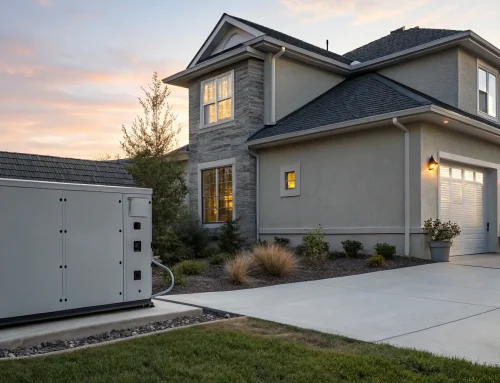
Where you place your generator is extremely important for both safety and performance. The unit must be installed outdoors on a stable, level surface, like a concrete pad or gravel base. It needs to be a safe distance from doors, windows, and fresh air intakes to prevent exhaust fumes from entering your home.
There are also clearance requirements to think about. The generator needs adequate space around it for airflow to keep the engine cool and for technicians to perform maintenance. It should also be placed away from flammable materials and areas where water could pool. During your initial consultation, our installation team will survey your property to find the safest and most effective location that meets all national and local codes.
Placement Tips to Reduce Installation Costs
While safety and code compliance are non-negotiable, there are smart ways to position your generator that can help manage installation costs. The biggest factors are the distances from your electric meter and your fuel source, which is typically your natural gas line. The farther away the generator is, the more trenching, wiring, and piping are required, which adds to the labor and material costs. During your consultation, our team will help you find a spot that balances safety regulations with cost-effectiveness. By identifying a location that is close to these existing utility connections, we can often simplify the installation process and make it more affordable, all while ensuring the unit has the proper clearance and stable foundation it needs to operate reliably.
Understanding Installation Costs and Financing
Investing in a home standby generator is a significant decision, and it’s natural to have questions about the cost. It’s helpful to think of it not just as a purchase, but as a long-term investment in your family’s safety and comfort. The total cost includes two main parts: the generator unit itself and the professional installation, which is a critical service that ensures your system runs safely and reliably. Understanding how these costs break down and what financing options are available can make the process feel much more manageable and help you plan accordingly.
Breaking Down the Total Cost
When you purchase a Generac generator, the price of the unit is separate from the cost of installation. This is because every home is unique, and the installation process needs to be tailored to your specific property. The total investment for a complete residential standby generator installation typically falls between $8,000 and $16,000. This range accounts for the complexity of integrating high-voltage electrical wiring and fuel lines into your home’s existing systems. Factors like the location of your electrical panel, the distance to your natural gas or propane line, and the specific site prep required all influence the final cost. A professional assessment is the only way to get an exact quote for your home.
Financing Your Peace of Mind
We understand that a standby generator is a major home improvement, and you may not have the full amount budgeted upfront. That’s why flexible payment options are available to make this essential protection more accessible. Instead of a single large payment, you can spread the cost over time with manageable monthly installments. Many homeowners are surprised to learn they can secure their home’s power for a low monthly payment, making it easier to fit into their budget. When you schedule a consultation, be sure to ask about the available Generac financing options. It’s a straightforward way to get the peace of mind you need now without the financial strain.
A Step-by-Step Look at Your Installation Day
Once you’ve selected the right Generac Guardian Series generator for your home, our team gets to work on the installation. We follow a precise, multi-step process to make sure your generator is set up safely and functions perfectly from day one. While every home is a little different, the core steps remain the same. Our goal is to handle all the technical details so you can feel confident knowing your home is protected. From preparing the ground to running the final system tests, we manage the entire project with care and expertise. Here’s a look at what you can expect during a professional residential standby generator installation.
Step 1: Preparing the Site and Foundation
The first step is finding the perfect spot for your new generator. We’ll work with you to select a location that meets all local codes and manufacturer requirements. Before we can set the unit, the site needs to be properly prepared to support it. This usually involves creating a stable, level foundation made of pea gravel or a poured concrete pad. A solid foundation prevents the generator from shifting or vibrating excessively while it’s running, which protects its internal components and ensures a longer lifespan. Our team handles all the groundwork to create a secure base for your investment.
Step 2: Positioning the Generator
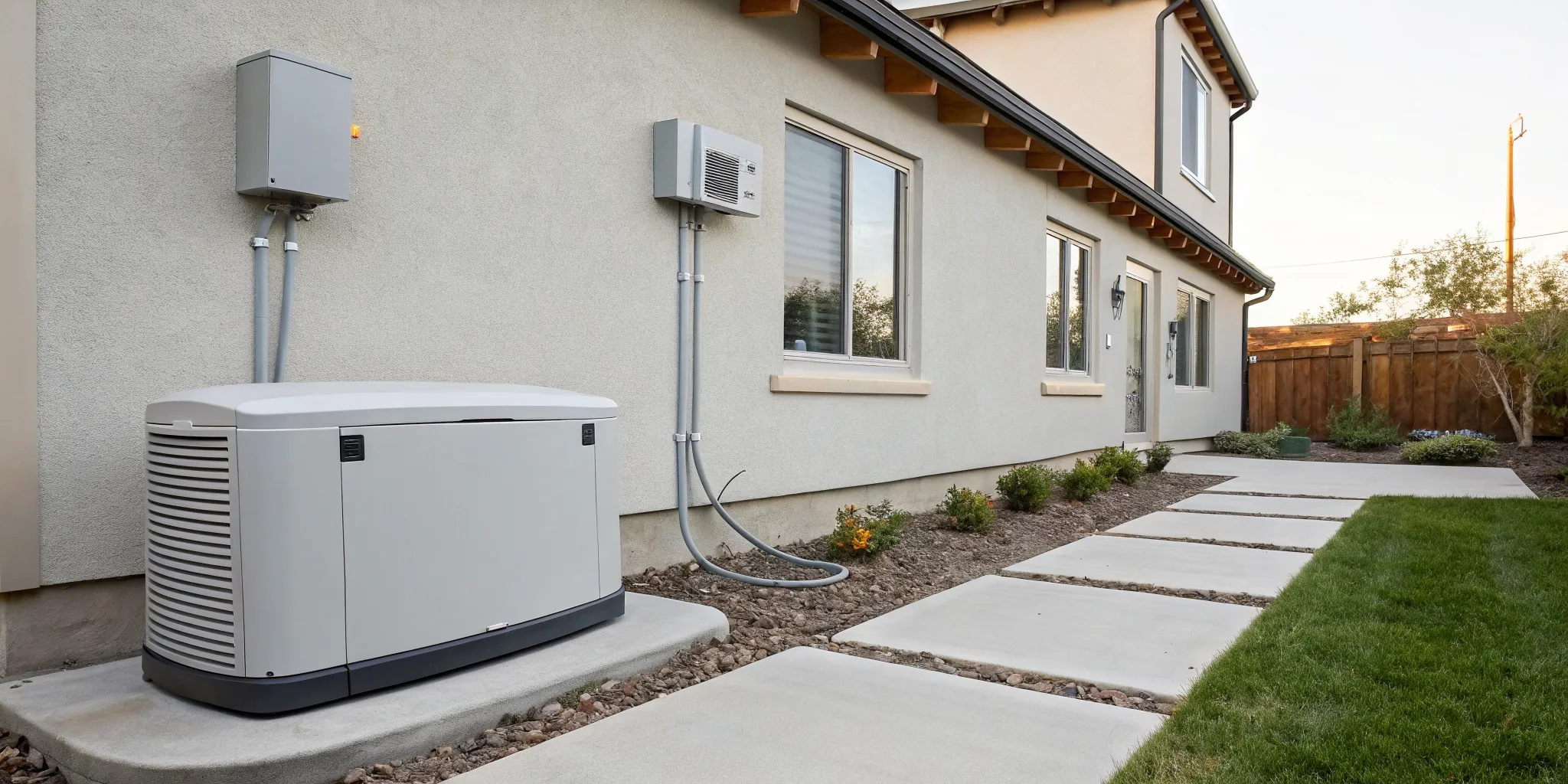
Where the generator sits is just as important as what it sits on. Proper placement is key for safety, performance, and future maintenance. We follow Generac’s guidelines, which require at least three feet of clearance from the front and ends of the generator. This includes keeping it away from shrubs, bushes, trees, windows, and vents. This open space ensures the generator has enough airflow to cool itself and prevents the buildup of exhaust fumes. It also gives our technicians easy access for routine generator maintenance and any necessary service down the road.
Step 3: Connecting the Electrical and Transfer Switch
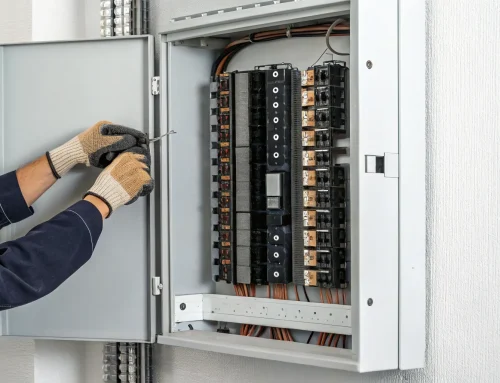
This is where your generator gets integrated with your home’s electrical system. Your Generac generator connects to your home through an automatic transfer switch (ATS), which our certified electricians install right beside your main electrical panel. Think of the ATS as the brain of the system. It constantly monitors the power coming from the utility company. The moment it detects an outage, it automatically disconnects your home from the grid and signals the generator to start up, restoring power in seconds. This seamless transition is what gives you true peace of mind.
Step 4: Connecting the Fuel Line and Final Test
With the generator in place and the electrical work done, the final step is connecting the fuel. Most home standby generators run on natural gas or liquid propane. Our team will safely connect the generator to your home’s existing fuel supply. We meticulously check and leak-test every connection to ensure it’s completely secure. Once everything is hooked up, we run a full system test. We simulate a power outage to verify that the generator starts, the transfer switch operates correctly, and your home’s power is fully restored. We won’t leave until we’re certain your system is ready for anything.
Essential Safety Steps for Generator Installation
When it comes to installing a home standby generator, safety is the top priority. A correct installation ensures your generator runs efficiently and, more importantly, keeps your home and family safe from potential hazards. From proper placement to secure fuel connections, every step is critical. Think of these safety measures not as guidelines, but as essential rules for a reliable and secure power backup system. Following them protects your investment, your property, and the people inside it.
Preventing Carbon Monoxide with Proper Ventilation
The single most important safety rule is ensuring your generator has proper ventilation. Generators produce carbon monoxide (CO), a colorless and odorless gas that can be lethal. To prevent any risk, the unit must be positioned in a well-ventilated outdoor area. This location should be far from any windows, doors, or vents that could allow CO to enter your home. It’s also crucial to keep the area clear of flammable materials and away from spots where water might collect. A professional installer will identify the perfect location that meets all safety clearances, giving you total peace of mind.
Getting the Fuel Line Installation Right
Your generator’s fuel line is its lifeline, and connecting it correctly is a job that demands precision. Whether your unit runs on natural gas or liquid propane, the connection must be secure, leak-free, and compliant with all local codes. For Generac Guardian Series models, a flexible fuel line is a required component of the installation. This isn’t just a best practice; it’s a manufacturer standard. An improper gas connection is a serious safety risk and one of the main reasons a manufacturer’s warranty could be voided. This step is best left to a certified technician who handles these connections every day.
Leave Code Compliance to the Professionals
While it might be tempting to take on the installation yourself, this is one project where professional expertise is essential. A certified technician ensures every part of the residential standby generator installation meets strict safety standards and local regulations. Generac’s warranty is one of the best on the market, but it depends on a proper setup. Issues like poor placement or incorrect gas connections can jeopardize your coverage. By working with an authorized dealer, you guarantee the job is done right, your warranty is protected, and your generator is ready to perform safely for years to come.
Common Installation Hurdles (And How to Clear Them)
Even with careful planning, installations can have a few surprises. A professional installer is prepared to handle these smoothly, but it’s helpful to know what challenges can arise. From navigating local property rules to ensuring every mechanical part is perfectly aligned, a few hurdles are common. This is exactly why working with an experienced team is so important. A certified installer has seen it all and knows how to address issues quickly and correctly, ensuring your generator is placed properly and functions exactly as it should.
Dealing with Tight Spaces and Local Rules
Finding the right spot for your generator involves more than just where it fits. Placement is guided by strict safety codes, manufacturer requirements, local zoning laws, and even HOA rules. Your generator needs to be a specific distance from doors, windows, and vents to prevent exhaust from entering your home. It’s crucial to assess the space and consider these regulations. Our team is familiar with the specific codes across our service areas, ensuring your installation is fully compliant from the start.
What If There’s a Mechanical Issue During Setup?
During installation, small mechanical issues can arise that require a trained eye. Things like “plungers hanging up in coils” or “lugs not seated properly” are examples of minor but critical details that can affect performance if not handled correctly. These aren’t equipment flaws but complexities of installing a powerful machine. An experienced technician knows what to look for and makes precise adjustments on the spot. This attention to detail is why our service and repair expertise is so valuable during the installation phase.
The Role of Clear Communication with Your Installer
A smooth installation depends on a team that knows the equipment inside and out. As an authorized dealer, we understand what Generac requires for a valid warranty. The manufacturer has high standards and frowns on things like improper placement or incorrect gas connections, which could compromise your warranty protection. Working with a certified team ensures every step is done by the book. We believe in building trust through transparency, and we invite you to get to know our team and our commitment to reliable, long-term support.
How Long Does a Generac Generator Installation Take?
One of the most common questions we get is about the installation timeline. It’s helpful to think of the process in two parts: the preparation phase and the on-site installation day. While our team is typically at your home for just a day or two, the entire project from start to finish takes a bit longer to ensure everything is done correctly and safely. Proper planning is the key to a smooth and efficient installation, so we take the time to handle every detail upfront, from site selection to securing the right permits. This careful preparation means that when installation day arrives, our team can work efficiently to get your generator up and running.
What’s a Typical Installation Timeline?
The physical residential standby generator installation is surprisingly quick, with most projects completed within one to two days. During this time, our certified technicians will prepare the site, set the generator, and make all the necessary electrical and fuel connections. However, the entire process from your initial consultation to the final system test usually takes a few weeks. This allows us to conduct a thorough site assessment, help you select the perfect generator for your needs, order the equipment, and secure any required local permits. We manage this entire process so you don’t have to worry about the logistics.
What Can Extend Your Installation Time?
While we stick to a tight schedule, a few factors can sometimes extend the timeline. The most common variable is the time it takes to get local permits. Every township has its own process, and securing electrical, mechanical, or zoning permits can add time. Other potential delays include complex site preparation, like needing to clear landscaping or pour a new concrete pad. If your home requires significant electrical upgrades to support the new system, that can also add to the project scope. Our team will identify any potential challenges during your initial consultation, giving you a clear and realistic timeline from the very beginning.
What to Expect After Your Generator is Installed
Once your new Generac generator is installed, it’s natural to have a few questions about how it all works. You’ve made a great investment in your home’s security and comfort, and now it’s time to get familiar with your new system. Think of your generator like any other major appliance; it requires a little bit of knowledge to keep it running perfectly. We’ll walk through some of the most common questions we hear from homeowners after installation, covering everything from routine upkeep to what happens when the power goes out. This will help you feel confident and prepared for whatever the weather brings.
What Maintenance Will My Generator Need?
Just like your car, your generator needs regular check-ups to stay in top condition. Generac recommends a schedule of periodic maintenance to ensure your unit provides reliable service for years to come. When it’s running, you can expect it to sound similar to your central air conditioning unit, operating at a manageable 60-70 decibels. Sticking to a Generac maintenance plan with a certified technician is the best way to catch small issues before they become big problems. This proactive care ensures your generator is always ready to power on the moment you need it.
How Do I Manage My Fuel Supply?
One of the best features of a standby generator is that you don’t have to worry about refueling it during an outage. Your Generac Guardian Series generator connects directly to your home’s existing natural gas or liquid propane (LP) fuel supply. During your residential standby generator installation, our technicians ensure the fuel lines are properly sized and securely connected to provide a steady, sufficient flow of fuel. This seamless integration means your generator has the energy it needs to run for as long as necessary, whether it’s a few hours or a few days, without any extra work from you.
How Automatic Operation Works (And Quick Fixes)
The real beauty of a standby generator is its automatic operation. You don’t have to do a thing. Within seconds of a power outage, the automatic transfer switch senses the disruption and signals your generator to start, restoring power to your home seamlessly. This is a huge advantage over portable models. If your generator doesn’t kick on as expected, first check that the main utility breaker is on. If everything looks normal but it’s still not working, it’s best to call for professional help. Our team can handle any generator service and repair to get you back up and running safely.
How Quickly Does Power Get Restored?
This is the best part—it’s incredibly fast. The moment your home loses utility power, the automatic transfer switch gets to work. It disconnects you from the grid and signals the generator to start, restoring power to your entire home in about 12 to 15 seconds. It happens so quickly that you might not even realize the power went out in the first place. This seamless transition is what truly sets a standby generator apart, eliminating the scramble for flashlights and candles. You can continue your day without interruption, knowing your home is fully protected. It’s this immediate, hands-off reliability that provides genuine peace of mind.
Keeping Your Generac Generator in Top Shape
Your Generac generator is a powerful machine designed to protect your home, but like any engine, it needs regular care to perform at its best. Consistent maintenance is the key to ensuring your generator operates safely and efficiently for years to come. Think of it as protecting your investment and guaranteeing peace of mind. When the power goes out, you want to be confident that your generator will start without a hitch.
Regular upkeep helps catch small issues before they become major problems, extending the life of your unit and ensuring it’s ready for any outage. From annual tune-ups to seasonal checks, a simple maintenance routine is all it takes. While some tasks are straightforward, we always recommend a professional service plan to handle the technical details. A certified technician can perform a thorough inspection and provide expert Generac maintenance to keep your system in peak condition.
Biannual Maintenance Checks
Think of your generator’s maintenance schedule like the oil changes for your car—they’re essential for long-term performance. Biannual checks are a core part of this routine. During these visits, a technician will inspect the battery, check fluid levels, test the transfer switch, and run a diagnostic to ensure every component is working correctly. This isn’t just about ticking boxes; it’s about proactive care. Sticking to a schedule of professional generator maintenance is the best way to catch small issues, like a weak battery or a clogged filter, before they can cause a failure during a real power outage. This consistent upkeep ensures your generator is always ready to go when you need it most.
The Essential Annual Maintenance Checklist
An annual service appointment is the foundation of a healthy generator. Once a year, a certified technician should perform a comprehensive tune-up to keep everything running smoothly. This service is crucial for preventing unexpected failures and maintaining your warranty. During an annual check, a professional will typically change the oil and oil filter, replace the air filter, and install new spark plugs. They will also test the battery, inspect belts and hoses for wear, and ensure all electrical connections are secure. This yearly inspection gives you confidence that your generator is prepared for whatever the weather brings.
What to Do After 200 Hours of Use
While annual service is based on time, some maintenance is based on usage. After an extended power outage, your generator might log significant run time. Generac recommends a full service after every 200 hours of operation. This is equivalent to running your generator continuously for just over eight days. This service is very similar to an annual tune-up and includes changing the oil and filter to prevent engine damage from old, broken-down oil. Your generator’s control panel tracks its run time, so you’ll always know when this critical maintenance is due. Timely generator service and repair after heavy use is essential for long-term reliability.
How to Prep Your Generator for Every Season
Seasonal prep helps ensure your generator is ready for year-round challenges. The most important rule is to keep the area around the unit clear. Make sure there are at least three feet of clearance on all sides to allow for proper airflow and prevent fire hazards. In the winter, clear away snow and ice buildup after storms. In the spring and summer, trim back overgrown shrubs and grass. Throughout the fall, rake away any leaves or debris that could block vents. It’s also a good idea to let your generator run its weekly self-test to confirm everything is working correctly.
Understanding Your Post-Installation Support
Getting your Generac generator installed is a huge step toward securing your home’s power, but the process doesn’t end when the engine starts. The real value comes from the ongoing support and peace of mind you get from a trusted partner. A professional installation is your entry point into a long-term relationship that keeps your generator ready for any outage. From answering your questions to handling routine service, the right team makes all the difference.
Why Work with an Authorized Dealer?
Choosing an authorized Generac dealer means you’re working with a team trained and certified directly by the manufacturer. We know these machines inside and out. Most homeowners start by working with a dealer who can provide a free quote and help them select the perfect generator for their needs. An authorized dealer handles everything, from assessing your home’s power requirements to managing the entire residential standby generator installation. This expertise ensures your system is sized correctly, placed safely, and integrated seamlessly with your home’s electrical panel for a reliable solution from day one.
Where to Find Manuals and Get Support
Once your generator is installed, you’ll likely have questions about how it operates, what the indicator lights mean, and what to expect during its weekly self-test. A great dealer doesn’t just install your equipment and disappear. We provide you with all the necessary user manuals and guides to help you feel comfortable with your new system. More importantly, we are here to answer your questions. Whether you need a quick reminder on how to check the oil or have a concern about its performance, our team is always available to provide clear, helpful generator service and repair support.
How Professional Service Protects Your Warranty
Generac offers one of the best warranties in the industry, but it requires that the generator is installed and maintained correctly. The manufacturer can deny warranty claims due to improper placement, incorrect fuel connections, or a lack of certified installation. A DIY installation or hiring an uncertified electrician can void your warranty, leaving you responsible for future repair costs. Working with a certified professional guarantees that every step meets Generac’s strict standards. This protects your warranty and ensures your generator operates safely, which is why scheduled Generac maintenance is so important.
Why Professional Generac Installation is a Must
Installing a standby generator is a significant upgrade to your home, involving complex electrical wiring and fuel systems. While the temptation to DIY can be strong for some projects, this is one area where professional expertise is non-negotiable. A certified technician ensures your generator operates safely, efficiently, and reliably when you need it most.
Hiring a professional isn’t just about convenience; it’s about protecting your family, your home, and your investment. An expert handles the entire process, from securing permits to performing the final system checks. They have the specialized tools and training to manage the intricate connections between the generator, your home’s electrical panel, and the fuel source. This isn’t a simple plug-and-play device. It’s a permanent appliance that integrates directly with your home’s most critical systems. From navigating local codes to ensuring your warranty remains intact, an authorized dealer handles every critical detail. Let’s walk through exactly why choosing a professional for your Generac generator installation is the smartest decision you can make.
For Your Safety and Peace of Mind
A generator installation involves high-voltage electricity and fuel lines, a combination that requires precise, expert handling. An improper connection can create serious safety hazards, including fire risks or electrical system damage. Professionals are trained to manage these risks and ensure every connection is secure. They also understand the specific local and national codes that govern generator placement, wiring, and fuel hookups. This guarantees your installation is not only safe but also fully compliant, avoiding potential issues with home inspections or insurance claims down the road. Trusting an expert prevents dangerous mistakes and gives you complete peace of mind.
Protect Your Investment and Warranty
Your Generac generator comes with a manufacturer’s warranty that protects your investment, but this coverage often depends on proper installation. Generac can void a warranty if the unit is installed incorrectly, such as with improper placement that restricts airflow or faulty fuel connections. A certified technician installs your generator according to the manufacturer’s exact specifications, ensuring every requirement is met. This professional setup is the first and most important step in a proper generator maintenance plan. By using an authorized installer, you safeguard your warranty and ensure you’re covered for any future service needs, protecting the long-term health of your generator.
Get It Right the First Time with Expert Testing
A key part of a standby generator system is the automatic transfer switch (ATS), which connects the generator to your home’s electrical panel. This integration is what allows your generator to turn on automatically during an outage. A professional installer performs a site survey to assess your home’s specific power needs and determines the best way to integrate the ATS. After the physical installation, they conduct a full system test, simulating a power outage to confirm the generator starts, transfers power, and shuts down correctly. This expert testing ensures your system works seamlessly from day one, so you’re never left in the dark.
Related Articles
- What is a Certified Generac Installer? A Guide
- What Size Generac Generator Do I Need? A Simple Guide
- Your Guide to a Generac Dealer in Fort Washington
- How to Find the Best Standby Generator Dealer in Audubon
Frequently Asked Questions
What’s the difference between a whole-house generator and one that only powers essentials? Choosing between these two options comes down to your personal needs during an outage. An essential-circuits setup powers the basics, like your refrigerator, sump pump, furnace, and a few lights. A whole-house solution, on the other hand, powers everything. This means your air conditioning, television, and all your outlets will work just as they normally do. It’s the difference between keeping your home safe and functional versus keeping your life completely uninterrupted.
How loud will the generator be when it’s running? You can expect your Generac generator to sound similar to your home’s central air conditioning unit when it’s running. They are designed to operate at a neighborhood-friendly volume. During your consultation, we also help you choose a location for the unit that minimizes sound disruption to both your home and your neighbors, ensuring it provides power without being a nuisance.
Does the generator turn on by itself if I’m away from home? Yes, it absolutely does. The system is fully automatic, which is one of its greatest benefits. The smart transfer switch constantly monitors the power from the utility company. The moment it detects an outage, it signals the generator to start and seamlessly transfers your home’s power source. This happens whether you are home or away on vacation, so you can have peace of mind knowing your home is always protected.
How long can the generator run continuously during a long power outage? Because a standby generator connects directly to your home’s natural gas line or a large liquid propane tank, it can run for as long as the outage lasts. Unlike portable generators that require constant refueling, your Generac has a continuous fuel source. This means it can power your home for days, or even weeks if necessary, ensuring your family stays comfortable and safe through extended emergencies.
What is the weekly self-test I’ve heard about? The weekly self-test is a short, automatic diagnostic check that your generator performs to make sure it’s ready for an actual outage. Once a week, at a time you can schedule, the generator will start up and run for about ten to twelve minutes without transferring power to your home. It’s a quiet, routine function that confirms the battery is healthy and the engine is ready to go, giving you confidence that your system is in perfect working order.