
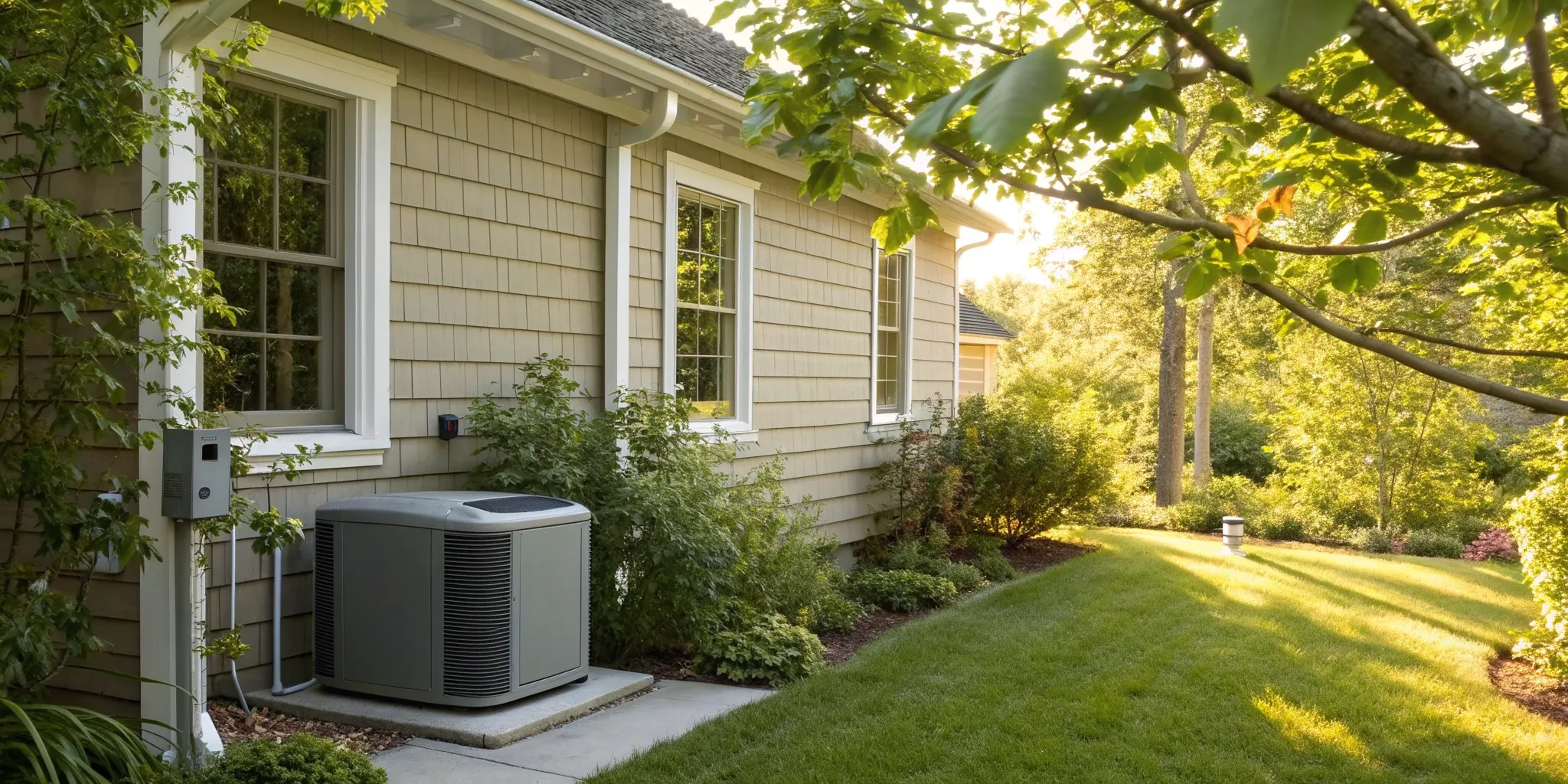
A whole-home generator is a major property upgrade, but it’s one that pays you back in peace of mind long before you ever sell. It’s a feature that protects your home and family while adding tangible value that makes potential buyers take notice, especially in outage-prone areas. This turns a simple purchase into a smart, long-term asset for your property. But when you look at the numbers, are generators worth it? And is it worth getting an emergency generator for your specific needs? Let’s break down the real value of this powerful home improvement.
Key Takeaways
- Think Beyond Keeping the Lights On: A generator is your home’s defense against expensive damage like flooded basements and burst pipes, while also providing critical, uninterrupted power for medical devices, security systems, and home offices.
- Generator Installation Isn’t a DIY Project: Safely connecting a generator to your home’s electrical and fuel systems requires certified expertise. Professional installation is crucial for ensuring your generator works correctly during an outage and protects both your home and your warranty.
- Determine Your Must-Haves Before You Shop: Decide exactly what you need to power during an outage—whether it’s just the refrigerator and sump pump or the entire house. Knowing your essentials helps you select the right-sized generator for your needs and budget.
How Do Home Generators Actually Work?
Think of a home generator as your personal power station, always on guard. When a power outage hits, you don’t have to do a thing. A standby generator is permanently installed outside your home, much like an air conditioning unit. It’s connected directly to your home’s electrical panel and its fuel source, which is typically natural gas or propane.
The magic happens with a component called an automatic transfer switch (ATS). This device constantly monitors the power coming from the utility grid. The moment it detects an interruption, it signals the generator to start up. Within seconds, the ATS safely disconnects your home from the grid and connects it to the generator’s power. Your lights, refrigerator, heating system, and other essential appliances will turn back on automatically.
You won’t need to run outside in a storm to flip a switch or refuel a tank. The entire process is seamless. Once the utility power is restored, the ATS senses it, reconnects your home to the grid, and shuts the generator down. It then puts itself back into standby mode, ready for the next time you need it. It’s a hands-off solution that provides true peace of mind.
Standby or Portable: Which Generator Is for You?
When people talk about home generators, they’re usually referring to one of two types: standby or portable. A standby generator is a permanent fixture. A professional performs a residential standby generator installation, connecting it directly to your home’s power and fuel line. It turns on automatically during an outage and can power your entire house.
A portable generator, on the other hand, is a smaller unit you can move around. You have to set it up, start it manually, and run extension cords to the specific appliances you want to power. They’re less expensive upfront but require more hands-on work, including storing and adding fuel. They’re also louder and can’t power as many things as a standby model.
Exploring Portable Options: Inverter vs. Conventional
If you decide a portable unit fits your immediate needs, you’ll find two main types: conventional and inverter generators. Conventional open-frame generators are the workhorses you often see at construction sites. They are generally louder and less fuel-efficient but offer a lower upfront cost. They’re a solid choice for powering basic necessities like your refrigerator and a few lights, but they require you to manually set them up, refuel them, and run cords. Inverter generators are a more modern alternative. They use less fuel, especially when not running at full power, and are significantly quieter. Many inverter models can also be linked together if you need more power, offering a bit more flexibility than their conventional counterparts.
Considering Alternatives: When a Battery Backup Makes Sense
Another option you might hear about is a battery backup system. These systems store electricity from the grid and release it during an outage. If your power loss is typically infrequent and very short—lasting just minutes or a couple of hours—a battery backup might be a practical solution for keeping a computer or a few lights running. However, their capacity is limited. Once the stored power is used, you’re back in the dark until utility service is restored. For more severe situations or extended outages, a standby generator provides a far more robust and reliable solution. The true value of a Generac generator is the peace of mind that comes from knowing your entire home is protected, preventing costly damage and ensuring life continues without interruption.
How a Generator Automatically Takes Over
A generator does much more than just keep the lights on. It protects your home and maintains your family’s comfort and safety during an outage. With a reliable backup power source, your essential systems keep running without interruption. Your refrigerator and freezer stay cold, preventing hundreds of dollars worth of food from spoiling.
In the winter, your furnace continues to run, keeping your family warm and preventing pipes from freezing and bursting. During a summer heatwave, the air conditioning stays on. If you have a sump pump, it will keep working to prevent your basement from flooding. For anyone relying on powered medical equipment, a Generac generator isn’t just a convenience—it’s a necessity.
Why a Home Generator Is a Smart Investment
When you think about a home generator, you probably picture keeping the lights on during a storm. And while that’s a huge plus, the real benefits go much deeper. A standby generator is an investment in your home’s safety, your family’s comfort, and your overall peace of mind. Unlike a portable unit you have to wheel out and hook up in the dark, a standby generator works automatically to protect what matters most, whether you’re home or away. Within seconds of an outage, it senses the disruption and restores power to your home. From preventing costly damage to simply maintaining a sense of normalcy when the neighborhood goes dark, the advantages are worth considering for any homeowner.
Gain Peace of Mind for Your Family
During a power outage, a generator is your first line of defense for what truly matters. It ensures that critical medical equipment, like oxygen concentrators or refrigerated medications, continues to run without a single interruption. Beyond that, it powers your security system to keep your home monitored, keeps the lights on to prevent accidents, and allows you to keep your phones and devices charged to stay connected with loved ones and emergency services. A Generac generator seamlessly takes over, so you can focus on your family’s well-being instead of scrambling for flashlights and worrying about the power.
Power Your Essentials: From Fridge to Wi-Fi
Power outages can cause more than just inconvenience—they can lead to expensive, messy damage. A standby generator keeps your essential appliances running, preventing a refrigerator and freezer full of food from spoiling, which can save you hundreds of dollars. More importantly, it powers your sump pump to stop your basement from flooding during a heavy storm and keeps your furnace running in the winter to prevent pipes from freezing and bursting. For homes with a well, it keeps the water flowing. By maintaining these crucial systems, a generator protects your home from thousands of dollars in potential repairs and losses.
Stay Comfortable and Secure, No Matter the Weather
Losing power completely disrupts your routine and sense of security. A generator helps you maintain normalcy and comfort when the unexpected happens. You can still enjoy hot water for showers, cook warm meals for your family, and keep the kids entertained with their favorite shows. The air conditioning will keep running during a sweltering summer heatwave, and the heat will stay on during a winter blizzard. This ability to continue with your daily life—working from home, finishing homework, or just relaxing—reduces stress and keeps your home the comfortable, secure sanctuary it’s meant to be.
Does a Generator Add Value to Your Home?
A whole-home generator isn’t just a purchase; it’s a smart upgrade that can increase your property’s value. For potential buyers, a home equipped with a reliable power backup system is a major selling point, especially in areas that experience frequent outages due to storms. A professionally installed standby generator signals that a home is secure and well-cared-for, potentially increasing its market value by 3-5%. Investing in a residential standby generator installation not only protects your family now but can also provide a tangible return when it’s time to sell your home.
Protect Your Appliances from Damaging Power Surges
It’s not just the outage itself that poses a threat to your home; it’s the moment the power comes back on. That sudden rush of electricity can create a power surge, sending a jolt through your wiring that can fry the sensitive electronic components in your most expensive appliances. Your smart TV, computer, refrigerator, and HVAC system are all packed with microprocessors vulnerable to these surges. A single event can lead to costly repairs or a complete replacement. A standby generator acts as a protective shield against these unpredictable electrical spikes, saving you money on replacements.
When the grid goes down, your generator’s automatic transfer switch safely disconnects your home from the utility line. When power is restored, the generator ensures the utility power is stable before it switches you back. This process completely isolates your home from the damaging surge that often accompanies power restoration, providing a smooth, uninterrupted flow of clean power. This protection not only saves you from the headache of unexpected expenses but also extends the life of your appliances, preventing the need for premature electrician repairs.
What’s the Real Cost of a Home Generator?
Thinking about a home generator often brings one big question to mind: what’s the real cost? It’s helpful to view a generator not as a simple purchase, but as an investment in your home’s safety and your family’s comfort. The total cost is more than just the price tag on the unit; it includes the initial setup, ongoing care, and the fuel to run it when you need it most. Understanding these different pieces helps you see the full picture and decide what makes sense for your budget and your home. Let’s break down what goes into the cost of owning a generator so you can feel confident in your decision.
Your Initial Investment: Unit and Installation
The initial investment for a generator has two main parts: the unit itself and the professional installation. The price of the generator depends on its size and capacity—whether you need to power a few essential appliances or your entire home. The second part is the residential standby generator installation, which is crucial for ensuring your system works safely and correctly. This process involves preparing the site, making the proper electrical connections to your home’s panel, and handling any necessary permits. A professional team ensures everything is up to code and ready to perform reliably the moment the power goes out.
Factoring in the Installation Timeline
It’s important to remember that getting a generator installed isn’t an overnight process. From the day you decide to move forward, the timeline can take several weeks or even longer, depending on a few key factors. Securing the necessary permits from your local township, product availability for the specific model you choose, and even the weather can influence the schedule. A proper residential standby generator installation is a coordinated effort that involves preparing the site, connecting to your home’s electrical panel, and hooking up the fuel line. Because of these steps, it’s wise to plan well in advance, especially before the peak storm seasons arrive. Thinking ahead ensures you’ll have your power protection in place when you need it most.
Beyond the Purchase: Fuel and Maintenance Costs
Once your generator is installed, there are a few ongoing costs to keep in mind. The first is fuel. Your generator will consume natural gas or propane during an outage, and the amount depends on how long the power is out and how many appliances you’re running. The second, and just as important, is routine upkeep. Just like your car, your generator needs regular check-ups to stay in top condition. A Generac maintenance plan typically includes oil changes, filter replacements, and system diagnostics to catch any potential issues early. This proactive care ensures your generator will be ready to work flawlessly whenever you need it.
Are Generators Too Expensive? Let’s Talk Myths
It’s easy to get sticker shock, but let’s clear up a few myths. First, a generator isn’t meant to save you money on your monthly utility bill; it’s an investment in protection. It safeguards you from the costs of spoiled food, flood damage from a failed sump pump, or even a burst pipe in winter. Another common myth is that you need a massive unit to power your entire house. Many homeowners find that a smaller generator that covers just the essentials—like the refrigerator, furnace, and a few lights—is a perfect and more affordable fit. Thinking about the investment is easier when you explore Generac financing options that can make securing your home’s power more manageable.
Potential Tax Benefits and Financial Perks
Beyond protecting your home and increasing its value, a generator can sometimes offer financial perks, particularly when it comes to taxes. While a generator isn’t a standard tax write-off for every homeowner, there are specific circumstances where you might be able to see a financial benefit. It’s important to understand these situations and consult with a tax professional to see if they apply to you. Think of it as another potential return on your investment in home security and preparedness. Let’s look at the key concepts and scenarios you should know about.
Understanding Tax Deductions vs. Tax Credits
Before we get into the specifics, it’s helpful to know the difference between a tax deduction and a tax credit. A tax deduction lowers your taxable income. For instance, if your income is $80,000 and you have a $5,000 deduction, you only pay taxes on $75,000. A tax credit, on the other hand, is a dollar-for-dollar reduction of the actual tax you owe. If you owe $4,000 in taxes and get a $1,000 credit, your tax bill drops to $3,000. Tax credits are generally more valuable, but both can help reduce your overall tax burden.
When Can a Generator Be a Deductible Expense?
There are a few key situations where a generator might qualify as a deductible expense. If the generator is required to power essential medical equipment—like a CPAP machine, oxygen concentrator, or dialysis equipment—it may be considered a medical expense. You can typically deduct total medical expenses that exceed 7.5% of your adjusted gross income. Additionally, if you run a business from home, you may be able to deduct a portion of the generator’s cost based on the percentage of your home used for business purposes. A residential standby generator installation can also be classified as a capital improvement, which increases your home’s cost basis. This won’t give you an immediate deduction, but it can reduce your capital gains tax if you sell your home later. Always discuss these possibilities with a qualified tax advisor to ensure you’re following IRS guidelines.
When Is a Generator a Necessity, Not a Luxury?
While a home generator is a fantastic convenience for anyone who dislikes being left in the dark, for some households, it’s less of a luxury and more of a necessity. Certain situations can turn a simple power outage from an inconvenience into a genuine crisis. If you find yourself nodding along to any of the scenarios below, a generator might be a critical investment for your home’s safety and your family’s well-being.
Think about your home’s specific vulnerabilities. Do you live in an area where storms frequently knock out the power? Does a family member rely on electricity for their health? Are you worried about expensive damage to your home during a prolonged outage? These are the moments when a reliable Generac generator moves from the “nice-to-have” column to the “must-have” list, providing essential protection when you need it most.
For Frequent Power Outages and Storms
Southeastern Pennsylvania sees its fair share of wild weather, from summer thunderstorms and hurricane remnants to winter ice and snow. These events often bring power outages with them. As CNET notes, “Home generators protect you during power outages, which are happening more often, especially due to bad weather.” Instead of worrying every time the forecast looks grim, a standby generator offers peace of mind. It automatically kicks in the moment the power goes out, keeping your lights, heat, and appliances running seamlessly. This means you can ride out the storm in comfort and safety, without disrupting your daily life.
If You Rely on At-Home Medical Equipment
For many people, an uninterrupted power supply is a critical health requirement. As one expert puts it, “It’s especially important if someone needs medical equipment.” Devices like oxygen concentrators, CPAP machines, home dialysis equipment, or refrigerators storing vital medications like insulin depend on constant electricity. In these cases, a power outage can quickly become a life-threatening emergency. A residential standby generator installation ensures that this essential medical equipment continues to function without interruption, providing a crucial lifeline and security for your loved ones no matter what the weather is doing outside.
Preventing Costly Damage (Like Frozen Pipes)
A power outage can do more than just turn off the lights; it can cause serious and expensive damage to your home. Without power in the winter, your heating system shuts down, putting your pipes at risk of freezing and bursting. In warmer, wetter months, a powerless sump pump can lead to a flooded basement. As Strada Services points out, generators “stop problems like frozen pipes, flooded basements, warped wood floors, and spoiled food or medicine. This can save you thousands of dollars.” By keeping your essential systems running, a generator acts as a powerful defense against catastrophic repairs, protecting your home and your wallet.
Are There Any Downsides to a Generator?
A home generator is a fantastic investment in your family’s comfort and safety, but like any major home upgrade, it’s important to go in with your eyes wide open. Thinking through the practical side of ownership ensures you’ll be completely happy with your decision for years to come. Let’s walk through a few key considerations so you can get a full picture of what to expect.
The Reality of Noise and Regular Upkeep
To ensure your generator is ready the moment you need it, it requires a little TLC. Think of it like your car—it runs best with regular check-ups. Standby generators need routine service, including oil changes and filter replacements, to keep the engine in top shape. This proactive approach is the best way to protect your investment and guarantee reliability during an outage. Scheduling a professional generator maintenance plan is the easiest way to handle this, so you don’t even have to think about it.
As for noise, it’s a common question. While no generator is completely silent, modern standby units are much quieter than the portable models you might be used to hearing. Most homeowners compare the sound to their central air conditioning unit running. It’s a noticeable but manageable hum that you’ll likely find is a small price to pay for keeping your lights on and your home running.
Where Will It Go? Planning for Space and Fuel
A standby generator is permanently installed, so you’ll need to plan for its location and fuel source. These units typically run on your home’s existing natural gas or propane supply, which means you don’t have to worry about refueling during a storm. This fuel is an ongoing operational cost, but it’s what allows the generator to kick on automatically and run for as long as necessary.
You’ll also need a dedicated spot for the generator outside your home. It needs to be on a stable, level surface and must be placed a safe distance from windows, doors, and vents. Our team handles all the details during the residential standby generator installation process to ensure everything is up to code and perfectly positioned for safety and performance. We’ll work with you to find the ideal spot that fits your property’s layout.
Is the Initial Investment a Dealbreaker?
There’s no getting around it—a whole-home generator is a significant purchase. The cost includes not only the unit itself but also the professional installation, which involves electrical work, fuel line connections, and securing permits. It’s a comprehensive process designed to integrate the generator seamlessly and safely with your home’s existing systems.
While the upfront cost can feel substantial, it’s helpful to view it as a long-term investment in your property and your family’s security. It protects your home from costly damage like burst pipes and flooded basements and adds considerable value. To make this investment more manageable, there are often flexible Generac financing options available that allow you to get the protection you need without the financial strain.
Considering Long-Term vs. Short-Term Value
It’s easy to focus on the initial cost of a generator, but the true value unfolds over years of reliable protection. Think of it this way: the upfront expense is a single event, while the benefits are continuous. A standby generator is a long-term investment in your home’s safety and your family’s comfort. It’s the peace of mind that comes from knowing your heat will stay on during a blizzard, preventing frozen pipes, and your sump pump will keep running during a downpour, avoiding a flooded basement. When you weigh the one-time cost against the potential for thousands of dollars in repairs and losses from a single outage, the equation changes. A reliable Generac generator isn’t just about surviving an outage; it’s about safeguarding your home and maintaining normalcy for years to come.
Ready to Buy? Answer These Questions First
Once you’ve weighed the pros and cons, the next step is to think through the specifics of what a generator would look like for your home. Getting clear on your needs, your space, and your installation plan will make the entire process much smoother. It helps you move from the idea of getting a generator to a concrete plan for making it happen.
What Size and Fuel Type Is Right for You?
You might be picturing a generator that can power your entire house, but that’s not always necessary. The first step is to decide what you truly need to keep running during an outage. Make a list of your essentials—it might be the refrigerator and freezer, the sump pump, specific medical equipment, or your home office setup. This will help determine the right size for your Generac generator. You can choose a smaller unit to cover just the basics or a larger one for whole-home comfort. You’ll also want to consider the fuel type, which usually comes down to natural gas or liquid propane, depending on what’s available and convenient for your property.
Mapping Out Your Installation Location
A standby generator is a permanent addition to your home, so it needs a dedicated spot. Generally, you’ll need a clear, level area that’s at least five feet away from any windows, doors, or vents to ensure proper ventilation and safety. Think of it as finding a home for a new central air conditioning unit. The timeline for a residential standby generator installation can also vary. Between coordinating with local utilities, securing permits, and preparing the site, it’s a good idea to plan ahead rather than waiting until the storm season is right around the corner.
Placement Rules and Local Regulations
Picking the right spot for your generator involves more than just finding an open patch of lawn. Specific safety codes and local regulations dictate exactly where it can be placed. For instance, your generator must sit on a stable, level surface and be a safe distance from windows, doors, and vents to prevent dangerous exhaust from entering your home. These requirements can vary from one township to another, so it’s important to know the rules in your specific area. This is where professional guidance is essential. A certified team will handle all the details, ensuring your residential standby generator installation is not only safe but also fully compliant with all local codes, giving you complete peace of mind.
Can You DIY a Generator Installation?
While it might be tempting to look for ways to cut costs, installing a standby generator is not a DIY project. This is a complex piece of equipment that connects directly to your home’s electrical system and fuel lines. A professional installation ensures everything is done safely and according to local codes, protecting your home and family from risks like carbon monoxide poisoning or electrical fires. Working with certified technicians guarantees that your generator will function correctly when you need it most. It also ensures your warranty remains valid, giving you reliable support for future Generac service and repair.
Understanding the Safety Risks: CO Poisoning and Electrical Hazards
The most critical reason generator installation isn’t a weekend project is safety. The primary hazard is carbon monoxide (CO) poisoning from the engine’s exhaust. CO is an invisible, odorless gas that can become deadly in minutes if it builds up in an enclosed space. This is why a generator must always be installed outdoors, a safe distance from any windows, doors, or vents that could allow the fumes to enter your home. A professional installation ensures your unit is placed correctly, following all safety codes to protect your family from this silent threat. It’s a non-negotiable step for safe, reliable backup power.
Beyond CO, there are significant electrical dangers. Improperly connecting a generator to your home’s electrical panel can cause “backfeeding,” where electricity flows back into the utility lines. This creates a life-threatening risk for utility workers trying to restore power. A professionally installed automatic transfer switch (ATS) makes this impossible by safely disconnecting your home from the grid before drawing power from the generator. This is complex work that requires a deep understanding of electrical systems. Relying on certified experts for your residential standby generator installation is the only way to guarantee it’s done right, protecting both your home and the people working to keep your community safe.
Operating Your Generator Safely and Efficiently
Once your generator is installed, a little bit of know-how goes a long way in making sure it runs perfectly for years. Operating your generator isn’t just about flipping a switch—in fact, with a standby model, you don’t have to do anything at all. Instead, it’s about understanding how to care for this important piece of equipment so it’s always ready to protect your home. From simple upkeep to knowing how it safeguards your sensitive electronics, these practices ensure you get the most out of your investment and enjoy uninterrupted peace of mind.
Best Practices for Engine Longevity
At its heart, your generator is a powerful engine, and just like the one in your car, it needs regular care to perform at its best. The most important thing you can do is stick to a routine service schedule. Standby generators require periodic oil changes and filter replacements to keep the engine components clean and lubricated, ensuring it starts reliably during an outage. It’s also designed to run a short self-test each week. Letting this cycle complete without interruption is crucial for keeping the engine ready. This proactive approach is the best way to protect your investment and guarantee your generator is prepared to work when you need it most.
Protecting Your Sensitive Electronics
A standby generator does more than just power your lights and appliances; it provides a stable, clean source of electricity that protects your sensitive electronics. When utility power is restored after an outage, it can sometimes come back with a surge or dip that can damage computers, smart TVs, and other modern devices. A Generac generator, managed by an automatic transfer switch, creates a seamless transition to and from backup power. This ensures your electronics receive a consistent flow of energy, shielding them from potentially damaging fluctuations. This protection extends to the control boards in your furnace, air conditioner, and sump pump, helping prevent costly repairs to your home’s essential systems.
Tips for Routine Maintenance Checks
While the technical work is best left to the pros, there are a few simple things you can do to help keep your generator in top shape. Regularly check that the area around the unit is clear of leaves, snow, and overgrown shrubs to ensure proper airflow. Beyond that, the easiest and most effective way to care for your generator is to enroll in a professional maintenance plan. Scheduling regular Generac maintenance with a trusted team means you don’t have to worry about remembering oil changes or battery checks. An expert technician will handle all the critical tasks, ensuring your generator is always ready to perform flawlessly.
So, Is a Home Generator Worth It for You?
Deciding on a major home upgrade like a generator involves looking at your specific situation. It’s not just about convenience; it’s about security, safety, and peace of mind. To figure out if it’s the right move for you, let’s walk through what you need to consider, from your home’s vulnerabilities to the practical pros and cons for your family’s daily life.
Take Stock of Your Power Needs
The first step is to look at your home’s specific vulnerabilities. Do you live in an area where power outages are common after a strong thunderstorm or winter storm? For many in Southeastern Pennsylvania, the answer is yes. If you or a family member relies on electricity for life-sustaining medical equipment, a generator shifts from a convenience to a necessity. And with more people working from home, a power outage can mean lost work and income. A residential standby generator ensures your lights, internet, and essential systems stay on, no matter the weather.
Is the Peace of Mind Worth the Price?
Like any big decision, it helps to weigh the benefits against the considerations. The biggest pro is uninterrupted power, allowing your life to continue almost normally during an outage. This means your refrigerator keeps food from spoiling, your HVAC system maintains a comfortable temperature, and your security system stays active. On the other hand, a generator is a significant investment that requires space and ongoing care. You’ll need to plan for the initial installation and regular generator maintenance to keep it running reliably. It’s about balancing the upfront commitment with the long-term security it provides your family.
Related Articles
- 20 Whole House Generator FAQs: Everything You Need to Know | M.T. Ruhl
- Automatic Standby Generator Cost: The 2025 Guide
- Standby Generac Generator FAQs | M.T. Ruhl
- Generac Generator Prices: A 2025 Buyer’s Guide
Frequently Asked Questions
How loud is a standby generator, really? This is one of the most common questions we get, and it’s a fair one. Most people are used to the roar of a portable generator. A modern standby unit is much quieter. The best comparison is to your home’s central air conditioning unit when it kicks on. You’ll hear a steady, low hum, but it’s designed to be as unobtrusive as possible. We also strategically plan the placement during installation to minimize the sound you hear inside your home.
Do I need to be home for the generator to turn on during an outage? Not at all, and that’s the real beauty of a standby generator. The system works automatically whether you’re home, at work, or on vacation. The automatic transfer switch is always monitoring the power from the grid. The moment it senses an outage, it starts the generator and switches your home over to backup power within seconds. You don’t have to lift a finger.
Can I choose to only power certain things instead of my whole house? Absolutely. You don’t have to power every single outlet and light fixture. Many homeowners choose to connect the generator only to their essential circuits. This could include the refrigerator, furnace or AC, sump pump, well pump, and a few key rooms. This approach allows you to get the protection you need with a smaller, more budget-friendly generator.
What kind of maintenance does a generator require? Think of your generator’s engine like the one in your car—it needs regular care to run reliably. Routine maintenance typically involves tasks like changing the oil and air filter, checking the battery, and running a full diagnostic test. Most owners opt for an annual maintenance plan, which is the easiest way to ensure your generator is always ready for an outage without you having to remember to schedule service.
How long will a generator run during a power outage? A permanently installed standby generator is connected to your home’s natural gas line or a large propane tank. As long as it has a continuous fuel supply, it can run for as long as the outage lasts, whether that’s a few hours or several days. This is a major advantage over portable generators, which require you to store and manually add gasoline every few hours.