Power outages are expensive. Just a few hours without electricity can cost you hundreds in spoiled food, a flooded basement if your sump pump fails, or lost income if you work from home. Why deal with these costs every time a storm rolls through? You can make a smart, permanent investment in your home’s infrastructure instead. A standby generator protects your property and your budget from the unpredictable power grid, adding real value and security. For those looking to safeguard their home with a standby generator Phoenixville residents can count on, this guide explains how to choose, install, and maintain your system.
Key Takeaways
- Match the Generator to Your Home’s Needs: Before you buy, decide if you want to power your entire house or just critical circuits like your refrigerator and sump pump. A professional load calculation is the best way to determine the exact size you need, preventing you from overspending or being underprepared.
- Rely on Professionals for Installation and Upkeep: A generator’s performance is directly tied to the quality of its installation and maintenance. Using an authorized dealer ensures your system meets all local codes, protects your warranty, and runs safely for years to come.
- View Your Generator as a Practical Safeguard: Standby generators are for more than just major storms; they protect you from any power disruption. With financing options available, this investment in your home’s security and your family’s comfort is more accessible than many people realize.
Is a Standby Generator Right for Your Phoenixville Home?
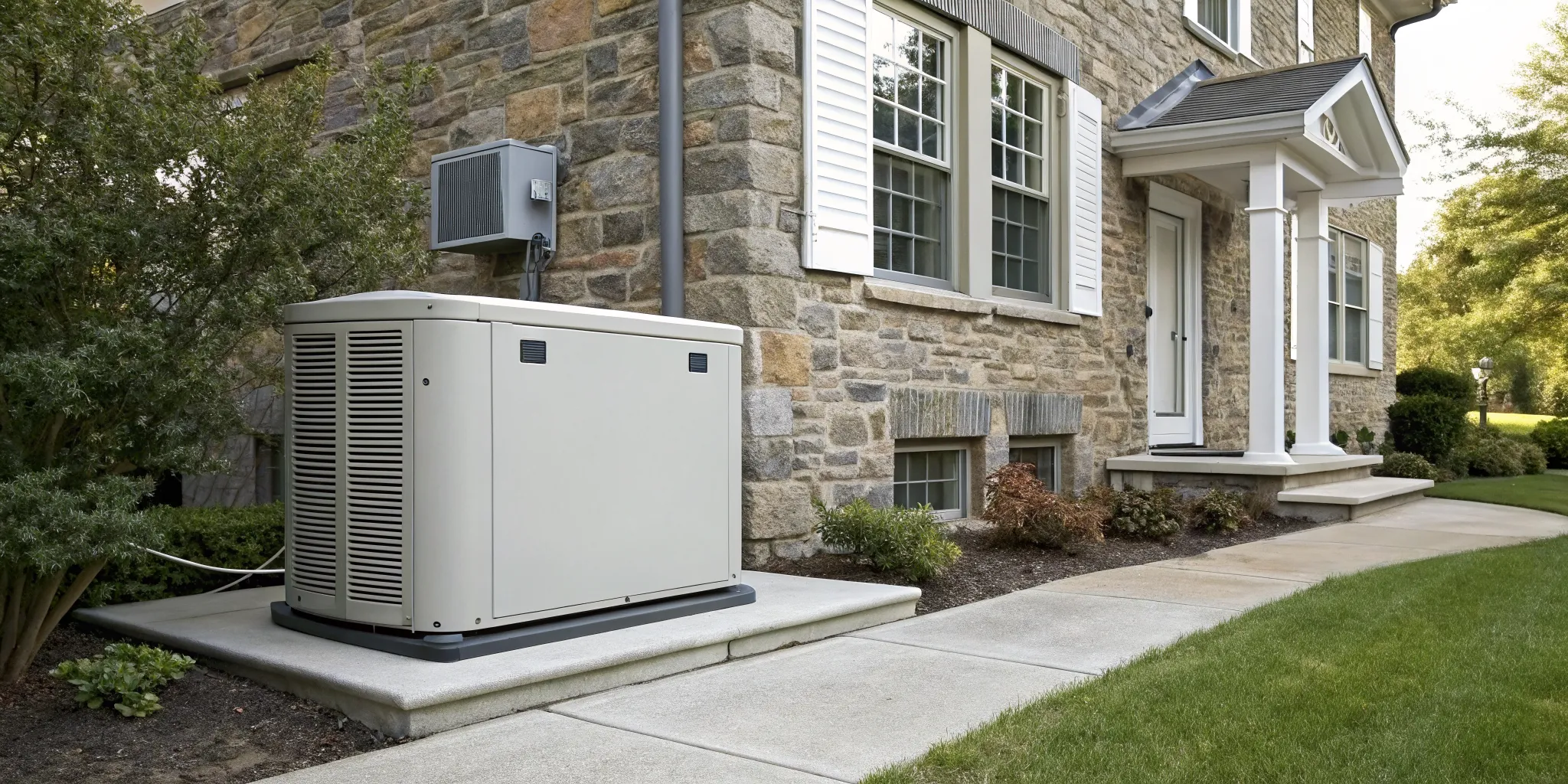
If you’ve ever lost power during a storm, you know how disruptive it can be. A standby generator is your home’s permanent solution to power outages. Unlike a portable generator you have to wheel out and start yourself, a standby generator is installed outside your home and connects directly to your natural gas or propane line. It works automatically, turning on the moment you lose power and shutting off when service is restored, even if you aren’t home. This provides incredible peace of mind, especially for protecting critical systems like your sump pump, refrigerator, and home office equipment.
For homeowners in Phoenixville and across Southeastern Pennsylvania, unpredictable weather is a fact of life. From summer thunderstorms to winter ice storms, the power grid can be vulnerable. A Generac generator acts as your personal power plant, ensuring your lights stay on, your home stays comfortable, and your daily life continues without interruption. It’s not just about convenience; it’s about security. Knowing your home is protected during an outage means you can rest easy, no matter what the weather brings. It’s a smart investment in your home’s safety and your family’s comfort.
How Does a Standby Generator Actually Work?
The magic behind a standby generator is a device called an automatic transfer switch (ATS). This switch is the brain of the system. It’s installed next to your main electrical panel and constantly monitors the power coming from the utility company. The second it detects an outage, it automatically disconnects your home from the grid and signals the generator to start. Within seconds, the generator is up to speed, and the ATS transfers your home’s power source to the generator.
When utility power is restored, the ATS senses it, switches your home back to the grid, and tells the generator to shut down. The entire process is seamless, so you might not even notice the switchover. This hands-free operation is the key benefit of a professional standby generator installation.
The Weekly Self-Test
One of the best features of a modern standby generator is its weekly self-test. Think of it as a quick health check-up the system performs on its own. Once a week, at a time you can schedule, the generator will automatically start and run for about 10 to 15 minutes. It doesn’t transfer power to your house during this test; instead, it circulates its oil and runs diagnostics to make sure all its components are in working order. This simple, automated routine is designed to catch potential issues early and gives you confidence that your generator will be ready to perform the moment a power outage occurs.
While the self-test is a great safeguard, it doesn’t replace the need for professional care. Think of it like your car—a quick drive around the block is nice, but it still needs regular oil changes. Your generator requires annual service from a trained technician who will perform a comprehensive inspection, change the oil and filters, check the battery, and test the transfer switch. This essential Generac maintenance keeps your system running efficiently and reliably for years, protecting your investment. If the weekly test ever flags an issue, it’s your cue to schedule a professional generator service and repair to address it before an actual outage.
Are You Prepared for a Phoenixville Power Outage?
Living in the Phoenixville area means dealing with a variety of weather-related power outage risks. Strong winds from summer thunderstorms can bring down trees and power lines, while heavy snow and ice in the winter can cause widespread grid failures. Even issues unrelated to weather can knock out power for hours. For many, an outage is more than a minor hassle. It can mean a flooded basement if your sump pump loses power, hundreds of dollars in spoiled food, or a dangerously cold house in the middle of winter.
For the growing number of people who work from home, a power outage means a loss of productivity and income. A standby generator is a powerful investment that provides security and stability, ensuring your home remains a safe and functional space. It protects your property and keeps your family comfortable through any power emergency our local service areas might face.
What Size Standby Generator Does Your Home Need?
Picking the right generator isn’t a one-size-fits-all situation. The perfect size for your neighbor might not be the right fit for you. The key is to think about what you absolutely need to keep running during a power outage. Do you want to power your entire house so life goes on as usual, or are you okay with just keeping the essentials on, like the refrigerator and a few lights?
Making this decision is the first step toward finding the right generator. It helps determine the power capacity you’ll need, which is measured in kilowatts (kW). A generator that’s too small won’t be able to handle the load, while one that’s too big means you’ve spent more than you needed to. We can break this down into two simple steps: calculating your power needs and deciding what you want to cover.
How to Calculate Your Home’s Power Needs
First, let’s figure out how much power your home actually uses. Think about all the appliances and systems you can’t live without during an outage. This list might include your refrigerator, freezer, heating and cooling system, well pump, and medical equipment. When selecting the right standby generator, the first step is to assess these needs. For instance, a smaller home might only require a generator in the 7-10kW range, while a larger home with more appliances may need a unit that provides 22kW or more.
While you can make a rough list, getting an exact number is a job for a professional. A certified electrician can perform a load calculation to give you a precise understanding of your power requirements, ensuring your residential standby generator installation is perfectly sized for your home.
The 80% Rule for Generator Safety
When you’re choosing a generator, it’s tempting to look at the maximum power output and think that’s what you can use all the time. But there’s a key rule of thumb in the industry called the 80% rule. It simply means you should plan to use no more than 80% of your generator’s total capacity on a continuous basis. Think of it like your car’s engine—you wouldn’t drive with the pedal floored everywhere you go. Constantly pushing your generator to its absolute limit can cause it to overheat, wear out faster, and even damage the unit or the appliances it’s powering. Following this rule ensures your generator runs safely and efficiently, giving you reliable power when you need it most.
This is why getting a professional load calculation is so important. It’s not just about adding up the wattage of your appliances; it’s about understanding your home’s true power demands and selecting a generator that can handle them with a comfortable buffer. A properly sized generator ensures you’re not underpowered during an outage or overspending on a unit that’s too large for your needs. This careful planning is a standard part of a professional standby generator installation and is the best way to protect your investment. A generator that isn’t constantly strained will last longer and be more dependable, reducing the need for unexpected service and repairs down the road.
Whole-Home or Just the Essentials?
Once you know your power needs, you can decide what you want the generator to cover. You have two main options: whole-home coverage or essential-circuit coverage. An essential-circuit generator focuses only on critical systems. This means it will power things like your furnace, refrigerator, and a few lights, but not much else. It’s a practical choice that keeps your family safe and comfortable without powering every single outlet.
A whole-home generator, on the other hand, does exactly what its name suggests. It’s powerful enough to run everything in your house at once, from the air conditioning to the dishwasher. You can find many different Generac models designed for both approaches. Your choice here will be the biggest factor in determining the final size and model of your new generator.
Must-Have Generator Features You’ll Actually Use
Once you know the right size generator for your home, the next step is to think about the features that will make your life easier. Modern standby generators come with some incredible technology designed for convenience and reliability. It’s not just about keeping the lights on; it’s about doing it seamlessly, without you having to lift a finger. Let’s look at a few key features that can make a big difference in your experience, from how the generator turns on to how you keep an eye on its performance.
The Automatic Transfer Switch for Hands-Free Power
The automatic transfer switch, or ATS, is the unsung hero of your standby generator system. Think of it as the brain that detects a power outage the moment it happens. Instead of you fumbling for a flashlight and heading outside, the ATS automatically disconnects your home from the utility line and switches it to your generator’s power. The entire process happens in seconds, so smoothly you might not even notice the power went out. This hands-free operation is what makes a standby generator so reliable. It ensures your home stays powered, secure, and comfortable, whether you’re at home or away.
Remote Monitoring: Check Your Generator from Anywhere
Wouldn’t it be great to know your home is protected, even when you’re on vacation? That’s exactly what remote monitoring offers. Many modern Generac generators come with Wi-Fi capabilities that let you check your generator’s status right from your phone or computer. You can see if it’s ready to go, get alerts about its performance, and review its running history. This feature gives you incredible peace of mind, knowing that your investment is working properly. It also makes it easier to stay on top of routine generator maintenance by flagging potential issues before they become problems, ensuring your generator is always prepared for an outage.
Natural Gas vs. Propane: Which Fuel Is Right for You?
Your standby generator will need a reliable fuel source to run, and you typically have two choices: natural gas or liquid propane. If your home already has a natural gas line, that’s often the most convenient and cost-effective option. It provides a continuous fuel supply, so you never have to worry about refueling. If natural gas isn’t available in your area, propane is an excellent alternative. It’s stored in a tank on your property, which we can help you size correctly based on your generator and expected usage. The right fuel choice is a key part of a successful residential standby generator installation, and we can walk you through the pros and cons of each.
What About Gasoline and Diesel?
While gasoline and diesel are common fuel types for portable generators, they aren’t typically used for the automatic standby systems that protect your home. Gasoline is easy to find, but it has a short shelf life and can degrade in just a few months, making it unreliable for a generator that needs to be ready at a moment’s notice. Diesel generators are incredibly powerful and fuel-efficient, which is why they are a fantastic choice for large commercial applications that require a lot of power for extended periods. However, they tend to be louder and are often more than a typical home needs. For the seamless, hands-free operation that defines a home standby system, natural gas and propane are the industry standard, offering reliability without the need for constant refueling or fuel stabilization.
How Loud Is a Standby Generator?
A common question we get is about noise. Many people picture a loud, disruptive machine, but today’s standby generators are designed with your neighborhood in mind. Most models operate at a sound level similar to a central air conditioning unit, which is quiet enough to have a normal conversation nearby. Generac, in particular, has engineered its units to run smoothly and quietly, minimizing disturbances for you and your neighbors. This is especially important in residential areas like Phoenixville, where local noise ordinances might be a concern. We always make sure your generator is placed and installed to keep sound levels as low as possible.
Your Phoenixville Generator Installation Checklist
Getting a standby generator is an exciting step toward securing your home’s comfort and safety. But before the installation crew arrives, there are a few key local factors to consider here in the Phoenixville area. Proper planning ensures your generator installation is smooth, safe, and compliant with all local regulations. From securing the right permits to finding the perfect spot in your yard, a little prep work goes a long way. Working with a trusted local installer makes this process simple, as they handle the details for you.
Do You Need a Permit for a Generator in Phoenixville?
Installing a standby generator involves both electrical and sometimes gas line work, which means you’ll need permits from your local municipality. This isn’t just red tape; it’s a crucial step to ensure your generator is installed safely and meets all zoning and building codes. A professional installer will manage the entire permitting process for you, from filing the paperwork to scheduling inspections. This is a major benefit of professional residential standby generator installation, as it gives you peace of mind that everything is done correctly and legally, without you having to decipher complex local ordinances.
Where’s the Best Place to Install Your Generator?
Where you place your generator matters for both safety and performance. Local codes in Chester County have specific requirements, but some general rules always apply. Your generator needs to be on a flat, level, non-combustible surface, like a concrete pad. It also requires proper clearance, typically at least five feet away from windows, doors, and air intakes, and should never be placed under a deck or overhang. An experienced installer will perform a site survey to find the ideal location that meets all Generac specifications and local regulations while fitting neatly into your landscape.
A Pro Tip for Reducing Installation Costs
While you can’t change the price of the generator itself, you have some control over the installation costs. The best way to manage your budget is through careful planning with your installer before any work begins. During the initial site survey, be sure to discuss the placement of the generator. A location that is closer to your electrical panel and natural gas meter will require less trenching, wiring, and piping, which can significantly reduce both labor and material costs. Thinking through these logistics ahead of time can lead to real savings and makes the entire process more efficient. It’s a simple conversation that has a direct impact on the final project cost.
Another simple way to trim costs is to prepare the installation area yourself. If the chosen spot needs to be cleared of shrubs, mulch, or other landscaping debris, handling that task before the installation crew arrives can cut down on their time on-site. Ultimately, the most effective way to save money is to ensure the job is done correctly the first time. A professional standby generator installation avoids expensive mistakes and ensures your system runs efficiently for years, protecting your investment and giving you true peace of mind. This approach prevents future headaches and costly repair bills, which is the smartest saving of all.
Is Your Electrical Panel Ready for a Generator?
Your home’s electrical panel is the heart of its power system, and it plays a huge role in your generator installation. Before any work begins, a licensed electrician should evaluate your panel to make sure it can support an automatic transfer switch, the device that allows your generator to turn on automatically. This is also a good time to address any pre-existing issues. We often see problems arise from past DIY projects, so having a professional assess your system is a critical safety check. This ensures your home is ready and that any necessary electrician repairs can be handled correctly before installation day.
What to Expect on Installation Day
Getting a standby generator is an exciting step toward securing your home’s comfort and safety. While the idea of a major installation might seem daunting, working with a professional team makes the process smooth and straightforward. Knowing what happens on the big day can help you feel prepared and confident. The entire process, from placing the generator to the final system test, is handled by certified technicians who ensure every detail is managed correctly for safe, reliable operation for years to come.
Understanding the Full Project Timeline
The entire generator installation process is carefully planned, from our first visit to the final test run. It’s more than a one-day job. The timeline begins with securing local permits, a critical step we handle to ensure everything is up to code. Once approved, we schedule your installation. On that day, our certified technicians prepare the site, place the generator, and make all the necessary electrical and fuel connections. Your power will be shut off for a few hours while we connect the automatic transfer switch to your main electrical panel, but we work efficiently to minimize the disruption.
After everything is connected, we conduct a full system simulation. This controlled power outage shows you exactly how your new generator kicks on automatically and confirms every component is working perfectly. This final test gives you the confidence that you’re protected when the next storm hits. The journey doesn’t end there, either. To keep your generator ready for any emergency, it requires regular upkeep. We’ll walk you through the simple weekly self-tests and set you up with a plan for annual generator maintenance to ensure it runs reliably for years to come.
Your Installation Day Timeline & Prep List
A typical residential standby generator installation is a well-coordinated process that usually takes a full day. Your installation team will handle all the heavy lifting, but there are a few things you can do to help the day go smoothly. First, make sure the path to the installation site and your electrical panel is clear of any obstacles. The process involves several key steps: preparing the site and placing the generator on a solid, level pad, running the electrical wiring from the generator to your home’s transfer switch, and connecting the fuel line. Your power will be turned off for a portion of the day while the technicians safely connect the transfer switch to your main electrical panel.
Common Installation Challenges to Avoid
Every generator installation must follow specific local and national codes to ensure safety and proper function. This is a major reason why professional installation is not just recommended, it’s required. Your installer will secure the necessary electrical permits and make sure the placement of your unit complies with all zoning regulations. For example, generators need to be installed on a firm, non-combustible base with a specific amount of clearance from your home, windows, and property lines. An experienced local installer will be familiar with the specific requirements in Southeastern Pennsylvania, making sure your installation is fully compliant from the start and avoiding any potential issues down the road.
How to Ensure a Safe and Compliant Installation
Safety is the top priority during installation. Professionals follow strict guidelines to protect your home and family. For instance, a generator should never be placed under a deck or too close to flammable materials. According to Generac’s official guidelines, local codes always take precedence, which highlights the importance of hiring a team that knows your area. Your installer is responsible for obtaining the required permits and ensuring all electrical work is up to code. This professional oversight guarantees that your generator will operate safely and reliably, giving you true peace of mind when you need it most.
How to Choose a Phoenixville Generator Installer
Choosing the right generator is only half the battle; finding the right team to install it is just as important. The quality of your installation directly impacts your generator’s performance, safety, and longevity. A great installer provides more than just technical skill. They offer peace of mind, guiding you through the process and ensuring your home is protected for years to come. When you’re looking for a partner in the Phoenixville area, focus on their qualifications, local reputation, and commitment to long-term support. These factors will help you find a team you can trust to keep your power on when you need it most.
Why Work With an Authorized Generac Dealer?
When you invest in a top-tier brand like Generac, you want to be sure it’s installed to the manufacturer’s exact standards. That’s the key benefit of working with an authorized dealer. These installers have completed specialized training directly from Generac, so they have an expert understanding of the equipment. They know how to handle every step of a residential standby generator installation correctly, from placement to final testing. Choosing an authorized dealer also ensures your warranty remains valid and that your service team has access to genuine parts for any future repairs. It’s the best way to protect your investment and guarantee your generator runs reliably.
Look for Special Certifications
Beyond just being an authorized dealer, look for special certifications that signal a higher level of expertise. Manufacturers like Generac have elite programs to recognize dealers who go above and beyond. For example, a ‘Power Pro Elite+’ accreditation is the highest level awarded, given only to dealers who meet stringent requirements for training, customer service, and sales. Choosing an installer with this status means you’re partnering with a team that has extensive, factory-direct training and a proven history of successful installations. This ensures your system is installed to the manufacturer’s exact specifications, protecting your warranty and guaranteeing reliable performance. It’s a clear indicator that the company is dedicated to providing top-tier generator service and repair for years to come.
Why Local Experience Matters for Your Installation
A local installer brings a level of understanding you just can’t get from a national chain. A team with deep roots in the Phoenixville area knows the specific challenges our communities face, from local building codes to the most common causes of power outages. They have established relationships with local inspectors, which helps the permitting process go smoothly. An experienced local company has a reputation to uphold and is committed to serving its neighbors. When you choose an installer who understands our service areas, you’re getting a partner who is familiar with the landscape and dedicated to providing reliable power solutions for local homes and businesses.
Does Your Installer Offer Maintenance Plans?
Your relationship with your generator installer shouldn’t end once the unit is in the ground. A standby generator is a complex piece of machinery that requires regular upkeep to perform at its best. Before you commit, ask about their ongoing support options. The best installers offer comprehensive Generac maintenance plans to keep your system in top shape season after season. They should also provide prompt and reliable service and repair when you need it. Choosing a company that will be there for the entire life of your generator means you’ll always have a trusted expert to call, ensuring your home is protected without interruption.
How to Maintain Your Standby Generator
A standby generator is a powerful piece of equipment, but it’s not something you can just set and forget. Think of it like your car; it needs regular attention to run smoothly, especially when you need it most. Installing a generator is a significant investment in your family’s comfort and security, and protecting that investment with routine service is just as important. Regular check-ups ensure your generator is ready to spring into action the moment the power goes out, giving you true peace of mind.
Waiting for a problem to arise during a storm is the worst time to discover your generator isn’t working. Proactive care helps catch small issues before they become major, expensive repairs. A well-maintained generator will not only be more reliable but will also last longer, providing dependable backup power for years to come. Understanding your generator’s maintenance needs, recognizing warning signs, and preparing it for seasonal changes are the keys to keeping your home safe and powered, no matter what the weather brings to Phoenixville.
A Simple Generator Maintenance Schedule
Just like your car has a recommended service schedule, so does your generator. Following a consistent plan is essential for ensuring its reliability and longevity. Most Generac generators perform a weekly self-test to make sure everything is in working order, but they also need professional attention. We recommend a comprehensive annual check-up from a certified technician. During a professional Generac maintenance visit, a technician will change the oil and filter, inspect the battery, check fluid levels, and run a full diagnostic test. This routine care keeps your generator in peak condition and ready for any outage.
Is Your Generator Trying to Tell You Something?
Your generator will often give you clues when something isn’t right. The most obvious and common issue is a failure to start during its weekly self-test. If you notice it’s not running as scheduled, it’s time to call a professional. Other red flags include unusual noises like grinding or sputtering, visible damage to the enclosure, or any fluid leaks around the unit. Also, pay attention to any warning lights or alerts on the control panel. Don’t ignore these signs. Prompt generator service and repair can prevent a small problem from turning into a major failure during a power outage.
How to Prepare Your Generator for Each Season
Pennsylvania weather can be unpredictable, so preparing your generator for each season is a smart move. In the fall, make sure the area around your generator is clear of falling leaves and debris that could block airflow. Before winter arrives, ensure snow and ice won’t pile up against the unit, as this can obstruct the exhaust. In the spring and summer, keep grass and plants trimmed back from the generator. A professional service visit can also help prepare your unit for extreme temperatures, ensuring it’s ready to keep your home a safe and comfortable space no matter the season.
Key Generator Safety Rules to Remember
A standby generator is a serious piece of equipment, and its safe operation starts with proper installation. The most important rule is to never attempt a DIY installation. This job involves high-voltage electrical work and connecting fuel lines, which requires a licensed professional. Your generator must be placed on a level, non-combustible surface with specific clearances—typically at least five feet from windows, doors, and air intakes—to prevent carbon monoxide from entering your home. It should never be installed under a deck or overhang. Following these placement rules and relying on a professional installation ensures your system meets all local codes and operates safely, protecting your home and family.
3 Common Standby Generator Myths (Busted)
When you start researching standby generators, you’ll likely come across a lot of opinions and information. Some of it is helpful, but some of it is just plain wrong. Misconceptions can make the decision-making process confusing and might even stop you from securing the peace of mind your family deserves. It’s easy to get caught up in what you think you know about home generators, from how much they cost to when you’ll actually need one.
Let’s take a moment to clear up some of the most common myths we hear from homeowners right here in Southeastern Pennsylvania. Understanding the reality behind these powerful machines can help you make a confident and informed choice. We’ll separate fact from fiction so you can see how a Generac generator can fit into your life and protect your home. By tackling these myths head-on, you can move forward with a clear picture of what to expect and why a standby generator is such a valuable addition to any home.
Myth #1: They’re Only for Big Disasters
Many people think a standby generator is an extreme measure, only necessary for major weather events like hurricanes or blizzards. While they are certainly essential during those times, the reality is that power outages happen for all sorts of reasons. A summer thunderstorm, a traffic accident involving a utility pole, or even routine grid maintenance can leave you in the dark. A standby generator provides automatic, reliable power for any outage, big or small. It’s not just about weathering the big storm; it’s about ensuring your daily life continues without interruption, keeping your lights on, your refrigerator running, and your home comfortable no matter what.
Myth #2: They’re Unaffordable
The idea that standby generators are a luxury reserved for the wealthy is one of the most persistent myths out there. While it is a significant home investment, it’s more accessible than you might think. Consider the costs of a power outage: spoiled food, potential damage from a failed sump pump, or even the expense of a last-minute hotel stay. A generator protects your home and budget from these unexpected costs. Plus, there are flexible Generac financing options available that can help you manage the investment by breaking it down into manageable monthly payments, making home power security a reality for more families.
Myth #3: A Portable Generator Is Just as Good
While a portable generator is better than nothing, it’s not in the same league as a standby unit. Portables require you to manually haul them out, fuel them up, run extension cords through your house, and start them yourself, often in the middle of a storm. A standby generator, on the other hand, works automatically. It senses an outage, starts itself, and delivers power directly to your home’s electrical panel within seconds. This seamless transition means you don’t have to lift a finger. A residential standby generator installation provides a permanent, hassle-free solution that powers your entire home safely and reliably.
Considering Inverter Generators
As you explore your options, you’ll likely encounter inverter generators. These are typically portable units known for some impressive features. They produce very stable, “clean” power, which is essential for safely running sensitive electronics like computers and modern appliances. They’re also significantly quieter than conventional portable generators and more fuel-efficient because their engines adjust to the power load. While these benefits make them excellent for camping or small, specific tasks, they still require manual setup during an outage. You have to wheel them out, fuel them, and run extension cords. For dependable, hands-free protection for your entire home, nothing beats the automatic and robust power of a professional residential standby generator installation.
How to Finance Your Standby Generator
A standby generator is a major investment in your home’s safety and comfort, and it’s completely understandable to think about the upfront cost. The good news is, you don’t have to pay for it all at once. Financing is a popular and practical way to get the peace of mind you need now, while spreading the cost over time with manageable monthly payments.
Many homeowners are surprised to learn how accessible financing can be. Both manufacturers and local dealers offer programs designed to fit different budgets, making it easier than ever to protect your family from power outages. Instead of draining your savings, you can find a payment plan that works for you. This approach allows you to get your generator installed and ready to go before the next storm hits, without putting a major strain on your finances. Let’s walk through some of the best options available.
Understanding the Total Investment
It’s important to view a standby generator as a long-term investment in your home, not just another appliance. The total cost for a complete residential standby generator installation can vary, but it’s a one-time expense that protects you from the repeated, unpredictable costs of power outages. Think about the price of replacing a freezer full of food, cleaning up a flooded basement because your sump pump failed, or losing income because your home office went dark. When you weigh those potential expenses, the value of a reliable power source becomes clear. To make this powerful upgrade more accessible, there are excellent financing options available to help spread out the cost, ensuring your home remains a safe and functional space without a major upfront financial burden.
How Generac Financing Works
Generac understands that a generator is a significant purchase, which is why they offer dedicated financing programs to help homeowners. These plans are designed specifically for their products, covering both the generator itself and the cost of installation. By taking advantage of these options, you can break down the total cost into predictable monthly payments. This makes budgeting much simpler and allows you to secure a reliable power source for your home without delay. Exploring Generac financing is a great first step to see what kind of terms and payment plans you might qualify for directly from the manufacturer.
Finding a Payment Plan That Fits Your Budget
In addition to manufacturer programs, trusted local dealers often provide their own flexible payment plans. As an authorized Generac dealer, we want to make the process as smooth as possible for our neighbors in Phoenixville and the surrounding areas. That’s why we offer Generac financing options through partners like Synchrony. These plans are designed to help you manage the investment of a new generator installation without financial stress. Working with a local team means you get personalized service and support in finding a financing solution that fits your specific needs and budget, so you can focus on protecting your home.
Related Articles
- Generac Standby Generator Installation in SEPA | M.T. Ruhl Electrical
- What Are the Best Standby Generators? | M.T. Ruhl
- Best Standby Generators for Homeowners | M.T. Ruhl Electrical
Frequently Asked Questions
How long will a standby generator last? A well-maintained standby generator is a long-term investment, much like a central air conditioning system. With proper annual service, you can expect your Generac generator to provide reliable backup power for 20 to 30 years. Consistent professional maintenance is the key to ensuring it runs efficiently and is ready to protect your home for decades.
Do I have to be home for the generator to turn on? Not at all, and that’s one of the biggest benefits. A standby generator is fully automatic. The system constantly monitors your home’s connection to the utility grid, and the moment it detects an outage, it starts itself and restores power within seconds. This means your home is protected whether you’re at work, running errands, or even away on vacation.
Will a generator power everything in my house? It certainly can, but it depends on the size of the generator you choose. You have two main options. A whole-home generator is powerful enough to run everything at once, just as if the power never went out. Alternatively, you can opt for an essential-circuit model, which focuses on powering critical items like your refrigerator, furnace, sump pump, and a few lights. We can help you decide which approach best fits your needs and budget.
How often does my generator need professional service? To keep your generator in top condition, we recommend scheduling a professional maintenance visit once a year. During this service, a certified technician will perform a full inspection, change the oil and filter, and run diagnostics to catch any potential issues. This annual check-up is the best way to ensure your generator is always ready for an outage.
What’s the main difference between a standby and a portable generator? The biggest difference is convenience and safety. A portable generator requires you to manually set it up, fuel it, and run extension cords into your home during an outage. A standby generator is a permanent solution that is professionally installed and connected directly to your home’s electrical system and fuel line. It operates automatically, so you don’t have to do a thing when the power goes out.