Does the toaster trip a breaker every morning? Do your lights flicker when the air conditioner kicks on? These aren’t just quirky things your house does; they’re signs that your electrical panel is struggling to keep up. Many homes in Southeastern Pennsylvania were built with panels that simply can’t handle modern life. While it’s easy to get used to these little annoyances, they often point to a bigger issue. You might be wondering about the cost to upgrade circuit breaker panel, but it’s important to first understand why it’s necessary. This guide will walk you through the warning signs, the benefits of an upgrade, and what to expect, especially if you’re considering a Generac generator.
Key Takeaways
- Address warning signs before adding power: If you have frequent breaker trips or flickering lights, your electrical panel is already overloaded. Upgrading your panel is a critical safety measure, especially before installing a high-demand system like a Generac generator.
- A panel upgrade is key for generator readiness: Many homes, particularly older ones, lack the electrical capacity for a whole-home generator. An upgrade is often the first step to safely support a Generac generator and its automatic transfer switch, ensuring reliable backup power.
- Rely on a professional for an integrated system: A panel upgrade is a complex project that requires a licensed electrician. This is especially true when preparing for a generator, as a professional ensures the entire system works together safely and meets all local codes.
What Is a Circuit Breaker Panel Upgrade?
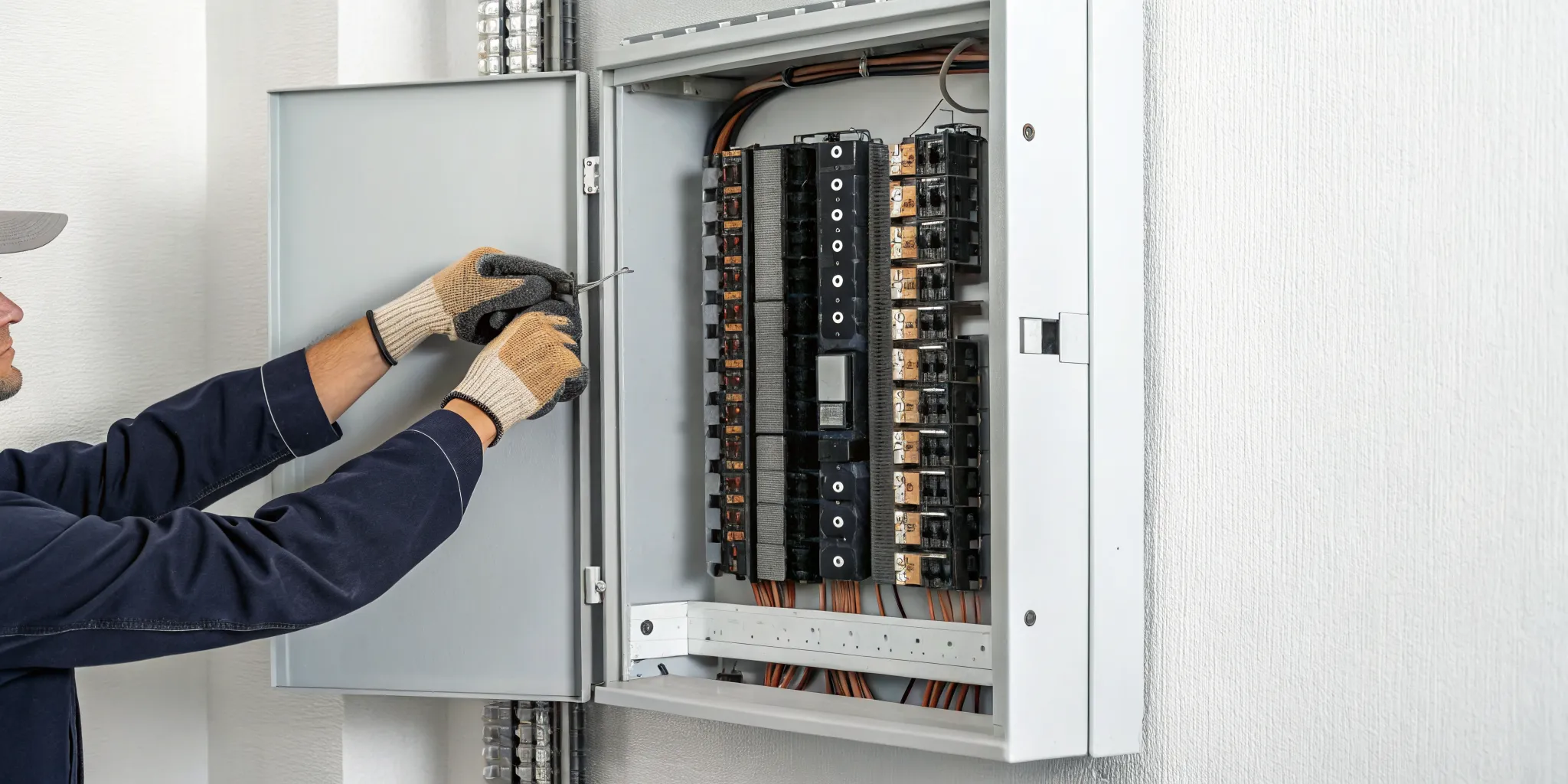
Think of your circuit breaker panel as the heart of your home’s electrical system. It takes the main power coming into your house and distributes it to all the different circuits that run your lights, outlets, and appliances. A panel upgrade is exactly what it sounds like: replacing your old, outdated panel with a new one that can safely handle more electricity. It’s a lot like widening the main water pipe to your house to improve flow and pressure. Many older homes, especially across Southeastern Pennsylvania, were built with 100-amp panels. That was plenty of power decades ago, but it often can’t keep up with our modern lives.
Today, we have high-efficiency HVAC systems, multiple large-screen TVs, computers, smart home devices, and powerful kitchen appliances all running at once. If you’re thinking about adding an electric vehicle charger or preparing for a Generac generator, the demand on your home’s electrical system grows even more. An older panel simply wasn’t designed to manage that kind of load safely. Upgrading to a 200-amp panel, or even a 400-amp panel for larger homes, gives you the electrical capacity you need. This allows you to run multiple devices at once without worrying about tripping breakers or overloading your system, ensuring your home is both safe and ready for the future.
Why Your Southeastern PA Home Might Need One
You might be wondering if a panel upgrade is really necessary for your home. There are a few key reasons why it might be time to consider one. As our power needs have grown, older electrical panels can become a safety risk and a major inconvenience. If you’re planning any significant additions to your home, like an EV charger or a residential standby generator installation, an upgrade is often required to support the new load.
Beyond preparing for new technology, you may need an upgrade to comply with current building codes, which is important for home safety and can be a requirement if you plan to sell. You might also see clear warning signs that your current panel is struggling. If your lights flicker when the air conditioner kicks on or you’re constantly resetting tripped breakers, your panel is telling you it can’t keep up. These are not just annoyances; they are signs that you should call a professional for electrician repairs and an assessment.
4 Signs You Need a Panel Upgrade
Your electrical panel is the command center for your home’s power. It takes the main power from the utility line and distributes it throughout your house, protecting your circuits from overloads. But when this crucial component can’t keep up with your family’s electrical demands, it will start showing signs of strain. Ignoring these signals can lead to more than just inconvenience; it can create serious safety risks. If you notice any of the following issues, it might be time to consider an upgrade and ensure your home’s electrical system is safe, reliable, and ready for the future.
Your Breakers Trip All the Time
Finding yourself in the basement resetting a breaker every time you run the microwave and the toaster at the same time? While an occasional trip is normal, frequent trips are a clear sign your panel is overloaded. Your home’s circuits can only handle a certain amount of electricity. When you demand more power than a circuit can provide, the breaker trips to prevent overheating and a potential fire. If this is happening regularly, it means your panel can’t manage your home’s daily electrical load. It’s not just an annoyance; it’s a warning that your system is overworked. An experienced electrician can perform electrician repairs and determine if an upgrade is the right solution.
Lights Flicker or Dim Randomly
Have you ever noticed the lights flicker or dim for a moment when your air conditioner kicks on or you start the vacuum? This isn’t just a quirky feature of your house. It’s a common symptom of an electrical panel that is struggling to distribute power effectively. When a large appliance demands a sudden surge of electricity, a strained panel can’t always keep up, causing a temporary voltage drop across other circuits. While a minor flicker might seem harmless, it indicates your electrical system is under duress. Addressing the root cause is key to maintaining a stable and safe power supply for all your residential electric needs.
You Smell Burning, Hear Buzzing, or See Damage
Your senses are one of the best tools for detecting serious electrical problems. If you ever detect a sharp, acrid burning smell near your electrical panel or any outlets, it requires immediate attention. The same goes for any audible buzzing, sizzling, or crackling sounds coming from the panel. These are urgent warning signs of overheating wires, loose connections, or internal damage, all of which create a significant fire hazard. Visually inspect your panel for any signs of corrosion, rust, or scorch marks. If you notice any of these red flags, contact a licensed electrician right away to assess the situation and prevent a dangerous failure.
Your Panel Is Over 20 Years Old
Age is a critical factor when it comes to your electrical panel. If your home was built several decades ago and still has its original panel, it’s likely outdated. A panel that is 20 to 25 years old was not designed to handle the electrical demands of modern life, from computers and big-screen TVs to smart home devices and EV chargers. Older panels may also lack modern safety features, and some are known for having high failure rates. Upgrading an old panel is a proactive step toward improving your home’s safety and ensuring it can support your electrical needs for years to come. You can trust our team to provide an honest assessment.
How Much Does a Panel Upgrade Cost?
Talking about the cost of a panel upgrade is a bit like asking about the cost of a home renovation; the final price tag depends on the scope of the work. While it’s impossible to give a precise number without seeing your home’s specific setup, we can look at average ranges to give you a general idea. These numbers can help you budget and understand what goes into the pricing. Remember, the best way to get an exact cost is to have a professional electrician perform an assessment.
The Average Cost for a 100- to 200-Amp Upgrade
This is one of the most common residential electric projects we see. Many older homes were built with 100-amp panels, which just can’t keep up with modern life. If you’re adding new appliances, finishing a basement, or preparing for a whole-home generator, this upgrade is often necessary. On average, homeowners can expect to spend between $1,500 and $3,500 for a 100- to 200-amp upgrade. A straightforward swap will be on the lower end of that range, while a more complex job that requires new wiring or structural modifications will be on the higher end.
The Average Cost for a 200- to 400-Amp Upgrade
Upgrading to a 400-amp panel is a significant project reserved for larger homes or properties with very high electrical demands. You might consider this if you have multiple EV chargers, a large workshop with heavy machinery, or extensive smart home and heating systems. The cost for this upgrade typically ranges from $2,500 to $4,500. This type of project is more involved and often requires coordination with your utility company to upgrade the service line to your home, which can influence the final cost and timeline. It’s a major investment that prepares your home for nearly any future electrical need.
How Your Location in Southeastern PA Affects the Price
Where you live plays a role in the overall cost. Across Chester, Montgomery, Bucks, and Delaware counties, local permit fees and inspection requirements can vary from one township to another. These administrative costs are part of any professional panel upgrade. Additionally, regional labor rates and the accessibility of your home can influence the final quote. Working with a local electrician who understands the specific codes and regulations in your community is key. They’ll know exactly what permits are needed and ensure the job is done right, saving you from potential headaches and re-inspection fees. Our team is familiar with the unique requirements throughout our service areas.
What Factors Affect the Price of a Panel Upgrade?
When you start looking into a circuit breaker panel upgrade, you’ll quickly find that there isn’t a single, flat-rate price. The final cost depends entirely on the specifics of your home and the scope of the project. Think of it like a custom-tailored suit; it needs to fit your home’s unique electrical needs perfectly. Several key factors come into play, from the size of the panel you need to the condition of your existing electrical system.
Understanding these variables can help you get a clearer picture of what to expect. A straightforward swap of a similar-sized panel will naturally be less involved than a project that requires moving the panel, rewiring parts of your home, and installing a much larger unit. The only way to get an exact number is to have a qualified electrician perform an on-site assessment. They can evaluate your current setup, discuss your future power needs, and provide a detailed quote that covers all aspects of the job, ensuring there are no surprises down the line.
Panel Size and Amperage
One of the biggest factors influencing the cost is the size, or amperage, of the new panel. Many older homes in our area have 60- or 100-amp panels, which were sufficient decades ago. Today, with our reliance on numerous appliances, smart home devices, and potentially an electric vehicle charger, a 200-amp panel is the new standard for most households. Some larger homes or those with high-demand features like a hot tub or a home workshop might even require a 400-amp service.
As you might guess, the higher the amperage, the more the panel and associated components will cost. A larger panel requires a thicker service entrance cable from the utility line and more robust internal parts. This upgrade is a foundational part of modernizing your home’s residential electric system and preparing it for the future.
The Condition of Your Current Wiring
During a panel upgrade, an electrician gets a close look at the wiring connected to your circuit breakers. If your home has old or degraded wiring, such as cloth-insulated wires or outdated aluminum wiring, it may need to be addressed to meet current safety codes. These older systems weren’t designed to handle the electrical loads of modern life and can pose a significant fire hazard.
Replacing faulty or obsolete wiring adds to the labor and material costs of the project. While it can be an unexpected expense, it’s a critical step for ensuring your home’s electrical system is safe and reliable. Tackling these issues during a planned panel upgrade is much better than waiting for an emergency electrician repair down the road.
Where the Panel Is Located
The physical location of your circuit breaker panel also plays a role in the overall cost. Current safety codes have strict rules about where a panel can be installed; for example, they are not allowed in bathrooms, clothes closets, or other areas where they could be exposed to moisture or flammable materials. If your existing panel is in a non-compliant location, it will need to be moved.
Relocating a panel is a complex job that involves rerouting the main service cable and extending every circuit in your home to the new location. This additional labor and material can significantly increase the project’s price. Even if the panel doesn’t need to be moved, a hard-to-access location can make the installation more time-consuming for the electrician.
Local Permit and Inspection Fees
A circuit breaker panel upgrade is a major electrical project that requires a permit from your local municipality. This isn’t just red tape; it’s a crucial safety measure. The permitting process ensures that the work is performed by a licensed professional and that the installation meets the National Electrical Code (NEC) as well as any local amendments. After the work is complete, a municipal inspector will visit to verify that everything was done correctly.
The cost of the permit and inspection fees varies depending on where you live. A professional electrician will handle the entire permitting process for you, from filing the initial paperwork to scheduling the final inspection. We are familiar with the specific requirements across our service areas, including Chester, Montgomery, Bucks, and Delaware Counties.
Labor
Labor is one of the most significant components of the total cost, and for good reason. You’re not just paying for someone’s time; you’re paying for their expertise, training, and the assurance that the job is done safely and correctly. A panel upgrade involves handling live, high-voltage wires and requires a deep understanding of electrical systems and safety protocols. This is absolutely not a DIY project.
Hiring a licensed and insured electrician protects you, your family, and your home. The labor cost covers the meticulous work of disconnecting the old panel, installing the new one, re-connecting every circuit, labeling everything clearly, and ensuring the entire system is balanced and functioning perfectly. When you hire a trusted professional, you’re investing in peace of mind.
Panel Upgrade Mistakes to Avoid
Upgrading your electrical panel is a significant investment in your home’s safety and functionality. While it’s exciting to think about the new possibilities, like adding an EV charger or a whole-home generator, it’s a project where cutting corners can lead to serious problems. Making sure the job is done right from the start saves you from future headaches and hazards. Let’s walk through some of the most common mistakes homeowners make so you can avoid them entirely.
Skipping Permits and Inspections
It can be tempting to try and save a few dollars by skipping the official paperwork, but this is a mistake you can’t afford to make. Electrical permits are required by your local municipality for a reason: they ensure the work is done safely and meets the National Electrical Code. A permit triggers a final inspection by a third-party official who verifies that your new panel is installed correctly. This isn’t just red tape; it’s a crucial safety check. A qualified electrician will handle all the permitting and inspection requirements for your residential electric project, making sure your home is safe and compliant.
Not Planning for Future Electrical Needs
One of the biggest regrets we see is homeowners choosing a panel that only meets their current needs. Your electricity usage will likely grow over time. Think about what you might want to add in the next five to ten years. Are you considering an electric vehicle, a hot tub, a kitchen remodel with new appliances, or a residential standby generator? Choosing a panel with enough capacity for these future additions is a smart move. For most homes, upgrading to a 200-amp panel provides plenty of power for today and tomorrow, preventing the need for another costly upgrade down the road.
Hiring an Unlicensed Electrician
Your home’s electrical system is not the place for a DIY project or a handyman special. Hiring an unlicensed or uninsured person to perform a panel upgrade is incredibly risky. Licensed electricians have years of training, are tested on their knowledge of electrical codes, and carry insurance to protect you and your property. Without these qualifications, you risk faulty wiring, fire hazards, and failed inspections. Always verify that you’re working with a licensed professional. You should feel confident asking to see credentials; a reputable company will be happy to show you that our team is fully qualified for the job.
Ignoring the Warning Signs
Many panel upgrades happen because a homeowner waited too long to address clear warning signs. If your breakers trip constantly, your lights flicker when an appliance turns on, or you notice rust on the panel, your electrical system is telling you it’s overloaded. A burning smell or buzzing sound from the panel is an emergency that requires immediate attention. Don’t wait for a small issue to become a dangerous and expensive problem. If you notice any of these signs, it’s time to call for professional electrician repairs and an expert assessment.
How to Choose the Right Amperage for Your Home
Choosing the right amperage for your home’s electrical panel is a big decision, but it doesn’t have to be complicated. Think of it as making sure your home has enough power for everything you need today, plus a little extra room to grow. A panel that’s too small can lead to frustrating issues like tripped breakers, while one that’s oversized might be an unnecessary expense. The sweet spot is an amperage that safely supports your current lifestyle while anticipating your future needs. To get it right, you’ll want to look at three key things: your home’s current electrical demands, your plans for the future, and your local safety codes. Getting this right ensures your home’s electrical system is safe, reliable, and ready for whatever comes next.
Calculate Your Home’s Electrical Load
First things first, you need a clear picture of how much electricity your home actually uses. This is done through an electrical load calculation. Your electrical panel is the heart of your home’s power system, taking electricity from the utility and distributing it to all your circuits. A load calculation helps determine if that heart is strong enough for the job. It involves adding up the power demands of all your major appliances, lighting, and electronics. While you can find online estimators, the most accurate way to do this is with a professional. A licensed electrician can perform a detailed assessment to ensure nothing is overlooked, giving you a precise number to work with for your residential electric system.
Plan for EVs, Solar Panels, and New Appliances
It’s easy to underestimate how much our power needs have grown. Modern homes use far more electricity than they did even a decade ago, thanks to things like smart devices, home offices, and high-efficiency appliances. If you’re thinking about adding a hot tub, finishing your basement, or remodeling your kitchen, your power needs will increase. The biggest game-changers are often electric vehicles (EVs) and whole-home generators. An old 100-amp panel likely can’t handle these additions. Upgrading to a 200-amp panel gives your home more capacity, so you can run many appliances at once without issues. Planning for these future additions now saves you from needing another expensive upgrade down the road, especially if you plan on a residential standby generator installation.
Know the Local Codes in Chester, Montgomery, Bucks, and Delaware Counties
Electrical work isn’t a place to cut corners. Every panel upgrade requires a permit to ensure the work is done safely and correctly. In Southeastern Pennsylvania, including Chester, Montgomery, Bucks, and Delaware Counties, specific electrical codes must be followed. These rules are in place to protect you, your family, and your property. A qualified electrician will handle the entire permitting process, from filing the application to scheduling the final inspection. This isn’t just red tape; it’s a crucial step. Upgrading your panel helps your home meet current safety standards, which is essential for passing home inspections if you ever decide to sell or refinance. It also ensures your system is compliant with your homeowner’s insurance policy and ready for work in our service areas.
What to Expect During Your Panel Upgrade
An electrical panel upgrade might sound like a massive undertaking, but when you work with a qualified electrician, the process is surprisingly straightforward. Knowing the steps involved can help you feel more prepared and confident from start to finish. The entire project, from the first look to the final sign-off, is designed with your home’s safety and electrical reliability in mind. It’s a systematic process that includes a detailed assessment to understand your needs, the physical installation of the new panel, and a final inspection to make sure everything is up to code.
Think of it as a well-choreographed project managed by an expert. Your main job is simply to ask questions and understand the plan. A professional team handles the technical details, the paperwork for permits, and the coordination with local inspectors. This ensures that your home’s electrical heart is not only more powerful but also significantly safer. The goal is to give you a modern electrical system that can handle everything from your morning coffee maker to a future EV charger, all without the worry of tripping breakers or flickering lights. Let’s walk through what you can expect at each stage of your panel upgrade.
The Initial Assessment and Load Calculation
The first step is a thorough evaluation of your current electrical system. A licensed electrician will visit your home to inspect your existing panel, wiring, and overall setup. During this visit, they will perform what’s called a “load calculation.” This isn’t as complicated as it sounds; it’s simply a way to determine how much electricity your home currently uses and to anticipate your future needs. Are you planning to add an EV charger, a hot tub, or a new home office? This calculation ensures your new panel has enough capacity for your lifestyle today and tomorrow. This initial assessment is a critical part of our residential electric services and sets the foundation for a successful upgrade.
Installation, Wiring, and Permitting
Once the assessment is complete and you’ve chosen the right panel, it’s time for the installation. Your electrician will handle all the necessary permits required by your local municipality, whether you’re in Chester, Bucks, or another one of our service areas. On installation day, the team will start by safely disconnecting power to the old panel. They’ll then remove it, mount the new panel, and meticulously connect all the circuits. You can expect to be without power for a few hours while the main switchover happens, but your electrician will keep you informed. They work efficiently to minimize disruption and get your home powered back up as quickly as possible.
Final Testing and Inspection
After the new panel is installed and wired, the job isn’t quite finished. Your electrician will conduct a series of tests on each circuit to confirm everything is connected properly and functioning safely. The final and most important step is the official inspection. A local building inspector will visit your home to review the work and ensure it complies with all current electrical codes. This third-party verification is your assurance that the upgrade was done correctly and safely. Passing this inspection is a standard part of any professional electrician repairs or installation, giving you complete peace of mind.
How Long Does the Upgrade Take?
The time it takes to complete a panel upgrade can vary, but the hands-on work is often done in a single day. For a standard upgrade, you can expect an electrician to spend between four and eight hours at your home for the installation itself. However, more complex projects, such as those requiring significant rewiring or relocating the panel, might extend the work into a second day. The entire process, from the initial assessment to the final inspection, may span over several days to accommodate scheduling for permits and inspections, but the actual power-down time is usually just a few hours.
Key Benefits of Upgrading Your Circuit Breaker Panel
Investing in a circuit breaker panel upgrade is one of the most impactful improvements you can make for your home. It’s not just about adding more outlets; it’s about enhancing safety, enabling modern technology, and preparing your home for the future. A new panel is the foundation of a reliable and capable electrical system, giving you the power you need for the life you want to live. From ensuring your family’s safety to getting ready for a new electric vehicle or a whole-home generator, the benefits are immediate and long-lasting. Let’s walk through exactly what you gain by making this essential update.
Improve Your Home’s Safety and Reliability
Your home’s electrical panel is its nerve center, and an outdated one can pose serious risks. Panels, especially those installed before 1980, can degrade over time with issues like corrosion or loose connections that create fire hazards. Certain older brands are even known for failing to trip when they should, leaving your home unprotected from power surges. Upgrading to a modern panel is the single best way to ensure your system meets current safety standards. It provides peace of mind, knowing your home is protected by reliable equipment. If you’re concerned about your current system, professional electrician repairs can identify and resolve these hidden dangers.
Get Ready for Smart Home Tech and EVs
Think about how much our electrical needs have grown. We have smart devices, high-efficiency appliances, and for many, electric vehicles charging in the garage. Modern life simply demands more power. Older panels often weren’t designed to handle this cumulative load, leading to tripped breakers and flickering lights. An upgrade provides the robust capacity needed to run everything smoothly and safely, all at once. It ensures your home’s residential electric system can support your current lifestyle and any new technology you plan to add, from a new kitchen range to an EV charging station.
Meet Code and Insurance Requirements
An electrical panel upgrade isn’t just a practical improvement; it’s also a smart financial move. Building codes evolve to incorporate higher safety standards, and an older panel may not be compliant. This can create major hurdles if you plan to sell your home, refinance, or even complete a major renovation. Many insurance companies also offer better rates or require an updated panel to maintain coverage, as it significantly reduces the risk of electrical fires. Bringing your home up to code protects your investment and ensures you won’t face unexpected compliance issues down the road.
Future-Proof Your Home’s Electrical System
Think of a panel upgrade as opening the door to future possibilities. It gives you the freedom to expand and improve your home without electrical limitations. With a higher-amperage panel, you’ll have the capacity to add a workshop, a hot tub, or central air conditioning. Most importantly, it prepares your home for ultimate reliability with a residential standby generator installation. A powerful generator requires a modern, robust electrical system to function correctly. By upgrading your panel now, you’re not just solving today’s problems; you’re making a strategic investment in your home’s future comfort, value, and security.
Do I Need a Panel Upgrade Before Installing a Generac Generator?
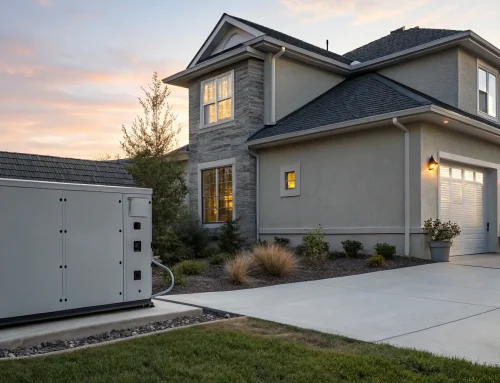
This is a fantastic question, and one we hear all the time. The short answer is: you might. Installing a generator is a major electrical project, and your circuit breaker panel is the heart of your home’s electrical system. It needs to be strong enough to safely manage the power from your new generator during an outage. If your panel is old, has no physical space for new breakers, or is already struggling to keep up with your current appliances, an upgrade will likely be part of your generator installation.
Think of it this way: your panel was designed to handle a specific amount of electricity. Over the years, you’ve probably added new appliances and electronics that draw more power. Adding a Generac generator to power your entire home introduces a significant new electrical load. An outdated or undersized panel simply can’t handle that demand safely. A panel upgrade ensures your electrical system can support the generator and the automatic transfer switch, which is the device that allows your generator to kick on seamlessly when you lose power.
The best way to know for sure is to have a professional electrician perform a load calculation. This assessment determines your home’s total power usage and whether your current panel is up to the task. This is a standard and essential step in planning a residential standby generator installation. It guarantees that your new generator will integrate perfectly with your home’s electrical system, providing safe and reliable backup power when you need it most.
Finding the Right Electrician in Southeastern Pennsylvania
Choosing the right person for a panel upgrade is one of the most important decisions you’ll make for your home’s safety. This isn’t a weekend DIY project; it’s a complex job that requires deep expertise. Your first step should always be to find a licensed and insured professional. This guarantees that the person working on your home’s electrical system has proven their knowledge and that you’re protected. A licensed electrician ensures all work meets current safety codes, giving you peace of mind that the job is done right. For any major electrical repairs, settling for anything less than a qualified professional is a risk you shouldn’t take.
Once you have a shortlist of licensed electricians, it’s time to get quotes. Don’t just settle for the first one you find. We recommend getting at least two or three detailed quotes to compare. A trustworthy quote won’t just be a single number; it will break down the costs for the panel itself, labor, and any necessary permits. This transparency is a good sign that you’re dealing with an honest professional. Be wary of any estimates that seem unusually low, as they might be cutting corners on materials or safety procedures.
A great electrician also brings local knowledge to the table. Every township has slightly different requirements, so you want someone who is familiar with the specific codes and permitting processes in your area. A seasoned pro will handle pulling the necessary permits and scheduling inspections, making the entire process smoother for you. At M.T. Ruhl, we’ve been serving communities across Southeastern Pennsylvania for over 25 years, so we understand the local requirements inside and out. Finally, check reviews and ask about their experience. A contractor with a long history and happy customers is always a good sign.
Related Articles
- How Long to Upgrade to a Breaker Panel? A Timeline
- Electrical Panel Upgrades: A Complete Guide
- Electrical Panel Upgrades: A Complete Guide
- Electrical Panel Upgrades: A Complete Guide
- Electrical Panel vs. Breaker Box: How They Work & When to Upgrade | M.T. Ruhl Electrical
Frequently Asked Questions
My breakers only trip occasionally. Do I still need to worry about an upgrade? An occasional trip isn’t necessarily an emergency, but it can be a sign that your panel is working at its maximum capacity. Think about your future plans. If you’re considering a new appliance, an electric vehicle, or a home generator, that occasional trip could become a constant frustration. It’s often better to be proactive and have your system evaluated to see if an upgrade would give you the electrical room you need to grow.
How long will my power be off during the installation? This is a great question, and it’s something we plan for carefully. For a standard panel upgrade, you can expect the power to be off for about four to eight hours. A professional electrician will work efficiently to minimize this downtime. They will let you know the schedule in advance so you can plan your day accordingly, ensuring the disruption to your home is as brief as possible.
Can I save money by doing some of the work myself? While I admire the can-do spirit, a panel upgrade is one project you should always leave to a licensed professional. It involves working with high-voltage electricity, which is extremely dangerous and can lead to serious injury or fire if not handled correctly. The cost of hiring an expert covers their training, insurance, and the guarantee that the job is done safely and up to code. Your family’s safety is worth that investment.
What’s the real benefit of a 200-amp panel over my current 100-amp one? Think of it like a highway. A 100-amp panel is like a two-lane road that can get congested easily when you run the air conditioner, microwave, and TV at the same time. A 200-amp panel is like a four-lane highway; it has much more capacity to handle all that electrical traffic smoothly. This means you can run multiple appliances at once without worrying about flickering lights or tripped breakers, making it a perfect fit for modern life.
Will a new panel really help if I want a Generac generator later? Yes, absolutely. A whole-home generator needs a strong and stable electrical system to connect to. An older or undersized panel may not have the space or capacity to handle the automatic transfer switch, which is the device that lets your generator turn on automatically. Upgrading your panel first ensures your home’s electrical system is a solid foundation, making the future generator installation seamless, safe, and reliable.