
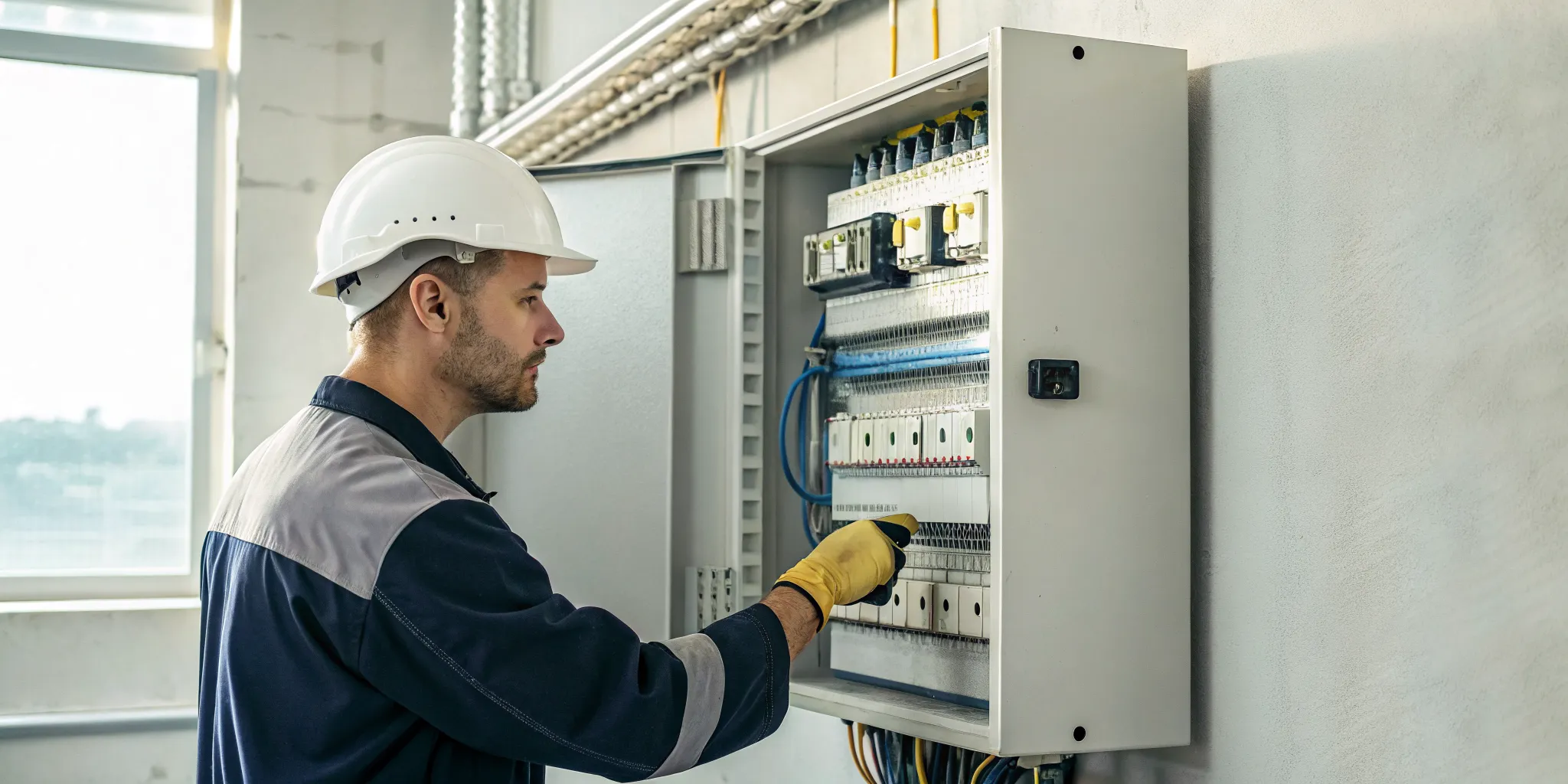
Our homes are working harder than ever before. With home offices, smart devices, EV chargers, and whole-home Generac generators, our demand for reliable power has grown significantly. Your electrical panel is the foundation that supports all of this technology. If that foundation is outdated, an upgrade is essential for safety and performance. This naturally leads to the practical question: how long does it take to upgrade electrical panel to breaker panel? Understanding the timeline is key to planning this important home improvement. This guide details the entire process, from the initial assessment to the final inspection, ensuring your home is ready for today’s and tomorrow’s electrical needs.
Key Takeaways
- The Timeline Extends Beyond Installation Day: While the actual power outage for the installation typically lasts four to eight hours, the full project involves more. Expect the total process to take longer due to necessary steps like securing permits, coordinating with the utility company, and scheduling a final inspection.
- A Little Prep Goes a Long Way: Prepare for a smooth installation by clearing the area around your panel beforehand. It’s also smart to fully charge your phones and laptops and have a plan for how your family will manage during the scheduled power outage.
- Always Hire a Licensed Professional: This is not a DIY project. A licensed electrician is essential for handling high-voltage work safely, ensuring the upgrade meets all local codes, and properly addressing any hidden issues like old wiring or moisture damage.
What Is an Electrical Panel Upgrade?
Think of your electrical panel as the heart of your home’s electrical system. It takes the main power from the utility company and distributes it safely to all the different circuits in your house, from the kitchen outlets to the bedroom lights. An electrical panel upgrade is the process of replacing your old panel with a new one that can safely handle your home’s power needs. This is especially important as we add more power-hungry appliances and technology to our lives.
Upgrading your panel isn’t just about getting more power; it’s a critical safety measure. Older panels may not be equipped to handle modern electrical loads, creating a risk of overloads and fires. The process involves carefully disconnecting the power, removing the old box, installing a new one, and meticulously connecting all the circuits. Because this work involves high-voltage electricity and must meet strict local codes, it’s a job that absolutely requires a licensed electrician. A proper upgrade ensures your home has a reliable power supply for everything from your refrigerator to a whole-house Generac generator, giving you peace of mind that your system is both safe and efficient.
Breaker Panels vs. Fuse Boxes: What’s the Difference?
If your home is older, you might have a fuse box instead of a modern breaker panel. Fuse boxes use small, single-use fuses that burn out to prevent an overload and must be completely replaced. Breaker panels, the current standard, use switches (breakers) that “trip” or flip off when a circuit is overloaded. You can easily reset them with a simple flip of the switch.
While both serve the same basic function, breaker panels are safer and more convenient. If you still have a fuse box, it’s a strong indicator that your electrical system is outdated. The process of replacing an old fuse box with a new breaker panel is a common upgrade that often requires some new wiring to meet today’s electrical standards and ensure your home is properly protected.
Common Reasons to Upgrade Your Electrical Panel
You might not think about your electrical panel often, but it gives clear signals when it’s struggling to keep up. One of the most common reasons for an upgrade is simply needing more power for modern life. If you’re planning a major renovation, adding an EV charger, or installing a central air conditioning system, your current panel likely won’t have the capacity.
Frequent issues are another big red flag. Are your breakers constantly tripping? Do your lights flicker or dim when you turn on a large appliance like the microwave? These are classic signs that your panel is overloaded. An upgrade provides the necessary power to run everything smoothly and safely. It’s also a key step in future-proofing your home and ensuring it’s ready for a standby generator installation to keep life running without interruption.
How Long Does an Electrical Panel Upgrade Take?
One of the first questions homeowners ask about an electrical panel upgrade is, “How long will my power be out?” It’s a great question, and the answer depends on a few key factors. While the hands-on installation is often completed in a single day, the entire process from start to finish involves more than just swapping out the box. The total timeline is influenced by the complexity of your specific project, the condition of your existing system, and local administrative steps like permits and inspections.
Understanding these different phases helps set clear expectations. The physical work might take several hours, but coordinating with your utility company and the local inspector adds to the overall schedule. A professional electrician can give you a precise estimate after assessing your home’s unique needs, ensuring your project is handled safely and efficiently. This initial evaluation is a critical step in planning for any major residential electric work. It allows your electrician to spot any potential challenges ahead of time, giving you a clear and realistic picture of the project scope and what to expect on installation day.
A Look at the Standard Installation Timeline
For a straightforward electrical panel replacement, you can expect the hands-on work to take between four and eight hours. This is the timeframe when the power in your home will be turned off, so it’s the part of the process you’ll notice most. A “straightforward” job typically means the new panel is a direct replacement for the old one, without needing significant rewiring or other major electrical changes. During this time, your electrician will safely disconnect the old panel, mount the new one, and connect all the existing circuits. It’s a focused process that, in most cases, can be wrapped up within a standard workday, getting your home powered back up by the evening.
Factoring in Permits and Inspections
While the actual installation may only take a day, the complete project timeline is often longer due to necessary administrative steps. Most electrical panel upgrades require a permit from your local municipality to ensure the work meets safety codes. After the installation is complete, a formal inspection is usually required before the project is officially closed out. This process of applying for permits and scheduling inspections can add a week or more to the total project duration. Your electrical contractor will handle this coordination, but it’s an important part of the timeline to be aware of so you can plan accordingly.
How Project Complexity Affects the Timeline
Not every panel upgrade is a simple swap. If the project is more complex, the installation time can extend to 10 or 12 hours. This often happens when an upgrade reveals other issues that need attention, such as outdated wiring that must be brought up to code. If your old panel has rust or water damage, additional electrician repairs may be needed before the new one can be safely installed. These situations require more time and care to ensure your entire electrical system is safe and reliable, which is why a thorough initial assessment is so important for an accurate timeline.
What Factors Influence Your Upgrade Timeline?
While a typical electrical panel upgrade can often be completed in a single day, several factors can stretch that timeline. Think of it less as a fixed appointment and more as a mini-project with moving parts. Understanding these variables can help you set realistic expectations and prepare for a smooth process. From the state of your existing wiring to the schedules of local inspectors, each element plays a role in how long your home will be without power and when the final switch will be flipped.
The Condition of Your Current Panel and Wiring
The state of your existing electrical system is one of the biggest variables. If an electrician opens your panel and finds everything is relatively modern and in good shape, the swap will be straightforward. However, issues like rust, corrosion from moisture, or old, deteriorating wiring can complicate the job. These problems often require additional electrician repairs to ensure the new panel can be installed safely and up to code. Discovering these hidden issues can add hours, or sometimes even an extra day, to the project as the team addresses them properly.
Your Home’s Amperage Needs
Are you simply replacing an old panel or are you also increasing your home’s electrical capacity? A simple panel swap is much faster than a full service upgrade. Many older homes have 100-amp service, but modern households with numerous appliances, an EV charger, or a whole-home Generac generator often require at least 200 amps. Increasing your amperage is a more involved process that includes replacing the meter socket and the service entrance wires that run from the utility line to your house. This adds complexity and time to the installation.
Local Permits and Inspection Schedules
While the hands-on work might be done in a day, the administrative side can extend the overall timeline. Most municipalities require a permit for an electrical panel upgrade. This means submitting plans and waiting for approval before work can begin. After the installation is complete, a city inspector must visit to approve the work. The entire process can be influenced by the efficiency of your local permitting office and the inspector’s availability. A professional contractor will handle this for you, but it’s a part of the timeline that is largely out of their direct control.
Panel Location and Accessibility
Where your electrical panel is located can make a surprising difference. A panel that is easily accessible in an open garage or basement allows electricians to work efficiently. They have space for their tools and can move around freely. However, if your panel is tucked away in a cramped closet, behind a water heater, or blocked by heavy storage, it will take longer. The crew will need extra time to safely clear the area and work within a confined space. You can help speed things up by ensuring the path to your panel is clear before your electrician arrives.
Coordinating with the Utility Company
For a panel upgrade, the main power to your home must be shut off for safety. This isn’t done with your main breaker; it requires your local utility company to send a technician to disconnect the service from the street. This “disconnect and reconnect” process has to be scheduled in advance. Your electrical contractor will coordinate this, but the timeline depends on the utility company’s schedule. The work can’t start until they arrive to cut the power, and your lights won’t come back on until they return to reconnect it after the inspection is complete.
The Upgrade Process, Step by Step
An electrical panel upgrade might sound like a huge undertaking, but it follows a very structured and safe process when handled by a professional. Understanding the key stages can help you know what to expect from start to finish. From the initial evaluation to the final flip of the switch, each step is designed to ensure your home’s electrical system is safe, compliant, and ready for your needs.
Step 1: Initial Assessment and Planning
Before any tools come out, the first step is a thorough assessment. This is where a qualified electrician evaluates your home’s entire electrical system. It’s more than just a quick look; an electrician figures out what kind of electrical power your home needs now and in the future. They’ll discuss your current electricity usage and any plans you have for new appliances, a home office, an EV charger, or even a home standby generator. This conversation helps determine the right panel size for your home, ensuring it can handle the load safely. This planning phase sets the foundation for a successful upgrade.
Step 2: Preparing for a Safe Installation
Safety is the top priority in any electrical project. Once the plan is in place and the necessary permits are secured, the installation day begins with critical safety preparations. To start, the electrician safely shuts off the electricity to your home. This usually involves coordinating with your utility company to disconnect the main power line leading to the house, which ensures the work area is completely de-energized. Your electrician will also prepare the physical space around the panel, making sure it’s clear and accessible for a smooth and efficient installation process.
Step 3: Removing the Old Panel and Installing the New One
With the power off and the area prepped, the hands-on work begins. During this stage, the old breaker box is taken out. If it’s a fuse box, old wiring might also be removed to bring the system up to modern standards. Your electrician will carefully disconnect every circuit from the old panel before removing it from the wall. Then, the new, higher-capacity panel is securely mounted. The meticulous process of rerouting and connecting each of your home’s circuits to the new breakers begins, a critical task that requires the expertise of a professional in residential electrical systems.
Step 4: Final Connections and Testing
After the new panel is installed and every circuit is properly connected, it’s time to bring your home back to life. The main power line is reconnected, and the system is energized. But the job isn’t done yet. To finish, the electrician checks all the circuits to make sure everything works right. They will test each breaker, check power at various outlets, and ensure all connections are secure. Finally, they will label the new panel directory, so you know exactly which breaker controls which part of your home. This final testing phase confirms your new panel is operating safely and reliably.
What Can Slow Down Your Upgrade?
While a professional electrician can give you a solid timeline, sometimes unexpected issues pop up once the work begins. Think of it like any home renovation project; you never know exactly what’s behind the walls until you open them up. An experienced team can anticipate many potential hurdles during the initial assessment, but some delays are simply unavoidable. These slowdowns aren’t meant to be stressful. Instead, they are often necessary steps to ensure your home’s electrical system is safe, reliable, and ready for the future. Understanding what might extend your project timeline can help you prepare and feel more confident in the process.
Discovering Outdated Wiring or Code Issues
One of the most common surprises is finding old or non-compliant wiring connected to your panel. If your home is older, previous electrical work may not meet today’s safety standards. When we remove the old panel, we might uncover issues like knob-and-tube wiring, circuits without proper grounding, or other code violations that need to be corrected. Addressing these problems is non-negotiable for your family’s safety and to pass the final inspection. While it adds time to the project, it ensures your entire system is sound. Our team is experienced in all types of electrician repairs and can handle these discoveries efficiently.
Dealing with Damaged or Rusted Components
Moisture is the enemy of any electrical system. If your old panel shows signs of rust or water damage, the problem might be more than just cosmetic. Corrosion can affect the connections, the breakers, and even the wiring itself, creating a serious fire hazard. If we find rust or damage, we’ll need extra time to clean the area, replace affected wiring, and ensure the new panel is installed in a dry, secure location. A clean, well-maintained panel is essential for reliable power, especially if you plan to connect a home standby generator to protect your home during outages.
Needing More Electrical Work Than Planned
Sometimes, an upgrade reveals the need for a larger scope of work. For instance, we might find that the main service line coming into your house isn’t large enough to support the new panel’s higher amperage. This requires more extensive work and coordination. In other cases, a homeowner might decide to add new circuits for a future project, like an EV charger or a workshop, while the panel is already open. Tackling additional residential electric projects during the upgrade can be efficient, but it will naturally extend the installation timeline beyond the original estimate of a simple panel swap.
Navigating Weather and Scheduling Delays
Some factors are completely out of our control. Severe weather, like a major thunderstorm or snowstorm, can make it unsafe to work on the exterior electrical components, forcing a delay. Another potential slowdown involves scheduling with your local utility company. Part of the upgrade process requires the utility to disconnect and later reconnect your power. While we manage this coordination, their availability can impact the project’s start or completion time. Working with a local contractor familiar with the processes in your service area helps make this step as smooth as possible, but unexpected utility delays can still happen.
How to Prepare for Your Electrical Panel Upgrade
An electrical panel upgrade is a significant home improvement project, but a little preparation can make the entire process feel seamless. Knowing what to expect and how to get your home ready ensures that the installation day goes smoothly for both you and your electrician. By taking a few simple steps beforehand, you can minimize disruptions and feel confident that your home is in good hands. Here’s how you can prepare for the big day.
Clear the Area and Plan for the Power Outage
Before your electrician arrives, make sure the area around your electrical panel is completely clear. Move any furniture, storage boxes, or other items at least three to four feet away from the panel. This gives the technicians a safe and accessible space to work efficiently. A clear workspace prevents accidents and helps the job get done faster.
You’ll also need to plan for a scheduled power outage, which typically lasts several hours. This is a great time to consider how your family would handle a longer, unexpected outage. Investing in a whole-home solution like a Generac generator can provide peace of mind, ensuring your lights and appliances stay on no matter what.
Understand the Permit and Inspection Process
A proper electrical panel upgrade requires permits from your local municipality to ensure the work meets safety codes. While the actual installation might only take a day, the entire process, including securing permits and scheduling final inspections, can extend the timeline. Your professional electrician will handle all the paperwork and coordination, but it’s helpful for you to be aware of these steps. This process guarantees that your new panel is installed correctly and safely, protecting your home and family. It’s a crucial part of any legitimate electrician repairs and upgrades.
Charge Your Devices and Prepare for No Power
Since your power will be out for several hours, it’s smart to prepare ahead of time. Fully charge all your essential electronics, including your phones, laptops, and portable power banks. Think about how you’ll manage without electricity for a while. You might want to plan for meals that don’t require cooking or have activities ready for your kids that don’t need Wi-Fi.
This temporary inconvenience often highlights the value of uninterrupted power. A residential standby generator installation can automatically restore power within seconds of an outage, so you never have to worry about charging devices or disrupting your daily routine again.
Ask Questions and Confirm the Plan
Clear communication with your electrician is key. Don’t hesitate to ask questions before the project begins. Confirm the arrival time, the estimated duration of the power outage, and any specific needs they might have. A professional will be happy to walk you through the plan so you know exactly what to expect.
Most importantly, always hire a licensed and insured professional for this kind of work. An experienced team has the training and tools to do the job safely and correctly, following all local building codes. When you work with a trusted residential electric provider, you can rest assured that your home’s electrical system is in expert hands.
Why a Professional Installation Is Essential
It might seem tempting to tackle an electrical panel upgrade yourself, especially if you’re handy around the house. But when it comes to your home’s electrical system, this is one job that’s best left to the professionals. Working with high-voltage electricity is incredibly dangerous, and a single mistake can have serious consequences for your safety and your home. A professional installation isn’t just about convenience; it’s about ensuring the central hub of your home’s power is secure and reliable.
A licensed electrician brings much more than just tools to the job. They have years of training and a deep understanding of the National Electrical Code and local regulations. This expertise ensures your new panel is installed correctly and safely, passing all required inspections. Our team of electricians stays current on all the rules, so you don’t have to worry about compliance issues down the road. They know exactly what it takes to get the job done right the first time.
Electrical panel upgrades are rarely as straightforward as they seem. An experienced technician can identify and solve problems you might not see, like outdated wiring or rusted components that need attention. They know how to handle unexpected issues that can pop up during the installation, preventing small problems from turning into major electrical repairs. This foresight saves you time, stress, and potential future costs. Ultimately, hiring a professional gives you peace of mind, knowing your electrical system can safely handle your home’s power needs for years to come.
Related Articles
- Price for Electrical Panel Upgrade: A 2025 Cost Guide
- Electrical Panel Upgrades: A Complete Guide
- Cost to Upgrade Electrical Panel in 2025: Full Guide | M.T. Ruhl Electrical
- Electrical Panel Upgrades: A Complete Guide
- Electrician for Panel Upgrade: A Homeowner’s Guide
Frequently Asked Questions
How can I tell if I really need a new electrical panel? The most obvious signs are practical ones you probably notice already. If your breakers trip often, your lights dim when an appliance kicks on, or you still have an old-fashioned fuse box, it’s time to consider an upgrade. Planning to add a major electrical load, like an EV charger, central air conditioning, or a large home addition, is another key reason. A new panel ensures your home can safely handle the power you need for modern life.
Will my power be off all day during the installation? For a standard panel replacement, you can expect the power to be off for about four to eight hours. This is the time when the actual hands-on work is happening. The power must be completely shut off for the safety of the electricians and your home. While it’s a temporary inconvenience, a professional team works efficiently to get your lights back on by the end of the workday.
Is an electrical panel upgrade a messy job? Not at all. The work is very contained and focused on the area immediately around your electrical panel. A professional electrician will take care to protect the surrounding space and will clean up thoroughly once the job is complete. It’s a precise technical task, not a dusty demolition project, so you don’t need to worry about a major cleanup afterward.
Do I need a new panel to install a whole-home generator? In many cases, yes. A whole-home Generac generator connects to your electrical system through an automatic transfer switch, which needs adequate space and capacity in your panel. If your current panel is old, undersized, or full, an upgrade is often a necessary first step. This ensures the generator can integrate seamlessly and power your home safely and reliably during an outage.
What’s the difference between a panel upgrade and a service upgrade? Think of it this way: a panel upgrade is like getting a new, better-organized fuse box with more slots. You’re replacing the main distribution hub inside your home. A service upgrade is bigger; it increases the total amount of electricity your home receives from the utility company, for example, going from 100-amp to 200-amp service. A service upgrade always includes a new panel, but a panel upgrade doesn’t always include a new service.