Power outages always seem to hit at the worst times, like during a summer heatwave or a winter ice storm. Losing power is more than an inconvenience—it can mean a flooded basement, spoiled food, or a dangerously cold house. A reliable backup generator offers true peace of mind, keeping your home safe and comfortable. But with so many options, choosing a standby generator can feel overwhelming. This guide makes it simple. We’ll walk you through selecting the right Generac home generator, from calculating your power needs to installation, so you can make a confident choice for your family.
Key Takeaways
- Calculate your true power needs: Add up the running watts of your essential appliances and the single highest starting wattage, then choose a generator with a 20-25% safety buffer for reliable performance.
- A professional installation is non-negotiable: A licensed technician ensures your entire system, including the transfer switch and fuel lines, is installed safely and correctly according to local codes.
- Plan for long-term reliability: Protect your investment with an annual maintenance plan to keep your generator ready for any season, and consider an extended warranty to cover future repair costs.
Which Generac Generator Type Is Right for You?
When you start looking into backup power, you’ll find that Generac offers a few different types of generators. Each one is designed for different situations, power needs, and levels of convenience. The main categories you’ll encounter are portable, standby, and inverter generators. Think of this as the first step in finding your perfect match. One is ideal for grabbing on the go, another acts as a permanent and automatic solution for your entire home, and the third offers a specialized type of power for sensitive electronics.
Choosing the right one comes down to what you want to power during an outage and how much manual effort you’re willing to put in. Do you just need to keep the fridge running and your phone charged, or do you want life to continue as normal when the grid goes down? It’s a question of balancing budget, convenience, and capability. Some homeowners prefer a smaller, more flexible option for occasional use, while others invest in a comprehensive system that protects their entire property. Let’s walk through what makes each type unique, so you can get a clearer picture of which path is right for you and your home. Understanding these core differences will make the rest of the process much smoother.
Why Generac Is the Leading Choice for Homeowners
The Trusted Market Leader
When you begin exploring options for a home generator, the Generac name consistently stands out. There’s a powerful reason for this: they are the leading brand for home standby generators in North America. This isn’t just a marketing slogan; it’s reflected in the choices homeowners make every day. An overwhelming majority—eight out of ten homeowners who invest in a backup power system—choose Generac. This widespread trust speaks volumes, showing that when it comes to protecting their homes and families, people rely on Generac’s proven track record. Choosing their equipment means you’re aligning with the preferred choice for millions, ensuring you get a solution that’s been tested and trusted in homes just like yours.
Recognized for Quality and Reliability
Generac’s market leadership is built on a foundation of quality and unwavering reliability. They’ve earned their spot as the #1 best-selling generator brand by consistently producing machines that perform when they’re needed most. This commitment to excellence is also recognized with industry accolades, such as being named an ENERGY STAR® Partner of the Year, which highlights their dedication to energy efficiency. When you choose a Generac generator, you’re not just getting a popular brand; you’re getting a piece of equipment recognized for its superior engineering, efficiency, and dependable operation when it matters.
A Support System You Can Count On
A generator is a long-term commitment to your home’s security, so the support you receive after installation is just as important as the machine itself. This is where Generac truly shines, by offering a comprehensive support system designed to give you confidence for the entire lifespan of your generator. They understand that true reliability comes from knowing help is available whenever you might need it, ensuring your investment continues to protect your home effectively for years to come. This focus on long-term customer care is a key reason so many homeowners feel secure with their choice.
24/7 Customer Support and a Nationwide Dealer Network
Generac’s support system offers both national accessibility and local expertise. They provide customer support 24 hours a day, 7 days a week, so you’re never without answers. Just as crucial is their extensive network of over 10,000 authorized dealers. This means you have a certified professional in your local area for everything from the initial residential standby generator installation to ongoing maintenance. As a proud member of this network, our team at M.T. Ruhl provides that expert, hands-on support to homeowners throughout Southeastern Pennsylvania, ensuring your generator is always ready to perform.
For Power on the Go: Portable Generators
A portable generator is a flexible, lower-cost option for handling occasional power outages. As the name suggests, you can move it where you need it. These units require manual setup each time you use them, which includes wheeling them outside, starting them up, and running extension cords to your essential appliances. A portable generator is great for powering one or two key items, like your refrigerator or a space heater, but it doesn’t have the output to run your entire home. It’s a solid choice if you’re looking for a temporary solution for brief outages.
For Whole-Home Peace of Mind: Standby Generators
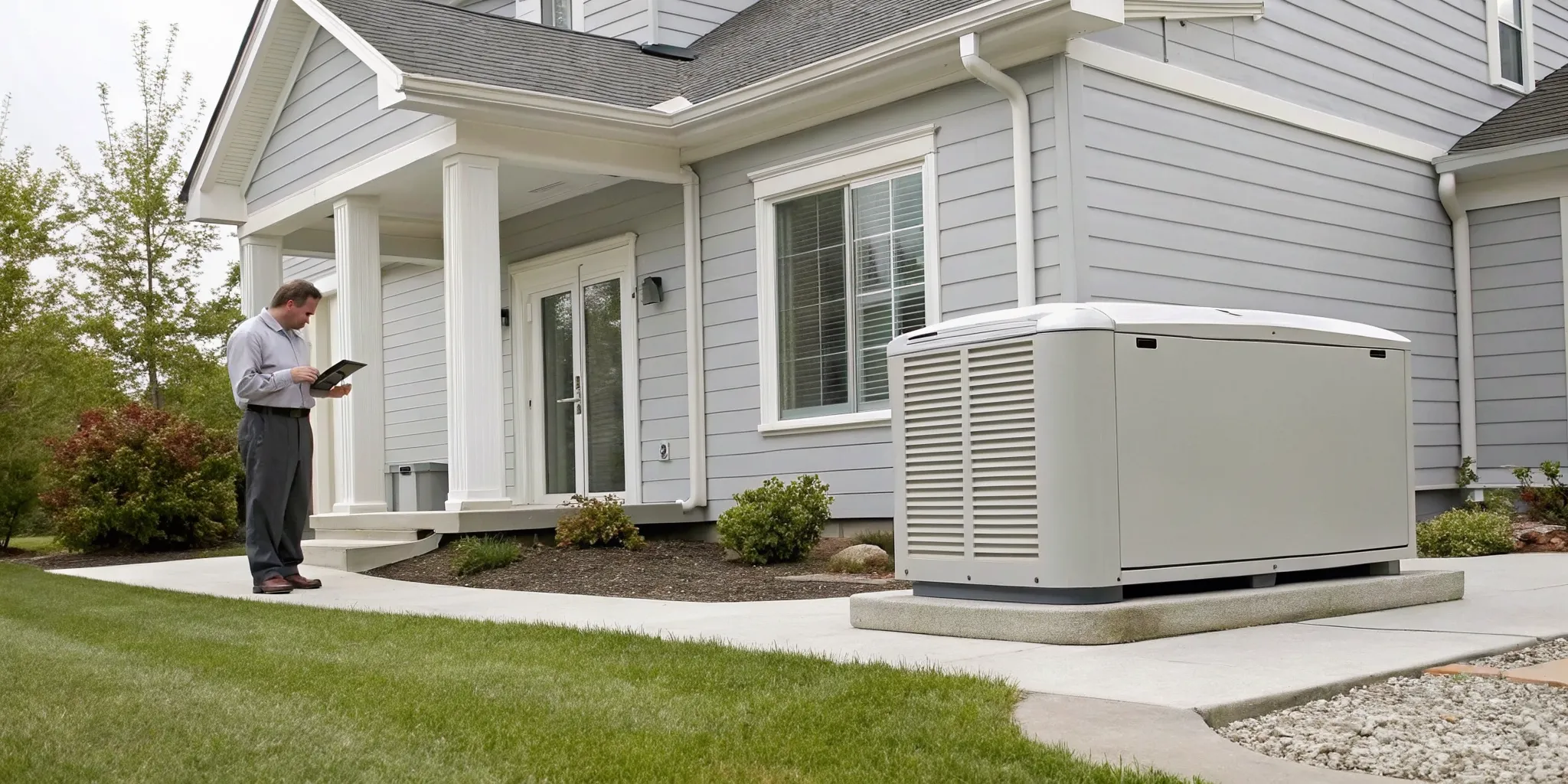
For a seamless, hands-off solution, a standby generator is the top choice. These units are permanently installed outside your home and connect directly to your electrical system. When a power outage occurs, a standby generator automatically kicks on within seconds, restoring power to your home without you having to lift a finger. They have the capacity to power everything from your lights and HVAC system to all your major appliances. A professional residential standby generator installation provides the ultimate peace of mind, ensuring your home remains safe and comfortable through any outage, long or short.
For Quiet, Clean Power: Inverter Generators
Inverter generators are a bit of a hybrid. They are typically portable but are known for producing “cleaner” power, which is safer for sensitive electronics like laptops and smartphones. While they are a great piece of technology, inverter generators generally have a lower power output than standby models. This makes them less suitable for powering your entire home or multiple large appliances at once. They are often quieter than traditional portable generators, making them a good option for camping or tailgating, but for whole-home backup power, a standby unit is usually the more practical solution.
How Much Power Does Your Home Actually Need?
Before you can pick the perfect generator, you need a clear picture of how much power your home actually uses. This might sound complicated, but it’s really just about making a list and doing some simple math. Figuring out your power needs is the most important step to ensure you invest in a generator that can handle everything you need during an outage, without overpaying for a unit that’s too large. Let’s walk through how to get a solid estimate so you can choose your Generac generator with confidence.
Decide What Stays On During an Outage
First, grab a pen and paper and walk through your home. Create a list of all the appliances and systems you absolutely cannot live without during a power outage. This “must-have” list is your starting point. For most people, this includes the refrigerator, freezer, sump pump, and some lights. You might also add a well pump, furnace, or essential medical equipment. Then, think about the items that are more for comfort, like your air conditioning, television, or microwave. Deciding what is truly essential will help you determine the minimum power you need to keep your home safe and functional.
Understanding Running vs. Starting Watts
Here’s a key detail that can trip people up: the difference between running watts and starting watts. Running watts (or rated watts) is the continuous power an appliance needs to operate. Starting watts (or surge watts) is the extra burst of power required to start up an appliance with a motor, like a refrigerator or an air conditioner. This initial surge can be two to three times higher than the running wattage. It’s crucial to account for the highest starting wattage among your essential appliances, as your generator must be able to supply that peak demand.
Real-World Examples: Refrigerators and Sump Pumps
Let’s put this into practice with two of the most critical home appliances: your refrigerator and sump pump. Your refrigerator might run on about 800 watts, but it needs a surge of around 2,200 watts for a few seconds just to get its compressor going. Similarly, your sump pump is a non-negotiable essential during a storm, preventing thousands of dollars in water damage. It also has a motor that demands a significant burst of starting watts. When selecting your Generac generator, you have to account for that highest starting watt requirement among all your essential items. You can’t simply add up the running watts; you must ensure the generator can handle the single biggest power surge your home will throw at it.
Add Up Your Total Wattage Needs
Now it’s time to put it all together. You can usually find the wattage information on the appliance’s data plate or in the owner’s manual. First, add up the running watts of all the items on your “must-have” list. Next, identify the single highest starting wattage from that list. Add that one starting wattage number to your total running wattage. The final sum gives you the minimum power your generator needs to produce. While this calculation gives you a great baseline, a professional consultation for your residential standby generator installation will guarantee you get the most accurate sizing for your specific needs.
Use Generac’s Sizing Calculator Tool
If doing the math by hand feels a little overwhelming, you’re in luck. Generac provides an excellent online sizing calculator that simplifies this entire process. This user-friendly tool is designed to walk you through the exact steps we just discussed, but in a more interactive format. You’ll select the essential appliances and systems in your home, and the calculator will do the heavy lifting, tallying up the wattage and recommending an appropriate generator size. It’s a fantastic way to get a quick, reliable estimate or to double-check the numbers you came up with on your own. Using this tool can give you a major confidence boost as you explore different generator models and get a clearer idea of what your home requires.
While the calculator is an invaluable starting point, it’s important to remember that it provides an estimate. It can’t see the specific wiring in your home, the exact age of your appliances, or account for unique power draws. Think of it as a very smart guide, but not the final word. For a permanent solution like a standby generator, the most accurate assessment will always come from an on-site evaluation. A professional consultation ensures every detail is considered, guaranteeing your investment is perfectly matched to your home and will perform flawlessly when you need it most. This final check by an expert provides the ultimate peace of mind.
Choosing the Right Size Generac Home Generator
Once you have a handle on your home’s power needs, you can start matching them to the right generator size. While every home is unique, we can group them into general categories to give you a starting point. Think of these as helpful guidelines, not hard-and-fast rules. The goal is to find a generator that can comfortably handle your essential appliances without being overworked or underutilized. A professional consultation is always the best way to get a precise recommendation, but understanding these common sizes will help you feel more confident in your decision.
Air-Cooled vs. Liquid-Cooled Generators
As you explore standby generators, you’ll see two main cooling systems: air-cooled and liquid-cooled. The difference is exactly what it sounds like. Air-cooled models, like many in Generac’s Guardian Series, use a fan to circulate air over the engine to keep it from overheating. This simpler design makes the units smaller, lighter, and more affordable, which is why they are the most common choice for residential homes. They are perfect for powering essentials or even whole-house needs for many families. Liquid-cooled generators, however, work more like a car’s engine, using a radiator and coolant. This makes them more powerful, durable, and quieter. They are built for bigger jobs, like powering large luxury homes or ensuring a business never loses power. If you have significant power needs, a liquid-cooled model might be the right fit, often seen in commercial generator installations.
Generator Sizing for Smaller Homes (7-13 kW)
If you live in a smaller home, perhaps around 1,200 square feet, you likely don’t need a massive generator to keep things running. A unit in the 10 to 14 kW range is often the perfect fit. This size is powerful enough to cover the absolute essentials during an outage. You can expect it to handle your lights, refrigerator, and a few small appliances like your microwave or television. It’s an excellent choice for ensuring you can maintain basic comforts and safety without powering every single circuit in your home. This approach keeps your initial investment practical while still providing reliable backup for what matters most.
Generator Sizing for Mid-Sized Homes (14-20 kW)
For medium-sized homes, typically between 1,500 and 2,000 square feet, your power needs start to increase. This is where generators in the 16 to 22 kW range really shine. A unit of this size can manage more than just the basics; it can often power larger systems like your central air conditioning and water heater. The 22 kW model is one of the most popular choices for homeowners because it provides a fantastic balance of power and value. It offers enough capacity to run most of your home’s circuits, making a power outage feel like a minor inconvenience. This size is a common choice for a complete residential standby generator installation.
Generator Sizing for Larger Homes (22+ kW)
Larger homes, especially those over 2,500 square feet, have significantly higher power demands. If your home falls into this category, or if you have high-consumption items like a pool pump, hot tub, or an electric vehicle charger, you’ll want to look at generators in the 26 to 48 kW range. These powerful units are designed to handle a heavy electrical load, ensuring that your entire home can operate smoothly during an outage. With a generator of this size, you won’t have to pick and choose which appliances to use. You can continue your daily routine with minimal disruption, confident that your Generac generator can manage it all.
Why a Little Extra Power Is a Good Idea
When you’re choosing a generator, it’s tempting to pick one that exactly matches your calculated power needs. However, it’s always a smart move to add a safety buffer. We recommend choosing a generator that’s about 20-25% larger than your minimum requirements. This extra capacity isn’t just for show; it allows the generator to run more efficiently and prevents it from being overworked. It also gives the system the flexibility to handle the initial power surge from large appliances starting up. Over time, this buffer can even extend the lifespan of your generator, making it a more reliable investment for years to come.
Applying the 20/20/20 Rule for a Power Buffer
A great rule of thumb to follow is the 20/20/20 rule, which advises selecting a generator with 20-25% more capacity than your calculated needs. This isn’t about upsizing for no reason; it’s a strategic move for long-term reliability. This buffer ensures your generator can easily handle the demanding startup surge from appliances like your air conditioner or well pump, which can require double their normal running power for a few seconds. By giving your system this extra cushion, you prevent it from being overworked, which helps it run more efficiently and reduces wear and tear. Think of it as an investment in the longevity of your system. A generator that isn’t constantly running at its maximum capacity is a happier, more dependable generator, ensuring your Generac generator is ready to perform for years to come.
What Else Do You Need for Your Generator Setup?
Choosing the right generator is a great first step, but it’s important to remember that the generator unit itself is just one part of a complete power backup system. A successful and safe installation involves several other critical components working together. You’ll need to consider the transfer switch that connects the generator to your home, the physical pad it will sit on, and the fuel lines that will power it during an outage. Planning for this entire ecosystem from the start helps you understand the full scope of the project and ensures everything works seamlessly when you need it most.
Thinking through the whole system also helps determine the best location for your generator. It needs to be accessible for maintenance, have proper clearance for ventilation, and be situated correctly for fuel and electrical connections. This is why a professional site assessment is so valuable. An expert can evaluate your property, look at your existing electrical and fuel systems, and create a comprehensive plan for your Generac Generators installation. This holistic approach prevents surprises down the road and guarantees your system is reliable, safe, and up to code.
Why You Need a Transfer Switch
Every standby generator needs a transfer switch. Think of it as the brain of your backup power system. This device is wired directly into your home’s electrical panel and constantly monitors the power coming from the utility company. The moment it detects an outage, it automatically disconnects your home from the grid and signals the generator to start up, safely transferring your power source. Its most critical job is preventing electricity from your generator from flowing back into the utility lines. This “back-feeding” is extremely dangerous for utility workers, which is why a properly installed transfer switch is a non-negotiable safety requirement for any residential standby generator installation.
Don’t Forget the Foundation: Pads and Accessories
Your generator needs a stable and secure place to live. Most standby generators require a dedicated concrete pad to sit on. This ensures the unit is level, which is essential for it to run properly and reduces vibration and noise. Beyond the generator and its pad, the installation might require other components. For example, if your home’s electrical panel is older or already at capacity, you may need an upgrade to handle the connection to the generator. A professional installer will assess your home’s specific needs during a site visit, making sure every part of your residential standby generator installation is accounted for, from the foundation to the final wiring.
Getting Your Fuel Source Connected
Standby generators typically run on natural gas or liquid propane, which means they need to be professionally connected to your home’s fuel supply. This isn’t a simple DIY task. Proper installation requires running a dedicated fuel line and installing specific safety components to manage fuel flow. According to local codes, these systems must include devices like pressure regulators and automatic shut-off valves to ensure the fuel is delivered to the generator safely and efficiently. Handling fuel lines requires specialized knowledge to prevent leaks and other hazards, which is another key reason why having a licensed professional manage your Generac Generators installation is so important for your family’s safety.
Planning for a New Gas Line
If your home already uses natural gas or propane, the process of connecting your generator is more straightforward, but it still requires careful planning. A professional technician will need to assess your existing fuel meter and piping to ensure they can support the added demand of the generator. They will determine the best and safest route to run a new, dedicated fuel line from your supply to the generator’s location. This process involves more than just laying a pipe; it includes installing critical safety components like pressure regulators and shut-off valves to comply with local codes. Because handling fuel lines carries inherent risks, having a certified expert manage the entire residential standby generator installation is essential for preventing leaks and ensuring your system operates safely for years to come.
Which Generac Features Should You Look For?
Once you know the right size, it’s time to look at features that improve convenience and reliability. Modern generators include technology that simplifies everything from power transfers to system monitoring. These key features turn your generator from a simple backup appliance into an integrated part of your home’s safety system.
Which Generac Features Should You Look For?
Once you know the right size, it’s time to look at features that improve convenience and reliability. Modern generators include technology that simplifies everything from power transfers to system monitoring. Think about features like remote monitoring, which lets you check on your generator’s status from your phone, or self-test modes that run quiet, weekly diagnostics to ensure everything is ready for an outage. These key features turn your generator from a simple backup appliance into an integrated part of your home’s safety system, giving you confidence that it will perform exactly as expected when the lights go out.
Choosing the right features is about balancing what you need with what’s nice to have. For example, if you travel often, remote monitoring might be a non-negotiable for your peace of mind. If your generator will be located close to a neighbor’s house, a model with noise-reduction technology is a considerate and practical choice. An experienced dealer can walk you through the options available on different Generac Generators, helping you understand the real-world benefits of each one. This ensures you invest in a system that not only meets your power requirements but also fits seamlessly into your lifestyle.
The Guardian Series: Generac’s Flagship Line
When you explore Generac’s offerings, you’ll quickly come across the Guardian Series. This is their flagship line for homeowners, and it has earned its reputation for being powerful, reliable, and durable. These air-cooled generators are a top choice because they offer a fantastic balance of performance and value. For example, the 22 kW model is the largest air-cooled generator available, providing a cost-effective solution for power needs that once required a more expensive liquid-cooled unit. The popular 24 kW Guardian can handle the demands of a larger home, including power-hungry appliances like central air conditioning. This makes comprehensive backup power more accessible for many families, and a professional residential standby generator installation ensures it’s done right.
Quiet-Test™ Self-Test Mode
One of the most appreciated features of many Generac models is the Quiet-Test™ self-test mode. Your generator needs to run periodic self-tests to make sure it’s ready for action, but older models could be quite loud. The Quiet-Test™ feature allows the generator to run its weekly diagnostic at a lower, quieter RPM. This significantly reduces the noise, making it much less disruptive for you and your neighbors. It’s a thoughtful piece of engineering that ensures your generator is always prepared to take over during an outage without creating a weekly disturbance. This commitment to quiet readiness is a key part of a good generator maintenance routine, confirming the system is healthy and waiting.
Mobile Link™ Remote Monitoring
In an always-connected world, having insight into your home’s systems provides incredible peace of mind. Generac’s Mobile Link™ Remote Monitoring offers just that. This feature connects your generator to your Wi-Fi, allowing you to check its status from anywhere using an app on your smartphone, tablet, or computer. You can see if it’s ready to operate, view its run history, and receive notifications if it needs attention. This is especially valuable if you’re away from home during a storm. It also allows a trusted dealer to monitor your system’s health, making it easier to schedule proactive service and repair and ensure your generator is always in top condition.
Automatic Transfer Switch (ATS) Compatibility
A standby generator requires an automatic transfer switch (ATS). This device is the system’s command center, safely connecting the generator to your home. When it detects an outage, the ATS automatically disconnects you from the utility grid and switches to generator power. This process prevents dangerous backfeeding into utility lines, protecting workers. A professional residential standby generator installation ensures your ATS is correctly sized and installed for safe, automatic operation when you need it.
Stay in Control with Remote Monitoring
You don’t have to be home to know your power is on. Features like Generac’s Mobile Link™ let you check your generator’s status from your smartphone. You can get real-time updates, review maintenance needs, and receive alerts, giving you complete peace of mind. This is especially helpful if you travel or manage a property from afar. With smart controls, you can be confident your Generac generator is always ready to protect your home.
Cellular Connectivity and Smart Thermostat Integration
In our connected world, it only makes sense that your generator would be smart, too. Generac has integrated impressive technology that lets you monitor your generator remotely using their Mobile Link™ app. This means you can check its status, see maintenance reminders, and get alerts right on your phone, whether you’re at the grocery store or on vacation. It brings your generator into your smart home ecosystem, giving you total visibility. Beyond just monitoring, Generac has also partnered with ecobee to enhance home energy management through smart thermostat integration. This connection allows your system to use power more efficiently during an outage, optimizing comfort and energy consumption. These features give you a new level of control, making your backup power system smarter and more convenient than ever.
Choosing Your Fuel Type for Max Efficiency
Generac standby generators run on two main fuel sources: natural gas or liquid propane (LP). If your home has a natural gas line, it’s a convenient option with a continuous fuel supply. If you don’t have natural gas, a liquid propane tank can be installed on your property. While LP tanks need occasional refilling, they offer a stable fuel source. Our team can help you determine the most efficient fuel option for your home, ensuring your system is suited to your property.
Natural Gas, Propane, and Diesel Options
When you’re looking at standby generators, the fuel source is a major decision. Generac models primarily run on natural gas and liquid propane (LP). If your home is already connected to a natural gas line, it’s an incredibly convenient choice. You get a continuous fuel supply directly to your generator, so you never have to worry about refills during an extended outage. For homes without access to natural gas, liquid propane is an excellent and reliable alternative. This option involves installing a dedicated LP tank on your property, which will need to be refilled periodically by a supplier. It’s a very common and effective setup that ensures your generator is always ready to go.
For those with more substantial power requirements, such as very large homes or specific commercial needs, diesel generators are another powerful option. Diesel engines are known for their long-term durability and fuel efficiency, making them a workhorse solution for handling extensive power outages. While they are more common in commercial generator installation, they can be the right choice for larger residential properties with heavy electrical loads. Ultimately, weighing the pros and cons of each fuel type based on your property’s existing infrastructure and power demands is key. Consulting with an expert can help you navigate these options and ensure your fuel source is connected safely and efficiently.
How Loud Is a Generac Generator?
Many homeowners wonder, “How loud is it?” Generac designs its home standby generators to be quiet. Most units operate at a noise level similar to a central air conditioner, so they won’t disrupt your household. The unit’s protective enclosure helps dampen sound, and strategic placement during installation further minimizes noise. We help you choose a location that respects property lines and living spaces, keeping your home peaceful even when the generator is running.
How to Get Your Generator Installed Safely and Legally
Choosing the right generator is just the first step. Where and how you install it is equally critical for your family’s safety and the unit’s performance. A proper installation isn’t just about following a manual; it’s about adhering to a specific set of rules designed to prevent accidents. This involves understanding local safety codes, securing the right permits for your area, and recognizing why a professional touch makes all the difference. Getting this part right ensures your generator will be a reliable source of power, not a potential hazard.
Understanding Local Codes and Placement Rules
Every community has its own safety regulations, and these local codes always take priority over manufacturer recommendations. These rules dictate where your generator can be placed, ensuring it has enough space for ventilation and is a safe distance from windows, doors, and flammable materials. For example, a common rule is to never install a home standby generator under a wooden deck. This prevents fire risks and ensures that exhaust fumes can safely dissipate instead of building up in a confined space. Following these clearance requirements is non-negotiable for a safe setup.
Handling Permits and Inspections in Southeastern Pennsylvania
If you live in Southeastern Pennsylvania, it’s very likely your generator installation will require a permit. The specific requirements can vary significantly between Chester, Montgomery, Bucks, and Delaware Counties, and even from one township to the next. These permits ensure the installation meets all local electrical and building codes, and they often require an inspection upon completion. A qualified local installer will know exactly what your municipality requires and can manage the entire permitting process for you, ensuring everything is done by the book.
Why Hiring a Professional Installer Is Worth It
While a DIY project can be tempting, generator installation is a job best left to certified professionals. An incorrect installation can create serious dangers, including carbon monoxide poisoning, gas leaks, fire hazards, and electrical overloads that could damage your home’s wiring. A professional residential standby generator installation guarantees that every connection is secure and every safety protocol is met. Technicians are trained to work with complex electrical systems and fuel lines, and they understand the federal, state, and local codes that govern this work, giving you complete peace of mind.
Essential Safety Guidelines for Generator Use
Having a generator means you’re prepared, but using it correctly is what truly keeps your home and family safe. Think of these guidelines less as a list of rules and more as the practical knowledge you need to use your generator with confidence. While a professional installation handles the big safety items like placement and fuel connections, what you do during an outage matters just as much. The choices you make about what to plug in, and how you do it, can make all the difference in protecting both your appliances and your generator itself. Let’s go over a few key things to keep in mind when your backup power is flowing.
What Not to Plug Into Your Generator
It can be tempting to power everything you own when your generator kicks on, but it’s important to be selective. A generator, particularly a portable model, doesn’t deliver electricity in the same way as the utility grid. Some appliances are too sensitive for the power produced, while others are too demanding for the generator to handle. Understanding which items to avoid plugging in prevents damage to your valuable electronics and protects your generator from being overloaded. It’s all about working smart with the power you have available.
Protecting Sensitive Electronics
Many portable generators produce “dirty power,” meaning the electricity isn’t perfectly smooth. This unstable current can be harmful to sensitive electronics like laptops and smartphones. According to tech experts, this type of power can harm sensitive electronics, potentially shortening their lifespan. This is a major advantage of a whole-home standby unit, which works with an automatic transfer switch to deliver cleaner, more stable power that is safe for all your devices. A professional residential standby generator installation ensures this system is integrated seamlessly with your home’s electrical panel.
Avoiding High-Demand Appliances
Certain large appliances, like your central air conditioner or electric stove, require an enormous amount of electricity to get started. This initial power surge can easily overwhelm a portable or undersized generator, causing its circuit breaker to trip. In a worst-case scenario, attempting to power these items can overload your generator, potentially damaging both the appliance and the generator itself. This is why correctly sizing your generator from the start is so critical—it ensures you have the capacity to run what you need without risking your equipment.
Using the Right Extension Cords
If you’re using a portable generator, your extension cords are a critical safety component. Using a standard, indoor-rated cord is a serious fire hazard, as its thin wires can’t handle the power, causing them to overheat or spark. You should only use heavy-duty, outdoor-rated extension cords graded for your appliance’s wattage. Of course, this risk is eliminated with a standby generator, which is hardwired directly into your home’s residential electric system by a licensed technician, providing safe, direct power to your circuits without any cords.
Common Mistakes When Choosing a Standby Generator
Choosing the right generator is a big decision, and it’s easy to make a few missteps along the way. Getting the size right from the start ensures your home stays powered and comfortable when you need it most. Let’s walk through some of the most common sizing mistakes so you can feel confident in your choice and avoid any surprises down the road. A little planning now saves a lot of headaches later, especially when the power goes out. By understanding these pitfalls, you can ensure your investment in a Generac generator is one that serves your family reliably for years to come.
Sizing Mistake #1: Underestimating Your Power Needs
It can be tempting to choose a smaller generator to save on upfront costs, but this is one of the most frequent and frustrating mistakes homeowners make. An undersized generator simply won’t have the capacity to power everything you need during an outage. This forces you to make tough choices, like turning off the air conditioner to run the refrigerator. The goal is to maintain your comfort and safety, not to ration power. A generator that’s too small will struggle to keep up, potentially shortening its lifespan and leaving you without sufficient power when you need it most.
Sizing Mistake #2: Ignoring Appliance Startup Power
Many appliances, especially those with motors like your refrigerator, central air unit, or well pump, need a significant surge of extra power just to get started. This initial surge is called “starting watts,” and it can be two to three times higher than the “running watts” an appliance uses once it’s up and running. If you only calculate your needs based on running watts, you’ll likely underestimate the generator size you require. When these appliances kick on, an undersized generator can overload and shut down, which is why a professional residential standby generator installation includes a thorough load calculation.
Sizing Mistake #3: Forgetting About Maintenance Access
Where you place your generator is just as important as its size. It’s crucial to install it in a location that allows for easy access for future service. Tucking it into a tight corner without proper clearance might look tidy, but it can create serious safety risks and make routine check-ups difficult and more time-consuming. Your generator needs adequate airflow to operate safely, and technicians need space to perform their work. Planning for proper placement from the start ensures that your system runs efficiently and that Generac maintenance can be performed safely and correctly.
Mistake #4: Thinking a Standby Can Be a Primary Power Source
It’s a common misconception that a powerful home standby generator can be used to take your home completely off the grid. However, these units are designed and built for one specific job: to provide reliable backup power when your utility service fails. They are not intended to be a primary power source. Running a standby generator continuously would be far more expensive than your regular electric bill due to fuel consumption. More importantly, constant use would cause excessive wear and tear on the engine, leading to a much shorter lifespan and the need for more frequent service and repair. Think of it as an insurance policy—it’s there to protect you during an emergency, not to replace your everyday coverage.
Keep Your Generac Running Smoothly for Years
Choosing the right generator is a huge step toward protecting your home and family, but the journey doesn’t end there. Just like your car, your Generac generator is a powerful piece of machinery that needs regular care to perform reliably when you need it most. Consistent upkeep not only extends the life of your generator but also ensures it operates safely and efficiently, giving you true peace of mind during a power outage. Think of it as a small investment to protect a much larger one: your home’s comfort and security.
Create a Simple Maintenance Routine
Your generator is designed to be ready at a moment’s notice, and the best way to keep it that way is with a consistent maintenance routine. Most Generac generators need a professional check-up at least once a year. During this visit, a technician will perform essential tasks like changing the oil and air filter, inspecting the battery, checking spark plugs, and running a full diagnostic test. This proactive approach helps catch small issues before they become major problems during a storm. Following a professional maintenance plan is the simplest way to ensure your generator is always prepared to power your home.
The Manufacturer-Recommended Service Schedule
Generac recommends a specific service schedule to keep your generator in top condition. While an annual check-up is the absolute minimum, the manufacturer suggests having your unit serviced by an authorized dealer every six months. This regular care is crucial for ensuring your generator starts up reliably during an outage. A professional service visit typically includes changing the oil and filters, inspecting the battery terminals for corrosion, checking the spark plugs, and running a full system diagnostic to confirm everything is working as it should. Sticking to this schedule not only protects your investment but is often required to keep your warranty valid. Following a consistent plan for generator maintenance ensures you have power when it matters most.
Get Your Generator Ready for Any Season
Here in Southeastern Pennsylvania, we experience the full range of seasons, and each one presents unique challenges for your generator. In the fall, it’s important to keep the area around your unit clear of falling leaves and debris to ensure proper airflow. During winter, you’ll want to prevent snow and ice from blocking the vents and exhaust. A professional service visit can help prepare your generator for whatever the weather brings, making sure it’s ready for a summer thunderstorm or a winter ice storm. Annual check-ups are key to keeping your generator in top shape year-round.
Watch for These Generator Warning Signs
While your generator runs a weekly self-test to ensure it’s ready, it’s still a good idea to know what to look and listen for. If you notice anything unusual, like strange noises during the test cycle, fluid leaks, or visible damage to the enclosure, it’s time to call a professional. Ignoring these signs can lead to bigger issues or even create safety hazards. If your generator ever struggles to start or displays a warning light, don’t wait. Prompt service and repair will get your system back in working order and keep your home protected.
Making Your Generac Generator Affordable
After you’ve landed on the right size and model for your home, the final step is to consider how you’ll protect and pay for your investment. A generator is a significant purchase, and thinking through the long-term coverage and payment options ensures you feel confident from day one. Generac offers excellent warranty and financing programs that make securing reliable backup power more accessible and worry-free. These options are designed to provide peace of mind, so you can focus on what matters most: keeping your family safe and comfortable during an outage, without straining your budget or worrying about future repair bills. Taking a moment to understand these programs helps you make a fully informed decision that fits your financial picture.
Understanding Generator Unit Costs
The cost of the generator itself is a key part of your budget. Generac offers a wide variety of models, and the price tag reflects the unit’s power and capabilities. On Generac’s website, you’ll see that smaller home standby units can start around $3,600, while larger, more powerful models designed for whole-home coverage can cost over $46,000. This range exists because you’re choosing between powering just the essentials or running your entire house as if the power never went out. The final cost of the unit depends on the kilowatt (kW) size you need and any additional features you select. Understanding this range helps you set a realistic budget for the right Generac generator for your home.
Factoring in Professional Installation Costs
It’s important to remember that the price of the generator unit does not include installation. This cost can vary quite a bit from one home to another, depending on factors like your home’s electrical setup and the work needed to connect the fuel source. While a very simple installation might start around $2,000, the final cost depends on the complexity of the job. Generac strongly recommends using a licensed professional or an authorized dealer for this work. A professional residential standby generator installation ensures that all electrical and fuel connections are handled safely and that your system complies with all local codes, giving you total confidence in your backup power system.
Should You Get an Extended Warranty?
Think of an extended warranty as an insurance policy for your power security. While Generac generators are built for durability, an extended warranty gives you an extra layer of protection for years to come. You can choose from 5, 7, or 10-year plans that cover both parts and labor, saving you from unexpected costs down the road. To qualify, you just need to purchase the warranty within the first year of your generator’s activation. It’s also important to keep your unit registered and follow the recommended Generac maintenance schedule. This not only keeps your generator running smoothly but also ensures your warranty coverage remains in full effect.
Explore Financing Options for Your Budget
You shouldn’t have to put your home’s safety on hold because of upfront costs. Flexible financing makes it possible to get the reliable backup power you need now while paying for it over time. This approach allows you to choose the perfect generator for your home’s needs without compromising your budget or dipping into your savings. By spreading the cost into manageable monthly payments, you can maintain your financial flexibility for other priorities. We can help you explore the available Generac financing plans to find one that works for you, making the entire process smooth and stress-free.
A Real-World Financing Example
It can be helpful to see what financing looks like in practice. To give you a concrete idea, let’s look at an example from Generac. A complete system that costs around $9,266 could break down into a monthly payment of about $116 over 132 months. This approach lets you get the security of a reliable power source right away while spreading the cost over time, making it a practical choice for many families. Of course, every home’s needs are different, so the final cost will vary. That’s why getting a free, personalized estimate is the best way to understand the exact costs for your home and create a custom financing plan that fits your budget. This ensures you can invest in your family’s safety with total confidence.
Related Articles
- What Size Generac Generator Do I Need? A Sizing Guide
- Standby Generac Generator FAQs | M.T. Ruhl
- Generac Service Technician: What They Do & What It Costs
- Commercial Generac Generator: The Ultimate Guide
Frequently Asked Questions
What’s the real difference between a portable and a standby generator? The biggest difference comes down to convenience and power. A portable generator is a temporary fix you have to manually set up, start, and connect with extension cords every time the power goes out. A standby generator is a permanent solution that’s wired directly into your home. It turns on automatically within seconds of an outage, powering your home’s circuits without you having to do a thing.
Do I really need a professional to figure out the right size? While you can get a good estimate on your own, a professional load calculation is the only way to guarantee you get the right size. It’s easy to overlook the high “starting watts” that appliances like your air conditioner or well pump need to kick on. A professional assessment accounts for these power surges and ensures your generator can handle your home’s specific needs without being overworked, which is key for long-term reliability.
How does the generator actually turn on during an outage? It’s all thanks to a device called an automatic transfer switch, or ATS. This switch is the brain of the system and is installed next to your home’s main electrical panel. It constantly monitors the power from the utility company. The moment it senses a disruption, it safely disconnects your home from the grid and signals the generator to start, restoring power automatically.
How much maintenance does a standby generator require? Think of it like your car; it needs regular check-ups to stay in top condition. We recommend professional service at least once a year. During a maintenance visit, a technician will change the oil and filters, check the battery, and run diagnostics to make sure everything is working correctly. This simple routine is the best way to ensure your generator is ready to perform when you need it.
Why is professional installation so important? A generator installation involves complex electrical wiring and fuel line connections, which can be extremely dangerous if done incorrectly. A professional installer understands all the local safety codes and permit requirements for Southeastern Pennsylvania. This ensures your system is set up safely, preventing risks like carbon monoxide issues, gas leaks, or electrical fires, and giving you total peace of mind.