
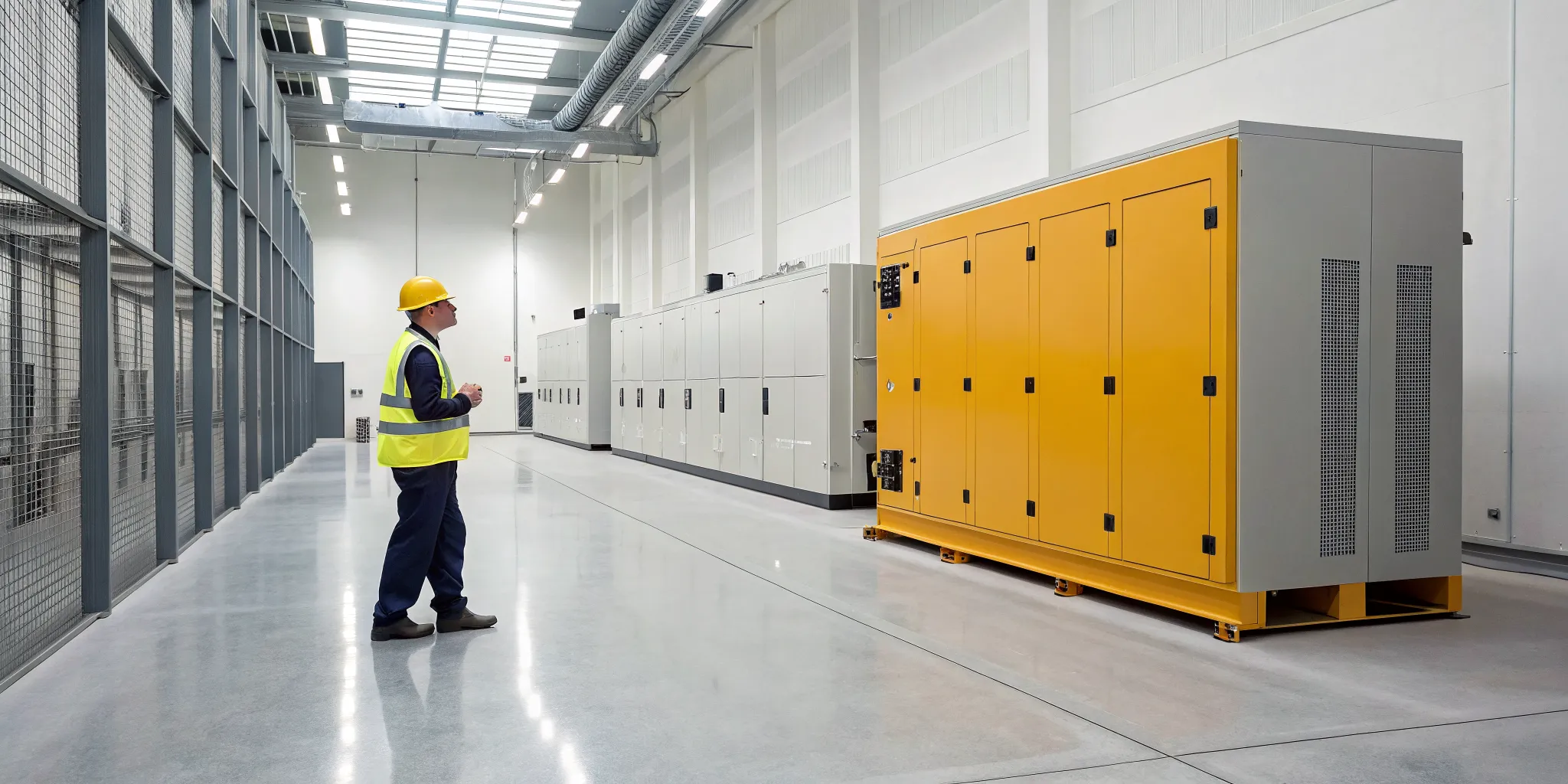
A generator emergency doesn’t always happen during a raging storm. It can start with a strange noise during its weekly test run, a flicker of the lights when it’s on, or a warning light on the control panel. These are the early signs that your system needs attention. Ignoring them can lead to a complete failure when you need power the most. This guide helps you understand what qualifies as a true generator issue requiring immediate action. We’ll break down the warning signs, explain the most common culprits behind a breakdown, and clarify why calling for professional emergency generator repair sooner is always better than waiting for a crisis.
Key Takeaways
- Proactive maintenance is your best defense: Scheduling regular service with a certified professional is the most effective way to prevent costly breakdowns, extend your generator’s lifespan, and ensure it works when you need it most.
- Address problems as soon as they appear: Don’t ignore early warning signs like strange noises, inconsistent power, or startup failures, as these are clear indicators that your generator needs professional attention before a real emergency hits.
- Know who to call for emergency repairs: When your generator fails, you need a local service with certified Generac technicians and 24/7 availability to guarantee a fast, safe, and reliable solution.
What Qualifies as a Generator Emergency?
It’s easy to think a generator emergency only happens during a blackout when your unit fails to start. But the reality is, an emergency is any sign that your generator might not be there for you when you need it most. A standby generator is all about peace of mind, and that feeling disappears the moment you suspect something is wrong. Recognizing the early warning signs is the best way to handle a problem before it leaves you in the dark. Waiting until the next storm rolls through is a risk you don’t have to take.
Key Signs Your Generator Needs Immediate Repair
Your generator often gives you clues that something is off long before it fails completely. If you notice any of these signs, it’s time to call for professional help. One of the most obvious indicators is insufficient power. The generator might start up, but if it can’t properly power your home or business, it points to an internal problem. Similarly, flickering lights or an inconsistent power supply suggest the unit is struggling. Don’t ignore strange sounds, either. Loud banging, rattling, or squealing noises are clear signals of a mechanical issue that requires immediate generator service and repair.
When to Call for Emergency Service
You should call for emergency service the moment you spot one of the key warning signs. Don’t wait for the problem to get worse. A generator that fails to start is a definite emergency, often caused by something as simple as a dead battery, which is the single most common reason for generator failure. Another critical component is the automatic transfer switch; if it malfunctions, your generator won’t turn on when the power goes out. Any issue that compromises your generator’s ability to function automatically qualifies as an emergency. Proactive care and regular generator maintenance can prevent many of these issues, but when they do happen, a quick response is essential.
Common Causes for Emergency Generator Repairs
When your generator suddenly fails, it’s often due to a handful of common issues. While Generac generators are built for reliability, they aren’t immune to problems, especially without consistent care. Understanding what can go wrong is the first step in getting your power back on quickly. From simple battery trouble to more complex engine problems, here are the culprits our team sees most often in the field.
Battery and Electrical System Failures
A dead or failing battery is one of the top reasons a generator won’t start. It might seem like a small component, but it provides the crucial power needed to crank the engine. Over time, connections can corrode, cables can loosen, and the battery simply loses its ability to hold a charge. Beyond the battery, faulty wiring or a tripped circuit breaker can also prevent the unit from operating. These electrical faults require a careful diagnosis, which is why it’s best to call for professional Generac service and repair.
Fuel System Contamination and Blockages
Your generator’s engine can’t run without a clean, steady supply of fuel. For units using diesel or gasoline, old or contaminated fuel is a frequent point of failure, as it can clog filters and lines, starving the engine. For natural gas or propane models, issues with the supply valve or regulator can stop fuel flow entirely. A bad fuel mix disrupts combustion and is a leading cause of startup failure. Regular Generac maintenance helps keep your fuel system clean and ready to perform when you need it most.
Overheating and Mechanical Issues
An engine that runs too hot is a recipe for a serious breakdown. Overheating is often caused by low coolant levels, a blocked radiator that can’t disperse heat, or a broken fan. Another common mechanical problem is a lack of lubrication from low oil levels, which causes excessive friction and wear on engine parts. These issues put immense stress on your generator’s components and can lead to a complete shutdown and costly damage if not addressed quickly by a trained technician.
Control Panel Errors and Startup Problems
The control panel is the brain of your generator, and if it’s not working, nothing else will. You might see a specific error code, a flashing warning light, or the screen might be completely blank. Sometimes the issue is a simple settings error, but it can also indicate a deeper electrical fault within the panel itself. It’s also important to know that startup failures can be symptoms of battery or fuel problems, even if the control panel is displaying an alert.
What to Do When Your Generator Fails
When a power outage hits, you expect your generator to kick in and restore a sense of normalcy. But what happens when it doesn’t? A failed generator can feel stressful, but having a clear plan of action makes all the difference. Instead of panicking, you can take a few simple, methodical steps to ensure your safety, protect your property, and get the problem solved quickly. The key is to know what you can handle on your own and when it’s time to call in a professional.
Your First Steps for Safety
Before you try to figure out what’s wrong, your first priority is safety. If your generator didn’t start, begin with a quick visual check from a safe distance. Look for any obvious signs of damage or leaks around the unit, but don’t touch anything. Your business or home should have a power outage plan so you can manage the effects of an electrical failure. If you feel comfortable and it is safe to do so, you can check your main electrical panel for tripped breakers. This simple step can sometimes solve the problem, but if you have any doubts, it’s always best to wait for a professional.
DIY Troubleshooting vs. Calling a Professional
While it can be tempting to try and fix the issue yourself, generators are complex machines. It’s important to recognize that not just any mechanic can handle a generator repair. You can perform a few basic checks without tools, like confirming the generator has fuel and looking for any error codes on the control panel. However, most generator problems stem from issues that require expert knowledge. The most frequent culprits are battery failure, fuel system issues, and electrical faults. Attempting to fix these without proper training can lead to further damage or a safety hazard. For anything beyond a simple visual check, your best bet is to call for professional Generac service and repair.
Protecting Your Property During an Outage
While you wait for your generator to be repaired, take steps to protect your home or business. A crucial step is unplugging sensitive electronics and appliances. This prevents them from being damaged by a potential power surge when electricity is restored. Focus on computers, televisions, and other valuable equipment first. This situation also highlights the importance of prevention. Regular, proactive service ensures your generator is ready when you need it most, protecting both your property and your peace of mind. A scheduled Generac maintenance plan is the most effective way to prevent unexpected failures and avoid being caught in the dark.
How to Choose the Right Emergency Repair Service
When your generator fails, the last thing you want is to scramble for a reliable technician. The pressure is on, and making a quick decision can feel overwhelming. But choosing the right team is critical for getting your power back on safely and efficiently. Instead of picking the first name that pops up in a search, look for a partner who can provide expert care when you need it most. A little research now can save you a lot of stress later. Focus on a few key qualities: proper certification, round-the-clock availability, specific experience, and a solid local reputation. These factors separate a quick fix from a lasting solution.
Look for Certified Generac Technicians
Your generator is a complex machine that acts as your home or business’s lifeline during an outage. It’s not a job for a general handyman. Always look for a service provider with certified Generac technicians on staff. These professionals have completed specialized training directly from the manufacturer, so they understand the intricate mechanics and electrical systems of your specific unit.
Certification means they have the right diagnostic tools, access to genuine parts, and the most up-to-date knowledge for performing effective generator service and repair. By hiring a certified expert, you ensure the work is done correctly and safely, protecting your investment and giving you confidence that your generator is in capable hands.
Prioritize 24/7 Availability and Fast Response Times
Generator emergencies rarely happen during convenient business hours. They often occur in the middle of a storm, late at night, or over a weekend. That’s why 24/7 availability is non-negotiable. You need a team that’s ready to answer your call and dispatch a technician no matter the time or day.
Proximity matters, too. A repair service located hours away won’t be much help when you need power restored quickly. Look for a local company that serves your community and can guarantee a fast response time. A provider with a strong presence in your service area is better equipped to get to you promptly, minimizing downtime and restoring your peace of mind.
Verify Their Experience with Your Generator Type
Experience with your specific type of generator is crucial for a quick and accurate diagnosis. A technician who primarily works on portable units may not have the expertise to handle issues with a residential standby generator or a large commercial model. A team that specializes in Generac systems will be familiar with common issues and their underlying causes.
This specialized experience allows them to work more efficiently, identifying the problem faster and implementing the right solution without guesswork. They can distinguish between a simple sensor malfunction and a more serious mechanical failure, ensuring the repair addresses the root of the problem and prevents a repeat call.
Check Customer Reviews and Local Reputation
Before you make a call, see what your neighbors are saying. Customer reviews and testimonials are powerful indicators of a company’s reliability, professionalism, and quality of work. Look for consistent positive feedback about their emergency services, communication, and technical skill. A few negative reviews aren’t always a dealbreaker, but pay attention to how the company responds.
A strong local reputation is built over years of dependable service. A company that is invested in the community and values long-term customer relationships is more likely to stand behind its work. When you see a provider that people trust for everything from installation to ongoing generator maintenance, you can feel confident they’ll be there for you during an emergency.
What to Expect During an Emergency Service Call
When your generator fails during an outage, the arrival of a service technician can feel like a huge relief. Knowing what happens next can make a stressful situation feel much more manageable. A professional service call isn’t about guesswork; it’s a systematic process designed to get your power back on safely and efficiently. From the moment they arrive, a certified technician will follow a clear plan to diagnose the problem, explain the solution, and keep you informed. The goal of any generator service and repair visit is to resolve the immediate issue while also identifying any potential future problems. You should expect clear communication and a transparent process from start to finish, ensuring you understand what’s happening with your equipment every step of the way. A trusted local team will work quickly to restore your peace of mind along with your power.
The Initial Diagnostic and Inspection
The first thing a technician will do is perform a thorough diagnostic to pinpoint the exact cause of the failure. This isn’t a quick glance; it’s a detailed, step-by-step process. The inspection typically starts with a visual check of the entire unit, looking for any obvious signs of damage, leaks, or loose connections. From there, the technician performs a diagnostic that includes checking fluid levels and filters, testing the battery’s health, and inspecting the fuel system for blockages or contamination. This comprehensive approach ensures that the root cause is identified, not just the symptom. By being methodical, our team can ensure the repair is done right the first time, preventing a repeat call-out for the same issue.
Understanding Repair Timelines and Parts
Once the problem is identified, the repair timeline can vary. Many common issues can be fixed on the spot, as service vehicles are typically stocked with standard replacement parts. However, if the diagnostic reveals a more complex failure, a specific part may need to be ordered. The technician will be able to tell you if that’s the case and provide an estimated arrival time. This is one reason why proactive maintenance is your best defense against failure. Scheduling regular Generac maintenance keeps your generator reliable and helps you avoid the stress of an emergency repair. Regular service allows technicians to catch and replace wearing parts before they fail during a critical time.
How the Team Communicates Next Steps
Clear communication is key during an emergency repair. After the diagnostic is complete, the technician should walk you through their findings in plain language. They will explain what went wrong, what needs to be done to fix it, and what the next steps are. You should receive a clear overview of the proposed repair plan, including any parts that are needed and the expected timeline for completion. This is your opportunity to ask questions and make sure you’re comfortable with the plan. A skilled technician can diagnose and fix issues within these complex systems, and a local company that serves your service areas can respond quickly when you need power restored.
Why Regular Maintenance Prevents Emergencies
The best way to handle a generator emergency is to prevent it from happening in the first place. While it’s reassuring to know that expert help is available, proactive care is your strongest defense against unexpected failures. Think of it like your car; you wouldn’t wait for the engine to seize before getting an oil change. Your generator works the same way. It’s a complex piece of machinery that needs regular attention to perform reliably when you need it most, especially during a severe storm or unexpected grid failure.
Scheduling routine service keeps your generator in peak condition, ensuring it’s ready for any outage. A consistent Generac maintenance plan does more than just tick a box on your to-do list. It’s an investment in your home’s security and your peace of mind. During a service visit, a technician can identify potential issues, perform necessary tune-ups, and confirm that every component is functioning correctly. This simple step helps you avoid the stress and high costs of a sudden breakdown, catches minor issues before they become major headaches, and ultimately helps your generator last longer. It’s about shifting from a reactive mindset to a proactive one, where you control the situation instead of the situation controlling you.
Avoid Costly Breakdowns and Downtime
An emergency repair call is almost always more expensive than a scheduled maintenance visit. When your generator fails during a storm, you’re not just paying for a repair; you’re paying for urgency. Proactive maintenance is your best defense against failure. By having a certified technician inspect your unit regularly, you can address wear and tear before it leads to a critical breakdown. This approach saves you from the high cost and stress of an emergency repair and protects you from the inconvenience of being without power when you were counting on your backup system. A well-maintained generator is a reliable one, ready to kick on the moment an outage occurs.
Catch Small Problems Before They Get Worse
Many major generator failures start as small, unnoticeable issues. A slightly frayed wire, a dirty filter, or a low fluid level might not seem like a big deal, but these minor problems can snowball if left unaddressed. During a routine inspection, a trained technician knows exactly what to look for. They can spot the early warning signs of trouble that an untrained eye would easily miss. Fixing a small issue is far simpler and less expensive than replacing a major component that failed due to neglect. Regular checks and timely generator service and repair are essential for keeping your system in top shape, preventing problems from affecting performance or creating safety risks.
Extend Your Generator’s Lifespan and Reliability
A standby generator is a significant investment, and you want it to last as long as possible. Just like any engine, your generator’s lifespan is directly tied to how well it’s cared for. Consistent maintenance reduces strain on the engine, alternator, and other critical components, helping the entire system run more efficiently and for many more years. A good maintenance plan provides peace of mind, knowing that when the power goes out, your generator has been professionally cared for and is ready to perform its job without a hitch. This long-term care ensures you get the most value out of your investment and can depend on your Generac generator for reliable backup power season after season.
Repair or Replace: How to Make the Call
When your generator needs a major repair, you face a tough question: fix it or invest in a new one? This isn’t always an easy decision, but thinking through a few key areas brings clarity. By looking at your generator’s age, the cost of the repair, and your current power needs, you can make a confident choice that ensures you have reliable power when you need it most.
Key Factors: Age and Overall Condition
The age and history of your generator are the first things to consider. Like any major appliance, generators have a finite lifespan. If your unit is older with a history of frequent issues, it might be more practical to replace it. Generators are complex machines that serve as your last line of defense during an outage. An older unit that hasn’t received consistent, professional generator maintenance can become unreliable, and sinking money into constant repairs may not be the best long-term solution. A newer generator offers updated technology and the assurance that it will perform reliably for years to come.
Weighing the Cost of Repairs vs. a New Unit
Next, it’s time to look at the numbers. A single repair might seem less expensive than a new unit, but it’s important to think bigger picture. If your generator needs frequent or costly fixes, those expenses can add up. For a business, the cost of downtime during an outage can be significant, from lost revenue to spoiled inventory. For a homeowner, it can mean spoiled food or a flooded basement. Weigh the price of the current generator service and repair against the potential cost of future breakdowns. A new, reliable generator can prevent these losses, and flexible Generac financing options can make the investment more manageable.
Does Your Generator Still Meet Your Power Needs?
Finally, ask yourself if your current generator is still the right size for your property. Your power needs can change over time. You might have finished your basement, added new appliances, or expanded your business operations. Signs like flickering lights or an inconsistent power supply when the generator is running often indicate the unit is struggling to keep up. A generator that’s too small for your electrical load can’t effectively protect your property and can even damage your equipment. If your power demands have outgrown your generator’s capacity, it’s time to consider a residential standby generator installation that’s properly sized for your home or business.
How to Prevent Future Generator Emergencies
The best way to deal with a generator emergency is to prevent it from ever happening. While you can’t control the weather, you can take control of your generator’s health and reliability. A few proactive steps can save you from the stress and expense of a sudden failure, ensuring your home or business stays powered when you need it most. By focusing on consistent care, you can catch small issues before they turn into major problems.
Create a Routine Maintenance Schedule
Proactive maintenance is your best defense against an unexpected breakdown. Just like your car, your generator needs regular check-ups to perform reliably. Scheduling routine service with a certified technician keeps your unit in top shape, extends its life, and helps you avoid the high cost of an emergency repair. A good generator maintenance plan provides peace of mind, so when the power goes out, you can be confident that your generator is ready to do its job without a hitch. A professional can spot wear and tear, replace aging parts, and ensure every component is functioning correctly.
Manage Your Fuel Quality and Storage
Believe it or not, fuel system problems are one of the most common reasons for generator failure. Old or contaminated fuel can clog lines and disrupt combustion, preventing the engine from starting or running properly. If your generator runs on natural gas or propane, you don’t have to worry about this, but for diesel or gasoline units, it’s critical. Make sure you use high-quality, fresh fuel and consider adding a stabilizer, especially if it will be stored for a long time. If you suspect a fuel-related problem, it’s best to call for a generator service and repair visit to get it flushed and cleaned by a professional.
Keep Records and Monitor Performance
You know your generator best. Paying attention to its performance and keeping simple records can help you identify potential issues before they become emergencies. Keep a log of maintenance dates, run times, and any unusual behavior you notice. Is it making a new noise? Does it hesitate before starting up during its weekly self-test? These small details can be early warning signs of a bigger problem. By tracking its history, you can spot patterns and give your technician valuable information during service calls. This simple habit helps you take proactive steps to reduce costly downtime and keep your generator dependable for years.
Related Articles
- Emergency Generator Repair Service: A Complete Guide
- Generac Repair Pottstown: What You Need to Know
- Generac Repair Fairview Village: An Expert’s Guide
- 6 Common Generac Generator Problems & Fixes
Frequently Asked Questions
My generator didn’t turn on during an outage. What’s the very first thing I should do? Before you do anything else, make sure the area is safe. From a distance, look for any obvious signs of damage or leaks around the unit. If you feel comfortable doing so, you can check your home’s main electrical panel for any tripped breakers. For any other issues, your safest and most effective step is to call a professional technician to diagnose the problem correctly.
How can I tell if a generator problem is something I can fix myself or if I need to call for service? It’s wise to know your limits. You can handle simple visual checks, like looking at the fuel gauge or reading an error code on the control panel. However, most generator failures stem from complex battery, fuel, or electrical system issues. Trying to fix these without specialized training can be unsafe and may lead to more significant damage, so calling a certified professional is always the best course of action.
What are the most common reasons a generator suddenly stops working? A dead or failing battery is the single most frequent reason a generator won’t start. Other common culprits include problems within the fuel system, like old fuel or a blockage that prevents it from reaching the engine. Electrical faults, such as a malfunctioning transfer switch or a tripped circuit breaker, can also prevent the unit from operating as it should.
How often should I really have my generator serviced to prevent an emergency? Following the manufacturer’s guidelines is the best approach, which usually means scheduling professional maintenance at least once a year. An annual service visit allows a certified technician to spot and address minor issues, like worn parts or dirty filters, before they can cause a failure during an outage. This consistent care is the most reliable way to keep your generator ready for action.
My generator needs a big repair. How do I decide whether to fix it or just replace it? This decision depends on a few key things. Think about the generator’s age and its repair history; if it’s an older unit that requires frequent service calls, a replacement is likely a better long-term investment. You should also consider if your power needs have grown. If you’ve added new appliances or finished a basement, your current generator might no longer be powerful enough, making an upgrade the most practical choice.