Our homes demand more power than ever before. Between home offices, smart devices, and high-draw appliances, older electrical panels are struggling to keep up. An outdated breaker box is often the bottleneck preventing you from adding modern conveniences like an EV charger or a whole-home Generac generator. If you’re planning for the future, upgrading your panel is a foundational step. Understanding the breaker box replacement cost is key to budgeting for this essential project. Ahead, we’ll explore the typical expenses and explain why this upgrade is one of the smartest investments you can make in your home’s functionality and safety.
Key Takeaways
- Recognize the warning signs: Pay attention to clues like frequently tripping breakers, flickering lights, or a panel that is over 25 years old. These are clear indicators that your breaker box may be overloaded or outdated and needs a professional evaluation.
- Plan for a complete upgrade, not just a swap: The total cost includes the panel, skilled labor, permits, and potential wiring fixes. Upgrading to a higher capacity, like a 200-amp panel, is a smart investment that prepares your home for modern demands like an EV charger or a Generac generator.
- Always hire a licensed professional: Replacing an electrical panel is a complex and high-stakes job that should never be a DIY project. A qualified electrician ensures the work is done safely, meets all local codes, and protects your home and family.
What Is a Breaker Box and Why Replace It?
Your breaker box is the unsung hero of your home’s electrical system, working silently behind the scenes. But like any hardworking component, it doesn’t last forever. Understanding what it does and when it needs attention is key to keeping your home safe and powered for modern life. Let’s break down the basics of this essential device and why you might eventually need to replace it.
What Is an Electrical Panel?
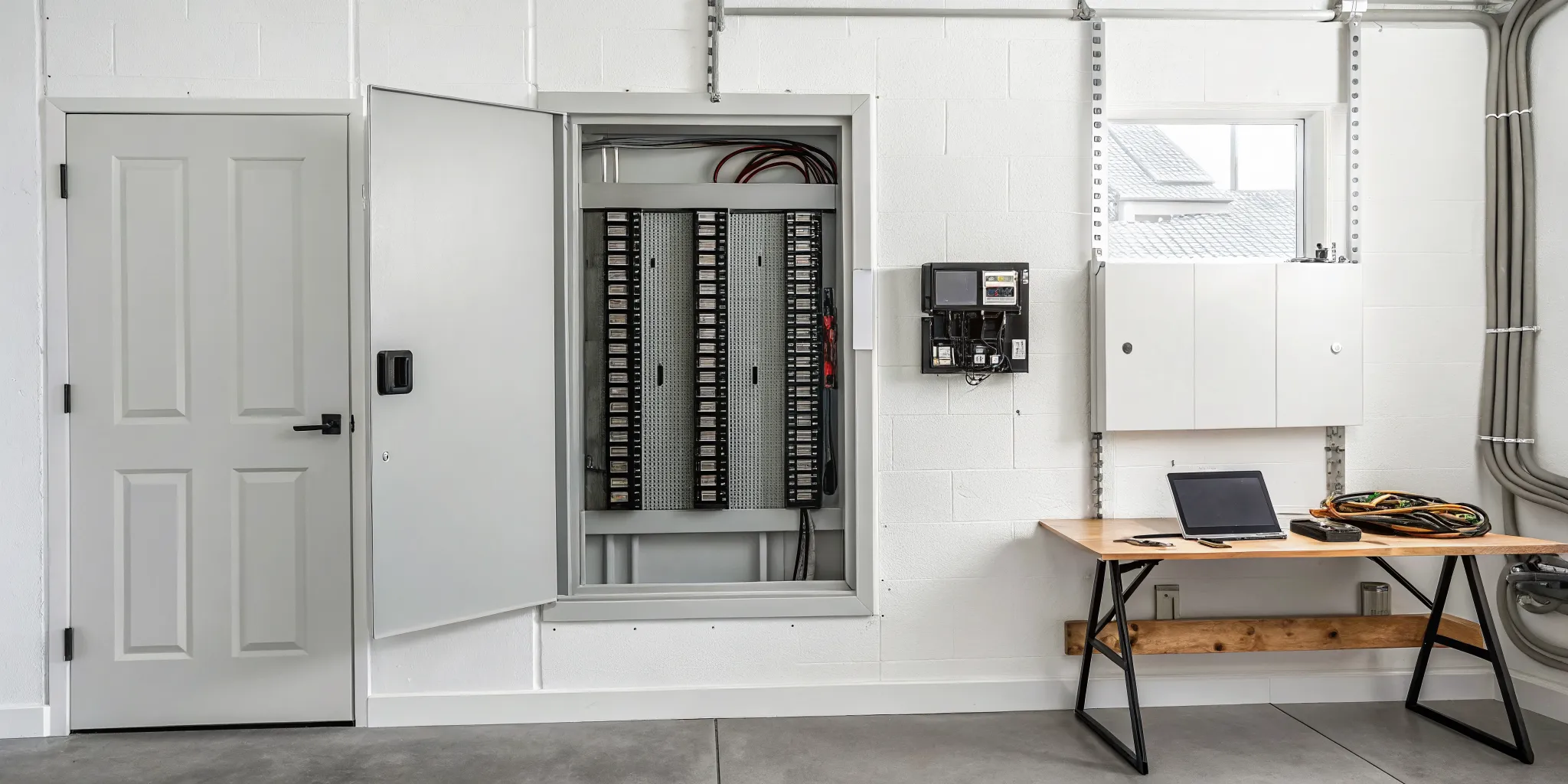
Think of your electrical panel, often called a breaker box, as the central hub for all the electricity in your home. It takes the main power line from the utility company and safely distributes it to the various circuits that power your lights, appliances, and outlets. Each circuit is protected by a breaker, which is a safety switch that automatically trips, or shuts off, if it detects an overload. This prevents overheating and potential fires, making the panel a critical safety feature for your entire residential electrical system. It’s the command center that keeps everything running smoothly and safely.
Common Reasons for a Replacement
You might need a new panel if you notice tell-tale signs like breakers that trip constantly or won’t reset. Flickering lights when you run a large appliance, like the microwave, is another big clue. Sometimes the signs are more direct: a buzzing sound from the panel, a burning smell, or visible scorch marks. Age is also a major factor. If your panel is over 25 years old, or if it’s an outdated brand known for safety issues like Federal Pacific or Zinsco, it’s time to consider a replacement. Modern homes simply demand more power than older panels can safely provide, making an upgrade a smart move for both safety and future readiness. If you spot any of these issues, it’s best to call for professional electrician repairs right away.
How Much Does a Breaker Box Replacement Cost?
Let’s talk numbers. Replacing a breaker box is a significant update to your home’s electrical system, and the cost reflects that importance. For most homeowners, the price for a full replacement typically falls between $1,300 and $3,000, with the average hovering around $2,000. Of course, this is just a ballpark figure. The final cost depends on several key factors, including the size of the panel you need, the complexity of the job, and even your home’s location.
Think of it as a foundational investment in your home’s safety and its capacity to handle modern electrical demands. A new panel ensures your system can safely power everything from your home office setup to a future EV charger or a whole-home Generac generator. When your electrical panel is outdated or failing, it’s not just an inconvenience; it can be a serious safety hazard. An overloaded panel can lead to frequent tripping, flickering lights, or even electrical fires. That’s why understanding the breakdown of these costs is so important. It helps you budget properly and know what to expect when you start getting quotes from professional electricians. In the next sections, we’ll walk through the main components that make up the final price, so you can feel confident about moving forward with your project.
Cost Breakdown by Panel Size
The size of your new electrical panel, measured in amps, is one of the biggest factors in the total cost. A smaller, 100-amp panel, often found in older or smaller homes, typically costs between $1,200 and $2,500 to replace. However, many homeowners choose to upgrade to a 200-amp panel, which is the current standard for most new homes. This larger panel provides more capacity for modern appliances and future additions. A 200-amp upgrade generally ranges from $1,900 to $3,500, accounting for the larger panel and potentially more complex installation.
How Location Affects the Price
Where you live has a direct impact on the cost of your breaker box replacement. The primary reason for this is the variation in labor rates. A licensed electrician’s hourly rate can differ significantly from one region to another, even between neighboring counties. For example, the cost of labor in Southeastern Pennsylvania will likely be different from the national average. Beyond labor, local permit fees and inspection requirements can also add to the overall project cost. When you request quotes from contractors, you’ll see these regional differences reflected in their estimates, which is why getting a detailed, local quote is always the best approach.
What Influences Breaker Box Replacement Costs?
When you get a quote for a breaker box replacement, you’ll notice it’s more than just the cost of the new panel. Several key factors contribute to the final price tag, from the size of the panel itself to the complexity of the installation. Understanding these elements can help you see exactly where your money is going and why this is such a critical investment in your home’s safety and functionality. Let’s break down the main components that influence the overall cost.
Panel Amperage and Capacity
The amperage of your electrical panel is one of the biggest cost drivers. A 100-amp panel, common in older, smaller homes, will generally be less expensive than a 200-amp panel. However, today’s homes are filled with more electronics and high-draw appliances than ever before, making a 200-amp panel the new standard for most households. Upgrading to a higher capacity ensures your system can handle the load safely. This is especially important if you’re planning future additions, like an EV charger or a residential standby generator installation, which requires a robust electrical system to support it.
Labor and Installation Complexity
Replacing an electrical panel is not a DIY project; it requires the skill and experience of a licensed electrician. Labor makes up a significant portion of the total cost, and for good reason. A straightforward panel swap might take several hours, but the job can become much more complex if your home’s wiring also needs updating to meet current safety codes. If the panel needs to be relocated or extensive rewiring is necessary, the project will take longer and increase labor costs. Hiring a professional for electrician repairs ensures the job is done safely and correctly.
Permits and Inspections
Because your electrical panel is the heart of your home’s electrical system, replacing it typically requires a permit from your local municipality. Permit fees vary depending on where you live but are a necessary part of the process to ensure the work complies with local building and safety codes. After the installation, an inspection is usually required to sign off on the work. A qualified electrical contractor will know the specific requirements in your area and will handle the entire permitting and inspection process for you, giving you one less thing to worry about.
Equipment and Brand Quality
The physical breaker box and the circuit breakers inside it also affect the total cost. Just like with any other product, there are different brands available at various price points. While it might be tempting to choose the cheapest option, investing in a high-quality panel from a reputable manufacturer is a smart move. Professional electricians often have preferred brands known for their reliability and safety features. A durable, well-made panel is a long-term investment in your home’s entire residential electrical system, providing peace of mind for years to come.
Signs Your Breaker Box Needs to Be Replaced
Your electrical panel is the heart of your home’s electrical system, but it won’t last forever. Knowing when it’s time for an upgrade is key to keeping your home safe and powered for modern life. Sometimes the signs are obvious, like frequent issues, while other times, the problem is simply age. If you’re planning major additions, like installing a whole-home generator, evaluating your breaker box is a critical first step. An outdated or undersized panel can’t handle the demands of new technology and can pose significant safety risks if left unaddressed. Paying attention to these warning signs helps you act before a small problem becomes a major hazard.
Warning Signs You Can’t Ignore
Your home often gives you clues when your breaker box is struggling. If you find yourself constantly resetting tripped breakers, it’s a clear sign your panel can’t handle your home’s electrical load. You might also notice lights that flicker or dim, especially when a large appliance like the air conditioner or microwave turns on. These are symptoms of an overloaded circuit. More serious signs include a distinct burning smell coming from the panel or visible scorch marks on the outlets or the box itself. These are urgent warnings of a dangerous situation that requires immediate attention from a professional for electrician repairs. Don’t ignore these signals; they are your electrical system’s way of asking for help.
Is Your Breaker Box Too Old?
Sometimes, the biggest issue with a breaker box is simply its age. Most electrical panels have a lifespan of 25 to 40 years. If your home is older and the panel has never been replaced, it’s likely due for an upgrade. Panels from this era were not designed to support the number of electronics and high-draw appliances common in today’s homes. Furthermore, some older brands like Federal Pacific and Zinsco are now known for having significant safety flaws and should be replaced immediately. An outdated panel may not only be a safety hazard but could also prevent you from making future upgrades, like adding an EV charger or installing a residential standby generator.
Should You Upgrade Your Electrical Panel?
When it’s time to replace your electrical panel, you have a choice: should you get a new one with the same capacity, or is it time for an upgrade? While a simple replacement might seem like the easier path, upgrading is often the smarter long-term decision. Think of it as future-proofing your home. Our lives are more connected than ever, and our homes need the electrical capacity to keep up safely and efficiently, especially if you’re considering major additions like a whole-home generator.
Benefits of Upgrading to Higher Amperage
Upgrading your panel usually means increasing its amperage, most commonly from a 100-amp to a 200-amp service. This gives your home a much larger capacity to handle electrical demand. With a higher-amp panel, you can comfortably run modern appliances, charge an electric vehicle, and power a new home office without worrying about tripping breakers. It’s a smart move to upgrade to a larger panel instead of just replacing it with the same size. This ensures your home is ready for any future electrical needs, from a kitchen remodel to installing one of the powerful Generac generators that keep your life running without interruption.
Upgrading for Safety and Code Compliance
Safety is the most important reason to consider an upgrade. Many older electrical panels simply can’t handle the power demands of a modern household, which creates a risk of overloads and electrical fires. If your panel is more than 25 years old, it’s a good idea to have it inspected and likely upgraded. This is especially true if you have an outdated brand known for safety issues, like Federal Pacific or Zinsco. A full panel replacement is often the safest solution for older homes. Upgrading also ensures your home’s electrical system meets current codes, which is essential for both safety and the proper installation of systems like a residential standby generator.
How Long Does the Replacement Take?
Once you’ve decided to replace your breaker box, the next big question is usually about the timeline. You need to know how long your power will be out so you can plan your day accordingly. While every project is unique, we can give you a solid idea of what to expect. The process involves more than just swapping out a piece of equipment; it requires careful, precise work to ensure your home’s electrical system is safe and reliable for years to come.
The Typical Installation Timeline
For a standard, straightforward breaker box replacement, the job typically takes between four and eight hours. This timeline assumes we are simply swapping the old panel for a new one in the same location without needing to perform major rewiring. It’s a full day’s work, but our team of expert electricians works efficiently to minimize disruption. If your project is more complex, such as upgrading your home’s amperage or reconfiguring circuits, it might take closer to a full day or a bit longer. We’ll always provide a clear timeline after our initial assessment so you know exactly what to expect.
What Can Delay the Project?
While we always aim to stick to the schedule, a few factors can extend the project. The condition of your existing residential electrical system is the biggest variable. If we uncover old, brittle, or damaged wiring once the wall is open, we must fix it to ensure your safety. Sometimes, old wiring is too short to reach the new panel’s connections, requiring us to install a junction box. Another factor is the local permitting and inspection process. Securing permits can add time before we start, and scheduling the final inspection can add a day or two after the work is complete, but these steps are essential for keeping your home safe and up to code.
Are There Hidden Costs to Budget For?
When you get a quote for a breaker box replacement, it typically covers the new panel, the circuit breakers, and the direct labor for the swap. But what about the surprises that might be lurking behind your old panel? It’s smart to set aside a little extra in your budget for potential issues that can only be discovered once the work begins. An experienced electrician will do a thorough inspection to anticipate these, but sometimes unforeseen problems with your home’s existing electrical system need to be addressed to ensure the new installation is safe and up to code.
These aren’t “upsells” but necessary fixes. Think of it like replacing a leaky faucet and discovering the pipes behind the wall are corroded. You wouldn’t just install the new faucet and ignore the pipes. The same principle applies here. Addressing these underlying issues during the panel replacement is the most efficient and safest way to protect your home and family. It ensures your entire electrical system, not just the new box, is reliable for years to come.
Potential Wiring and Grounding Issues
One of the most common surprises is the condition of your home’s existing wiring. Over time, the insulation on old wires can become brittle, cracked, or frayed. If your electrician finds damaged wiring connected to the old panel, it must be repaired before it can be connected to the new one. Often, an electrician can perform repairs by cutting back the damaged section, installing a junction box, and safely extending the circuit to the new panel. Another key issue is grounding. Older homes sometimes lack a proper grounding system, which is a critical safety feature that protects you and your electronics from power surges. Bringing your system up to modern grounding standards is an essential part of a safe panel replacement.
Panel Relocation and Additional Electrical Work
Sometimes, the project is bigger than a simple one-for-one swap. Your current breaker box might be in a location that no longer meets safety codes, such as a closet or bathroom. In this case, the panel will need to be moved, which involves the significant task of rerouting all of your home’s circuits to the new location. This adds considerable labor and material costs. You might also need additional work like a meter box upgrade or a new service entrance cable, especially if you’re increasing your home’s amperage. These upgrades are common if you’re preparing for major additions like an EV charger or a residential standby generator installation, as they ensure your system can handle the increased electrical load.
Common Myths About Replacement Costs
When it comes to replacing a breaker box, a few common misconceptions can lead homeowners down the wrong path. Believing these myths can result in sticker shock, dangerous situations, or a project that doesn’t meet your home’s needs. Let’s clear up some of the confusion so you can approach your electrical panel replacement with confidence and a realistic understanding of what’s involved.
Thinking you can save a few bucks with a quick fix or a DIY attempt might seem tempting, but it often leads to bigger problems. Your home’s electrical panel is the heart of its power system, and treating its replacement as a minor task overlooks serious safety and financial risks. Understanding the true scope of the project is the first step toward a safe and successful upgrade that will serve your family for years to come.
Underestimating the Total Project Cost
One of the biggest myths is that replacing an electrical panel is a small, inexpensive job. In reality, the total project cost involves more than just the price of the new box. The final bill includes the panel itself, specialized labor from a licensed electrician, and potentially local permits. This can be a significant investment, especially if you’re upgrading to a higher amperage to support more appliances or a whole-home generator. The complexity of the installation and the need to bring wiring up to current standards can also influence the final cost. It’s important to budget for a professional assessment to get an accurate quote for your specific needs.
The Dangers of a DIY Replacement
With countless online tutorials for home projects, it’s easy to think you can handle a breaker box replacement yourself. This is a dangerous myth. Replacing an electrical panel is not a simple DIY task; it’s a high-stakes job that can lead to severe electric shock, house fires, or catastrophic damage to your home’s wiring if done incorrectly. Professional electrician repairs are essential because licensed electricians have the training to work safely with high-voltage systems and ensure everything is up to code. A failed DIY attempt will almost certainly cost more to fix than hiring a professional from the start, without even considering the immense safety risks involved.
Safety First: What to Keep in Mind
When it comes to your home’s electrical system, safety is non-negotiable. Replacing a breaker box is a complex job that involves handling high-voltage wiring, and a single mistake can have serious consequences. This is one home improvement project you should never attempt on your own. Trusting a professional ensures the job is done right, keeping your home and family safe from electrical hazards. Let’s talk about why hiring a pro is so important and what you need to know about local codes and inspections.
Why You Should Always Hire a Professional
Tackling a breaker box replacement yourself might seem like a way to save money, but the risks are incredibly high. Electrical work is dangerous, and trying to replace a breaker box on your own can lead to severe electric shock, damage your home’s wiring, or even cause a fire. A licensed electrician has years of training to handle these tasks safely. They have the right tools and a deep understanding of how your electrical system works. By hiring a professional for your electrician repairs, you’re not just paying for a service; you’re investing in peace of mind, knowing the work is done correctly and safely.
Understanding Codes and Inspections
Beyond the immediate safety risks, electrical work is regulated by strict local codes and requires official permits and inspections. These rules aren’t just red tape; they are safety standards designed to protect you. A professional electrician knows that you often need special permission and checks from your local government. Because requirements vary by location, it’s crucial to hire a local contractor who is familiar with the specific rules in your service area. An experienced team will handle the entire permitting and inspection process for you, ensuring your new panel is fully compliant and up to code.
How to Choose the Right Electrical Contractor
Choosing the right person to handle your breaker box replacement is a big decision. This isn’t just any home repair; it’s about the safety and reliability of your entire electrical system. You want a professional who is not only skilled but also trustworthy and transparent. Taking the time to find a qualified electrical contractor ensures the job is done correctly and safely, giving you peace of mind for years to come.
Think of it like building a partnership. You need someone who communicates clearly, respects your home, and stands by their work. A great electrician will walk you through the process, explain the costs, and make sure you feel confident in the work being done. Focusing on a few key qualifications and asking the right questions upfront can help you find a reliable expert for your project. This step is crucial for protecting your investment and, more importantly, your family.
What to Look for in an Electrician
When you start your search, it’s helpful to have a checklist of what separates a good electrician from a great one. First and foremost, confirm they are licensed and insured to perform electrician repairs in Pennsylvania. This is non-negotiable, as it protects you from liability and ensures the work meets local safety codes. Next, look for experience. You want a team that has handled many panel upgrades, not just a few. A strong local reputation is also a key indicator of quality. Check online reviews and see what past customers have to say about their service. Finally, a trustworthy contractor will always provide clear, upfront pricing so you aren’t left with surprise fees.
Questions to Ask Before You Hire
Once you have a shortlist of potential electricians, it’s time to ask a few questions to make your final decision. Having these answers will help you hire with confidence.
Here’s what I recommend asking:
- Can you provide a detailed, written estimate and a timeline for the project? This helps you understand the full scope of work and what to expect.
- What warranties do you offer on your work and the parts you use? A good warranty shows that the contractor stands behind the quality of their installation.
- What kind of support do you offer after the job is complete? Knowing you can call with questions or concerns is important for long-term peace of mind.
- Are you licensed and insured? It’s always best to hear it directly from them and ask for proof if you feel it’s necessary.
Related Articles
- Cost to Upgrade Electrical Panel in 2025: Full Guide | M.T. Ruhl Electrical
- Cost to Replace Electrical Panel: 2026 Price Guide
- Price for Electrical Panel Upgrade: A 2025 Cost Guide
- How to Hire an Electrician for Electrical Panel Replacement
- Electrical Panel Upgrades: A Complete Guide
Frequently Asked Questions
What’s the difference between a tripped breaker and a failing panel? A breaker that trips every once in a while is actually a good thing; it means the safety switch is working correctly to prevent an overloaded circuit. However, if you have breakers that trip constantly, feel warm, or if you notice a burning smell, those are signs that the panel itself is struggling. A failing panel can no longer safely distribute power, which is a much more serious issue than a one-time circuit overload.
How do I know if I need a 100-amp or 200-amp panel? The right panel size really depends on your home and lifestyle. A 100-amp panel might be sufficient for a smaller, older home with gas appliances. However, a 200-amp panel is the modern standard for most houses. It provides the capacity needed for high-draw electric appliances, central air conditioning, and future additions like an EV charger or a hot tub. If you’re planning any major upgrades, a 200-amp panel is almost always the right choice.
Will my power be off during the entire replacement? Yes, for safety reasons, the main power to your home will need to be shut off for the duration of the replacement. A professional electrician works as efficiently as possible to minimize this downtime. For a standard replacement, you can expect the power to be out for about four to eight hours, so it’s a good idea to plan your day accordingly.
Can I just replace a few faulty breakers instead of the whole panel? While it’s possible to replace a single malfunctioning breaker, this is usually a temporary fix for a larger problem. If multiple breakers are tripping frequently or if the panel is old, the issue is likely with the panel’s internal components or its overall capacity. Replacing the entire panel addresses the root cause, ensuring your whole system is safe, reliable, and up to current standards.
How does upgrading my panel help if I want a generator later? A whole-home generator connects to your house through an automatic transfer switch, which is installed right next to your electrical panel. An older or undersized panel often lacks the physical space and electrical capacity to support this essential equipment. Upgrading your panel first ensures your home’s electrical system is robust enough to handle the generator, making the future installation smooth and safe.