
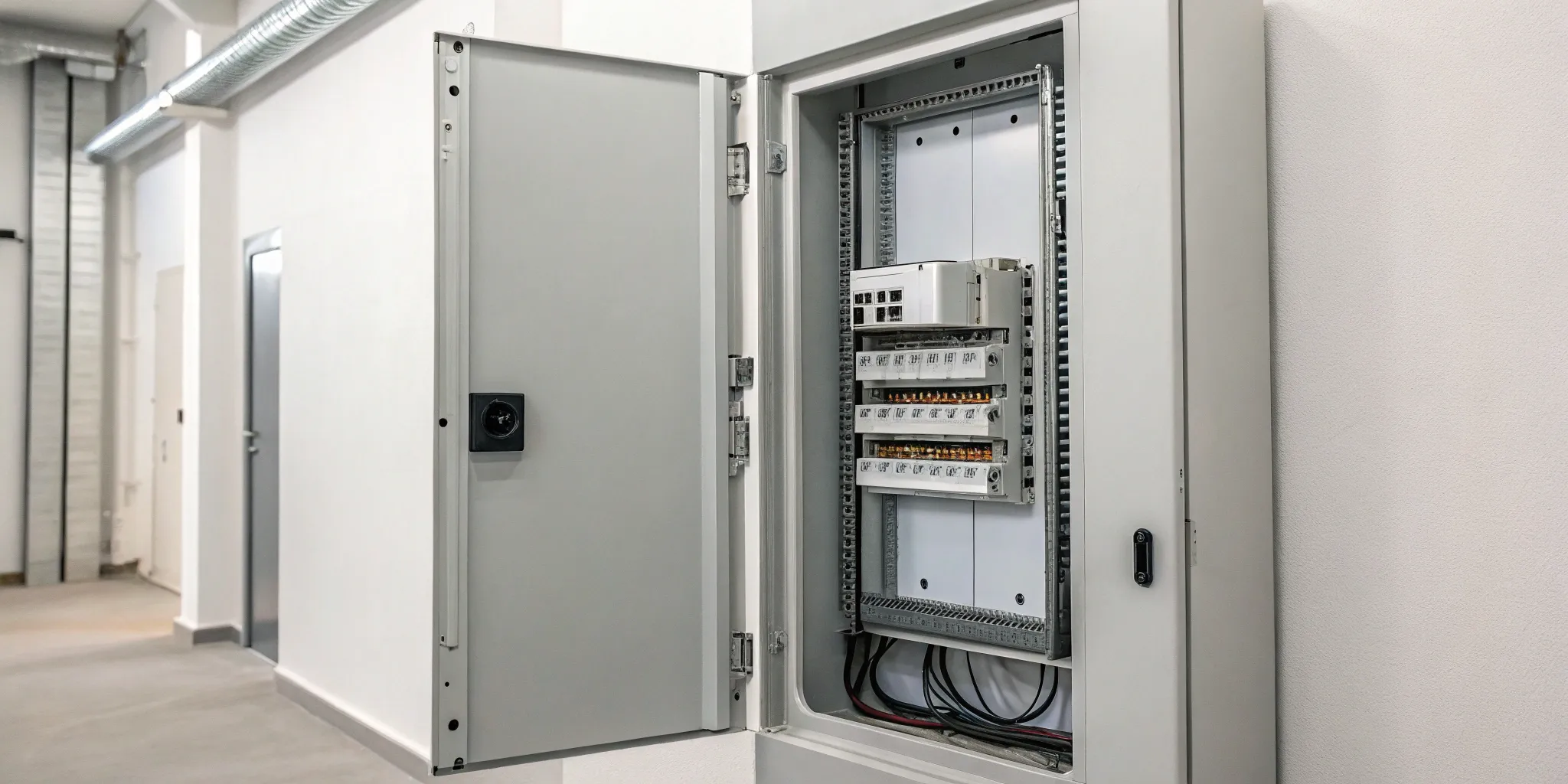
In older homes, what you see isn’t always the full story. That vintage fuse box could be hiding wiring that’s decades old and unprepared for your family’s needs. This is the biggest variable when you ask, “how much does it cost to replace a fuse box uk?” The true fuse board replacement cost isn’t just about the new unit; it’s about ensuring the entire system is safe. Discovering and fixing outdated wiring is a common part of the job. We’ll explore the factors that influence the final price, giving you a clear overview of the replacement process.
Key Takeaways
- Expect the Project to Take a Full Day: While the hands-on panel swap takes 4 to 12 hours, you should plan for your power to be off for most of the day to allow for a safe, thorough installation and final testing.
- Outdated Wiring is the Most Common Delay: The biggest factor that can extend the job is the discovery of old or unsafe wiring behind the walls. Addressing these issues is essential for safety and can add significant time to the initial replacement plan.
- A Professional Handles More Than Just Wires: A proper upgrade requires securing local permits before work begins and passing a final inspection afterward. A licensed electrician manages these critical steps to ensure your new system is safe and code-compliant.
Signs It’s Time for a Fuse Box Replacement
Your home’s electrical system is a lot like its central nervous system, and an outdated fuse box is a clear sign that it’s under stress. While these older panels were sufficient for their time, they weren’t designed to handle the demands of modern life. Laptops, smart TVs, high-efficiency appliances, and the potential for a home generator all require a robust system. Your house will often send out subtle (and sometimes not-so-subtle) signals that it’s time for an upgrade. Paying attention to these clues is the first step toward ensuring your home is safe, efficient, and ready for the future. Ignoring them can lead to persistent frustrations and, more importantly, significant safety risks.
Warning Signs from Your Electrical System
The most immediate signs of an overloaded electrical system come from its performance. These aren’t just minor quirks; they are direct communications that your fuse box is struggling to keep up. When you start noticing these issues, it’s your cue to stop adapting to the problem and start addressing the source. Things like flickering lights or frequently blown fuses are symptoms of a deeper issue that a simple fix won’t solve. A professional evaluation can determine if the fuse box is the root cause and what steps are needed to restore safe, reliable power to your home.
Frequent Blown Fuses or Tripped Breakers
If you find yourself heading to the basement to replace a fuse every time you run the microwave and the toaster simultaneously, your fuse box is telling you it’s at its limit. Old fuse boxes have a very low capacity compared to modern breaker panels. Constantly blowing fuses is a clear indication that your daily electricity usage exceeds what your system was built to handle. This isn’t just an inconvenience; it’s a safety mechanism working overtime to prevent a dangerous overload, signaling that a system upgrade is necessary to support your household’s needs.
Flickering Lights or Warm Outlets
Flickering or dimming lights when a large appliance kicks on can point to a weak or overloaded circuit. While it might seem like a minor annoyance, it indicates an unstable electrical flow. An even more serious red flag is an outlet or switch that feels warm to the touch. This heat is a direct result of excessive resistance in the wiring, which can melt insulation and create a serious fire hazard. If you notice warm outlets, you should immediately stop using them and schedule professional electrician repairs to diagnose the problem.
Buzzing Sounds or Burning Smells
Your electrical panel should operate silently. If you hear any buzzing, humming, or crackling sounds coming from the fuse box, it’s a critical warning sign of a serious issue, such as a loose wire or a failing component. Similarly, a faint burning smell or the scent of ozone near the panel or any outlets is an unmistakable sign of danger. These symptoms indicate that electrical components are overheating to a hazardous degree. Do not wait—contact a qualified electrician right away to inspect the system before a more dangerous situation develops.
Physical Signs of an Outdated Panel
Sometimes, the most compelling evidence for an upgrade is right in front of you. A visual inspection of your fuse box can reveal a lot about its age and condition. Outdated panels not only lack the safety features of modern systems but can also physically degrade over time. Looking for signs of wear and tear can help you determine if your panel is simply old or if it has become a genuine liability. These physical clues, combined with performance issues, build a strong case for a necessary replacement.
Visible Damage like Rust or Scorch Marks
Take a close look at your fuse box. Do you see any signs of rust? This often indicates moisture has gotten into the panel, which can corrode wires and connections, creating a serious safety hazard. You should also look for any scorch marks or signs of melting around the fuses or on the panel itself. These marks are clear evidence of past overheating events or electrical arcs. Any visible damage of this nature means the integrity of your panel is compromised and it needs to be replaced immediately.
The Age of Your Fuse Box
If your home was built before the 1970s and still has its original fuse box, it’s living on borrowed time. These panels are now decades old and were never intended to support the number of electronics in a modern home. Beyond their limited capacity, the internal components can wear out, and connections can become loose simply due to age. Upgrading isn’t just about adding circuits; it’s about replacing an obsolete piece of equipment with a modern system designed for today’s safety standards and electrical loads.
Benefits of Upgrading to a Modern Breaker Panel
Moving from an old fuse box to a modern breaker panel is one of the most impactful upgrades you can make for your home’s safety and functionality. This change goes far beyond the simple convenience of not having to buy fuses anymore. A new panel is the foundation of a safe and reliable electrical system, equipped with advanced safety features that protect your family and property from electrical hazards like fires and shocks. It also equips your home to handle the technology of today and tomorrow, from new kitchen appliances to electric vehicle chargers, ensuring you have the power you need, right when you need it.
Improved Safety Features for Your Home
The single most important reason to upgrade your fuse box is safety. Modern electrical panels, also known as consumer units, are engineered with sophisticated protective devices that were simply not available when fuse boxes were the standard. These features are designed to react instantly to dangerous electrical faults, cutting off the power before a disaster can occur. This proactive protection is crucial in preventing electrical fires, which are often caused by outdated wiring and overloaded circuits. Investing in a new panel is a direct investment in your family’s well-being and your peace of mind.
How Modern Breakers Prevent Fires and Shocks
Modern panels use circuit breakers that do two jobs. First, they provide overcurrent protection, tripping automatically when a circuit draws too much power, which prevents wires from overheating and causing a fire. Second, many are equipped with Arc Fault Circuit Interrupters (AFCIs) and Ground Fault Circuit Interrupters (GFCIs). AFCIs detect dangerous electrical arcs—a common cause of fires—while GFCIs protect against electric shock by sensing imbalances in the current. This multi-layered defense is a massive leap forward from the simple melt-and-break mechanism of a fuse.
Increased Capacity for Today’s Appliances
Think about all the devices you use daily that didn’t exist 50 years ago. Your old fuse box was never designed to power a home office, multiple big-screen TVs, and a collection of smart home gadgets. A modern breaker panel provides the electrical capacity needed to run all these devices safely and simultaneously. With a new panel, you can add dedicated circuits for heavy-duty appliances like a new air conditioner or a hot tub, eliminating the risk of overloads and ensuring every part of your home has the reliable power it needs.
Ease of Use and Convenience
Beyond the critical safety upgrades, life with a breaker panel is just easier. When a circuit overloads, you no longer need to hunt for a flashlight and a spare fuse in the dark. Instead, you simply walk to the panel and flip a switch back to the “on” position. The breakers are clearly labeled, so you know exactly which area of your home was affected. This simple, user-friendly design removes the hassle and guesswork associated with an outdated fuse system, making power restoration quick and stress-free.
Preparing Your Home for Future Electrical Needs
An electrical panel upgrade is a forward-thinking investment. It not only solves your current electrical challenges but also prepares your home for future advancements. As technology evolves, our reliance on electricity will only grow. A new panel with spare circuits gives you the flexibility to add new features down the road, whether it’s an EV charger in the garage, a solar panel installation, or a major kitchen renovation. It ensures your home’s electrical system won’t be a roadblock to future projects and can adapt as your family’s needs change over time.
Supporting High-Demand Appliances and Home Generators
A robust electrical panel is essential for running high-demand systems, especially a home standby generator. A Generac generator provides seamless, automatic backup power, but it needs to connect to a modern, stable electrical panel to function correctly and safely. An upgrade ensures your home’s wiring can handle the power transfer and support the entire system. This makes the panel replacement a critical first step for any homeowner in Southeastern Pennsylvania considering a residential standby generator installation to protect their home from power outages.
Understanding the Cost of a Fuse Box Replacement
When considering a fuse box replacement, one of the first questions homeowners have is about the cost. It’s important to understand that this isn’t a one-size-fits-all project. The final price depends on several unique factors related to your home’s specific electrical setup. A licensed electrician needs to assess the existing system to provide an accurate quote. This evaluation includes looking at the size of your home, the condition of the current wiring, and the specific requirements for bringing everything up to modern safety codes. While it’s a significant investment, it’s one that pays dividends in safety, reliability, and home value.
Factors That Influence the Final Price
Several key variables can influence the overall cost of upgrading your electrical panel. The complexity of the job is the biggest driver. A straightforward panel swap in a home with modern wiring will be a much different project than one in an older home where significant rewiring is needed to ensure safety. A professional electrician will outline these factors for you after a thorough inspection, ensuring you understand the full scope of work required for a safe and compliant installation that will serve your home for decades to come.
The Size and Complexity of Your Home’s Electrical System
The size of the new breaker panel you need is determined by your home’s square footage and your electrical demands. A larger home with more circuits will require a larger, more complex panel. Additionally, the location of the panel can affect the labor involved. If the panel needs to be moved to meet current code requirements or if the workspace is difficult to access, it can add to the project’s timeline and complexity. These are all considerations that a professional will evaluate during an initial consultation.
The Condition of Your Existing Wiring
The state of your home’s wiring is the biggest unknown until the project begins. In many older homes, the wiring may be outdated, damaged, or improperly installed. If an electrician discovers issues like knob-and-tube wiring or aluminum wiring that needs remediation, this will add to the scope of the project. Ensuring the wiring connected to the new panel is safe and up to code is a non-negotiable part of a professional residential electric upgrade, as the panel itself is only one component of a safe system.
Labor and Permit Costs in Southeastern Pennsylvania
The cost of a panel replacement includes the skilled labor of a licensed electrician, which is essential for a safe and compliant installation. Additionally, this type of major electrical work requires a permit from your local municipality. The permitting process ensures that the work is done to code and is inspected by a third party upon completion. A reputable contractor will handle all the necessary paperwork for permits and inspections within our service areas, ensuring the entire project is documented and approved correctly.
Potential Additional Costs to Consider
During a panel upgrade, it’s not uncommon for electricians to uncover related issues that need to be addressed to ensure the entire system is safe. These aren’t attempts to upsell you; they are necessary fixes to bring your home up to modern safety standards. Being aware of these potential additions can help you better understand the full scope of what a comprehensive electrical upgrade entails. A trustworthy electrician will always explain these needs clearly and why they are important for the long-term safety and reliability of your home.
Upgrading Electrical Grounding
Proper grounding is a critical safety feature of a modern electrical system. It provides a safe path for excess electricity to dissipate into the earth, protecting you from shock and your electronics from surges. Many older homes have inadequate or nonexistent grounding systems. During a panel replacement, your electrician will inspect the grounding and, if necessary, install or upgrade the system by driving ground rods and connecting them to the panel, ensuring your new system is properly and safely grounded.
Addressing Hidden Wiring Issues
Sometimes, the full extent of wiring problems isn’t visible until the old fuse box is removed and the walls are opened. An electrician might discover hidden junction boxes, frayed wires, or improper connections that were concealed. Addressing these hidden issues is crucial for the safety of the final installation. While it can add to the project’s cost, correcting these problems during the panel upgrade is the most efficient and responsible way to ensure your entire electrical system is safe from top to bottom.
How Long Will Your Fuse Box Replacement Take?
If you’re thinking about upgrading that old fuse box to a modern circuit breaker panel, one of your first questions is probably, “How long will my power be out?” It’s a great question, and the answer depends on a few key things. While the physical swap has a general timeframe, the entire project involves more than just changing out a box. The age of your home’s wiring, local requirements, and the complexity of your electrical system all play a role. Let’s break down what you can expect so you can plan accordingly.
The Timeline for a Standard Replacement
For the hands-on part of the job, a professional performing these electrician repairs usually needs between 4 and 12 hours to switch out the panel. If you’re just replacing an existing, outdated breaker box with a new one, the work is a bit more straightforward and typically takes about 4 to 8 hours. However, converting an old fuse box to a new breaker box is a more involved process. This kind of upgrade often requires 8 to 12 hours because it involves more significant wiring adjustments to make sure everything connects safely and correctly to the new panel.
What’s Involved in a Fuse Box Upgrade?
The time your electrician spends at your house is only one piece of the puzzle. The total project timeline can easily stretch to a full day or sometimes longer. This is because the upgrade needs to be done right, which includes getting permits and passing inspections. Several factors can extend the process, such as dealing with old wiring that needs to be brought up to code, a hard-to-reach panel location, or the need for additional residential electric work to support modern appliances. For instance, if your home has old cloth wiring, it’s a smart and often necessary move to update it during the panel replacement, which adds to the overall project time.
What Factors Influence Your Replacement Timeline?
While a standard fuse box replacement can often be done in a day, several factors can turn it into a multi-day project. Understanding these variables helps you set realistic expectations for the work involved. Here are the key things that can influence your replacement timeline.
How Your Home’s Size and Wiring Affect the Job
The size of your home and the complexity of its electrical system are major players in the timeline. A larger home typically has more circuits to manage, which means more work for the electrician. If your upgrade requires more than a simple panel swap—like adding new sub-panels for a workshop or home addition—the job will naturally take longer. Any custom residential electric work, such as adding dedicated circuits for new appliances or rewiring a room, will add hours or even days to the process.
Is Your Old Wiring Going to Cause Delays?
The state of your existing wiring is a huge factor. If an electrician finds old, brittle, or damaged wires, they can’t just connect them to a new breaker box. Safety comes first, which means addressing underlying issues. For example, many older homes have cloth-insulated wiring that can be a fire hazard and needs replacement. A rusty or water-damaged panel also signals a more complex job. These necessary electrician repairs are crucial for a safe, modern system and will extend the project timeline.
How Local Permits and Inspections Impact Your Schedule
Replacing your electrical panel isn’t just a technical job; it’s a legal one. You’ll need a permit from your local municipality before work begins. After the new breaker box is installed, a city inspector must approve it to ensure it meets current safety codes. While the installation might only take a day, the administrative side can add a week or more to the total timeline. An electrician familiar with the requirements in your specific service area can handle this process for you, but it’s an unavoidable step that affects the schedule.
Is Your Fuse Box in a Tricky Spot?
Sometimes, the biggest hurdle is simply getting to the fuse box. If your panel is in a cramped closet, a hard-to-reach crawl space, or behind permanent shelving, it adds a layer of difficulty. The electrician needs adequate space to work safely and efficiently. Additionally, if the new breaker panel is a different size or shape than the old fuse box, modifications to the wall may be needed to make it fit properly. These seemingly small details can add significant time to the installation, so a clear workspace is always a plus.
What to Expect on Replacement Day: A Step-by-Step Look
Upgrading from a fuse box to a modern breaker box is a detailed job, but it follows a clear and organized path. Knowing what to expect can make the process feel much smoother. A professional electrician handles every stage with precision to ensure your home’s electrical system is safe, reliable, and ready for the demands of modern life. From the initial planning to the final safety checks, each step is crucial for a successful upgrade. Here’s a look at how our team tackles the replacement from start to finish.
Step 1: The Professional Assessment and Plan
Before we touch a single wire, the first step is a thorough assessment of your home. One of our licensed electricians will evaluate your current electrical setup and discuss your family’s power usage. Are you planning a home office, a new appliance, or an EV charger in the future? This conversation is key to determining the right size and type of breaker panel for your needs, both now and down the road. We create a detailed plan to ensure your new panel can handle everything safely and efficiently, preventing issues like overloaded circuits. This initial evaluation sets the foundation for a seamless and effective residential electric upgrade.
Step 2: Preparing for a Safe Power Shutdown
Safety is our top priority, which is why the next step is to completely shut off the main power to your home. Working with live electricity is extremely dangerous, so this measure is non-negotiable. Our electrician will verify that the power is off before beginning any work on the panel itself. This controlled shutdown ensures the safety of our team, your family, and your property throughout the entire replacement process. We take every precaution to create a secure work environment, allowing us to focus on carefully and correctly installing your new breaker box without any risks.
Step 3: Saying Goodbye to the Old Fuse Box
Once the power is off and the area is prepped, it’s time to say goodbye to the old fuse box. Our electrician will carefully disconnect and remove the outdated panel. This process requires a delicate touch to avoid damaging the existing wiring that runs throughout your walls. We handle each wire with care, labeling them as we go to ensure everything can be reconnected correctly to the new panel. This methodical approach is essential for a clean transition and prevents complications when it’s time to install the modern breaker box. It’s a crucial step in preparing your home’s electrical system for its new, more reliable core.
Step 4: Installing Your New Consumer Unit
With the old box out of the way, we can install your new, modern breaker panel. The new box is securely mounted, and our electrician begins the meticulous process of connecting your home’s circuits. Each wire is carefully routed and connected to the correct breaker. We also take the time to create a clean, organized panel and label every circuit clearly. This not only ensures proper function but also makes future electrician repairs or additions much simpler. A well-installed panel is the key to a dependable electrical system that you can count on for years to come.
Step 5: Connecting, Testing, and Powering Back On
The final step is to restore power and make sure everything is working perfectly. After all circuits are connected, the electrician will turn the main power back on and systematically test each breaker. We check outlets, switches, and appliances throughout your home to confirm that power is flowing correctly and safely to every room. This comprehensive testing phase is our final quality check, giving you peace of mind that your new breaker box is operating exactly as it should. Once we’ve confirmed everything is in perfect working order, the job is complete, and your home is powered by a safer, more reliable system.
What Could Delay Your Fuse Board Replacement?
While a straightforward fuse box replacement can be completed in a day, some projects hit snags that extend the timeline. Most of these delays come from discoveries made after the project begins—things you can’t see until an electrician gets behind the walls. Older homes, in particular, can hide decades of electrical quirks. Understanding these potential hurdles ahead of time helps you set realistic expectations for your upgrade. From outdated wiring to local permit requirements, a few common issues can add hours or even days to the job. A professional electrician can often anticipate these problems during an initial assessment, but surprises are always possible.
Uncovering Hidden Wiring Problems
One of the most common delays is discovering old or faulty wiring once the fuse box is removed. If your home has outdated systems like cloth-wrapped or knob-and-tube wiring, it simply isn’t safe to connect it to a modern breaker panel. This wiring becomes brittle over time, and its insulation can easily crack, creating a serious fire hazard. When an electrician finds this, they’ll need to replace the affected circuits before they can complete the panel upgrade. Addressing these necessary electrician repairs is crucial for the safety and integrity of your home’s entire electrical system, but it will add significant time to the project.
Bringing Your System Up to Current UK Standards
Your fuse box upgrade isn’t just a private home improvement project; it has to meet strict local and national electrical codes. These codes exist to ensure your home is safe, and they change over time. To start the work, your electrician must pull a permit from your local municipality. After the installation, an inspector will need to approve the new panel. The permitting and inspection process can introduce delays, as you’re working on the government’s schedule. An experienced electrician is familiar with this process and can handle the paperwork efficiently, but waiting for approvals is often an unavoidable part of the timeline.
If Your Wall Needs Adjustments for the New Unit
Sometimes, the issue isn’t electrical but structural. Modern breaker panels are often physically larger than the old fuse boxes they replace. This means the existing space might not be big enough to accommodate the new unit. In these cases, your electrician may need to cut into the drywall and adjust the wall studs to create a proper fit. While this is a routine part of the job for a skilled professional, it adds extra labor and time. These modifications ensure the new panel is securely mounted and properly installed, but they can turn a simple swap into a more involved task.
When One Electrical Fix Reveals Another
A fuse box replacement can sometimes be the tip of the iceberg. Once an electrician evaluates your system, they might find that your home’s electrical service is insufficient for your current needs. For example, if your home only has 60-amp service, you’ll likely need to upgrade to at least 100 or 200 amps to safely power modern appliances and electronics. This is a much larger job that involves the utility company and requires more extensive work. These residential electric upgrades are vital for a functional, modern home but will extend the project’s scope and timeline considerably.
Why Your Old Wiring Might Affect the Job and Cost
When you decide to upgrade from a fuse box to a breaker box, the project isn’t just about the panel itself. What’s happening behind your walls plays a huge role in the timeline and scope of the work. Older homes, especially, can hide outdated wiring that needs to be addressed before a new breaker box can be safely installed. Understanding this from the start helps set realistic expectations and ensures your home’s electrical system is safe and reliable for years to come. Think of it as strengthening the foundation before building the house—the new panel is only as good as the wiring it connects to.
The Specific Challenges of Cloth-Insulated Wires
If your home was built before the 1960s, there’s a good chance it has cloth-insulated wiring. While it was the standard for its time, this type of wiring doesn’t hold up well over the decades. The cloth insulation becomes brittle, cracks, and can flake off, leaving the wires exposed. This creates a serious fire hazard. Furthermore, this old wiring was never designed to handle the electrical demands of modern life—from your microwave and big-screen TV to your home office setup. When we perform an upgrade, addressing this outdated wiring is a critical step, as leaving it in place would undermine the safety of your new system. Any necessary electrician repairs are essential for a safe installation.
Can Old Wiring Connect to a Modern Consumer Unit?
Installing a modern breaker panel is a fantastic step toward improving your home’s electrical safety and capacity. However, connecting that new, powerful panel to old, insufficient wiring is a recipe for problems. It’s like trying to send a high-speed internet signal through an old-fashioned phone cord—it just won’t work correctly. The new breakers are designed to protect modern wiring, and they may not function as intended with older circuits. To get the full benefit of your upgrade, the wiring must be compatible with the new system. This ensures every part of your electrical system, from the panel to the outlets, works together seamlessly and safely.
Putting Safety First: The Risks of Old Wiring
Beyond just the type of wiring, the overall condition of your electrical system is a major factor. During an inspection, an electrician might find more than just cloth insulation. Signs of rust or water damage inside the old fuse box, scorch marks around fuses, or frayed wires are all red flags that point to immediate safety risks. These issues can cause power failures or, worse, electrical fires. A proper upgrade addresses all these worn-out components, not just the fuse box itself. Taking care of your home’s residential electric system is about creating a safe environment, and replacing aging parts is a non-negotiable part of that process.
Why a Certified Electrician Is Worth It
Upgrading your fuse box is a significant electrical project, and while the temptation to DIY can be strong, this is one job where calling a professional is non-negotiable. A licensed electrician ensures the entire project is handled safely and correctly from start to finish. They manage all the moving parts, from pulling permits to coordinating with the utility company, so you can have peace of mind knowing the heart of your home’s electrical system is in expert hands. This expertise turns a potentially complicated and dangerous task into a smooth, predictable upgrade.
Their Expertise Keeps Your Home Safe
Let’s be direct: replacing a breaker box is dangerous if you don’t know what you’re doing. The risk of severe electric shock, injury, or even fire is incredibly high. A licensed electrician has spent years training to handle high-voltage situations safely. They have the right tools, protective gear, and a deep understanding of how electrical systems work, which allows them to perform the replacement without putting you or your home at risk. When you hire a professional for electrician repairs, you’re not just paying for a service; you’re investing in the safety and security of your family and property.
They Handle the Permits and Paperwork For You
Before an electrician can even touch your electrical panel, a permit is usually required. This isn’t just red tape; it’s a crucial safety step. Your utility company often won’t shut off the power to your home without a permit on file. A professional contractor understands the specific permitting and inspection processes for all the service areas in Southeastern Pennsylvania. They handle the paperwork, schedule the necessary inspections, and ensure every part of the installation meets current electrical codes. This prevents future headaches and ensures your upgrade is officially and safely documented.
Minimizing Disruption with Temporary Power
A panel replacement typically means your home will be without power for most of the day. That means no lights, no refrigeration, no Wi-Fi, and no HVAC. This is where planning ahead with a company that specializes in both electrical work and generators makes a huge difference. While the main grid power is disconnected for the panel swap, a backup generator can be used to power your essential circuits. This keeps your refrigerator cold, your home office running, and your life on track. Considering a residential standby generator installation can provide power during this project and any future outages.
How to Hire the Right Professional
Choosing the right electrician is just as important as the upgrade itself. This isn’t just about finding someone to do a job; it’s about finding a trusted partner to handle a critical component of your home’s safety. You want a team with a proven track record, deep knowledge of local codes, and a commitment to quality work. Taking the time to vet your options ensures the project is done right the first time, giving you confidence in your home’s electrical system for years to come. Here’s how to find a professional you can count on.
Getting Multiple, Detailed Quotes
When you start looking for an electrician, it’s wise to get at least three different quotes. However, don’t just compare the final numbers. A quality quote should be a detailed document that breaks down all the costs, including the price of the new breaker panel, materials, labor, and any permit fees. Be wary of estimates that seem unusually low, as they might not account for the full scope of work or could lead to surprise charges later. A transparent, itemized quote shows that the contractor has thoroughly assessed the job and is being upfront about the investment required for professional electrician repairs.
Asking the Right Questions Before Work Begins
Before you commit to an electrician, it’s important to ask a few key questions to make sure they’re the right fit. A reputable professional will be happy to provide clear answers. Start by asking what’s included in the quote and if there are any potential extra costs. Inquire about the specific type of breaker box they recommend and why it’s suitable for your home. You should also confirm the estimated timeline for the installation. Most importantly, always ask for proof of their license and insurance, and find out if they offer a warranty on their workmanship. Getting answers to these questions helps you hire with confidence and ensures you’re working with a qualified team.
The Importance of a Written Contract
Once you’ve chosen an electrician, the final step before work begins is to get a written contract. A verbal agreement simply isn’t enough for a project of this size. A formal contract protects both you and the contractor by clearly defining the scope of the project. It should detail all the work to be done, list the specific materials being used, state the total cost, and outline the payment schedule. The contract should also include the start and estimated completion dates. This document ensures everyone is on the same page and provides a clear reference point if any questions come up during your residential electric upgrade.
Ready to Plan Your Fuse Board Replacement?
If you’re ready to move on from an outdated fuse box, one of your first questions is probably about the timeline. It’s smart to plan ahead, especially since this project involves more than just a few hours of work. While a professional electrician can typically complete the physical swap in about 4 to 12 hours, the entire process often takes a full day or even a couple of days to complete correctly and safely.
The biggest factor influencing your project’s timeline is the condition of your home’s existing electrical system. In many older homes, upgrading the panel also means we need to address outdated wiring, like old cloth-insulated wires. This isn’t an upsell; it’s a crucial step for safety and to meet current electrical codes. Bringing your wiring up to modern standards is a key part of our residential electric services and ensures your new breaker box functions as it should.
Beyond the hands-on work, we also have to account for administrative steps. Securing the right permits and scheduling inspections with your local municipality can add a week or more to the overall schedule before we even begin. Planning for these steps is essential for a smooth, hassle-free upgrade. Think of this project as a foundational improvement for your home—one that protects your family and prepares your electrical system for modern demands, including powerful appliances or even a whole-home Generac generator.
Related Articles
- How to Hire an Electrician for Electrical Panel Replacement
- How Much to Replace an Electrical Panel in 2025?
- Step-by-Step Electrical Junction Box Installation Video
Frequently Asked Questions
How long will my power be completely off during the replacement? For the actual hands-on work, you can expect the power to be out for anywhere from 4 to 12 hours. We know that’s a long time to go without refrigeration or Wi-Fi. That’s why we often use a backup generator to power your essential appliances during the swap, which keeps major disruptions to a minimum while we get your new panel installed safely.
Why can’t you just swap the old box for a new one in a couple of hours? A simple swap is only possible in ideal conditions. More often, the project is bigger than just the box itself. We might discover old, unsafe wiring behind the wall that needs to be replaced before we can connect the new panel. The job isn’t just about installing new equipment; it’s about making sure your entire electrical system is safe and up to code, which sometimes takes a bit more time.
Is getting a permit really necessary for this kind of work? Yes, it’s a non-negotiable step. A permit isn’t just about following rules; it’s a critical safety check for your home. It ensures that the work is documented and then reviewed by a local inspector who verifies that everything was installed correctly and meets current safety standards. This process protects you, your family, and your property.
What’s the most common surprise that extends the project timeline? The most frequent delay comes from discovering outdated wiring, especially the old cloth-insulated kind. This type of wiring becomes brittle and is a fire hazard that simply can’t be connected to a modern breaker panel. When we find it, we have to replace it to ensure the new system is safe, which adds time but is essential for a secure and reliable upgrade.
Is there anything I can do to help the installation go smoothly? Absolutely. The best way you can prepare is to completely clear the area around your fuse box before the electrician arrives. If the panel is in a closet, basement, or tight space, removing any boxes, furniture, or stored items creates a safe and accessible workspace. This simple step can help the hands-on portion of the job stay on schedule.