We’re plugging in more high-powered devices than ever, from smart TVs to EV chargers. But can your electrical panel actually handle the load? If you have an old breaker box, the answer might be a scary “no.” Panels installed decades ago simply weren’t designed for our modern, high-tech lives. Pushing an outdated system too hard is a serious fire risk. Before you add another major appliance, it’s crucial to know your panel’s limits. This guide will show you exactly how to determine your panel’s age and spot the warning signs of a system that needs an upgrade.
Key Takeaways
- Find the Manufacturer’s Label First: The most direct way to determine your panel’s age is by locating the data sticker, usually inside the door. This label contains the manufacturer’s name and a serial number that can be decoded to reveal its manufacturing date.
- Recognize Performance Problems: Your home’s electricity will often tell you if the panel is outdated. Frequent breaker trips, flickering lights when appliances turn on, or buzzing sounds are all signs that your panel is struggling to handle your home’s power demands.
- Prioritize a Professional Inspection: If your panel is over 25 years old or shows physical signs of wear like rust or burn marks, it’s time for a professional safety assessment. An expert can confirm its condition and recommend the right next steps for your home.
How to Find Your Breaker Box Manufacturer
Figuring out your electrical panel’s age starts with a little detective work. The first step is to find the manufacturer’s information, which is usually printed right on the panel itself. This info is your key to unlocking details about its age, safety record, and whether it’s time for an upgrade. Before you open the panel door, remember that safety is the top priority. You’re just looking for information, so there’s no need to touch any wires or components inside. If you ever feel unsure, it’s always best to call a professional. An experienced electrician can quickly and safely assess your panel and give you the answers you need.
Check for a Data Sticker or Metal Nameplate
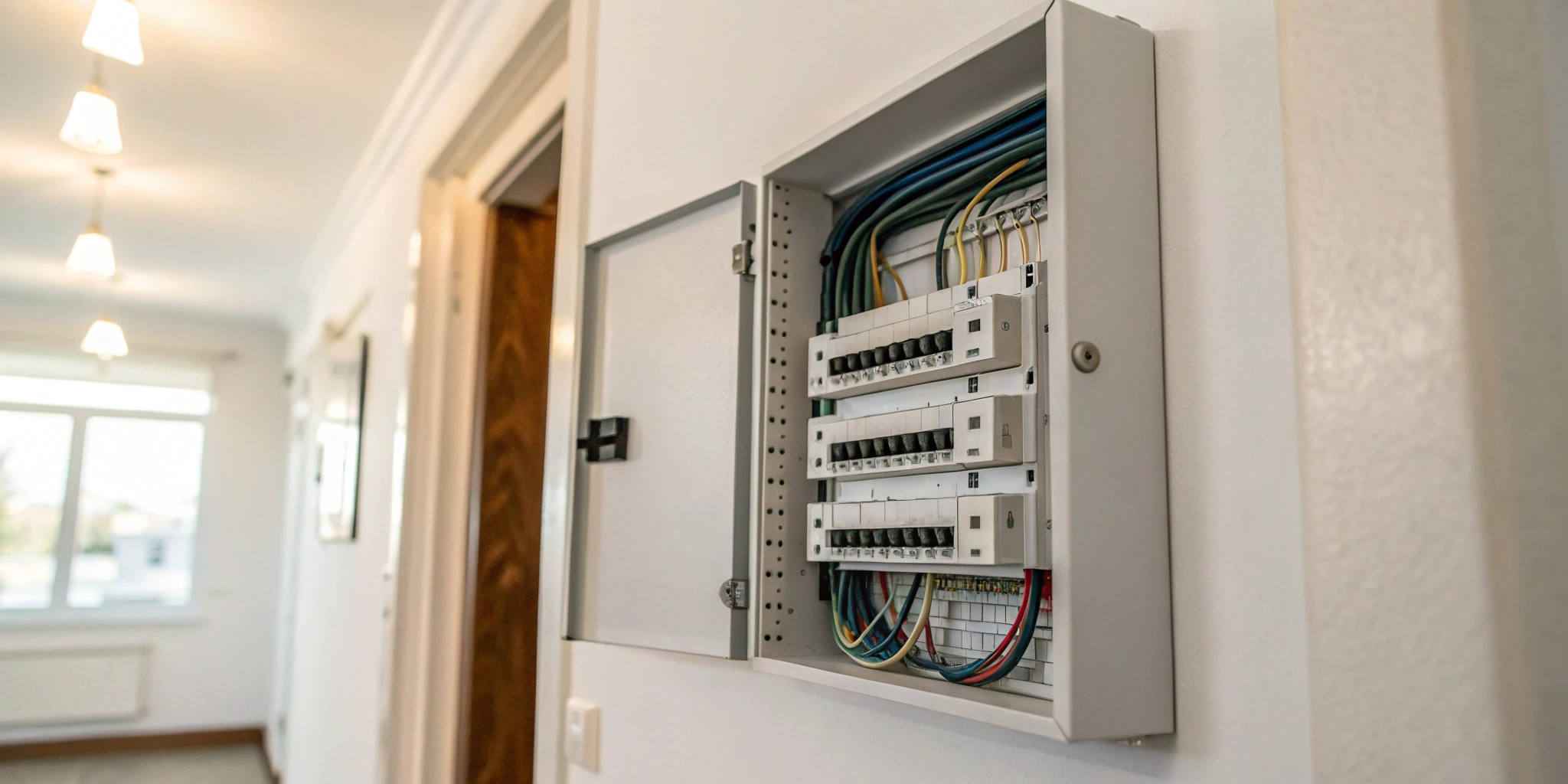
The easiest way to find your panel’s details is to look for a data sticker or a small metal nameplate. Open the main door of your electrical panel, and check the inside surface of the door first. Manufacturers often place a paper or foil sticker here with all the essential information. If you don’t see it there, carefully inspect the interior walls of the panel box, avoiding any contact with the wiring or breakers. This label is the panel’s birth certificate, containing the manufacturer’s name, the model or series number, and sometimes even a manufacturing date. Finding this sticker is a huge step forward. If the label is damaged or you’re concerned about what you see, our team can handle any electrician repairs you might need.
What to Look for on the Manufacturer’s Label
Once you’ve located the label, you’ll want to look for a few key pieces of information. The most obvious is the manufacturer’s name—brands like Square D, Siemens, Eaton, or General Electric are common. You should also jot down the serial number and any other long strings of numbers or letters you see. Sometimes, the date is clearly printed, but more often it’s hidden within a code. Even if you can’t find a specific date, the brand name itself is a major clue. Some manufacturers, like Federal Pacific or Zinsco, have been out of business for years, which immediately tells you that your panel is outdated and likely needs a professional inspection.
Spotting Other Manufacturer Stamps and Markings
Different manufacturers use unique systems to mark their equipment, so what you find will vary. For example, many Square D panels have a small blue label on the front cover (the “deadfront”) with a five-digit number. The first two digits often represent the year of manufacture, while the next two indicate the week. Other brands might embed the date within the serial number. It can feel like trying to crack a code, but a quick online search for your panel’s brand and “how to read serial number” can often provide answers. If you’re still stumped, don’t worry. Our residential electric experts are familiar with all major brands and can identify your panel’s age in no time.
How to Find Your Breaker Box’s Age
Once you’ve located the manufacturer’s label, the next step is to make sense of the string of letters and numbers you see. Think of it as the birth certificate for your electrical panel. Manufacturers use specific coding systems to mark when a panel was made, and learning to read them gives you a clear picture of its age. This information is more than just a fun fact; it’s a key piece of data for assessing the safety and capability of your home’s electrical system. A healthy panel is the heart of your home’s power, ensuring everything from your lights to your Generac generator operates safely and reliably.
Decoding these numbers can feel a bit like solving a puzzle, but most brands follow a few common patterns. Usually, the serial number or a separate date code will contain digits that correspond to the year and either the week or month of manufacturing. Don’t worry if it’s not immediately obvious—we’ll walk through a few common examples to help you get started.
Understanding Manufacturer Date Codes
Most electrical panels have a sticker, typically found inside the door, that contains all the important manufacturing details. This is where you’ll find the serial number and sometimes a separate date code. Manufacturers rarely spell out the date, so you’ll need to look for a pattern. For example, a code might use the first two digits to represent the year and the next two to represent the week. A number like “9821” could mean the 21st week of 1998. While each brand has its own system, the basic principle of embedding the date within a longer code is a widespread practice.
How to Read Date Stamps and Serial Numbers
So, why is it so important to know your panel’s age? For one, many insurance companies require this information, especially for older homes undergoing certain inspections. Knowing the age helps you and your insurer understand the potential risks associated with outdated technology. More importantly, it empowers you as a homeowner. An older panel might not be equipped to handle the demands of modern appliances and electronics. Identifying an aging panel is the first step in planning for a necessary upgrade, which is crucial before adding major electrical loads like an EV charger or a residential standby generator installation.
Decoding Date Codes for GE, Eaton, and Cutler-Hammer
Here’s where the detective work gets specific. For a popular brand like Square D, you can often find a 5-digit number on a label where the first two digits are the year and the next two are the week. So, a code like “0235” would mean the 35th week of 2002. For other panels, especially those from companies that are no longer in business, you can determine the age by researching the manufacturer’s operational years. For instance, Federal Pacific Electric (FPE) Stab-Lok panels, known for their safety issues, were produced from the 1950s to the mid-1980s. If you have one, you know it’s well past its prime and needs immediate attention from a professional for electrician repairs or replacement.
Known Unsafe Electrical Panel Brands
While age is a good general indicator of your panel’s health, some brands are known for significant design flaws and safety hazards, regardless of their age. If you discover one of these panels in your home, it’s not just a matter of planning for a future upgrade—it’s a safety priority that needs immediate attention. These panels have a documented history of failure, which can lead to electrical fires. A reliable electrical system is the foundation of a safe home, and it’s an absolute must before considering additions like a Generac generator. Let’s look at some of the most notorious brands that should be on every homeowner’s radar.
Federal Pacific Electric (FPE) Panels
If there’s one name that makes electricians pause, it’s Federal Pacific Electric. FPE panels, particularly those with Stab-Lok breakers, were widely installed in homes from the 1950s through the 1980s. While they were popular for decades, they have since been identified as a major fire hazard. The core issue lies with their circuit breakers, which can fail to trip during an overcurrent or short circuit event. This failure means the electrical current continues to flow, causing wires to overheat and creating a serious risk of fire. If you have an FPE panel, replacement is the only recommended course of action to ensure your home’s safety.
How to Identify FPE “Stab-Loc” Panels
Identifying an FPE panel is usually straightforward. Look for the Federal Pacific Electric name or logo on the front cover of the panel box. Inside, you’ll often find the name “Stab-Lok” printed on the breakers themselves, which may also have distinctive red tips. If you see any of these indicators, you have an FPE panel. Given the known risks, it’s best to avoid touching or testing the breakers yourself, as even flipping a switch could be problematic. Instead, contact a professional electrician to confirm the brand and discuss your options for a safe replacement.
The Dangers of FPE Breakers
The danger of FPE breakers is their unreliability. A circuit breaker’s one job is to shut off power when a circuit is overloaded. FPE Stab-Lok breakers often fail to do this. This means that if you plug in too many appliances or a device short-circuits, the breaker won’t trip. The wiring can then overheat to dangerous temperatures, melting its insulation and potentially igniting surrounding materials like wood and drywall. Thousands of home fires have been linked to the failure of these panels, making their replacement a critical safety measure for any responsible homeowner.
Zinsco and Sylvania Panels
Zinsco electrical panels, which were also sometimes branded as GTE-Sylvania, present another significant safety concern for homeowners. Much like FPE panels, Zinsco products have a critical design flaw that makes them prone to failure. These panels were installed in homes throughout the 1970s, and their colorful circuit breakers make them easy to spot. The problem with Zinsco panels is so severe that many electricians recommend immediate replacement upon discovery. If you suspect you have a Zinsco or related Sylvania panel, scheduling a professional inspection is an essential step toward protecting your home and family.
The Design Flaw in Zinsco Breakers
The primary issue with Zinsco panels is that their circuit breakers can melt to the main power bar, or bus bar. When this happens, the breaker can no longer trip, even if there’s a dangerous power surge. The connection essentially becomes fused, meaning the circuit is permanently “on.” This allows an unsafe amount of electricity to flow through the wires, which can lead to melting, arcing, and fire. Because the breaker appears to be functional, homeowners may have no idea that their safety system is compromised until it’s too late, making these panels a silent hazard.
How Some Sylvania Panels Pose a Similar Risk
After Sylvania bought Zinsco, they continued to produce some panels with the same flawed design. These panels were often branded as “GTE-Sylvania” or simply “Sylvania.” While not all Sylvania panels are dangerous, those that share the Zinsco design carry the same risks. Because it can be difficult for an untrained eye to tell the difference, any Sylvania panel from that era should be carefully examined by a qualified electrician. Our team is experienced in identifying these hazardous panels and can provide the necessary electrician repairs or a full replacement to bring your system up to modern safety standards.
ITE/Bulldog Pushmatic Panels
ITE/Bulldog Pushmatic panels are another outdated system that homeowners should be aware of. These panels don’t have the typical toggle switches you see on modern breakers. Instead, they use a push-button mechanism. While innovative for their time, these panels have several issues. The internal components can weaken over the years, making the breakers difficult to reset or causing them to fail entirely. They also lack a main breaker, which is a standard safety feature in all modern electrical panels. If you have a Pushmatic panel, it’s a clear sign that your electrical system is outdated and needs a professional evaluation.
Issues with Push-Button Breakers
The main problem with Pushmatic breakers is their mechanical design. Over time, the grease that lubricates the internal mechanism can harden, making the buttons stiff and unreliable. In some cases, a breaker may appear to be off when it’s actually still allowing power to flow through the circuit. This creates a serious shock hazard for anyone working on the wiring. Because of their age and unreliable performance, these panels are considered obsolete and should be replaced to meet modern safety standards, especially in homes with high-power needs or a commercial generator installation.
Outdated Designs: Split-Bus Panels and Fuse Boxes
Beyond specific brands, certain older panel designs are now considered unsafe and non-compliant with modern electrical codes. Two of the most common are split-bus panels and fuse boxes. While they may have been adequate for the electrical loads of the past, they lack the safety features and capacity required for today’s homes. If your house still relies on one of these systems, it’s a strong indication that your electrical service is overdue for a major upgrade. A modern panel is essential for safely powering your home and is a prerequisite for any major residential electric project.
The Risk of No Main Breaker in Split-Bus Panels
Split-bus panels, common in homes built before the 1980s, do not have a single main breaker to shut off all the power to the house. Instead, the top section of the panel has up to six two-pole breakers that control different parts of the home, including the lower section of the panel. To completely cut power, you have to shut off all six of these breakers. This design is no longer permitted by the National Electrical Code because it creates a significant safety hazard for homeowners and emergency responders who need to quickly de-energize a home in an emergency.
Dangers of Improperly Modified Fuse Boxes
Fuse boxes are the predecessor to circuit breaker panels. While not inherently dangerous if maintained perfectly, they are often a source of problems in older homes. The biggest risk comes from improper modifications. When a fuse blows, it’s often because a circuit is overloaded. Some homeowners, frustrated by frequently blown fuses, will replace the correct-size fuse with a larger one. This is extremely dangerous, as it allows far more current to flow through the wires than they are rated for, which can easily cause them to overheat and start a fire, turning a minor inconvenience into a major disaster.
Warning Signs of an Old Breaker Box
Sometimes, your electrical panel will show you it’s too old long before you find a date code. An aging panel isn’t just an inconvenience; it can be a serious safety risk for your home and family. Knowing what to look for can help you decide when it’s time to call in a professional for an inspection or upgrade. Pay attention to how your panel looks, what’s inside it, and how your home’s electricity behaves. These clues often tell a clearer story than a hard-to-read serial number.
Check for Visual Signs of Wear and Tear
A quick visual check of your electrical panel can reveal a lot about its condition. Open the panel door and look for any signs of rust or corrosion on the metal box or on the breakers themselves. Rust indicates moisture has gotten in at some point, which can compromise the connections and overall safety. You should also look for any discoloration or burn marks around the circuit breakers. These dark spots are a red flag for overheating, which can lead to electrical fires. If you see any of these signs, it’s not something to ignore. These are clear indicators that your panel is deteriorating and may need professional electrician repairs to ensure it’s safe.
Does Your Panel Have Fuses Instead of Breakers?
If you open your panel and see round, screw-in fuses instead of switches (circuit breakers), your electrical system is significantly outdated. Fuse boxes were the standard before the 1960s and are not equipped to handle the electrical demands of a modern home. They lack the advanced safety features of circuit breakers, which are designed to trip and shut off power during an overload. Fuses can blow, but they don’t offer the same protection, and older systems often tempt homeowners to use oversized fuses to prevent them from blowing, creating a dangerous fire hazard. Upgrading from a fuse box is one of the most important residential electric improvements you can make for your home’s safety.
Notice Performance Issues and Electrical Problems
Your home’s daily electrical performance can be the biggest tell-tale sign of an aging panel. Do your circuit breakers trip frequently? This is a classic symptom of a panel that’s overloaded and can’t keep up with your power needs. You might also notice your lights flicker or dim when a large appliance, like your air conditioner or microwave, kicks on. Other warning signs include a faint crackling or buzzing sound coming from the panel or outlets that feel warm to the touch. These issues suggest your panel is struggling to distribute power safely and efficiently, which is common for panels over 25 years old. A modern, reliable panel is essential, especially if you’re considering adding a Generac generator to protect your home.
Loose Connections or Messy Wiring
When you peek inside your electrical panel, the wiring should look neat and organized. If you’re greeted by a chaotic jumble of wires, it’s a sign that something isn’t right. Over time, connections can become loose, which is a serious hazard. A loose wire can generate excess heat, leading to melted components, burn marks, and even a complete loss of power. Disorganized wiring not only looks unprofessional but also makes it difficult and dangerous to perform any future work. These are not issues to tackle on your own. If the inside of your panel looks messy or you spot any questionable connections, it’s a clear signal that you need professional electrician repairs to ensure everything is secure and up to code.
What If the Manufacturer Label Is Missing?
Sometimes the data sticker inside the panel door is long gone—peeled off, painted over, or just unreadable after decades of service. It can feel like you’ve hit a dead end, but don’t worry. There are still several ways to play detective and uncover the age and history of your electrical panel. By looking at the components inside, digging into your home’s records, and knowing when to call for backup, you can get the answers you need to ensure your home’s electrical system is safe.
Look for Clues Inside the Panel
The internal components of your electrical panel can offer some great clues. Certain manufacturers and breaker styles were only used during specific time periods. For example, if your panel is from a company that’s no longer in business, you can research the years they operated. A well-known example is the Federal Pacific Stab-Lok panel, which was installed in homes from the 1950s through the mid-1980s. Identifying specific brand names or models on the breakers themselves can help a professional electrician pinpoint the panel’s era and assess its condition. If you spot components that look unfamiliar or outdated, it’s a good sign you need professional electrician repairs.
Check Your Home’s Construction Records
Your home’s paperwork can hold the key to your electrical panel’s age. If the panel is original to the house, its age will match the home’s construction date. If the electrical system was ever upgraded, there should be a record of it. Check the closing documents from your home purchase or contact your local municipal office to look for building permits. These permits document when major work was done, including panel replacements, and will give you a precise installation date. This information is invaluable for understanding the history of your home’s residential electric system and planning for future needs.
Why You Should Call a Professional
When you’re unsure about your panel’s age or safety, the best and safest step is to call a licensed electrician. If your home is over 20 years old or the panel shows any signs of wear like rust or frequent tripping, a professional inspection is essential for your peace of mind. An expert can quickly identify the panel’s age, manufacturer, and any potential hazards. They can also tell you if your current panel can handle the demands of modern appliances and electronics. This is especially important if you’re considering adding a major new load, like an EV charger or one of our reliable Generac generators. An electrician will give you a clear assessment and recommend the right next steps.
The Risks of DIY Panel Replacement
While tackling a home improvement project yourself can be rewarding, replacing an electrical panel is one job that should always be left to the professionals. The most significant danger is personal safety; electricity is invisible and unforgiving, and a single mistake can lead to severe electric shock or worse. Beyond the immediate risk, improper wiring or loose connections can create long-term fire hazards, damage your expensive electronics, and cause your home to fail a safety inspection. What might seem like a way to save money can quickly turn into a much more expensive problem, requiring costly corrections to meet local electrical codes. For a job this critical, trusting a licensed professional is the only way to guarantee it’s done right, ensuring the safety of your home and family. Our team is always ready to handle any electrician repairs safely and correctly.
When Is It Time to Replace Your Old Breaker Box?
Think of your electrical panel as the heart of your home’s electrical system, directing power where it needs to go. Just like any other critical component, it has a lifespan. An outdated or failing panel isn’t just an inconvenience; it’s a significant safety hazard. Knowing when to consider a replacement is key to protecting your home and family. If your panel is several decades old or struggling to keep up with your home’s energy needs, it’s time to take a closer look.
Know the Safety and Fire Risks
As a general rule, an electrical panel that is over 25 years old should be on your radar for an inspection. Technology has changed dramatically, and panels from that era were not designed to handle the electrical loads of modern homes. If you still have an old-fashioned fuse box, it’s definitely time for an upgrade. These older systems lack the safety features of modern circuit breakers and can pose a serious fire risk, especially when they are strained by today’s high-powered appliances and electronics. An aging panel can have worn-out connectors and buses, which can lead to overheating and dangerous electrical fires.
Know the Signs Your Panel Can’t Meet Modern Demands
Your home will often give you clues that your electrical panel is struggling. Do your lights flicker when you run the microwave? Do you have to reset circuit breakers frequently? These are classic signs that your panel can’t handle the amount of electricity your household uses. You might also notice a burning smell near the panel, see scorch marks on the outlets, or hear crackling sounds. These are urgent warning signs of circuit overloads or short circuits. If you find yourself relying on a tangle of extension cords because you don’t have enough outlets, it’s another indicator that your electrical system needs an update to safely meet your needs. These are common issues that often require professional electrician repairs.
Your Panel Is Past Its Recommended Lifespan
Nothing lasts forever, and that includes the electrical panel working hard behind the scenes in your home. While it might seem like a simple metal box, it’s a complex piece of equipment with a definite expiration date. As a general guideline, any panel over 25 years old should be professionally inspected. Panels from that era simply weren’t designed to manage the power demands of a modern household filled with smart devices, high-efficiency appliances, and other major loads. If you’re thinking about future-proofing your home with additions like an EV charger or a whole-home generator, ensuring your panel is up to the task is the first critical step. A modern panel is the foundation for a safe and reliable power system, especially when integrating a residential standby generator installation.
Breaker Lifespan According to Safety Experts
Beyond the panel box itself, the individual circuit breakers inside have their own lifespan. According to the U.S. Consumer Product Safety Commission (CPSC), standard circuit breakers should be replaced every 30 to 40 years. These breakers are your home’s first line of defense against power surges and overloads, and their internal components can wear out over time. An old breaker might fail to trip when it should, creating a dangerous situation that could lead to overheating and an electrical fire. Thinking about the age of your breakers isn’t just about preventing nuisance trips; it’s a crucial safety measure to protect your property and family. If your breakers are decades old, it’s wise to have them evaluated by a professional who can handle any necessary electrician repairs.
Lack of Available Replacement Parts
Another major issue with older electrical panels is the simple fact that parts become obsolete. If a breaker fails in a 30-year-old panel, finding a safe, certified replacement can be difficult or even impossible. This problem is even more critical for certain infamous brands that are no longer manufactured due to major safety flaws. Panels made by Federal Pacific Electric (FPE), Zinsco, and ITE/Bulldog Pushmatic are known for their high failure rates and should be replaced immediately, regardless of their age. These systems contain design defects that make them a serious fire hazard. If you discover one of these brands in your home, it’s not a matter of if you should upgrade, but when. Our team is experienced in identifying and replacing these dangerous panels to ensure your residential electric system is safe and up to code.
Your Next Steps for a Panel Upgrade
If you’ve noticed any of the warning signs mentioned above, or if you simply know your home is over 20 years old, the best first step is to schedule a professional inspection. An experienced electrician can assess the condition of your panel, determine its age and capacity, and tell you if it’s safe. They can check for outdated brands known for safety issues and ensure your system is up to code. Don’t wait for a problem to occur. Being proactive about your home’s electrical health provides peace of mind and ensures your system can safely power your life. A licensed professional can guide you through your options for residential electric upgrades.
Related Articles
- Best Location for an Electrical Panel: A Pro’s Guide
- What Is an Electric Panel? A Homeowner’s Guide
- How Much to Replace an Electrical Panel in 2025?
- How to Hook Up Main Electrical Panel: A Pro’s Guide
- Electrician for Panel Upgrade: A Homeowner’s Guide
Frequently Asked Questions
My panel seems fine, but my house is over 25 years old. Do I really need to worry about it? Even if you aren’t experiencing obvious problems like flickering lights, an electrical panel that’s over 25 years old is worth having inspected. Panels from that era weren’t built to support the number of electronics and high-powered appliances we use today. A professional inspection can confirm if your panel’s internal components are still in good shape and if it has the capacity to safely power your modern life.
What’s the difference between a fuse box and a circuit breaker panel? A fuse box uses small, single-use fuses that burn out to stop an electrical overload, requiring you to replace them. A modern circuit breaker panel uses switches that “trip” or flip off during an overload, and you can simply reset them. Breakers are a much safer and more convenient technology, which is why upgrading from an old fuse box is one of the most important safety improvements you can make in your home.
My breakers trip sometimes, but not all the time. Is that a big deal? Occasional tripping can be a sign that your panel is doing its job, but if it happens frequently, it’s a clear warning sign. Constant tripping means your circuits are regularly overloaded, and your panel is struggling to keep up with your electrical demand. This puts stress on the entire system and indicates that you may need an upgrade to handle your power needs safely.
If my panel is old, does that mean I can’t install a home standby generator? Not necessarily, but your panel’s age and capacity are critical factors. A home standby generator is a major addition to your electrical system, and it needs to be integrated with a panel that is safe and up to code. During a generator consultation, an expert will always assess your electrical panel to ensure it can support the new load and function correctly with the automatic transfer switch.
I found the manufacturer’s name, but the sticker is too damaged to read anything else. What now? That’s a great start! Just knowing the manufacturer can tell an experienced electrician a lot, especially if it’s a brand known for having issues or one that has been out of business for decades. If you can’t decipher a date code, the safest next step is to have a professional take a look. They can identify the panel’s era based on its design and internal components.