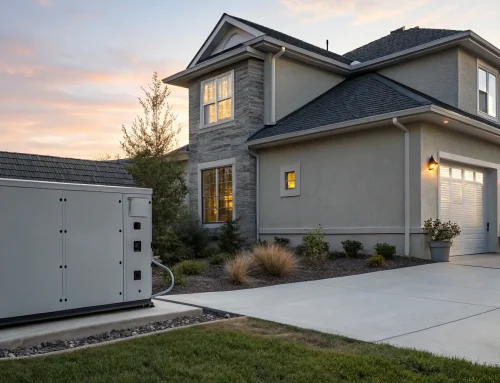
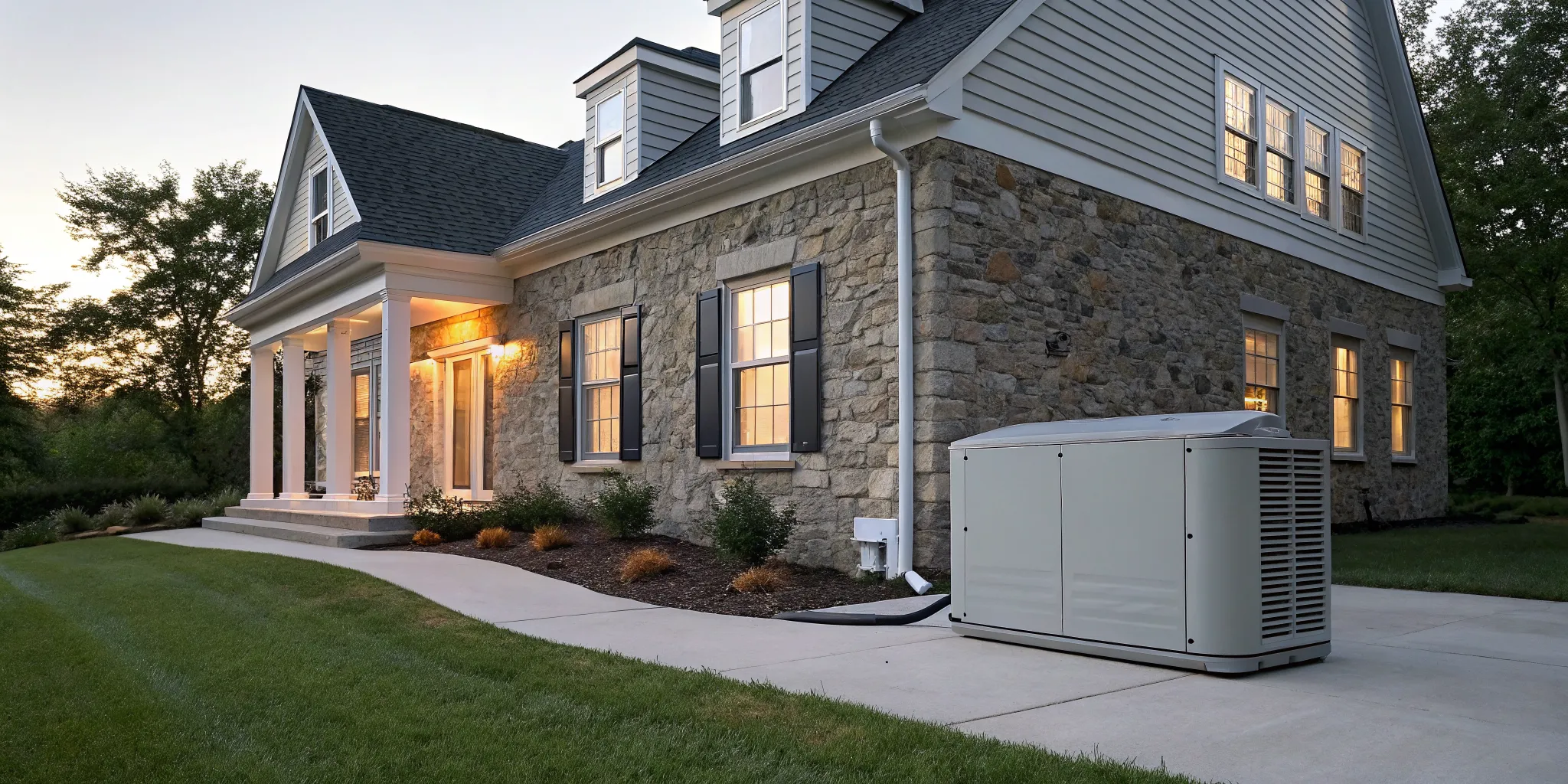
Have you noticed those sleek, quiet boxes popping up in your neighbors’ yards? They’re Generac standby generators, and they’ve become the go-to for local families who value peace of mind. When the power grid fails, these units kick on automatically in just seconds. The power is restored so seamlessly, you might not even notice it went out. This guide explains why your neighbors are making this smart choice. We’ll cover everything you need to know about selecting the perfect standby generator Erdenheim for your home, from proper sizing to our straightforward, professional installation process.
Key Takeaways
- Choose the right generator for your home: Calculate your power needs to decide between powering essential circuits or your entire house, ensuring you select a model that perfectly matches your requirements.
- Insist on professional installation and maintenance: A certified technician guarantees a safe, code-compliant setup that protects your warranty, while annual service ensures your generator is always ready for an outage.
- Partner with a trusted local dealer: Look for a factory-trained installer with strong community recommendations to manage the entire process, from permits to long-term service and support.
Why Choose a Generac Generator for Your Erdenheim Home?
When the power goes out, life doesn’t have to stop. For homeowners in Erdenheim, a reliable backup power source means keeping the lights on, the refrigerator running, and daily routines uninterrupted, no matter the weather. That’s why so many of your neighbors are turning to Generac standby generators. They offer a seamless and powerful solution to power outages, providing peace of mind when you need it most.
Unlike portable generators that require manual setup in often difficult conditions, a standby generator is a permanent, automatic solution. It’s about more than just convenience; it’s about security and ensuring your home remains a safe, comfortable space for your family. Let’s look at why Generac has become the go-to choice for backup power.
Understanding the Impact of Power Outages
Power outages are more than just a minor inconvenience—they can bring your entire household to a halt. One moment everything is fine, and the next you’re left without heating in the winter or air conditioning during a sweltering summer heatwave. Beyond the immediate discomfort, there are practical concerns like a fridge full of spoiling food, a loss of internet for remote work, or even a flooded basement because the sump pump has no power. For families who rely on powered medical equipment, an outage can quickly become a serious safety issue. This is why a dependable backup plan is so critical. A professional standby generator installation ensures that when the grid fails, your home’s essential systems stay online, protecting your family and property without you having to do a thing.
Just How Reliable is a Generac Generator?
When you invest in a generator, you need to know it will work flawlessly the moment an outage occurs. Generac’s reputation is built on that very promise. A Generac standby generator is permanently installed at your home and connected to your existing natural gas or propane line, giving it a constant, reliable fuel source.
The real magic happens automatically. Within seconds of a power disruption, the system detects the outage and kicks on, restoring power to your home without you having to lift a finger. There’s no fumbling for extension cords in the dark or refueling a noisy portable unit in the middle of a storm. It’s a hands-off, dependable solution designed to give you immediate and consistent power for as long as you need it.
Why Your Neighbors Trust Generac
There’s a reason you see so many Generac units in yards throughout Southeastern Pennsylvania. Homeowners value the security and convenience that comes with a permanent backup power system. In a region where storms can be unpredictable, having a plan in place is simply smart. Your neighbors choose Generac because it’s a trusted name that delivers on its promise of reliability.
A residential standby generator installation not only protects your family but also adds value to your property. Potential homebuyers see a standby generator as a significant asset, making your home more attractive on the market. It’s a practical upgrade that provides immediate benefits during an outage and a long-term return on your investment.
How Generac Compares to Other Brands
While Generac is the most recognized name in residential backup power, it’s smart to see how it stacks up against other brands like Kohler and Cummins. Generac often stands out for its affordability, making reliable standby power accessible to more families without compromising on quality. They also offer an extensive range of models, which means it’s easier to find the perfect unit for your specific needs, whether you want to power just the essentials or your entire home. This flexibility is a major reason why so many homeowners find a Generac generator to be the ideal fit for their budget and lifestyle.
Brands like Kohler and Cummins are also known for high-quality engineering, but they can come with a higher price tag and a more limited selection. One key difference can be the maintenance schedule; some competitor models may boast longer intervals between service. However, Generac’s reliability is backed by decades of performance, and its routine upkeep is straightforward. With a proper generator maintenance plan, you can ensure your system provides dependable power for 20 to 30 years, making it a solid, long-term investment in your home’s security and comfort.
What to Look for in a Standby Generator
When you start looking at standby generators, the options can feel a bit overwhelming. But it really comes down to a few key features that determine how well a generator will fit your home and your needs. Thinking through these details beforehand will help you feel confident in your choice and ensure you have reliable power when you need it most. Let’s walk through the most important features to consider.
How to Choose the Right Power Output
The first question to answer is: what do you want to power during an outage? A generator’s power output, measured in kilowatts (kW), determines how many appliances and systems it can handle at once. You might only need to cover the essentials, like your refrigerator, sump pump, and a few lights. Or, you may want a whole-house solution that can run everything, including your central air conditioning and oven, without a hitch. A professional can help you calculate your specific power needs to ensure you get the right size generator. This is a critical step in planning a residential standby generator installation that perfectly matches your home.
Natural Gas vs. Propane: Which Fuel is Best?
Standby generators typically run on either natural gas or liquid propane, and your home’s setup will likely make this an easy choice. If you have a natural gas line, the generator can be connected directly to it for a continuous, uninterrupted fuel supply. You’ll never have to worry about refueling. If your home uses propane for heating or cooking, or if you don’t have access to natural gas, a propane-fueled generator is an excellent alternative. It connects to a large storage tank on your property, which will need to be refilled periodically by a supplier. Both are reliable fuel sources that keep your generator ready to go at a moment’s notice.
What is an Automatic Transfer Switch (and Why You Need One)?
The automatic transfer switch, or ATS, is the component that makes your standby generator so convenient. This smart device is the brain of the system. It constantly monitors the power coming from the utility company. The instant it detects an outage, it safely disconnects your home from the grid and signals the generator to start. Within seconds, your home’s power is restored. Once utility power returns, the ATS switches you back to the grid and shuts the generator down. This seamless, hands-free operation is what makes Generac generators a true set-it-and-forget-it solution for power outages, while also keeping utility line workers safe.
How Loud is a Standby Generator?
Many homeowners worry that a standby generator will sound like a noisy construction site in their backyard. Thankfully, that’s a common misconception. Modern Generac generators are designed with quiet operation in mind. Most models produce a sound level similar to a standard central air conditioning unit, which is a low hum that blends into the background. The engine, enclosure, and even the placement of the unit are all engineered to minimize noise. During a professional installation, your technician will help you choose a location that further reduces sound impact on both you and your neighbors, so your peace and quiet is preserved even when the power is on.
Can it Handle Pennsylvania Weather?
Here in Southeastern Pennsylvania, we get our fair share of wild weather, from heavy snow and ice in the winter to severe thunderstorms in the summer. Your generator needs to be tough enough to handle it all. Generac generators are built for all-season reliability, featuring a sturdy, all-weather enclosure that protects the internal components from rain, snow, and debris. This durable shell prevents corrosion and ensures your generator is ready to perform, no matter what the forecast holds. Regular generator maintenance is key to keeping it in top shape, ensuring it will be there for you through every storm for years to come.
How Do You Choose the Right Size Generator for Your Home?
Picking the right size generator isn’t about choosing the biggest model available; it’s about finding the one that perfectly matches your home’s specific needs. The right size ensures you have reliable power for the things that matter most to you without overpaying for capacity you don’t need. The decision comes down to two key things: how much power your appliances require and what you want to keep running during an outage. Thinking through these factors will help you find a generator that fits your lifestyle and gives you true peace of mind.
Calculate Your Home’s Power Needs
The first step is to figure out your home’s power requirements. Think about all the appliances and systems you can’t live without. This includes essentials like your refrigerator, furnace, sump pump, and well pump, but also medical equipment or home office setups. Each appliance has a specific wattage it needs to run, and some, like your air conditioner, require a much larger surge of power just to start up. While you can find wattage estimates online, a professional assessment is the best way to get an accurate calculation. An expert can perform a load calculation to ensure the Generac generators we recommend can handle your home’s unique demands.
Should You Power the Essentials or the Whole House?
Once you know your power needs, you can decide what you want to keep running when the grid goes down. Do you just want to cover the basics, or do you want life to continue as normal? Powering the essentials usually means keeping your refrigerator cold, your heat or AC running, your sump pump working, and a few lights on. For many homeowners, this is more than enough. Others prefer a whole-home solution that powers every outlet and switch, from the TV to the coffee maker. There’s no wrong answer; it’s about what comfort and security mean to you. A professional residential standby generator installation can be tailored to either approach.
Whole-Home vs. Partial-Home Coverage
The choice between powering essentials or everything leads to two types of setups: partial-home or whole-home coverage. A partial-home generator is wired to a sub-panel that manages only your essential circuits. It’s a practical and efficient way to protect your home’s most critical systems. A whole-home generator, on the other hand, connects to your main electrical panel through a larger automatic transfer switch. This allows it to manage your entire home’s electrical load, so you might not even notice the power is out. The amount of power you need varies based on your home’s size and which areas you want to keep powered, directly influencing the generator model that’s right for you.
Standby Generator Myths, Busted!
When you’re thinking about a big home investment like a generator, it’s easy to get bogged down by misinformation. I hear a lot of the same concerns from homeowners who are on the fence. They worry about noise, upkeep, and whether a generator is even necessary. Let’s clear the air and tackle some of the most common myths I hear about standby generators. Getting the facts straight is the first step toward feeling confident and secure in your decision to protect your home and family from power outages.
Myth: They Require Constant Maintenance
Many people picture a generator as another complicated machine that needs constant tinkering. The reality is that modern standby generators are built to be incredibly reliable and low-maintenance. Unlike older models that needed a lot of attention, today’s units, especially Generac generators, are designed to run a weekly self-test and let you know if something needs attention. For the most part, all they need is a yearly check-up from a professional to keep them in top shape. Think of it like your car’s annual inspection; it’s a simple step to ensure everything works perfectly when you need it most.
Myth: They’re Incredibly Loud
The idea of a generator roaring to life and disturbing the whole neighborhood is a common worry, but it’s largely unfounded. While no generator is completely silent, advancements in technology have made them much quieter than you might think. Many models operate at a volume similar to a central air conditioning unit. Plus, a key part of a professional residential standby generator installation is strategic placement. We work with you to find a location that minimizes noise and disruption, so you can enjoy peace and quiet, even when the power is on.
Myth: You Only Need One for Big Storms
It’s true that a generator is a lifesaver during a major storm, but that’s not the only time you’ll be glad you have one. Power outages happen for all sorts of reasons, from a downed tree limb on a windy day to utility equipment failure or even planned grid maintenance. An outage can happen anytime, without warning. A standby generator provides consistent, reliable power that protects your home from any interruption, not just the big ones. It’s about ensuring your daily life continues smoothly, your food stays fresh, and your home stays comfortable, no matter what’s happening outside.
Myth: A Portable Generator is Just as Good
Portable generators have their place for camping or powering a few tools, but they aren’t a true substitute for a standby unit. A portable generator requires you to manually haul it out, fuel it up, run extension cords, and start it yourself, often in the middle of a storm. A standby generator, on the other hand, is a complete home solution. It’s permanently installed and wired directly into your electrical system. When the power goes out, it turns on automatically within seconds, providing seamless power to your entire home without you lifting a finger. For true peace of mind, nothing beats the automatic protection of a standby generator.
When a Portable Generator Might Be a Good Fit
While a standby generator is the ultimate solution for home backup power, I get that it’s not for everyone. A portable generator can be a great fit in certain situations. They are a more budget-friendly option, and their mobility is a huge plus. You can easily take one with you for a camping trip, to a job site, or even to your next home if you move. During a brief outage, a portable unit can definitely save the day by powering essential appliances like the refrigerator and a few lights. The main trade-off is the manual setup involved, but for temporary power needs, it’s a practical and flexible choice.
Why Professional Installation is a Must
While it might be tempting to tackle home projects yourself, installing a standby generator is one job you should always leave to the professionals. This isn’t like assembling furniture or painting a room; it’s a complex process that involves high-voltage electricity, fuel lines, and local building codes. A professional installation ensures your generator is set up safely, operates reliably, and complies with all regulations.
Think of it as protecting your investment. An improperly installed generator can be a serious safety hazard and may not work correctly when you need it most. Certified technicians handle every detail, from securing the right permits to performing the final system checks. They have the training and tools to connect the generator to your home’s electrical and fuel systems correctly, giving you total peace of mind that your power will be there during an outage.
Meeting Local Codes and Permits in Erdenheim
Before a generator can even be placed on your property, you need the green light from local authorities. Every township, including those in and around Erdenheim, has specific building codes and permit requirements for standby generator installations. These rules are in place to ensure safety and proper land use. A professional installer is familiar with these local regulations and will manage the entire permitting process for you. This means you don’t have to worry about navigating paperwork or wondering if your installation is up to code. Getting it right from the start prevents potential fines and ensures your generator is a safe, legal addition to your home.
Where is the Safest Place to Install Your Generator?
Deciding where to put your generator involves more than just finding a free spot in your yard. The location is critical for both safety and performance. A professional technician will assess your property to find the ideal placement. They consider factors like the distance to your main electrical panel to prevent voltage drops and the proximity to your natural gas or propane line. Most importantly, they follow strict guidelines for clearance from windows, doors, and vents to prevent any risk of carbon monoxide entering your home. Proper site preparation, which often includes pouring a concrete pad, also ensures the unit is stable and level for optimal operation.
Cost-Saving Placement Tips and HOA Rules
Thinking strategically about where your generator goes can have a real impact on your installation budget. The ideal spot is often as close as possible to both your main electrical panel and your fuel source, whether that’s a natural gas meter or a propane tank. This proximity reduces the amount of complex trenching and wiring required, which can lower labor and material costs. However, cost isn’t the only factor. If you live in a community with a Homeowners Association (HOA), you’ll also need to follow their specific rules on placement and appearance. A professional installer helps you find the sweet spot, balancing cost-effective placement with the necessary compliance with both HOA guidelines and all-important local codes to ensure a smooth, hassle-free process.
Why a Safe Electrical Connection is Non-Negotiable
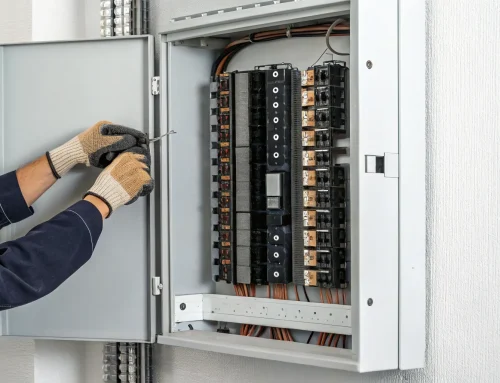
Connecting a standby generator to your home’s electrical system is the most critical and dangerous step of the installation process. This is absolutely not a DIY job. Standby units are wired directly into your home’s electrical panel through an automatic transfer switch. This work must be done by a licensed electrician who understands how to handle high-voltage connections safely. A proper residential standby generator installation includes grounding the unit correctly to protect it from power surges and faults. Professionals ensure every wire is secure and every connection is safe, protecting your home, your family, and your new generator.
Why Clearances and Location Matter
Safety clearances are non-negotiable when it comes to generator installation. Both Generac and local building codes have strict rules about how far the unit must be from your house, property lines, air conditioning units, and any flammable materials. These regulations are designed to prevent fire hazards and ensure the generator has adequate airflow for cooling and ventilation. An experienced installer knows these requirements inside and out. They will find a location on your property that meets every safety standard while still being practical and efficient. This careful planning is essential for the long-term, safe operation of your generator.
What to Expect on Installation Day
Getting a standby generator is an exciting step toward securing your home’s comfort and safety, and the installation day is when it all becomes real. While the process involves expert electrical and plumbing work, your experience should feel anything but complicated. Knowing what to expect can help you feel at ease as our team gets to work. We believe in clear communication and total transparency, so you’ll never be left wondering what’s happening on your property. Our goal is to handle all the technical details with precision and care, allowing you to relax and look forward to the incredible peace of mind that comes with having reliable backup power.
From the moment we arrive, we focus on completing the installation efficiently, safely, and with minimal disruption to your daily routine. Our certified technicians treat your home with respect, ensuring a clean and organized worksite from start to finish. We understand this is a significant addition to your home, and we are committed to making the process a positive one. We’ll walk you through every major step, ensuring you feel informed and confident in the work being done. Here’s a simple breakdown of what your installation day will look like.
Step 1: Your On-Site Assessment
Before we bring out any tools, our installation team will start by walking the property with you. We’ll confirm the predetermined location for the generator, ensuring it meets all local codes and safety clearances. We will also finalize the plan for running the electrical conduit and fuel lines. This is the perfect time to ask any last-minute questions you might have. Think of this as our final check-in to make sure everyone is on the same page. This careful planning ensures the residential standby generator installation goes off without a hitch, tailored perfectly to your home’s layout.
From Consultation to Completion: The Full Timeline
Thinking about the entire process, from your first call to the final handshake, can make everything feel much clearer. It all starts with a simple conversation to understand your needs, followed by an on-site visit where we’ll walk your property with you to find the perfect spot and calculate your exact power requirements. After that, you can relax while we manage all the local permits and paperwork. On installation day, our certified technicians will handle everything—preparing the site, setting the generator, and making the crucial electrical and fuel connections. The process wraps up with a full system test and a personal walkthrough to ensure you’re comfortable with your new system. Our goal is to make the entire professional installation straightforward and stress-free, leaving you with nothing but peace of mind.
Step 2: How the Installation Works
Once the plan is confirmed, our team gets to work. This phase involves several key tasks performed by our skilled technicians. First, we’ll prepare the site and set the generator on a composite pad for stability. Next, our licensed electricians will install the automatic transfer switch (ATS) next to your main electrical panel. This is the device that tells your generator to turn on when the power goes out. We then carefully run the electrical wiring and connect the fuel line from your natural gas or propane source to the generator. Every connection is made with precision to ensure a safe and reliable system for years to come.
Step 3: Your Final Test and Walkthrough
After the physical installation is complete, we don’t just pack up and leave. We conduct a thorough series of tests, including a full simulation of a power outage. This allows us to verify that the generator starts automatically, the transfer switch works seamlessly, and your home is receiving power correctly. Once everything is running perfectly, we’ll walk you through the entire system. We’ll show you how it operates, explain the control panel, and answer any questions. We’ll also provide you with information on the recommended Generac maintenance schedule to keep your generator in top condition.
Which Generac Model is Right for You?
Choosing a generator isn’t a one-size-fits-all decision. Generac offers a variety of models because every home and family has different needs. Thinking about your specific situation will help you find the perfect match. It’s not just about getting the power back on; it’s about finding a solution that fits your home, your budget, and your peace of mind. Let’s walk through the key differences in features, warranties, and long-term costs so you can feel confident in your choice.
Essential vs. Premium Features
All Generac generators are built to be reliable, but different models come with different bells and whistles. Essential features you’ll find on most models include a durable, all-weather enclosure to protect the unit from Pennsylvania’s changing seasons and an automatic transfer switch that brings the power on within seconds of an outage.
Premium models offer added convenience and performance. A popular upgrade is Mobile Link™ Wi-Fi monitoring, which lets you check your generator’s status from your phone or tablet, no matter where you are. Other premium features can include quieter operation modes, which your family and neighbors will appreciate, and more advanced control panels that provide detailed performance information. Deciding between essential and premium really comes down to your lifestyle and how much hands-off convenience you’re looking for.
Remote Monitoring Capabilities
One of the most convenient features of modern standby generators is the ability to keep an eye on them from anywhere. Generac’s Mobile Link™ Wi-Fi monitoring lets you check your generator’s status right from your smartphone or tablet, whether you’re at work, on vacation, or just running errands. This technology gives you incredible peace of mind, sending you real-time updates and alerts about your generator’s operational status or if it needs maintenance. You’ll always know that your home is protected, without having to go outside and check on the unit yourself. It’s another way that Generac generators are designed to be a truly hands-off solution for home backup power.
What to Look for in a Warranty
A standby generator is a significant addition to your home, and a strong warranty protects that investment. When you’re comparing models, look closely at the warranty details. Generac typically offers comprehensive limited warranties, but the length can vary. A 5-year warranty is standard for many models, while premium units may come with a 7 or 10-year plan.
Pay attention to what the warranty covers, such as parts, labor, and travel for service calls. A great warranty shows that the manufacturer stands behind its product. It’s also important to remember that the warranty is usually contingent on proper installation. Working with a certified dealer for your residential standby generator installation ensures everything is set up correctly and your coverage remains intact from day one.
What’s the Long-Term Cost of a Standby Generator?
The sticker price is just the beginning of the story. To understand the true value of a generator, you need to consider its long-term operating costs. This includes fuel consumption and routine upkeep. Some models are designed for greater fuel efficiency, which can lead to significant savings over the life of the generator, especially if you live in an area with frequent power outages.
Regular service is the best way to keep your generator running efficiently and reliably for years to come. Just like your car, your generator needs periodic check-ups to perform at its best. A planned Generac maintenance schedule helps prevent unexpected issues, extends the unit’s lifespan, and ensures it’s always ready for the next storm. Investing a little in maintenance now saves you from bigger headaches later.
Understanding Installation and Unit Costs
The cost of a standby generator is a key factor for any homeowner, and it’s helpful to understand what goes into the final price. The total investment includes both the generator unit itself and the professional installation. The final cost can vary based on several factors, including the size of the generator you choose, the complexity of the electrical work required, and the specifics of connecting it to your home’s fuel source. A larger, whole-home unit will naturally have a different price point than a smaller model designed to power just the essentials. A quality professional installation ensures every one of these variables is handled safely and correctly, giving you a reliable system that’s built to last.
Keeping Your Generator Ready: A Maintenance Checklist
Think of your standby generator like your car. You wouldn’t drive it for years without an oil change or a check-up, right? The same principle applies here. Your generator is a powerful, complex piece of equipment that needs consistent care to be ready the moment you need it. While Generac generators are built for durability, a little proactive attention goes a long way in ensuring it runs smoothly for years to come, protecting your family and your home from the disruption of a power outage.
Regular maintenance is the key to reliability and a long lifespan for your unit. Most of the time, your generator sits quietly, waiting for an outage. But during that downtime, it’s important to make sure everything is in perfect working order. Following a simple checklist helps you stay on top of its needs, preventing small issues from becoming big problems during a storm. This isn’t just about protecting a piece of equipment; it’s about investing in your peace of mind. Knowing that when the lights go out, your power will stay on without a hitch is an invaluable feeling. A well-maintained generator is a promise of comfort, safety, and normalcy, no matter what the weather brings.
Your Regular Service Schedule
The best way to keep your generator in top shape is to follow a consistent service schedule. Your Generac unit helps by running a weekly self-test to make sure its engine and electrical systems are ready to go. You’ll hear it kick on for a few minutes, which is a great sign that it’s functioning. However, this self-test doesn’t replace a hands-on inspection. A proactive Generac maintenance plan is the best way to protect your investment. We recommend a professional service check at least once a year to inspect the battery, change the oil and filters, and ensure all connections are secure. This professional tune-up keeps your warranty valid and guarantees reliability.
Preparing Your Generator for Each Season
Pennsylvania weather can be unpredictable, so seasonal prep is a must. Before summer thunderstorms or winter snowfalls, take a walk around your generator. Make sure the area is clear of any leaves, branches, dirt, or debris that could block airflow. In the winter, it’s especially important to keep it clear of snow and ice buildup. You want the unit to have plenty of breathing room to operate safely and efficiently during an outage. Also, take a moment to check your fuel source. If you have a propane tank, ensure it has an adequate supply to get you through a prolonged outage. Planning ahead makes all the difference.
When to Call a Pro vs. What You Can Do Yourself
As a homeowner, your main job is to keep the generator clean, clear of obstructions, and to monitor its weekly self-tests. If you ever see a warning light or notice it sounds different during its test run, that’s your cue to get professional help. You should never attempt to handle complex fuel lines or electrical wiring yourself. For anything beyond a basic visual inspection, it’s always safest to call an expert. If you suspect an issue or it’s simply time for your annual check-up, our team can provide the Generac service and repair needed to ensure a safe, code-compliant, and reliable setup.
Operating Your Generator Safely and Efficiently
Your standby generator is designed to be a hands-off solution, but understanding a few key operational principles can help you get the most out of your investment. Just like proper maintenance, running your generator efficiently ensures it will have a long, reliable life. It’s not about becoming a generator expert overnight; it’s about knowing the simple best practices that keep your unit healthy. Following these guidelines helps prevent unnecessary strain on the engine and ensures your generator is always ready to deliver stable, consistent power when you need it most, protecting both the generator itself and the appliances inside your home.
The 80% Rule for Continuous Use
A good rule of thumb for any generator is to avoid running it at its maximum capacity for long periods. This is often called the “80% rule,” which suggests that for continuous use, a generator should ideally operate at no more than 80% of its rated power. Think of it like driving your car; you wouldn’t keep the engine redlining for hours on end. Pushing a generator to its absolute limit constantly can cause extra wear and tear, potentially affecting its longevity and fuel efficiency. This is another reason why professional sizing is so important during a residential standby generator installation. We make sure you have a unit with enough power to handle your needs comfortably, without having to overwork itself during an extended outage.
Avoiding “Wet Stacking” in Diesel Generators
While most home standby generators run on natural gas or propane, some commercial units use diesel fuel, which comes with its own unique operational guideline. Running a diesel generator under a very light load (less than 30% of its capacity) for a long time can lead to a condition called “wet stacking.” This happens when the engine doesn’t get hot enough to burn all the fuel completely, causing unburned fuel and soot to build up in the exhaust system. Over time, this can reduce performance and damage the engine. For businesses relying on commercial generator installation, ensuring the unit is properly sized and loaded is key to preventing this and maintaining the equipment’s health and reliability.
How to Find a Trusted Generator Installer in Erdenheim
Choosing the right standby generator is a big decision, but finding the right person to install it is just as important. A proper installation is the key to making sure your generator runs safely and reliably when you need it most, giving you true peace of mind during a power outage. Since installing a standby generator is a significant investment in your home’s security, it’s worth taking the time to find a qualified, trustworthy professional. The right installer will do more than just connect the equipment. They will act as your guide, helping you select the perfect model for your home, handling all the necessary permits, and making sure you feel comfortable operating your new system.
A great local installer will also be familiar with Erdenheim’s specific codes and requirements, which prevents headaches down the road. This isn’t a project for a general handyman; it requires specialized electrical and plumbing knowledge to ensure everything is connected safely. By following a few simple steps, you can connect with an expert who will get the job done right from the start and be a reliable partner for future service. Let’s walk through how to find a local professional you can count on.
Ask Your Neighbors for Recommendations
One of the best ways to find a great local service provider is to simply ask around. Your neighbors in Erdenheim have likely already done the research and can offer honest feedback based on their own experiences. They can tell you who they hired, what the process was like, and how their generator has performed since. Word-of-mouth referrals are powerful because they come from a trusted source. When you chat with them, ask specific questions: Was the installer professional? Did they finish the job on time and on budget? Did they clean up afterward? This is also a great opportunity to bust some common myths about home generators and get a realistic picture of what to expect.
Check Online Reviews and Credentials
After gathering a few names, your next step is to do some online research. Look up potential installers on sites like Google and the Better Business Bureau to see what other customers are saying. While a perfect record is rare, you should look for a consistent pattern of positive feedback regarding communication, quality of work, and customer service. Beyond reviews, verify that the installer is licensed and insured to work in Pennsylvania. This protects you from liability. A reputable installer should also be well-versed in local building codes and permit requirements, and they should handle the entire permitting process for you. This is a key sign of a professional who knows your service area and is committed to a safe, compliant installation.
Why a Certified Dealer Matters
When you’re investing in a specific brand like Generac, it’s smart to work with a certified dealer. These installers have been factory-trained directly by the manufacturer, so they have expert knowledge of the equipment. Professional installation is the safest and most reliable option, and a certified technician ensures every step, from placement to proper electrical grounding, is done to exact specifications. Working with a certified dealer also protects your investment, as a proper installation is often required to keep your manufacturer’s warranty valid. These experts can offer comprehensive services, including ongoing Generac maintenance and repairs, creating a long-term relationship you can depend on. You’re not just hiring an installer; you’re partnering with a specialist.
Your Local Erdenheim Generac Experts
Choosing the right installer is just as important as choosing the right generator. You need a team that understands the specific needs of Erdenheim homes, from local regulations to our unique weather patterns. At M.T. Ruhl, we’re not just a company; we’re your neighbors. For over 25 years, we’ve been dedicated to providing reliable power solutions and exceptional service to families across Southeastern Pennsylvania. We combine the quality of Generac products with the care and attention only a local expert can provide, ensuring your home is protected for years to come.
M.T. Ruhl: Your Neighbor in Southeastern PA
When you work with us, you’re partnering with a team that lives and works right here in your community. We proudly serve homes and businesses throughout Montgomery, Bucks, Chester, and Delaware counties. This local focus means we have a deep understanding of the area and can provide personalized service tailored to your property. We know what it takes to keep your power on, and we’re committed to being the trusted, familiar faces you can rely on. You can see all the communities we support in our service areas.
Count on Us for Ongoing Support and Service
Our relationship doesn’t end after installation day. We believe in providing comprehensive, long-term support to keep your generator running perfectly. Our team of factory-certified experts handles every detail, from securing the necessary permits to performing routine check-ups. We offer complete Generac maintenance plans designed to ensure your system is always ready for an outage. When you choose M.T. Ruhl, you’re choosing a partner dedicated to the lasting reliability and performance of your generator.
Common Repairs, Including Transfer Switch Service
Even the most dependable equipment needs a little help now and then. Over time, components like the battery can lose their charge, or filters can get clogged. These are the most frequent issues we see, and they are usually a quick fix during a routine service call. Just like your car, your generator has moving parts that work hard during an outage, and occasional adjustments or replacements are a normal part of keeping it in peak condition. Staying on top of these small things is the best way to prevent a bigger problem when a storm hits.
One of the most critical parts of your system is the automatic transfer switch (ATS). This is the smart device that detects a power outage and tells your generator to start. If the ATS isn’t working correctly, your generator might not kick on when you need it most. Because it’s so vital to the seamless operation of your generator, any issues with the transfer switch require professional attention. Our certified technicians have the expertise to diagnose and perform the necessary Generac service and repair, ensuring the brain of your system is always ready to respond.
Flexible Financing to Fit Your Budget
We understand that a standby generator is a significant investment in your home’s safety and comfort. To make this essential upgrade more accessible for Erdenheim homeowners, we offer a range of Generac financing options. Our goal is to help you find a plan that fits your budget, so you don’t have to wait to get the peace of mind you deserve. We can walk you through the application process to find a solution that works for your family, making reliable backup power an achievable reality.
Example Financing Options
To make the process of securing your home’s power as smooth as possible, Generac offers several flexible payment plans through partners like Synchrony Bank. These options are designed to fit different budgets, so you can choose what works best for you. For example, many homeowners are drawn to promotional offers like 0% interest if the balance is paid in full within 18 months. This is a great choice if you plan to pay off the generator relatively quickly. Alternatively, for those who prefer a lower, predictable monthly payment spread out over a longer period, there are plans with fixed rates, such as a 9.99% APR for up to 132 months. Exploring these financing options can make an immediate installation much more manageable.
Related Articles
- Top 5 24kW Generac Generator Benefits for 2026
- Getting a Whole House Generator in SEPA: 8 Key Benefits | M.T. Ruhl
- Find the Best Generac Dealer in Montgomery County
- Generator Installation Chester County: A Complete Guide
- 7 Benefits of Automatic Backup Power for Your Home
Frequently Asked Questions
How long can I expect a Generac generator to last? This is a great question because a generator is a real investment in your home. With proper, consistent maintenance, a quality standby generator like a Generac can easily last 20 to 30 years. Think of it like any major home appliance; regular professional service is the key to ensuring it runs reliably for decades, ready for any storm that comes your way.
Will my power be shut off for the entire installation day? Not at all. While the installation process does take several hours, your home’s main power will only need to be turned off for a short period. This typically happens when the electrician is safely connecting the automatic transfer switch to your main electrical panel. The team will always communicate with you beforehand so you know exactly when to expect the brief outage.
How do I figure out the right size generator without getting overwhelmed? The best way to determine the right size is to think about what you absolutely can’t live without during an outage. Do you need to power medical equipment, a home office, and your central air, or just the refrigerator and a few lights? A professional can perform a load calculation to get a precise measurement, but starting with your personal “must-have” list is the perfect first step to finding a generator that fits your needs without overspending.
Can a standby generator actually run my central air conditioning? Yes, absolutely. This is one of the biggest advantages of a whole-home standby generator. Central air conditioners require a large surge of power to start up, and many Generac models are specifically designed to handle that demand. During your consultation, we can make sure the generator size we recommend is perfectly matched to power your AC, keeping your home comfortable during a summer outage.
How often does my generator need professional maintenance? For most homeowners, a professional service visit once a year is all you need to keep your generator in perfect condition. During this visit, a technician will change the oil, replace filters, check the battery, and run diagnostics. This annual check-up ensures your generator is always ready to perform and helps keep your warranty valid.