
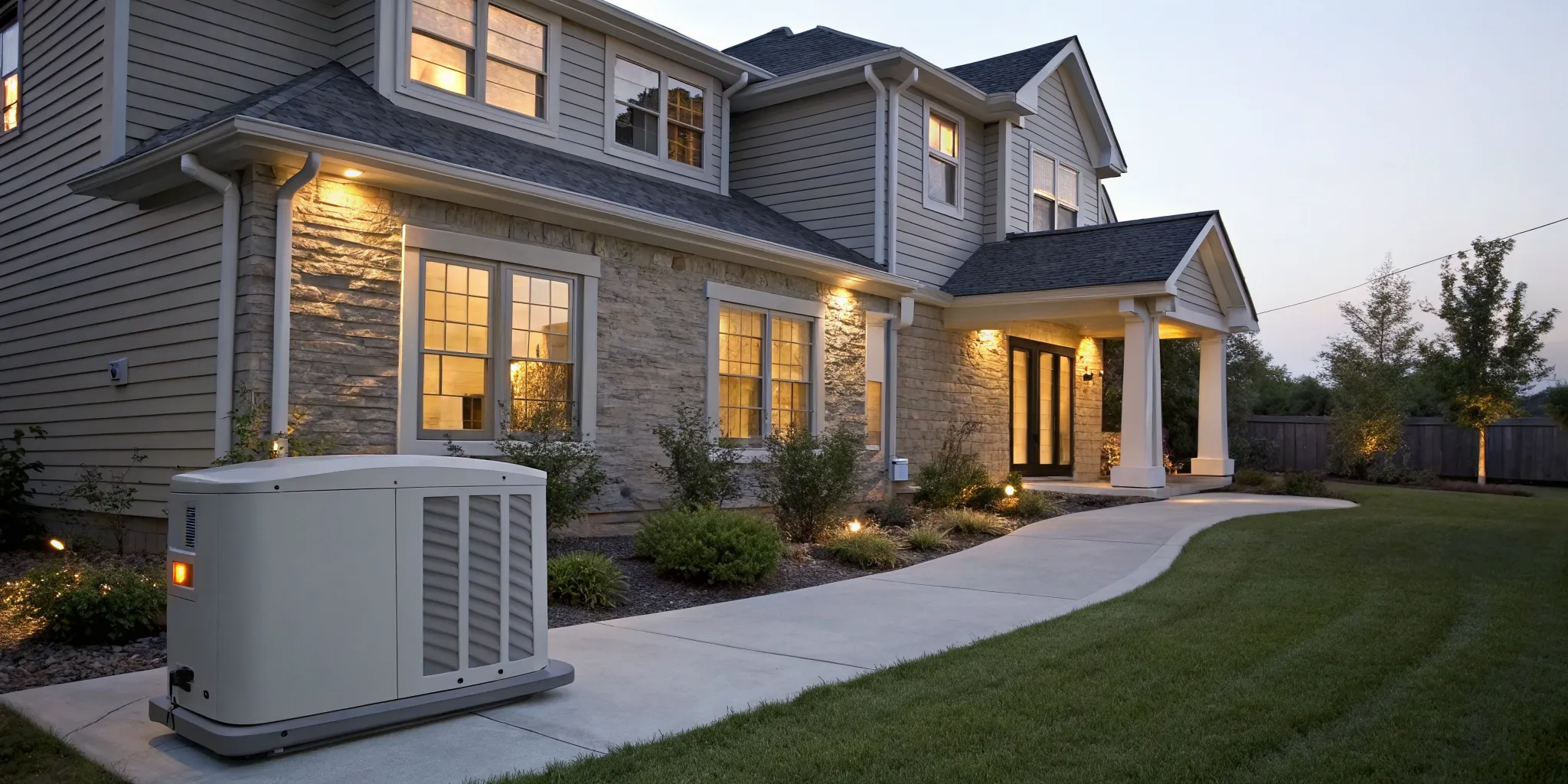
Wondering how long can a whole house generator run continuously? The simple answer is, it depends. It’s a lot like asking how far your car can go on a full tank of gas—the answer changes with the size of the tank and how you drive. For your generator, the runtime is determined by its fuel source (like a continuous natural gas line or a large propane tank), the number of appliances you’re powering, and the overall health of the machine. This guide breaks down these factors so you know exactly what to expect when the power goes out.
Key Takeaways
- Your fuel source determines runtime: Natural gas provides a continuous fuel supply that can power your home for weeks, while propane generators are limited by the size of your storage tank, making tank selection a crucial decision.
- Consistent maintenance is essential for endurance: To keep your generator running reliably through a long outage, you must perform key tasks like changing the oil every 50 hours of use and running monthly tests to confirm it’s always ready.
- Proper sizing prevents system strain: Choosing the right generator size is about efficiency, not just power. Calculate your home’s essential electrical needs first to ensure your generator can handle the load without being overworked or wasting fuel.
How Long Can a Whole House Generator Run Continuously?
When you’re considering a whole home generator, one of the first questions that comes to mind is, “How long will it actually keep my lights on?” It’s a great question, and the answer gives you a real sense of the security you’re buying. The short answer is that a standby generator can run for a very long time, often for days or even weeks, as long as it has a continuous fuel supply and receives proper care.
Unlike a portable generator that needs frequent refueling, a whole home generator is a more permanent and powerful solution. Its runtime isn’t limited by a small gas tank but by factors like its fuel source (natural gas or propane), the electrical load you place on it, and its maintenance schedule. Let’s break down what you can expect from your generator during an extended outage and how to keep it running safely.
How Runtimes Vary by Generator Type
Most modern Generac generators are built for endurance. These units are designed to run continuously for many hours, typically from 24 to 72 hours at a time, depending on the model and the load. For the total life of the unit, you can expect a quality residential backup generator to provide up to 3,000 hours of power. This isn’t just a temporary fix; it’s a long-term solution designed to handle significant blackouts, keeping your home comfortable and secure for the duration. This impressive runtime ensures that you can get through multi-day storms or grid failures without interruption.
What’s a Safe Continuous Runtime?
While a generator can run for days, it’s not always best to push it to its absolute limit without any breaks. Think of it like a car on a long road trip; it needs occasional checks to keep performing well. As a general rule, it’s wise not to run your generator for more than 500 hours continuously without a brief shutdown for inspection and maintenance. For most homeowners, this is more than enough to handle even the most severe power outages. Following these guidelines helps ensure your generator will be ready to serve you for its full 3,000-hour lifespan, providing reliable power whenever you need it.
Understanding the 80% Rule for Longevity
When we talk about getting the most out of your generator for years to come, there’s a simple guideline we always recommend: the 80% rule. This principle suggests that you should consistently run your generator at or below 80% of its total power capacity. This isn’t about limiting its potential; it’s about protecting your investment. Pushing any engine to its maximum limit for extended periods causes significant stress and wear. By giving your generator some breathing room, you prevent the engine from overworking, which is one of the best ways to ensure it runs smoothly and reliably for its entire lifespan, especially during a long outage.
Following this rule does more than just prevent engine strain; it also creates a crucial safety buffer for your home’s electrical system. Many of your large appliances, like an air conditioner or a refrigerator, require a large surge of power just to start up. Operating below 80% capacity means your generator can easily handle these sudden spikes without faltering or risking damage to your sensitive electronics. It’s a proactive approach that ensures consistent, clean power. Proper generator installation includes sizing the unit correctly from the start, so you can comfortably follow this rule without sacrificing power to your essential circuits.
The 80% rule is a best practice for operation during an outage, and it goes hand-in-hand with a solid maintenance routine. While your generator is built for endurance, it still needs consistent care to perform at its best. As mentioned, it’s wise not to exceed 500 hours of continuous use without a brief shutdown for an inspection. This isn’t just about fuel; it’s about checking oil levels and ensuring all components are functioning correctly. By combining smart usage with regular, professional generator maintenance, you’re not just preparing for the next outage—you’re ensuring your generator will be a dependable power source for many years.
Safety Tips for Long Runtimes
Keeping your generator running smoothly during a long outage involves a few key safety checks. The most important task is to monitor the oil level. Just like your car’s engine, a generator needs proper lubrication to prevent damage. During continuous operation, it’s critical to have the oil changed about every 50 hours, which is roughly every two days. You should also avoid overloading your generator by trying to run more appliances than it was designed to handle. This can shorten its life and create an unsafe situation. If you ever have concerns during an extended outage, it’s always best to call for professional generator service and repair.
Should You Run Your Generator Overnight?
This is a question I hear a lot, and it’s an important one. When it comes to a professionally installed standby generator, the answer is absolutely yes. That’s exactly what they are designed to do. A standby generator is fundamentally different from a portable one, which carries serious risks like carbon monoxide poisoning and should never be left running unattended overnight. Your standby unit, on the other hand, is installed in a fixed, safe location outdoors. It automatically provides seamless power, keeping your home secure whether you’re awake or asleep. The peace of mind that comes from knowing your heat, refrigerator, and other essential appliances will run without interruption is the core benefit of a residential standby generator installation. You can sleep soundly through an outage, confident that your home is protected.
Critical Safety Rules for Continuous Generator Use
While knowing your generator can handle a long outage is reassuring, operating it safely is what truly matters. During a stressful power outage, it’s easy to overlook basic precautions, but these rules are non-negotiable for protecting your family and your home. A generator is a powerful piece of machinery that combines fuel, combustion, and electricity in one place. Understanding the potential hazards and how to prevent them is the most important part of owning a generator. Following these critical safety guidelines will ensure your power stays on and everyone stays safe, no matter how long the outage lasts.
Preventing Carbon Monoxide (CO) Poisoning
The single most significant danger associated with any generator is carbon monoxide (CO), an invisible, odorless gas produced by the engine’s exhaust. Because you can’t see or smell it, CO can build up to deadly levels in enclosed or poorly ventilated spaces without anyone realizing it. Symptoms of CO poisoning often mimic the flu, including headaches, dizziness, and nausea, which can lead people to dismiss the initial warning signs. This is why proper generator placement and having reliable detection methods in place are absolutely essential. Taking CO seriously is the first and most important step in safe generator operation.
Proper Generator Placement
Your generator must always be operated outdoors in a well-ventilated area, far away from windows, doors, and vents that could allow fumes to enter your home. The exhaust contains high levels of carbon monoxide, which can be fatal if it accumulates indoors. For standby units, a key part of the residential standby generator installation process is determining the safest location that meets all local codes and manufacturer requirements. This ensures the unit is a safe distance from your home and that the exhaust is directed away from any living spaces, keeping your family protected from harmful fumes.
The Importance of CO Detectors
Even with perfect generator placement, having working carbon monoxide detectors inside your home is a critical layer of defense. Think of them as your silent sentinels. These devices are designed to sound an alarm long before CO levels become life-threatening, giving you and your family time to get to fresh air. You should have CO detectors on every level of your home, especially near sleeping areas. Be sure to test them regularly and replace the batteries according to the manufacturer’s instructions to ensure they are always ready to protect you.
Avoiding Fire Hazards
Generators get extremely hot during operation, and their fuel sources are, by nature, flammable. This combination creates a potential fire risk that you must manage carefully. The engine and exhaust components can reach temperatures high enough to ignite combustible materials or spilled fuel. It’s crucial to keep the area around your generator clear of anything that could catch fire, such as dry leaves, tall grass, or stored items. Maintaining this clear zone and handling fuel with care are fundamental practices for preventing a fire and ensuring your generator operates safely through any power outage.
Refueling Safely
This is a major safety advantage of standby generators over portable ones. Portable units require manual refueling, which involves handling flammable liquids near a hot engine—a clear fire hazard. You must always turn a portable generator off and let it cool down completely before adding more fuel. However, a professionally installed Generac standby generator is connected directly to your home’s natural gas line or a large propane tank. This automated system eliminates the need for manual refueling, removing one of the most common risks associated with generator use and providing safer, more convenient operation.
The Dangers of Backfeeding
Backfeeding is an extremely dangerous situation that occurs when a generator is connected improperly to a home’s electrical system. If you plug a generator directly into a standard wall outlet, the electrical current can travel backward through the utility lines. This energizes the wires that utility workers believe are dead, creating a deadly electrocution risk for anyone working to restore your power. Backfeeding is illegal and can also cause catastrophic damage to your home’s electrical system and the generator itself. It is a hazard that is entirely preventable with proper installation.
Why You Need a Professional Transfer Switch Installation
The only safe way to connect a generator to your home is with a transfer switch. This device completely isolates your home from the utility grid before it allows the generator to provide power. When the power goes out, the transfer switch disconnects your home from the main power lines and connects it to the generator. When utility power is restored, it switches you back. This process makes backfeeding impossible. A licensed electrician must perform this installation to ensure it’s done correctly and safely, which is a core part of our residential electrical services.
Never Run a Generator Indoors
This rule cannot be overstated: never, under any circumstances, run a generator inside your home, garage, basement, crawlspace, or any other enclosed or partially enclosed area. It doesn’t matter if you open windows or doors; ventilation in these spaces is never sufficient to prevent a deadly buildup of carbon monoxide. People have died from running generators in their garages for just a few minutes. The only safe place for a generator is outdoors, where the exhaust fumes can dissipate harmlessly into the open air, far away from any structures.
Understanding Ventilation Requirements
Proper ventilation means more than just a little airflow; it requires an open, outdoor space where exhaust gases cannot become trapped or concentrated. Standby generators are designed specifically for permanent outdoor installation, ensuring they always have the ventilation they need to operate safely. This design is one of the main reasons they are a secure and reliable solution for long-term power outages. By keeping the unit outside, you eliminate the risk of carbon monoxide poisoning inside your home and ensure the machine can cool itself effectively, protecting both your family and your investment.
What Factors Affect Your Generator’s Runtime?
When a power outage hits, the biggest question on your mind is likely, “How long will my generator keep the lights on?” The answer isn’t a single number; it’s a combination of a few key factors working together. Think of it like a car’s fuel efficiency. Your mileage depends on the size of your gas tank, the engine’s condition, and how you drive. Similarly, your generator’s runtime is influenced by its fuel source, its size relative to your home’s needs, the weather conditions, and how well you’ve kept up with its maintenance. Understanding these elements helps you get the most reliable performance from your generator when you need it most.
How Fuel Type Dictates Runtime
The most critical factor for your generator’s runtime is its fuel. At its core, a generator will keep running as long as it has a steady supply of fuel and is in good working order. If your generator is connected to your home’s natural gas line, it has a continuous fuel source. This means it could potentially run for weeks without interruption, as long as the utility’s gas supply is unaffected. For generators that run on liquid propane, the runtime is limited by the size of your storage tank. A larger tank will naturally provide power for a longer duration before a refill is needed.
Why Generator Size Matters for Runtime
The size of your generator, measured in kilowatts (kW), and the amount of electricity you use directly impact how long it can run. A generator that is properly sized for your home can handle your essential appliances without being overworked. If you run more high-power appliances simultaneously, like your air conditioner, electric range, and water heater, your generator will consume fuel more quickly. Choosing the right Generac generator for your specific needs ensures it operates efficiently, providing stable power for a longer period during an outage. It’s all about finding the right balance between power output and fuel consumption.
How Weather Affects Performance
The very conditions that cause a power outage can also affect your generator’s performance. Extreme weather, whether it’s a blizzard, a heatwave, or a severe thunderstorm, can put extra stress on the system. For example, heavy snow or ice can block the unit’s air intakes, which are essential for proper operation. Severe cold can sometimes make it harder for the engine to start, though Generac generators are built to withstand harsh conditions. It’s important to keep the area around your generator clear of debris, snow, and flooding to ensure it can run smoothly and safely, no matter what the weather throws at you.
How Maintenance Extends Your Runtime
A well-maintained generator is a reliable generator. Just like your car, your generator needs regular check-ups to perform at its best, especially during long outages. During continuous use, the oil should be checked and changed regularly, typically after about every 50 hours of runtime. Keeping the air filter clean and ensuring the battery is charged are also vital for uninterrupted performance. Consistent, professional generator maintenance is the best way to make sure your unit is ready to run efficiently for as long as you need it, giving you true peace of mind.
How Your Fuel Source Affects Runtime
When you’re thinking about how long your generator will keep the lights on, the fuel source is the biggest piece of the puzzle. The type of fuel your generator uses directly impacts its continuous runtime, from a few days to several weeks. Let’s break down the three main options: natural gas, propane, and diesel. Understanding what to expect from each will help you decide which one is the best fit for your home or business. Each has its own benefits when it comes to keeping your power on during an outage.
Natural Gas: The Advantage of a Continuous Supply
Natural gas generators are a popular choice for homeowners because they tap directly into your home’s existing utility line. This setup provides a constant, uninterrupted fuel supply. As long as the municipal gas service is running, your generator can run, potentially for weeks on end. You won’t have to worry about scheduling fuel deliveries or checking tank levels during a prolonged outage. This makes it a reliable, set-it-and-forget-it solution for keeping your home powered. A professional residential standby generator installation ensures everything is connected safely and correctly from the start.
Potential Limitations During Major Disasters
While a natural gas generator offers incredible peace of mind with its continuous fuel supply, it’s important to understand its limitations during a widespread disaster. The system’s greatest strength—its connection to the utility line—can also be a vulnerability. In the rare event of a catastrophic incident that damages the municipal gas infrastructure, your generator’s fuel supply could be interrupted. Additionally, the extreme weather that causes a major outage, like a hurricane or blizzard, can physically impact the unit itself. Debris, flooding, or heavy snow can block essential air intakes, putting extra strain on the system when it’s working its hardest to keep your home powered.
During a prolonged outage that lasts for several days, maintenance becomes a critical factor. To keep the engine healthy, the oil typically needs to be checked and changed after every 50 hours of continuous use. It’s also crucial to manage your home’s electrical load carefully. Trying to run too many high-power appliances at once can overload the system, potentially causing it to shut down or sustain damage. Being mindful of these factors ensures your generator remains a reliable lifeline. If you ever feel unsure about its performance during an extended run, it’s always safest to call for professional generator service and repair to diagnose the issue.
Propane: Why Tank Size Matters
If your home uses propane or doesn’t have access to a natural gas line, a propane generator is an excellent alternative. These units are powered by a dedicated propane tank installed on your property. The key factor for runtime here is the size of your tank. A standard-sized tank can often power a home for up to two weeks before needing a refill. When planning your installation, it’s important to consider how long you want to be covered during an extended outage. We can help you select the right tank size from various Generac generators to match your family’s power needs and give you peace of mind.
Example Runtimes for Propane Tanks
To give you a clearer picture, let’s look at some common tank sizes. A 500-gallon propane tank, a popular choice for many homes, can typically power a generator for about a week, sometimes a bit longer, depending on how much electricity you’re using. If you upgrade to a 1,000-gallon tank, you could potentially double that runtime, giving you two weeks or more of uninterrupted power. Of course, these are just estimates. The actual runtime depends on the load your generator is handling—running your AC will use more fuel than just keeping the lights and refrigerator on. The key is to match your tank size to your needs during the installation process to ensure you have the right amount of backup power.
Diesel: How Fuel Storage Limits Runtime
Diesel generators are powerhouses, often favored for commercial applications or larger properties with high energy demands. Similar to propane models, their runtime is determined by the amount of fuel you have stored on-site. With a large enough tank, a diesel generator can run for an incredibly long time. For example, a 1,000-gallon tank could potentially power a system for months. However, this requires managing your fuel supply and ensuring it stays fresh. For businesses that can’t afford any downtime, a commercial generator installation using diesel can be a very dependable solution.
Example Runtimes for Diesel Tanks
To make this more concrete, let’s look at some common tank sizes and their potential runtimes. A 250-gallon diesel tank, for instance, could power a typical commercial system for nearly a week of continuous operation. If you go up to a 500-gallon tank, you’re looking at roughly two weeks of uninterrupted power, which is more than enough to handle most extended grid failures. For businesses where any downtime is costly, a 1,000-gallon tank can provide power for close to a month. Of course, these are estimates, as the actual runtime always depends on your specific electrical load. A professional can help you plan a commercial installation that ensures you have the right tank size to meet your operational needs.
A Simple Maintenance Checklist for Longer Runtimes
Your generator is a powerful machine, but it’s not a “set it and forget it” appliance. Just like your car, it needs regular attention to perform its best, especially when you need it most. Consistent, proper Generac maintenance is the single best way to ensure your generator runs efficiently for as long as possible during an outage. It helps prevent unexpected breakdowns and extends the life of your investment, giving you true peace of mind.
When to Change the Oil During a Long Outage
If you’re facing a prolonged power outage, your generator’s engine is working overtime. The most important task during this time is to check the oil level frequently. Clean oil keeps the engine lubricated and cool, preventing damage from heat and friction. As a rule of thumb, you should plan to change the oil after every 50 hours of continuous use, which is about every two days. Keeping up with oil changes is critical for getting through an extended outage without a hitch.
The Daily Oil Check
During a long outage, it’s a good habit to perform a quick daily check on your generator. Think of it as a wellness check for the machine that’s keeping your home running. The most important part of this routine is checking the oil level. Just like in your car, the oil in your generator’s engine is essential for lubrication and preventing overheating. A quick look at the dipstick can tell you if the level is where it should be. This simple step, which takes only a minute, can help you catch potential issues before they become serious problems, ensuring your generator is ready to handle another day of continuous operation without any surprises.
Understanding Oil Change Intervals
While daily checks are for monitoring, oil changes are about proactive care. The rule of thumb for a generator running continuously is to change the oil every 50 hours, which works out to be about every two days. Fresh oil is the lifeblood of the engine, keeping all the moving parts lubricated and cool to prevent damage from heat and friction. Sticking to this schedule is one of the most effective ways to ensure your generator can get you through a week-long outage without a problem. If you’re not comfortable changing the oil yourself, or if you notice anything unusual during a daily check, don’t hesitate to call for professional generator service and repair.
Keep Your Air Filter and Fuel System Clean
Beyond oil, the air filter and fuel system are vital for your generator’s health. A clean air filter allows the engine to breathe easily, ensuring it burns fuel efficiently. A clogged filter, on the other hand, can reduce performance and waste fuel. Similarly, a clean fuel system prevents blockages that could stop your generator in its tracks. Taking care of these components ensures your generator has the clean air and steady fuel it needs to keep running smoothly when the power is out.
Don’t Forget Your Battery and Electrical Connections
Your generator’s engine might be powerful, but it can’t start without a reliable battery. It’s important to regularly check that the battery is charged and the terminals are clean. Over time, the vibrations from a running generator can also cause electrical connections to loosen. A quick inspection can catch these issues before they become serious problems. If you’re ever unsure, our generator service and repair team can handle these checks for you during a routine visit.
Why You Should Run Your Generator Every Month
You wouldn’t want to discover your generator has an issue in the middle of a storm. That’s why we recommend running it for about 15 to 20 minutes every month. This short test run does a few important things: it circulates oil through the engine, charges the battery, and helps you confirm everything is working correctly. It’s a simple step that provides peace of mind, ensuring your generator is always ready to power your home the moment you need it.
Leverage Modern Monitoring Features
Running monthly tests is a great hands-on way to stay prepared, but modern technology offers an even easier way to keep an eye on your generator’s health. You no longer have to be standing next to your unit to know it’s ready for action. Many of today’s generators come equipped with advanced monitoring systems that give you real-time updates and alerts right on your smartphone or computer. This technology acts as your personal assistant, tracking everything from operational status to maintenance needs. It takes the guesswork out of generator ownership and ensures you’re always aware of your system’s condition, which is a huge comfort when storm clouds are gathering on the horizon.
Using Generac Mobile Apps for Peace of Mind
Generac’s Mobile Link app is a perfect example of this technology in action. It connects you directly to your generator, allowing you to check its status, review its running history, and receive notifications for upcoming maintenance from anywhere. Imagine getting a simple alert on your phone telling you it’s time for an oil change or that your generator has successfully completed its weekly self-test. This level of insight makes it incredibly simple to stay on top of the essential care that ensures a long runtime. It transforms generator maintenance from a chore you have to remember into a seamless, automated process, giving you ultimate confidence that your power will be there when you need it.
Choose the Right Generator Size for Your Needs
Picking the right generator size is one of the most important decisions you’ll make. It’s not about getting the biggest model available; it’s about finding the perfect match for your home’s unique power demands. A correctly sized generator will run efficiently, power your essentials without strain, and give you true peace of mind when the lights go out. Getting this step right ensures your investment works exactly as you need it to, whenever you need it. Let’s walk through how to determine the right size for your home.
Calculate Your Home’s Power Needs
First, think about what you absolutely need to keep running during an outage. Make a list of your essential appliances, like the refrigerator, sump pump, furnace, well pump, and any critical medical equipment. Each appliance requires a certain amount of electricity, measured in watts, to start up and to run continuously. To figure out what size generator you need, you can add up the total running watts of these items. It’s also smart to add a buffer of at least 20% to handle the initial surge of power some appliances need when they first turn on. This simple calculation gives you a great starting point for understanding your home’s baseline power requirements.
Plan for Long Outages and Peak Usage
Beyond the bare essentials, consider your family’s comfort during a prolonged outage. Do you want to power just a few key circuits, or would you prefer to run your entire home as usual? A smaller 5 kW generator might be enough to cover the basics, but a larger 20 kW Generac generator can power your whole house, including central air conditioning, laundry, and kitchen appliances. Think about peak usage, too. During a summer storm, you might need to run the AC, the refrigerator, and the television all at once. Planning for these high-demand scenarios ensures your generator can handle the load without skipping a beat.
Why Professional Sizing and Installation Matters
While a DIY calculation is helpful, getting a professional assessment is the best way to guarantee you choose the right size. An undersized generator can overload, potentially damaging the unit and your appliances. An oversized one will consume more fuel than necessary and won’t operate as efficiently. As Generac suggests, the best approach is to envision what you need during an outage and then schedule a professional consultation. Our team can perform a detailed load calculation to find the perfect fit for your home, ensuring your residential standby generator installation is seamless and your power supply is reliable.
Common Myths About Generator Runtimes
When it comes to generator runtimes, there’s a lot of conflicting information out there. It’s easy to get confused about how long you can actually expect your generator to power your home during an outage. The truth is, runtime isn’t a single, simple number. It depends on the type of generator you have, your fuel source, and even how you use your electricity. Let’s clear up a few common myths so you can feel confident about your backup power plan.
Standby vs. Portable: What’s the Runtime Difference?
One of the biggest points of confusion is the difference between standby and portable generators. A portable generator is designed for short-term use, like for a campsite or a tailgate. It’s not built to run continuously for days. A standby generator, on the other hand, is a permanent installation designed specifically for longer power outages. These units are larger, more robust, and can run for several days without interruption, keeping your home’s essential systems online. When we talk about whole-home backup power, we’re focusing on the reliability and endurance of a standby model.
Comparing Lifespan: Standby vs. Portable Generators
It helps to think of it this way: a standby generator is like your home’s central heating system—a permanent, heavy-duty appliance built to last for years. A portable generator is more like a space heater—great for a specific, temporary job. Standby units are engineered with more robust components designed to handle the stress of running for days on end during a serious outage. This durability is why a professionally installed standby generator is considered a long-term home investment, providing reliable power for thousands of hours over its life. A portable unit, with its lighter construction, simply isn’t built for that kind of marathon performance and will have a much shorter overall lifespan.
Fuel Maintenance for Portable Generators
The biggest difference you’ll notice with a portable generator is how hands-on it is. Because they have small, built-in fuel tanks, they typically only run for 6 to 18 hours before you have to manually—and safely—refill them. This can be a real challenge in the middle of a storm, especially overnight. On top of refueling, you also have to manage the maintenance yourself during a long run. This includes checking and changing the oil every 50 hours or so to prevent engine damage. While portable units have their place, this constant need for attention is a key reason why homeowners seeking true peace of mind opt for automated systems that are managed with professional generator maintenance.
Does Fuel Quality Really Affect Runtime?
A generator will run as long as it has a steady supply of fuel, but not all fuel sources are created equal. A common myth is that you’ll constantly need to worry about refueling. If your generator is connected to your home’s natural gas line, it has a continuous fuel source and can run as long as the utility line is active. For propane, the runtime is determined by the size of your tank, but propane is incredibly stable and has a long shelf life, so you don’t have to worry about it degrading. This reliability is a key reason why Generac generators are a top choice for homeowners.
How Managing Your Power Usage Affects Runtime
It might seem like once your generator kicks on, you can use electricity just as you normally would. While your generator can handle the load, your power usage directly impacts fuel consumption. The more appliances and lights you have running, the faster your generator will use fuel. Think of it like driving a car; aggressive acceleration uses more gas. To get the most out of your fuel supply, especially if you use propane, focus on powering only your essential appliances. Running your refrigerator, heating system, and a few lights will extend your runtime significantly compared to powering every device in the house.
Related Articles
- 22kW Generac Generator: The Ultimate 2026 Review
- Whole House Generator Cost 2026: A Complete Guide
- What Size Generac Generator Do I Need? Home Sizing Guide | M.T. Ruhl Electrical
- The Ultimate Guide to Generac Guardian Series Installation
- Standby Generator vs Battery Backup: Which to Choose?
Frequently Asked Questions
If my power is out for several days, what’s the single most important thing I need to do for my generator? During a long outage, your top priority should be monitoring the engine oil. Think of it like a car running nonstop for two days straight; it needs fresh, clean oil to keep the engine lubricated and prevent damage. You should plan to have the oil changed after about every 50 hours of continuous use to ensure it keeps running reliably for the entire outage.
Can my generator really run for weeks without stopping? This depends entirely on your fuel source. If your generator is connected to your home’s natural gas line, it has a continuous fuel supply and can run for weeks as long as the utility service is active. For generators using a propane tank, the runtime is limited by how much fuel is in the tank. A properly sized tank can still power your home for many days or even a couple of weeks before needing a refill.
Will running my air conditioner make my generator use fuel faster? Yes, it will. High-power appliances like central air conditioners, electric stoves, or clothes dryers place a much larger electrical load on your generator. When the load increases, the generator has to work harder and consumes fuel more quickly. To maximize your runtime during an extended outage, especially if you have a propane tank, it’s a good idea to use only your essential appliances.
Is it really a big deal if I skip the monthly test runs? It can be a very big deal. Those short monthly test runs are like a health check-up for your generator. They circulate oil through the engine to keep parts lubricated, charge the battery, and confirm that all the components are working correctly. Skipping them means you might not discover a problem, like a dead battery or a clogged fuel line, until you’re in the middle of a real power outage when you need it most.
To get the longest runtime, should I just buy the biggest generator I can afford? Not necessarily. The goal is to get the right size, not just the biggest. A generator that is too large for your needs will use more fuel than necessary and won’t operate at its peak efficiency. The best approach is to have a professional assess your home’s specific power requirements. This ensures you get a generator that can handle your essential appliances without being overworked or wasteful, giving you the most reliable and efficient performance.