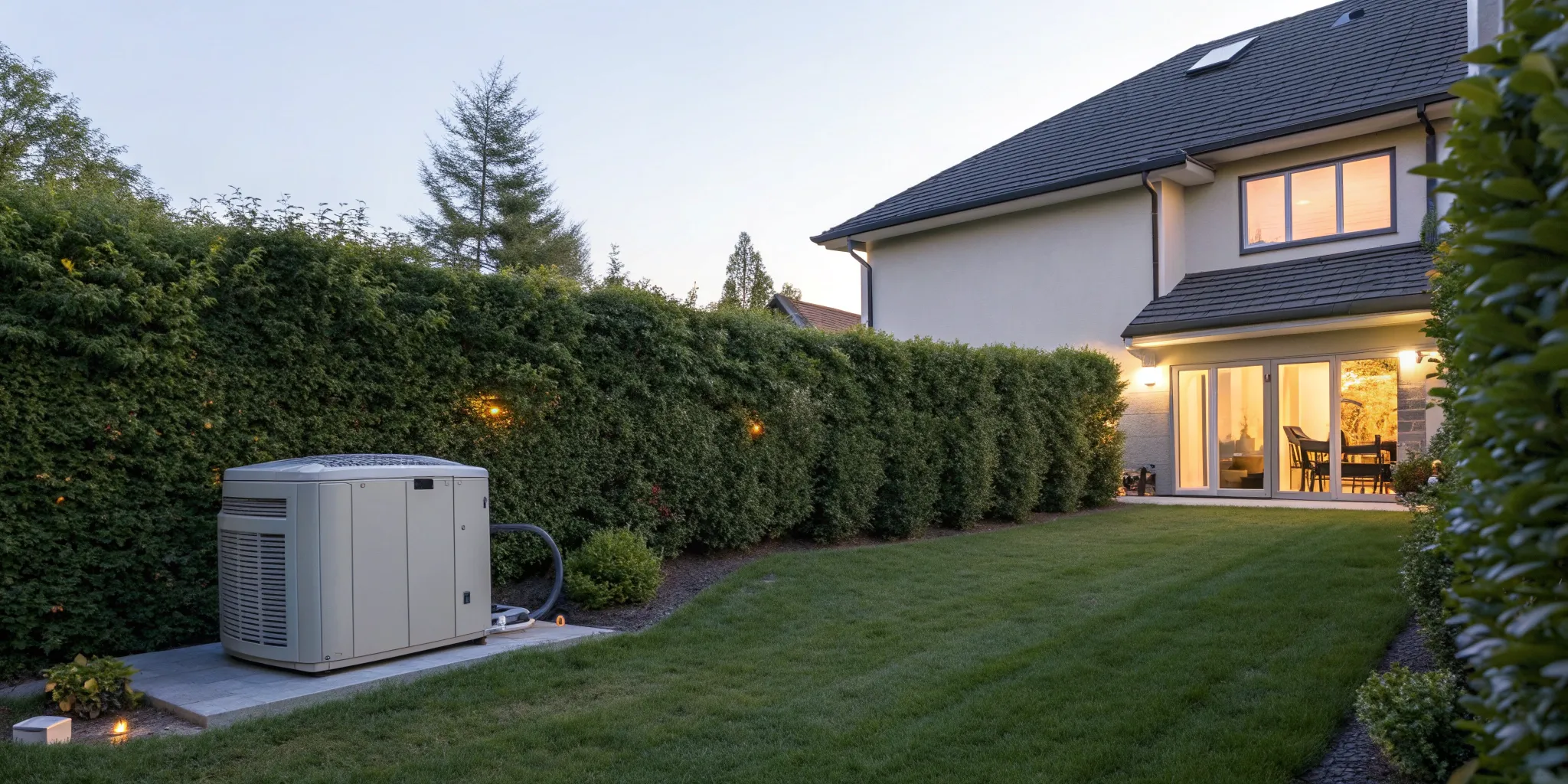
Let’s be honest: a whole-home generator is a significant purchase, and the initial numbers can feel a bit daunting. When you first search for Generac generator prices, you’re seeing just one part of the total investment. The final cost includes everything from the generator itself to the concrete pad it sits on, the electrical work, and the fuel line connections. It’s a comprehensive project, and our goal is to demystify the process for you. We’ll break down what goes into the total price, explain the variables, and show you how this valuable home upgrade can be a manageable and smart investment.
Key Takeaways
- Look Beyond the Sticker Price for the True Cost: Remember that the generator unit is just one part of the equation. The total investment includes professional installation—covering site prep, electrical work, and permits—which is essential for a safe and reliable system.
- Get the Right Fit with a Professional Assessment: Avoid the costly mistake of buying a generator that’s too big or too small. A professional evaluation ensures your generator matches your home’s specific power needs, and a certified installation guarantees it will work safely when you need it most.
- Make Your Purchase More Manageable: Don’t let the total cost hold you back. Flexible financing options can break the price into affordable monthly payments, and it’s always worth asking about available rebates or tax credits to help lower your final investment.
How Much Does a Generac Generator Cost?
When you start looking at generator prices, it’s helpful to think of it in two parts: the cost of the generator unit itself and the cost of installation. The unit price can vary widely based on the type, size, and features you need. Think of it like buying a car—the base model has a different price tag than the one with all the bells and whistles.
Let’s break down the typical price ranges for the different types of Generac generators so you can get a clearer picture of the initial equipment cost. Keep in mind these are starting points, and the final price will depend on your specific power needs.
Portable Generator Prices
Portable Generac generators are the most budget-friendly option, designed for temporary power during an outage, camping, or on a job site. You can expect the unit itself to cost anywhere from $500 to $1,500. The price difference usually comes down to power output—how many appliances it can run at once—and extra features like electric start or different outlet types. These are great for running a few essentials, like your refrigerator and some lights, but they require manual setup and refueling.
Inverter Generator Prices
Inverter generators are a type of portable generator that produces “cleaner” power, which is safer for sensitive electronics like laptops and TVs. They are also known for being quieter and more fuel-efficient than traditional portable models. Because of this advanced technology, inverter generators typically cost a bit more than standard portable generators with a similar power output. They are an excellent choice if you need to power delicate equipment or want a quieter, more efficient portable solution for your home or recreational activities.
Home Standby Generator Prices
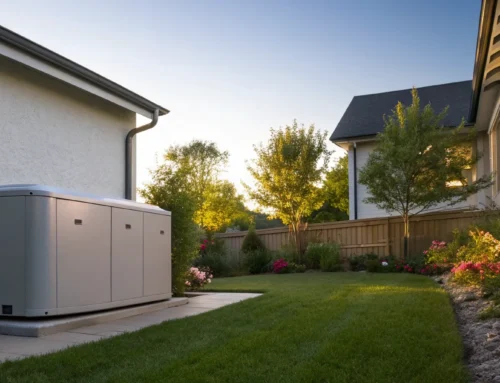
For whole-home, automatic backup power, you’ll be looking at a home standby generator. The cost for the generator unit alone typically starts around $2,000 and can go up to $5,000 or more, depending on the size needed to power your home. A smaller unit might handle essential circuits, while a larger one can run your entire house, including central air. This price doesn’t include installation, which is a crucial part of the total investment for a safe and reliable residential standby generator installation.
Commercial Standby Generator Prices
Businesses have much larger power needs, and commercial-grade generators are built to handle them. These units are more robust and powerful, designed to keep everything from lights and servers to critical machinery running without interruption. The price for a commercial generator can start around $5,000 for a smaller business and easily exceed $10,000 for high-capacity models. The final cost depends entirely on the specific power requirements of your facility, making a professional assessment for a commercial generator installation essential.
What Factors Influence the Final Price?
When you start looking at Generac generators, you’ll quickly see that the price of the unit itself is just one piece of the puzzle. The final cost of getting a whole-home generator up and running depends on several key factors specific to your home and needs. Understanding these variables will help you budget accurately and see the full picture of your investment in reliable power. From the size of the generator to the complexities of the installation, let’s break down what really goes into the total price.
Generator Size and Power Output
The most significant factor in the generator’s price is its size, or power output, measured in kilowatts (kW). The right size for you depends on what you want to power during an outage. Do you need to run everything, including central air, or just the essentials like your refrigerator, lights, and well pump? For a typical 2,000-square-foot house, a 14 kW to 22 kW generator is usually sufficient. The key is to get a professional assessment to match the generator’s capacity to your home’s energy demands, ensuring you have enough power without overpaying for a unit that’s too large for your needs.
Your Fuel Type (Natural Gas, Propane, or Diesel)
Generac generators primarily run on natural gas or liquid propane (LP), and your choice will influence both the installation and long-term costs. If your home already has a natural gas line, it’s often the most convenient and affordable option. There’s no need for a separate storage tank, as the generator is connected directly to your utility line. If natural gas isn’t available, propane is an excellent alternative. It requires a large storage tank on your property, which adds to the initial setup cost, but it provides a stable, independent fuel source. Diesel is less common for residential use and is typically reserved for larger commercial generator installations.
Available Features and Technology
Like any major appliance, generators come with a range of features that can affect the price. Standard models provide reliable backup power, but you can opt for upgrades that add convenience and peace of mind. For example, many homeowners choose models with Wi-Fi connectivity, like Generac’s Mobile Link™ Remote Monitoring. This feature lets you check your generator’s status from your smartphone or tablet, no matter where you are. Other premium features might include quieter operation modes or advanced power management systems that help you prioritize which circuits get power. Deciding which features are essential will help you find the right balance between functionality and cost.
Your Property’s Installation Needs
The installation process is a major component of the total cost, and it varies widely from one property to the next. The final price for a fully installed home standby generator typically ranges from $8,000 to $16,000. Factors that influence this cost include the generator’s placement, the distance to your gas meter and electrical panel, and the amount of wiring and trenching required. Your installer will need to pour a concrete pad for the unit, handle all the electrical work, and secure any necessary permits. A straightforward installation will cost less than a complex one that requires extensive site prep or electrical upgrades.
What Does a Full Installation Include?
When you invest in a standby generator, you’re not just buying a piece of equipment; you’re investing in a complete system that integrates seamlessly with your home. The final price reflects this comprehensive process, which covers everything from initial planning to the final flip of the switch. A professional installation ensures your generator works safely and reliably when you need it most. Let’s walk through what a full installation involves so you know exactly what to expect.
The Professional Installation Process
Getting your generator up and running is a well-orchestrated process. While the hands-on work of setting the unit in place might only take a few hours, the full timeline involves careful preparation that can span several weeks. This includes an initial site assessment, securing any necessary local permits, and coordinating with utility providers. A certified team handles every step, making sure the entire project follows local codes and manufacturer specifications. This meticulous approach ensures your residential standby generator installation is done right the first time, giving you total confidence in your backup power system.
Electrical Work, Permits, and the Transfer Switch
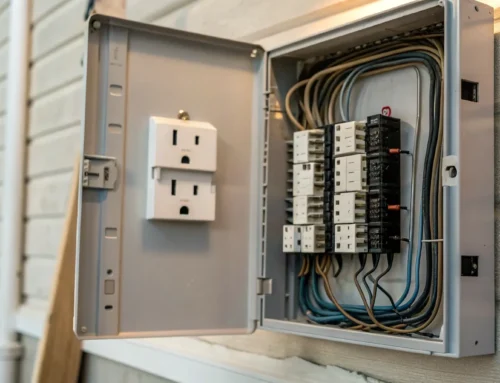
A key part of the installation is the electrical work. A licensed electrician will install an automatic transfer switch next to your main electrical panel. This smart device is the brain of your backup system; it constantly monitors the power from the utility. The moment an outage occurs, the transfer switch automatically disconnects your home from the grid and signals the generator to start, restoring power in seconds. Our team handles all the complex wiring and ensures everything is up to code. We also manage the permitting process, so you don’t have to deal with the paperwork.
Gas Line Connections and Site Prep
Proper site preparation is crucial for your generator’s performance and longevity. During our initial consultation, we’ll help you choose the best location for the unit. The ideal spot is on stable ground with good drainage, close to your gas line and electric meter to help reduce installation costs. We’ll prepare a concrete pad or place a prefabricated one to create a solid, level base. From there, a certified technician will run a fuel line from your home’s natural gas or propane source to the generator, ensuring a safe and secure connection for reliable operation.
A Look at the Total Investment
So, what does this all add up to? The total cost for a professionally installed Generac home standby generator typically ranges from $8,000 to $16,000, with the average investment being around $13,000. This price includes the generator itself, the automatic transfer switch, and all the labor for site prep, electrical work, and fuel connections. Think of it as a long-term investment in your family’s comfort and security. To make it more manageable, we offer flexible Generac financing options that can help you get the peace of mind you need without the upfront financial strain.
How Does Generac Stack Up Against Other Brands?
When you’re making a significant investment in your home or business, it’s smart to look at all your options. You’ve probably seen names like Kohler, Cummins, and Briggs & Stratton come up in your research, and you might be wondering how Generac compares. While each brand has its strengths, Generac has become a leading name in backup power for several key reasons.
Choosing a generator isn’t just about the price tag. It’s about finding a reliable machine with the right features for your needs and knowing you have solid support for years to come. Let’s break down how Generac measures up in the areas that matter most: price, technology, and long-term value. This will give you a clearer picture of why so many people in Southeastern Pennsylvania trust Generac to keep their lights on.
Comparing Prices: Generac vs. The Competition
Generac is well-known for offering a competitive price point, making reliable backup power more accessible for many homeowners. While portable models can start in the hundreds, the cost for a whole-home standby unit varies widely based on size and features. Generally, Generac provides a strong balance of performance and affordability compared to other major brands. It’s important to remember that the generator itself is only part of the equation. The total cost will always include professional installation, which is why an on-site quote is the only way to get an accurate number. We can also help you explore Generac financing options to make the investment fit your budget.
A Look at Features and Technology
Generac offers an impressive range of Generac generators designed for everything from small homes to large commercial buildings. This variety means you can find a unit that’s perfectly sized for your specific needs without overpaying for power you won’t use. Generac is also known for user-friendly technology, like the Mobile Link™ app that lets you monitor your generator’s status from anywhere. With proper care, these generators are built to last, often providing reliable service for 20 to 30 years. This longevity is a testament to their solid engineering and focus on creating durable, dependable machines that are ready to work when you need them most.
Weighing Reliability, Warranties, and Long-Term Value
A generator’s true value is measured by its reliability over time, and that’s where local support becomes critical. Generac has one of the largest networks of authorized dealers and technicians in the country. This means that when you need routine maintenance or a repair, a certified expert is always nearby. While some competitors may offer slightly longer warranties on certain high-end commercial models, Generac provides strong, standard warranties for its residential units. The real long-term value comes from pairing a dependable product with a trusted local partner who can provide expert generator service and repair for decades to come.
Are There Ways to Make Your Generator More Affordable?
A generator is a significant investment in your home’s safety and your family’s comfort, but that doesn’t mean the price tag has to be a barrier. Let’s be honest, seeing the total cost can feel a little overwhelming at first. The good news is that there are several practical ways to make purchasing a residential standby generator more manageable for your budget.
Think of it less as a one-time expense and more as a long-term asset for your property. Just like any major home improvement, planning ahead and exploring your options can make a world of difference. From breaking the cost down into smaller pieces to finding programs that can reduce the total price, you have more control than you might think. By looking into these strategies, you can get the peace of mind you need without straining your finances. We’ve helped countless homeowners in Chester and Montgomery counties find a solution that works for them, and it often starts by exploring the options beyond the initial sticker price. Whether it’s a flexible payment plan or a timely rebate, these opportunities can make a real difference in your bottom line.
Explore Flexible Financing Options
You don’t have to pay for the entire generator and installation cost all at once. Many homeowners find that financing is the perfect way to get the system they need now while paying for it over time. We offer several flexible financing plans that can break down the total investment into predictable, low monthly payments. In many cases, you can finance a generator for as little as $109 per month, which can easily fit into a monthly budget. This approach allows you to protect your home immediately without having to dip into your savings or wait to build up the full amount.
Check for Potential Tax Credits
It’s always worth investigating whether your generator purchase qualifies for any tax benefits. In some situations, the cost of a Generac generator can be lowered through tax deductions and credits, especially if the generator is required for medical reasons to power essential equipment. The rules for these credits can be specific and change from year to year, so it’s a great idea to talk with a tax professional. They can give you the most accurate advice based on your personal financial situation and help you identify any potential savings you’re entitled to.
Find Rebates and Assistance Programs
Keep an eye out for special programs that can help offset the cost of your generator. Occasionally, manufacturers like Generac offer rebates on certain models, so be sure to ask us if any are available when you get your quote. Additionally, government programs can sometimes provide financial assistance. For example, FEMA has been known to reimburse homeowners for a generator that was purchased or rented during a federally declared state of emergency. While you can’t always plan for this, it’s valuable information to have if a major storm is in the forecast.
Keep an Eye Out for Seasonal Promotions
Timing your purchase can sometimes lead to savings. While generators are needed year-round, some dealers may offer seasonal promotions or special deals during slower periods. It never hurts to ask what’s available. When you connect with our team for a free assessment, we can let you know about any current offers that could make your installation more affordable. This is one of the key benefits of working with a dedicated local dealer—we’re here to help you find the best possible value for your investment.
How to Make a Smart Generac Investment
Buying a generator is a significant decision for your home or business, and making a smart choice goes beyond just picking a model from a catalog. The real value comes from finding a solution that fits your specific needs, property, and budget for years to come. A generator that’s too small won’t protect you during an outage, while one that’s too large means you’ve overspent on power you’ll never use. The key is to focus on three core areas: getting the right size, selecting the best fuel source for your location, and ensuring the installation is handled by a professional. By thinking through these steps, you can feel confident that you’re not just buying a piece of equipment, but investing in reliable, long-term peace of mind for your family or company.
Get a Professional Assessment for Proper Sizing
The first and most critical step is determining the right size generator for your needs. This isn’t about physical dimensions; it’s about power output, measured in kilowatts (kW). You’ll need to decide what you want to power during an outage—just the essentials like your refrigerator, lights, and well pump, or your entire home, including the air conditioner. A professional assessment is the best way to figure this out. An expert can perform a load calculation to identify your exact power requirements, ensuring you get a model that can handle the demand without strain. This prevents you from making a costly mistake and is why we offer a free in-home consultation to provide a custom estimate for your residential standby generator installation.
Choose the Right Fuel Type for Your Area
Generac generators primarily run on natural gas or liquid propane (LP), with diesel options available for certain applications. If your home is already connected to a natural gas line, that’s often the most convenient and cost-effective choice, providing a virtually endless fuel supply. If you don’t have access to natural gas, liquid propane is an excellent alternative. It requires a dedicated storage tank on your property, but it’s clean-burning and reliable. The right fuel type depends entirely on what’s available and practical for your property in Southeastern Pennsylvania. We can walk you through the pros and cons of each to help you find the perfect fit among the many Generac generators we offer.
Work with an Authorized Dealer for a Quality Install
A generator is only as reliable as its installation. This is not a DIY project—it involves complex electrical wiring, fuel line connections, and local permits. Working with an authorized Generac dealer ensures the entire process is handled safely and correctly, protecting both your investment and your manufacturer’s warranty. A quality installation includes site preparation, setting the generator on a proper pad, managing all the electrical work, and connecting the automatic transfer switch. As the source material notes, the total installed cost can range from $8,000 to $16,000, and a trusted local dealer can give you a precise quote. When you work with an experienced crew like our team, you can be sure the job is done right from the start.
Related Articles
- Standby Generac Generator FAQs | M.T. Ruhl
- 20 Whole House Generator FAQs: Everything You Need to Know | M.T. Ruhl
- Get Generac Financing Today | Synchrony & M.T. Ruhl
Frequently Asked Questions
Why can’t I just install a standby generator myself to save money? This is a question I hear a lot, and it’s a fair one. The simple answer is that installing a standby generator is a complex job that involves high-voltage electrical work and natural gas or propane lines. For your safety and to ensure the generator works correctly when you need it, the installation must be handled by licensed and certified professionals. It also protects your manufacturer’s warranty, which often requires a certified installation. Think of it less as an extra cost and more as a critical part of the investment in your home’s safety.
How do I figure out the right size generator for my home? Choosing the right size is the most important step, and it’s not something you should have to guess. The perfect size depends on whether you want to power just a few essentials, like your refrigerator and lights, or your entire home, including your central air conditioner. The best way to get a precise answer is with a professional assessment. A trained technician can calculate your home’s specific power needs and recommend a generator that fits perfectly, ensuring you don’t overpay for a unit that’s too big or get stuck with one that’s too small.
What are the ongoing costs I should expect after the generator is installed? The initial purchase and installation are the biggest expenses, but there are a few minor ongoing costs to keep in mind for long-term care. Your generator will need routine maintenance, much like your car needs an oil change, to keep it in top condition for an emergency. This typically involves an annual service check. If you use propane as your fuel source, you will also have the cost of refilling your tank as needed. These small investments ensure your generator remains reliable for decades.
How long does the whole installation process take from start to finish? While the hands-on installation at your home might only take a day, the entire process from your first call to the final test run usually takes a few weeks. This timeline includes our initial site visit to give you a precise quote, ordering the equipment, securing any necessary local permits, and preparing the site with a concrete pad. We coordinate every step so the process is smooth and straightforward for you, ensuring everything is done correctly and to code.
Is financing a generator a good idea? Financing can be a fantastic tool that makes getting a generator much more accessible. Instead of paying a large sum upfront, you can break the cost into manageable monthly payments that fit your budget. This allows you to get the protection and peace of mind you need for your family right away, without having to drain your savings. For many homeowners, a low monthly payment is a small price to pay for knowing their home will always have power.