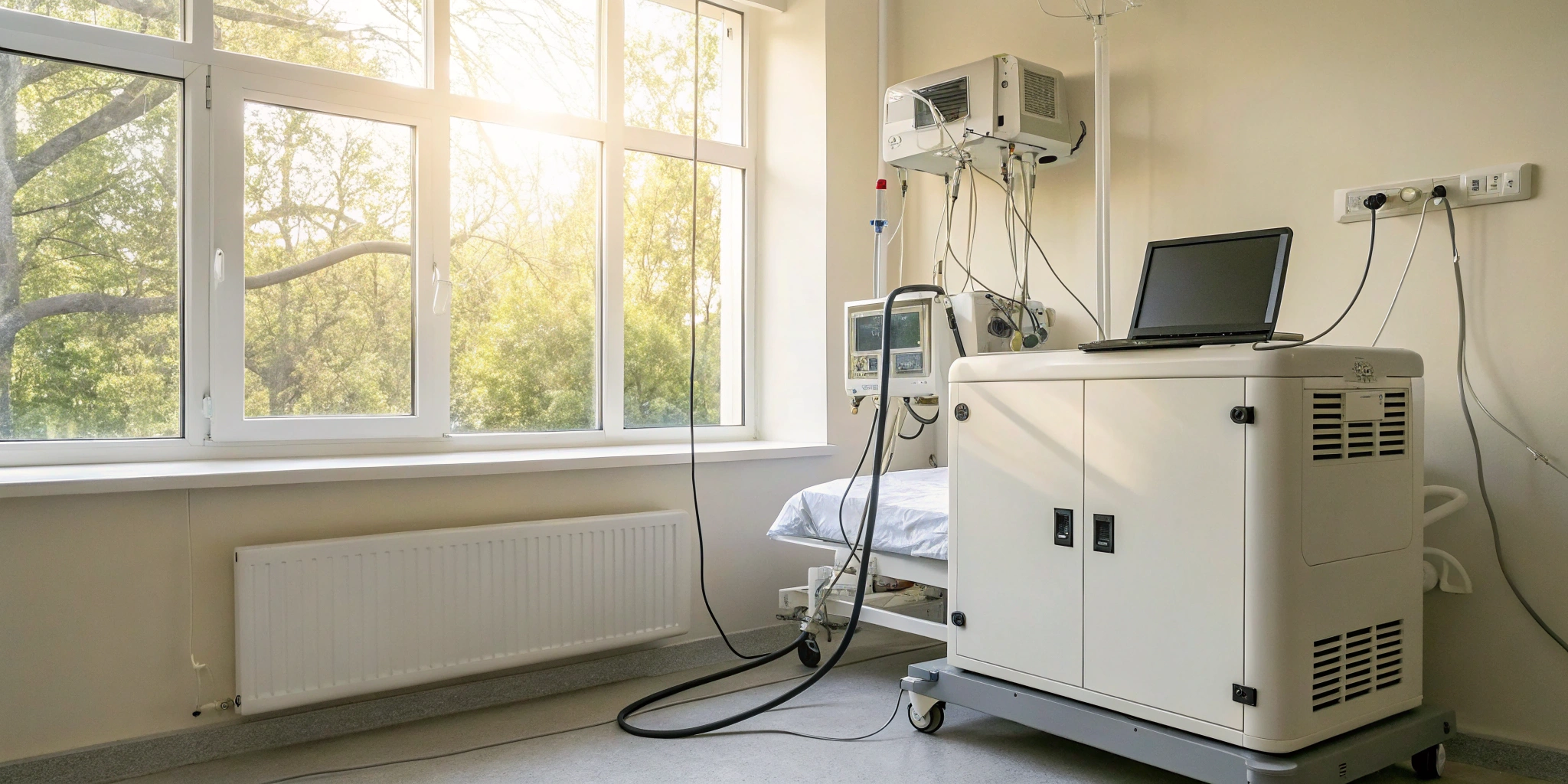
When you rely on medical equipment, consistent power is a lifeline, not a luxury. Power outages are an unavoidable reality, and in those critical moments, a standard portable generator just won’t cut it. You need a system built for life-sustaining technology—one that activates automatically and provides stable, clean power. Making the right choice from the start is the first step toward long-term generator health and reliability. This guide will help you select the perfect unit, whether you need medical clinic emergency generators or a dependable solution for your home.
Key Takeaways
- Match the generator to your medical equipment: A professional assessment is the only way to ensure your unit can handle all critical devices. Features like an Automatic Transfer Switch and clean power output are non-negotiable for safely running sensitive medical technology.
- Commit to professional installation and maintenance: Proper setup is critical for meeting safety codes and ensuring your system works correctly from day one. A consistent maintenance plan is the key to guaranteeing your generator is ready to perform flawlessly during an emergency.
- Recognize a generator’s role in long-term safety: A battery backup (UPS) provides only minutes of power, acting as a short-term bridge. A standby generator is the only solution that delivers continuous power through extended outages, ensuring life-sustaining equipment keeps running.
What Type of Generator Does Your Medical Practice Need?
Choosing a generator for medical equipment is a serious decision. The right one provides more than just power—it offers safety and peace of mind. Whether you’re running a large healthcare facility or supporting a loved one at home, the generator must match the specific needs of the medical devices. Let’s explore the best options for different situations, from clinical settings to at-home care.
When to Choose a Standby Generator for Your Facility
In a hospital or clinic, a power outage is a critical emergency. Regulations often require backup power to activate within 10 seconds to keep essential systems running. A commercial-grade standby generator is built to meet this demand. Permanently installed and wired into your electrical system, it takes over automatically when the grid fails. This seamless transition ensures that life support, surgical tools, and monitoring devices never lose power. A professional commercial generator installation is crucial for compliance and protecting the lives that depend on your facility’s continuous operation.
Is a Portable Generator Enough for At-Home Care?
For those who rely on medical equipment at home, a power outage can be incredibly stressful. Devices like patient lifts, oxygen concentrators, and stairlifts need constant power to ensure your safety. While a portable generator can work in a pinch, a whole-home standby generator is a far more reliable solution. A residential standby generator installation restores power automatically within seconds, so you don’t have to worry about refueling a unit in a storm or managing extension cords in the dark. It provides a seamless transition that keeps your essential medical equipment running without interruption.
Why Sensitive Medical Devices Need an Inverter Generator
Today’s medical equipment, from ventilators to CPAP machines, contains sensitive electronics that can be damaged by unstable power from older generators. Inverter technology solves this problem by producing clean, stable electricity, just like you get from the utility grid. This “clean power” is essential for ensuring your medical devices operate correctly and safely, without risk of malfunction. Many modern Generac generators include this advanced technology, making them a trusted choice for backing up the sophisticated equipment that supports your health and well-being.
Essential Features for Your Medical Generator
When you’re depending on a generator to power life-sustaining medical equipment, not just any model will do. Certain features are non-negotiable for safety, reliability, and peace of mind. It’s not just about having power; it’s about having the right kind of power, exactly when you need it. Let’s walk through the key features to look for so you can feel confident in your choice, whether it’s for a healthcare facility or your own home.
How to Correctly Calculate Your Power Needs
First things first, you need to know how much power you actually need. Making a list of your essential medical devices is a great start, but this isn’t a calculation you should guess at. Experts need to carefully determine the right size generator to handle not only your current equipment but also any potential future needs, especially during an emergency. An undersized generator can fail when you need it most, while an oversized one is inefficient. A professional assessment ensures your generator can support everything from ventilators to infusion pumps without skipping a beat. This is a critical first step in planning a residential standby generator installation.
What Is an Automatic Transfer Switch (and Why It’s Crucial)?
An automatic transfer switch (ATS) is the brain of your backup power system, and for medical applications, it’s absolutely vital. When the power from the grid goes out, the ATS senses the interruption and automatically signals the generator to start. It then seamlessly switches your home or facility’s power source from the grid to the generator. This happens in seconds, ensuring critical equipment stays on without any manual intervention. For many healthcare settings, regulations require that backup power for life support equipment turns on within 10 seconds. An ATS is what makes this possible, providing a truly hands-off, reliable solution for Generac generators.
Fuel and Runtime: What’s Best for Your Clinic?
Your generator’s fuel source determines how long it can run and how it needs to be maintained. Natural gas and liquid propane are common for residential units because they offer a continuous fuel supply. Diesel generators are often used in commercial settings because they are powerful and efficient, though they require safe, on-site fuel storage. No matter which fuel you choose, proper management and regular testing are essential to ensure your system is ready for an outage. Consistent generator maintenance is the key to making sure your fuel system and engine are prepared to run for as long as you need them to.
How to Guarantee Clean Power for Your Equipment
Modern medical devices are incredibly sophisticated and often contain sensitive microprocessors that can be damaged by unstable electricity. That’s why you need a generator that produces “clean power,” or electricity with a smooth, consistent electrical signal (low total harmonic distortion). This stable power is crucial for keeping life support, monitoring systems, and surgical equipment running safely and accurately. Power fluctuations can cause devices to malfunction or shut down entirely. High-quality standby generators are designed to provide this clean, reliable energy, protecting both your expensive equipment and the people who depend on it.
Keeping Things Quiet: Understanding Generator Noise Levels
Let’s be practical: generators can be loud. But noise is a manageable issue. Many modern standby generators, including those from Generac, are built with sound-dampening enclosures that significantly reduce operating volume to the level of a standard central air conditioner. The location of the generator also plays a big role. A professional installer will help you choose a secure, protected spot with good airflow that minimizes noise for your family, neighbors, or patients. This ensures your backup power system provides peace of mind without creating a disruptive environment.
Which Generator Brands Can You Trust?
When you rely on medical equipment, you can’t afford to gamble on your backup power source. The brand you choose needs a proven track record of performance and reliability, especially during critical moments. While several manufacturers build quality generators, a few names consistently stand out in the healthcare and at-home medical fields for their engineering and commitment to safety. Understanding what makes each brand a solid choice can help you feel more confident in your decision. We’ll look at some of the top contenders and explain why we put our trust in a specific brand for our customers’ most critical needs.
A Look at Generac for Medical Backup Power
At M.T. Ruhl, we recommend Generac generators because of their unwavering focus on safety and reliability, particularly in medical settings. Generac designs backup power systems specifically for hospitals and healthcare facilities, which means their technology is built to meet strict regulations and ensure patient safety. This same commitment to quality extends to their residential models, giving you peace of mind that your at-home medical equipment will have consistent, clean power. When you choose a residential standby generator installation, you’re getting a system engineered with the highest standards in mind, ensuring your essential devices keep running without interruption.
How Do Kohler Generator Systems Compare?
Kohler is another well-respected name in the power generation industry, known for producing dependable generators for critical applications. They offer a range of systems designed to meet the specific power demands of medical facilities, from large hospitals to smaller clinics. Like Generac, Kohler places a strong emphasis on meeting healthcare compliance standards, ensuring their equipment performs reliably when it matters most. Their reputation for performance makes them a significant player in the market, and they are often considered by those looking for robust backup power solutions for both commercial and residential medical needs.
What to Know About Cummins Power Solutions
Cummins has a long history of engineering powerful and efficient generator systems for a variety of industries, including healthcare. They are recognized for their reliable diesel and natural gas generators that can be customized to fit the unique power requirements of different medical facilities. Cummins focuses on creating solutions that are not only dependable but also efficient, helping to manage operational needs during a power outage. Their flexibility and strong performance record make them another reliable option for anyone needing to support critical medical equipment, whether in a large-scale commercial setting or for comprehensive at-home care.
Calculate Your Power Needs in 3 Simple Steps
Choosing the right size generator is the most critical step in ensuring your medical equipment stays on when the power goes out. Sizing a generator isn’t about guesswork; it’s about understanding exactly what you need to power and planning for a seamless transition. Think of it as creating a power safety net for your most essential devices. Too little power, and your equipment won’t run. Too much, and you’ve overspent on a system you don’t fully need.
The goal is to find that sweet spot where you have enough electricity to cover all your critical loads, with a little extra cushion for peace of mind. By taking a systematic approach, you can confidently select a Generac generator that matches your specific requirements, whether for a home medical setup or a small healthcare facility. We’ll walk through how to tally up your needs, account for everything running at once, and plan for those unexpected, longer outages. This simple preparation ensures you’re ready for anything.
Step 1: List Your Critical Devices and Wattage
First, grab a notepad and walk through your home or facility. Make a complete list of every single piece of medical equipment that absolutely must have power during an outage. This includes devices like oxygen concentrators, CPAP machines, home dialysis equipment, and refrigerators storing vital medications. It’s important to consider everything from fridges and freezers to specific medical tools. Once you have your list, find the wattage for each item. You can usually find this on the device’s label, in the owner’s manual, or with a quick online search. This list is the foundation for building your power backup plan.
Step 2: Factor in Simultaneous Use
It’s rare that you’ll only need to power one device at a time. You need to calculate the total power draw if all your critical equipment is running simultaneously. Add up the running wattage for every item on your list to get a baseline number. As Woodstock Power points out, even large hospitals must have a backup source that can handle the load of critical equipment turning on within seconds. The same principle applies at home. A proper residential standby generator installation ensures your system can handle that cumulative load without faltering, keeping everything from your ventilator to your refrigerator running smoothly.
Step 3: Add a Buffer for Emergencies
Power outages can be unpredictable. A storm might knock out power for a few hours or a few days. That’s why it’s so important to plan for the unexpected. Think about what else you might need during a prolonged outage—lights, a microwave, or your furnace fan. Adding these to your calculation provides a buffer. As Universal Electrical Services notes, things like fuel management and regular testing are essential for system reliability. Because power outages can be dangerous for patients, especially those on life support, having a dependable generator isn’t just a convenience; it’s a necessity. Regular Generac maintenance ensures your generator is always ready for that worst-case scenario.
Are You Meeting Healthcare Generator Standards?
When your generator is backing up life-sustaining medical equipment, following the rules isn’t just about passing an inspection—it’s about ensuring patient safety. For healthcare facilities, from large hospitals to outpatient clinics, adhering to specific compliance and safety standards is a legal and ethical requirement. These codes ensure that your backup power system will perform exactly as needed during an emergency, without fail.
Navigating these regulations can feel complex, but they all share a common goal: to guarantee that critical systems have uninterrupted power. These standards cover everything from how quickly your generator must activate to how much fuel you need on hand. Working with a certified installer who understands these local and national codes is the best way to ensure your facility is prepared and protected. A properly installed and maintained Generac generator is designed to meet these stringent demands, giving you and your patients peace of mind.
Understanding NFPA 110 Healthcare Standards
The National Fire Protection Association (NFPA) sets the benchmark for emergency and standby power systems, and NFPA 110 is the rulebook for healthcare. This standard is incredibly specific, requiring backup power for the most critical equipment to kick in within 10 seconds of an outage. Think about that—in the time it takes to walk across a room, your generator has to start up and take over. For hospitals and other critical care facilities, NFPA 110 also mandates having enough fuel on-site to run for at least 96 hours. This ensures continuous operation during extended outages, protecting patients who rely on powered medical devices.
A Quick Guide to NEC 700 Requirements
Working hand-in-hand with NFPA standards is the National Electrical Code (NEC). Article 700 of the NEC outlines the requirements for emergency systems, ensuring they are reliable and effective when you need them most. This code covers the entire electrical infrastructure of your backup power system, from wiring to transfer switches. It’s designed to prevent system failures by dictating how emergency circuits must be installed separately from regular electrical wiring. A professional commercial generator installation is essential to meet these detailed requirements and ensure your system functions safely and correctly during a power loss.
What JCAHO and AAAASF Require
For many healthcare facilities, accreditation is just as important as licensing. Organizations like The Joint Commission (JCAHO) and the American Association for Accreditation of Ambulatory Surgery Facilities (AAAASF) have their own guidelines for backup power. Meeting these standards is crucial for maintaining your facility’s accreditation, which signals to patients that you provide high-quality, safe care. These guidelines often incorporate NFPA and NEC standards but may include additional requirements for testing and documentation. Ensuring your backup power system complies is a key part of upholding your facility’s reputation and operational integrity.
Your Guide to Fuel Supply and Testing Rules
A generator is useless without fuel and regular check-ups. That’s why standards from the NFPA (specifically codes 99, 101, and 110) place a heavy emphasis on fuel management and system testing. You must not only have an adequate fuel supply but also manage it safely and effectively. Furthermore, your system needs to be tested regularly under load to prove it can handle the demands of an actual emergency. This is why a proactive generator maintenance plan is not just a good idea—it’s a requirement. These tests confirm that your generator, transfer switch, and all related components are ready to go at a moment’s notice.
What’s the Real Cost of a Medical Backup Generator?
When you rely on medical equipment, a backup generator isn’t a luxury—it’s a necessity. Thinking about the cost can feel overwhelming, but it’s helpful to frame it as an investment in your health, safety, and peace of mind. The total cost involves more than just the price tag on the generator itself. It includes the initial purchase, professional installation, and ongoing upkeep. Understanding these components will help you budget effectively and see the true value in securing an uninterrupted power supply for your critical medical devices. Let’s break down what you can expect.
Your Initial Investment: The Generator and Installation
The initial cost of a medical backup generator includes the price of the unit and the cost of professional installation. While this is the largest single expense, it’s important to remember that the long-term benefits, like avoiding equipment damage and ensuring continuous care during an outage, often outweigh the upfront investment. The right generator for you will depend on your specific power needs. A certified technician can help you select the appropriate size and model, ensuring it can handle all your essential medical devices. Proper residential standby generator installation is critical for safety and reliability, so this is not a step to skip.
Planning for Long-Term Costs: Fuel and Maintenance
Beyond the initial purchase, you’ll need to account for ongoing operational costs. These primarily include fuel and regular maintenance. The type of fuel your generator uses—natural gas, propane, or diesel—will determine your refueling expenses. To ensure your generator is always ready to go, you’ll need a solid plan for fuel management. Just as important is routine upkeep. Regular testing and professional generator maintenance are essential for system reliability, especially in healthcare settings where performance is non-negotiable. A simple maintenance plan keeps your generator in top condition, so it works flawlessly the moment you need it.
How Can You Finance Your Medical Generator?
We understand that a backup generator is a significant purchase. If the upfront cost is a concern, there are ways to make it more manageable. Many homeowners and facility managers use financing to spread the cost over time, making this critical investment accessible without straining their budget. Exploring Generac financing can help you get the reliable backup power you need now while paying for it in predictable monthly installments. This approach allows you to protect your health and home immediately, ensuring you’re never left without power when it matters most.
Your Guide to Generator Installation and Maintenance
Choosing the right generator is a huge step, but what comes next is just as critical for ensuring your medical equipment stays powered. Proper installation and consistent maintenance are the keys to a reliable backup power system. Think of it as setting a strong foundation and then protecting your investment for years to come. When you depend on a generator for health and safety, you can’t afford to cut corners. A professional approach guarantees your system will be ready to perform exactly when you need it, without any unwelcome surprises.
Let’s walk through why professional help is non-negotiable and how to keep your generator in peak condition.
Why Professional Installation Is Non-Negotiable
Tempting as a DIY project might be, a generator installation is a complex job best left to certified professionals. This is especially true when connecting a power source for life-sustaining medical equipment. A professional standby generator installation ensures every component, from the transfer switch to the fuel line, is set up according to strict safety standards and manufacturer specifications.
Experts understand how to correctly size the unit, place it for optimal airflow and safety, and integrate it seamlessly with your home or facility’s electrical system. A proper setup from day one facilitates ongoing inspection and maintenance, which is crucial for long-term reliability. A certified technician has the training to handle the electrical and fuel connections safely, protecting your property and ensuring your generator works flawlessly from the start.
What to Expect with Permits and Inspections
Did you know that most standby generator installations require permits from your local municipality? This process involves submitting plans and passing inspections to ensure the work complies with local building and electrical codes. Navigating this on your own can be a major headache, filled with paperwork and technical requirements.
A reputable installer, like the team at M.T. Ruhl, handles the entire permitting process for you. We know the specific requirements in our service areas across Southeastern Pennsylvania. Ensuring compliance with healthcare and electrical codes is essential for system reliability during an outage. A permitted and inspected installation gives you peace of mind that your generator is not only safe but also fully compliant, protecting you from potential fines or insurance issues down the road.
Your Year-Round Generator Maintenance Checklist
Your generator is like any other engine—it needs regular care to perform at its best. Simply installing it and forgetting about it is a recipe for failure when an outage hits. Establishing a routine maintenance schedule is the single most important thing you can do to ensure your generator is ready for an emergency. Most Generac generators run a weekly self-test to check for issues, but they also need professional attention.
A typical plan includes an annual service where a technician changes the oil and filter, inspects the battery, checks spark plugs, and verifies all connections are secure. Enrolling in a Generac maintenance plan automates this process, so you don’t have to track it yourself. Regular checks guarantee your system is always prepared to provide the power your medical equipment depends on.
Beyond the Checklist: Advanced Generator Health Monitoring
A regular maintenance checklist is a great foundation for keeping your generator reliable, but modern technology allows us to go much deeper. Advanced health monitoring is like having a diagnostic expert watching over your system 24/7. Instead of just waiting for a scheduled check-up, these systems use real-time data to track the internal health of your generator. This proactive approach identifies subtle changes in performance that could signal a future problem, allowing for intervention long before it becomes an emergency. For anyone relying on a generator for medical equipment, this level of insight provides an unparalleled layer of security and confidence.
How Condition-Based Maintenance Prevents Failures
Condition-based maintenance is a smarter, more efficient way to care for your generator. Instead of relying on a fixed schedule, this approach uses data from sensors to determine when service is actually needed. Think of it like the oil life monitor in your car—it tells you to get an oil change based on your driving habits, not just after a certain number of miles. This same principle helps prevent generator failures by addressing issues based on their real-world condition. As industrial power providers have shown, monitoring a system’s health allows technicians to fix things before they break, ensuring maximum uptime. This is the philosophy behind modern generator service and repair, moving from a reactive to a proactive model.
Key Technologies That Track Internal Generator Health
So, what exactly are these systems monitoring? Advanced generators are equipped with a suite of sensors that act as a nervous system, constantly relaying information about their internal state. These technologies track critical indicators like engine temperature, oil pressure, battery voltage, and the quality of the electrical output. Some systems even monitor for subtle vibrations that could indicate a developing mechanical issue. This data is analyzed in real-time to ensure every component is operating within its ideal range. For Generac owners, this information is often accessible through remote monitoring apps, giving you a direct window into your generator’s health and readiness.
System Flexibility for Different Generator Brands
While advanced monitoring technology is becoming more common across the industry, not all systems are created equal. The most effective solutions are those designed by the manufacturer specifically for their own equipment. A brand like Generac builds its remote monitoring technology to integrate seamlessly with its generators, ensuring the data is accurate and the communication is flawless. This closed-loop system provides the most reliable insights because the hardware and software were made for each other. When you choose a system where every part is designed to work together, you get a more dependable and user-friendly experience from day one.
Tiered Levels of Remote Monitoring Services
Remote monitoring isn’t a one-size-fits-all feature. Basic services might send you a simple text or email notification when your generator runs its weekly self-test or if it detects a fault. More advanced service tiers, however, can connect your generator directly to your dealer. This allows a certified technician at M.T. Ruhl to remotely view your generator’s status, receive detailed diagnostic alerts, and spot potential issues before you’re even aware of them. This level of professional oversight is invaluable, as it enables us to schedule proactive generator maintenance and ensure your system is always in peak condition for the next outage.
Medical Generator Myths, Busted
When you rely on medical equipment, a power outage isn’t just an inconvenience—it’s a serious risk. Choosing the right backup power solution is a critical decision, but it’s easy to get tangled in misinformation. Many people have ideas about generators that just aren’t accurate, which can lead to choosing the wrong system or avoiding one altogether. Let’s clear up some of the most common myths so you can feel confident about keeping your essential medical devices running, no matter what.
Understanding the facts helps you make a safe and informed choice for yourself, your family, or your facility. We’ll walk through the reality behind battery backups, power restoration times, maintenance costs, and equipment compatibility. By separating fact from fiction, you can find a reliable power solution that truly meets your needs and gives you peace of mind during an outage.
Myth #1: A Battery Backup Is All You Need
It’s a common belief that a battery backup, or Uninterruptible Power Supply (UPS), can do the same job as a generator. While a UPS is a great tool, it serves a very different purpose. A battery backup is designed to provide immediate, short-term power the instant an outage occurs. This gives you a few minutes to safely shut down equipment or bridge the gap until your generator kicks in. However, a battery’s capacity is limited. It simply can’t sustain power for the hours—or even days—an extended outage might last. For true, long-term reliability for critical medical equipment, a Generac generator is the only solution that ensures continuous power.
Myth #2: The Power Comes Back Instantly
Many people picture a seamless, instantaneous switchover when the power goes out, but there’s a brief, intentional delay. When your automatic transfer switch detects a utility outage, it signals the generator to start. The generator needs a few seconds to get up to speed and produce a stable, clean electrical current. Once it’s running smoothly, the transfer switch safely disconnects you from the grid and connects your home or facility to generator power. This entire process is automatic and usually takes less than a minute. That slight pause is a crucial safety feature that protects your sensitive medical devices and your home’s electrical system from a sudden power surge. The residential standby generator installation process ensures this system works flawlessly.
Myth #3: Maintenance Costs Too Much
The thought of ongoing maintenance costs can make some people hesitate. While there is an investment involved in keeping your generator in top condition, it’s important to frame it correctly. Proactive maintenance isn’t just an expense; it’s an investment in reliability and safety. The cost of a routine service plan is minimal compared to the potential cost of a generator failing when you need it most. Regular check-ups catch small issues before they become major problems and ensure your unit is ready to perform during an emergency. Think of it as insurance for your power supply. A consistent Generac maintenance schedule is the best way to protect your investment and ensure it’s ready when you need it.
Myth #4: Any Generator Will Do
Not all generators are created equal, and neither are medical devices. It’s a dangerous misconception that any generator can safely power any piece of medical equipment. Many modern medical devices, like ventilators or oxygen concentrators, contain sensitive microprocessors that can be damaged by “dirty” power with unstable frequencies. You need a generator that produces a clean, stable electrical signal, similar to what you get from the utility grid. Choosing the wrong size or type of generator can lead to equipment malfunction or permanent damage. That’s why a professional assessment is so important to match the right Generac generator to your specific medical needs, ensuring both safety and reliability.
Related Articles
- Generator Load Calculation Guide: Sizing Tips & Mistakes | M.T. Ruhl Electrical
- Commercial Generac Generator: The Ultimate Guide
- Industrial Generator Service: A Complete Guide
- Generator Videos – M.T. Ruhl Electrical Contracting
Frequently Asked Questions
Can I just use a portable generator for my home medical equipment? While a portable generator can provide power in an emergency, it’s a hands-on solution that requires you to manually start it, run extension cords, and refuel it, often in difficult weather. For critical medical devices, a standby generator is a much safer and more reliable choice. It turns on automatically within seconds of an outage, so your equipment never loses power, and you don’t have to do a thing.
I’m worried about the noise. Will a standby generator disturb my family or neighbors? It’s a common concern, but modern standby generators are designed to be surprisingly quiet. Most units are housed in sound-dampening enclosures that reduce the noise to about the level of a standard central air conditioner. A professional installer will also help you choose the best location on your property to further minimize any sound disruption for both you and your neighbors.
How long does a typical standby generator installation take? The on-site installation work for a residential standby generator can usually be completed in a day or two. The full process, which includes an initial site assessment, securing local permits, and final inspection, takes a bit longer. A professional team handles all of these steps for you, ensuring the entire project is managed smoothly from start to finish.
Why can’t I just add up the wattage on my devices myself to pick a generator size? A simple calculation often misses crucial details, like the extra surge of power some appliances need just to start up. A professional assessment accounts for these starting wattages and evaluates your home’s entire electrical panel to ensure a balanced load. This prevents overloads that could damage your sensitive medical equipment or the generator itself, ensuring everything runs safely and correctly.
What happens if my generator needs a repair during a power outage? This is exactly why choosing a trusted local dealer with a dedicated service team is so important. While routine maintenance prevents most problems, reliable companies offer emergency service and repair. This means that in the unlikely event your generator has an issue during an outage, you can call an expert technician who can diagnose the problem and get your power restored quickly.