
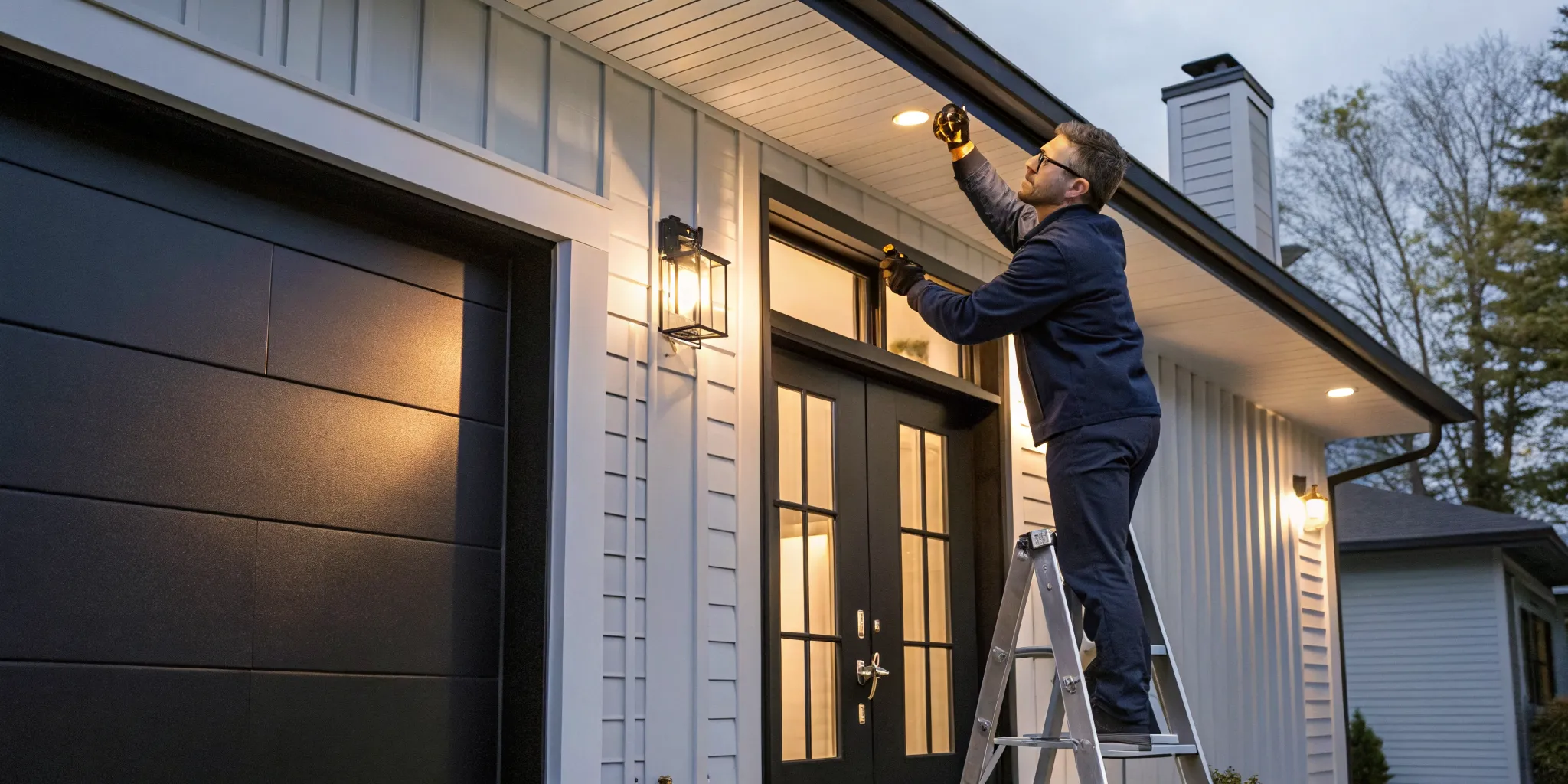
We’ve all been there: a seemingly simple home improvement project spirals into a frustrating mess of confusing instructions and unexpected problems. While that’s annoying when you’re painting a room, it’s downright dangerous when you’re dealing with your home’s electrical system. Installing motion sensor lights comes with a unique set of challenges, from tricky wiring and code compliance to finding the perfect sensor placement. This guide will break down the common pitfalls of a DIY installation and show you how to avoid them. We’ll make the case that the most efficient way to get the job done safely and correctly is to hire an electrician to install motion sensor light fixtures from the start.
Key Takeaways
- Prioritize Safety by Hiring a Professional: Electrical work is not a DIY project; hiring a licensed and insured electrician ensures your motion sensor lights are installed correctly, meet all local safety codes, and function without risk of shock or fire.
- Do Your Homework Before You Hire: Find the right electrician by checking their credentials, reading customer reviews, and asking direct questions about their experience with similar projects. A reputable professional will also help you choose the best lights for your home.
- Ensure Long-Term Success with Simple Steps: A smooth installation starts with clearing the work area beforehand. After the job is done, you can keep your lights working perfectly for years with basic maintenance, like cleaning the sensors and adjusting sensitivity settings.
Why Hire a Pro for Your Motion Sensor Lights?
Tackling a home improvement project yourself can be satisfying, but electrical work is a different story. Installing motion sensor lights might seem straightforward, but it involves wiring, placement, and safety considerations best left to a professional. Hiring an experienced electrician protects you and your home from potential hazards and ensures your new lights work exactly as they should. It’s about getting the job done safely, correctly, and effectively from the start, giving you total peace of mind.
Ensure Safety and Code Compliance
Working with electricity is inherently risky, especially with outdoor installations where weather is a factor. A licensed electrician understands how to handle the job safely, minimizing risk to your property. They are also experts on local building codes, ensuring every connection and fixture is fully compliant. This is crucial for your home’s safety and for passing future inspections. Professional residential electric services guarantee your outdoor lighting is installed with proper weatherproofing, protecting the wiring from moisture and extending the life of your fixtures.
Get the Wiring Right
One of the biggest challenges for homeowners is the wiring. A small mistake, like an improper connection, can lead to serious problems, including electrical shocks, fire hazards, or lights that simply don’t work. Many DIY installations fail because of incorrect wiring or a poor sensor setup. An electrician has the tools and expertise to get the wiring right the first time, ensuring every connection is secure and every component is compatible. This prevents the frustration of flickering lights or fixtures that fail prematurely, so your system functions reliably for years.
Perfect Placement for Peak Performance
Where you place your motion sensor lights is just as important as how you wire them. An expert knows exactly where to install fixtures for maximum effectiveness, covering key areas like entry points, driveways, and walkways without creating blind spots. They also know how to calibrate the sensors correctly to avoid frustrating false alarms from swaying tree branches or passing cars. This strategic approach ensures your lights provide security and convenience exactly when and where you need it. A professional installation means your lights won’t just work; they’ll work intelligently.
How to Choose the Right Electrician
Finding the right person for an electrical job can feel like a big task, but it doesn’t have to be. Taking a little time to vet your options ensures your project is handled safely and correctly from the start. When you’re ready to hire a professional, focus on a few key areas to find a trustworthy electrician who will get the job done right.
Check for Licensing and Insurance
Before you do anything else, confirm that any electrician you consider is properly licensed and insured. This is non-negotiable. Proper licensing means the electrician has met state and local requirements, ensuring their work will comply with all safety codes. It requires verifying that the electrician holds the proper certifications, licenses, and insurance to complete your project safely and professionally. Insurance is just as important. It protects you from liability if a worker is injured on your property or if your home is damaged during the installation. Always ask for proof of both general liability insurance and worker’s compensation. A reputable company will have no problem providing this information, giving you the confidence that you’re fully protected. This is a standard part of our residential electrical services.
Look for Relevant Experience
While most licensed electricians can handle basic tasks, it’s always a good idea to find someone with specific experience in the project you need done. If you’re installing outdoor motion sensor lights, ask if they’ve handled similar jobs before. An experienced pro will know the best placement for sensors, how to run wiring discreetly, and how to protect the system from the elements. Hiring a certified electrician isn’t just about meeting legal requirements; it’s about ensuring the job is done right. An experienced team will work more efficiently and can offer valuable suggestions you might not have considered. Don’t hesitate to ask about their background or see examples of past work. A team with a long history in the community, like our team at M.T. Ruhl, brings years of practical knowledge to every project.
Read Reviews and Check Their Reputation
A company’s reputation is built one job at a time, and online reviews offer a great window into their track record. Before making a decision, be sure to check Google or ask for references. Look for consistent themes in customer feedback. Are they praised for being punctual, professional, and clean? How do they handle unexpected issues? Beyond online reviews, check with the Better Business Bureau (BBB) for their rating and any filed complaints. You can also ask the electrician for a few references you can call directly. Hearing from a past customer can give you a clear picture of what to expect. A strong local presence in your service area is often a sign of a company that stands by its work and values its community relationships.
What’s the Cost of Professional Installation?
Let’s talk about one of the biggest questions on every homeowner’s mind: the cost. While it’s tempting to look for a single price tag, the truth is that professional installation costs can vary quite a bit. The final price depends on the specifics of your home and the scope of the project. Think of it as paying for a service, not just a product. You’re investing in an electrician’s expertise, their time, and the assurance that the job is done safely and correctly. Understanding the factors that go into the final quote will help you set a realistic budget and see the value in hiring a professional for your residential electric needs.
Understanding the Average Cost
To give you a ballpark idea, one homeowner recently shared that they paid just over $900 for a certified electrician to install a single motion sensor light. The job took about five hours from start to finish. While this is just one example, it shows how the cost reflects the time and skill involved. The price covers more than just connecting a few wires; it includes a professional assessment of your electrical system, ensuring the new fixture is installed safely, and guaranteeing it functions exactly as it should. When you hire a professional, you’re paying for a secure, reliable installation that gives you lasting peace of mind.
What Influences the Final Price?
Several key factors can shape the final cost of your installation. The biggest one is wiring. If you’re replacing an old fixture, the job might be straightforward. However, if new wiring needs to be run through walls or to a location that’s never had a light before, the project becomes more complex and time-consuming. The type of motion sensor light you choose also plays a role, as some smart or feature-heavy models require more intricate setup. Finally, the location of the light matters. Installing a fixture on a hard-to-reach second-story eave will naturally require more labor than one right next to your back door.
Factoring in Potential Extra Costs
Sometimes, an electrician might uncover an unexpected issue during the installation. This is especially common in older homes, where they might find outdated or faulty wiring that needs to be addressed for safety. While nobody loves surprise expenses, this is actually one of the major benefits of hiring a pro. They can identify and perform the necessary electrician repairs to bring your system up to code, preventing potential hazards down the road. These fixes will add to the final cost, but they are essential for ensuring your home’s electrical system is safe and your new lights work perfectly for years to come.
The Risks of a DIY Installation
While tackling a home improvement project yourself can be incredibly rewarding, electrical work is one area where it pays to be cautious. Installing motion sensor lights might seem straightforward, but a few common missteps can lead to serious problems. Before you break out the toolbox, it’s important to understand the potential risks involved and why calling a professional is often the smartest and safest choice for your home and family.
Electrical Shock and Fire Hazards
Working with electricity always carries a risk, and outdoor wiring adds another layer of complexity. Improperly connected wires or inadequate weatherproofing can create significant dangers. A single faulty connection could lead to electrical shocks for anyone near the fixture or, even worse, a fire that puts your entire home at risk. Professional electricians are trained to handle these complexities safely, ensuring every connection is secure and properly protected from the elements. They perform electrician repairs and installations with precision, giving you peace of mind that the job is done correctly and safely.
Avoiding Code Violations and Permit Issues
Did you know that most electrical work is governed by strict local and national codes? These regulations are in place to ensure safety and proper functionality. A DIY installation can easily violate these codes without you even realizing it, which could cause problems with your homeowner’s insurance or create complications if you decide to sell your home later. A licensed electrician is well-versed in all current building codes and will make sure your installation is fully compliant. They handle the entire process, from pulling permits to passing inspections, so you don’t have to worry about the red tape.
Common Mistakes That Affect Performance
Beyond the major safety risks, a DIY installation can often lead to lights that simply don’t work as they should. One of the most common issues is poor placement, which can cause the sensor to trigger from passing cars, swaying tree branches, or even the neighbor’s cat. This turns your security feature into a constant annoyance. Other mistakes, like incorrect wiring or improper sensor calibration, can also affect performance and reliability. When you hire a professional for your residential electric needs, they have the experience to install your lights in the optimal location and configure them correctly for peak performance.
Finding the Best Motion Sensor Lights for Your Home
Choosing the right motion sensor lights can feel like a big decision, but it really comes down to understanding a few key features. Once you know what to look for, you can find the perfect fit for your home’s security and convenience. Think about the technology behind the sensor, whether you want smart capabilities, and if a wired or wireless setup makes the most sense for your space. Breaking it down this way makes the selection process much simpler.
Understanding Sensor Technology: PIR vs. Microwave
The first thing to consider is how the light detects motion. Most lights use one of two technologies. Passive Infrared (PIR) sensors work by detecting changes in heat, which makes them great at picking up the body heat of people and animals. Microwave sensors send out signals and detect motion when those signals are disturbed, allowing them to work even through thin walls or around corners. For the most reliable detection, some models use dual-technology sensors that combine both PIR and microwave methods, reducing the chance of false alarms.
Exploring Smart Features and Integrations
Many modern motion sensor lights can connect directly to your home automation system. This allows you to control and customize your lighting from a mobile app, no matter where you are. You can set schedules, adjust brightness, and receive notifications when motion is detected. This level of control is not only convenient but also adds another layer of security and can help you manage energy use more effectively. Integrating these lights into your existing smart home setup is a great way to make your system work harder for you.
Deciding Between Wired and Wireless Options
You’ll also need to choose between wired and wireless lights. Wired options are hardwired into your home’s electrical system, offering a constant, reliable power source. They are a great permanent solution for key areas like driveways or entryways. Wireless lights, on the other hand, are battery-powered and much easier to install. Their flexibility allows you to place them almost anywhere without needing access to existing electrical wiring. The best choice depends on where you need the light and how permanent you want the installation to be.
Key Questions to Ask Your Electrician
Once you have a few potential electricians in mind, it’s time to start the conversation. Asking the right questions upfront helps you gauge their expertise, understand the process, and make sure there are no surprises down the road. Think of it as a mini-interview to find the perfect partner for your project. A good electrician will be happy to answer your questions and provide clear, confident responses. This initial chat is the best way to ensure you’re hiring someone you can trust to work on your home.
Their Experience and Warranties
First, you want to know who you’re working with. Ask about their specific experience installing motion sensor lights and handling other similar electrician repairs. Hiring a certified and insured professional isn’t just a formality; it’s your assurance that the job will be done safely and correctly. Don’t be shy about asking for proof of their license and insurance. It’s also smart to inquire about warranties. Do they guarantee their workmanship? What kind of warranty comes with the lights they install? A reputable electrician stands behind their work and is transparent about your coverage.
The Installation Process and Timeline
To avoid confusion, ask the electrician to walk you through their installation plan. They should explain how they’ll approach the project, from planning the wiring to choosing the best spots for the lights. This helps you know what to expect on installation day. You should also ask for a timeline. While many installations take just a few hours, the duration depends on the complexity of your residential electric project. Getting a clear estimate helps you plan your day and ensures everyone is on the same page before work begins.
Recommended Equipment and Compatibility
Not all motion sensors are the same. A great electrician will guide you to the right equipment for your needs. Ask what type of sensor technology they suggest, whether it’s passive infrared (PIR), microwave, or a dual-technology model. They should also confirm the lights are compatible with your home’s power source to prevent future maintenance headaches. This is your chance to discuss smart features, integrations, and whether a wired or wireless option makes more sense. Their recommendations will show their expertise and commitment to a lasting solution.
What to Expect During the Installation Process
Getting a home generator installed might sound like a huge project, but when you work with a professional team, it’s a straightforward and organized process. From the first conversation to the final system check, every step is designed to be clear and efficient, leaving you with a reliable power source you can count on. Knowing what happens at each stage can help you feel confident and prepared.
The entire process is handled by certified technicians who manage everything from site preparation and electrical work to fuel line connections and final testing. We believe in clear communication, so you’ll always know what’s happening and what to expect next. Our goal is to make your residential standby generator installation as smooth as possible, ensuring your system is set up for safe, automatic operation for years to come. We take care of securing permits and coordinating inspections, so you don’t have to worry about the details. This comprehensive approach means you get a turnkey solution without the stress of managing multiple contractors or navigating complex local regulations. Let’s walk through the key phases of a typical installation so you can see just how seamless it can be.
The Initial Consultation and Site Assessment
The first step is a thorough on-site consultation. One of our experts will visit your home to understand your specific power needs and assess your property. We’ll discuss which essential circuits you want to back up, from your refrigerator and HVAC system to home office equipment. We then evaluate potential locations for the generator, considering local codes, noise levels, and proximity to fuel and electrical lines. This assessment ensures we recommend the right size Generac generator and find the perfect spot for it, making the actual installation day go off without a hitch.
Step-by-Step Installation
On installation day, our certified technicians get to work. The process starts with preparing the site and placing a concrete pad to create a stable, level base for the generator. Next, we connect the unit to your home’s fuel source, whether it’s natural gas or a propane tank. The most critical part is the electrical work. Our team will install an automatic transfer switch, which is the brain of the system. This device is wired directly to your home’s main electrical panel and is what allows the generator to automatically kick on the moment an outage is detected.
Final Testing and Adjustments
Once everything is physically installed, we conduct a complete system test. This involves simulating a power outage to ensure the generator starts automatically and the transfer switch works exactly as it should. We’ll check that all connected circuits are receiving power and make any necessary adjustments for optimal performance. Before we leave, we’ll walk you through the entire system, show you how it operates, and answer any questions you have. This final check guarantees your generator is ready for action, giving you peace of mind before the next storm even forms.
How to Prepare for Installation Day
Once you’ve scheduled your appointment, a little bit of prep work can make installation day go incredibly smoothly for everyone. Taking a few simple steps beforehand allows your electrician to work safely and efficiently, getting your new motion sensor lights up and running without a hitch. Think of it as rolling out the welcome mat for a job well done.
Clear the Installation Areas
Your electrician will need clear, safe access to the spots where the lights will be installed. Before they arrive, take a quick walk around your property to tidy up these key areas. This usually means focusing on entry points, driveways, walkways, and backyards where you expect the most foot traffic. You can help by trimming back any overgrown bushes or tree branches that might be in the way. It’s also a good idea to move things like patio furniture, grills, gardening tools, or kids’ toys that could obstruct the workspace. A clear path not only prevents accidents but also helps the installation team complete their work more quickly.
Consider Your Power and Wiring Needs
You don’t need to be an electrical expert, that’s what you hired a professional for. However, it’s helpful to think about your home’s existing setup. Your electrician will determine the best way to power your new lights, which might involve tapping into an existing circuit or running new wiring. DIY electrical work can be risky, and improper connections can lead to serious hazards. Our team handles all the complexities to ensure your system is safe and up to code. If you have any other concerns or have been thinking about other electrician repairs, installation day is a great time to ask questions.
Keeping Your Motion Sensor Lights Working Perfectly
Once your motion sensor lights are installed, they’re pretty low-maintenance. However, they aren’t completely “set it and forget it.” A little bit of upkeep now and then ensures they work reliably, keeping your property well-lit and secure. Most of the time, a quick fix is all you need to get them back in top shape. But it’s also important to know when a problem is more than a simple adjustment and requires a professional’s touch. Taking care of your lights properly will help them last longer and perform better, giving you peace of mind.
Simple Cleaning and Sensitivity Adjustments
Over time, things like dust, pollen, cobwebs, and grime can build up on the sensor, blocking its view and causing it to either miss motion or trigger constantly. A simple fix is to gently wipe the sensor with a soft, clean cloth every few months. Many performance issues disappear with this one easy step.
If cleaning doesn’t solve the problem, your light’s sensitivity settings might need a tweak. Most models allow you to adjust how much movement is needed to turn the light on. This is perfect for preventing swaying tree branches, passing cars, or neighborhood pets from causing false alarms. Check your light’s manual for instructions on how to fine-tune these settings for your specific environment.
Troubleshooting Tips and When to Call a Pro
If your light still isn’t working correctly after a good cleaning and sensitivity check, there are a couple more things you can try. First, check the lightbulb to make sure it hasn’t burned out. Next, check your circuit breaker to see if it has tripped. If these simple steps don’t work, the issue is likely electrical.
Working with wiring can be dangerous, and improper connections can lead to shocks, fires, or damage to the fixture itself. For anything beyond a bulb change or breaker reset, it’s always safest to call a professional. If you’re dealing with flickering lights, a sensor that won’t turn on at all, or any exposed wiring, it’s time to get expert help. Our team handles professional electrician repairs to safely diagnose and fix the problem.
Related Articles
- Sensor Light Installation in 5 Easy Steps
- A Guide to the Best Outdoor Motion Sensor Light Installation
- Outdoor Motion Sensor Light Wiring Diagram Explained
- The Ultimate Guide to Motion Sensor Light Installation
Frequently Asked Questions
Is it ever okay to install a motion sensor light myself? For simple, battery-powered lights that you can stick or screw onto a surface, a DIY approach is usually fine. However, if the installation involves connecting to your home’s electrical system, you should always hire a licensed electrician. Hardwired projects require a deep understanding of wiring, safety codes, and proper weatherproofing to prevent risks like electrical shock and fire hazards.
How can I get an accurate estimate for my installation? The best way to get a precise quote is to schedule an on-site consultation. Because every home’s layout and electrical system is unique, a professional needs to assess the installation site in person. This allows them to evaluate the existing wiring, determine the best placement for your lights, and understand the full scope of the work, which ensures you receive a fair and accurate price.
Can you help me choose the right motion sensor lights for my home? Yes, absolutely. We can help you select the perfect lights based on your property’s specific needs. During a consultation, we can discuss your security goals and recommend models with the right sensor technology, features, and durability for your home. Our experience ensures you get a reliable product that works effectively with your electrical setup.
While you’re here, can you look at another electrical issue I’m having? Of course. We are a full-service electrical contractor, so our certified electricians can handle a wide range of projects. If you have a flickering light, a faulty outlet, or any other concern, just let us know. Addressing multiple issues during a single visit is an efficient way to ensure your home’s entire electrical system is safe and functioning correctly.
How long does a typical motion sensor light installation take? The timeline depends on the project’s complexity. If we are replacing an existing fixture, the job can often be completed in just a few hours. However, if the installation requires running new wiring to a location that has never had a light before, it will naturally take longer. We will always provide a clear time estimate before we begin any work.